Subject
Plant
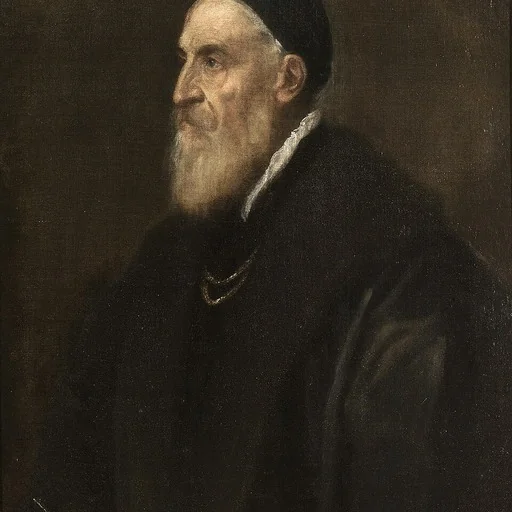
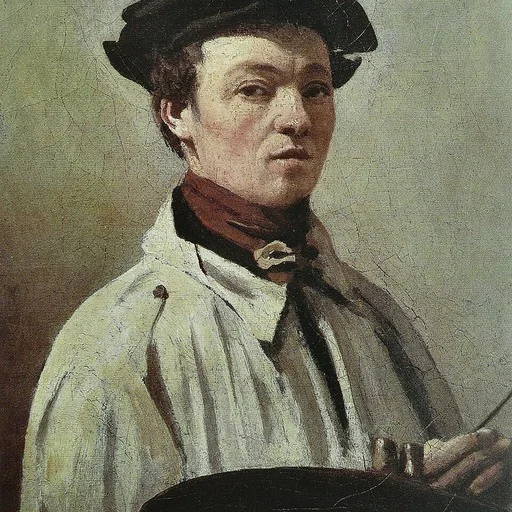
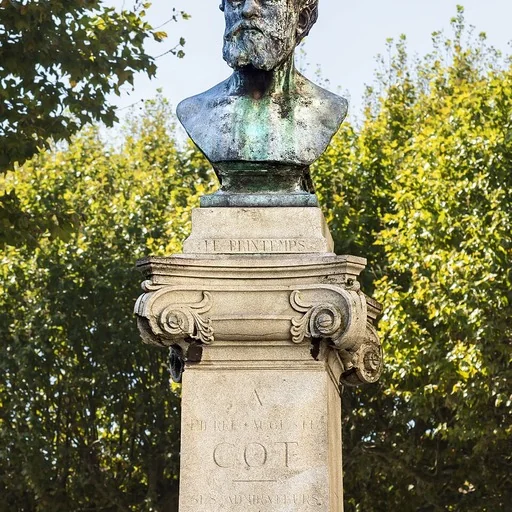
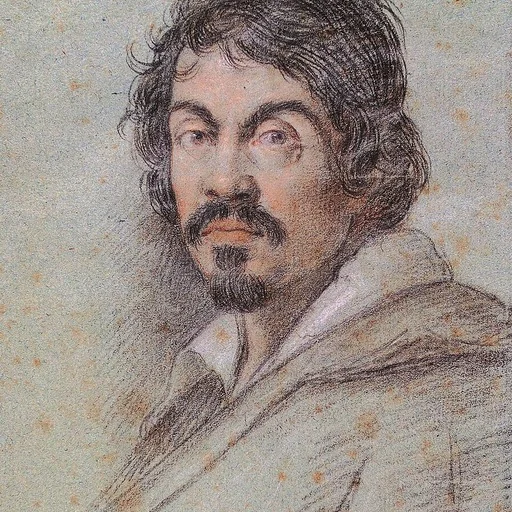
Plant is a subject in art. The gallery holds 130 works in this subject in art, including works by Titian, Jean Baptiste Camille Corot and Pierre Auguste Cot.
Plants are the eukaryotic, predominantly photosynthetic organisms that constitute the kingdom Plantae, drawing their energy from sunlight. As a subject in art, however, the plant is far older than the science that names it: leaves, blossoms, vines and trees have ornamented human image-making since antiquity. Plants first emerged as a rigorous subject in their own right through the illustrated herbal, a medical-botanical genre that reached its height in the sixteenth century. The landmark is Leonhart Fuchs's *De historia stirpium commentarii insignes* (1542), whose 511 woodcuts—all drawn from life—set a standard of botanical accuracy that endured for centuries and were copied, sometimes from the same blocks, by later authors such as Rembert Dodoens and Caspar Bauhin.
The flower piece became an independent painting genre in the early seventeenth-century Netherlands. Ambrosius Bosschaert the Elder, working in Middelburg, was among its founders, painting on copper to achieve jewel-like precision through layered glazes. Such bouquets were rarely mere decoration: they carried vanitas meanings—the brevity of life, the certainty of death—and reflected the era's botanical obsessions, including the speculative 'tulip mania' of 1634–37, when the tulip signalled virtue and nobility.
The genre's supreme practitioners were Rachel Ruysch (1664–1750), daughter of an Amsterdam anatomy and botany professor, who built an internationally famous six-decade career, and Jan van Huysum, regarded as the last of the great Dutch flower painters, who lightened both palette and backgrounds in the eighteenth century. Van Huysum's *Flowers in an Urn*, held in this collection, exemplifies his dense, asymmetrical opulence and minutely observed petals, insects and dewdrops.
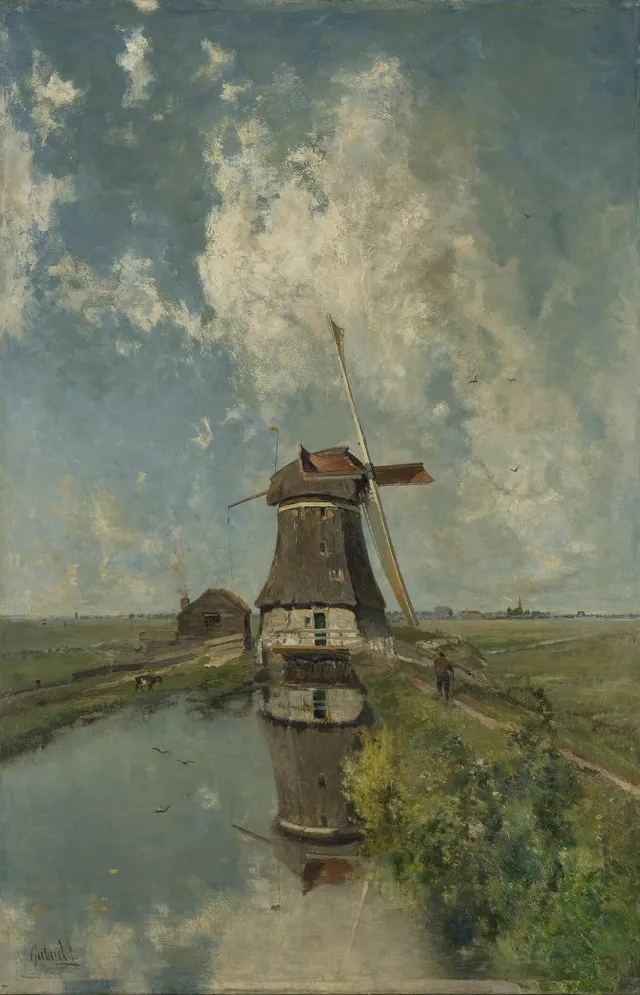
Beyond the vase, plants shaped landscape painting. The Barbizon School worked *en plein air* among the trees and grasslands of Fontainebleau, and Jean-Baptiste-Camille Corot—represented here by *The Repose* and *Bacchante by the Sea*—evolved from near-photographic foliage toward soft, dappled canopies of dabs and daubs that anticipated Impressionism. Paul Joseph Constantin Gabriël's *A Windmill on a Polder Waterway* sets reeds and meadow against a Dutch sky.
This long engagement fed later movements: Art Nouveau drew its whiplash lines and ornament directly from native flora, while botanical illustration continues as both science and art, confirming the plant as one of art's most enduring and adaptable subjects.
Key artists
Works
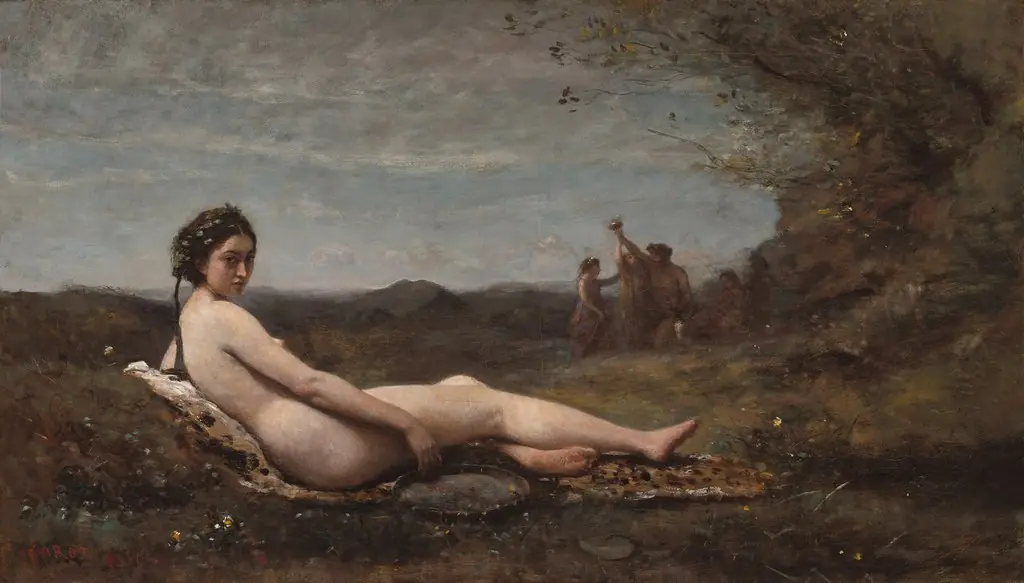 The Repose
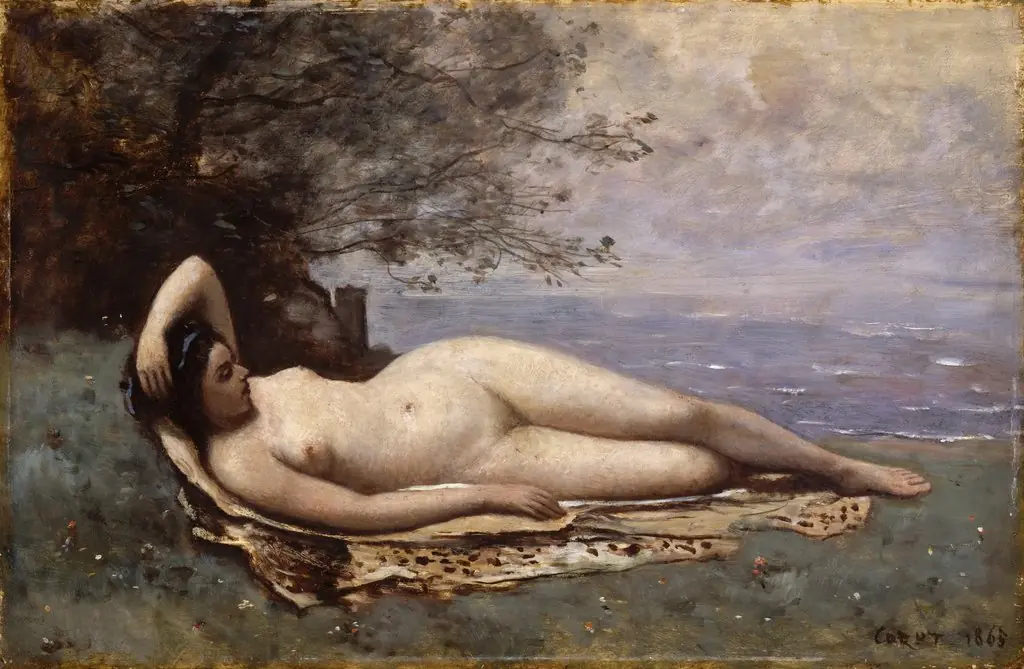 Bacchante by the Sea
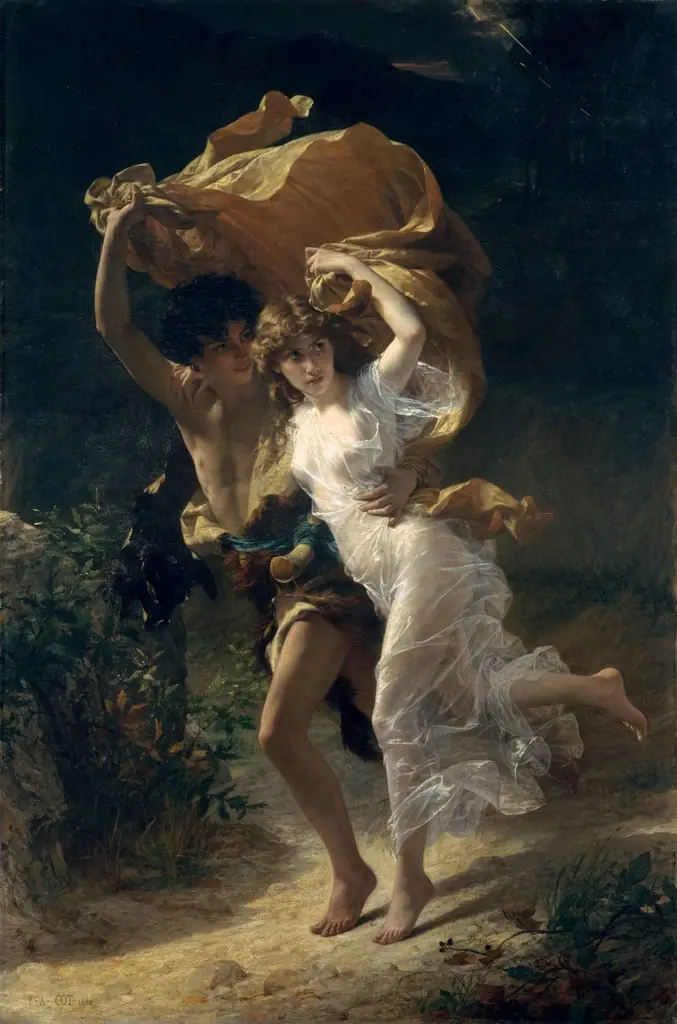 The Storm
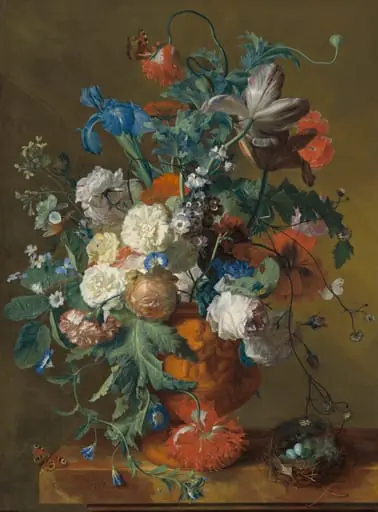 Flowers in an Urn
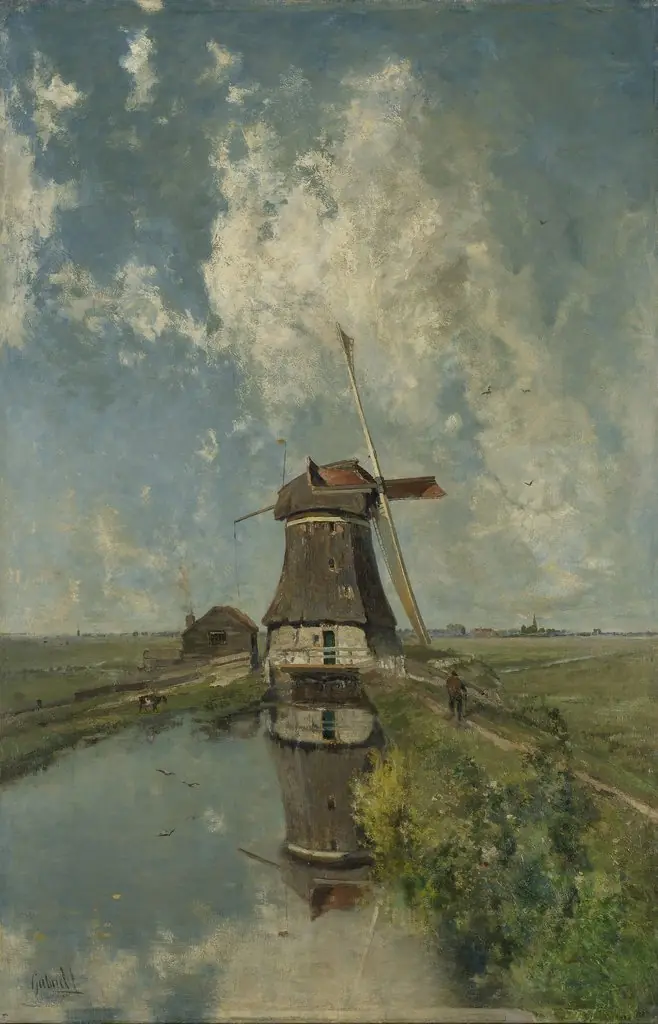 A Windmill on a Polder Waterway, Known as ‘In the Month of July’
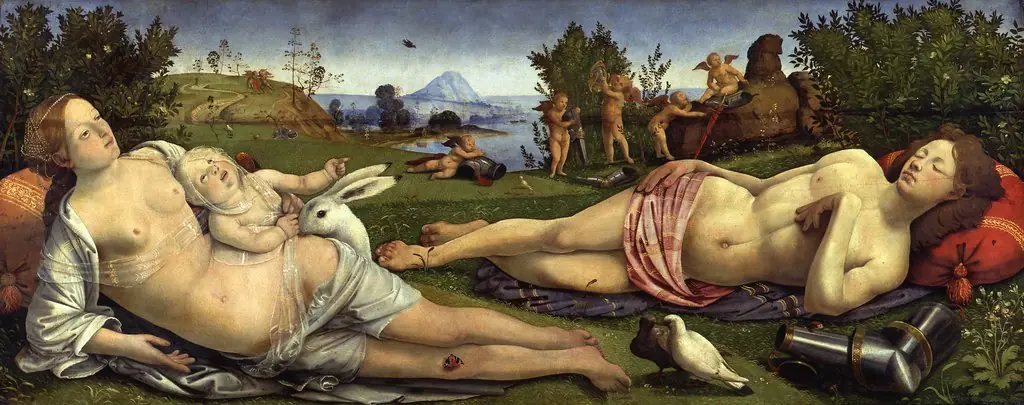 Venus, Mars and Cupid
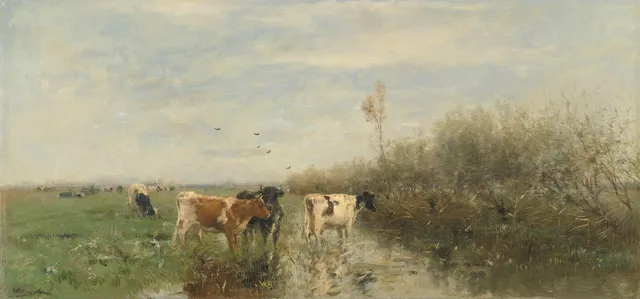
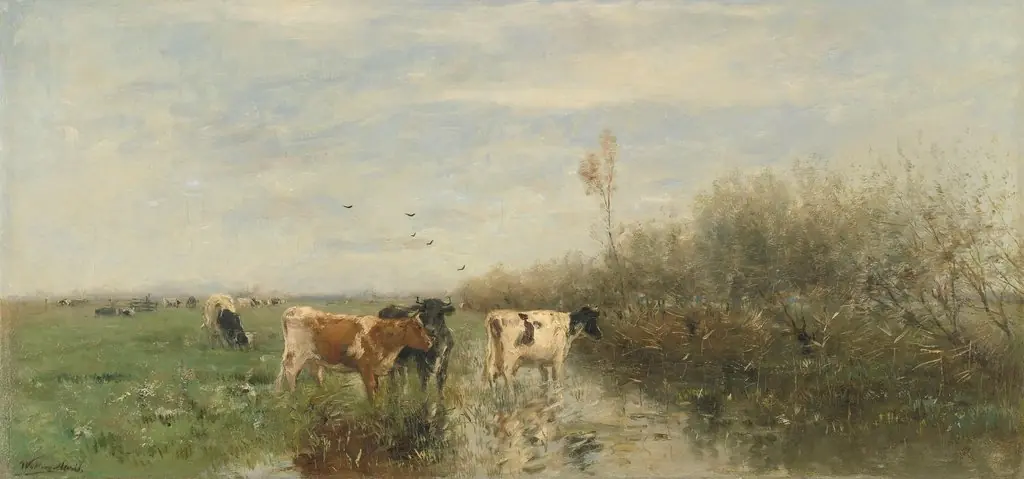 Cows in a soggy meadow
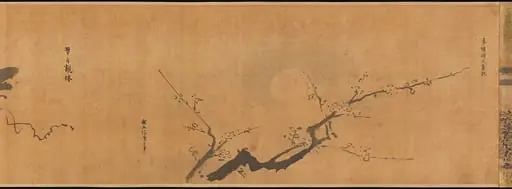 狩野探幽筆 『画苑』|Famous Themes for Painting Study Known as “The Garden of Painting” (Gaen)
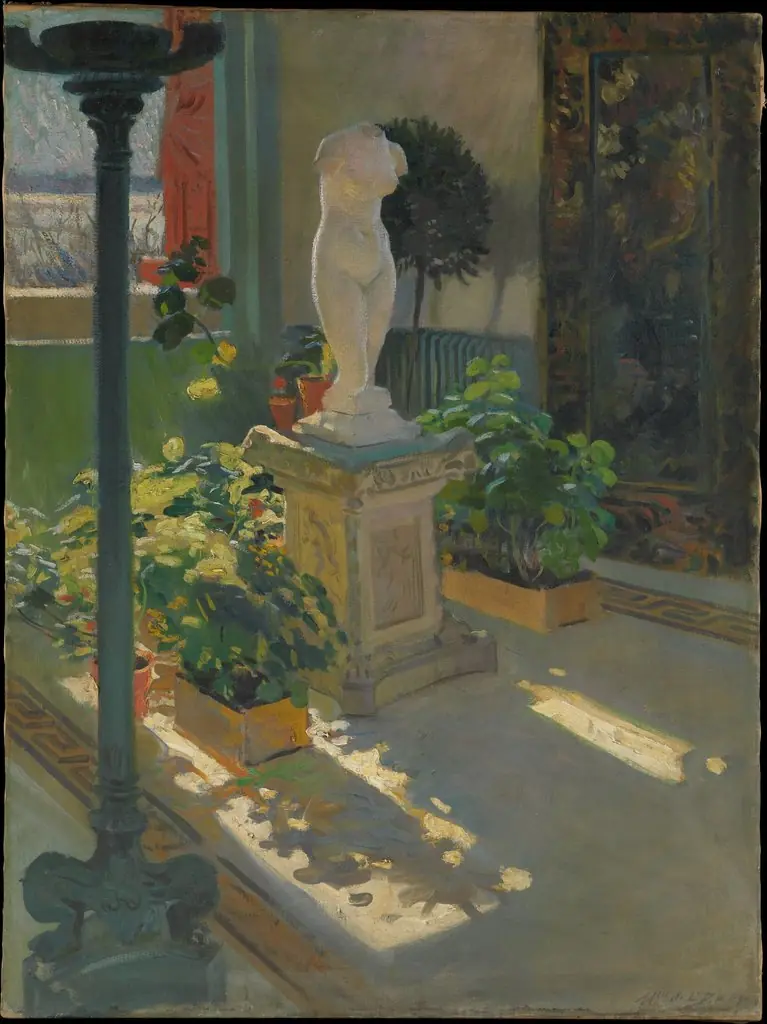 Venus in Atrium
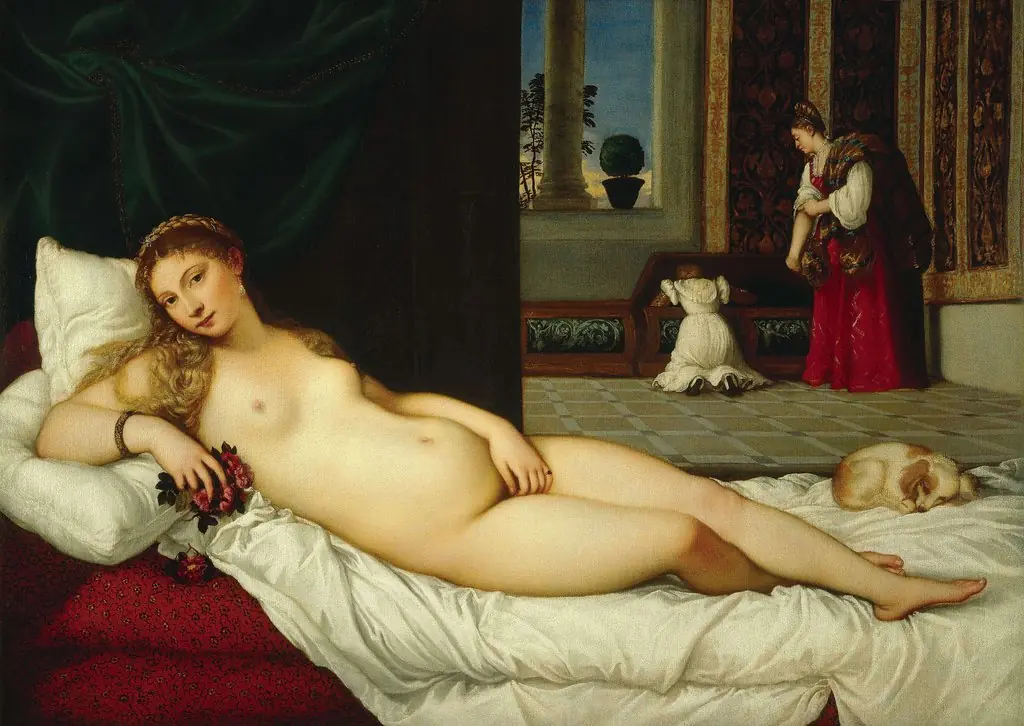 Venus of Urbino
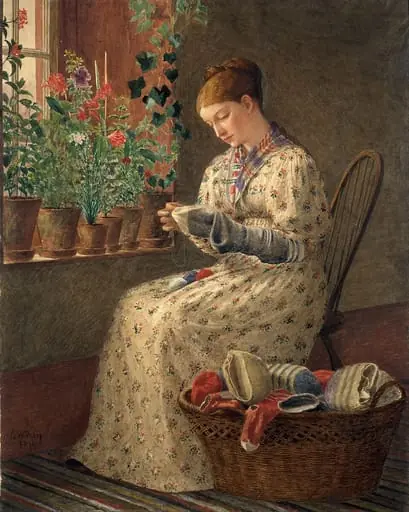 A Month's Darning
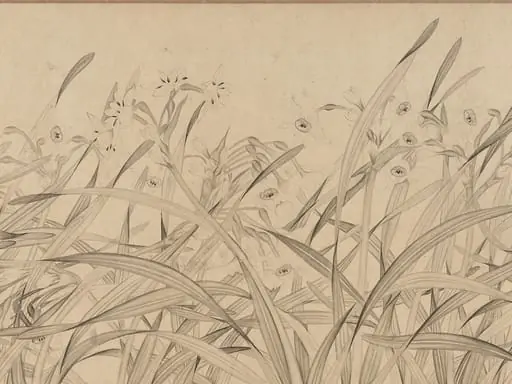 南宋 趙孟堅 水仙圖 卷|Narcissus
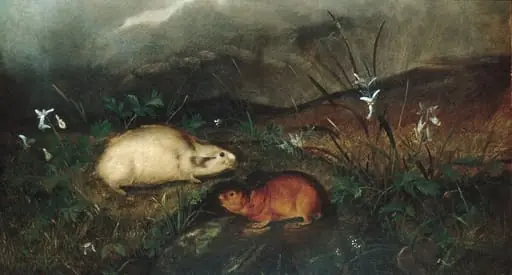 Hudson's Bay Lemming
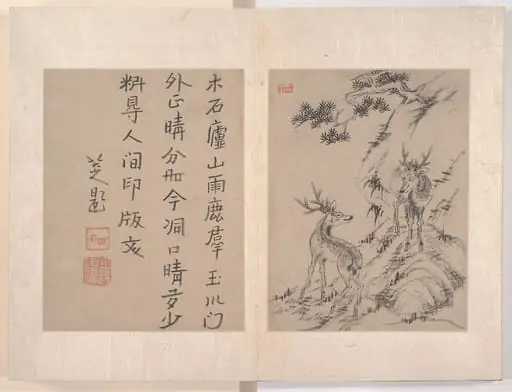 Untitled
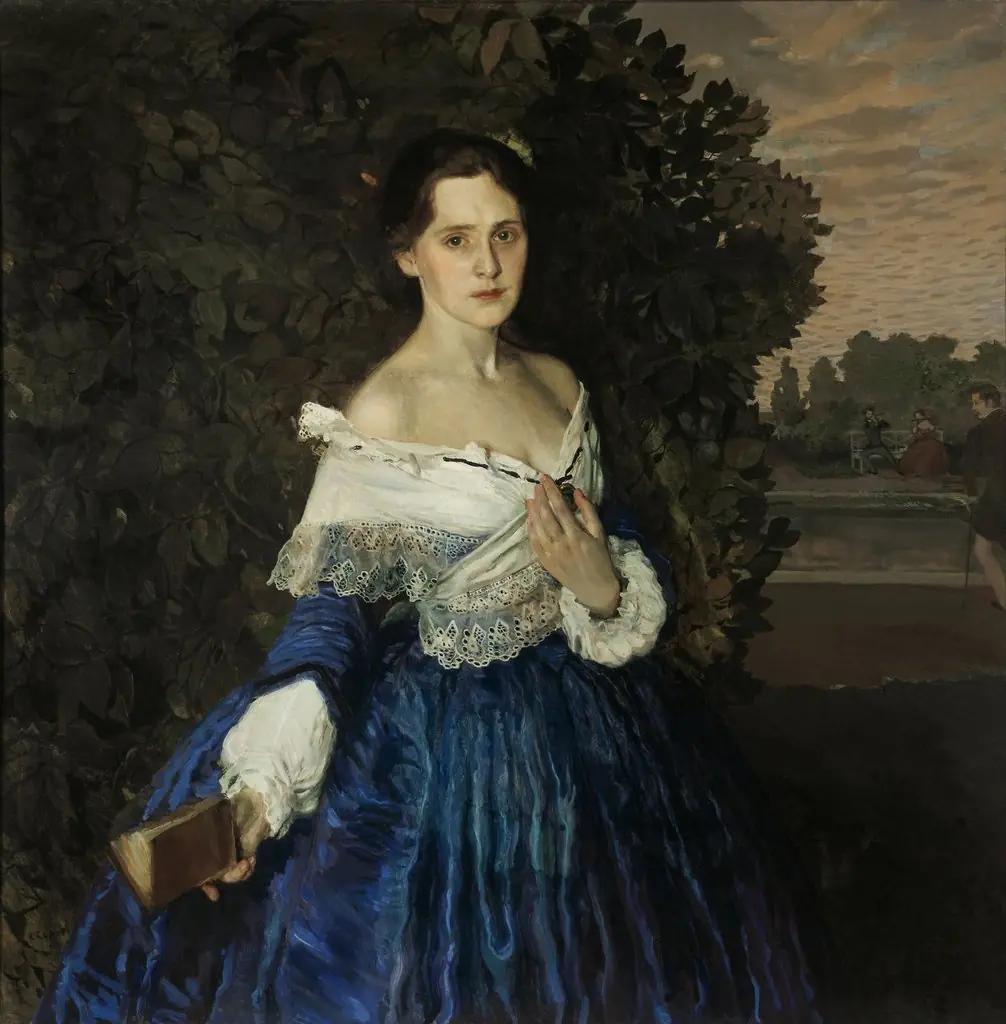 Lady in Blue
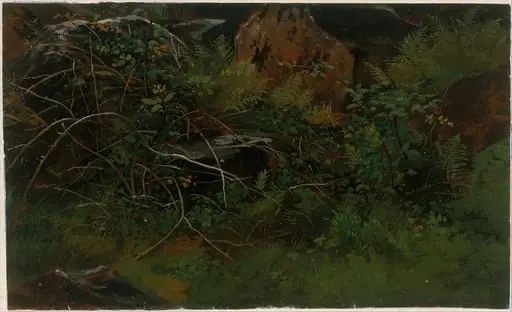 Study from Nature
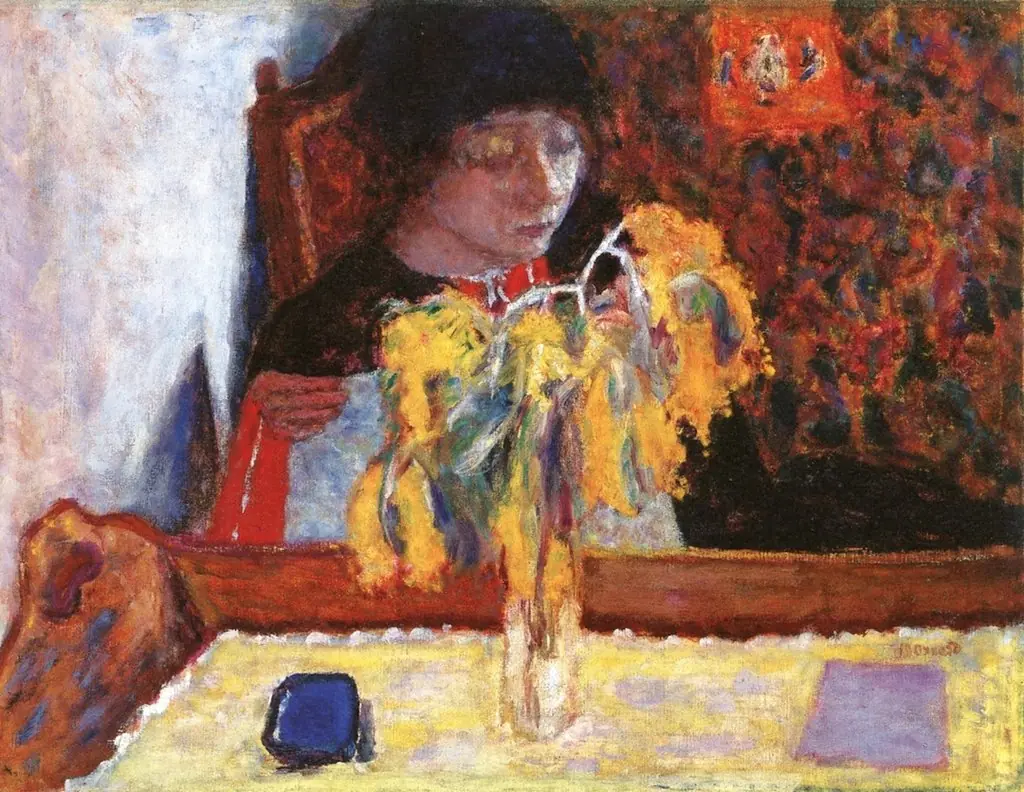 Woman with Mimosa
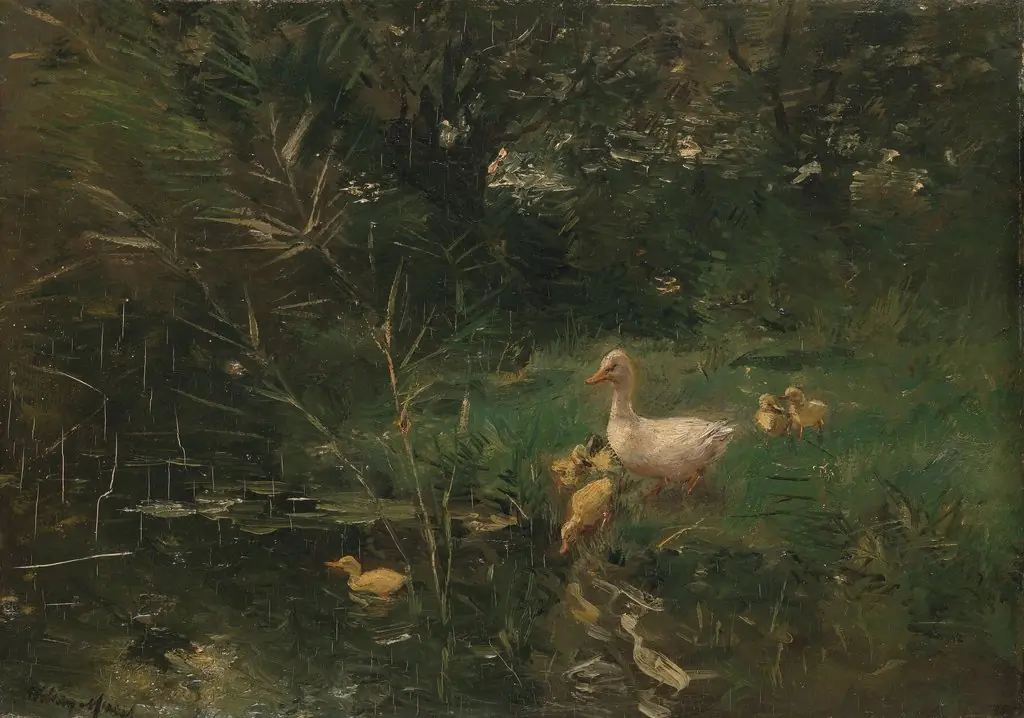 Eendjes
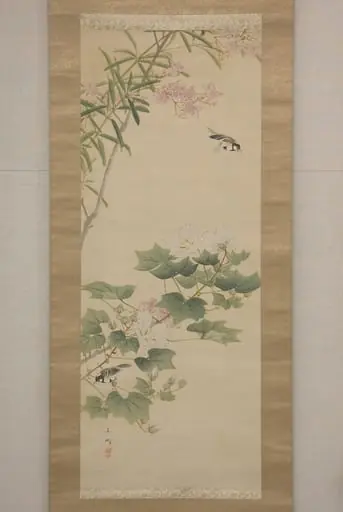 Untitled
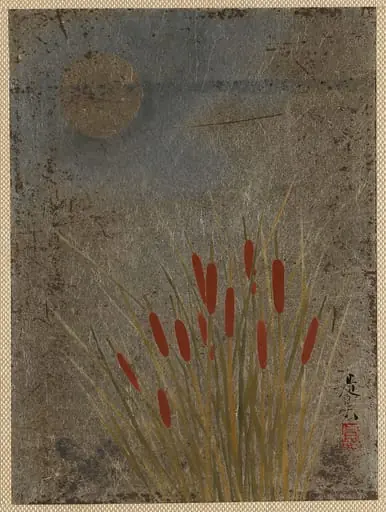 Untitled
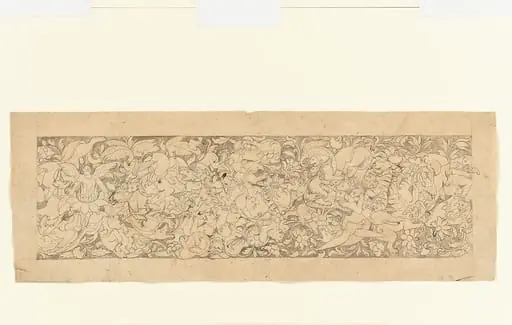 Untitled
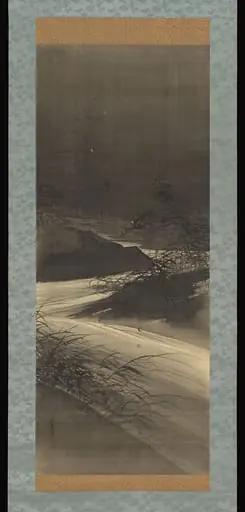 Untitled
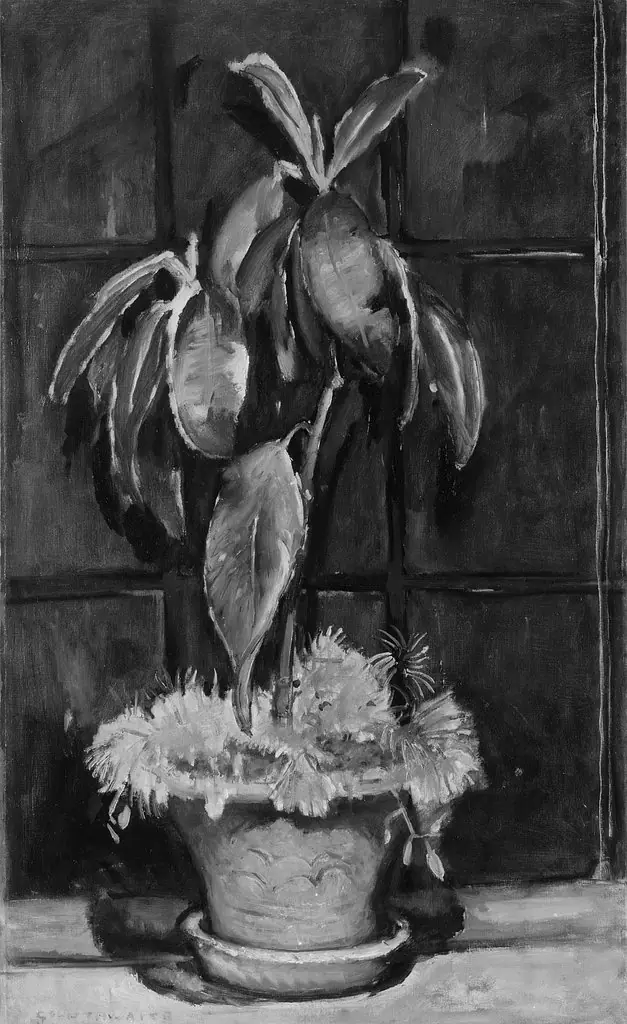 A Window at Night
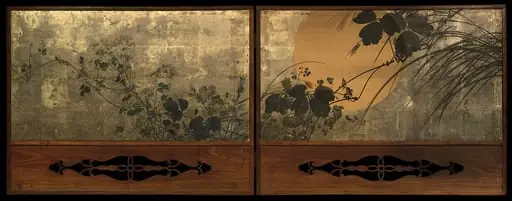 月に秋草図屏風|Autumn Grasses in Moonlight
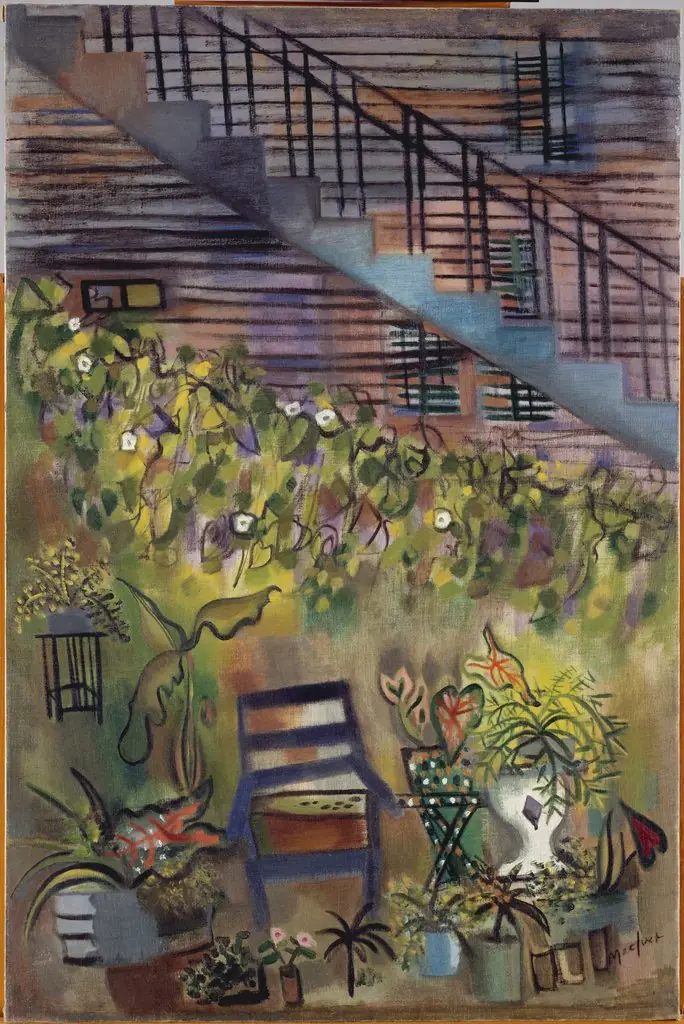 Carey's Backyard
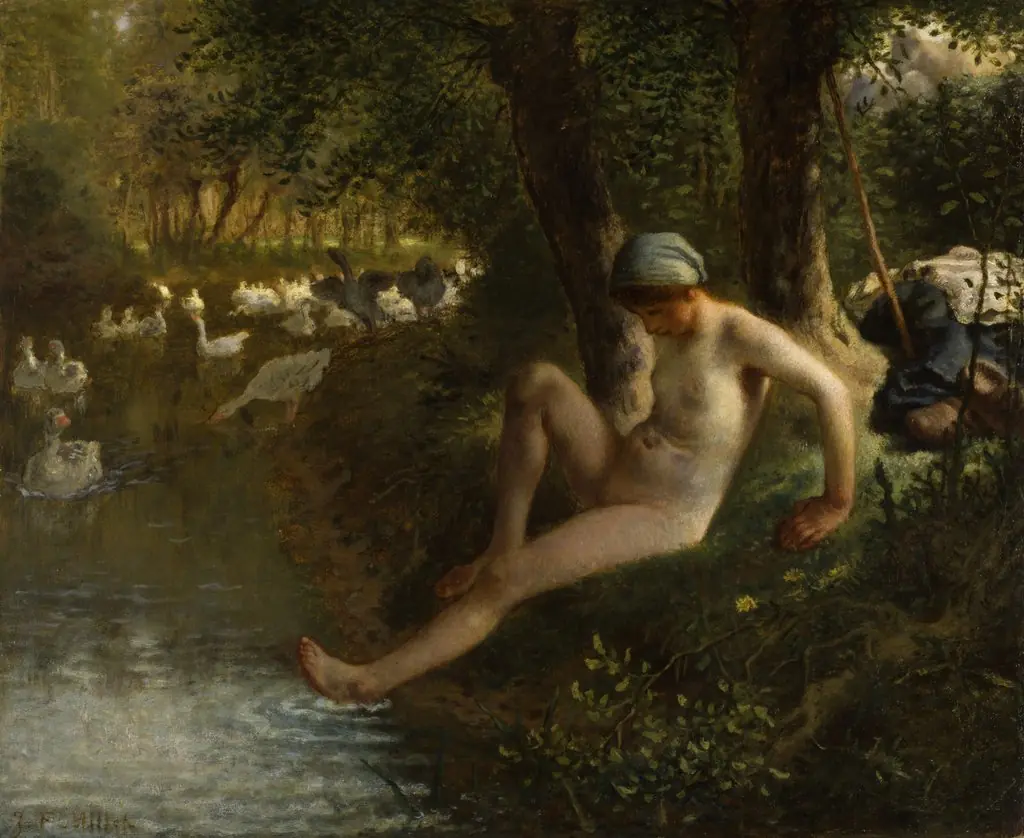 The Goose Girl
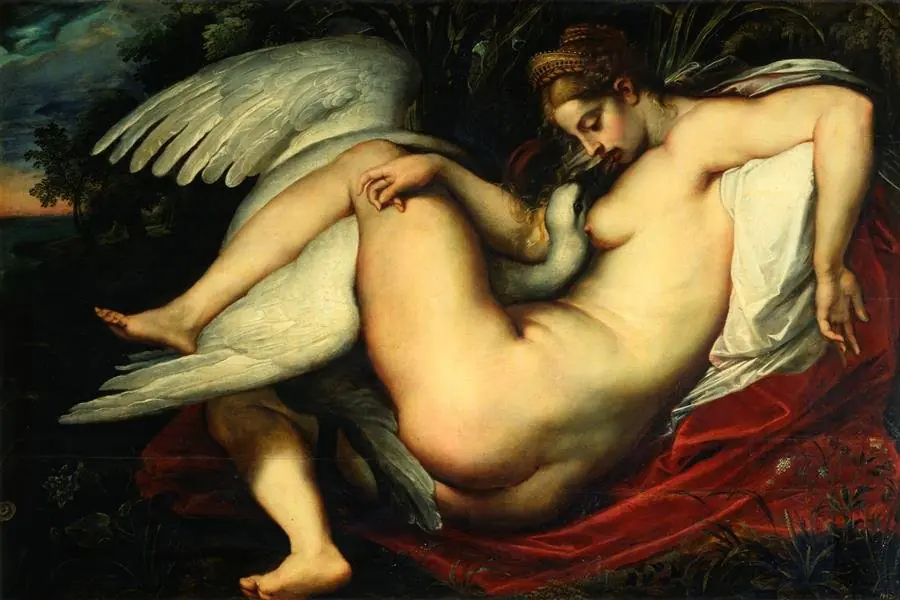 Leda and the swan
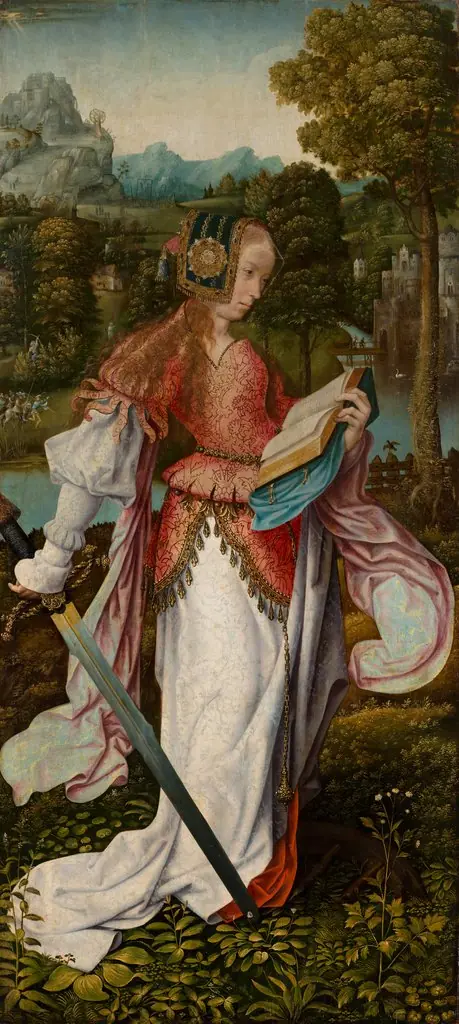 Saint Catherine
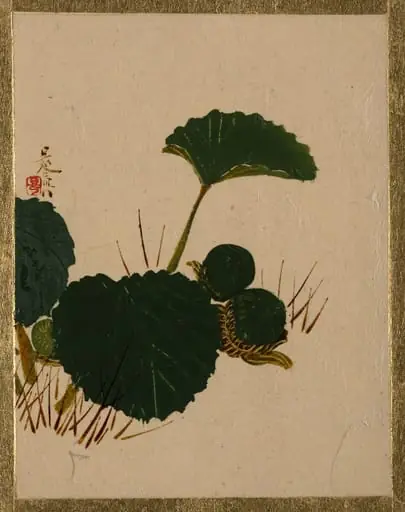 Untitled
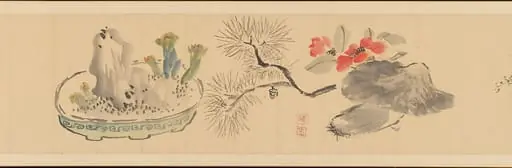 岡田半江筆 花卉図巻|Letter Enclosing Flowers
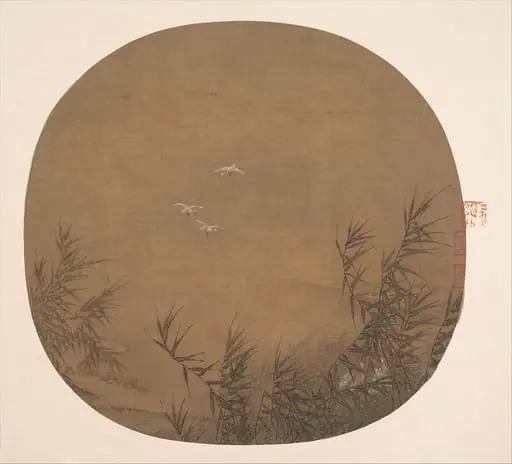 南宋 佚名 蘆鷺圖 團扇|Egrets in Water Reeds
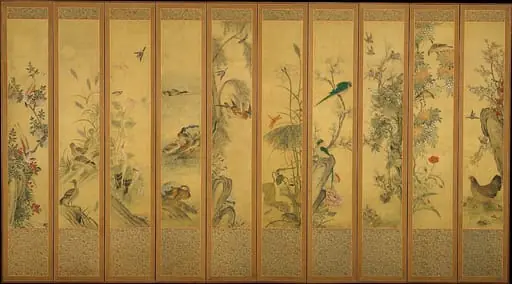 작자미상 화조도 조선|作者未詳 花鳥圖 朝鮮|Birds and Flowers
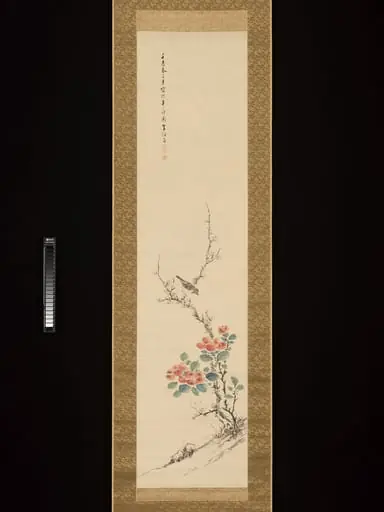 Untitled
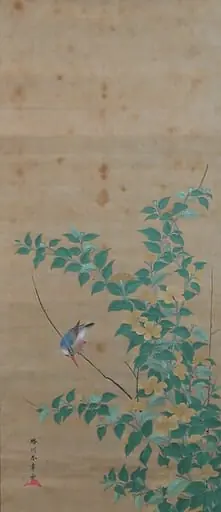 Untitled
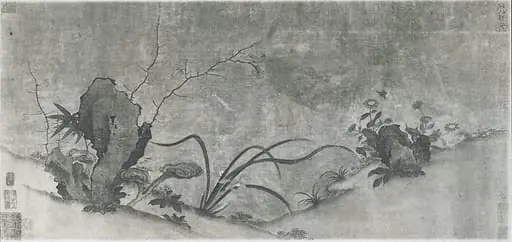 Untitled
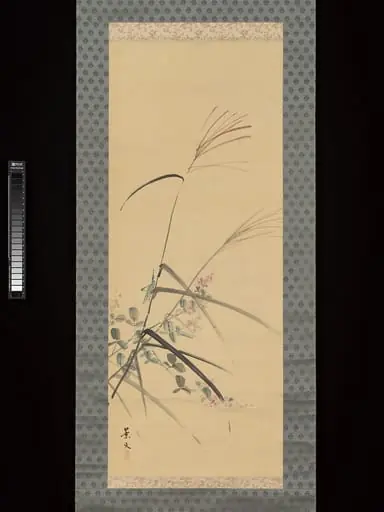 Untitled
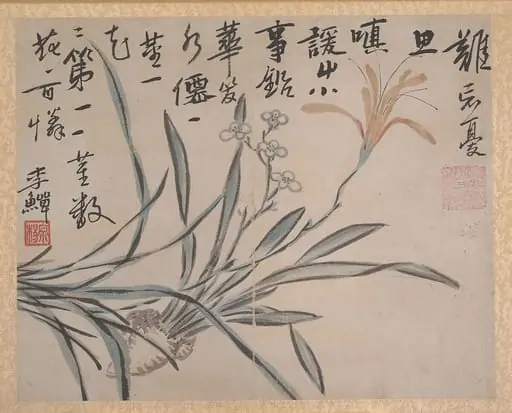 清 佚名 仿李鱓 花果圖 冊|Plants and Vegetables
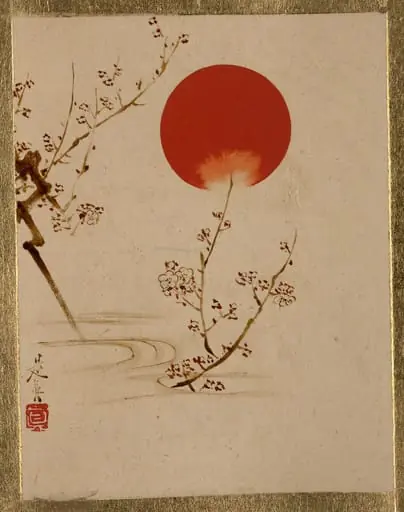 Untitled
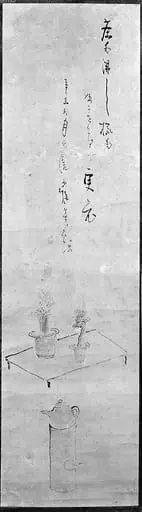 Untitled
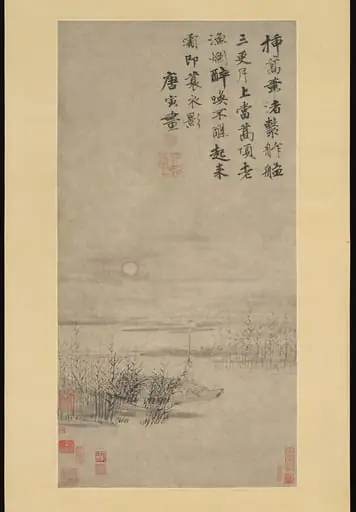 明 唐寅 葦渚醉漁圖 軸|Drunken fisherman by a reed bank
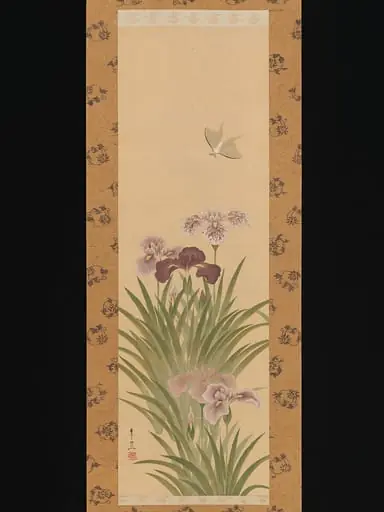 Untitled
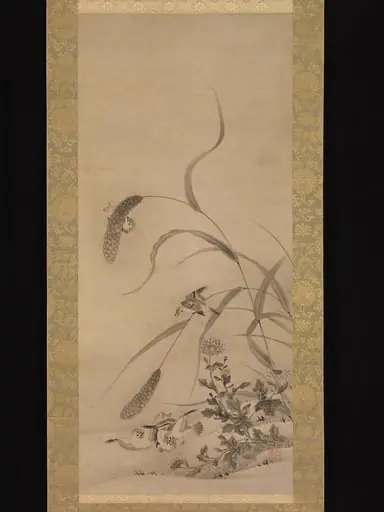 粟に燕図|Millet and Sparrows
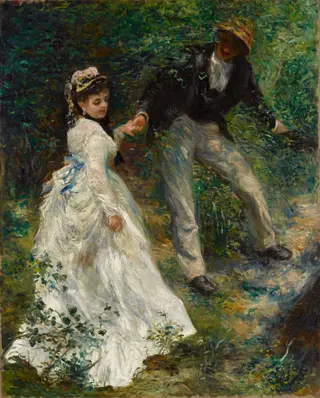 La Promenade
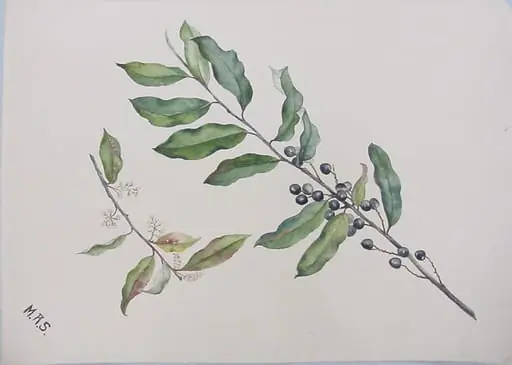 Cherry Laurel (Mock Orange) Bough
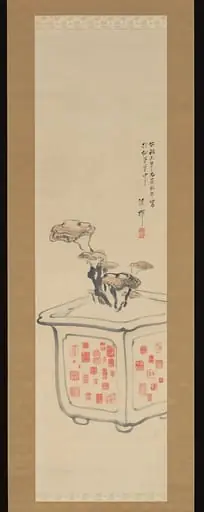 Untitled
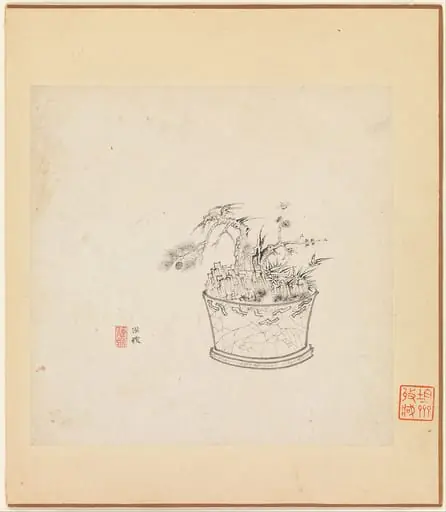 明/清 陳洪綬 橅古圖 冊|Miscellaneous Studies
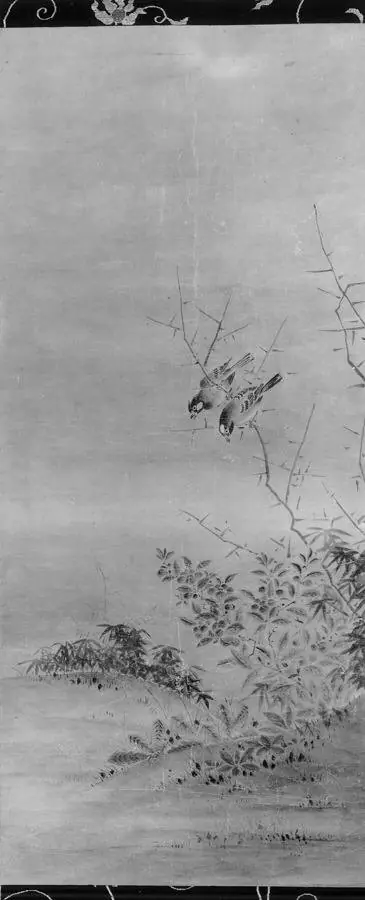 Rushes and Two Birds
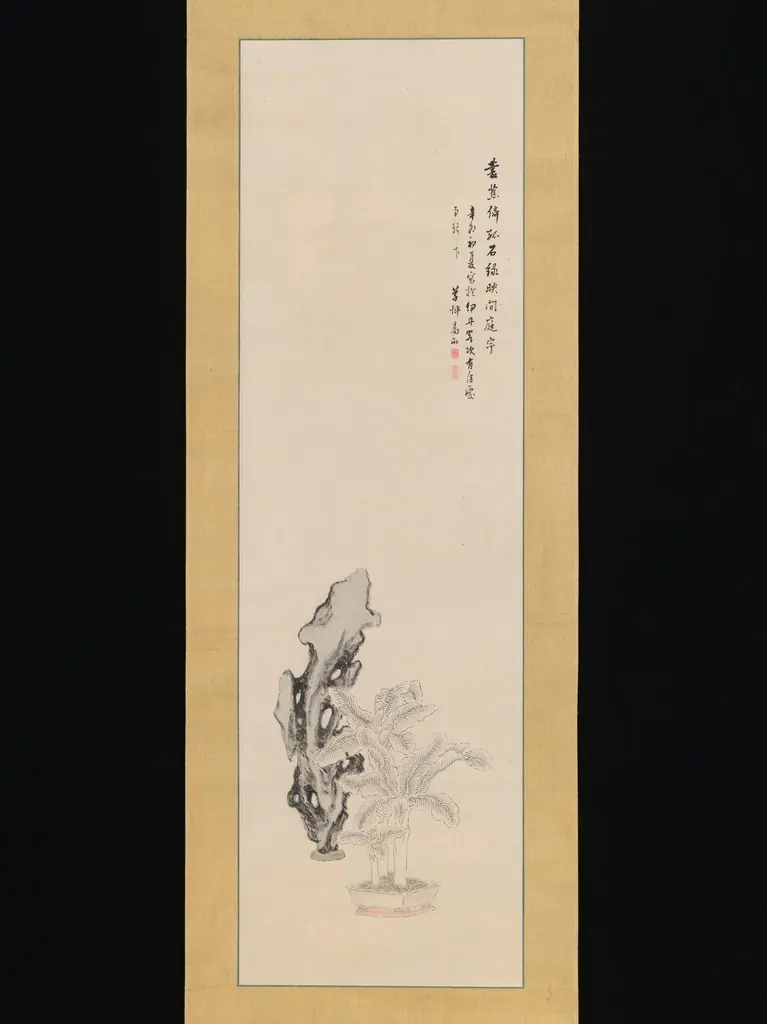 Taihu Rock and Banana Plant
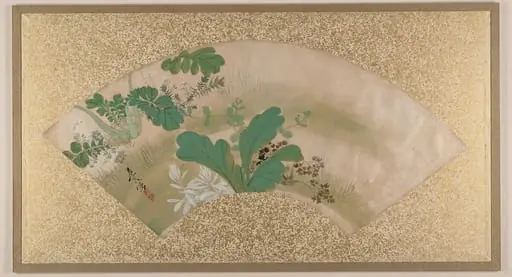 Untitled
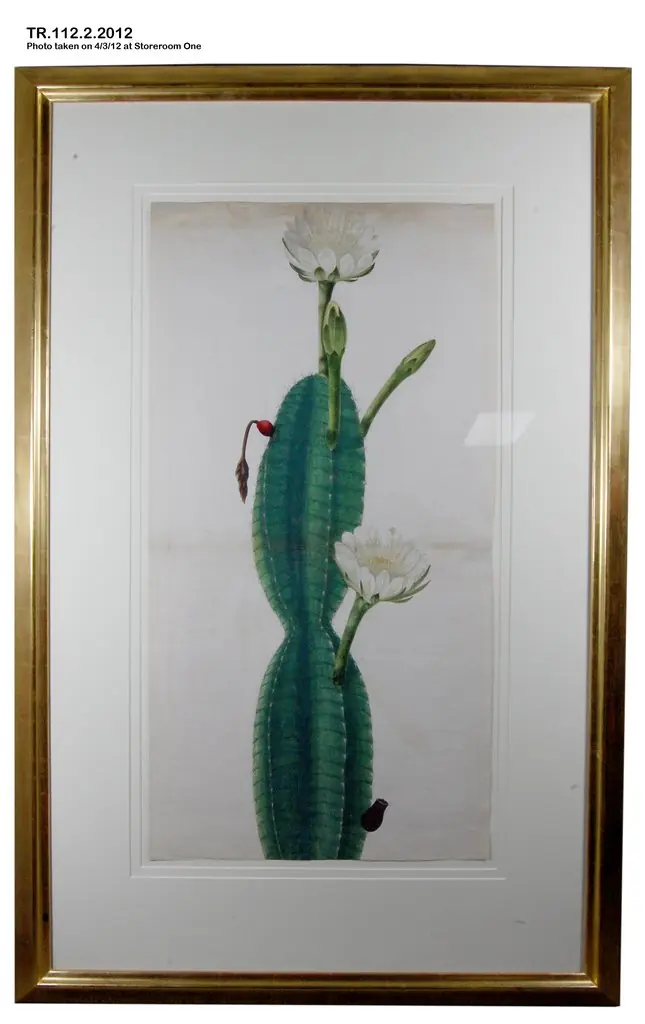 Cactus Plant in Flower
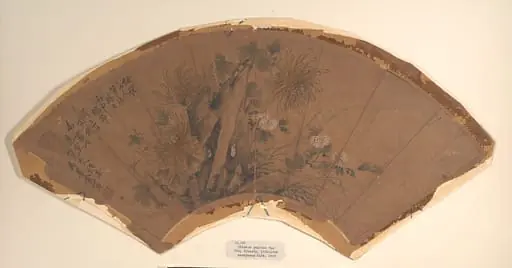 Untitled
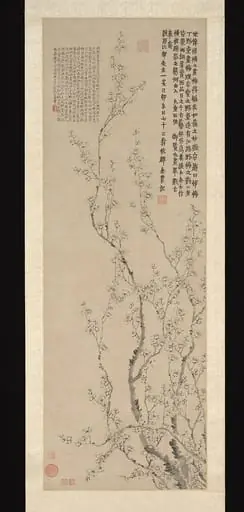 清 金農 墨梅圖 軸|Blossoming plum
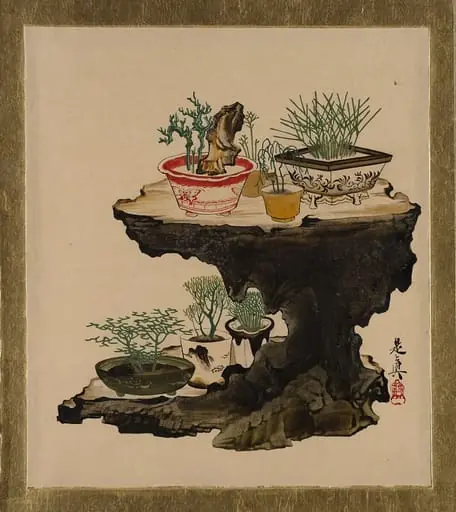 Untitled
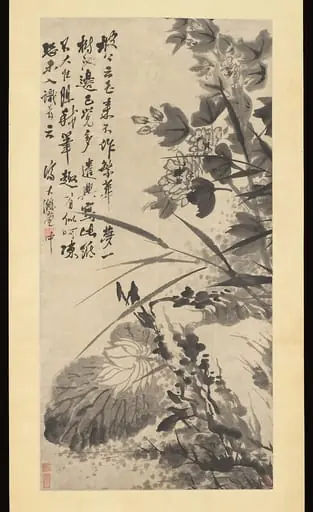 清 石濤 (朱若極) 花石圖 軸|Hibiscus, Lotus, and Rock
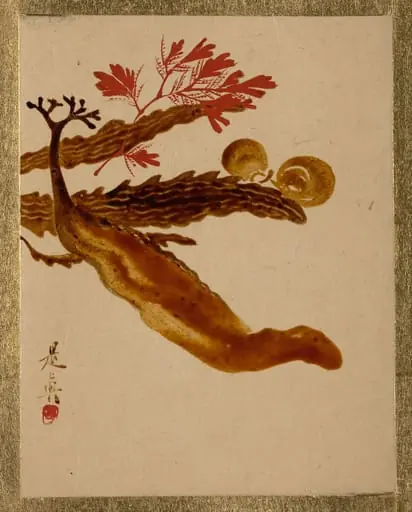 Untitled
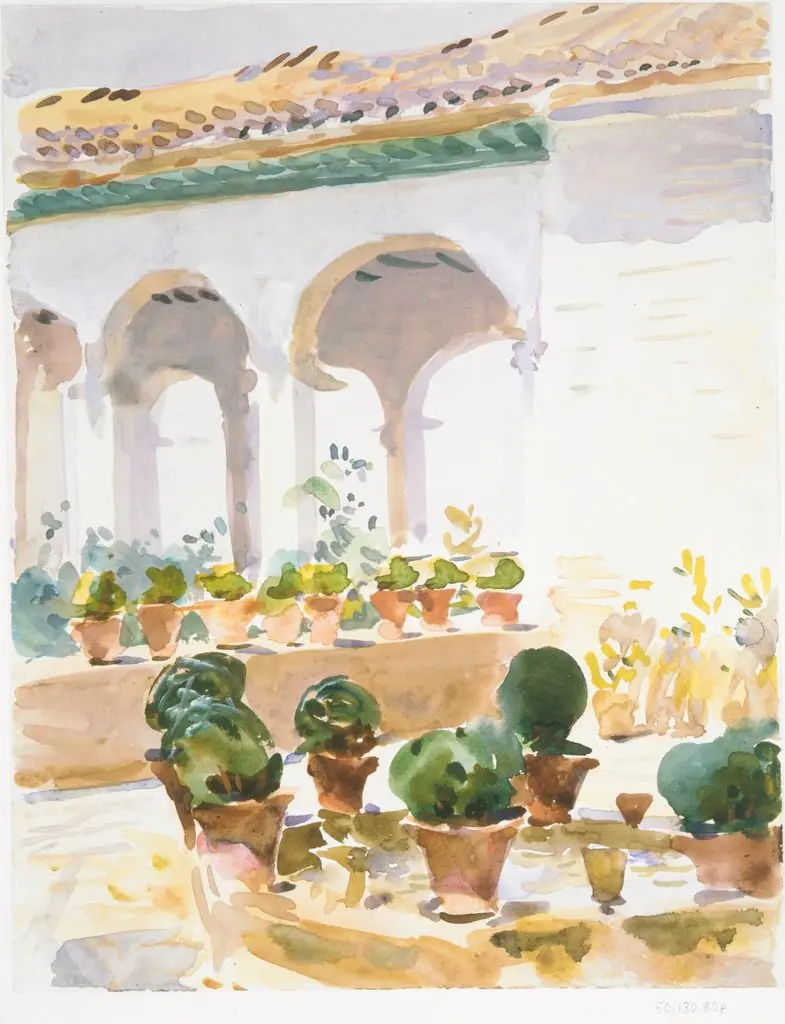 Spain
Spain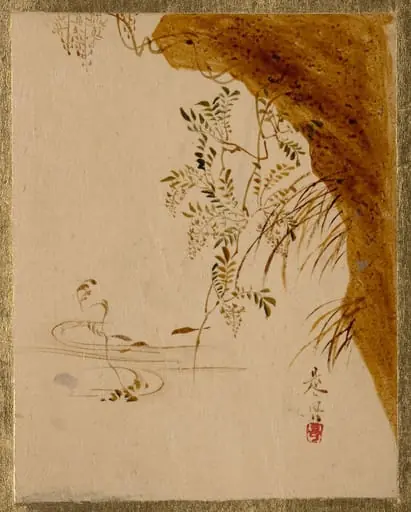 Untitled
 Cycad
Cycad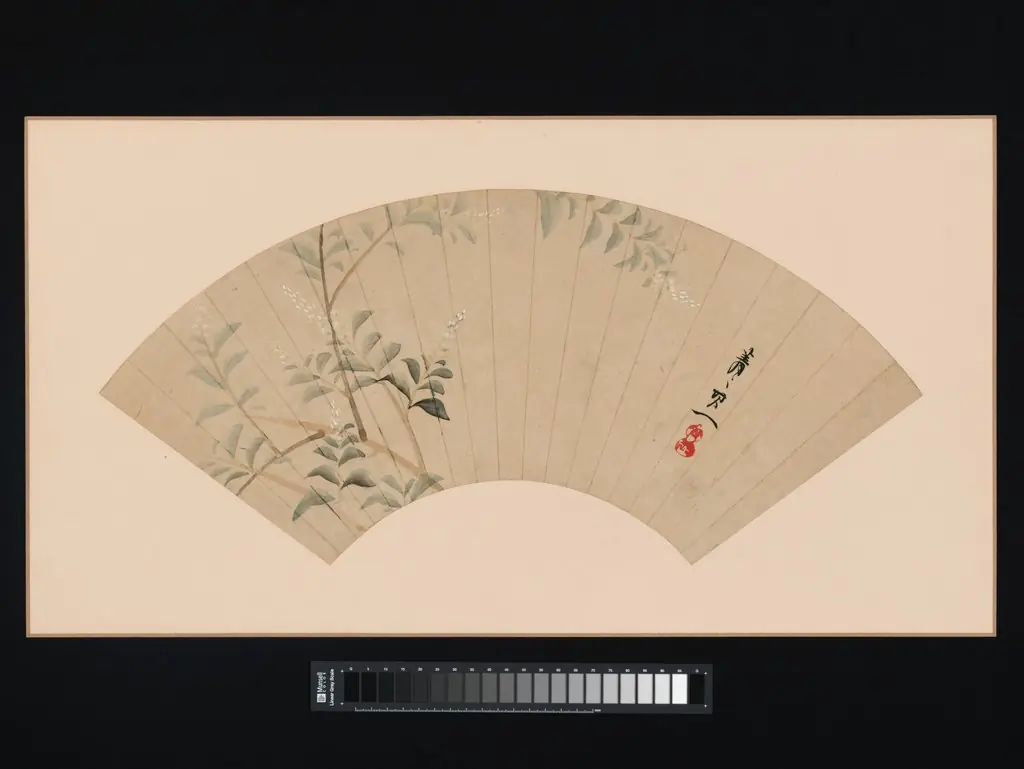 Bush Clover
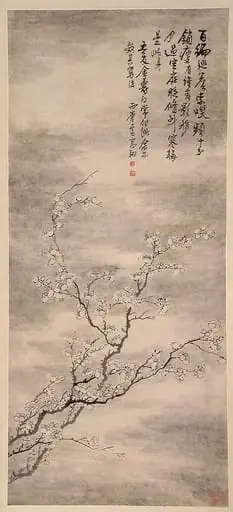 Untitled
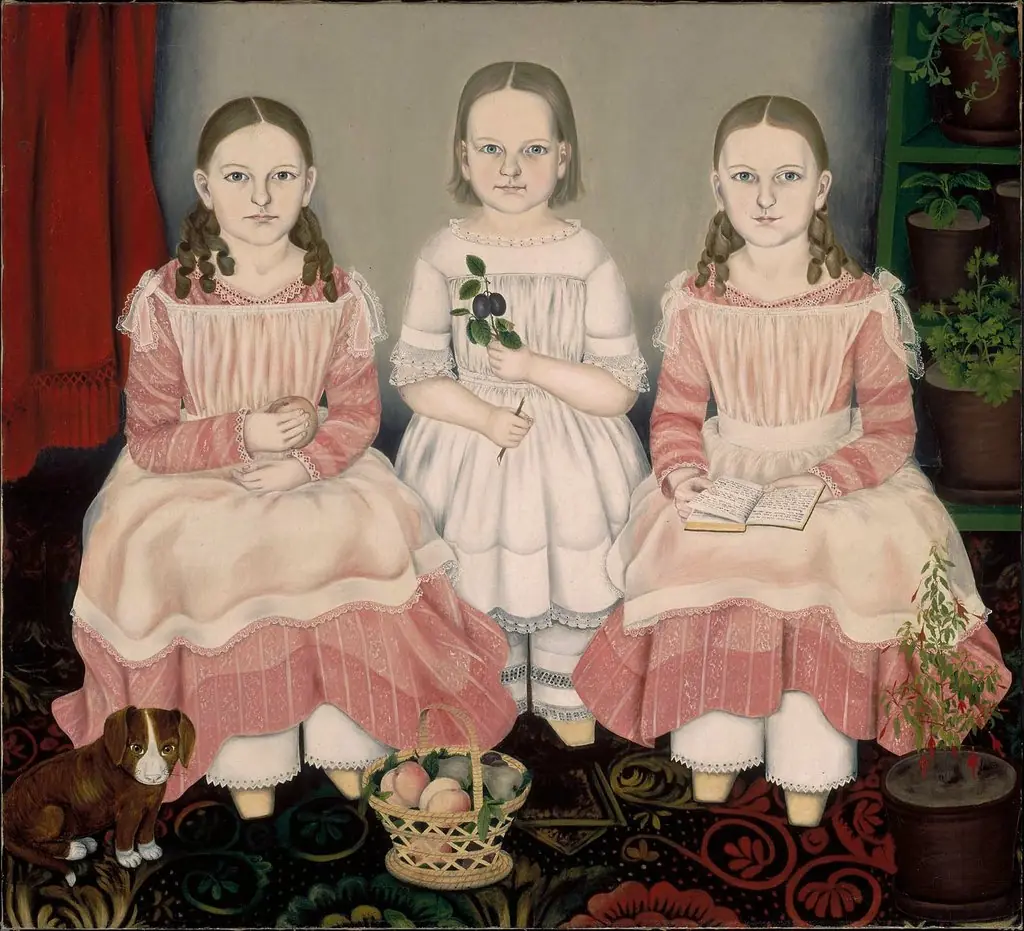 The Lincoln Children
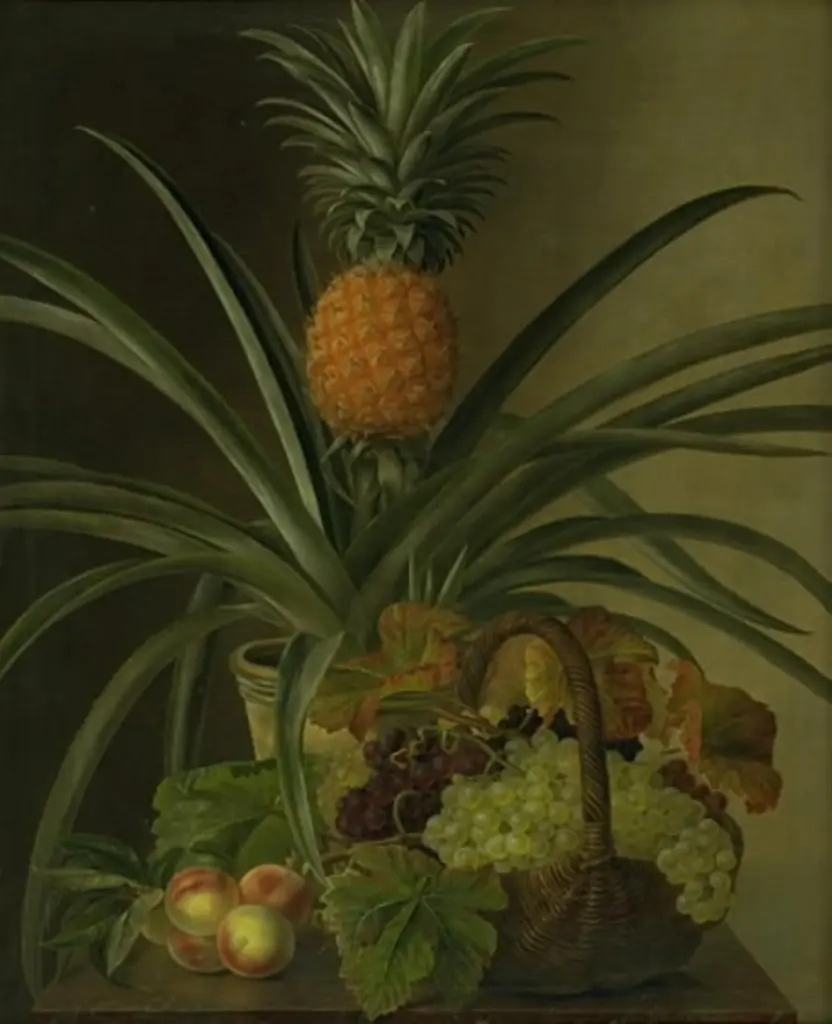 En ananas og andre frugter
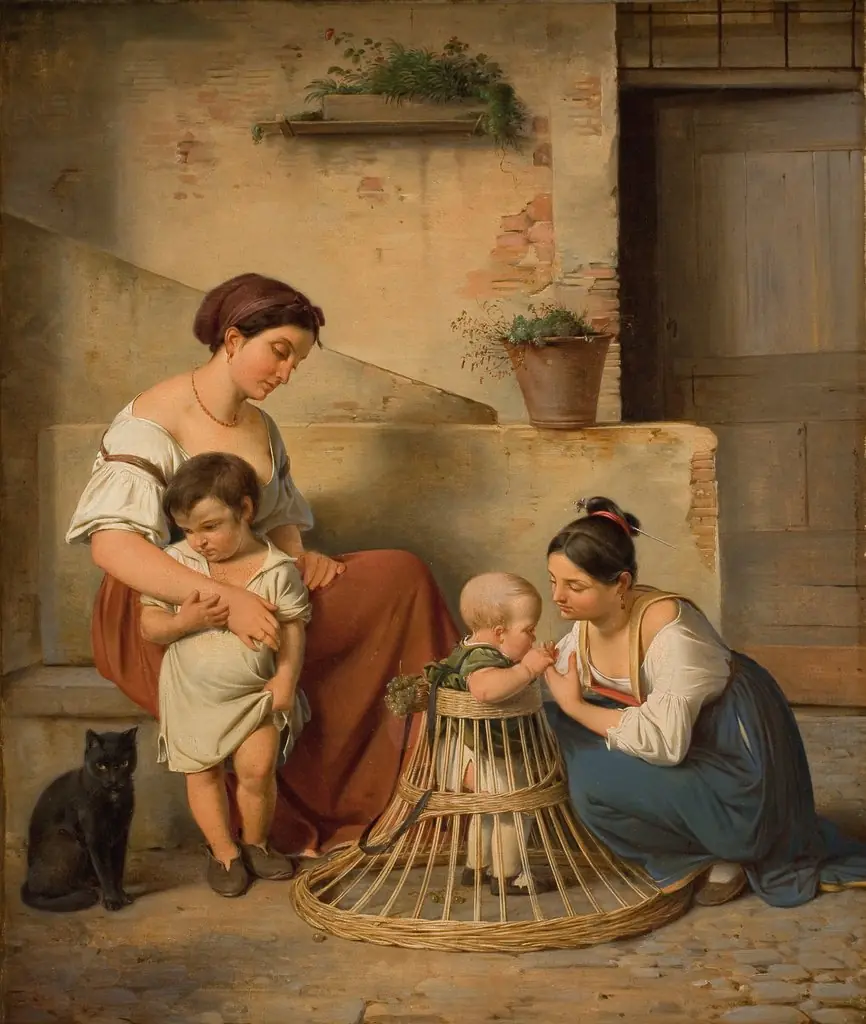 A Roman street scene
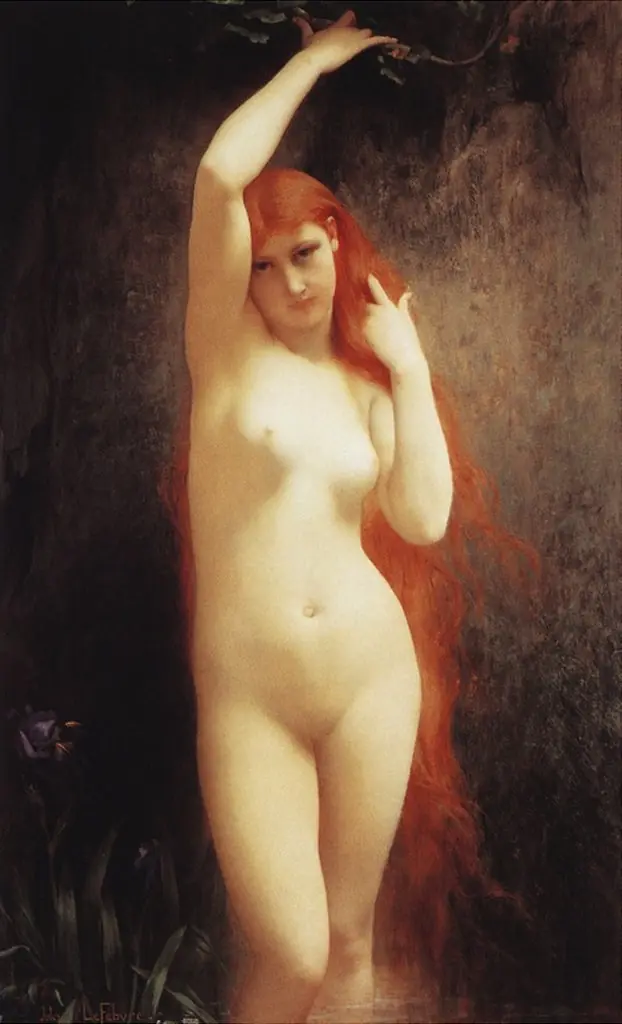 Ondine
 Nymphs Bathing
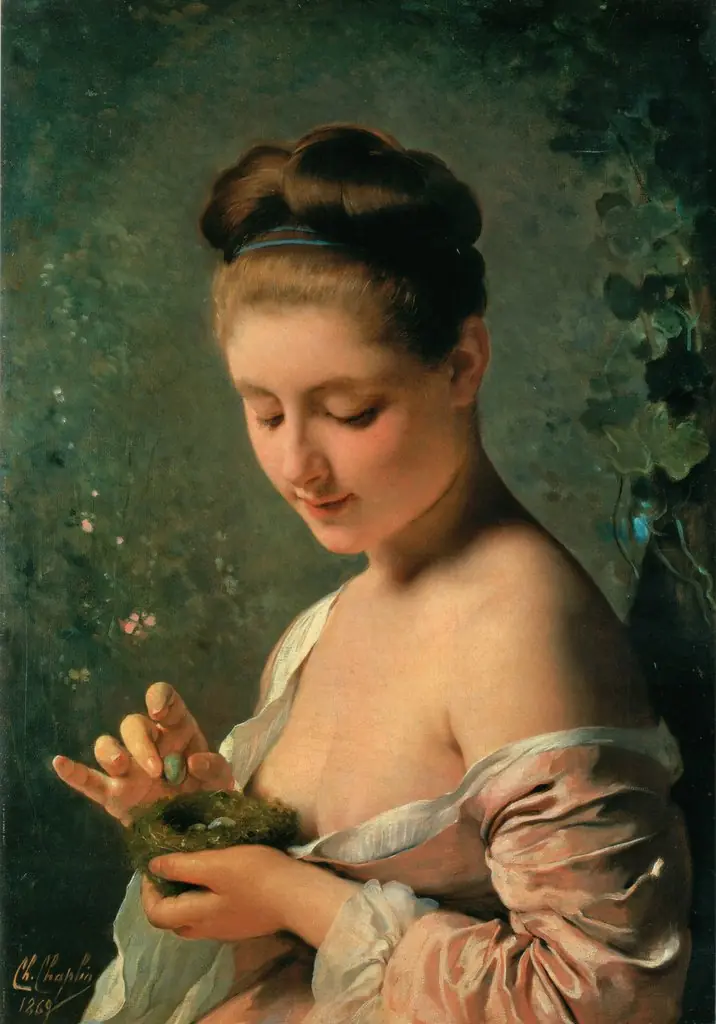 Girl with a Nest
 Madonna and Child with an Angel
 The Cicada
 Untitled
 Breakfast
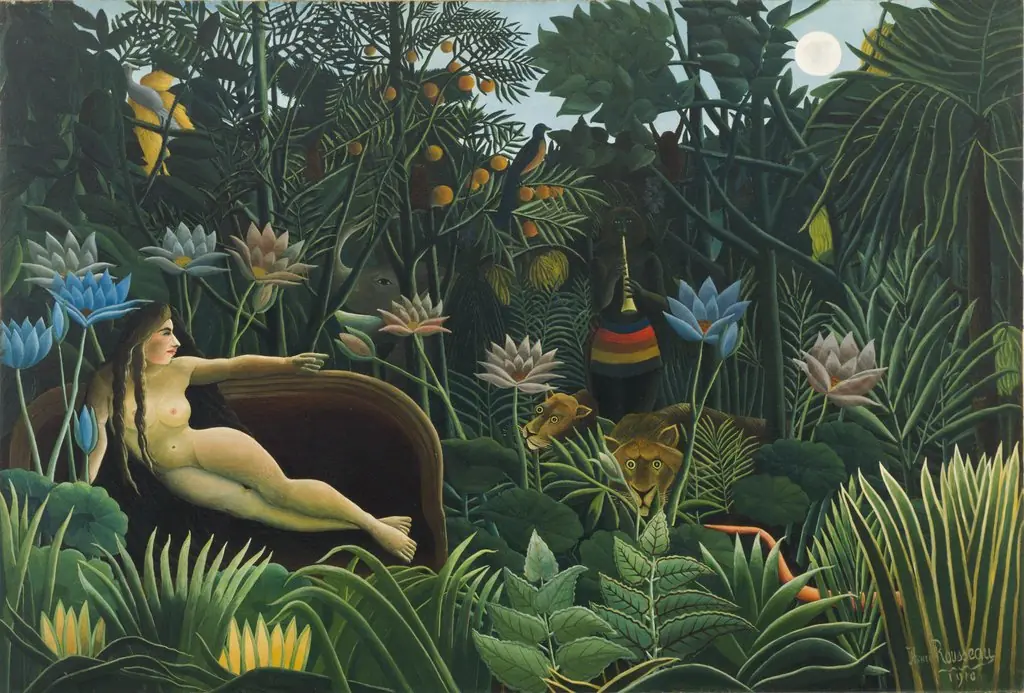 The Dream
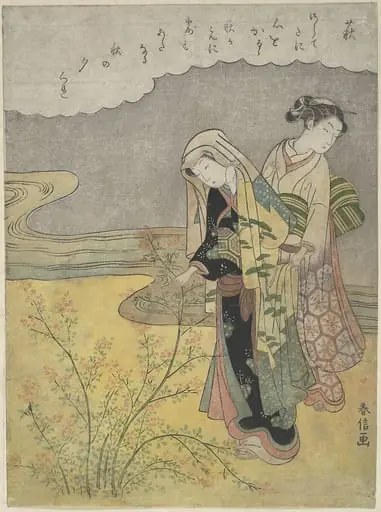 萩|The Bush Clover (Hagi)
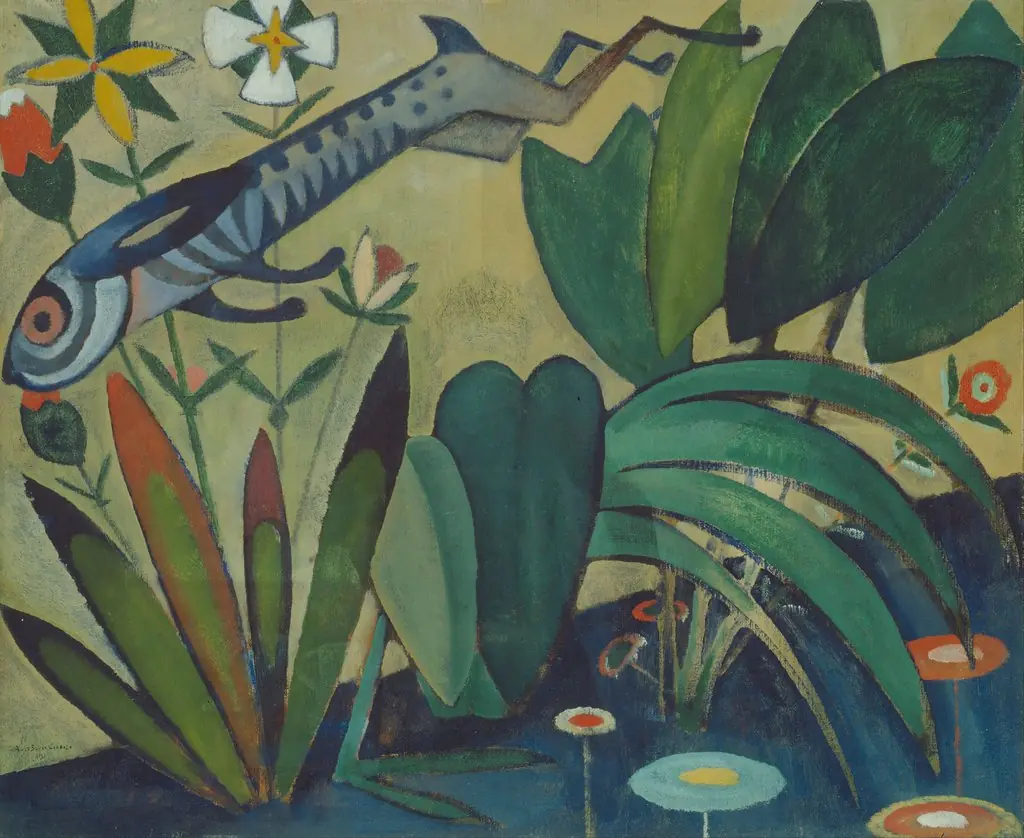 The Leap of the Rabbit
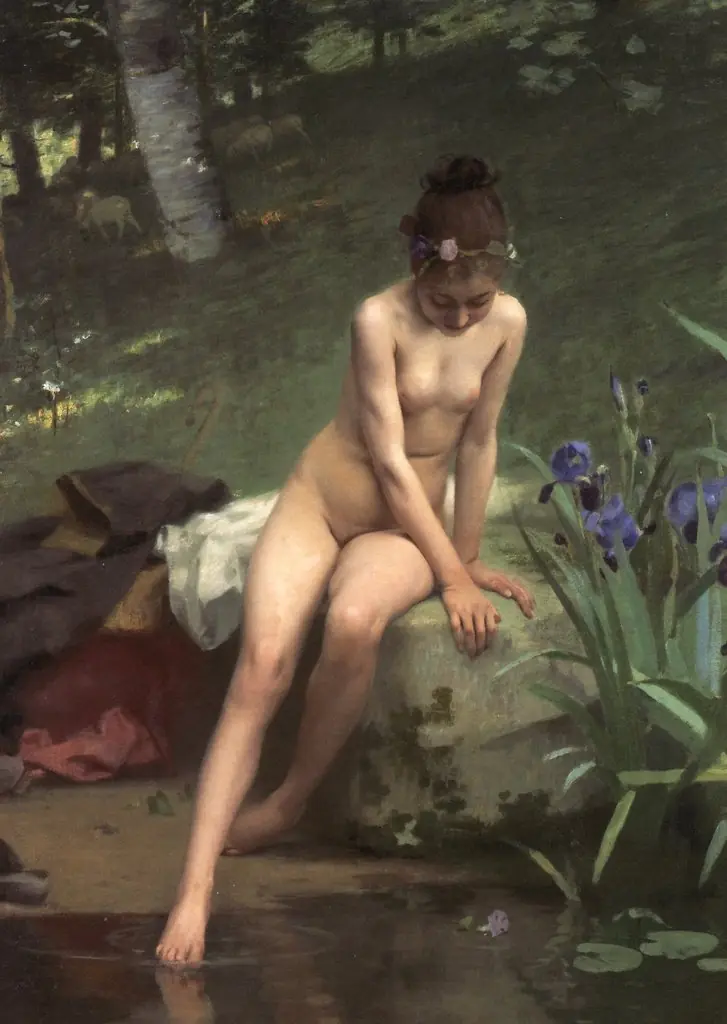 The Young Shepherdess
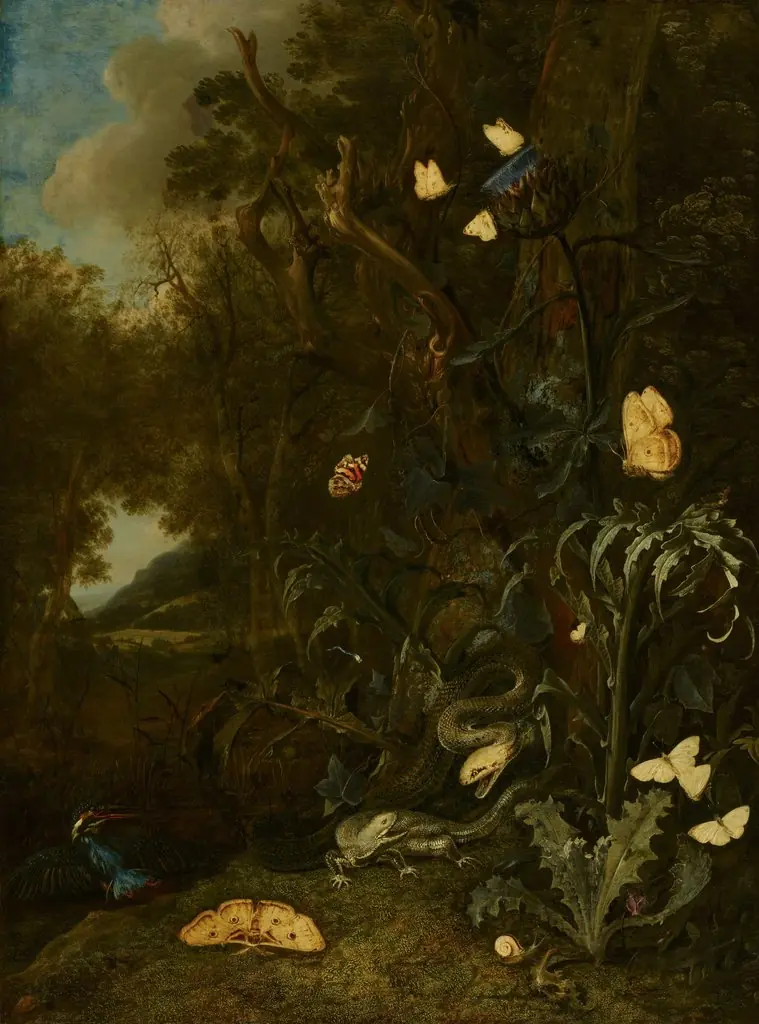 Plants and Insects
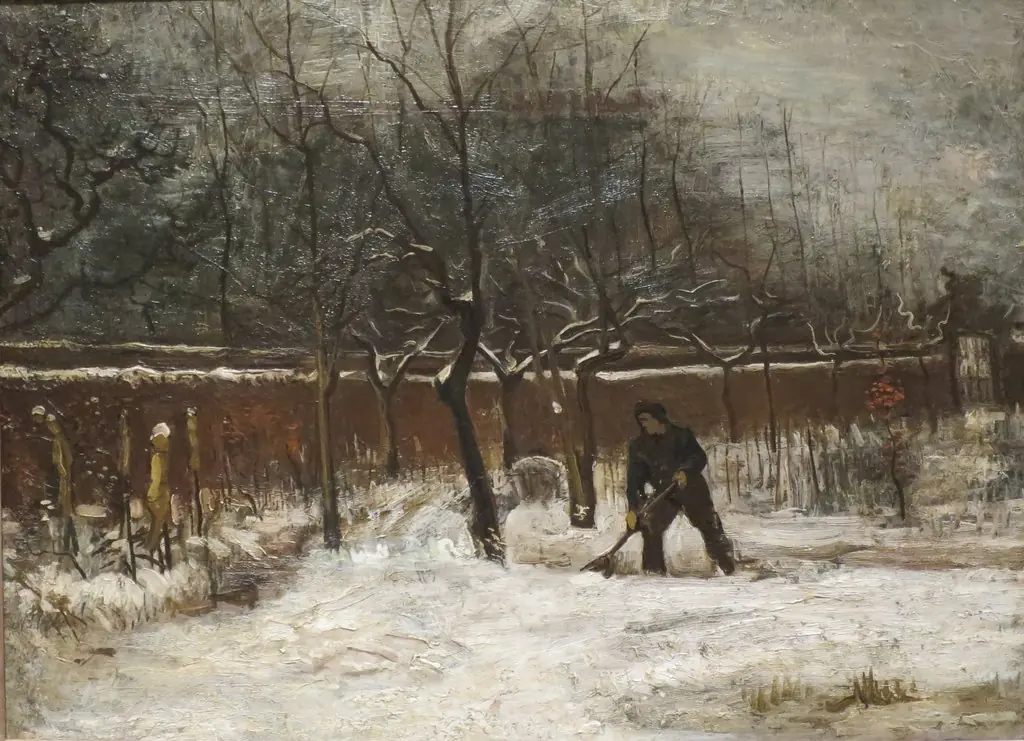 Winter (The Vicarage Garden under Snow)
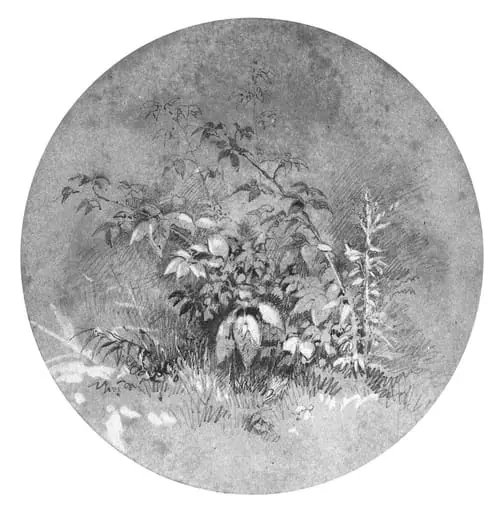 Study of Ground Foliage (from Cropsey Album)
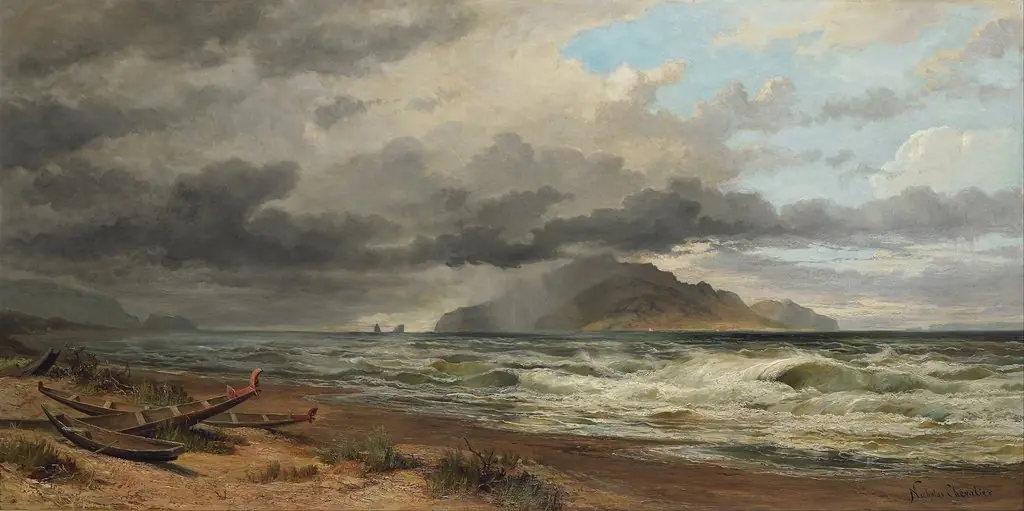 Cook Strait, New Zealand
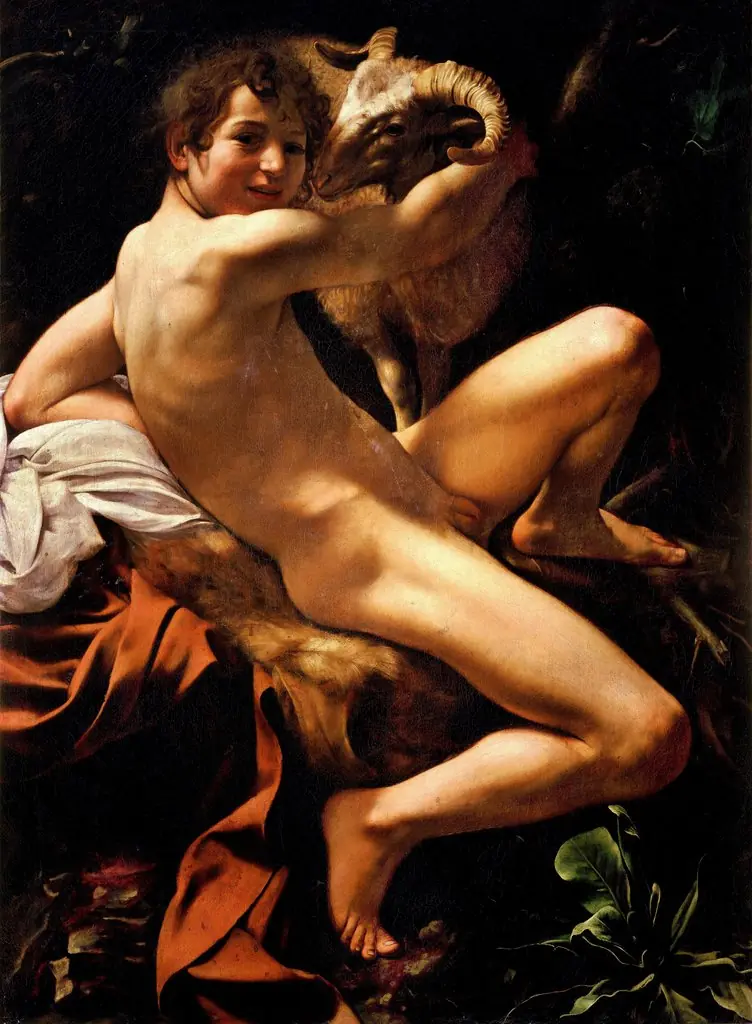 Young Saint John the Baptist with ram
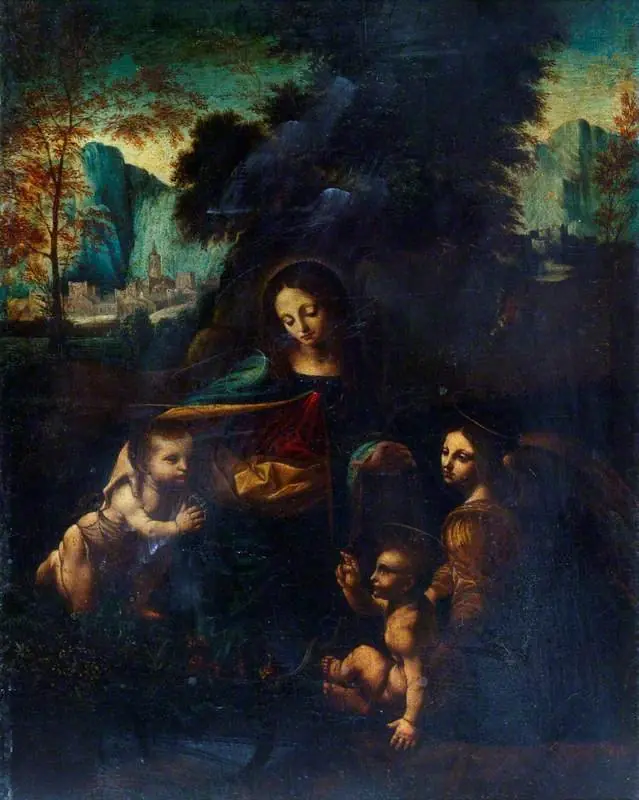 The Virgin of the Rocks
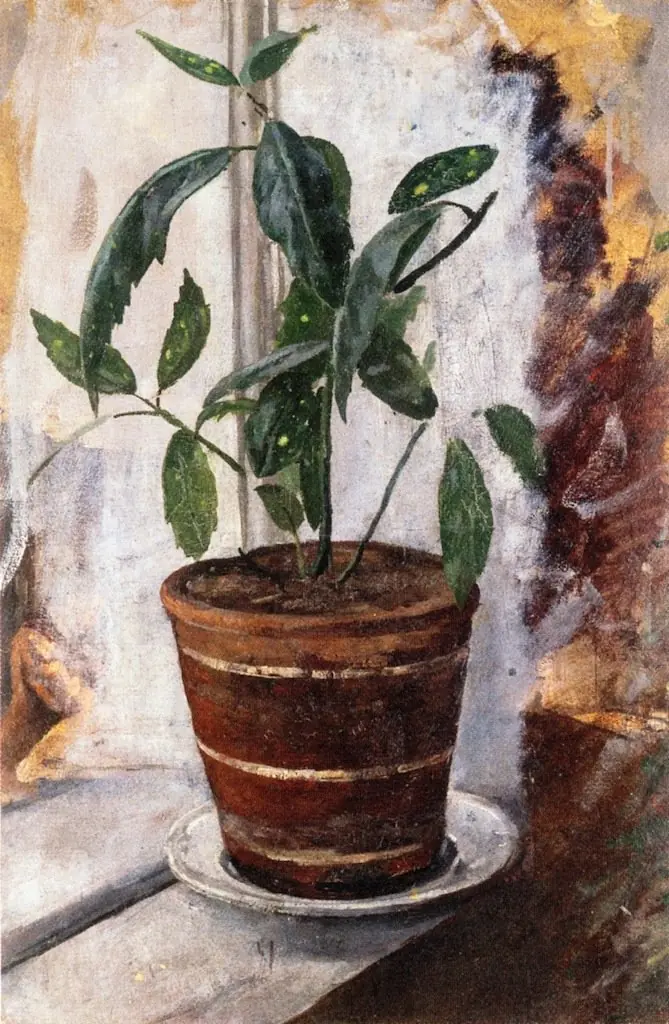 Potted Plant on the Window-Sill
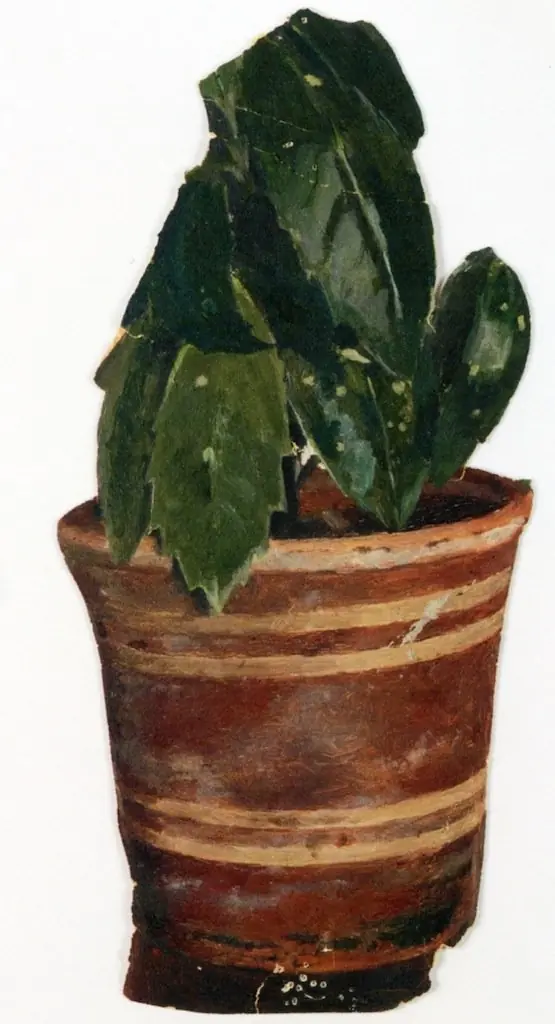 Potted Plant
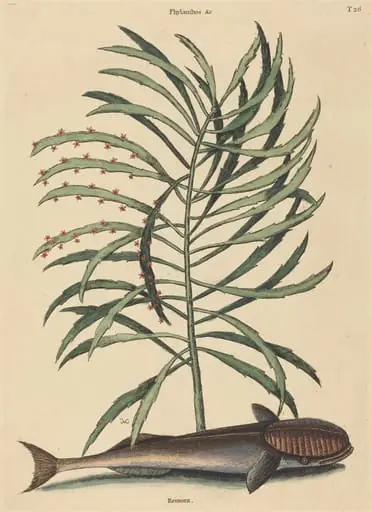 The Sucking Fish (Echeneis Naucratis)
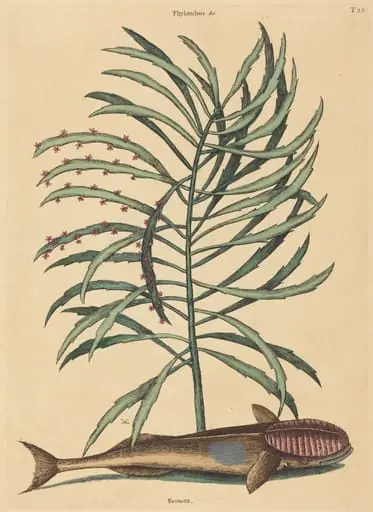 The Sucking Fish (Echeneis Naucratis)
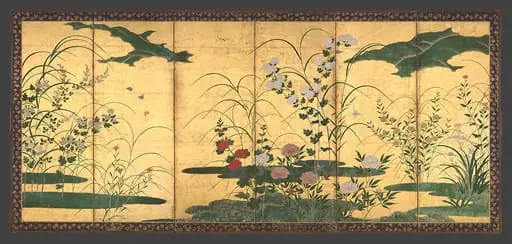 四季花草図屏風|Flowers and Grasses of the Four Seasons
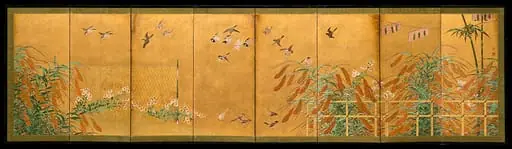 伝狩野山楽筆 粟に小禽図屏風|Autumn Millet and Small Birds
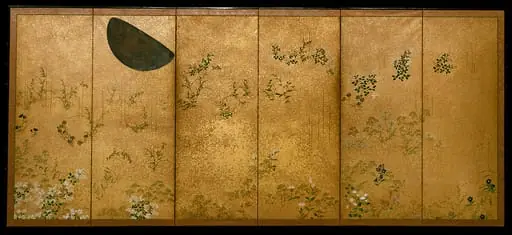 俵屋宗達工房 月に秋草図屏風|Moon and Autumn Grasses
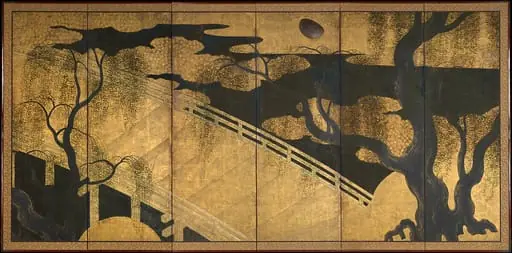 柳橋水車図屏風|Willows and Bridge
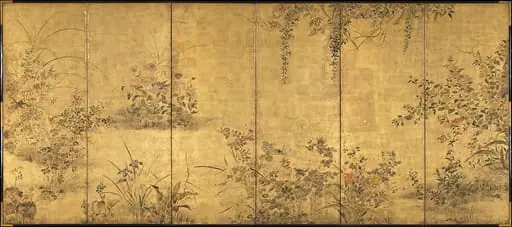 四季花野菜図屏風|Flowering Plants and Vegetables of the Four Seasons
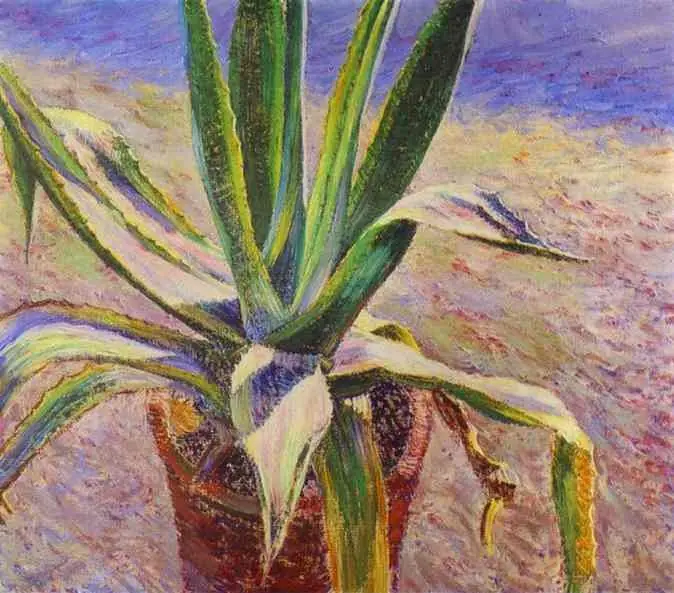 Agave.
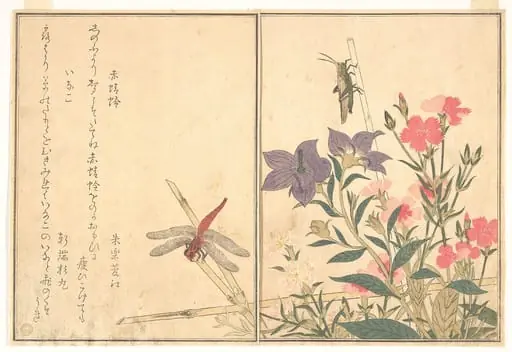 『画本虫撰』「赤蜻蛉」「いなこ」|Red Dragonfly (Akatonbo); Locust (Inago), from the Picture Book of Crawling Creatures (Ehon mushi erami)
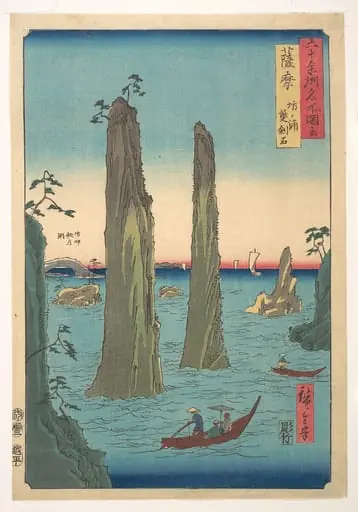 六十余州名所図会 薩摩 坊ノ浦 雙剣石|Upright Landscape
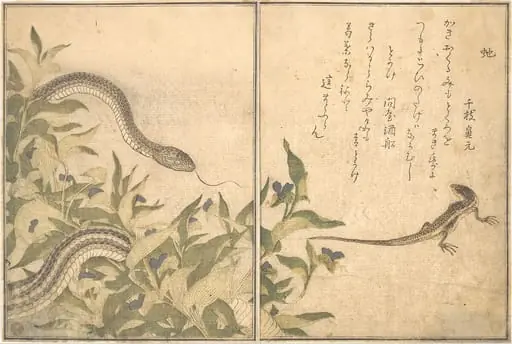 『画本虫撰』「虵」「とかけ」|Rat Snake (Hebi); Lizard or Skink (Tokage), from the Picture Book of Crawling Creatures (Ehon mushi erami)
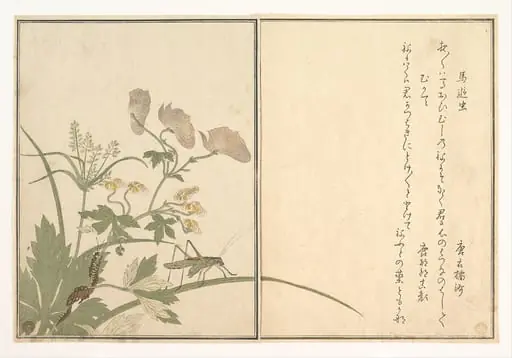 『画本虫撰』 「馬追虫」「むかて」|Katydid (Umaoi-mushi); Centipede, (Mukade), from the Picture Book of Crawling Creatures (Ehon mushi erami)
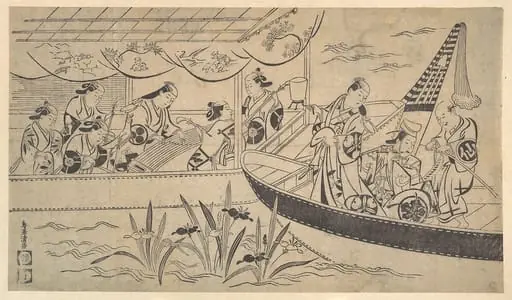 Untitled
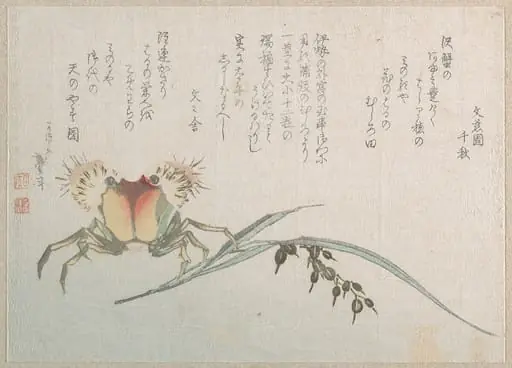 Untitled
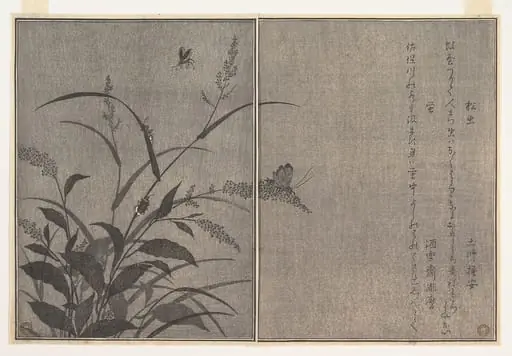 『画本虫撰』 「松虫」「虫蛍」|Tree cricket (Matsumushi); Firefly (Hotaru), from the Picture Book of Crawling Creatures (Ehon mushi erami)
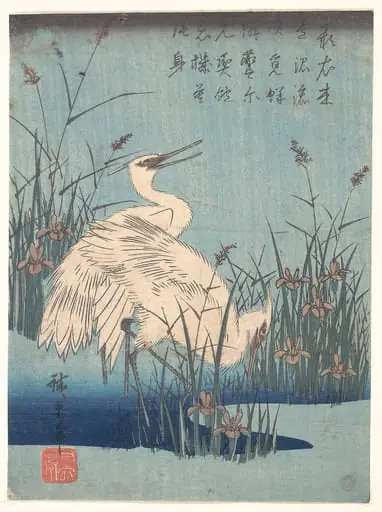 Untitled
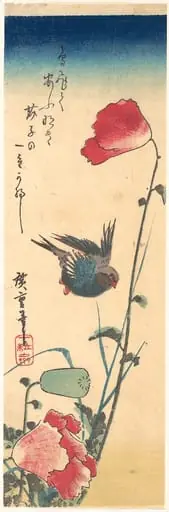 歌川広重画 芥子に瑠璃鳥|A Bluebird and Poppies
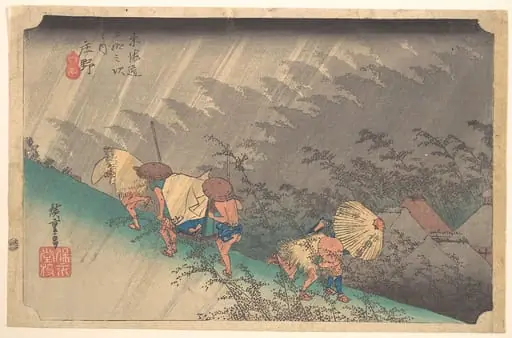 Shōno Hakuu|東海道五十三次之内 庄野 白雨|White Rain at Shōno
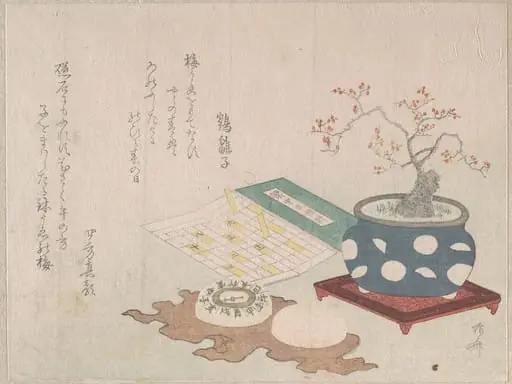 鉢梅、懐中日時計、羅針盤|Bonsai Plum, Compass, and Pocket Sundial with Design of Calendar, from Spring Rain Surimono Album (Harusame surimono-jō, vol. 3)
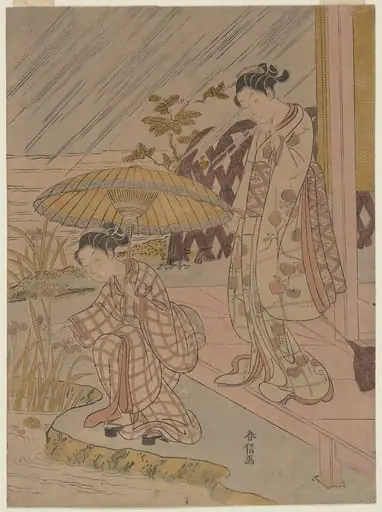 Untitled
 Untitled
 Untitled
 Untitled
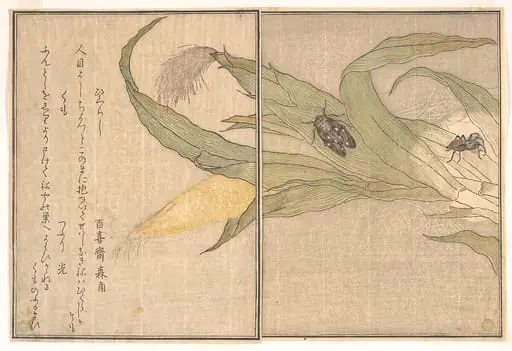 『画本虫撰』 「ひくらし」「くも」|Evening Cicada, Higurashi; Spider, Kumo, from the Picture Book of Crawling Creatures (Ehon mushi erami)
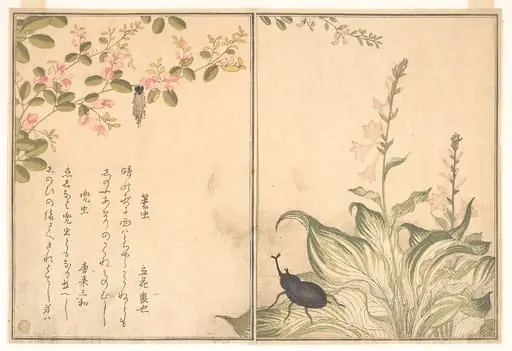 『画本虫撰』「蓑虫」「兜虫」|Bagworm (Minomushi); Horned Scarab Beetle (Kabutomushi), from the Picture Book of Crawling Creatures (Ehon mushi erami)
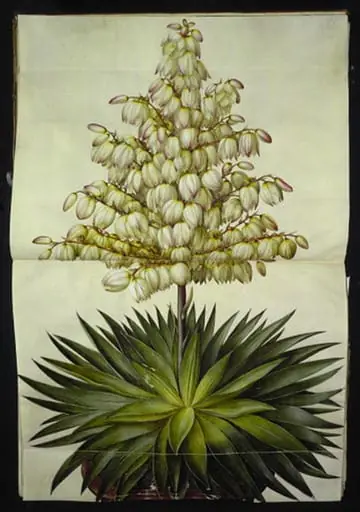 Yucca gloriosa (pragt-palmelilje)
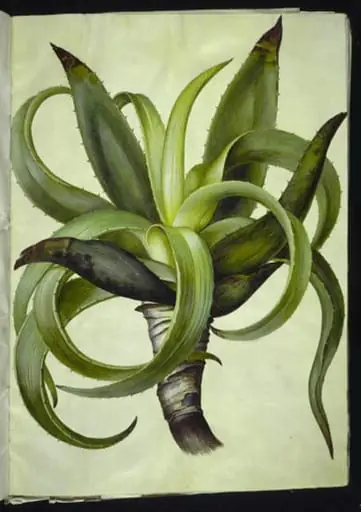 Aloe (aloe)
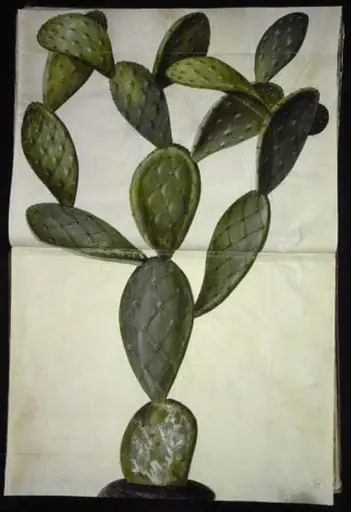 Opuntia monacantha (entornet figenkaktus)
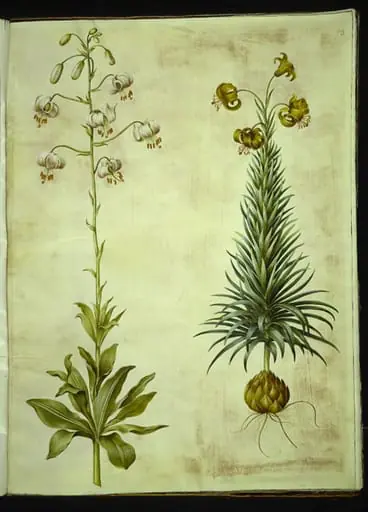 Lilium martagon (krans-lilje); Lilium pyrenaicum (pyrenæisk lilje)
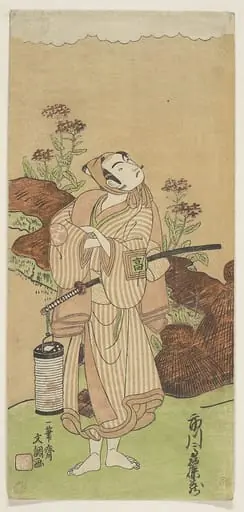 Untitled
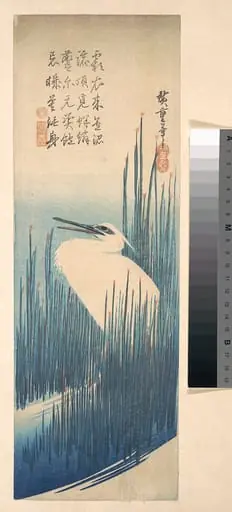 歌川広重画 芦に鷺|White Heron Standing among Reeds
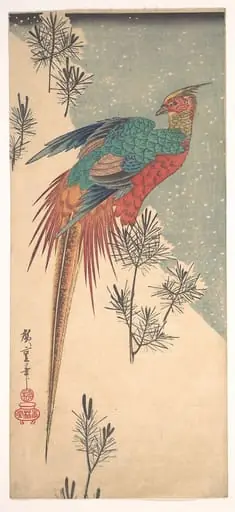 歌川広重画 雪中小松に錦雉|Golden Pheasant and Pine Shoots in Snow
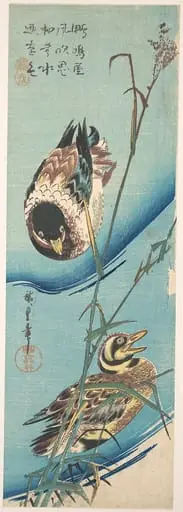 歌川広重画 雪中芦に鴨|Mallard Ducks and Snow-covered Reeds
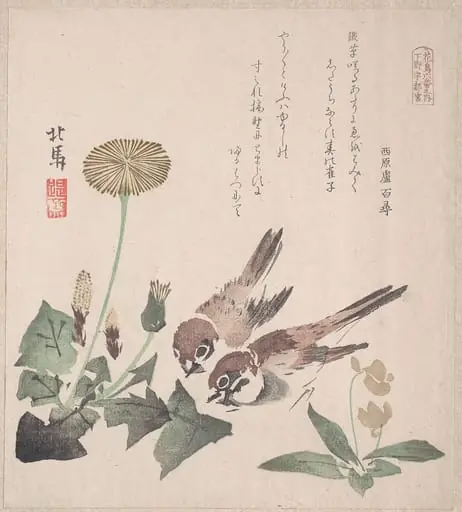 摺物帖 『春雨集』 『花鳥六番之内 下野宇都宮』 タンポポに雀|Spring Rain Collection (Harusame shū), vol. 3: Sparrows and Dandelions
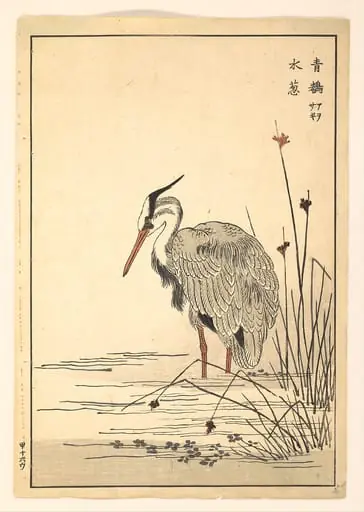 Untitled
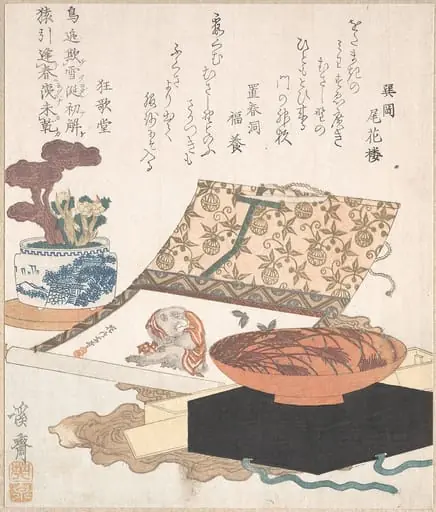 Untitled
 Untitled
 Untitled
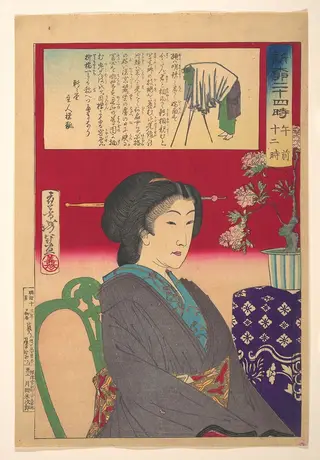 新柳二十四時 午前十二時|Twenty-Four Hours at Shinbashi/Yanagibashi: 12 Noon. (Shinyanagi nijūyo-ji, gozen jūni-ji)
 Untitled
 Untitled
 Untitled
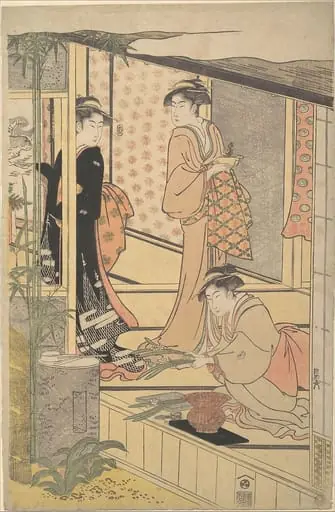 細田栄之画 正月準備|Preparing New Year Decorations
 Untitled
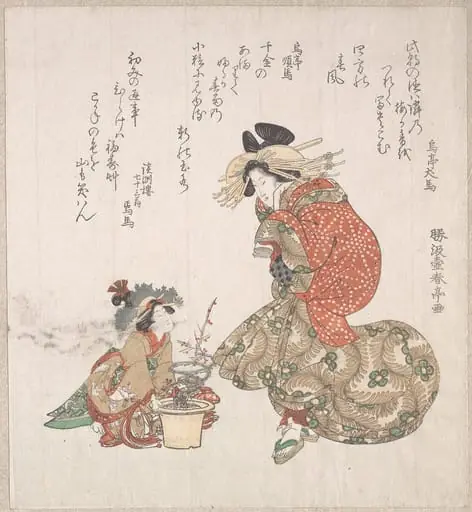 花魁と梅盆栽|Courtesan and her Child Attendant with a Potted Plum Tree
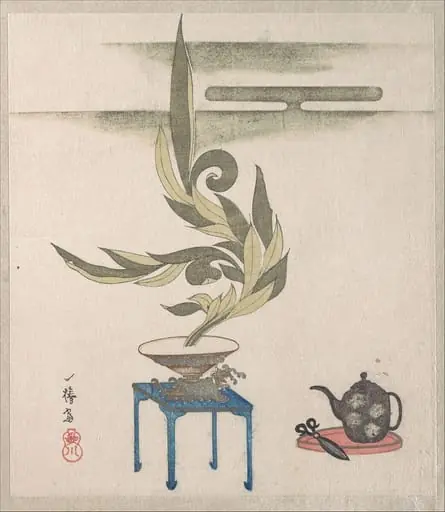 Untitled
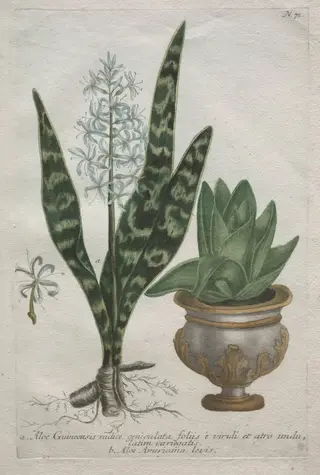 Aloes
Aloes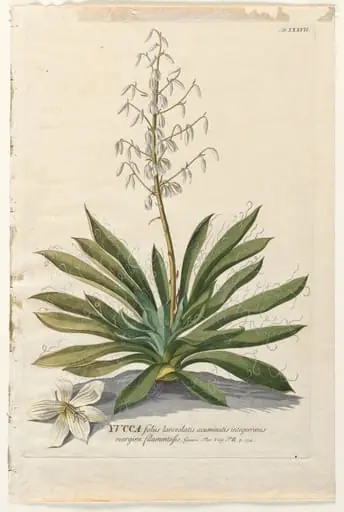 Plantae Selectae: No. 37 - Yucca
Frequently asked questions
What is Plant?
Plants are the eukaryotic organisms that constitute the kingdom Plantae.
How many Plant works does Artifact World Gallery have?
Artifact World Gallery holds 130 public-domain Plant works, all free to view and download.
Who are the key Plant artists?
Key Plant artists in the collection include Titian, Jean Baptiste Camille Corot and Pierre Auguste Cot.
Where can I see Plant works?
Plant works in the collection are held by Metropolitan Museum of Art, Statens Museum for Kunst and National Gallery of Art.