Artwork
Margaret Strachan (Mrs. Thomas Harwood)
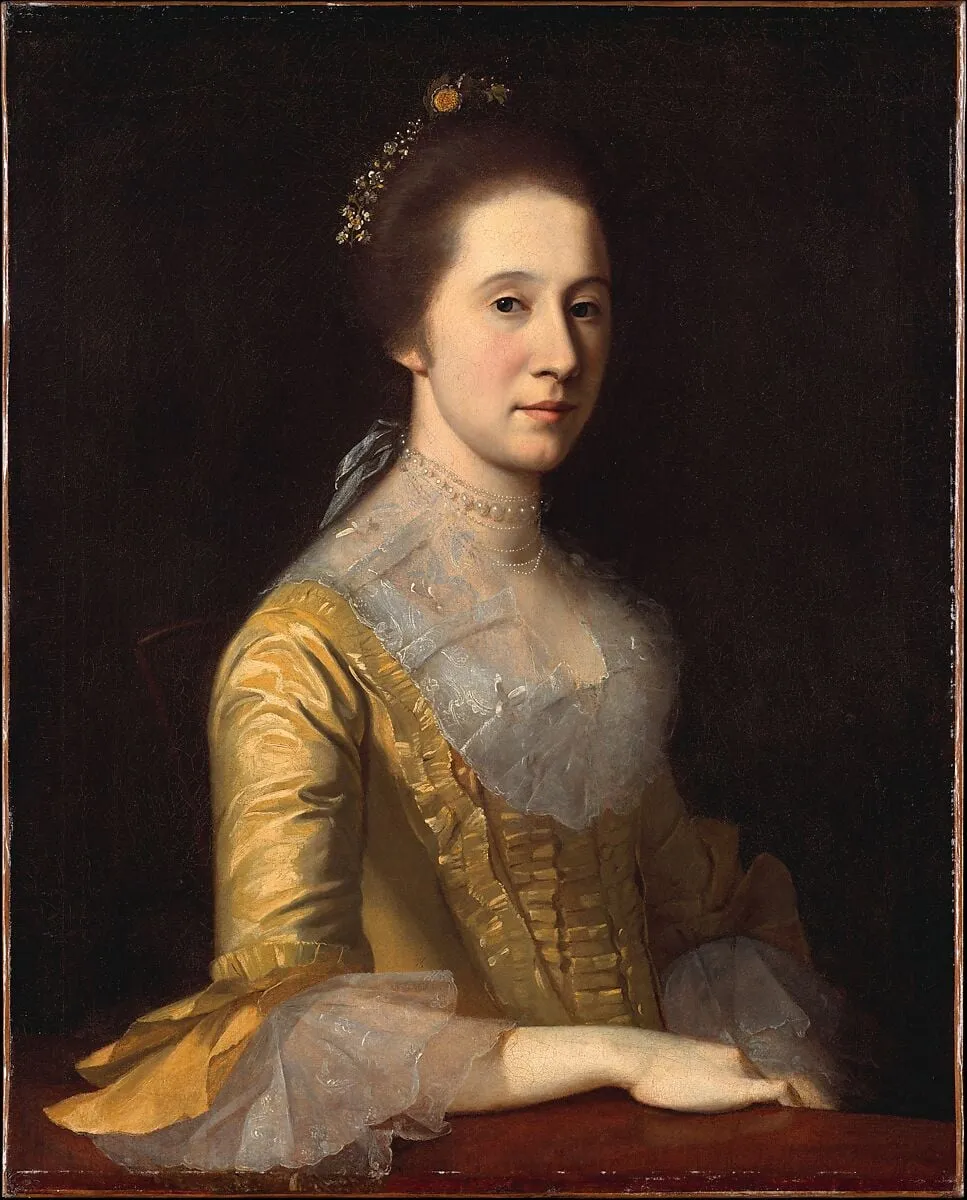
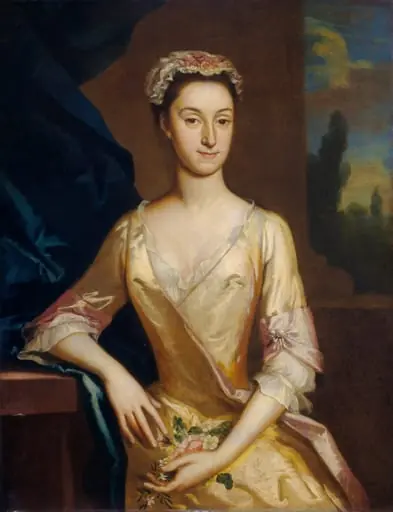
Margaret Strachan (Mrs. Thomas Harwood) is an oil painting by the Rococo painting artist Charles Willson Peale. It dates from 1771 and is held in the collection of the Metropolitan Museum of Art.
About this work
A yellow silk dress catches the light in this 1771 portrait of Margaret Strachan, daughter of a Maryland planter from London Town in Anne Arundel County. Charles Willson Peale listed the twenty-four-year-old on one of his "payment due" records, likely finishing the work before her 1772 marriage to Thomas Harwood, later treasurer of the Western Shore of Maryland.
Overview
Created early in Peale's career, shortly after his return from European studies, the portrait showcases his emerging talent for realistic depiction.
This oil on canvas depicts Margaret Strachan (1747–1821), a member of the Maryland gentry, captured by Charles Willson Peale around 1771. Created early in Peale's career, shortly after his return from European studies, the portrait showcases his emerging talent for realistic depiction. Strachan, then twenty-four, is presented in a yellow silk dress, reflecting the artist's focus on material textures. The work offers insight into colonial American portraiture and Peale's formative style before his move to Philadelphia.
Subject & Meaning
Margaret Strachan was the daughter of William Strachan, a prominent figure from London Town in Anne Arundel County, Maryland. This likeness was likely completed before her 1772 marriage to Thomas Harwood, who would later serve as the treasurer for Maryland's Western Shore. Portraits like this affirmed the social standing of the sitter and her family within colonial society, documenting their presence and prosperity for future generations. Peale's depiction captures her youth and status as a member of the Chesapeake elite.
Technique & Style
Executed in oil on canvas, this portrait exemplifies Charles Willson Peale's style during his early Maryland period. Having recently returned from studying with Benjamin West in London, Peale applied a direct realism to his subjects. He meticulously rendered the textures of Strachan's yellow silk dress, a hallmark of his approach at the time.
This detailed attention to fabric and form highlights the artist's skill in capturing the material world, establishing him as a leading portraitist in the Chesapeake region.
History & Provenance
Although undated, this portrait is thought to have been completed around 1771, appearing on a "payment due" list compiled by Peale between 1770 and 1775. A companion portrait of Margaret's future husband, Thomas Harwood, was painted around 1775 and is now housed at the Winterthur Museum. The Metropolitan Museum of Art acquired Margaret Strachan's portrait in 1933 through the Morris K. Jesup Fund, where it became part of the American Wing's collection under object number 33.24.
Context
This work represents a crucial phase in Charles Willson Peale's career, painted as he solidified his reputation among the Chesapeake gentry. It predates his significant move to Philadelphia in 1775, where he would later become renowned for painting figures of the American Revolution and establishing one of the nation's first museums. The portrait thus offers a glimpse into colonial American art and Peale's foundational style before his transition to a more prominent national role.
Artist & collection
Artist
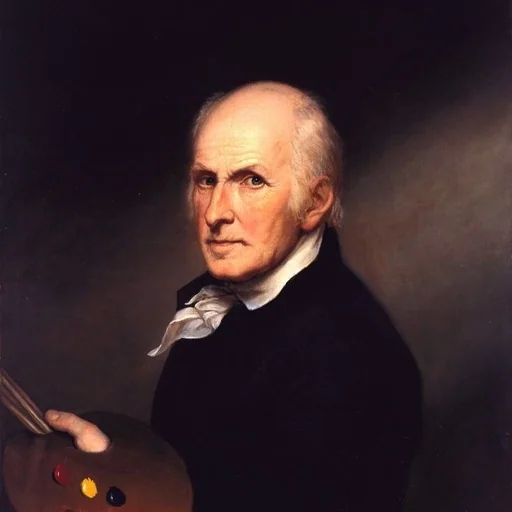
Charles Willson Peale (April 15, 1741 – February 22, 1827) was an American painter, military officer, scientist, and naturalist.

 Mrs. Jonathan Simpson (Margaret Lechmere)
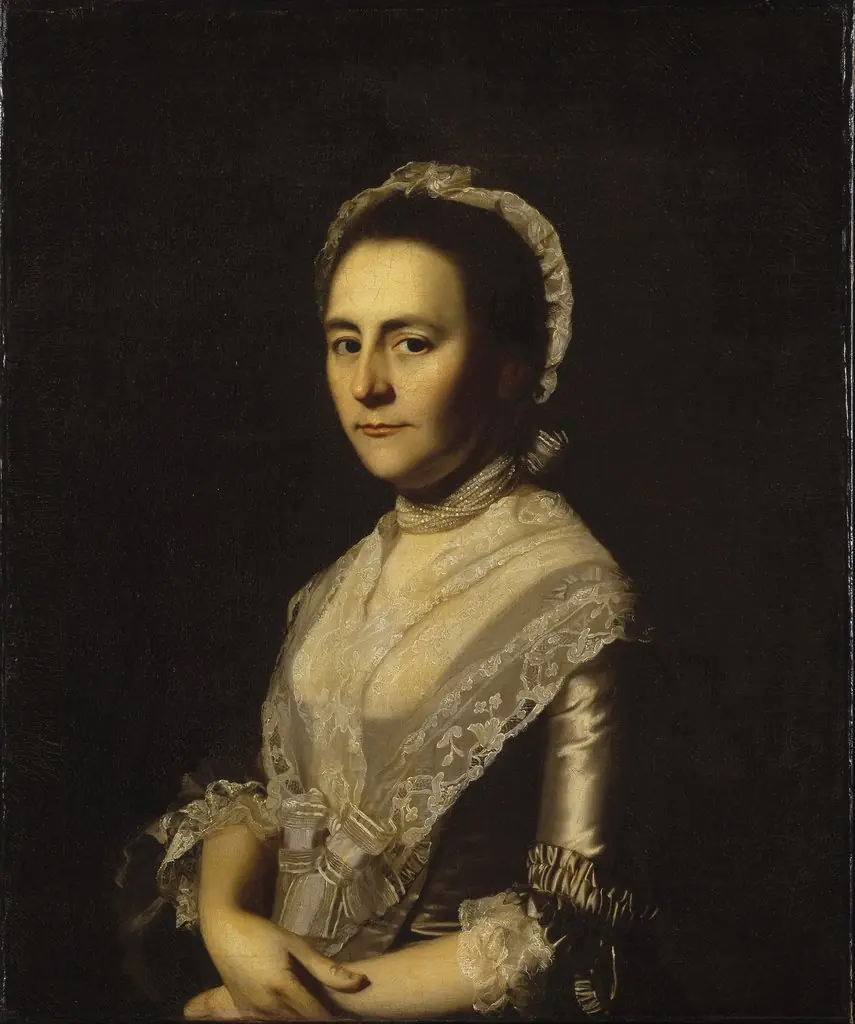 Mrs. Alexander Cumming, née Elizabeth Goldthwaite, later Mrs. John Bacon
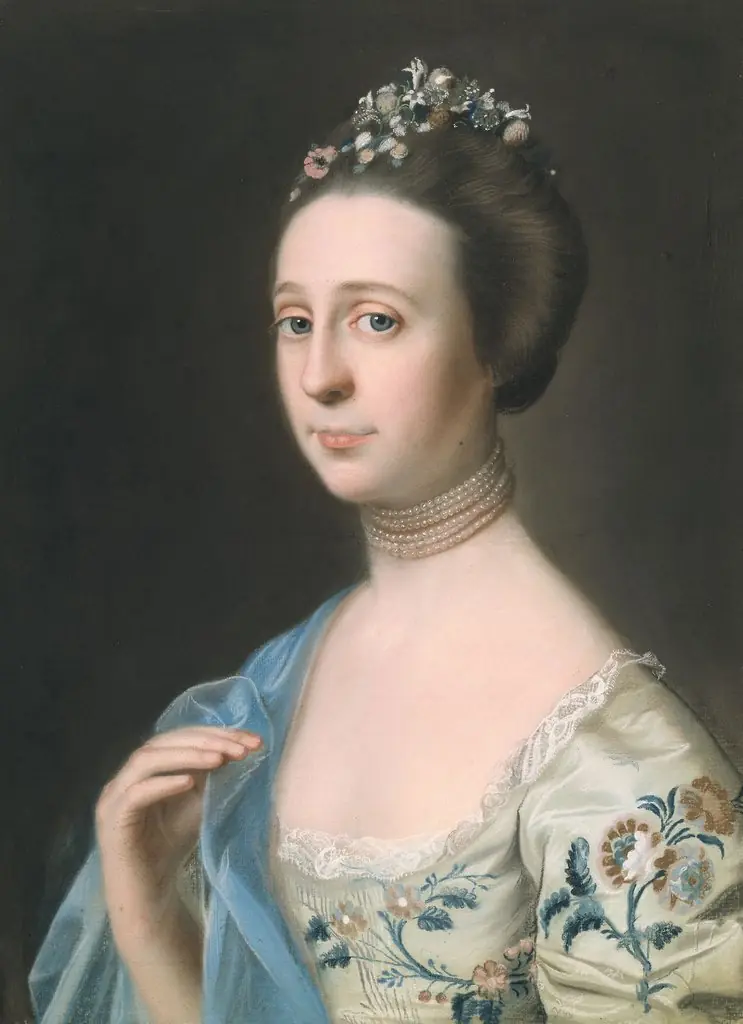 Mrs. Henry Hill (Anna Barrett)
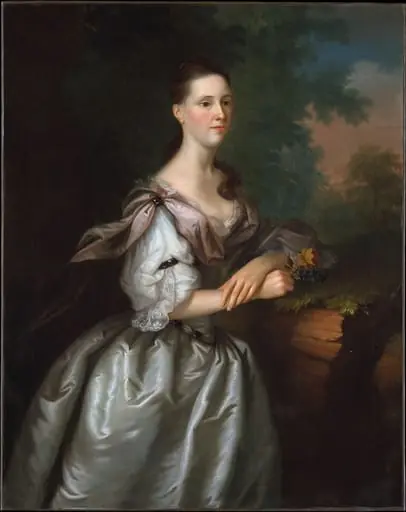 Mrs. Samuel Cutts
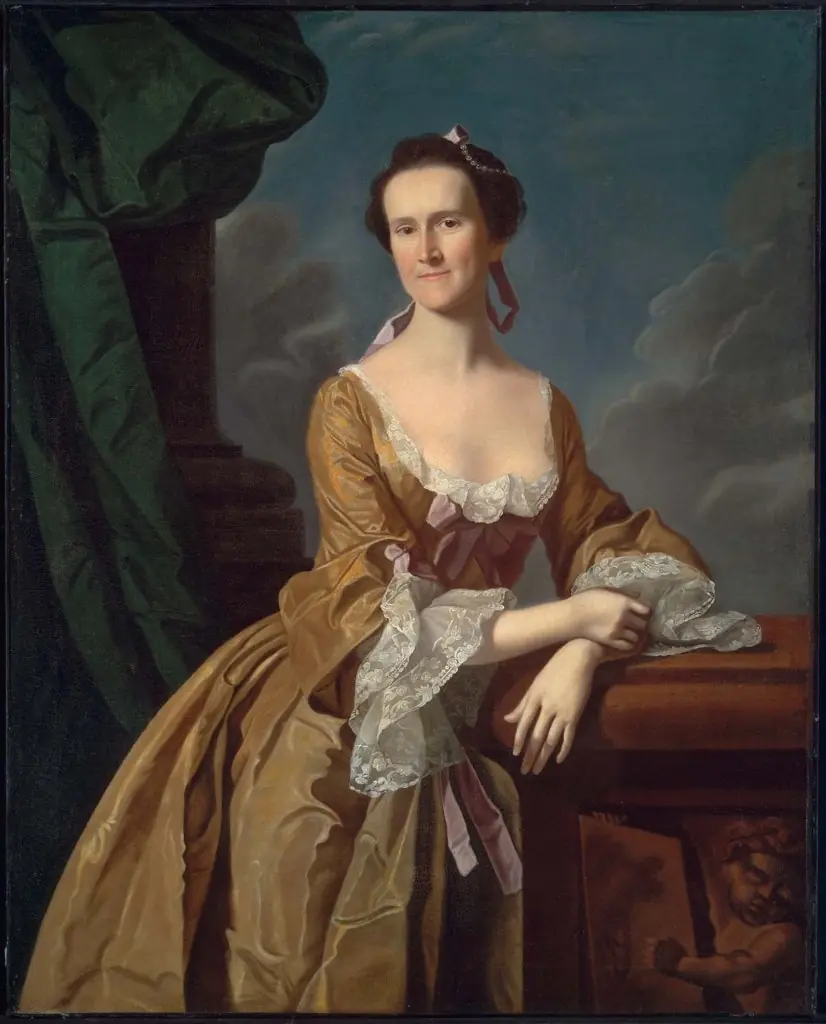 Mrs. John Amory (Katherine Greene)
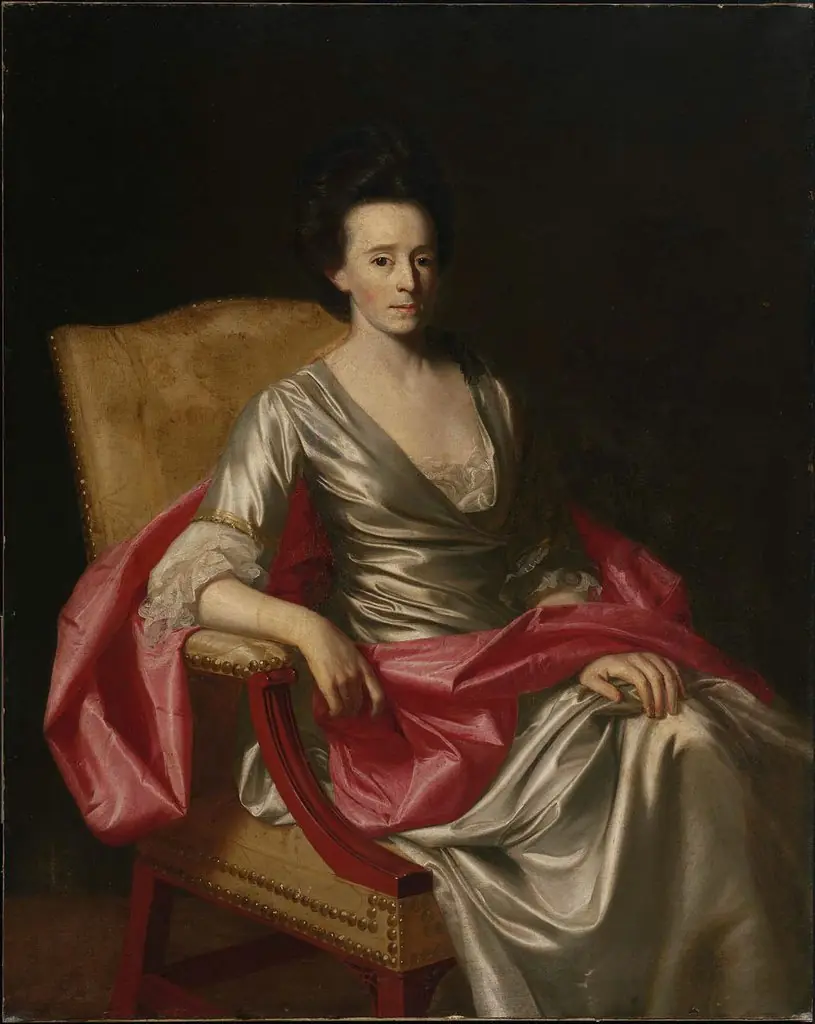 Mrs. Timothy Rogers (Lucy Boylston)
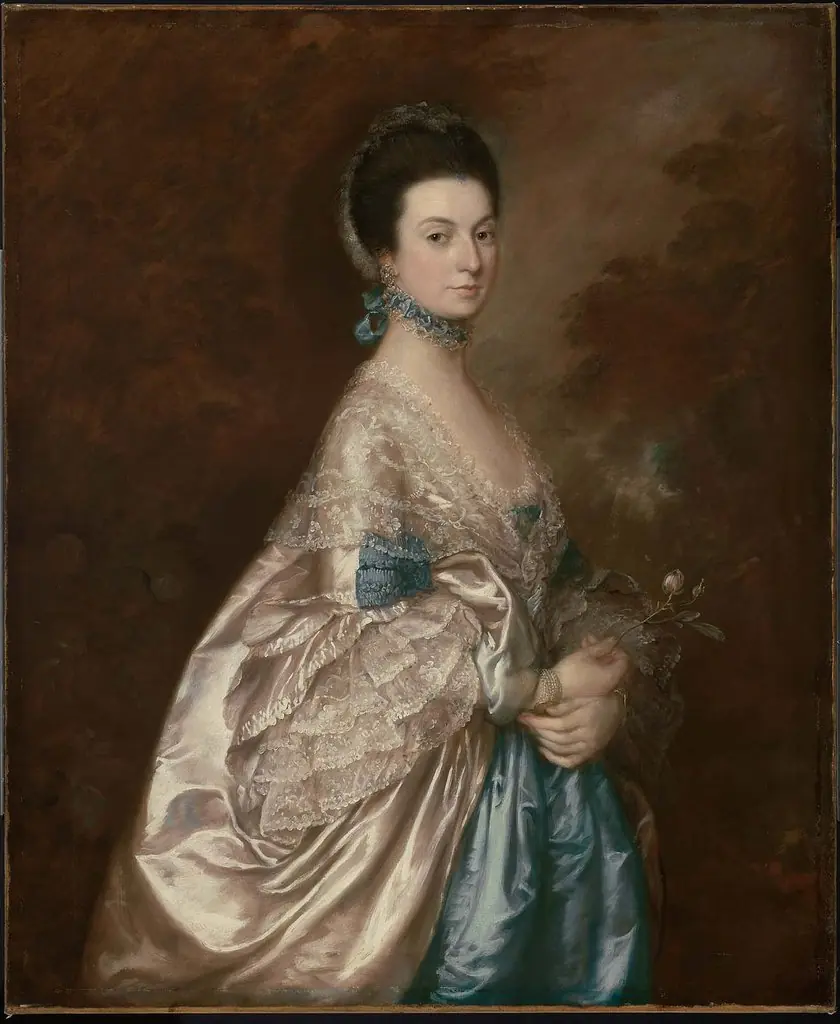 Mrs. Edmund Morton Pleydell
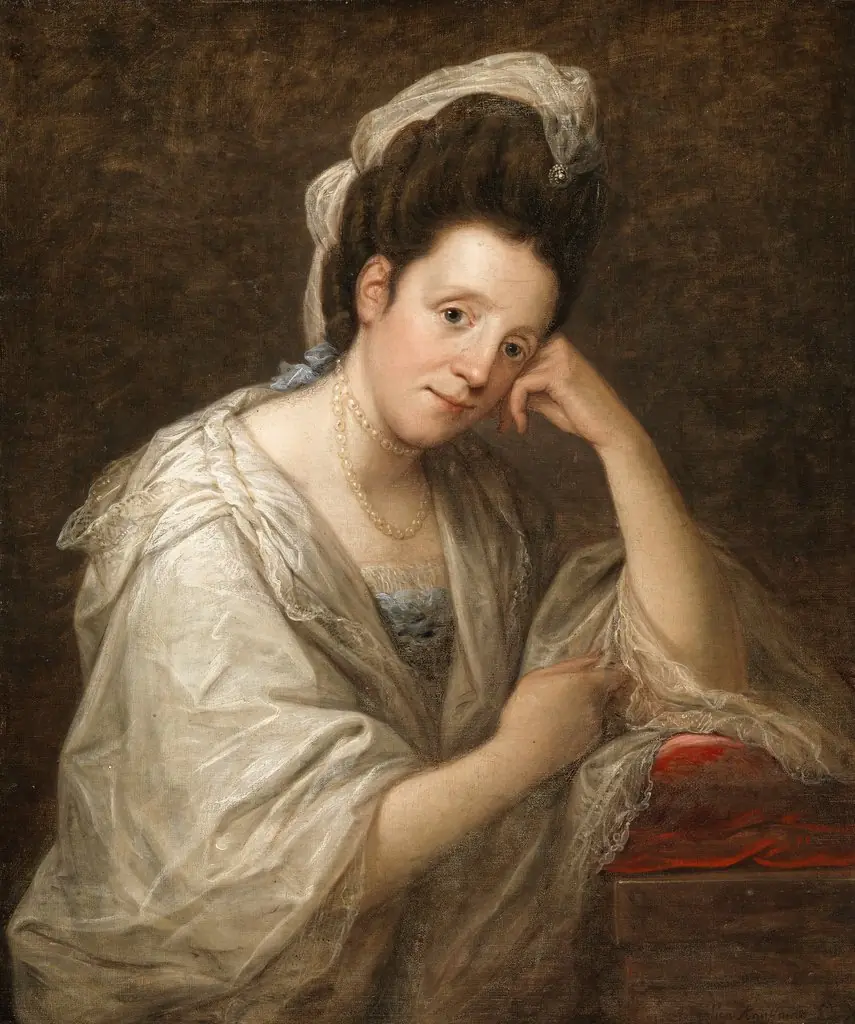 Portrait of Mrs Helen (Dorothea Daniel) (d.1806)
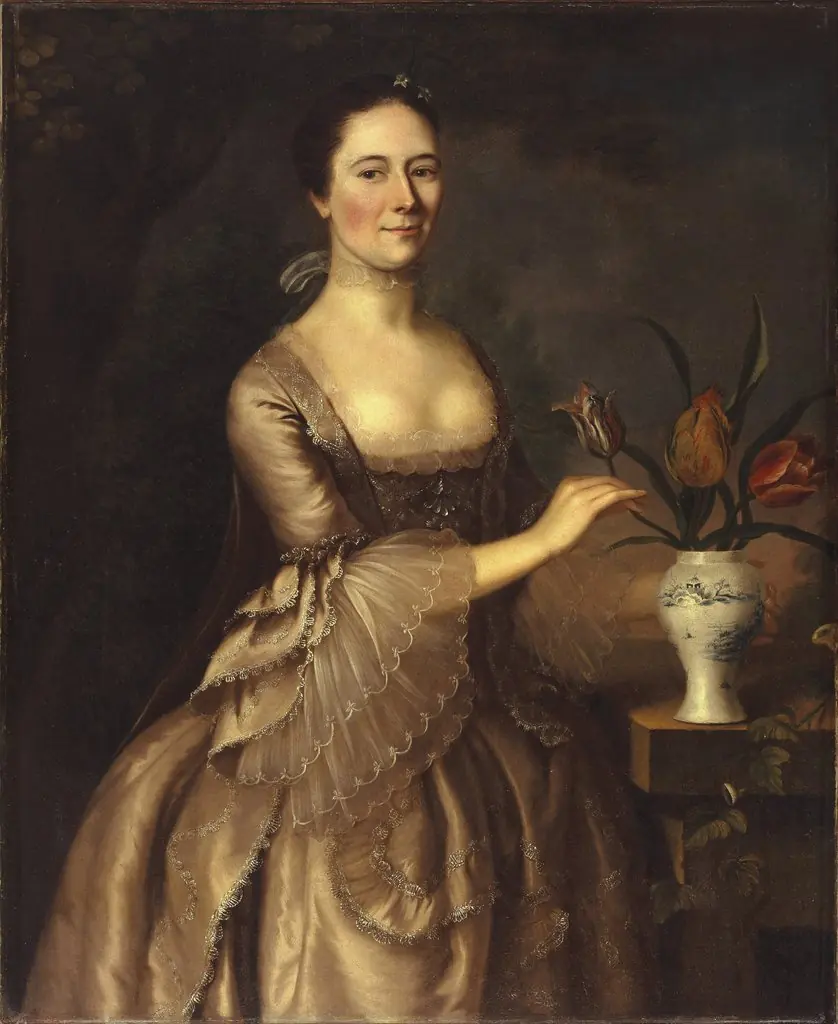 Portrait of a Woman
 Portrait of a Lady