Artwork
Nathanael Greene
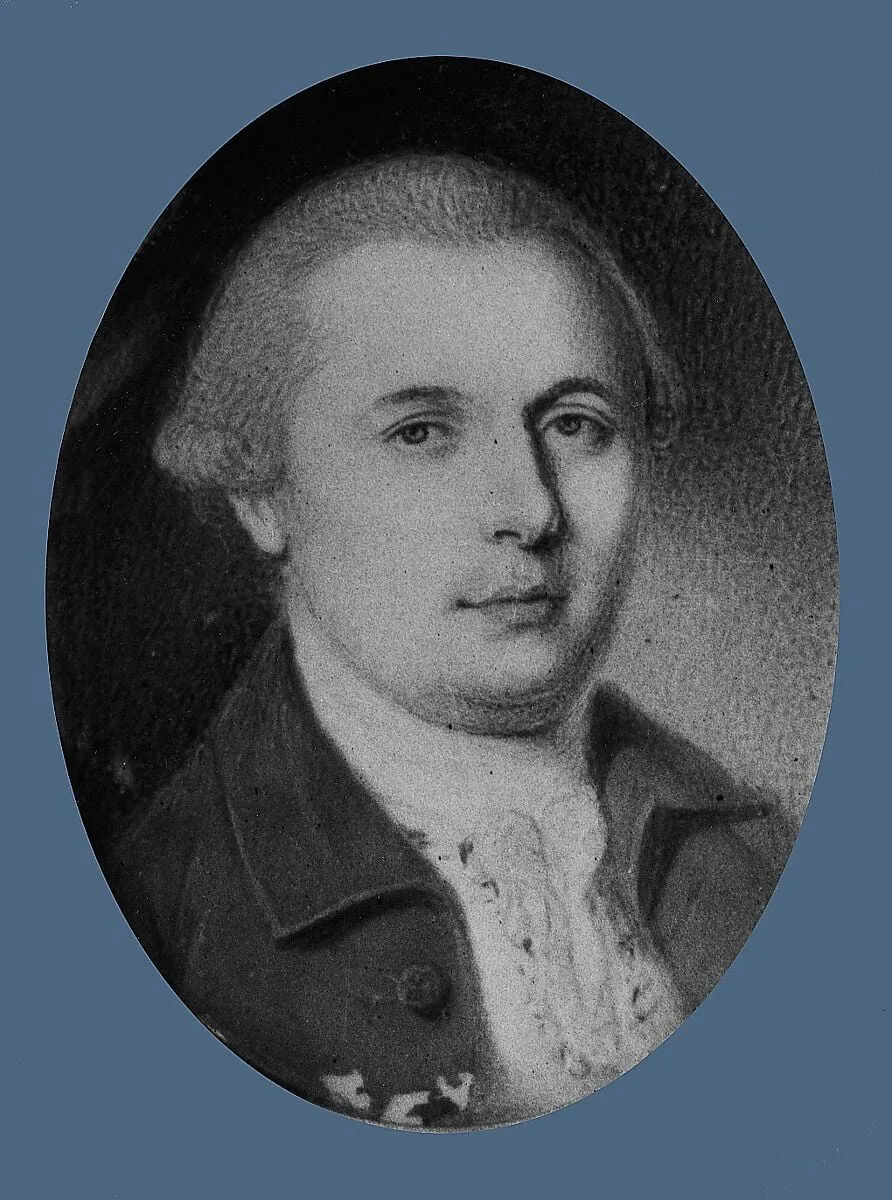
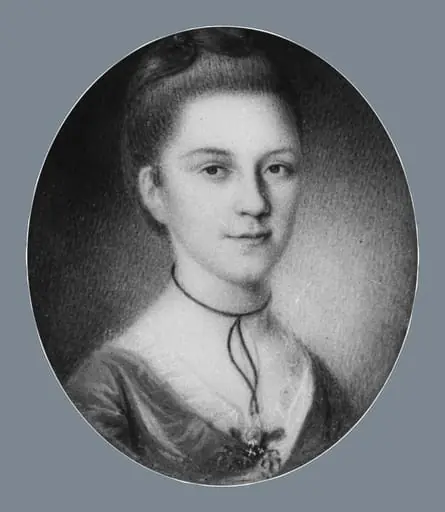
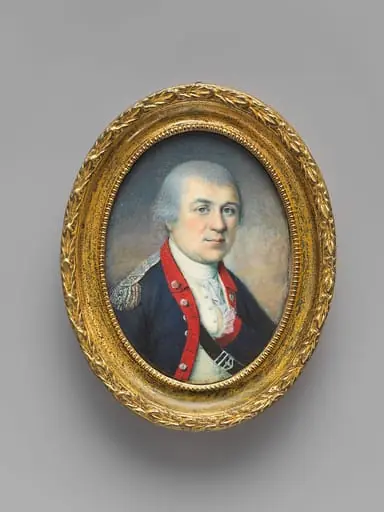
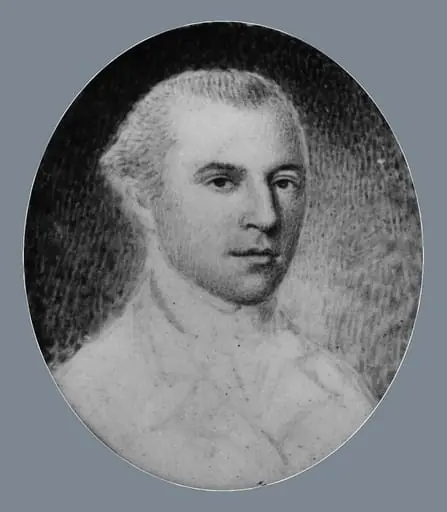
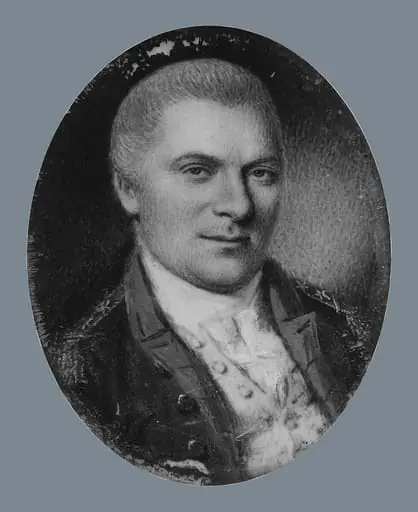
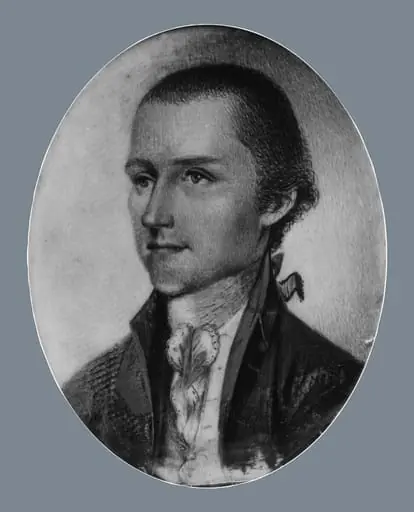
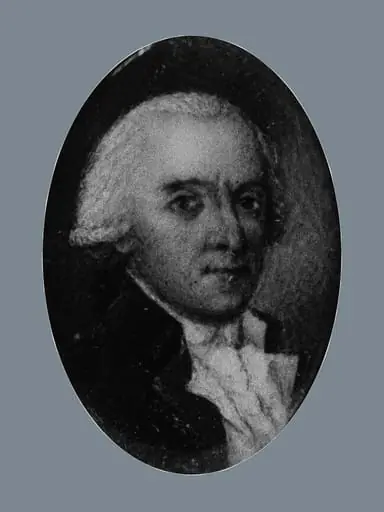
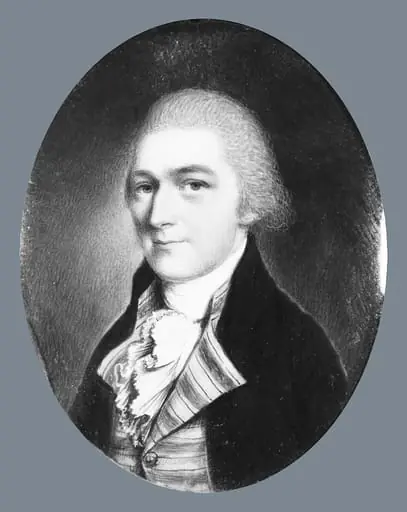
Nathanael Greene is a watercolor painting by the American Impressionist artist Charles Willson Peale. It dates from 1778 and is held in the collection of the Metropolitan Museum of Art.
About this work
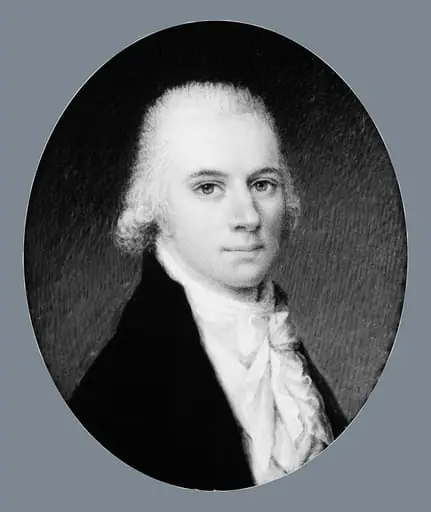
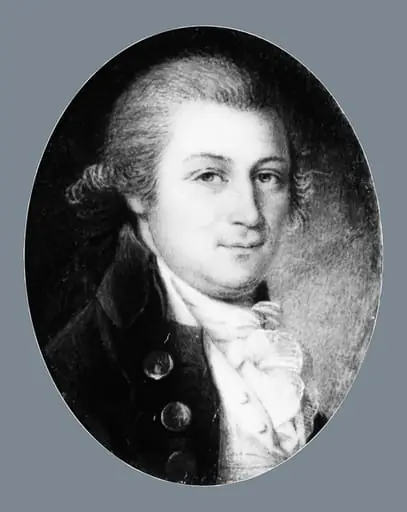
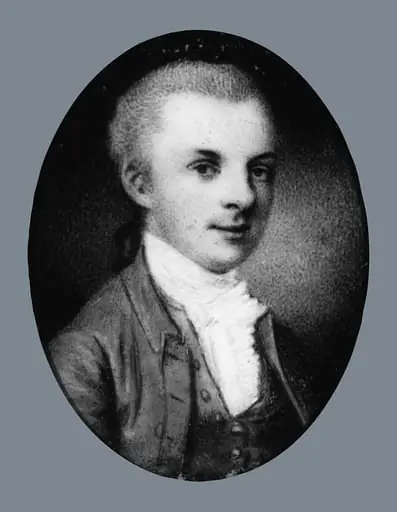
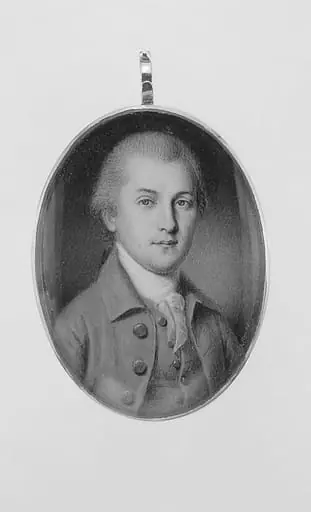
Peale painted Nathanael Greene in 1778, during the Revolution, when Greene was leading troops. The general wears a plain uniform, his face calm but alert, with the buttons and cuffs rendered in careful detail. The watercolor was worked with tiny brushes on fragile ivory.
Subject & Meaning
Created in 1778 by Charles Willson Peale, this watercolor on ivory functions as a portrait miniature depicting Nathanael Greene.
Created in 1778 by Charles Willson Peale, this watercolor on ivory functions as a portrait miniature depicting Nathanael Greene. The work's iconography is straightforward, focusing entirely on the likeness of the man, who is identified specifically as the American Revolutionary War general. As a genre piece, it represents the tradition of portable portraiture popular during the late eighteenth century, designed to capture the sitter's features on a small scale (measuring approximately 4.5 by 3.5 units).
The image serves primarily as a documentary record of Greene's appearance rather than employing complex allegorical symbolism. Its significance lies in its status as a visual historical document preserved within the Metropolitan Museum of Art's collection, offering a direct representation of a key military figure from the era.
Technique & Style
This 1778 portrait of Nathanael Greene by Charles Willson Peale is executed in watercolor on ivory, a combination characteristic of miniature painting of the period. The work is classified as a miniature portrait and is held in the collection of the Metropolitan Museum of Art's American Wing. Its diminutive format is reflected in the recorded dimensions of approximately 4.5 by 3.5 inches, a scale suited to private handling and intimate viewing rather than public display.
The ivory support, prized for its smooth, luminous surface, allowed Peale to build translucent watercolor washes that produce the fine, polished finish typical of the medium. The sources do not provide further information on handling, condition, or stylistic particulars beyond the medium, support, classification, and measurements noted above.
History & Provenance
Painted in 1778 by Charles Willson Peale, the miniature portrait of Nathanael Greene is recorded as a watercolor on ivory. It entered the Metropolitan Museum of Art’s collection where it remains, measuring approximately 4.5 × 3.5 cm. The work’s early history is undocumented beyond its date of execution, indicating it was likely created shortly after Greene’s service in the Revolutionary War.
The miniature portrait of Nathanael Greene by Charles Willson Peale (1778) is held by the Metropolitan Museum of Art in New York. It is inventoried as accession number 17.190.1, where it is classified under The American Wing. The work has no recorded exhibition history in the provided sources.
Overview
This miniature portrait depicts Nathanael Greene, a prominent general during the American Revolutionary War. Executed in watercolor on a delicate ivory surface, the work captures Greene in his military attire, reflecting his leadership role during the conflict. The artist, Charles Willson Peale, frequently created such intimate portrayals of military figures, combining a record of their position with an insight into their personal demeanor.
Artist & collection
Artist
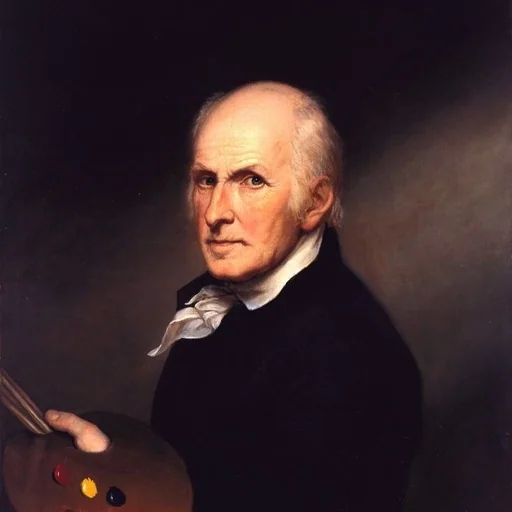
Charles Willson Peale (April 15, 1741 – February 22, 1827) was an American painter, military officer, scientist, and naturalist.