Artwork
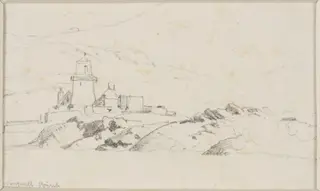
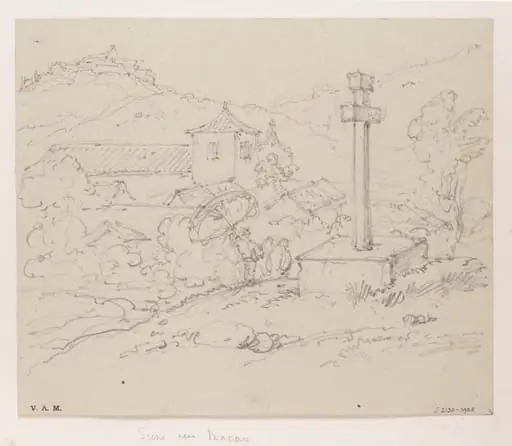
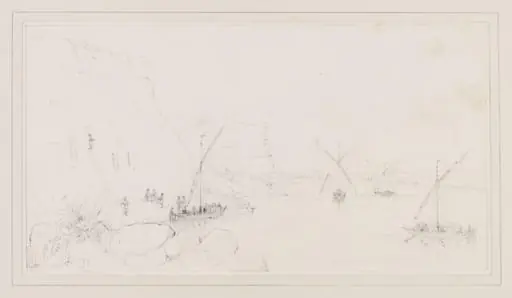
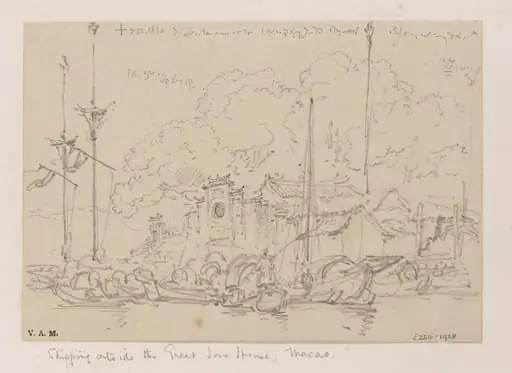
The ruins of a mosque or tomb in India
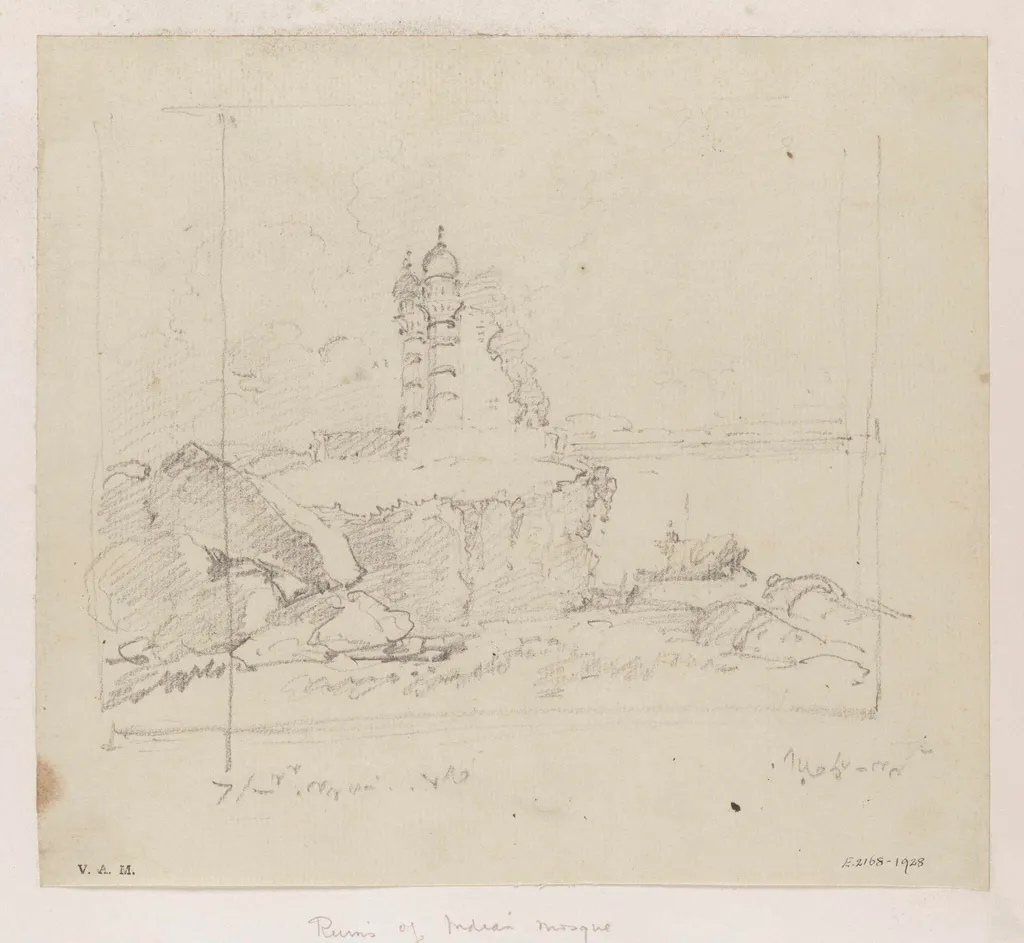
The ruins of a mosque or tomb in India is a drawing by the Romanticist artist George Chinnery. It dates from 16 and is held in the collection of the Victoria and Albert Museum.
About this work
George Chinnery drew this in India in 1802, when British artists often recorded Indian buildings.
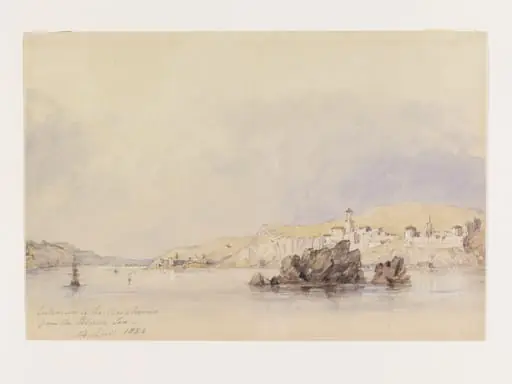
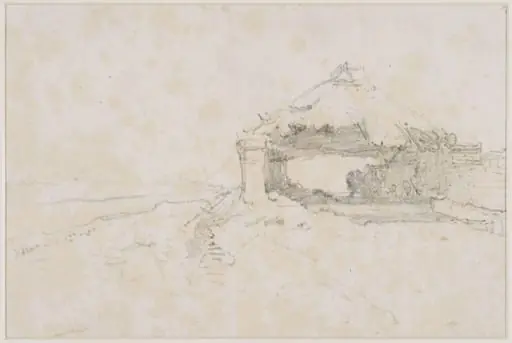
You see two tall minarets made of brick standing in a field of rocks and dust. Grass grows between cracks in the stone. A low wall runs between the towers, half-buried in earth.
The sketch shows how the ruins weather over time. George Chinnery drew this in India in 1802, when British artists often recorded Indian buildings. His lines are careful, almost like a map.
Try looking up Chinnery, George.
Overview
This 1802 drawing depicts the ruins of a mosque or tomb in India, featuring two standing minarets amidst a rocky, arid landscape with overgrown vegetation and a partially buried wall.
Subject & Meaning
The subject highlights the inevitable effects of time and weathering on architectural structures, while also documenting Indian Islamic architecture during the British colonial era.
Technique & Style
Executed with careful, cartographic precision, the drawing reflects the artist's attention to detail, characteristic of British artists' documentary approaches to Indian landscapes and buildings during this period.
History & Provenance
Created by George Chinnery in 1802, the drawing is part of a broader practice among British artists to record Indian architectural heritage, reflecting colonial-era cultural exchange and documentation efforts.
Context
Produced during the early 19th century, the work situates itself within the historical context of British India, where artistic documentation of local monuments was a common practice among visiting and resident European artists.
Own this work as a print
Artist & collection
Artist
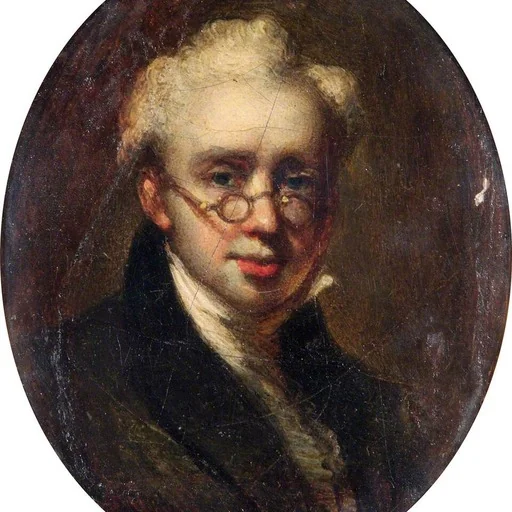
George Chinnery (Chinese: 錢納利; 5 January 1774 – 30 May 1852) was an English painter who spent most of his life in Asia, especially India and southern China.