Artwork
Mary Stuart
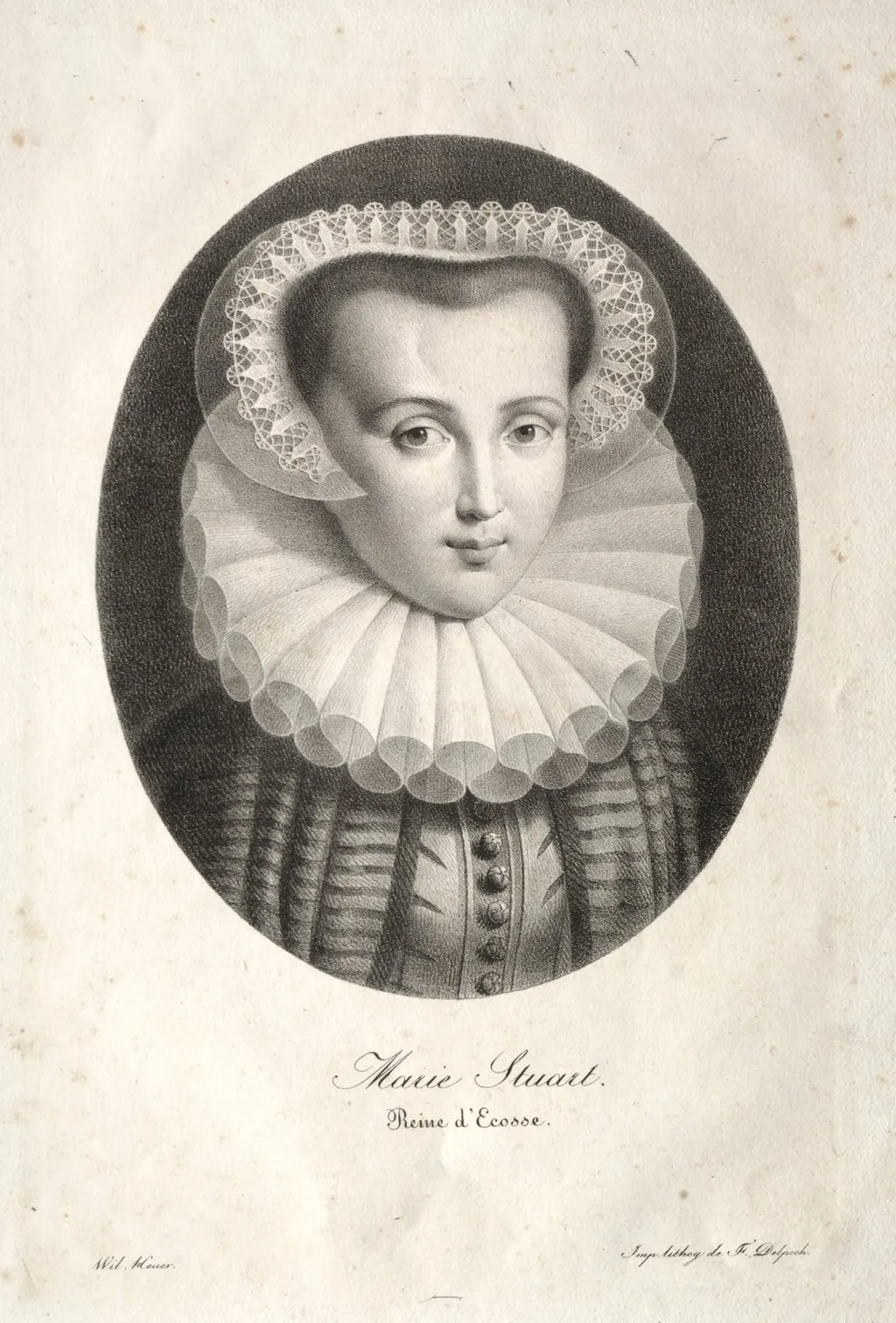
Mary Stuart is a print by Christian Ludwig Wilhelm Heuer. It dates from 1861 and is held in the collection of the Cleveland Museum of Art.
- Accession no.
- 1941.263
- Credit line
- Mr. and Mrs. Lewis B. Williams Collection
About this work
Overview
Created around 1861 by Christian Ludwig Wilhelm Heuer, this black-and-white print depicts a formal portrait of a woman identified as Mary, Queen of Scots.
Created around 1861 by Christian Ludwig Wilhelm Heuer, this black-and-white print depicts a formal portrait of a woman identified as Mary, Queen of Scots. Rendered in graphite or similar medium, the image emphasizes clarity and restraint, typical of 19th-century historical portraiture. The work is part of the collection at The Cleveland Museum of Art, where it is preserved as an example of romanticized historical imagery from the period.
Subject & Meaning
The figure is labeled 'Marie Stuart, Reine d’Ecosse,' confirming her identity as Mary, Queen of Scots, a historical figure associated with political turmoil and tragic fate. The portrait captures her in a solemn, composed manner, avoiding overt drama but invoking dignity and sorrow. The plain background and minimal adornment direct focus to her expression, suggesting contemplation or resignation, aligning with 19th-century interpretations of her legacy.
Technique & Style
Heuer employed a monochromatic technique, likely graphite or ink, to achieve sharp tonal contrasts and fine detail. The high ruffled collar and tightly drawn buttons of the dress are rendered with precision, while the hair is smoothly pulled back, enhancing the formal tone. The absence of texture or background elements creates a sculptural effect, emphasizing the sitter’s presence through line and shadow rather than atmosphere.
History & Provenance
The print was produced in the mid-19th century, a time when historical figures, especially those with dramatic biographies, were frequently revisited in visual culture. It entered the collection of The Cleveland Museum of Art at an unspecified date, likely through acquisition or donation. No earlier provenance is documented in public records, but its style aligns with German academic traditions of historical portraiture from the period.
Context
In the 1860s, European artists and publishers frequently illustrated historical queens and martyrs to appeal to public interest in romanticized pasts. Mary, Queen of Scots, was a popular subject due to her contested reign and execution. Heuer’s portrait reflects this trend, presenting her not as a political actor but as a symbolic figure of noble suffering, consistent with Victorian-era narratives of female tragedy.
Legacy
This print contributes to a broader 19th-century visual archive that shaped modern perceptions of Mary, Queen of Scots. Though not widely exhibited, it exemplifies how historical figures were rendered in restrained, almost archival forms, prioritizing recognition over emotional intensity. Its preservation in a major museum underscores its role as a quiet but persistent artifact of historical memory in print culture.
Own this work as a print
Artist & collection
Artist
Christian Ludwig Wilhelm Heuer
Christian Ludwig Wilhelm Heuer (1813–1890) was a German artist.

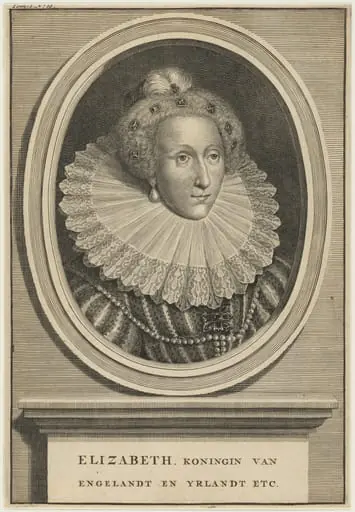
- Queen Elizabeth
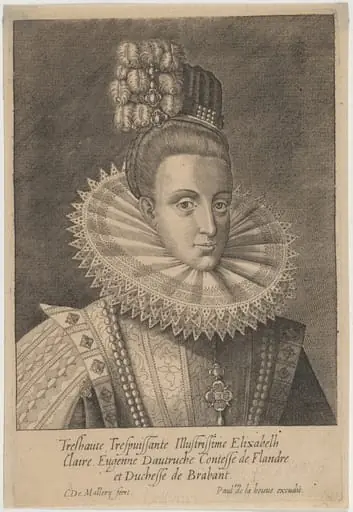 Isabella Clara Eugenie of Austria, Spain and Countess of Flanders
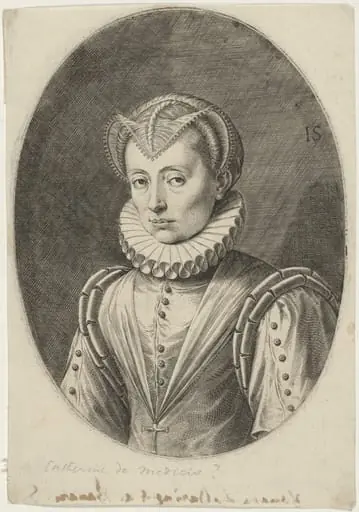 Catherine de Medici (?)
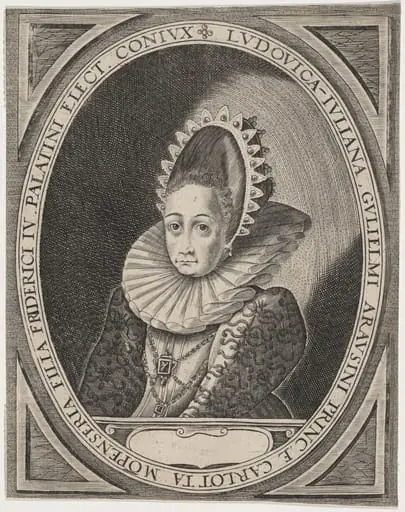 Louise Juliana, Wife of Frederick IV
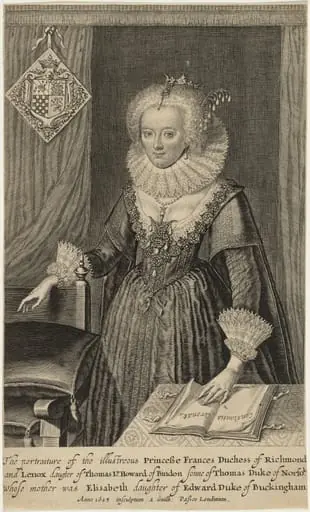 Frances Howard, Duchess of Richmond
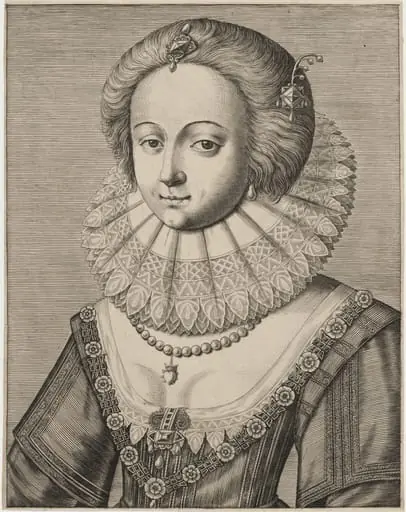 Elizabeth, Queen of Bohemia (?)
![Maria of Austria, Infanta of Spain [top half], by Simon van de Passe](https://artifactworldgallery.com/img/simon-van-de-passe--maria-of-austria-infanta-of-spain-top-half--b728f947eb0b34d7-w320.webp) Maria of Austria, Infanta of Spain [top half]
Maria of Austria, Infanta of Spain [top half]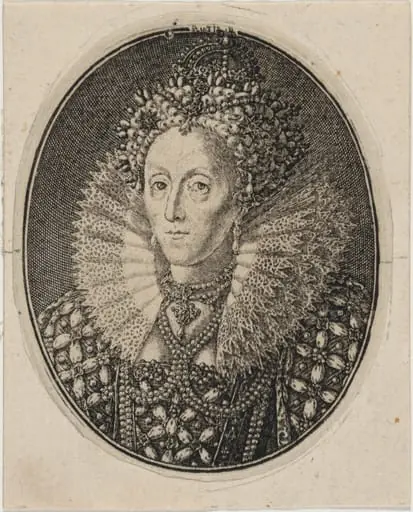 Elizabeth, Queen of England
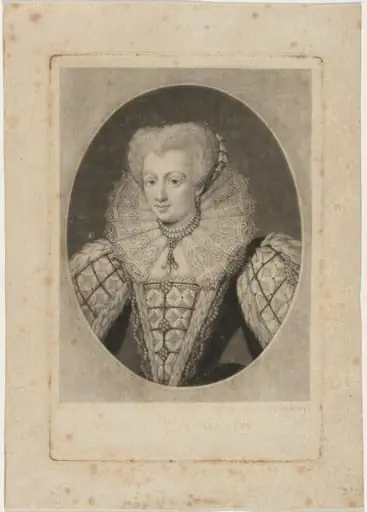 Princess Elizabeth
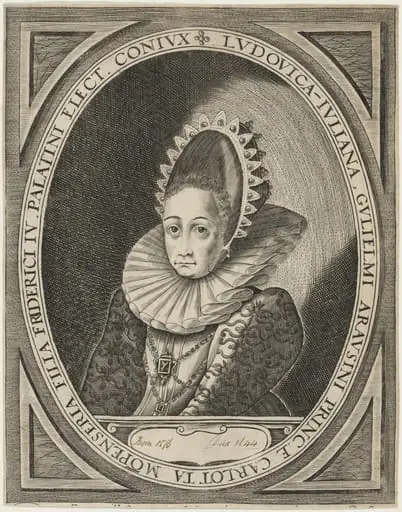 Louise Juliana, Wife of Frederick IV
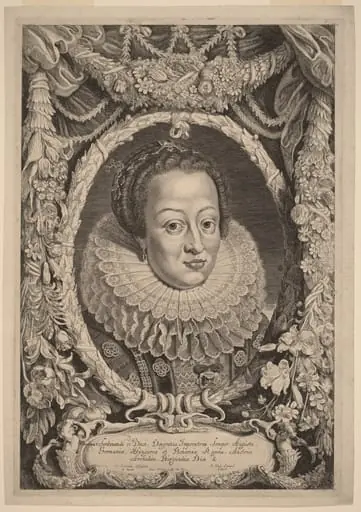 Eleanora, Wife of Ferdinand II
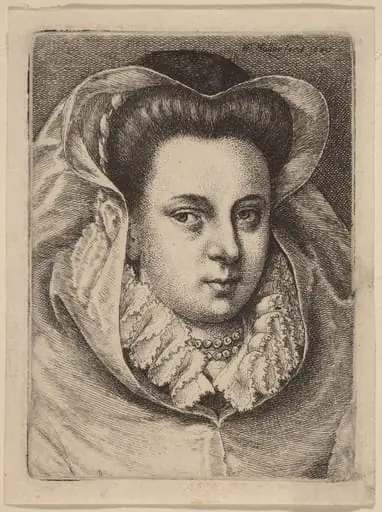 Woman with White Veil and Black Hat (Mary Stuart?)