
Subject
Lace
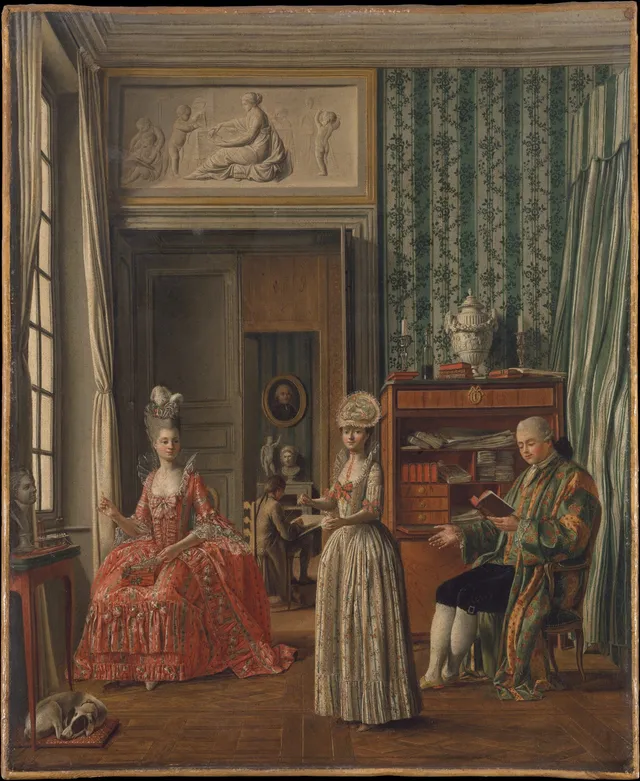
Lace is a subject in art. The gallery holds 196 works in this subject in art, including works by Jean Honoré Fragonard, Francis William Edmonds and Ralph Earl.
Lace is a decorative openwork textile built up from thread alone — looped, knotted, twisted, or plaited into a pattern without any pre-existing ground fabric to support it. This is what distinguishes true lace from embroidery, and it is the source of its old nickname, the "fabric made of air." Lacemaking emerged in Europe in the early-to-mid sixteenth century, with Venice and Flanders as the founding centres. Venice became renowned for needle lace (punto in aria), worked with a single needle and thread in looped buttonhole stitches over a drawn pattern, while Flanders perfected bobbin lace, in which many threads wound on bobbins are crossed and twisted around pins set into a pillow. The earliest printed pattern books, such as Venice's Le Pompe of the 1550s, helped the craft spread; by 1600 high-quality lace was being produced across Flanders, France, Spain, and England.
Visually, lace is defined by its contrast of dense and void — solid worked motifs suspended in a delicate net of open ground. Its two great hand traditions, needle and bobbin, grew so technically refined that by the mid-seventeenth century each imitated the other, and the two are often indistinguishable in paintings. Costly and labour-intensive, lace quickly became a marker of rank, and its rendering became a test of a portraitist's skill. Anthony van Dyck was celebrated for the painterly accuracy of his lace collars, and the same prestige attaches to the elaborate caps, ruffs, and cuffs seen throughout our holdings — in Ralph Earl's Mrs. Noah Smith and Her Children and Lady Williams and Child, in Richard Cosway's Portrait of Marianne Dorothy Harland, and in Francis William Edmonds's The New Bonnet.
Lace also became a subject in its own right. The Dutch lacemaker — Caspar Netscher's The Lace Maker (1662, Wallace Collection) and Johannes Vermeer's tiny The Lacemaker (c. 1669–70, Louvre), the smallest of his works — celebrated quiet feminine industry and domestic virtue.
The handcraft was transformed by industry: John Heathcoat's bobbinet machine of 1808 made lace replicable at scale, anchoring Nottingham as the world centre of machine lace and provoking Luddite attacks even as it democratised a once-aristocratic luxury.
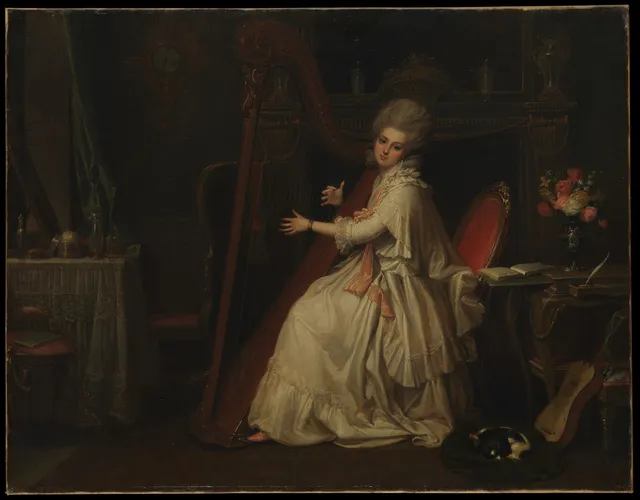
Key artists

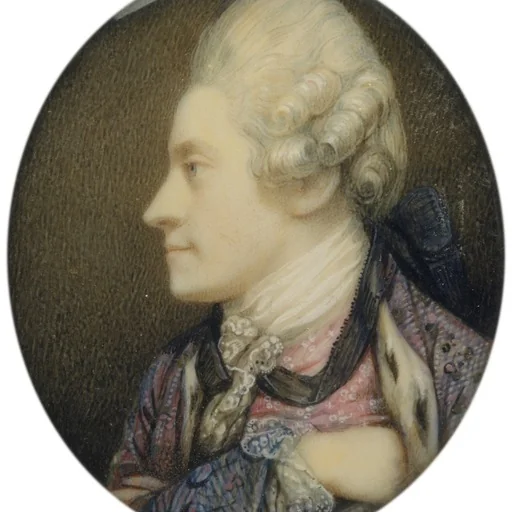
Overview
Lace is a decorative openwork textile made without the use of pre-existing fabric, constructed by looping, plaiting, twisting, or knotting threads by hand or machine. The word derives from Middle English, tracing back through Old French las and Vulgar Latin laceum or Latin laqueus, all meaning noose or string, a fitting description for the open spaces outlined by thread that characterize the fabric. Lace appears in 457 works in the collection, ranging from portraits and domestic scenes to family groups, indicating its pervasive role as a marker of status, refinement, and domesticity in visual art. The earliest documented examples date to the 15th and 16th centuries, with disputed origins between Italy and Flanders, and the material has been fashioned from linen, silk, cotton, gold, silver, and even modern synthetic fibers or fine metal wire.
Iconography & meaning
In art, lace functions as a multivalent symbol. Its extreme cost and labor-intensive production made it an immediate signifier of wealth and social standing, particularly in portraiture where elaborate lace collars, cuffs, and accessories distinguished the sitter. The Catholic Church's early use of gold, silver, and silk lace in vestments lent it associations with the sacred and the ceremonial. Sumptuary laws across European states attempted to regulate lace consumption, underscoring its power as a status marker. In domestic scenes, lace appears on household linens and clothing, signaling feminine accomplishment and the idealized domestic sphere. The openwork structure itself carries metaphorical resonance, suggesting both delicacy and structural complexity, transparency and artifice. In later periods, as machine production democratized access, lace retained connotations of bridal purity, romantic femininity, and nostalgic craft tradition.
Across movements & periods
Lace's treatment in art evolved dramatically across periods. In the 15th and 16th centuries, as lace emerged in European centers, it appeared in religious and aristocratic contexts, with Venetian painters documenting elaborate needle and bobbin lace in portraits of nobility. The 17th century saw lace reach its apogee in European portraiture, with Flemish and Dutch masters rendering intricate collars and cuffs with almost microscopic precision. By the 18th century, lighter, more delicate lace patterns reflected Rococo sensibilities, while the 19th century brought both intensified industrial production and nostalgic revival of hand techniques. The Dutch source notes that 18th and 19th century drawings achieved very high technical levels, and that wartime Flanders produced Oorlogskant or War-lace, popular in America. The 20th century's mechanization threatened traditional techniques, yet also prompted lace's redefinition as artistic medium and leisure craft. Contemporary artists now employ thicker threads and experimental approaches, elevating lace to modern art form while historical techniques face endangerment.
Notable depictions
While the collection's specific works represent significant holdings, broader art historical tradition offers context. Hans Memling's painting of about 1485, depicting a worshiping priest with lace on his alb, provides one of the earliest visual documents of Flemish lace and is cited in origin disputes. Venetian painters captured the elaborate ruffs and collars produced under the patronage of doges' wives, including Morosina Morosini's 1595 foundation of a lace workshop for 130 women. The Sforza inventory of 1493 and Beatrice d'Este's documented collections establish Italian aristocratic lace patronage. In the collection itself, portraits such as Susan Walker Morse (The Muse) and the family group portraits by American painters demonstrate transatlantic adoption of European lace conventions. The Belgian royal tradition of brides wearing the Brussels duchesse veil of Laura Mosselman du Chenoy, grandmother of Queen Paola, illustrates lace's continued ceremonial function across centuries.
Legacy
Lace's cultural afterlife encompasses both preservation crisis and creative reinvention. The German source documents how complex forms like Point de Venise and Duchessespitze face acute endangerment as hand production has shifted almost entirely to amateur leisure activity, with knowledge transmitted through clubs, schools, museums, and increasingly social media. France and Croatia have recognized lace-making as intangible cultural heritage. Fashion history records lace's periodic resurgence, from Balenciaga's 1946 use of guipure through Dior, Balmain, and later Givenchy, Valentino, and Pucci, to 2012 ready-to-wear collections by Dolce & Gabbana and Louis Vuitton. The 1845 Irish famine and subsequent sardine crisis in Brittany spurred development of crocheted Irish lace and Bigouden picot as survival crafts, demonstrating lace's role in economic resilience. Contemporary artists like Eric van de Pitte now work with lace as fine art, using thicker threads and experimental techniques. Museums in Antwerp and Bruges maintain dedicated lace centers, while the Plauen region remains Germany's center for machine-embroidered lace and St. Gallen for Swiss textile production. The collection's 457 works thus preserve a visual archive of lace's social and aesthetic significance across centuries of European and American art.
Works
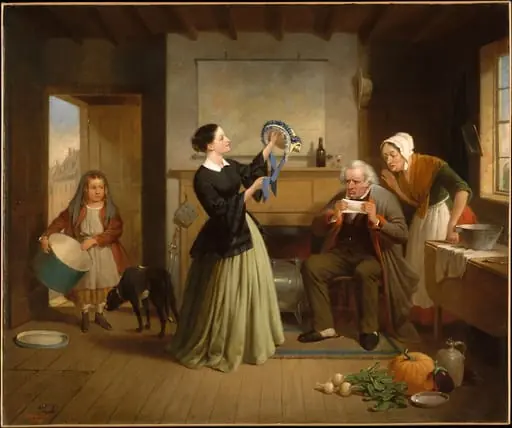 The New Bonnet
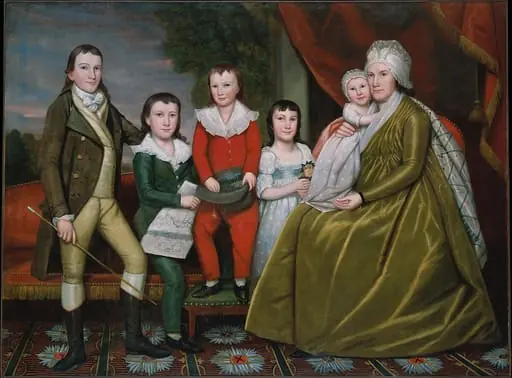 Mrs. Noah Smith and Her Children
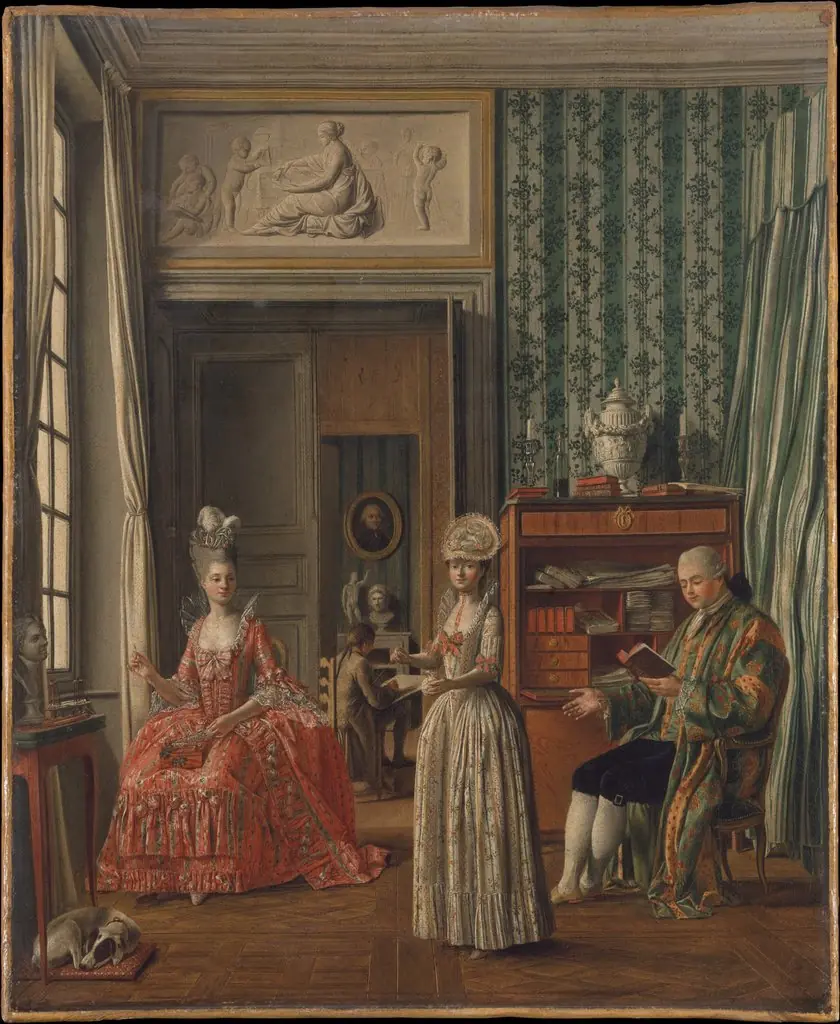 Domestic Scene
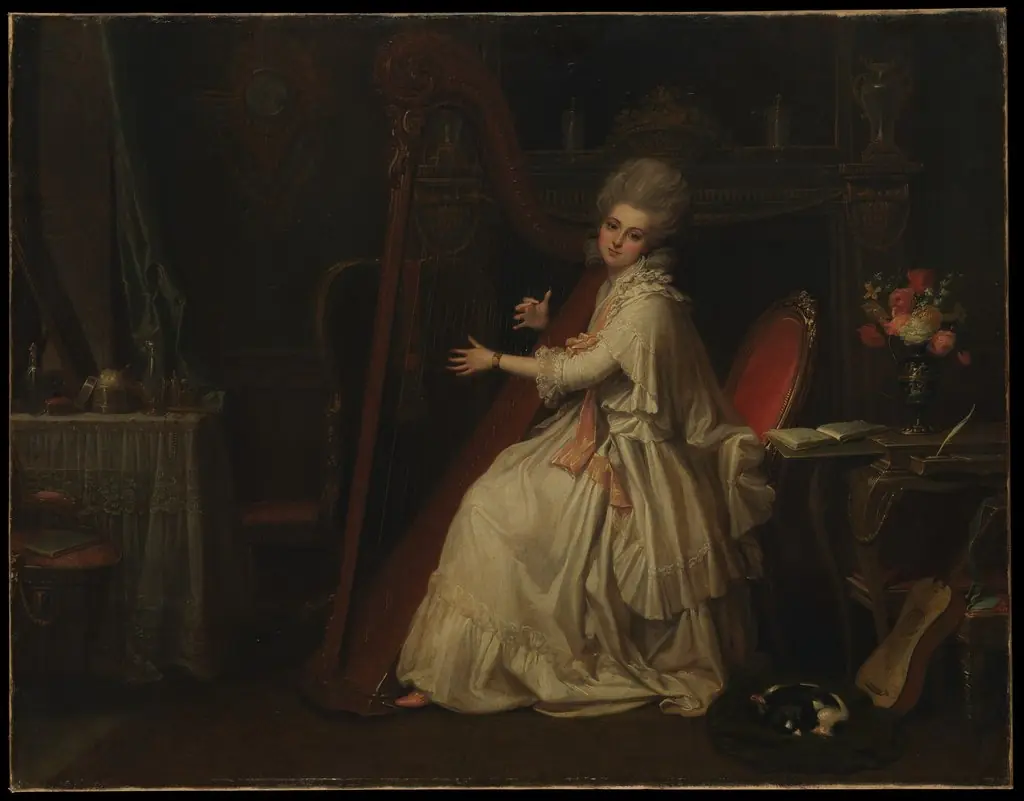 Portrait of Marianne Dorothy Harland (1759–1785), Later Mrs. William Dalrymple
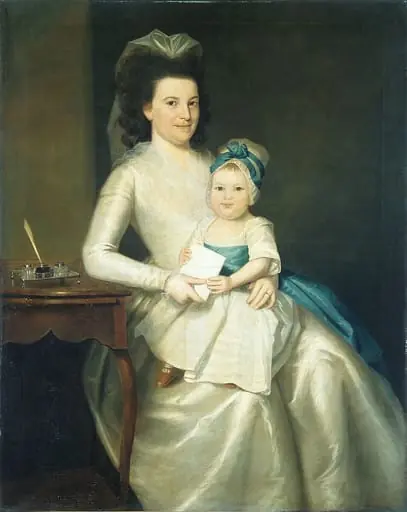 Lady Williams and Child
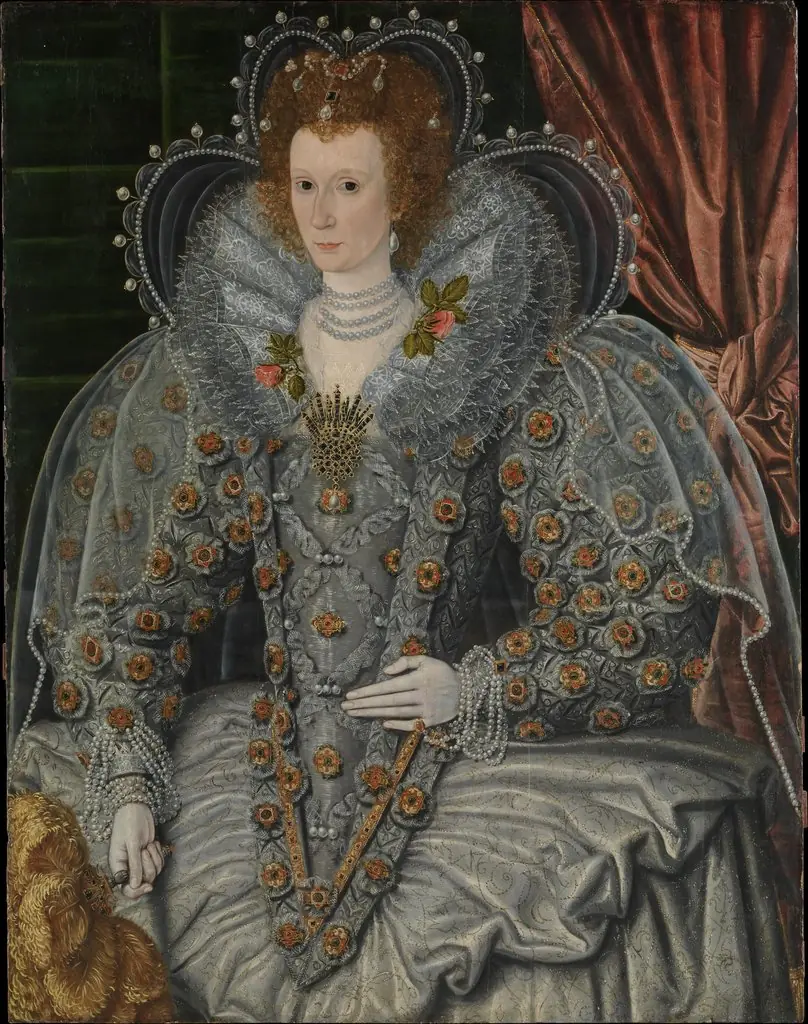 Portrait of a Woman
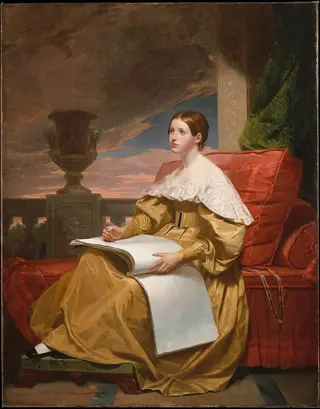 Susan Walker Morse (The Muse)
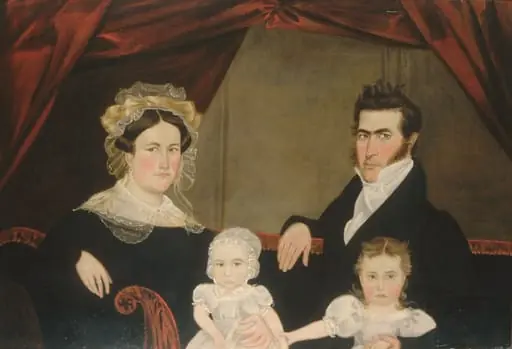 Family Group of Four on Sofa
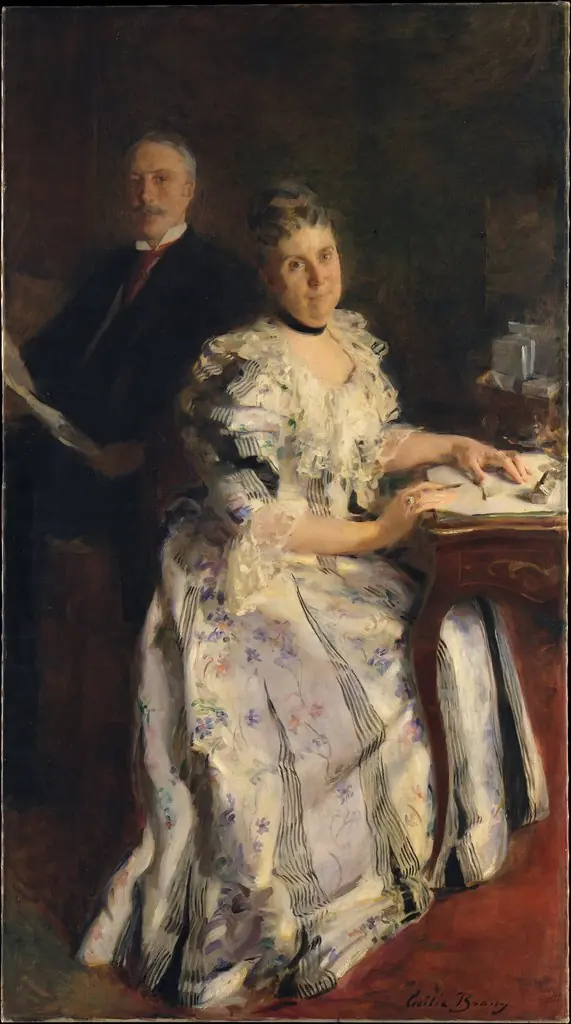 Mr. and Mrs. Anson Phelps Stokes
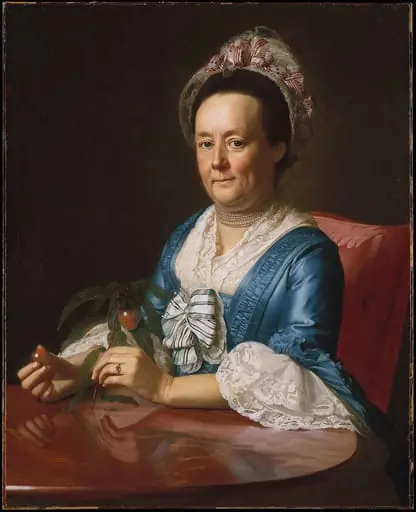 Mrs. John Winthrop
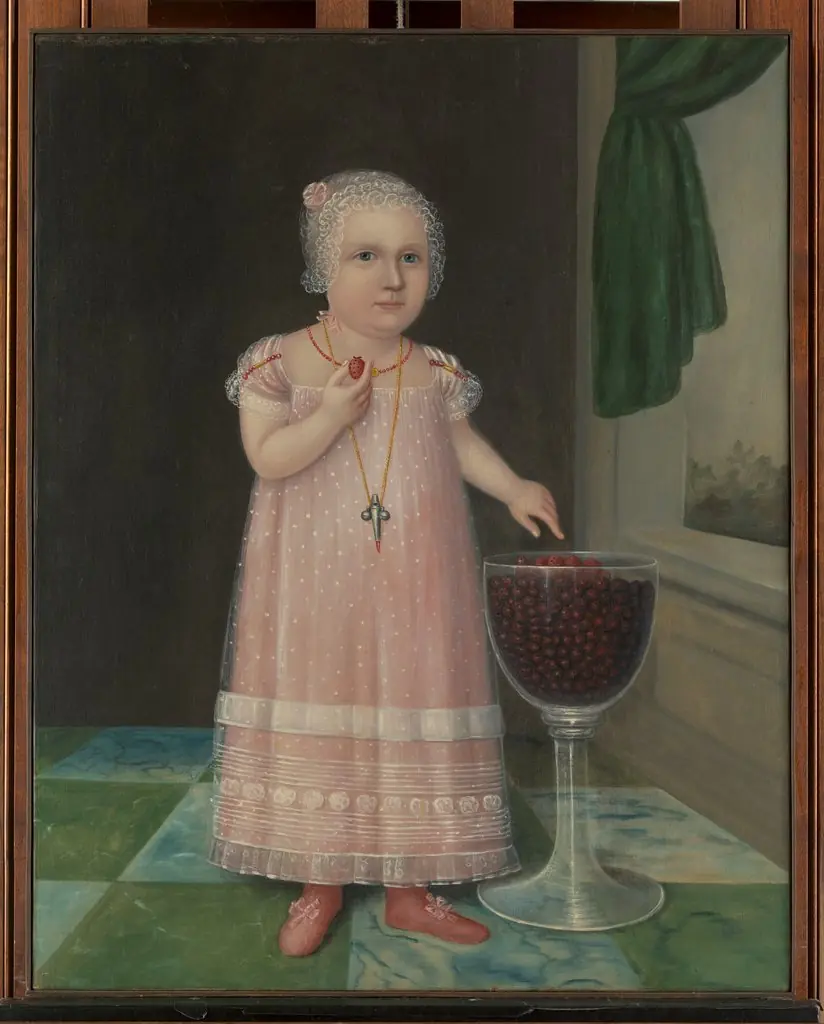 Emma Van Name
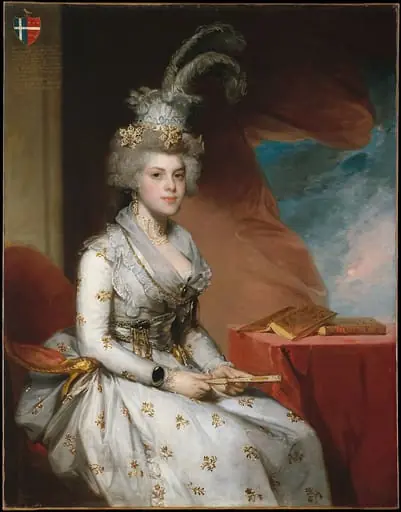 Matilda Stoughton de Jaudenes
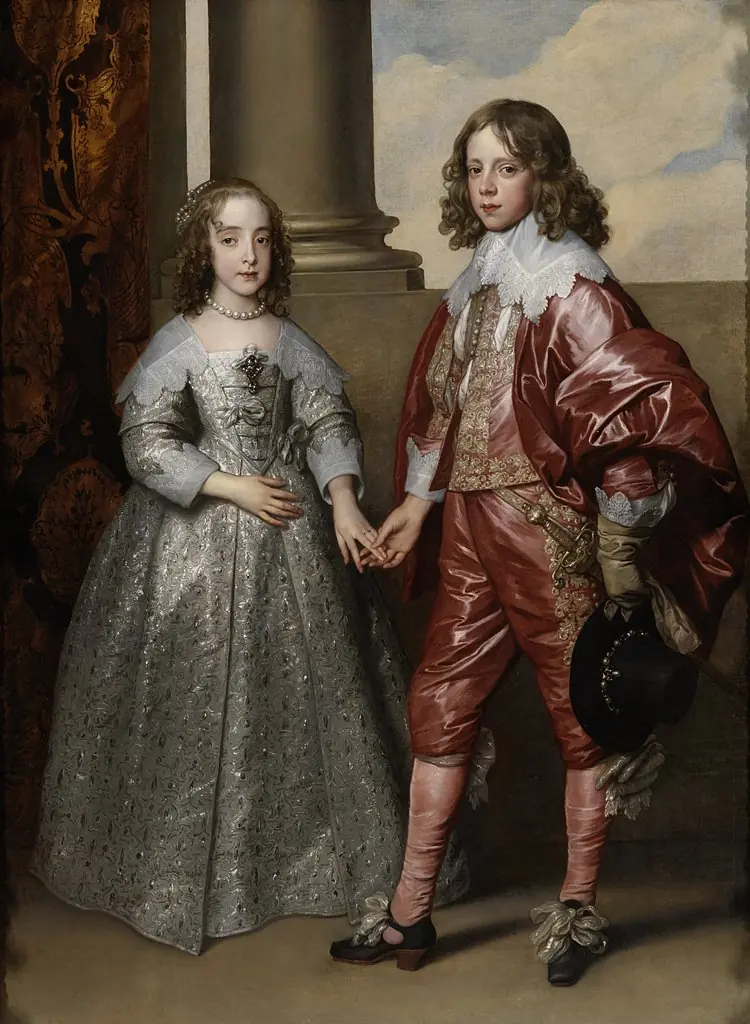 William II, Prince of Orange, and his Bride, Mary Stuart
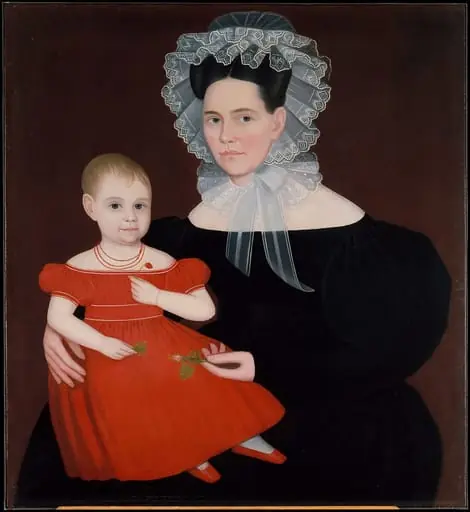 Mrs. Mayer and Daughter
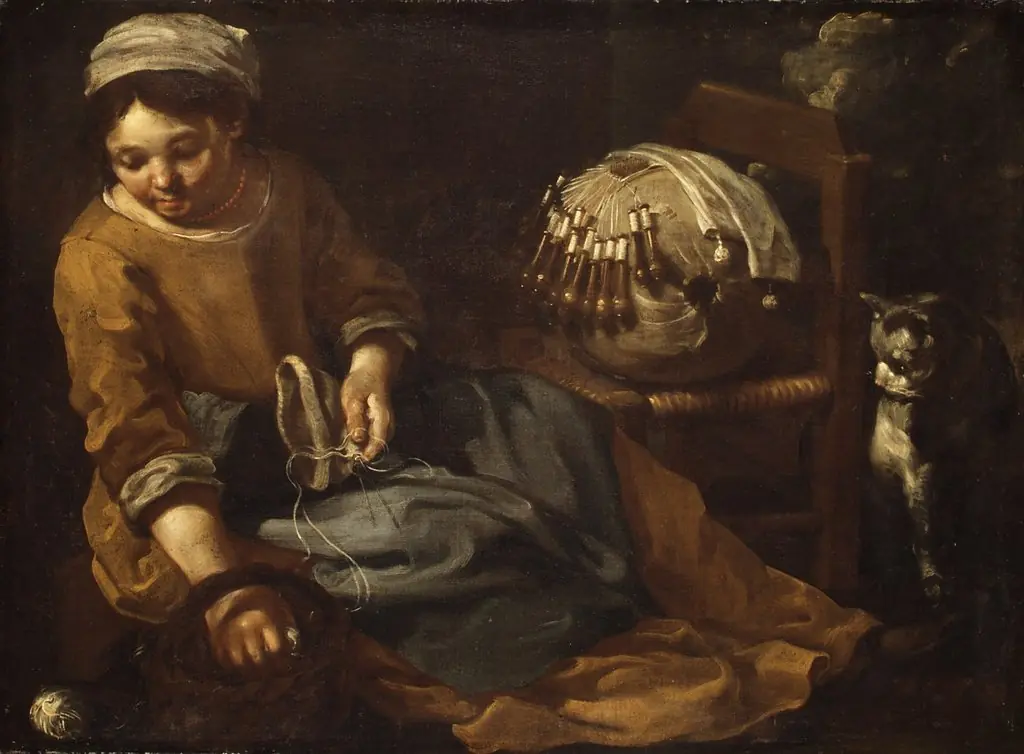 The Lacemaker
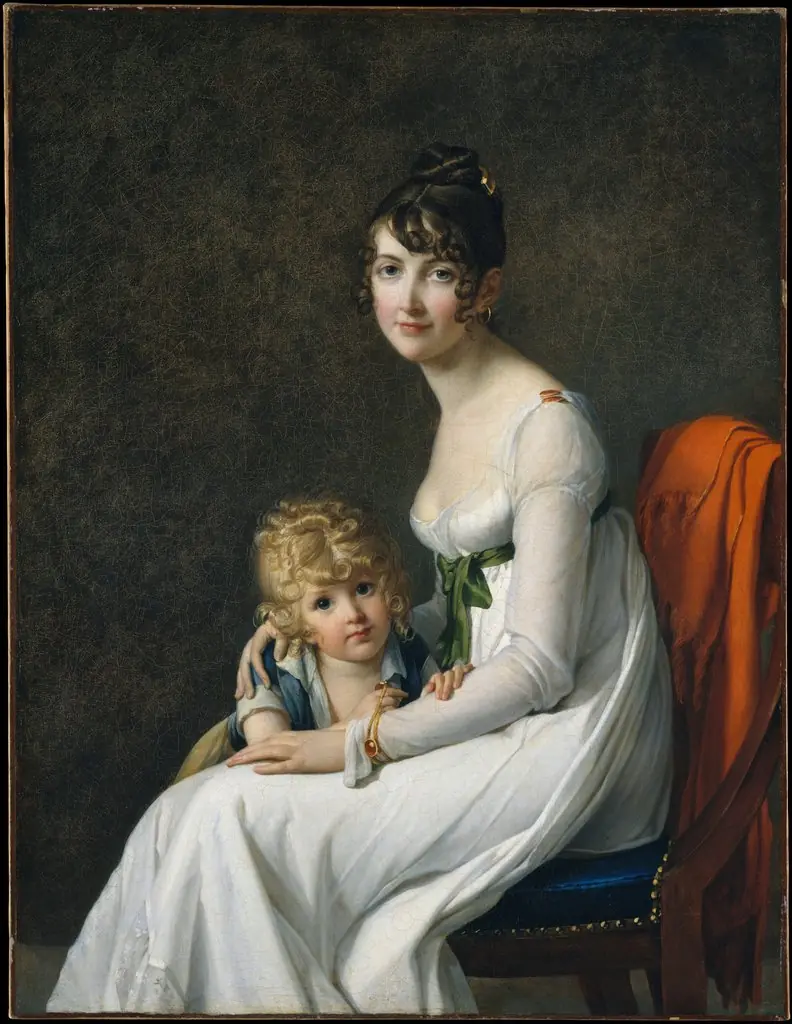 Madame Philippe Panon Desbassayns de Richemont (Jeanne Eglé Mourgue, 1778–1855) and Her Son, Eugène (1800–1859)
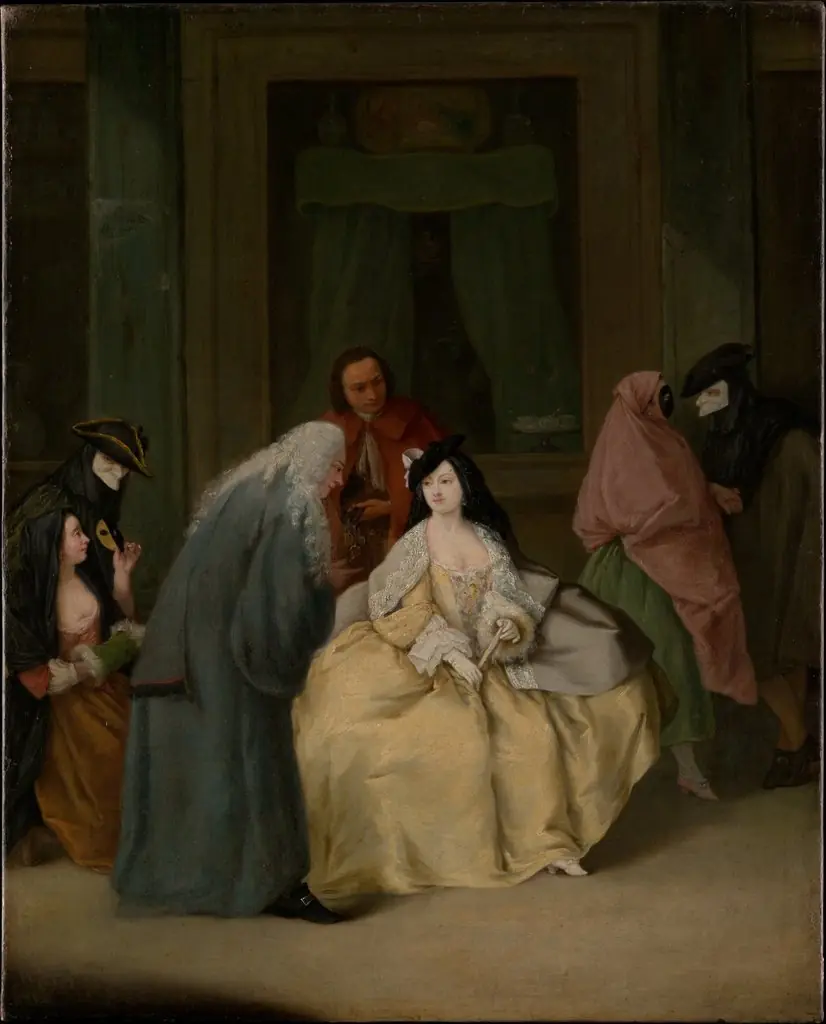 The Meeting
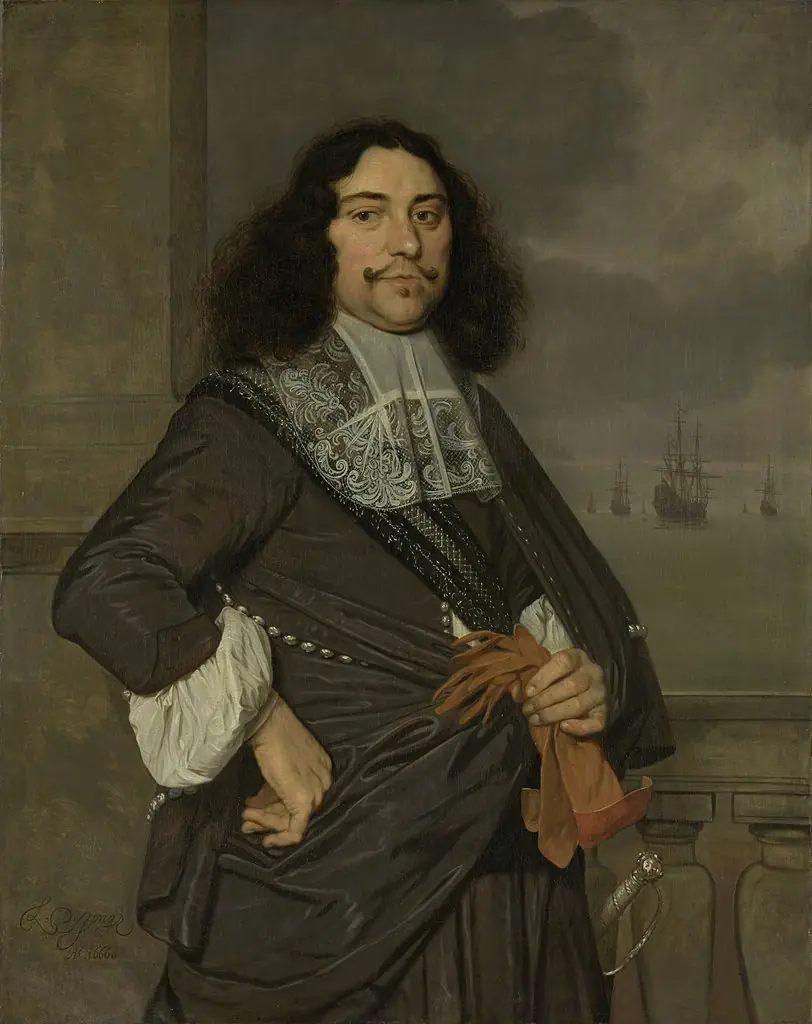 Portrait of Jan van Nes (1631-80). Vice admiral of Holland and West-Friesland
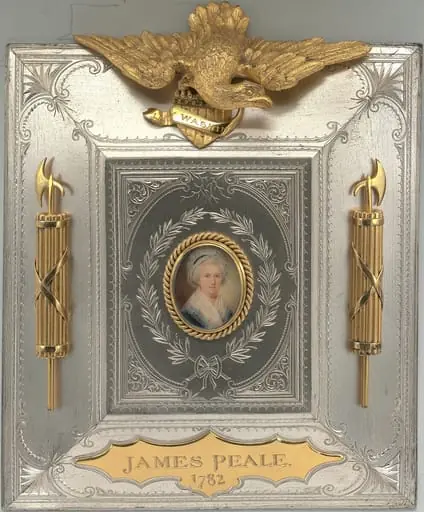 Martha Washington
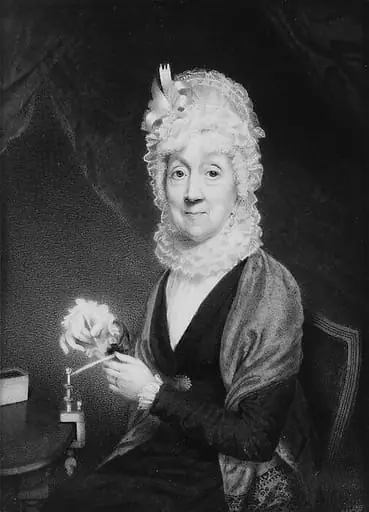 Portrait of a Lady
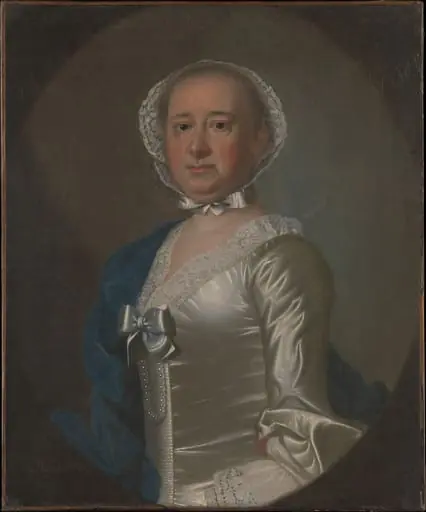 Mrs. Gabriel Manigault
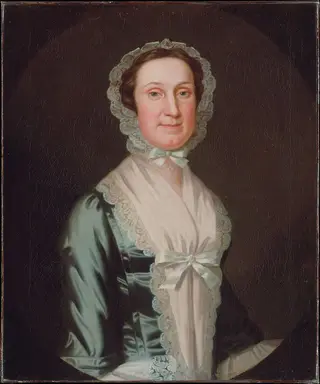 Mrs. Joseph Reade
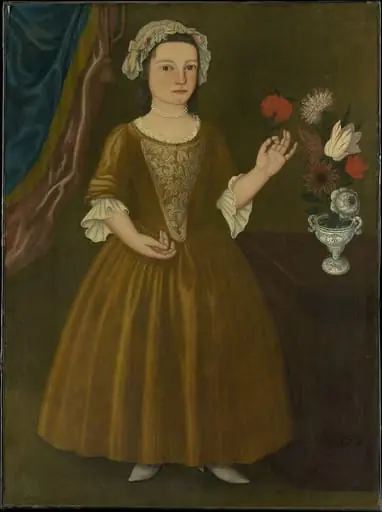 Catherina Elmendorf
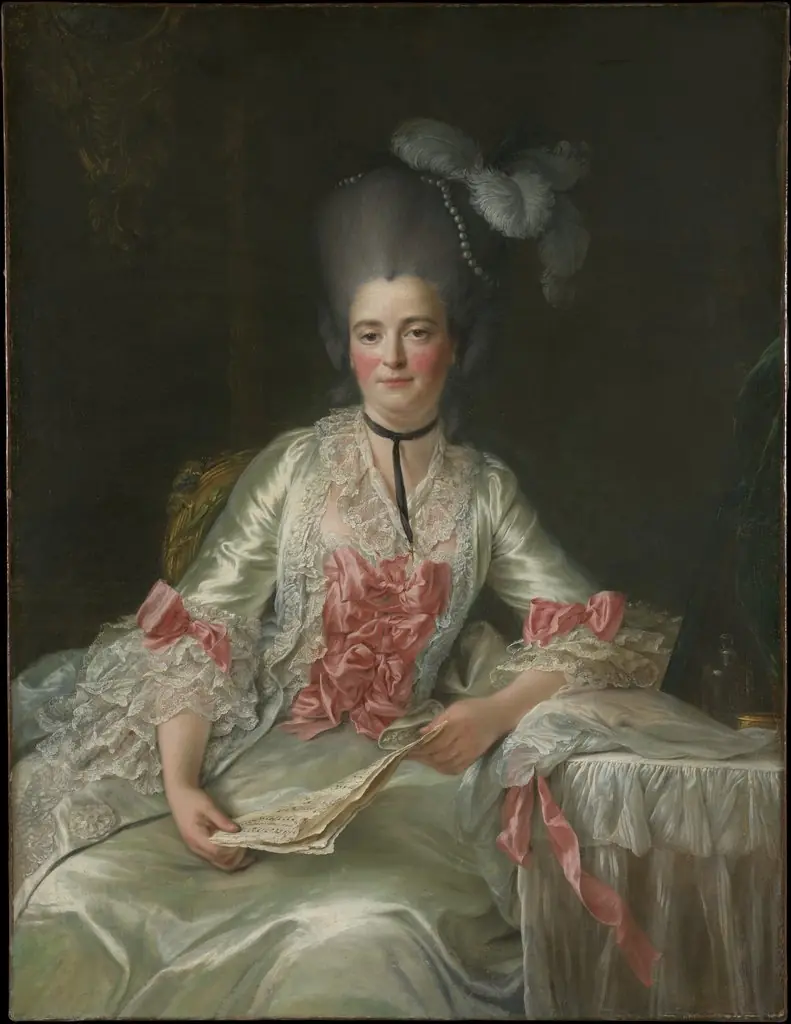 Marie Rinteau, called Mademoiselle de Verrières
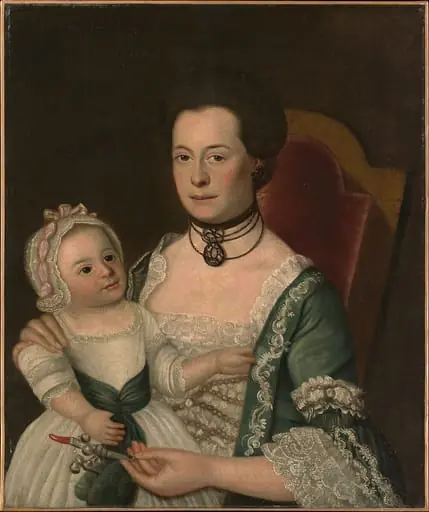 Mrs. Jacob Hurd and Child
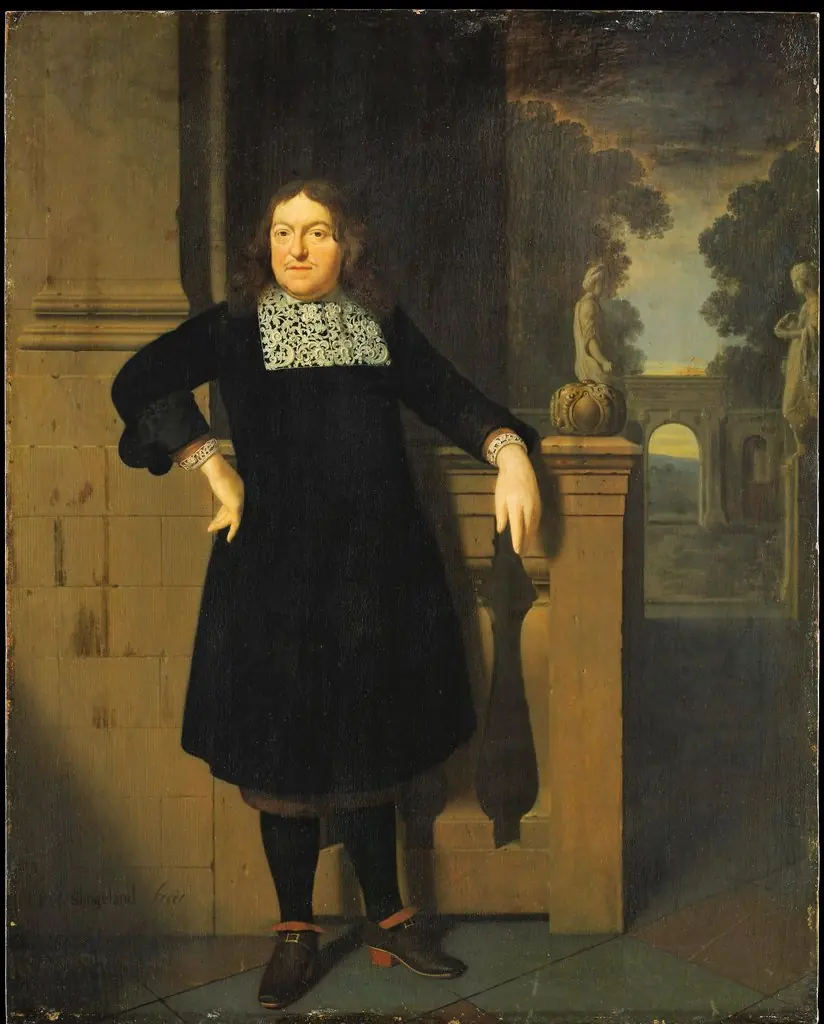 Portrait of Johan Hulshout (1623–1687)
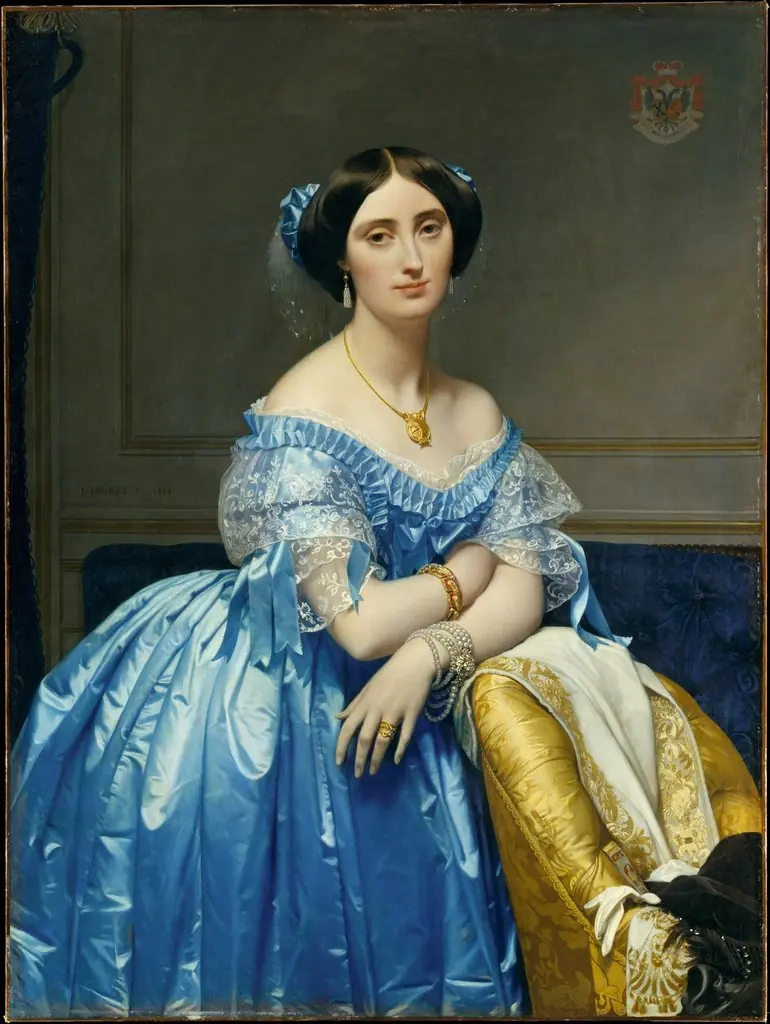 Joséphine-Éléonore-Marie-Pauline de Galard de Brassac de Béarn (1825–1860), Princesse de Broglie
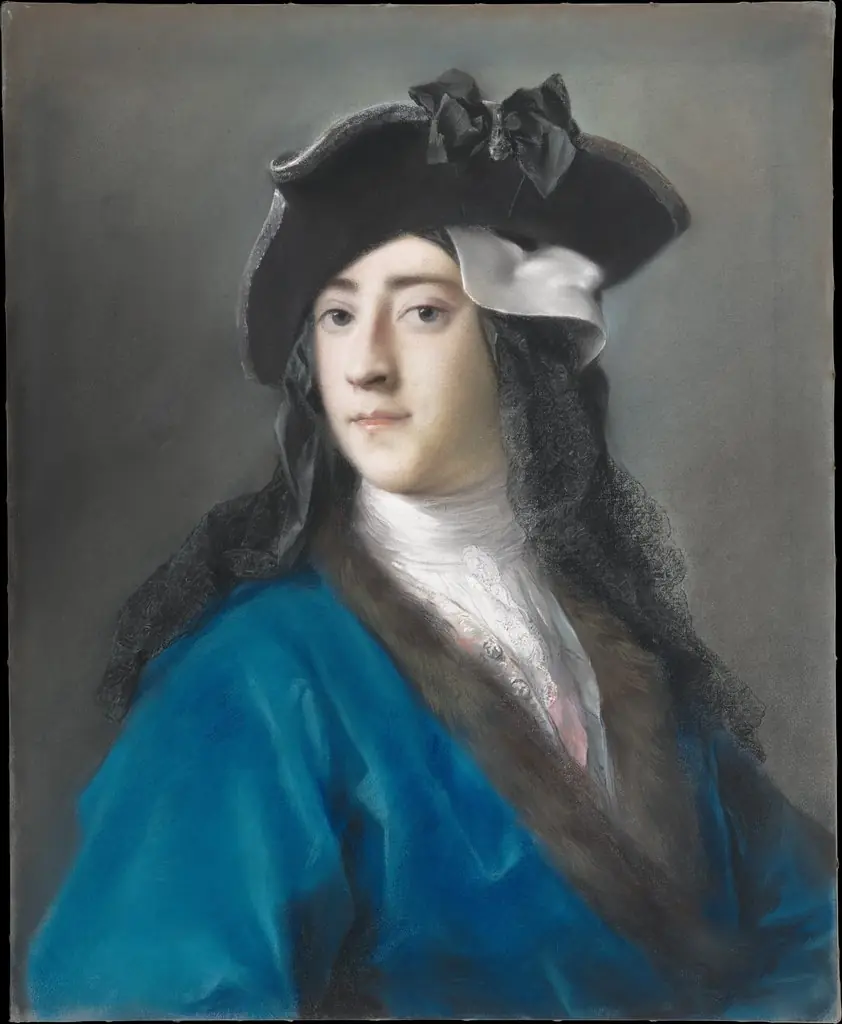 Gustavus Hamilton (1710–1746), Second Viscount Boyne, in Masquerade Costume
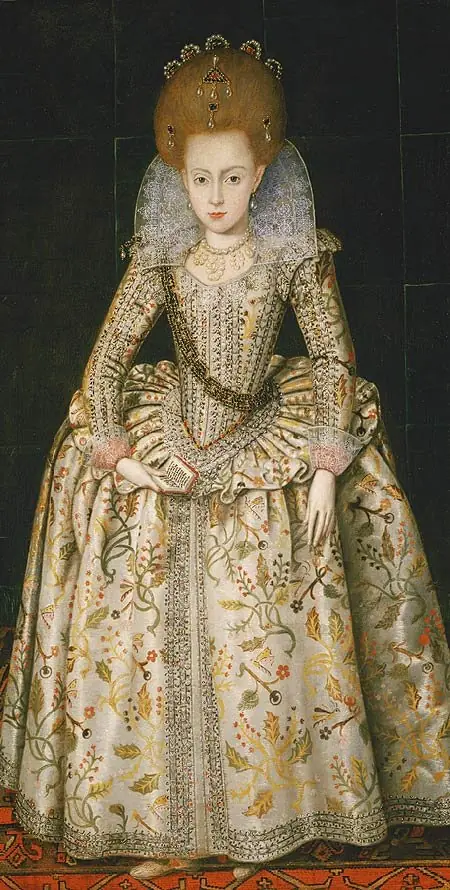 Princess Elizabeth (1596–1662), Later Queen of Bohemia
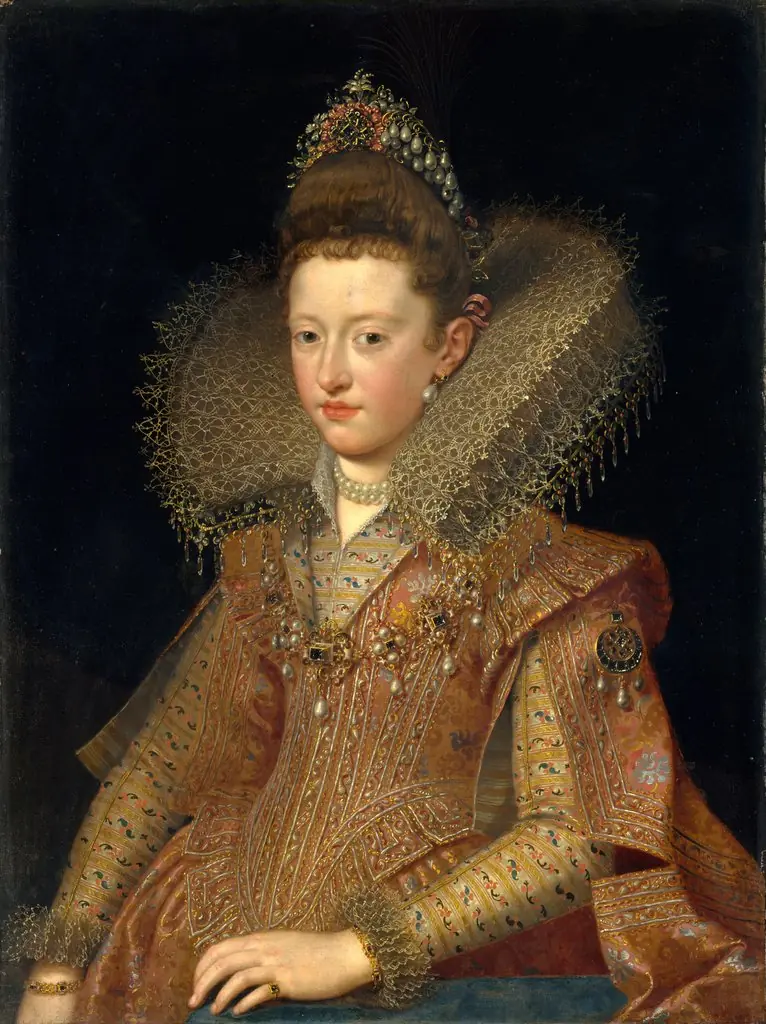 Margherita Gonzaga (1591–1632), Princess of Mantua
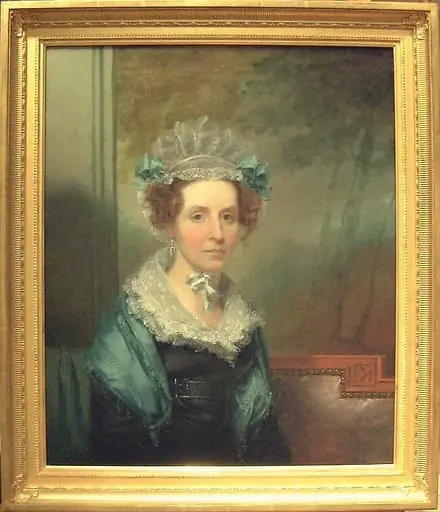 Mrs. Charles Cummings (Rebecca Pittard)
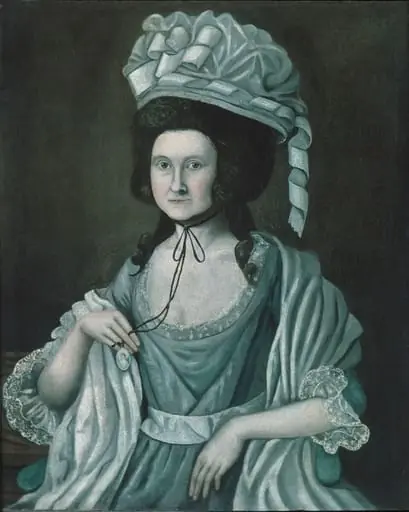 Sally Sanford Perit
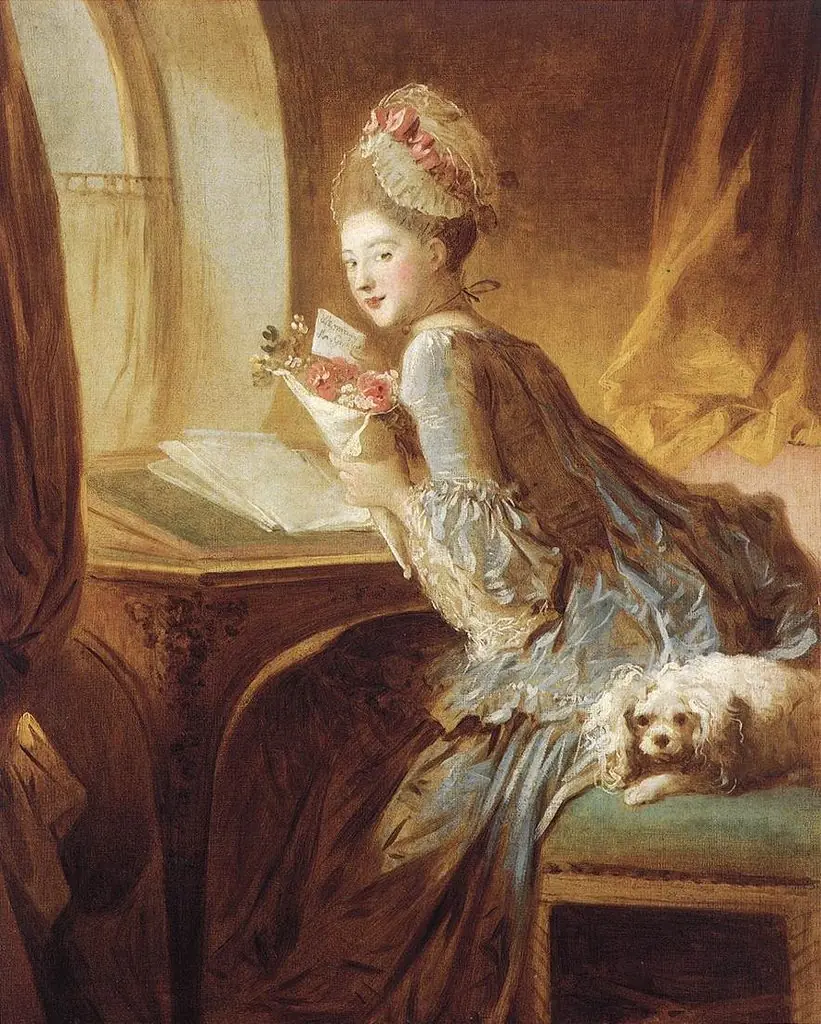 The Love Letter
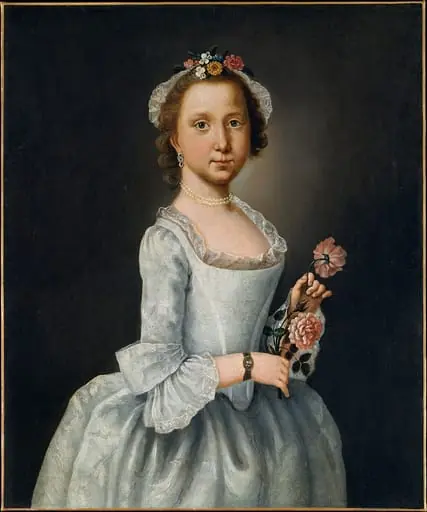 Portrait of a Lady
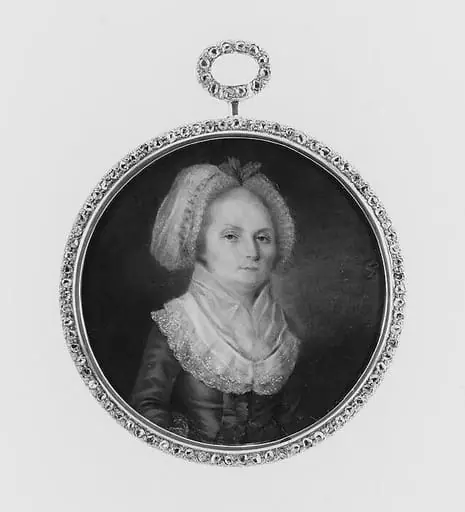 Portrait of a Lady
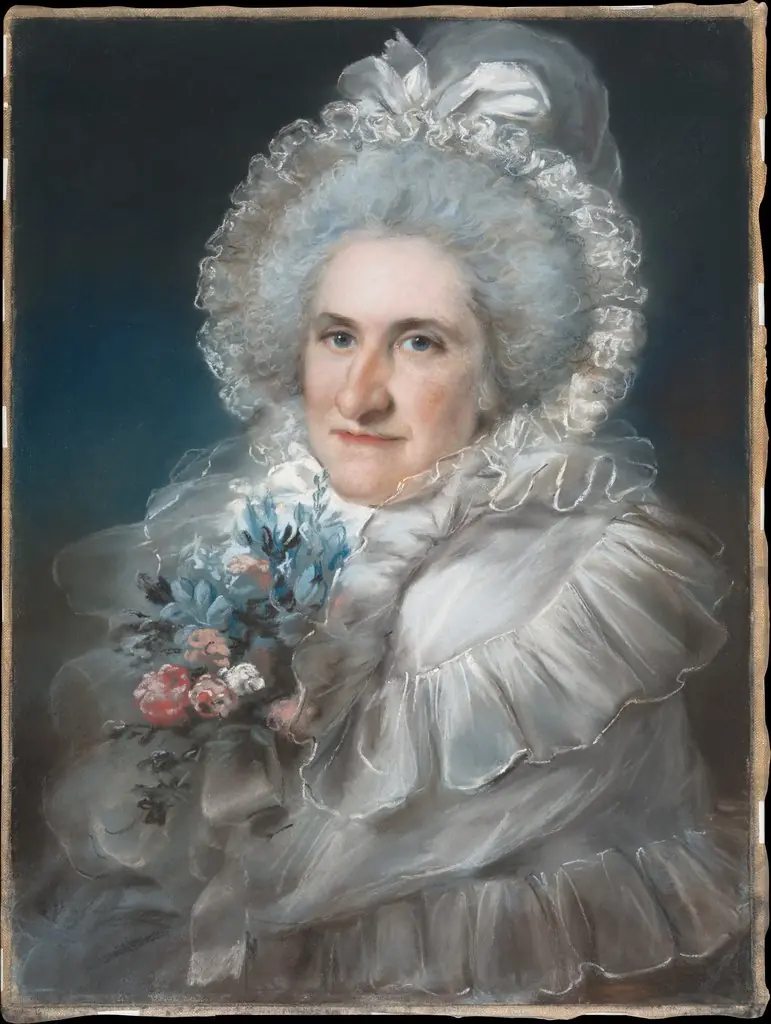 Mrs. William Man Godschall (Sarah Godschall, 1730–1795)
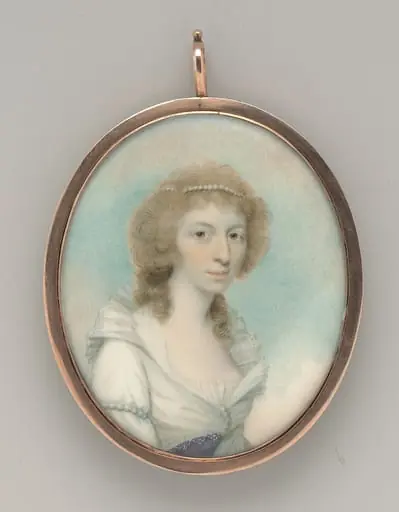 Mrs. Gabriel Manigault (Margaret Izard)
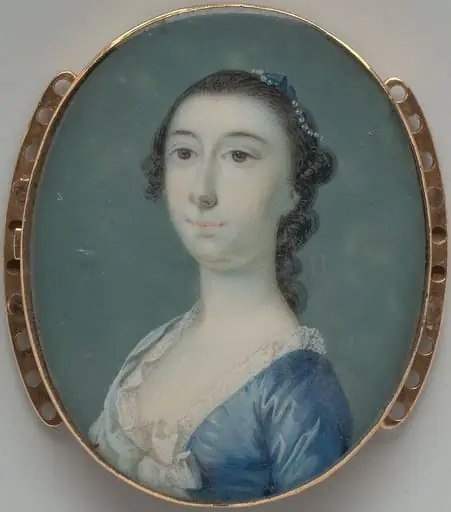 Mrs. Jacob Motte (Rebecca Brewton)
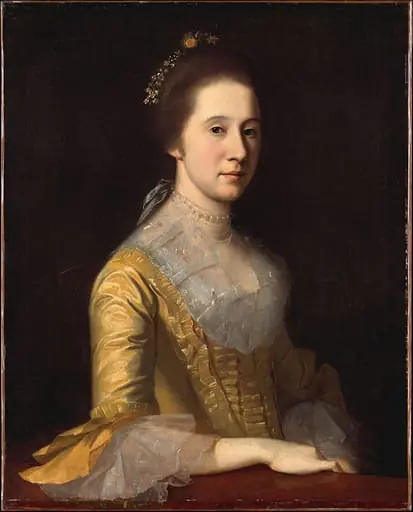 Margaret Strachan (Mrs. Thomas Harwood)
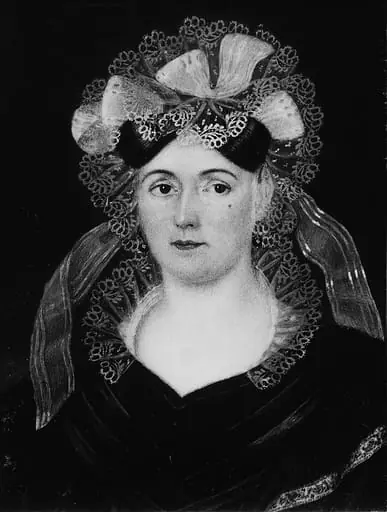 Self portrait
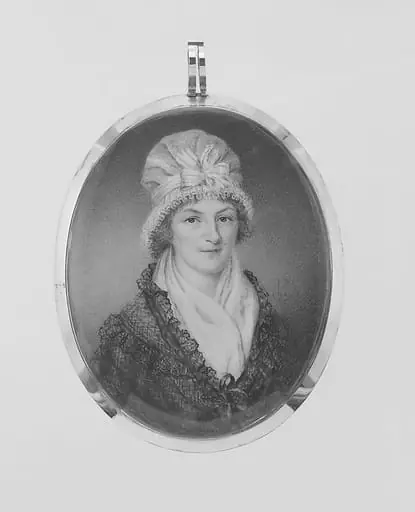 Mrs. Joseph Cooper (Mary Justice)
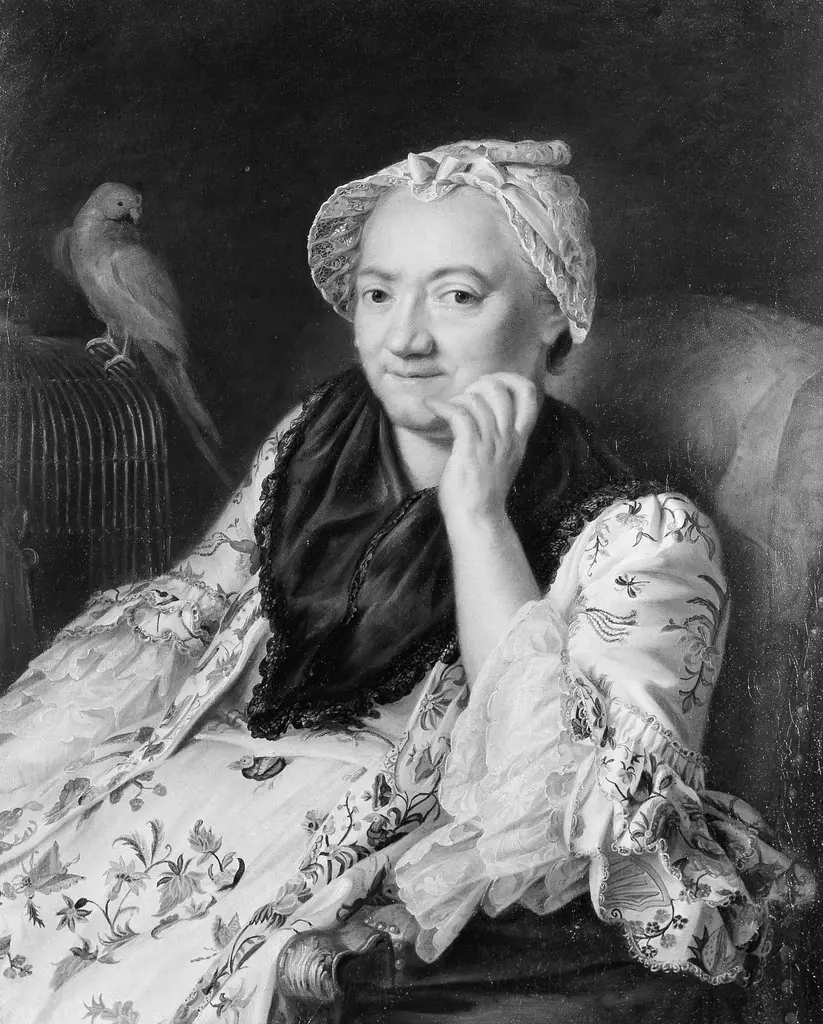 Portrait of a Woman
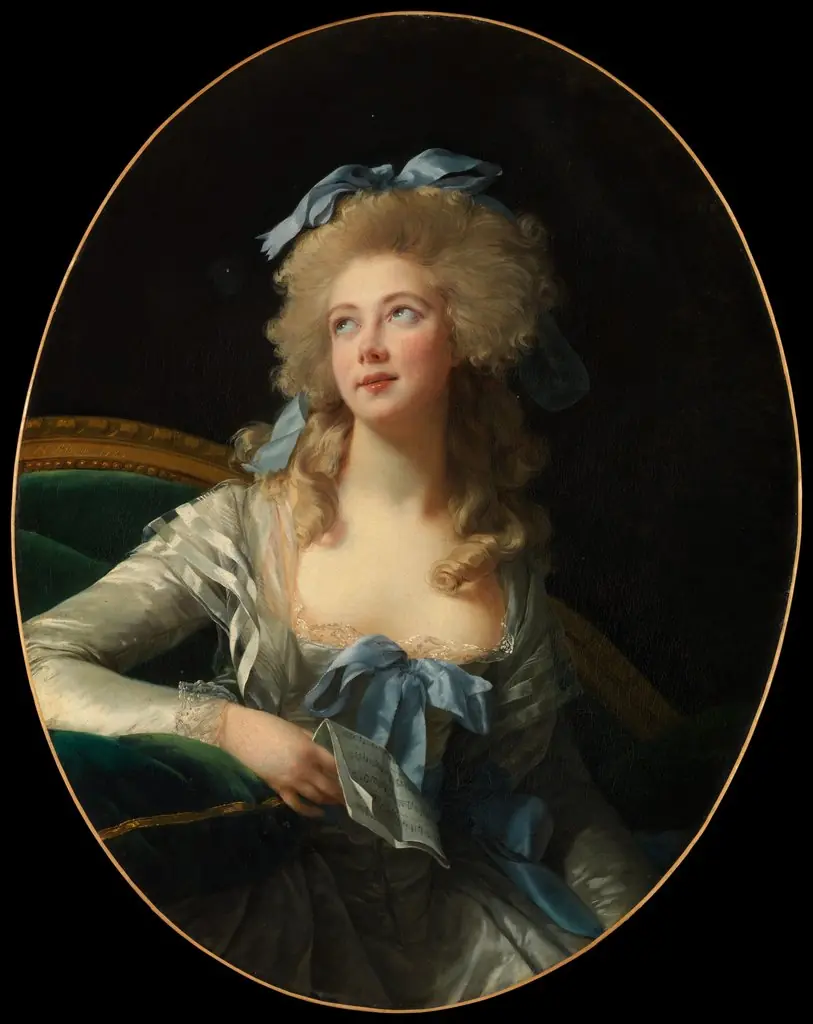 Madame Grand (Noël Catherine Verlée, 1761–1835)
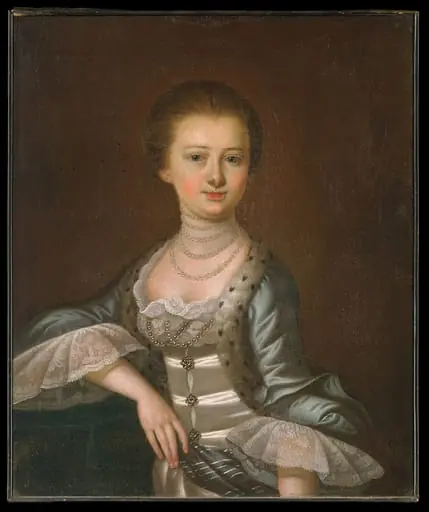 Mrs. John Dart
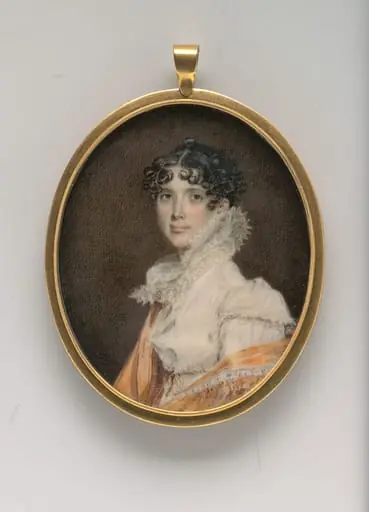 Mrs. Nathaniel Chapman (Rebekah Biddle)
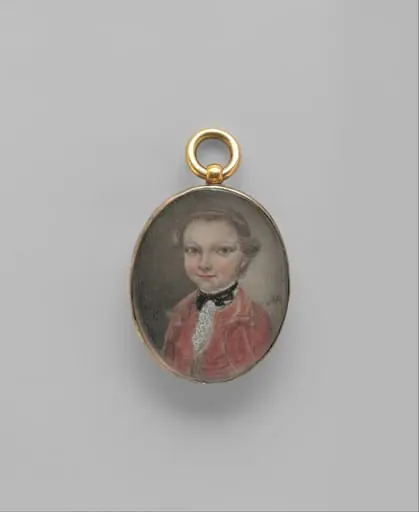 William Middleton
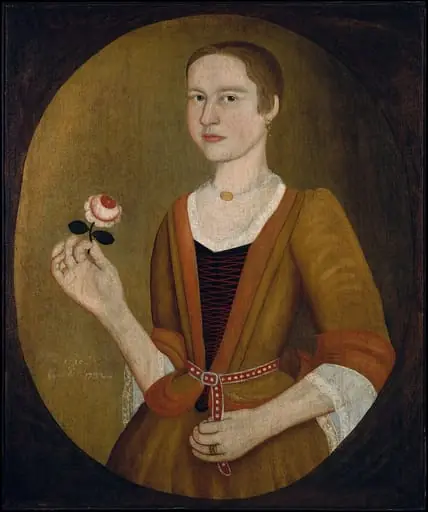 Young Lady with a Rose
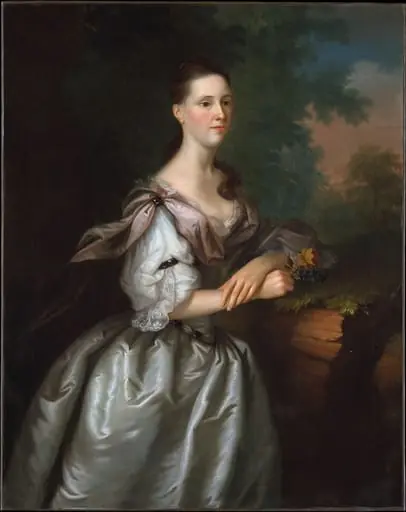 Mrs. Samuel Cutts
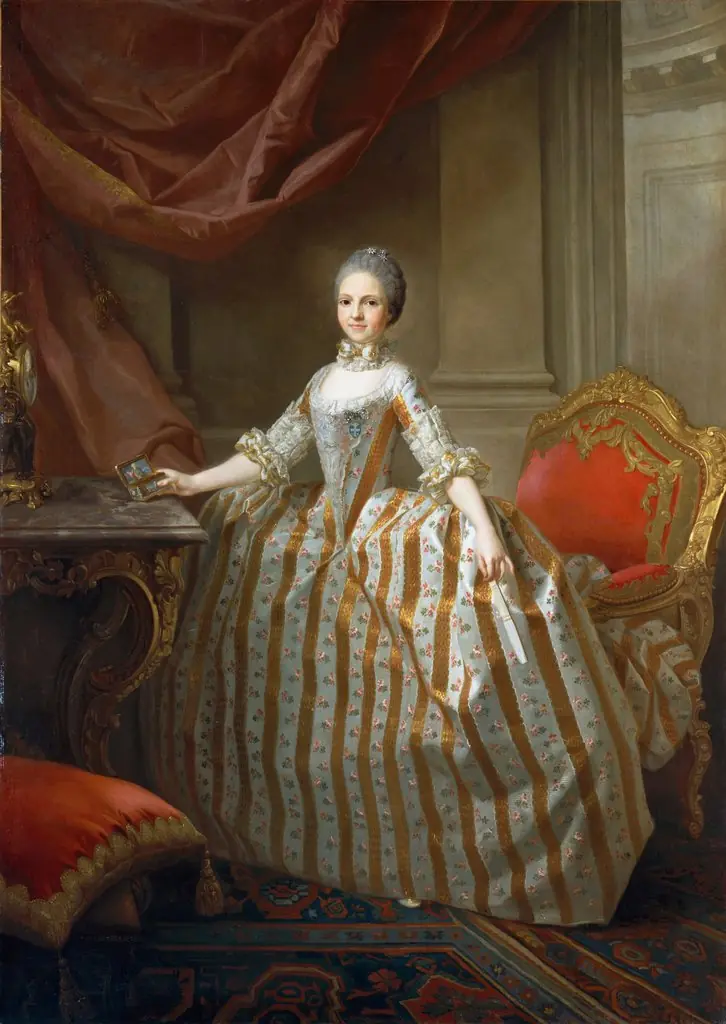 Maria Luisa of Parma (1751–1819), Later Queen of Spain
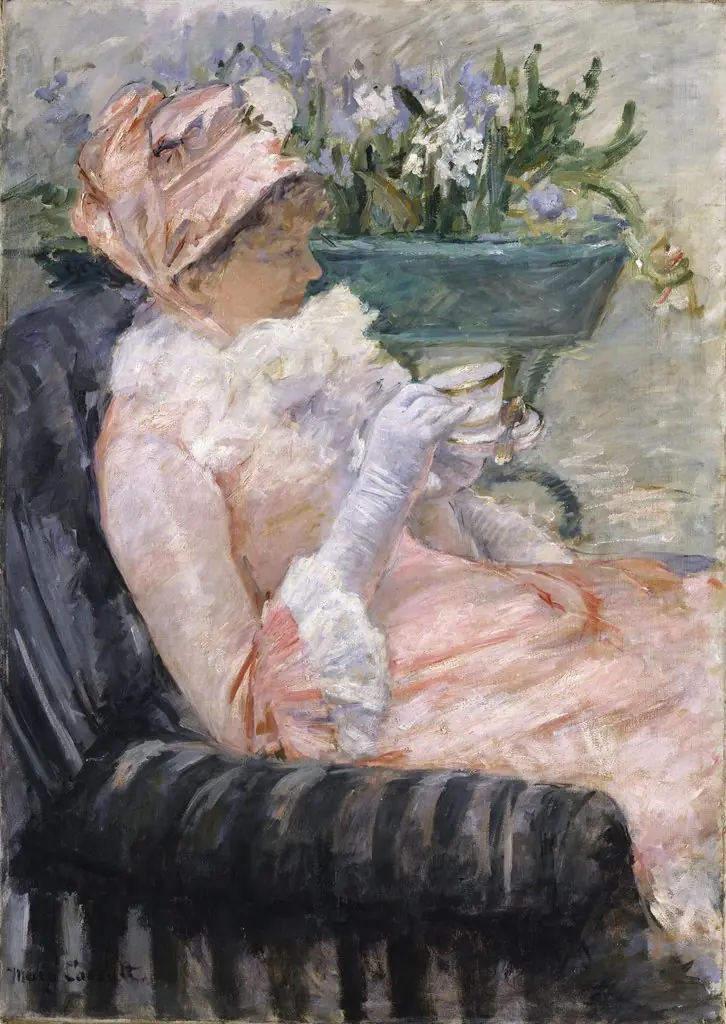 The Cup of Tea
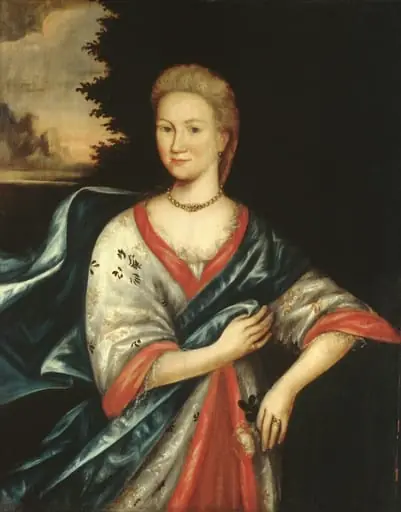 Portrait of a Lady
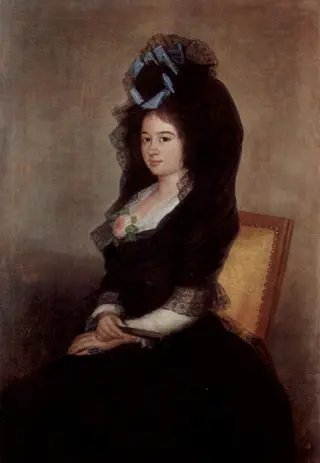 Narcisa Barañana de Goicoechea
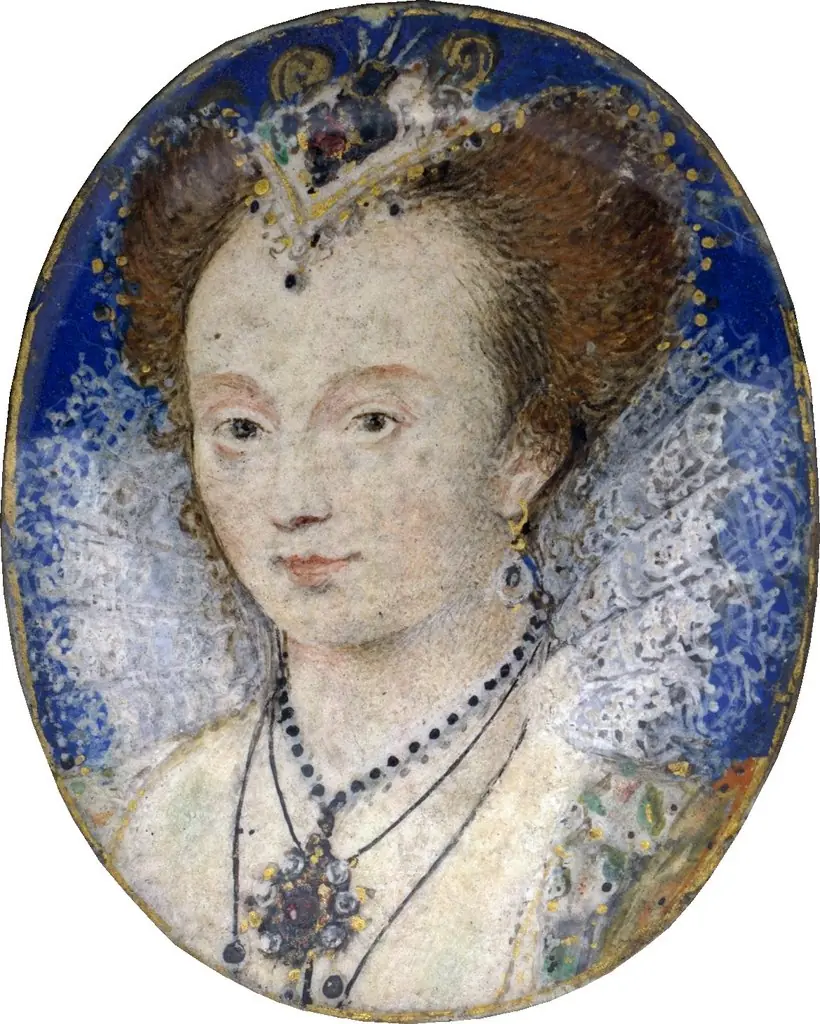 Portrait of a Woman
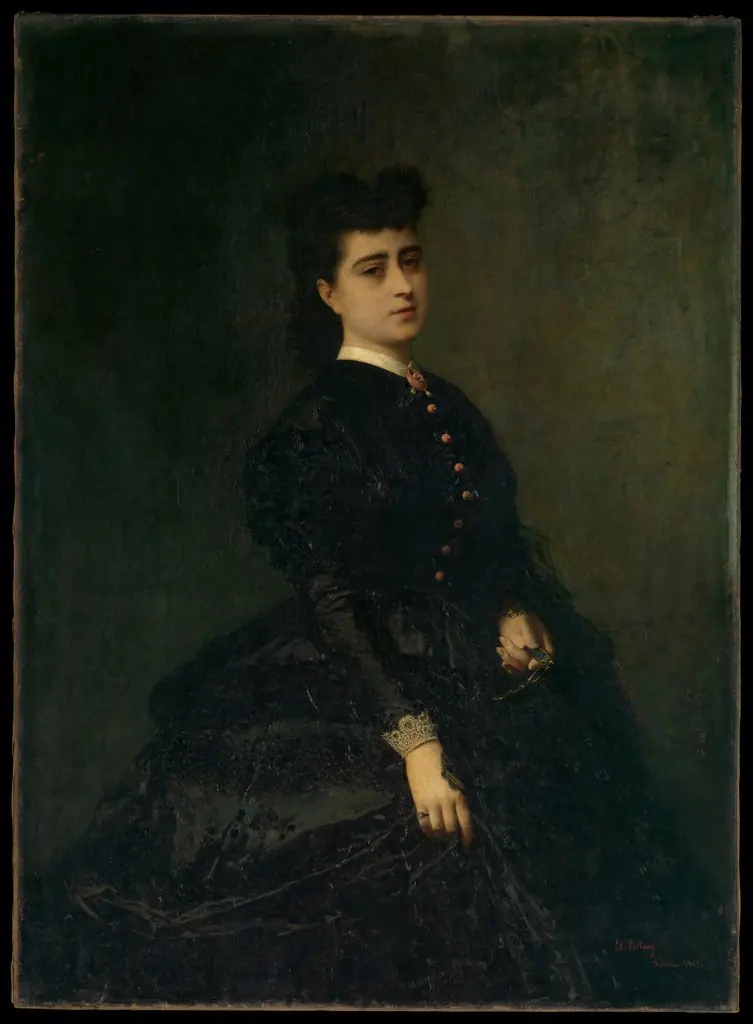 Madame Gaye
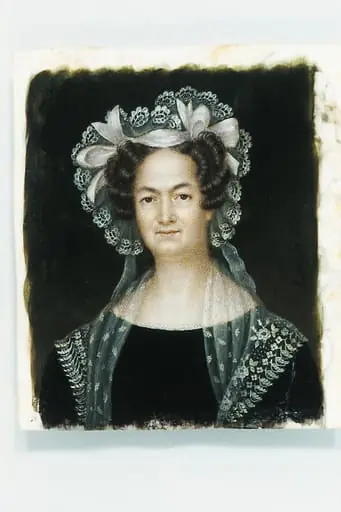 Mrs. Jacob Gerard Koch (Jane Griffith)
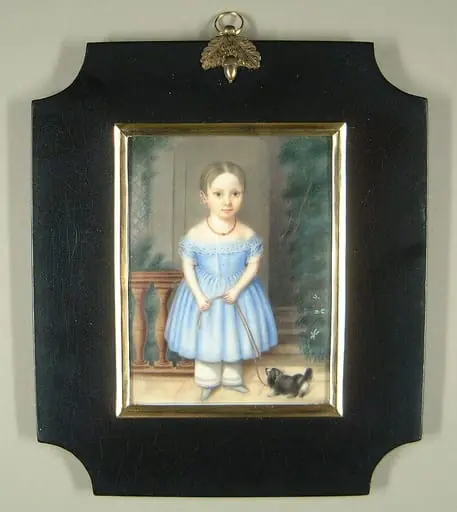 Mary R. Whitlock
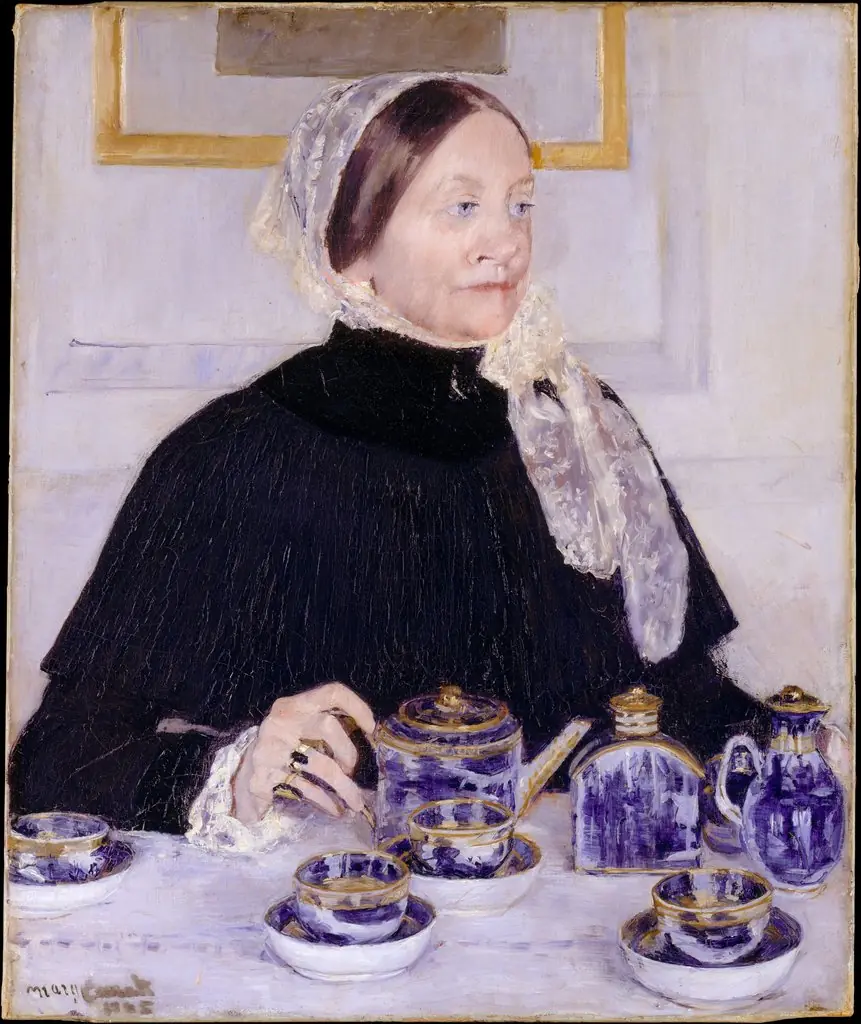 Lady at the Tea Table
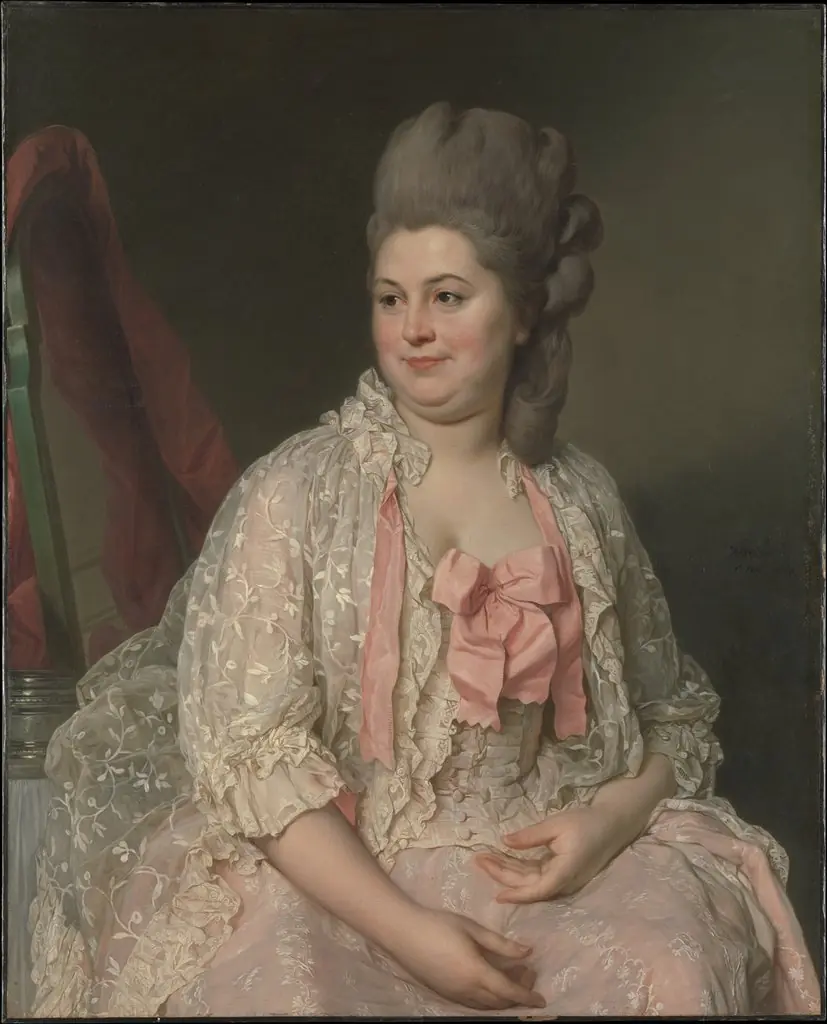 Madame de Saint-Maurice
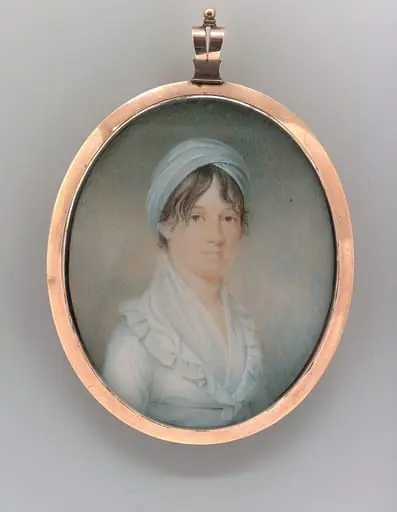 Mrs. Jonathan Pinkney, Jr. (Elizabeth Munroe)
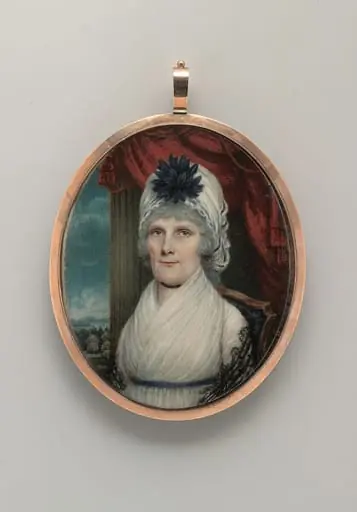 Portrait of a Lady
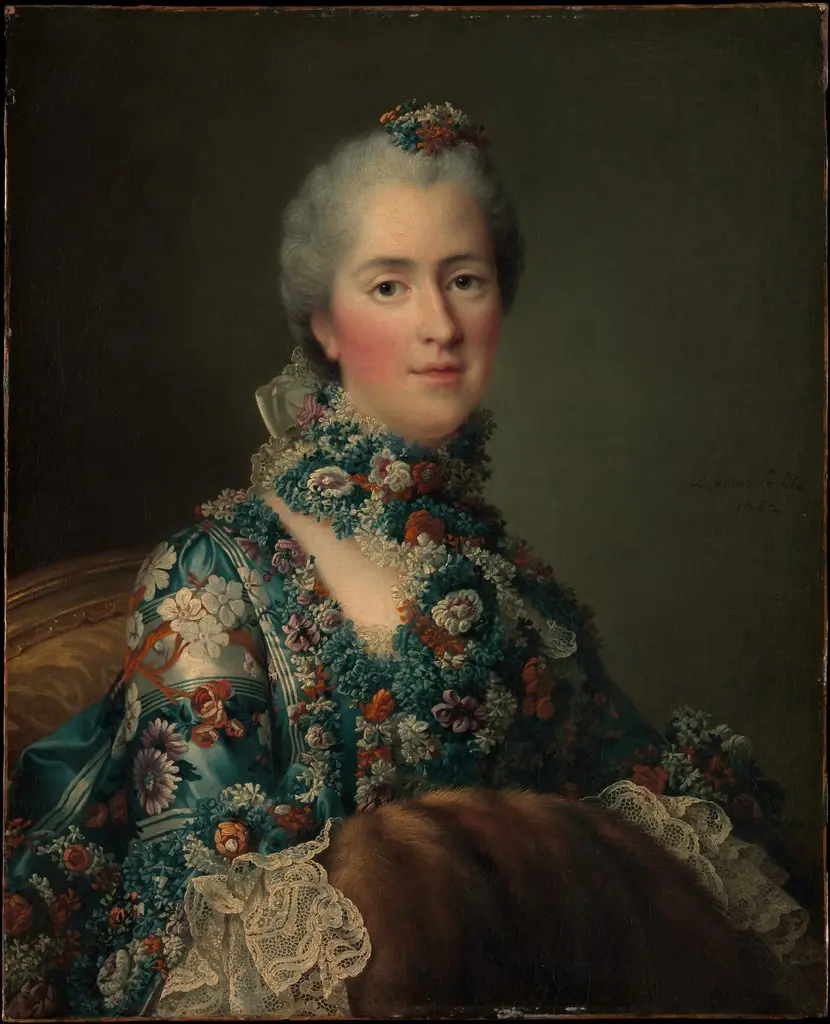 Madame Sophie de France (1734–1782)
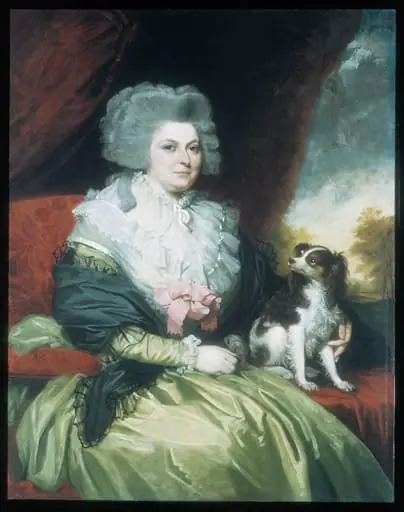 Lady with a Dog
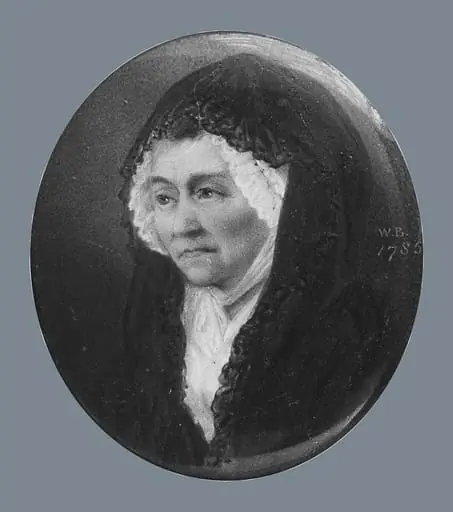 Mary Birch
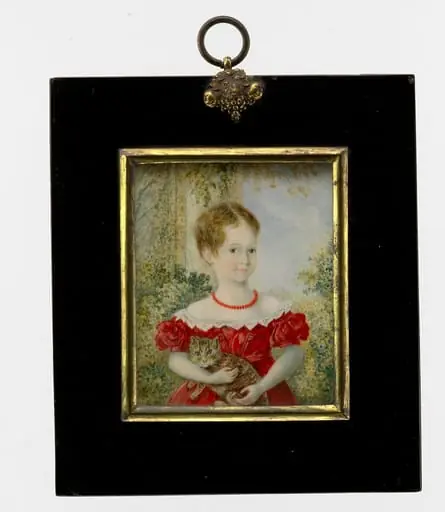 Mrs. Edward Loyd (C. Louisa Foster)
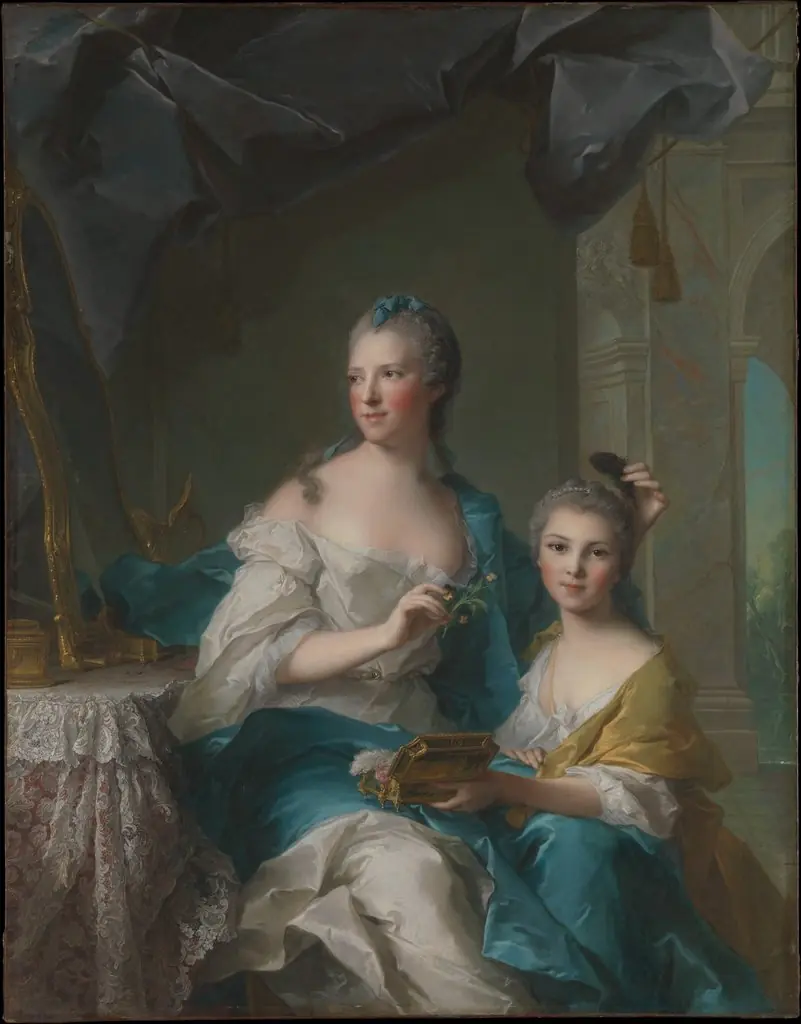 Madame Marsollier and Her Daughter
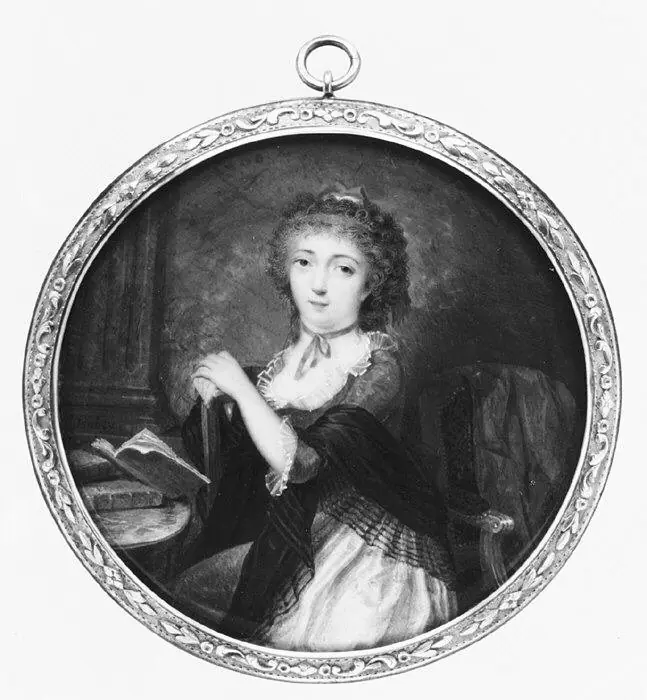 The Reader
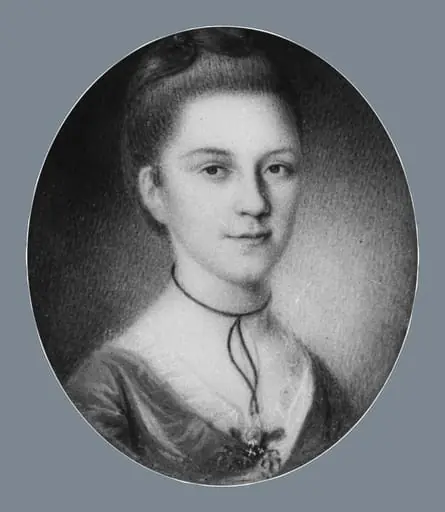 Mrs. Michael Taney (Monica Brooke)
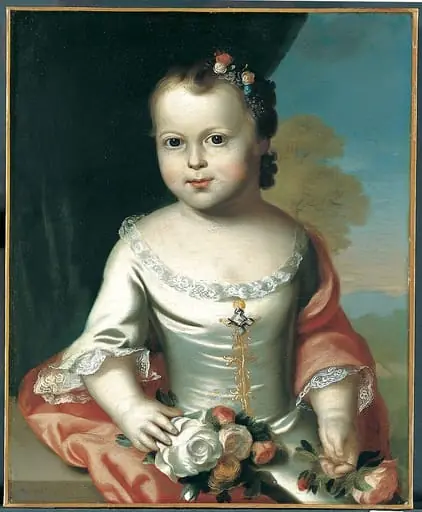 Elizabeth Greenleaf
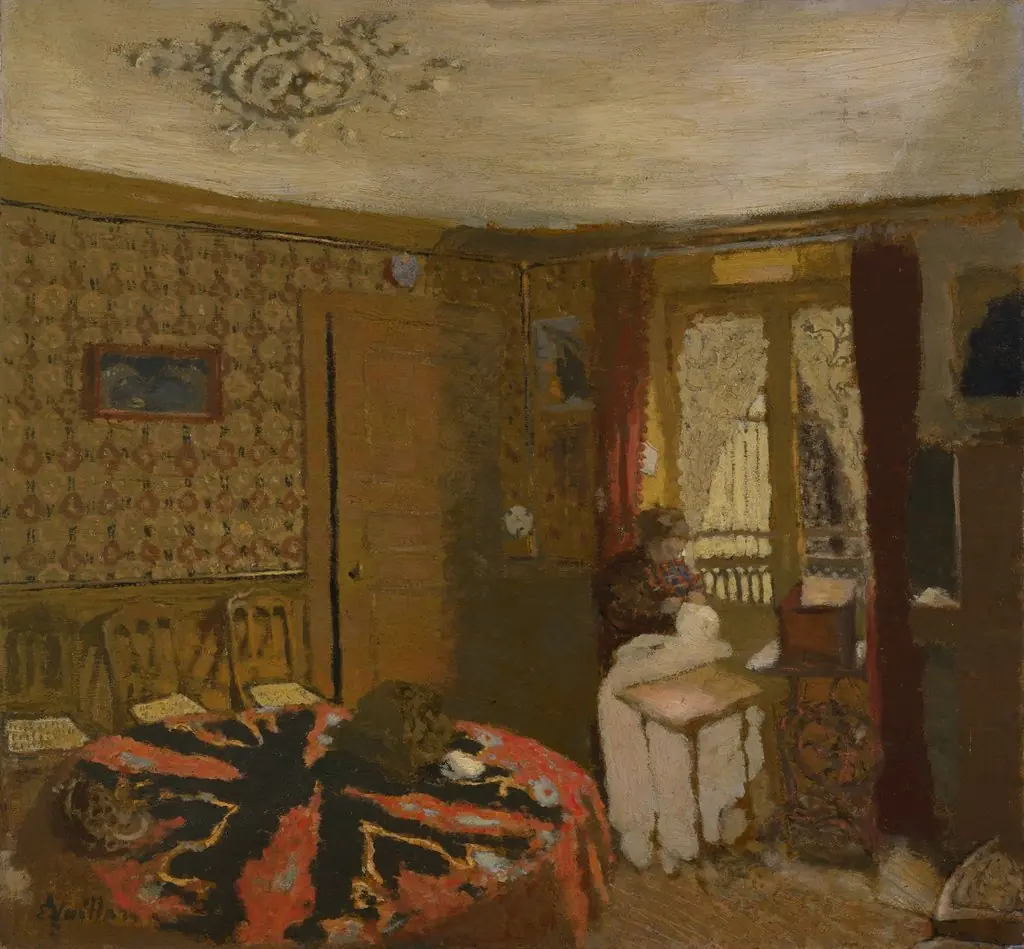 Mme Vuillard Sewing by the Window, rue Truffaut
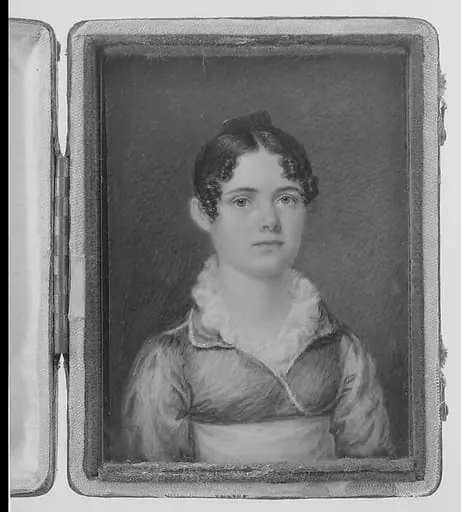 Portrait of a Lady
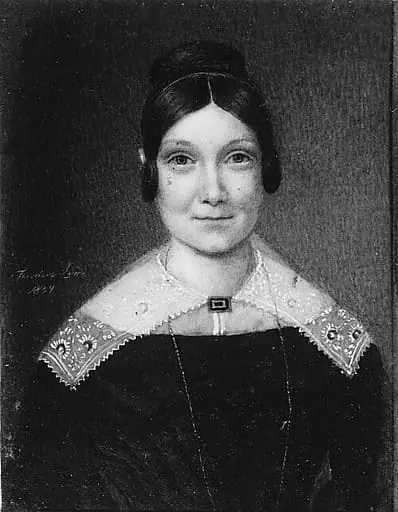 Mrs. Warren Rogers (Julie Francoise Gabrielle d'Anterroches)
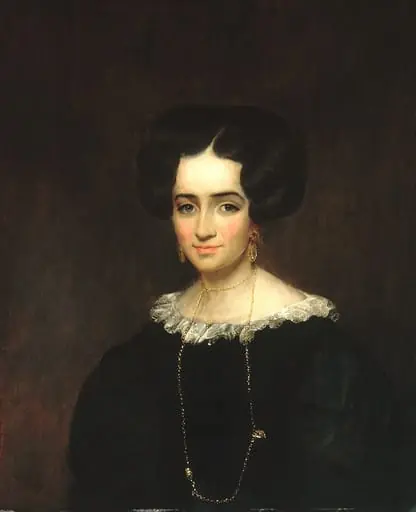 Mrs. John Adams Conant
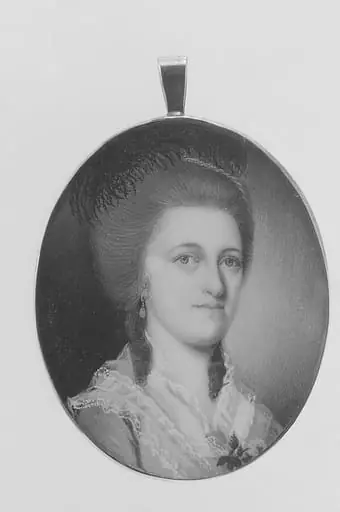 Portrait of a Lady
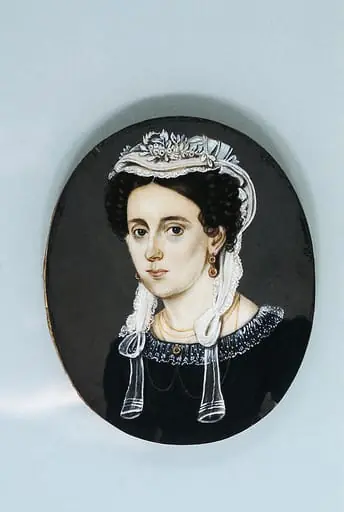 Portrait of a Lady
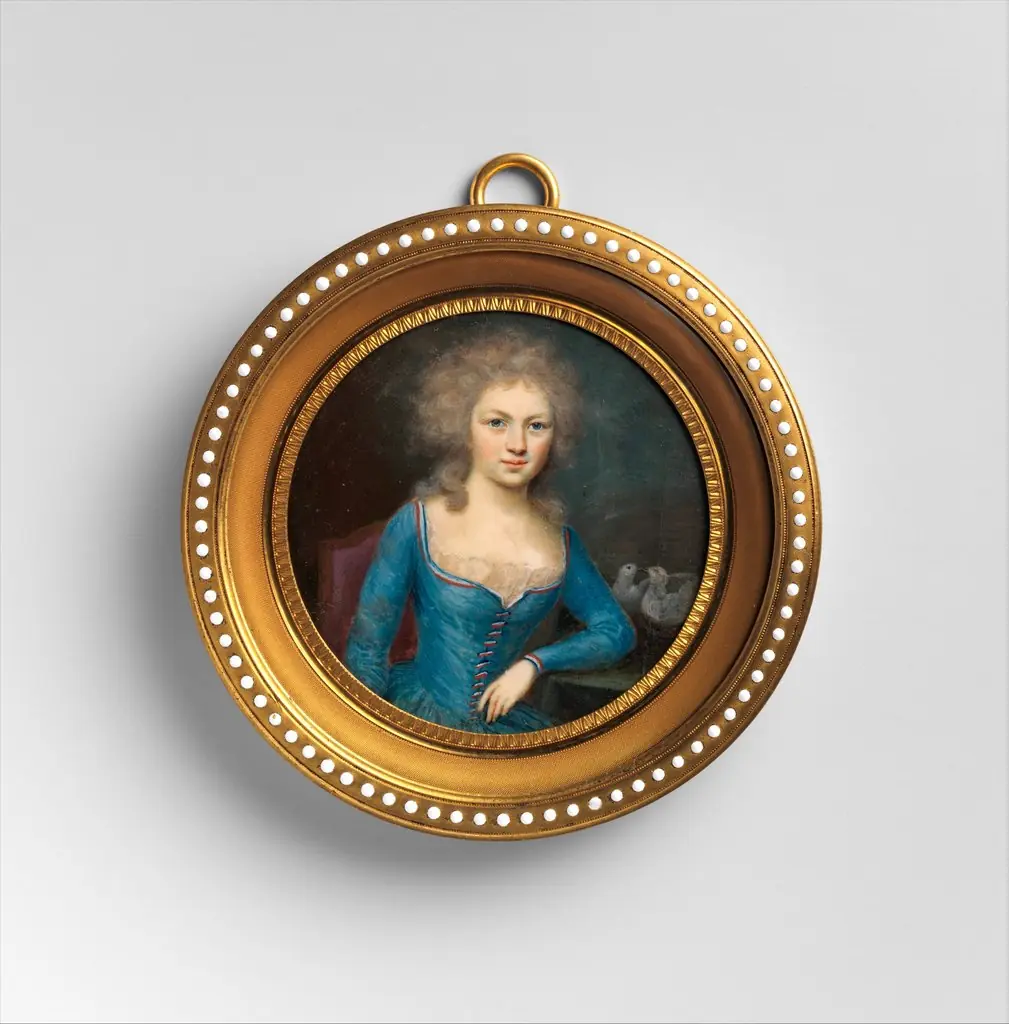 Portrait of a Woman
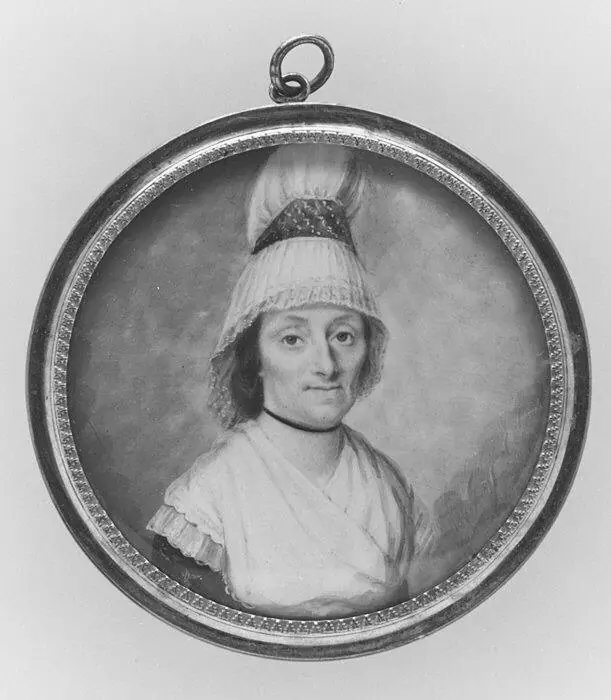 Portrait of a Woman
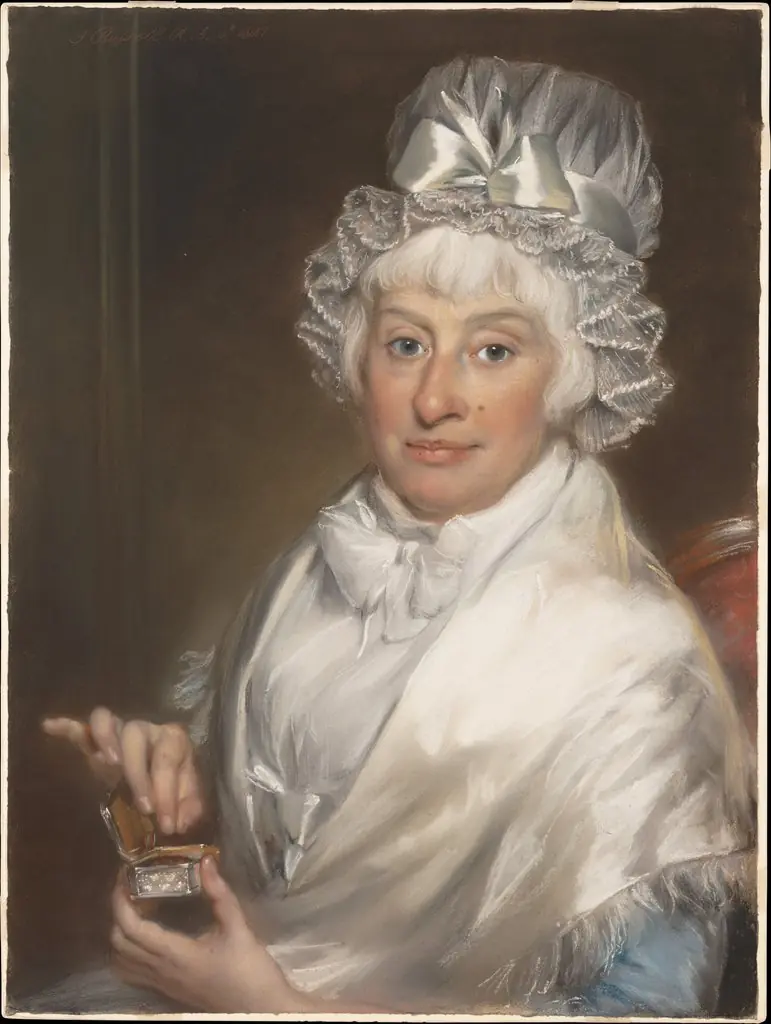 Mrs. Robert Shurlock Sr. (Ann Manwaring)
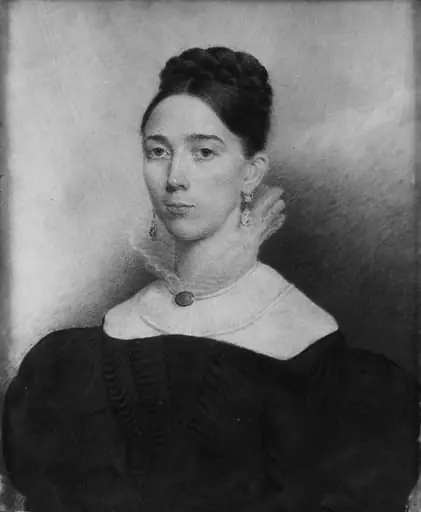 Alice Goudry
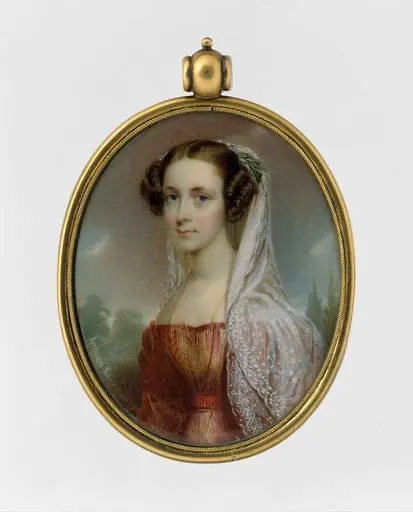 Portrait of a Lady
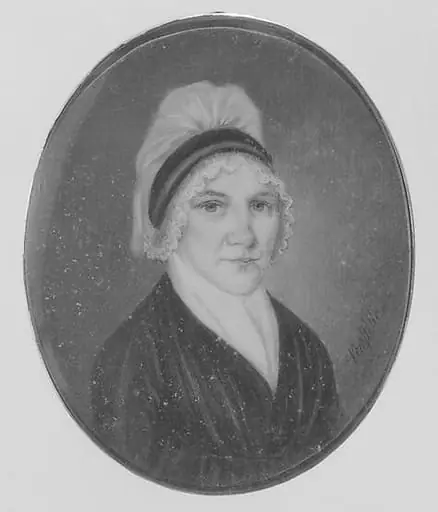 Mrs. Anstis Stone
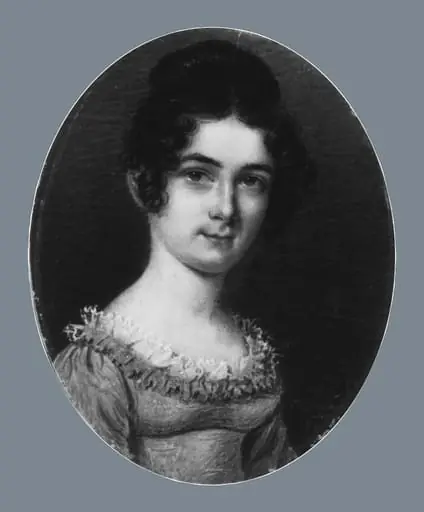 Mrs. Thomas Larcombe (Anna Smith)
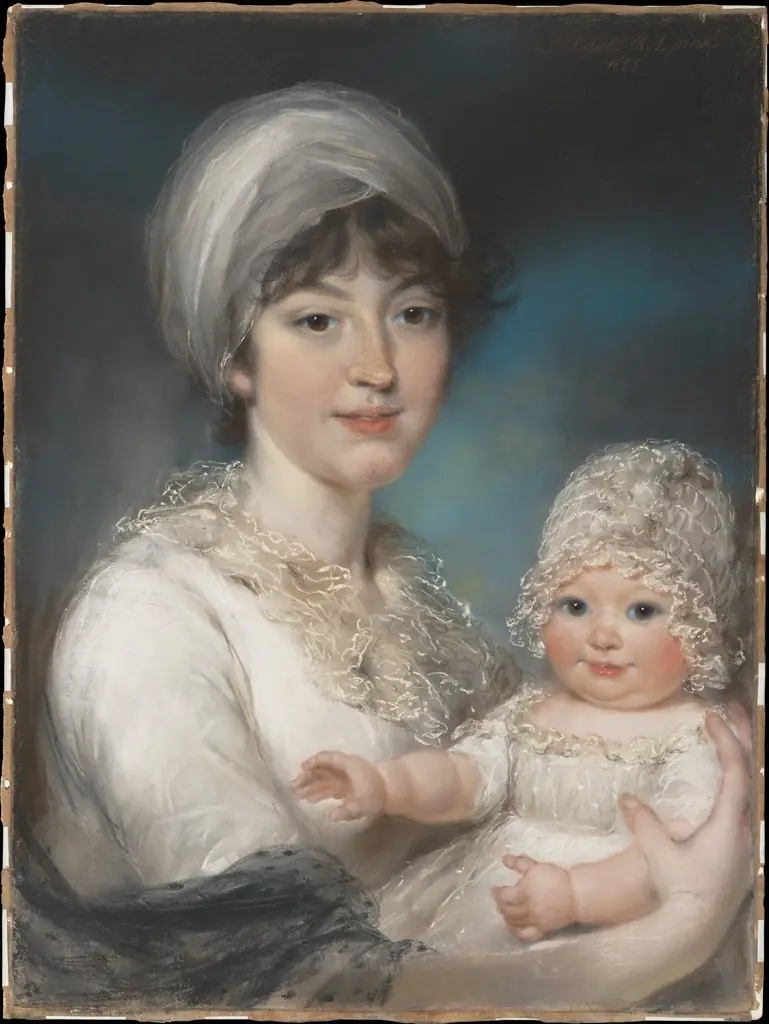 Mrs. Robert Shurlock (Henrietta Ann Jane Russell, 1775–1849) and Her Daughter Ann
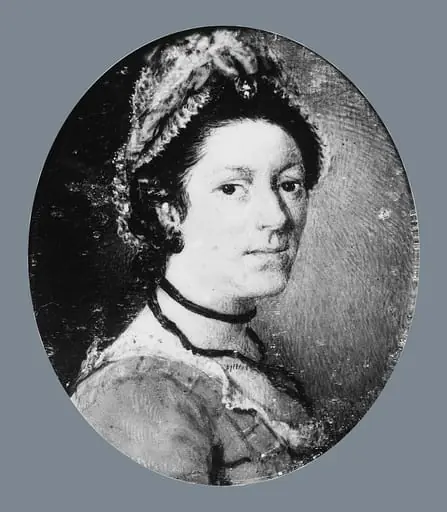 Mrs. Clark
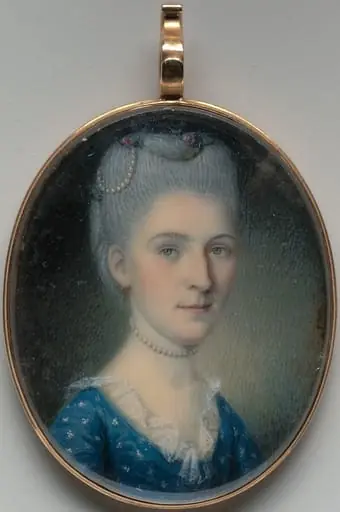 Mrs. Joseph Donaldson (Frances Johnston)
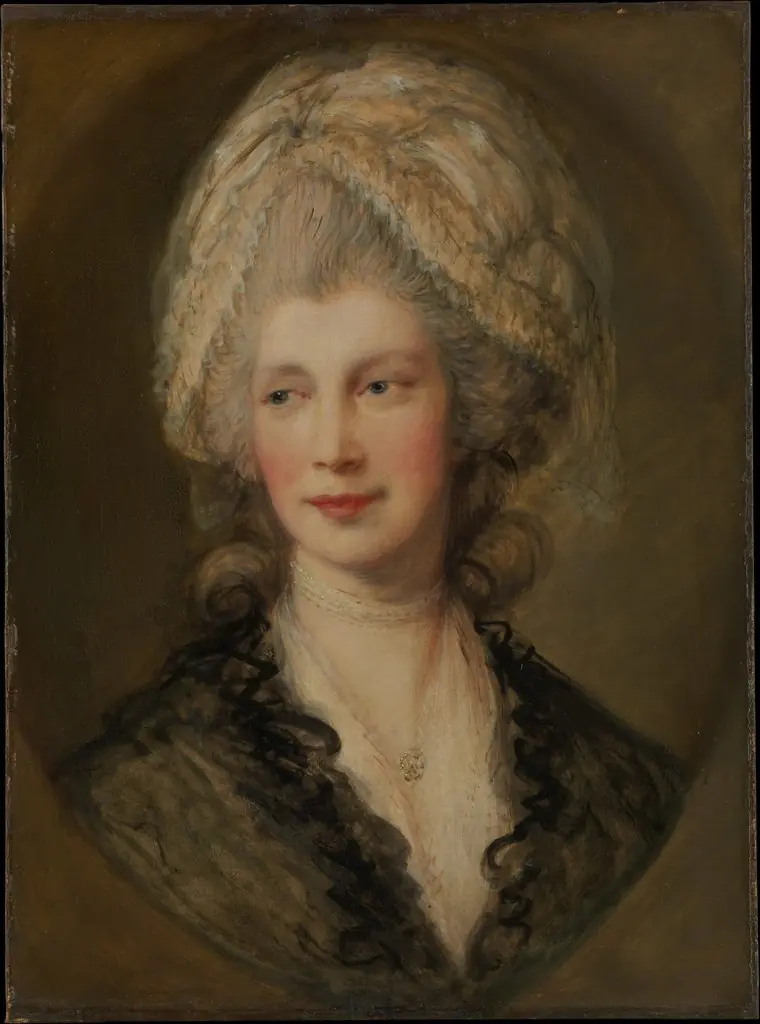 Queen Charlotte
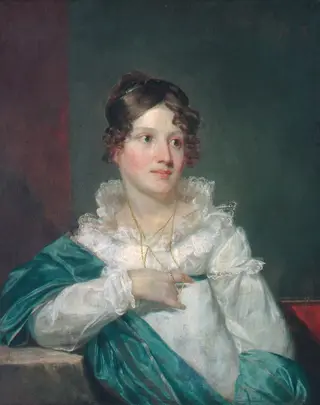 Mrs. Daniel DeSaussure Bacot
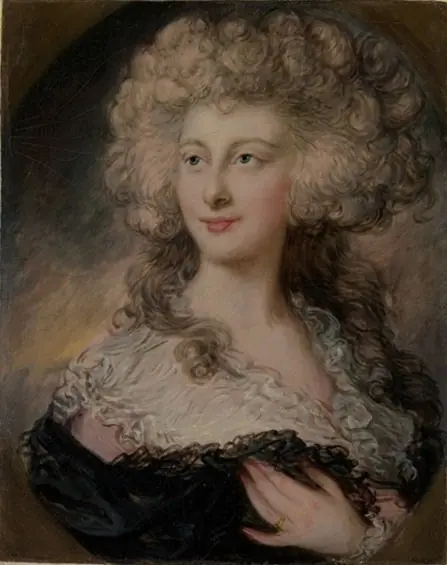 Anne Elizabeth Cholmley (1769–1788), Later Lady Mulgrave
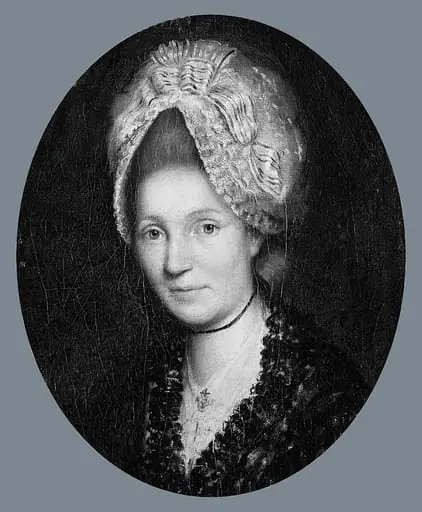 Portrait of a Woman
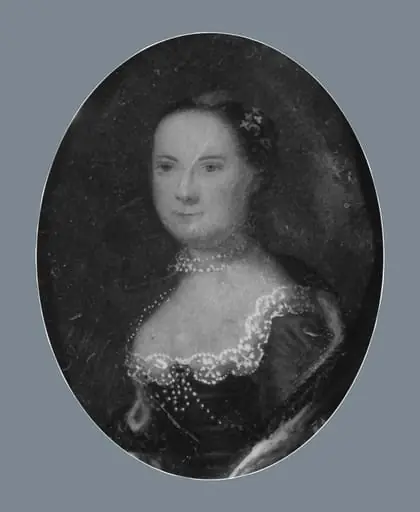 Mrs. Henry Pratt (Rebecca Claypoole)
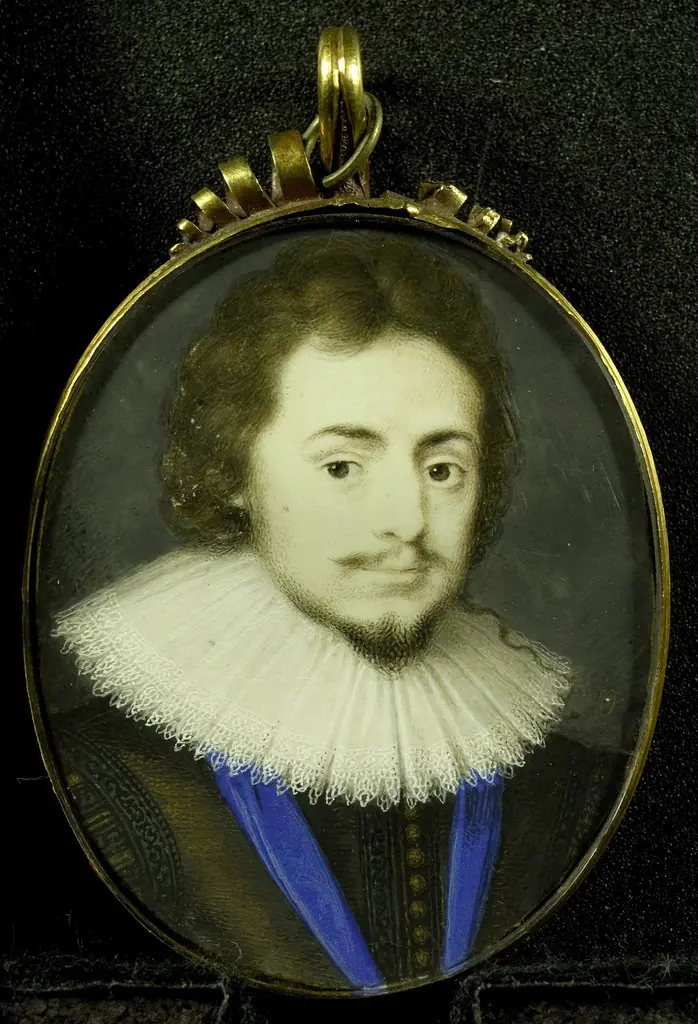 Portrait of Frederick V of the Palatinate
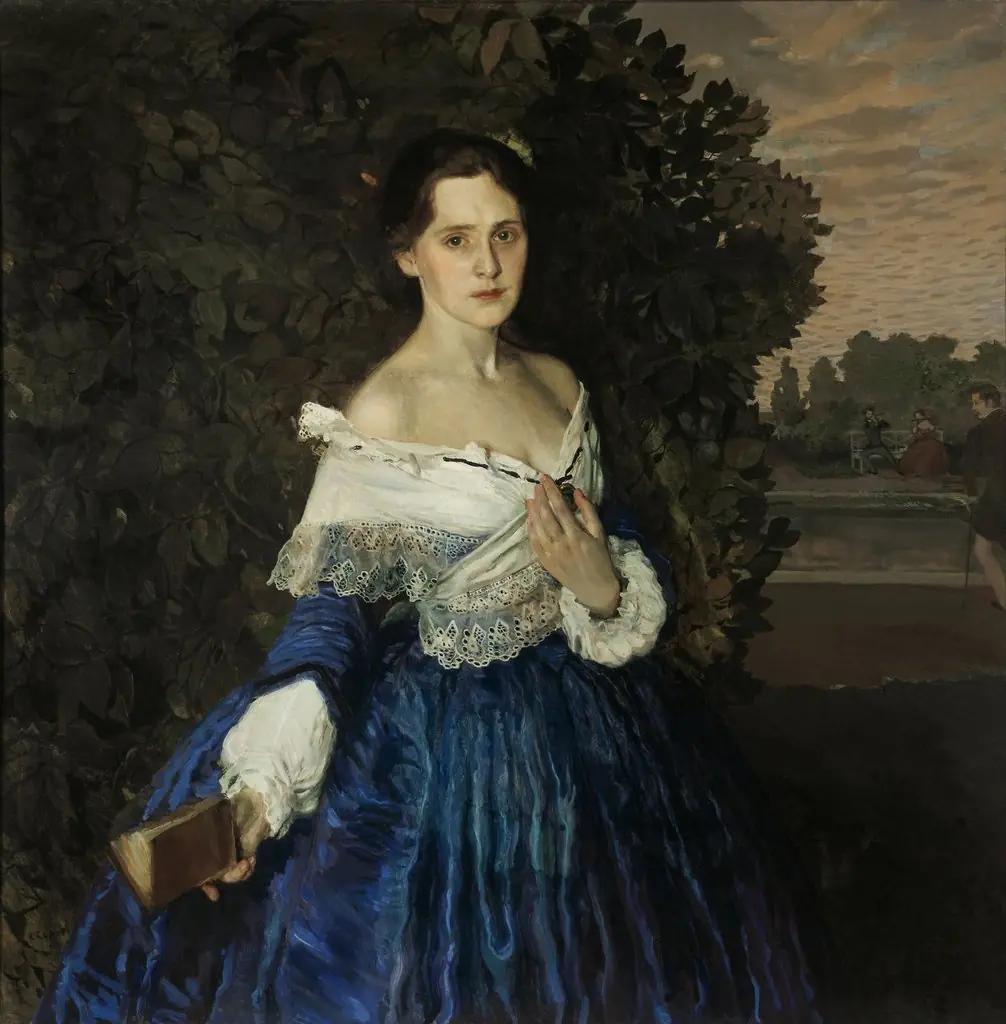 Lady in Blue
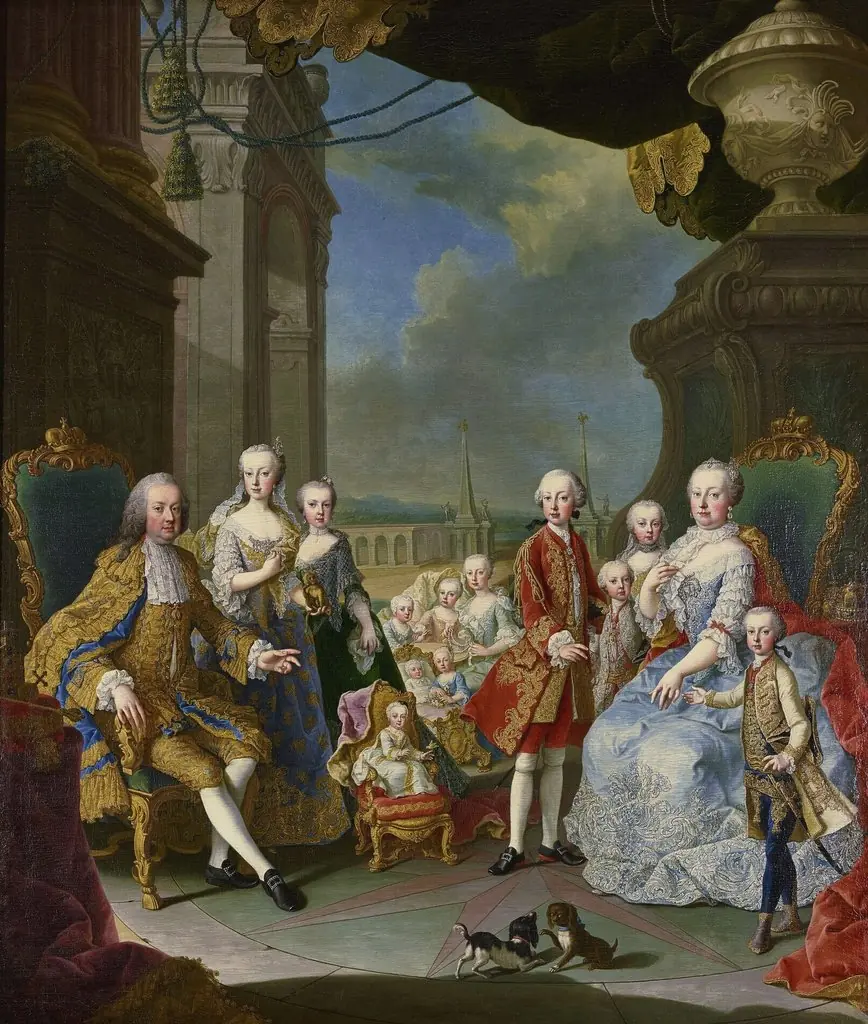 The Imperial family in 1756
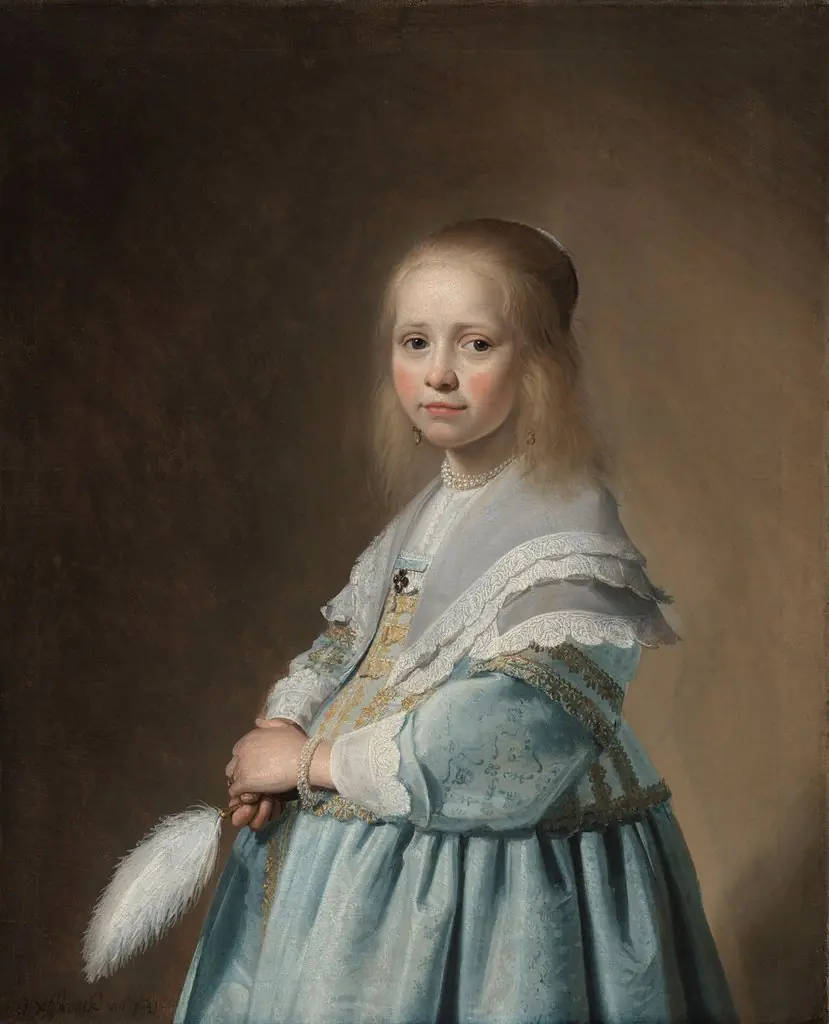 Portrait of a Girl Dressed in Blue
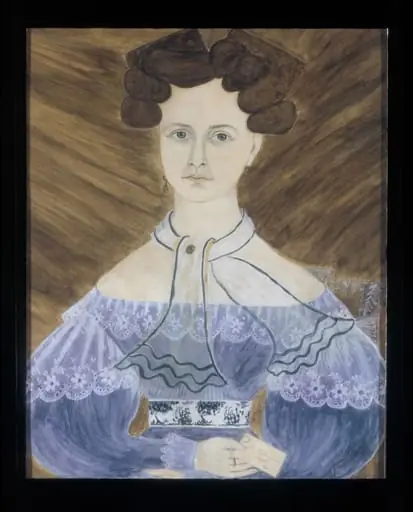 Miss Emeline Parker of Lowell, Massachusetts
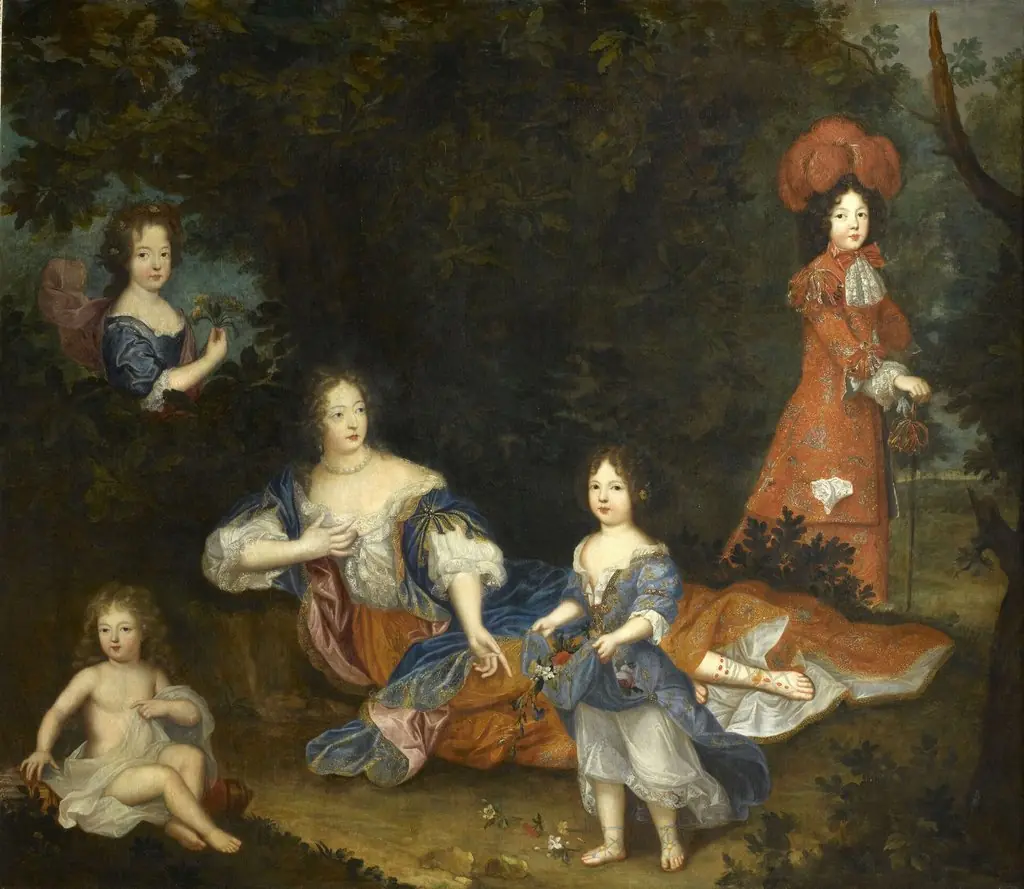 Françoise-Athénaïs de Rochechouart, Marquise de Montespan and her children
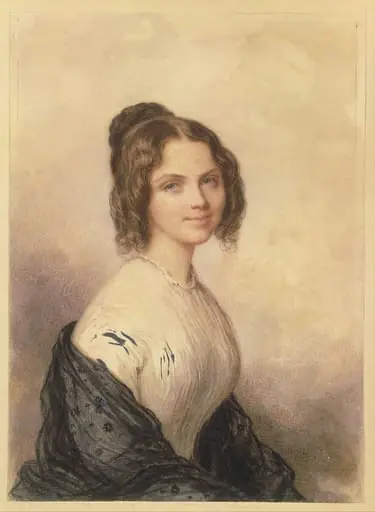 Anne Charlotte Lynch (Later Mrs. Vincenzo Botta)
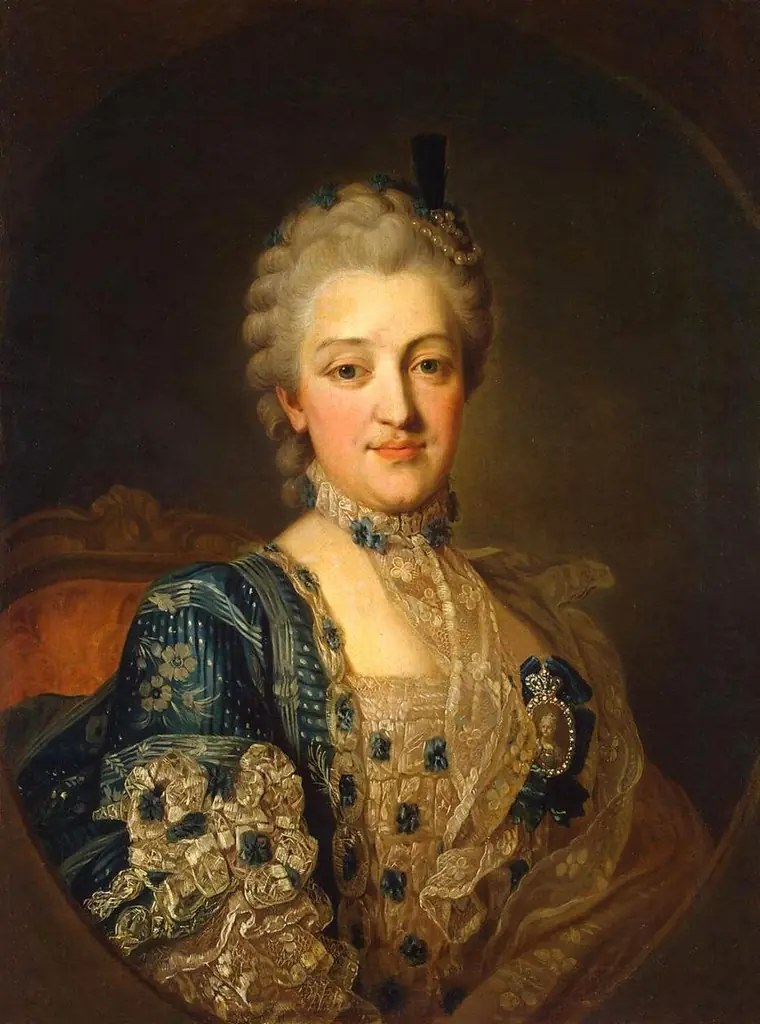 Portrait of Natalia Alexandrovna Repnina
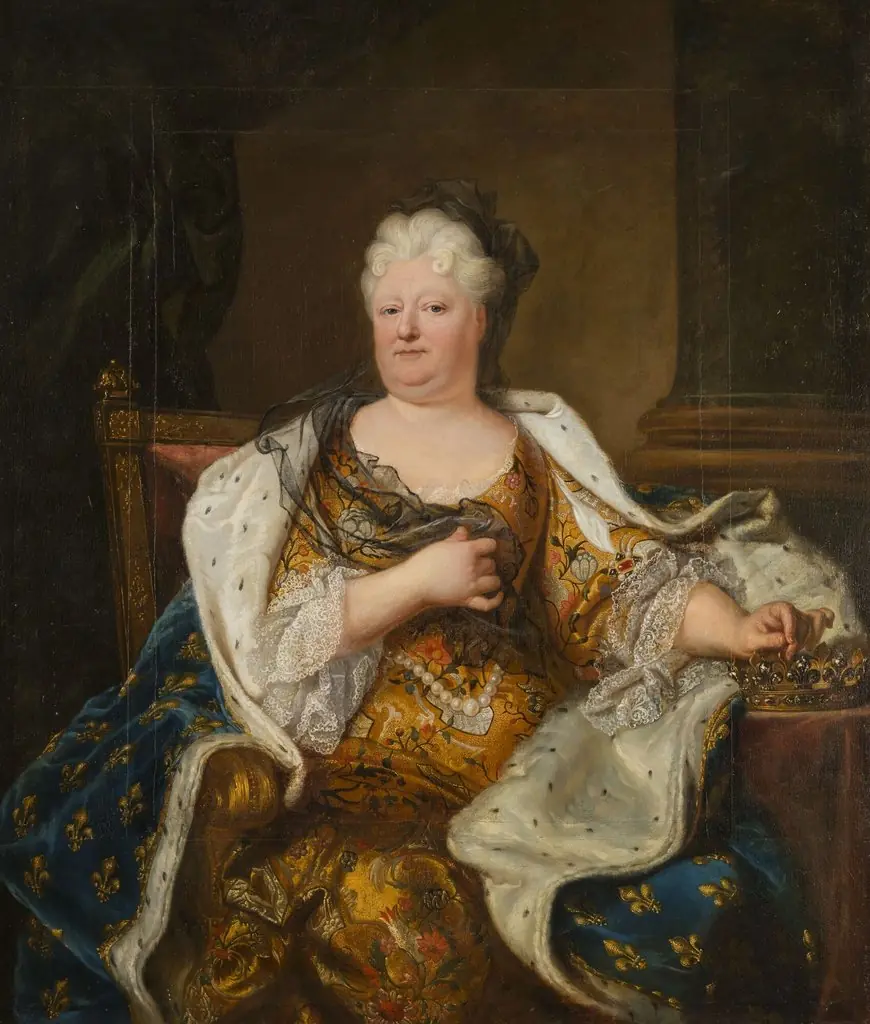 Elizabeth Charlotte, Princess Palatine
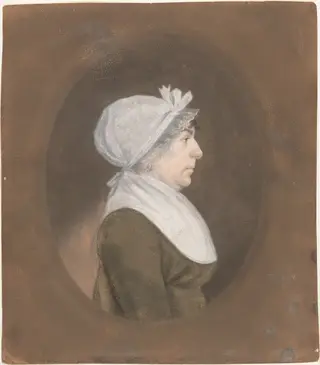 Dorothea Hart
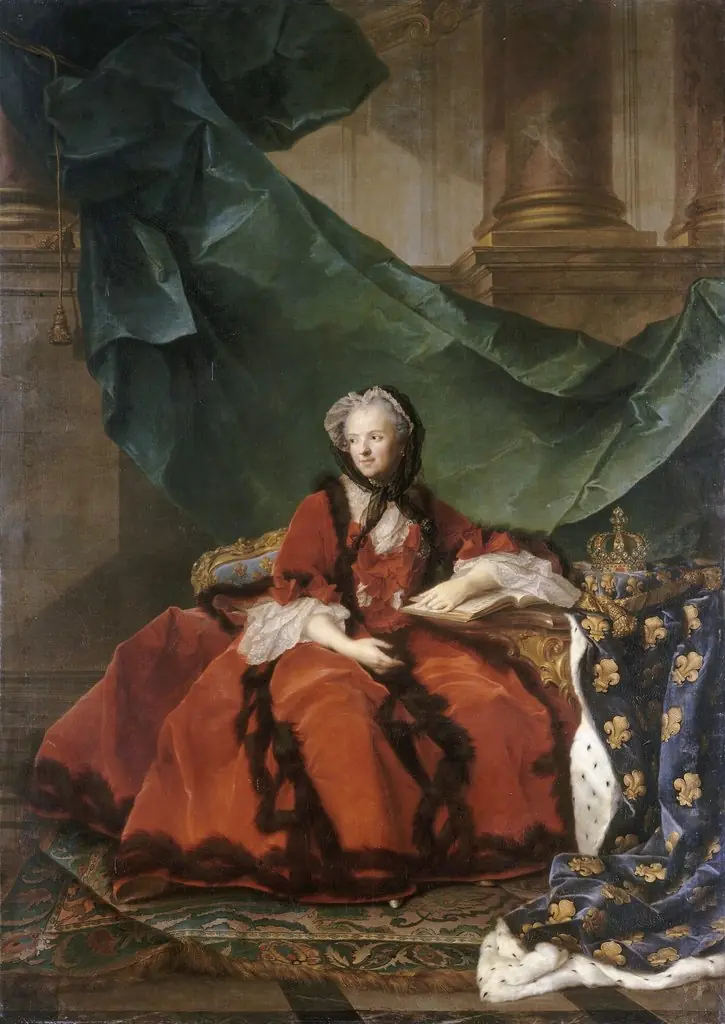 Marie Leszczyńska, Queen of France (1703–1768)
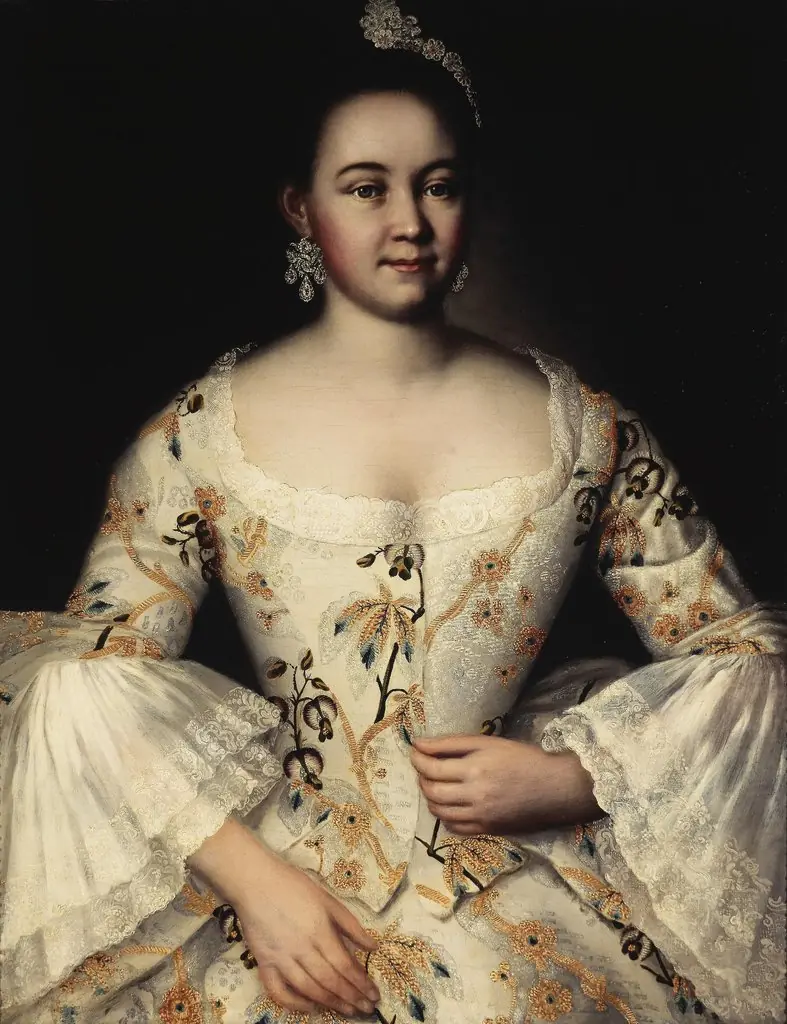 Portrait of S.S. Yakovleva
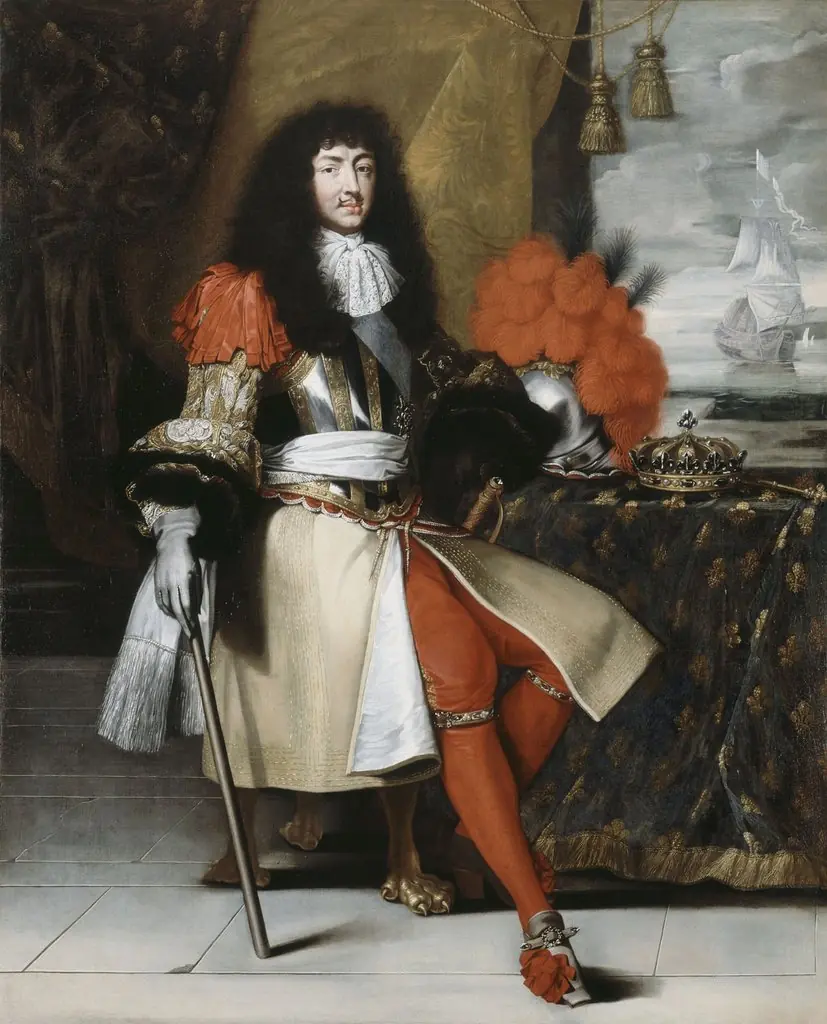 Portrait of Louis XIV of France
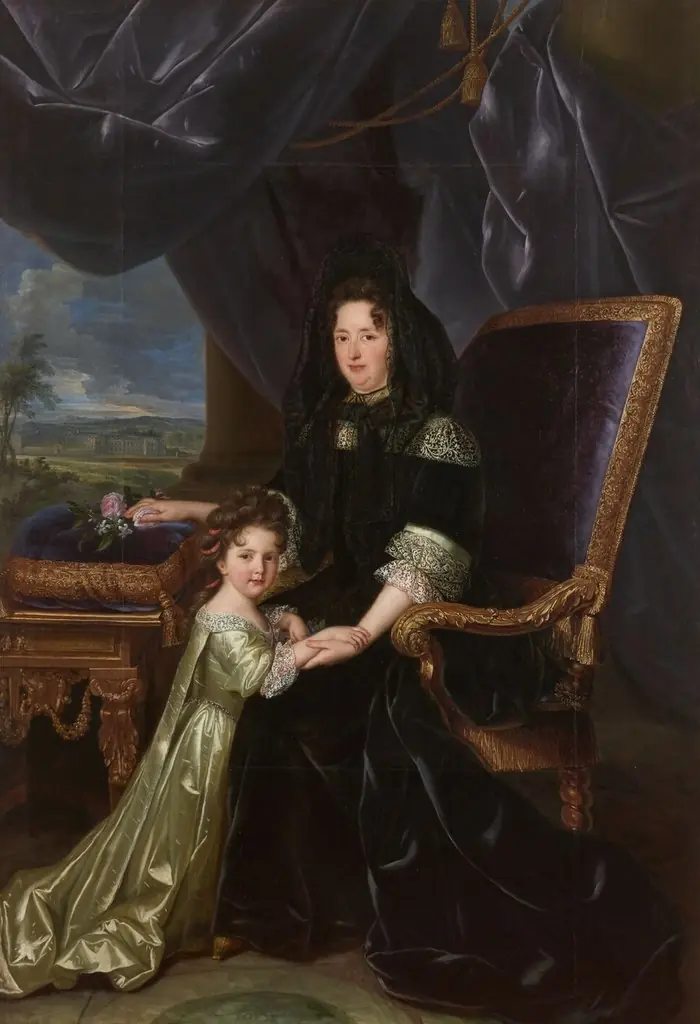 Françoise Charlotte d'Aubigné with her aunt Madame de Maintenon.
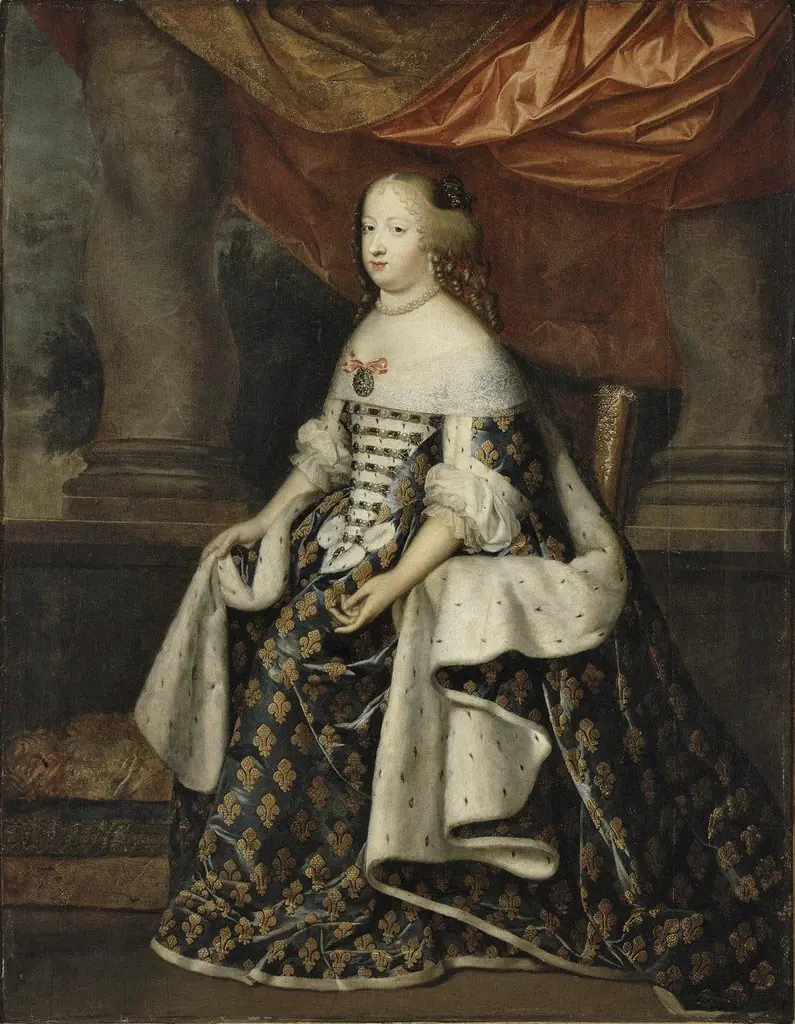 Marie Thérèse of Austria in Royal Costume
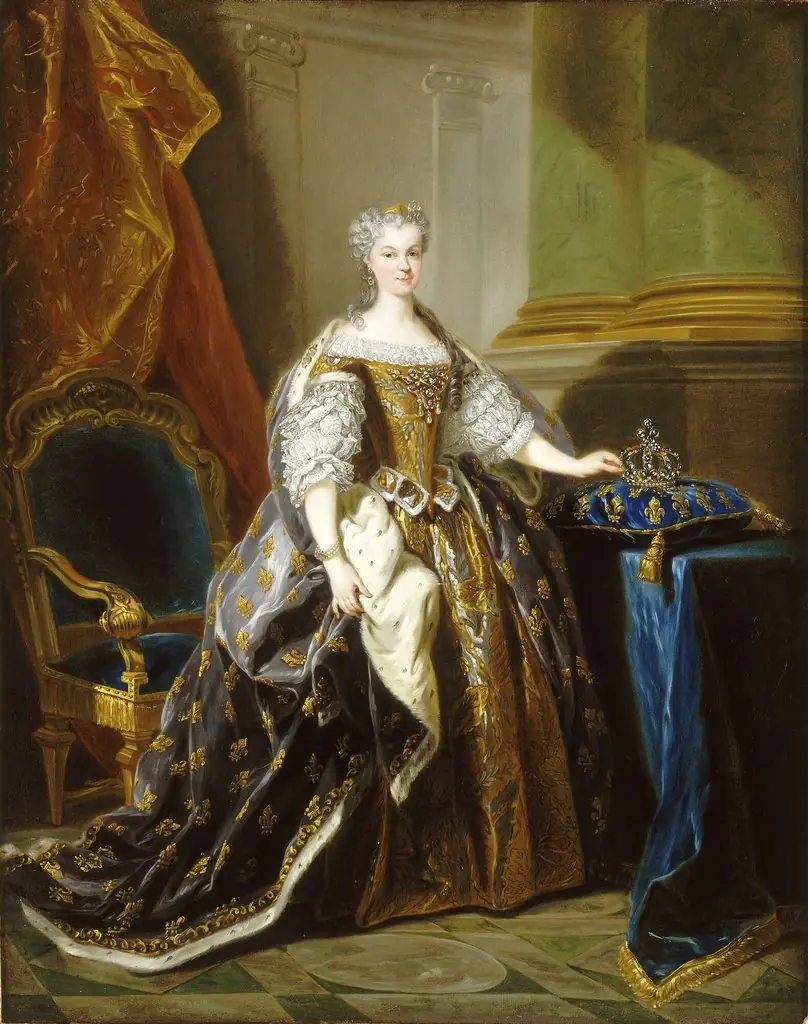 Portrait of Marie Leszczyńka.
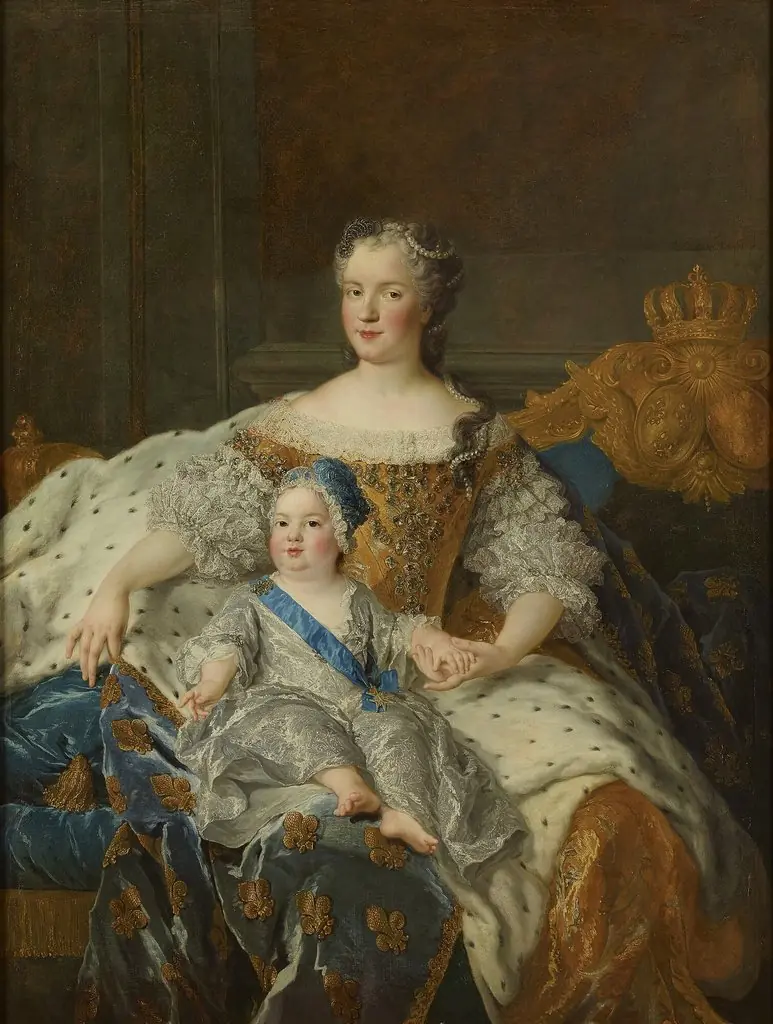 Marie Leszczynska, Queen of France, and the Dauphin
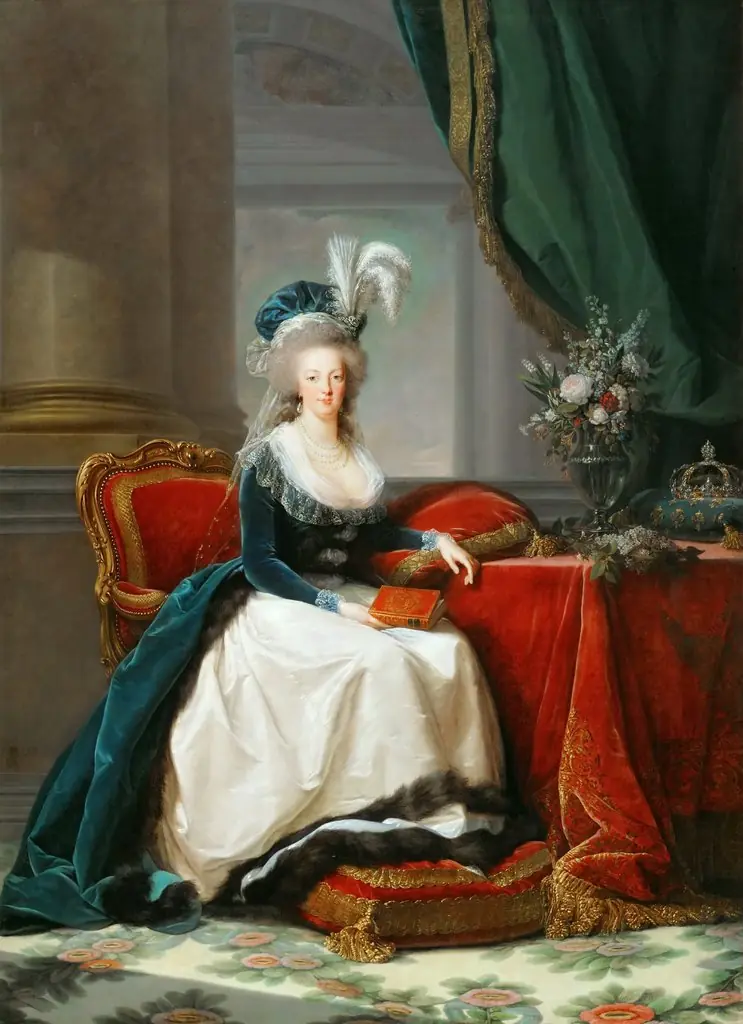 Marie-Antoinette seated, in blue coat and white dress, holding a book in her hand
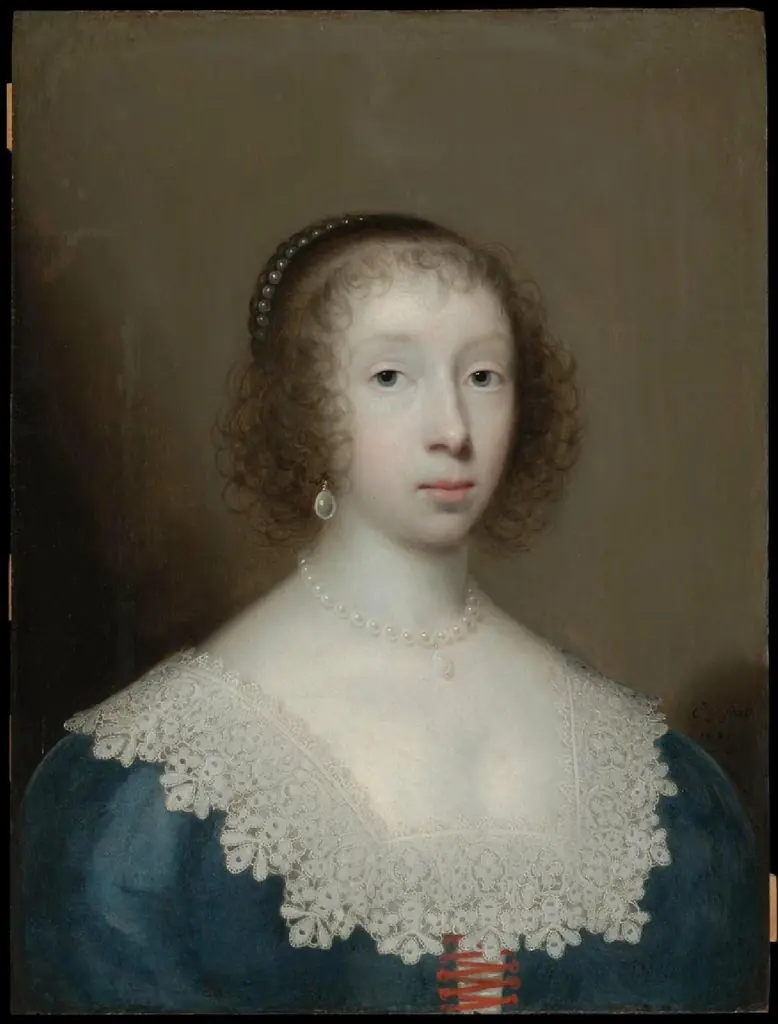 Portrait of a Woman
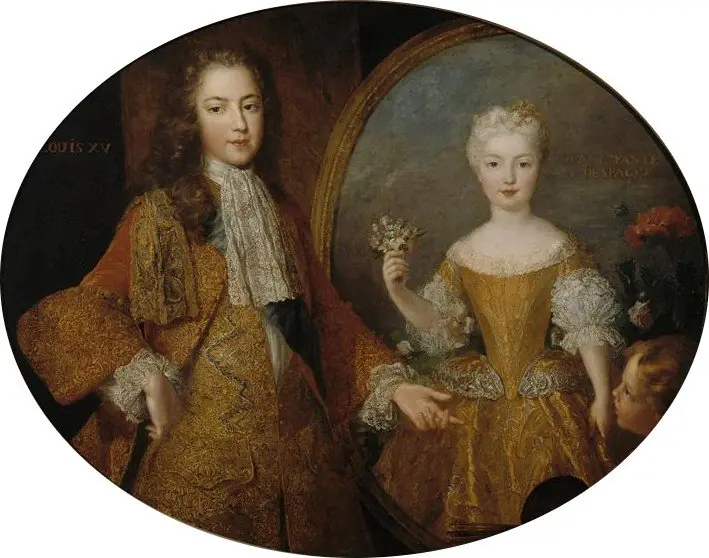 Louis XV and the Infanta Marie-Anne-Victoire
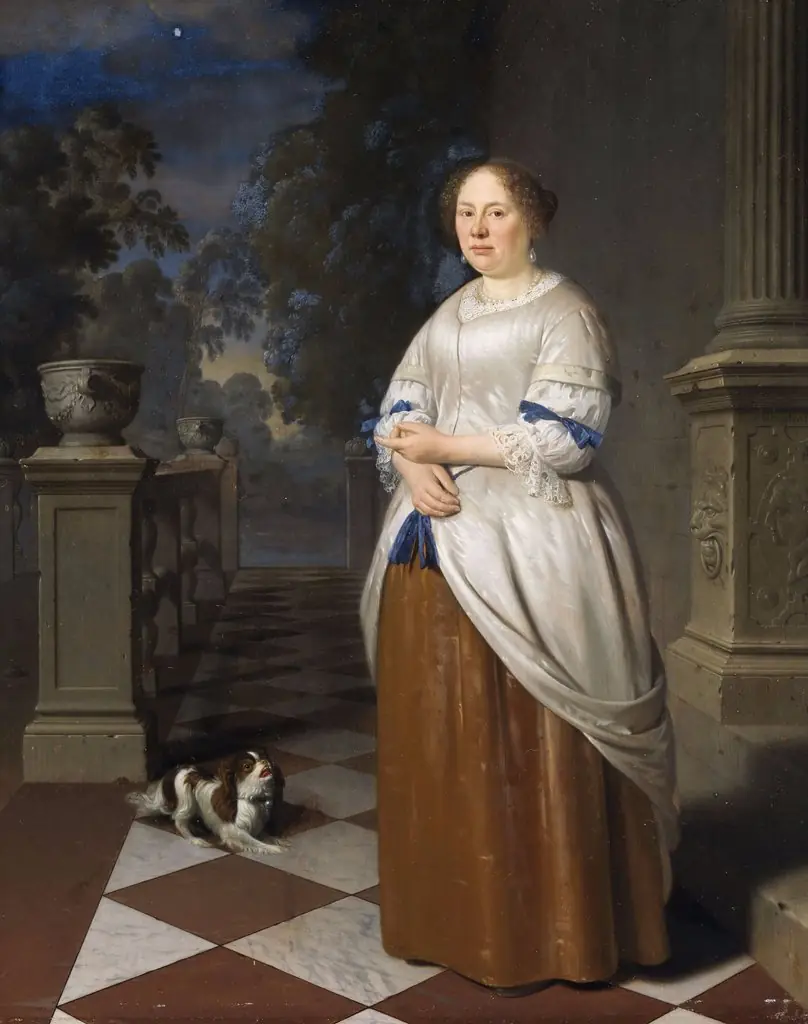 Portrait of Anna Splinter, wife of Johan Hulshout (1623–1687)
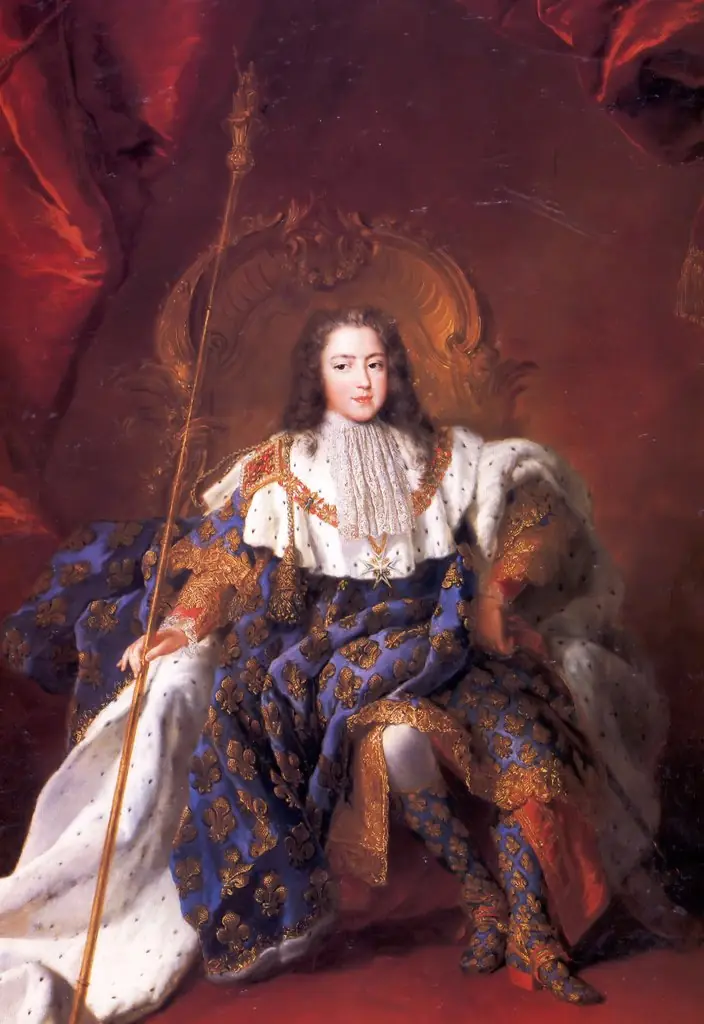 Portrait of Louis XV of France
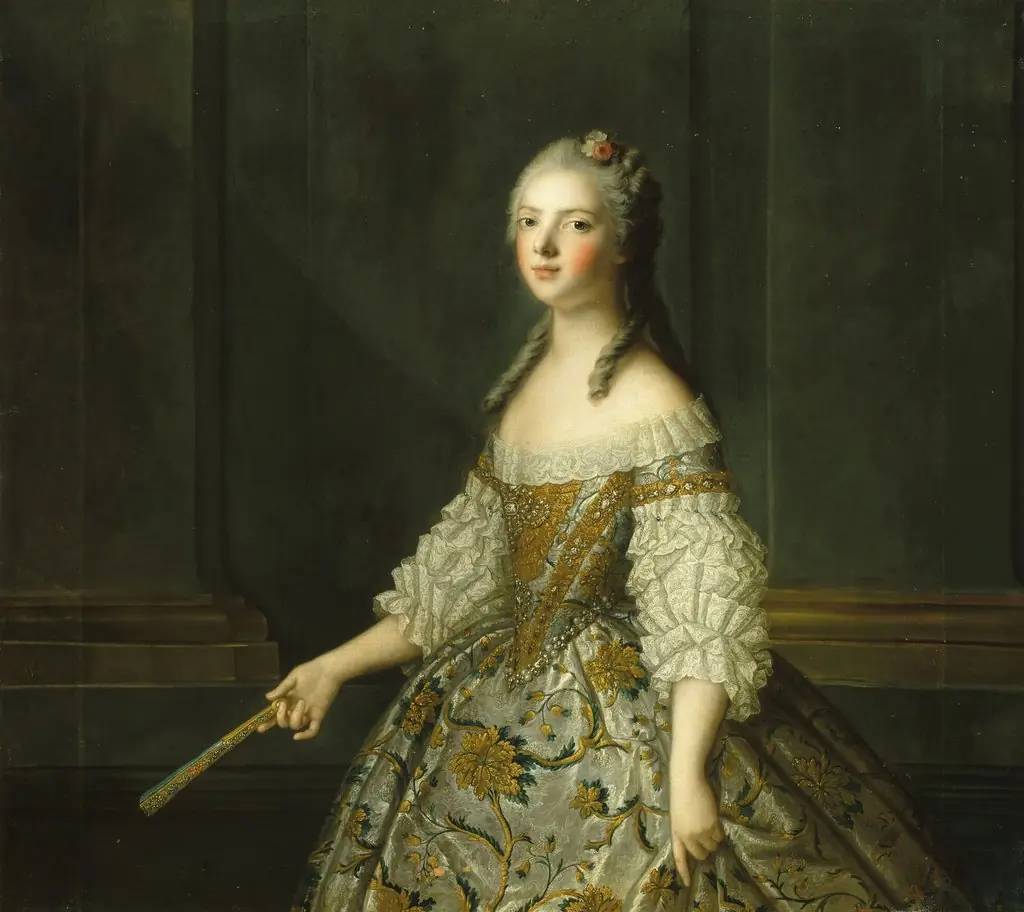 Madame Adélaïde of France Holding a Fan
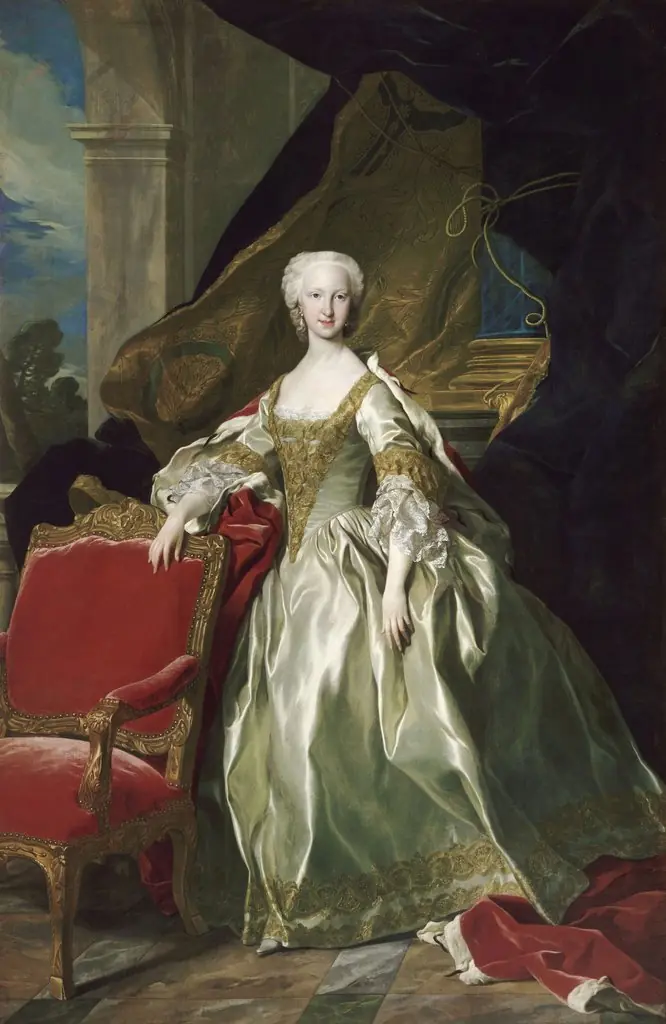 The Infanta María Teresa Rafaela of Spain, future Dauphine of France (1726-1746)
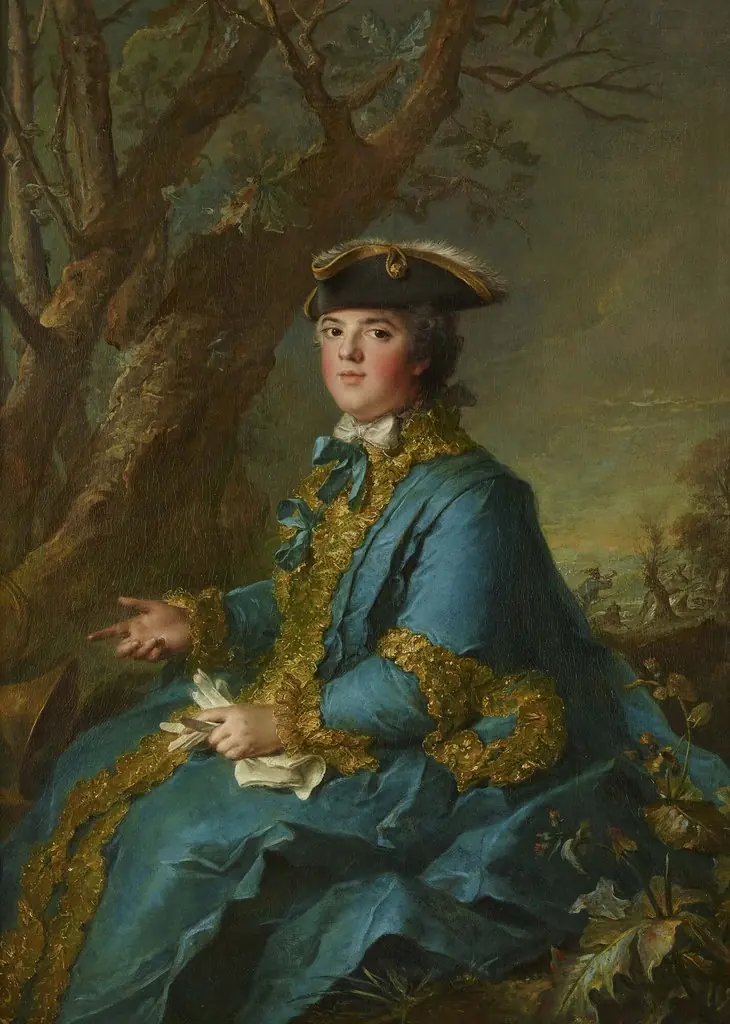 Posthumous portrait of Louise-Élisabeth de France, Duchess of Parma
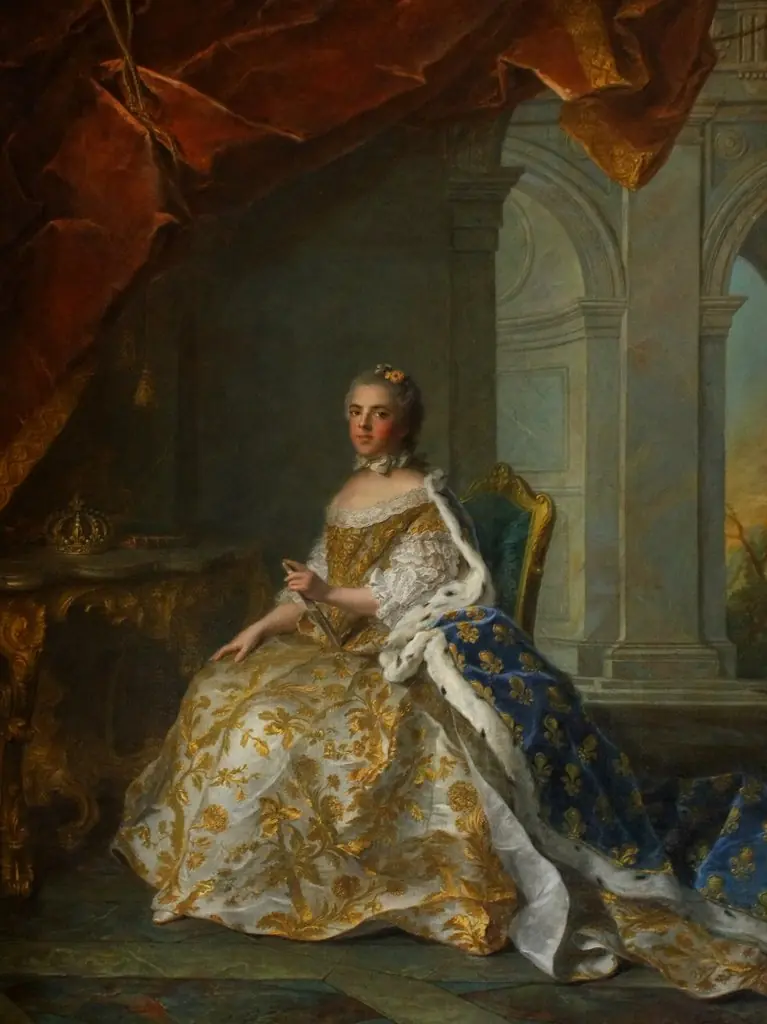 Posthumous portrait of Louise Elisabeth of France (1727-1759), Duchess of Parma, in court dress
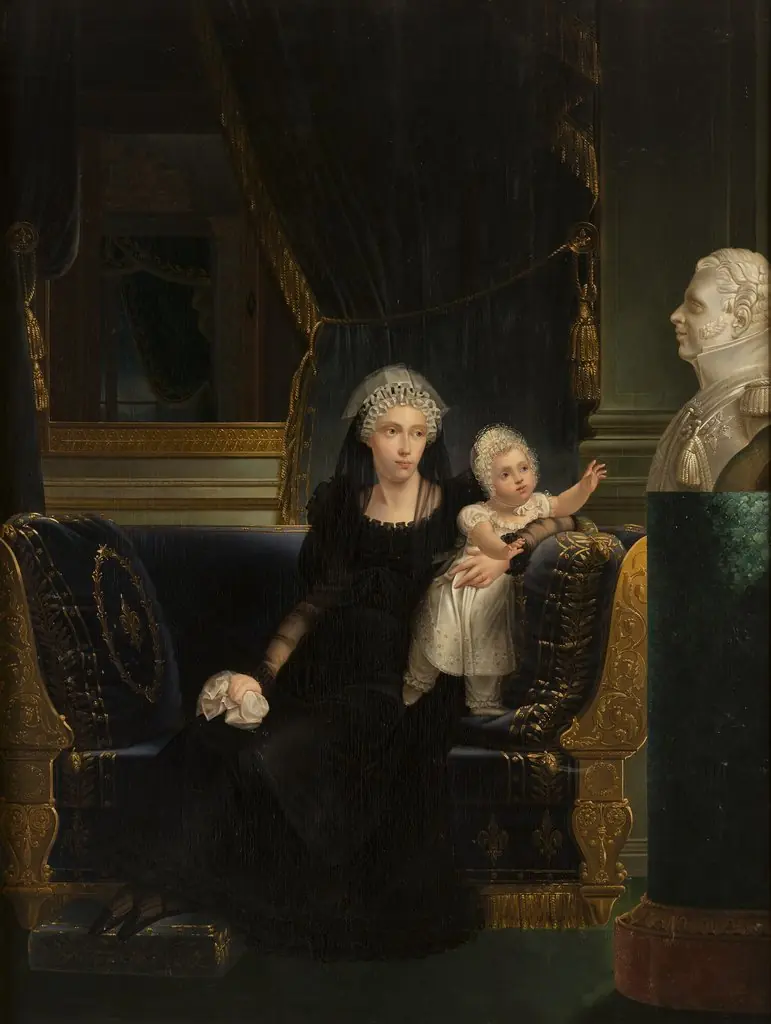 Marie-Caroline de Bourbon-Sicile, Duchess of Berry and her daughter Louise-Marie-Thérèse
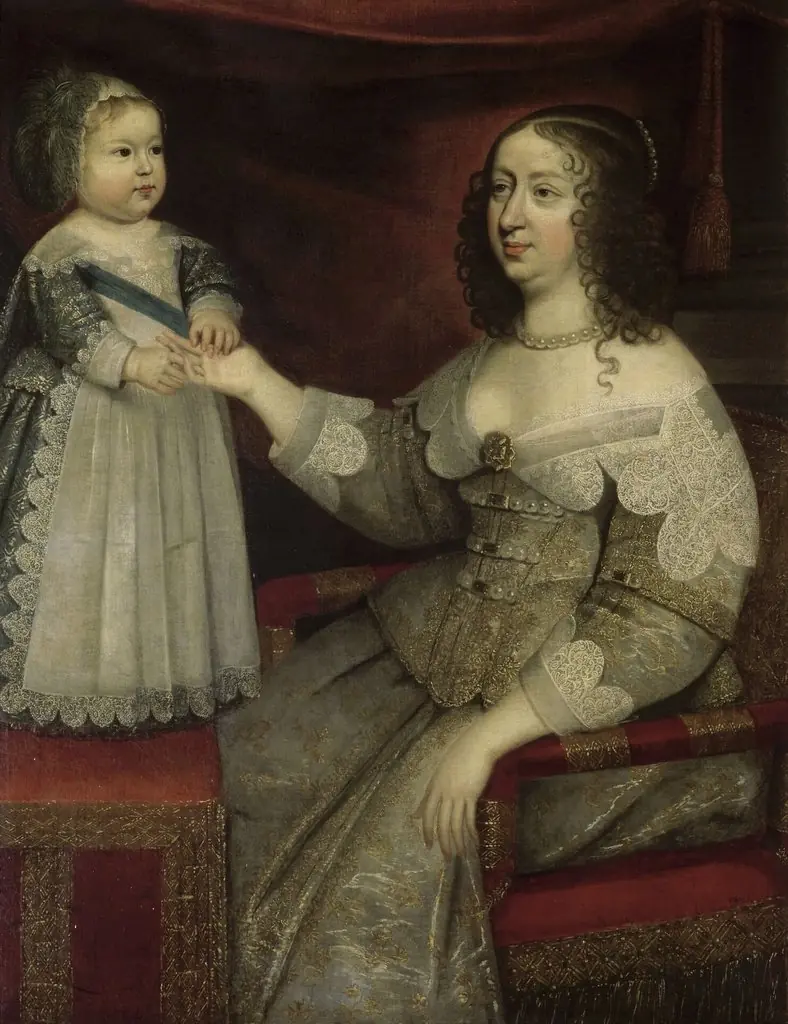 Louis XIV and Anne of Austria
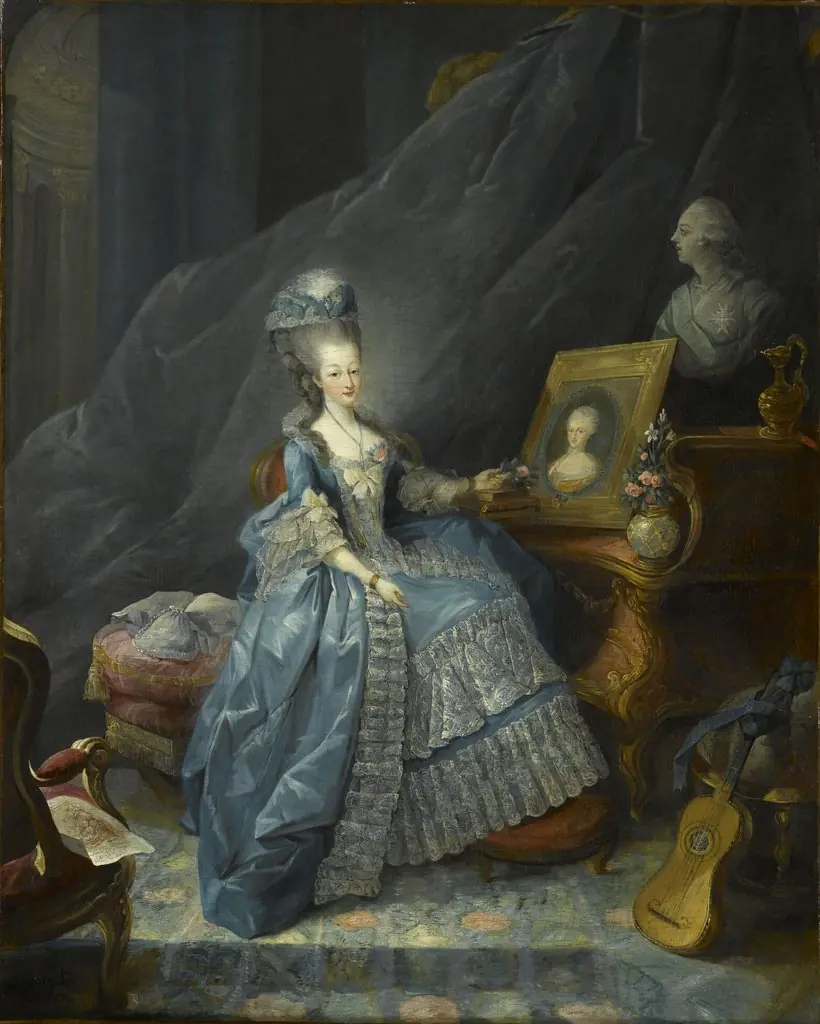 Marie-Thérèse of Savoy, Countess of Artois (1756-1805)
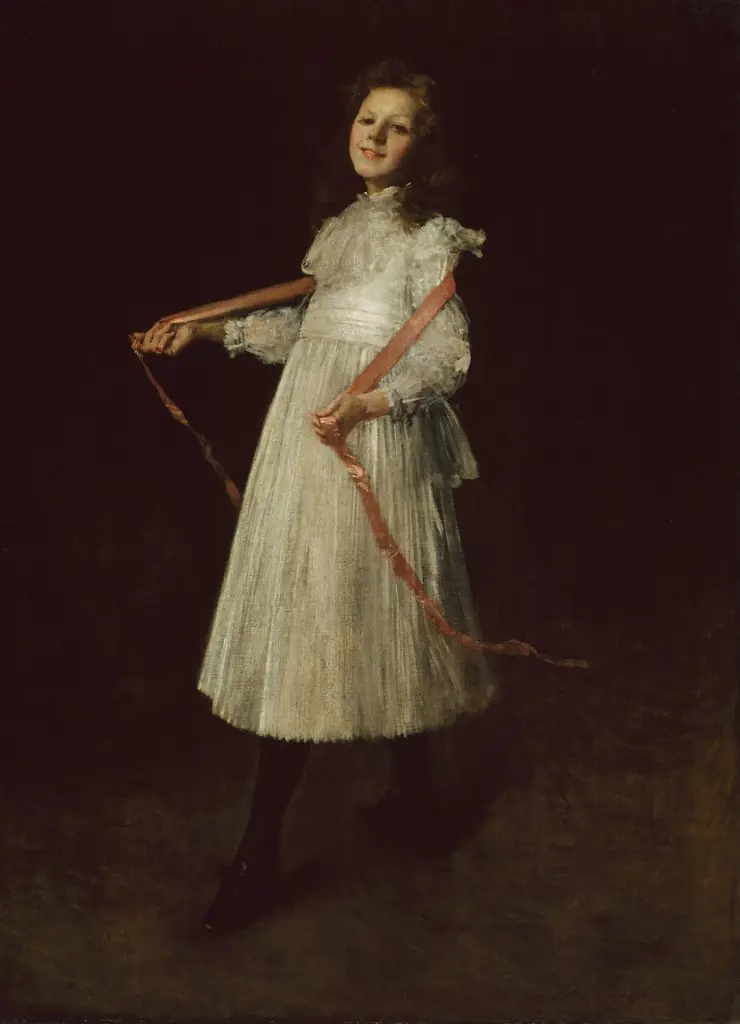 Alice
Alice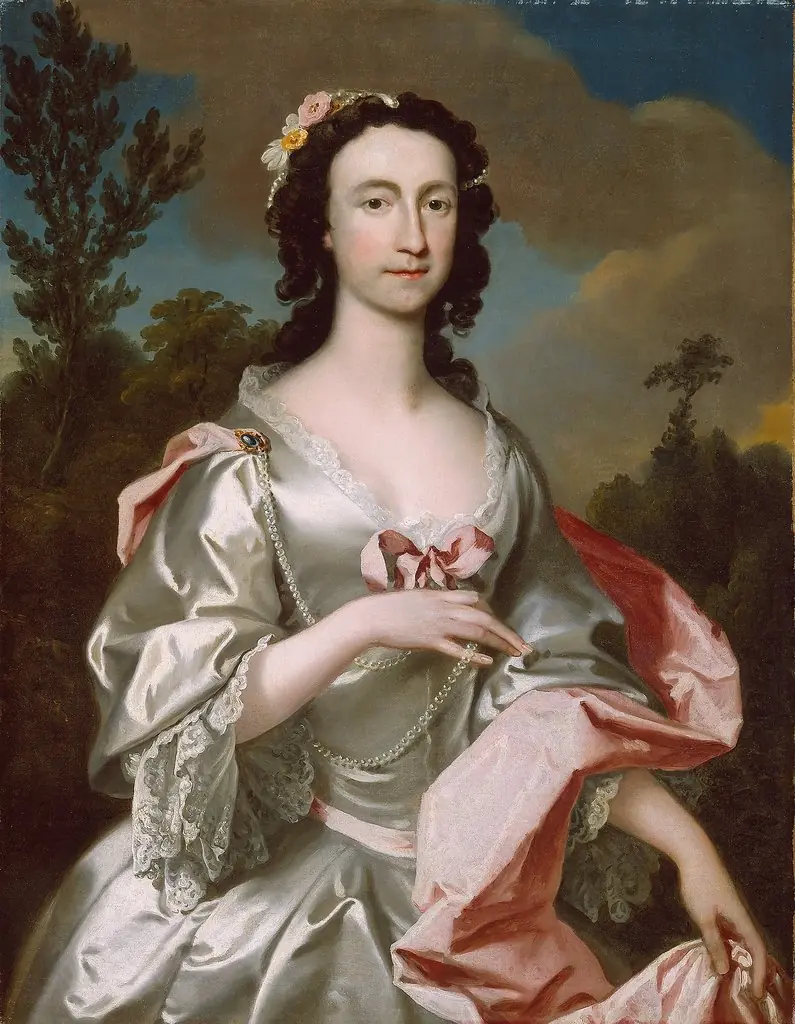 Mrs. Freeman Flower
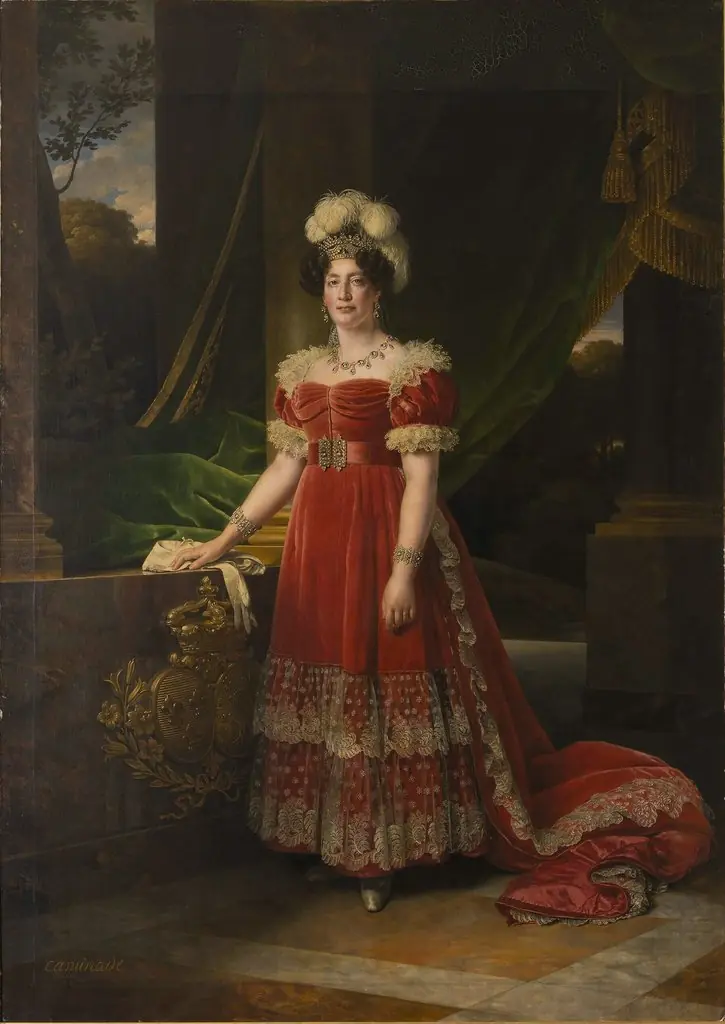 Portrait of Marie Thérèse of France, Duchess of Angoulême (1778-1851)
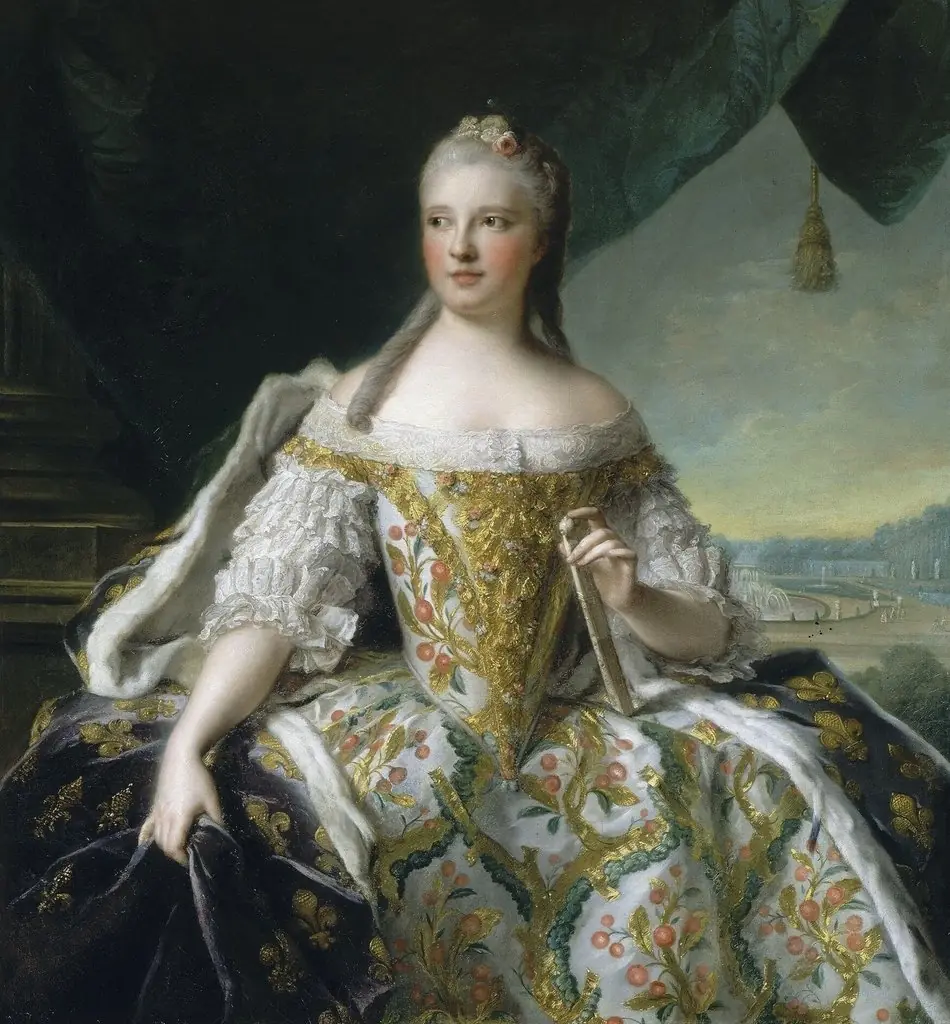 Marie Josèphe of Saxony
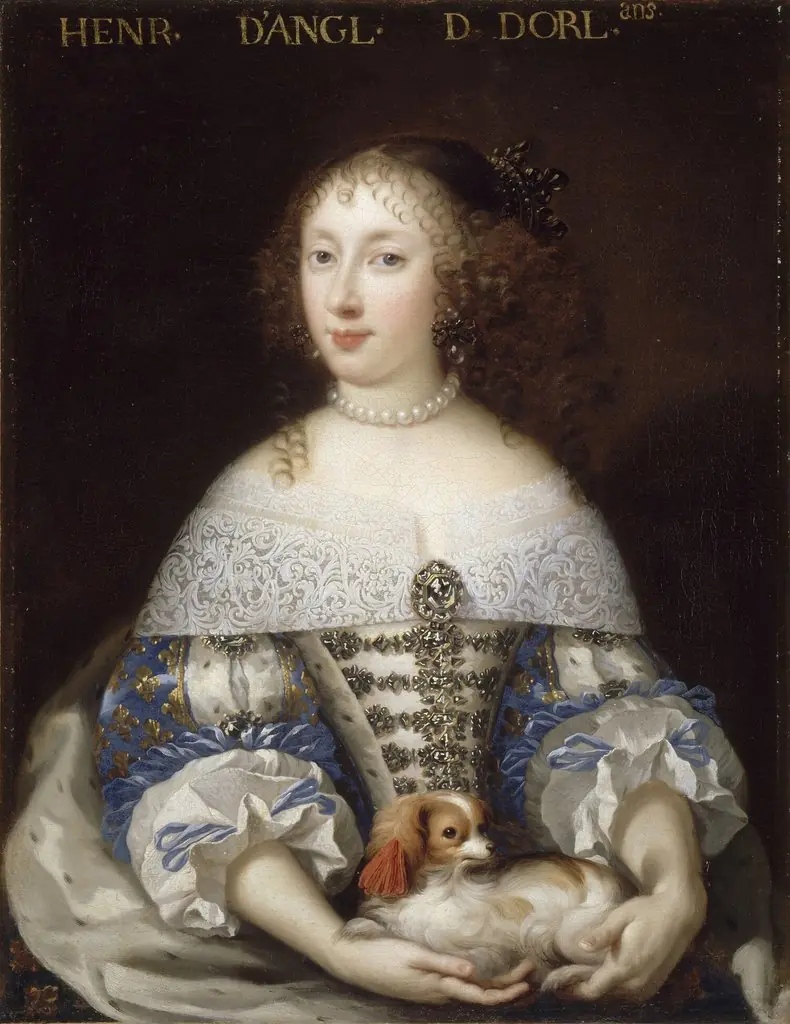 Henriette-Anne of England, Duchess of Orleans, known as Madame (1644-1670)
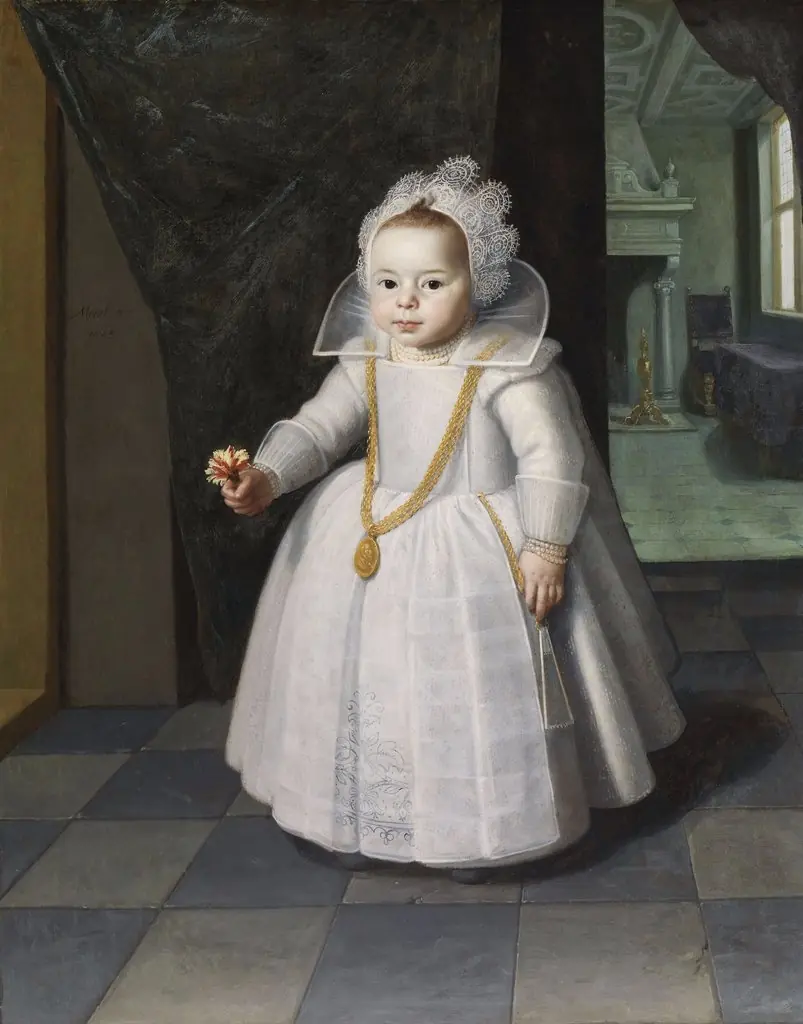 Portrait of a girl
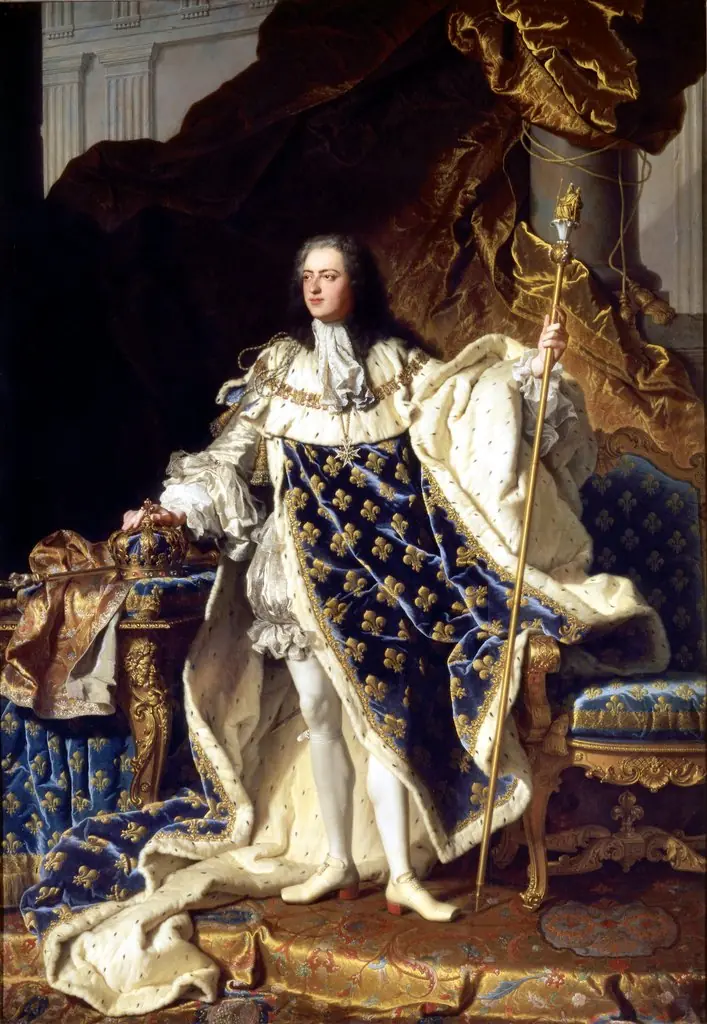 Louis XV in Coronation Robes
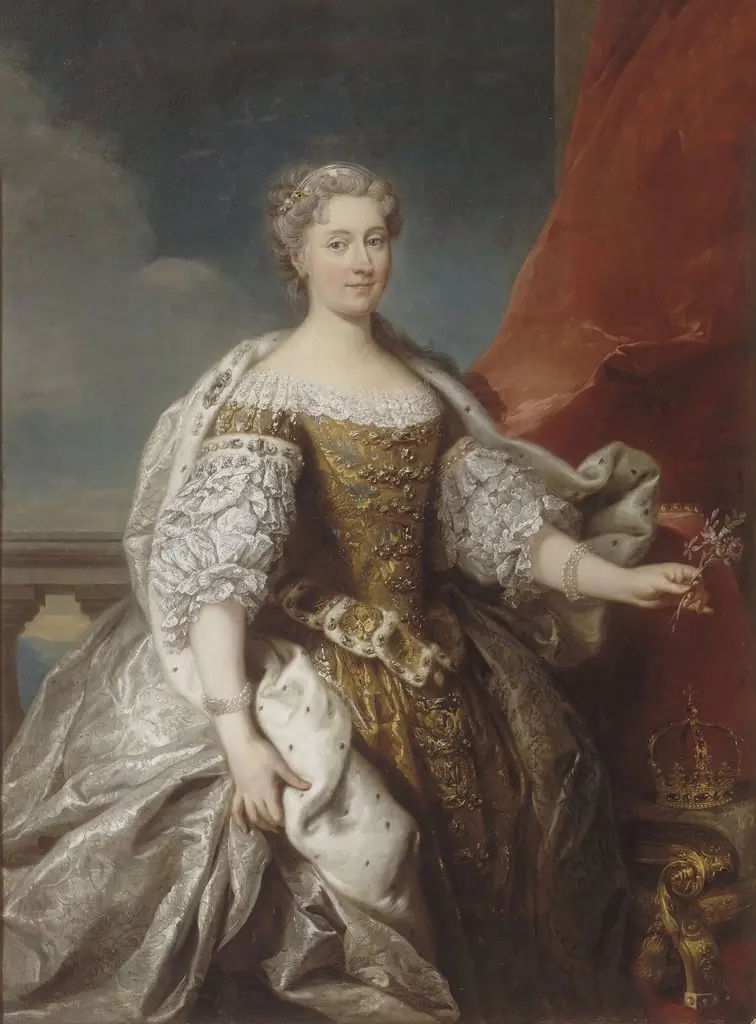 Catherine Opalińska, Queen of Poland
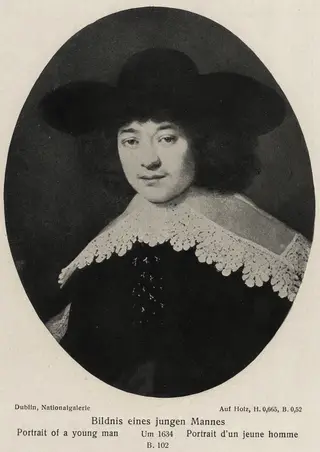 Oval portrait of a man wearing a split-sleeve jacket with flat lace collar and broad-brimmed hat
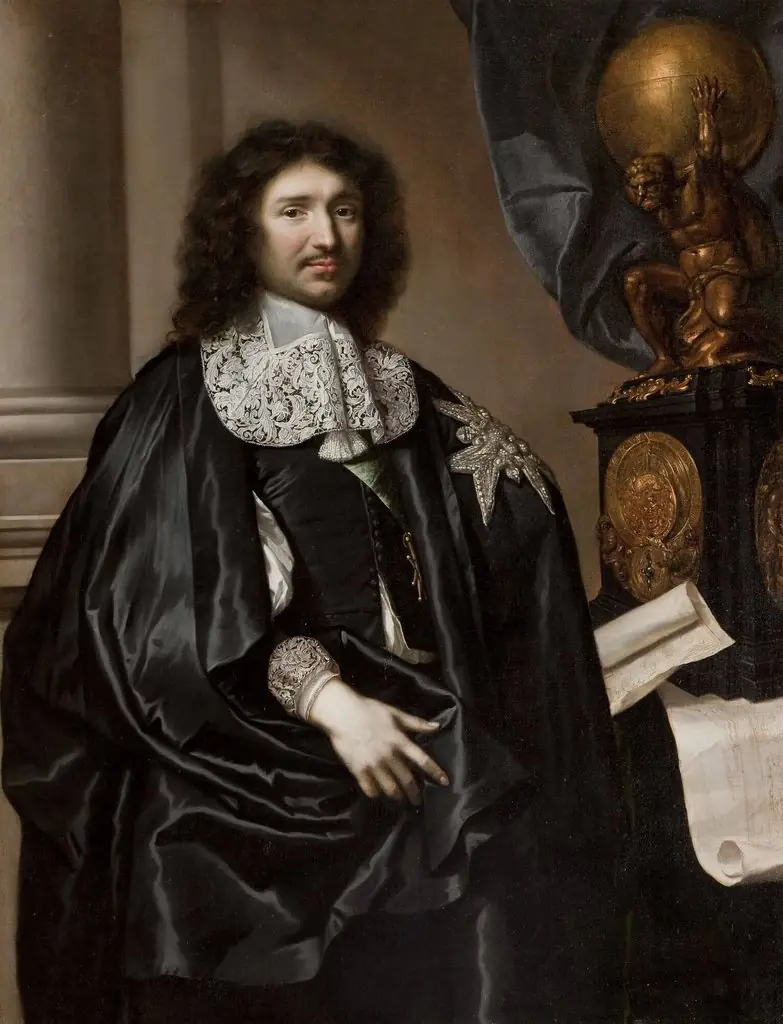 Portrait of Jean-Baptiste Colbert
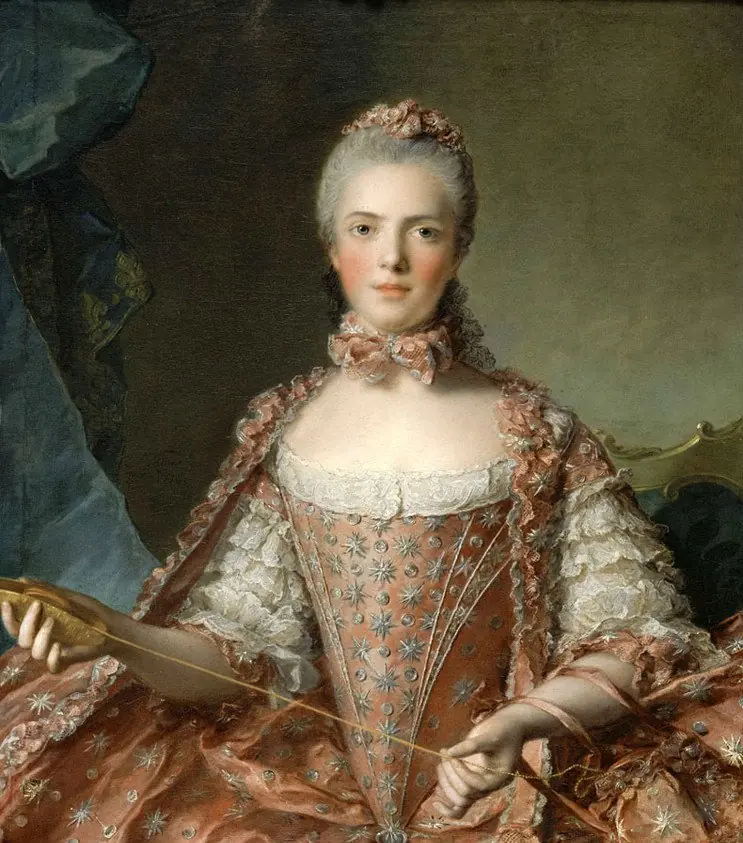 Adélaïde of France Tying Knots
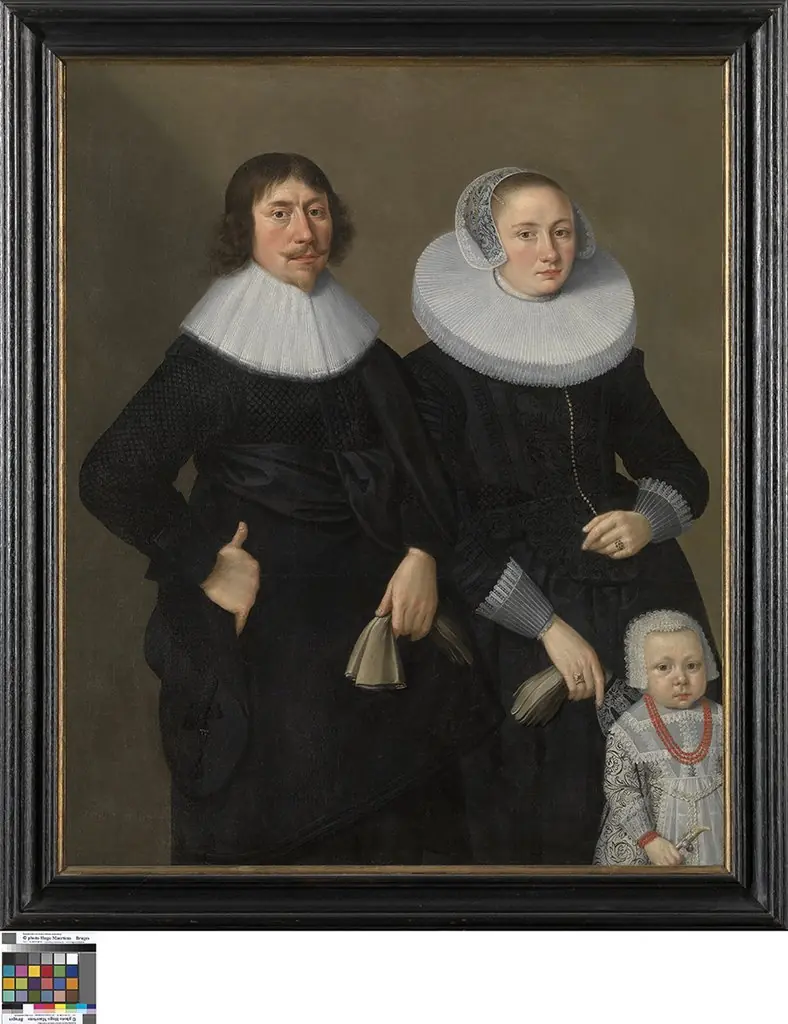 family portrait
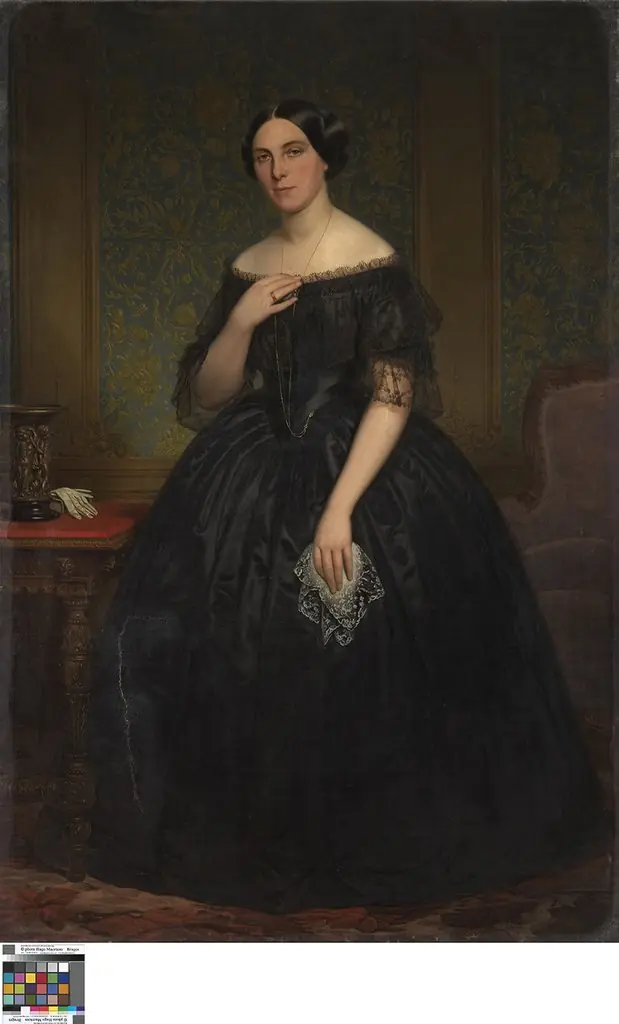 Portret van Beatrix van Herreweghe
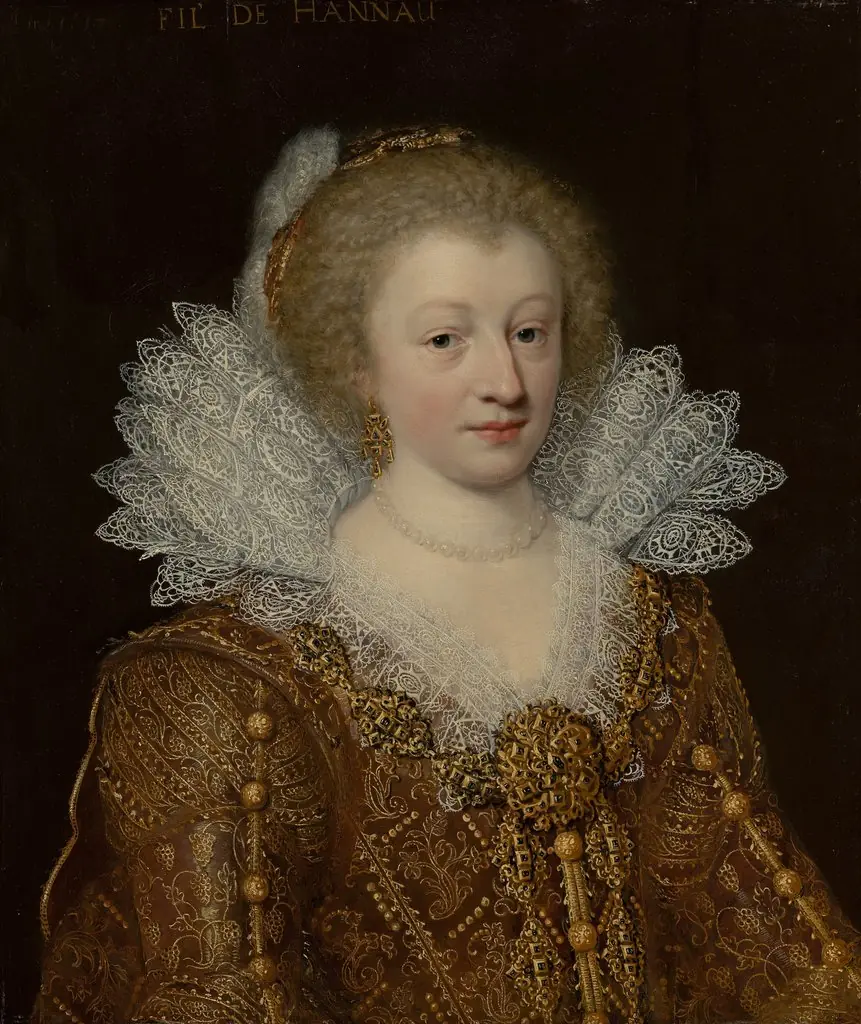 Portrait of Amélie Elisabeth of Hanau-Münzenberg
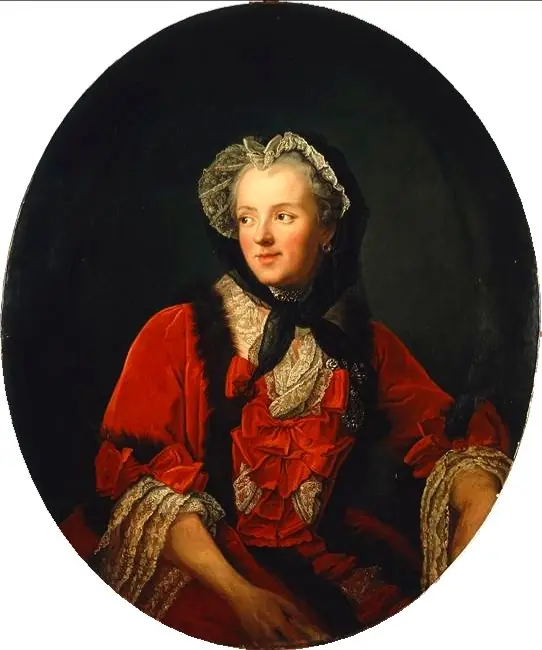 Marie Leszczyńska, Queen of France (1703–1768)
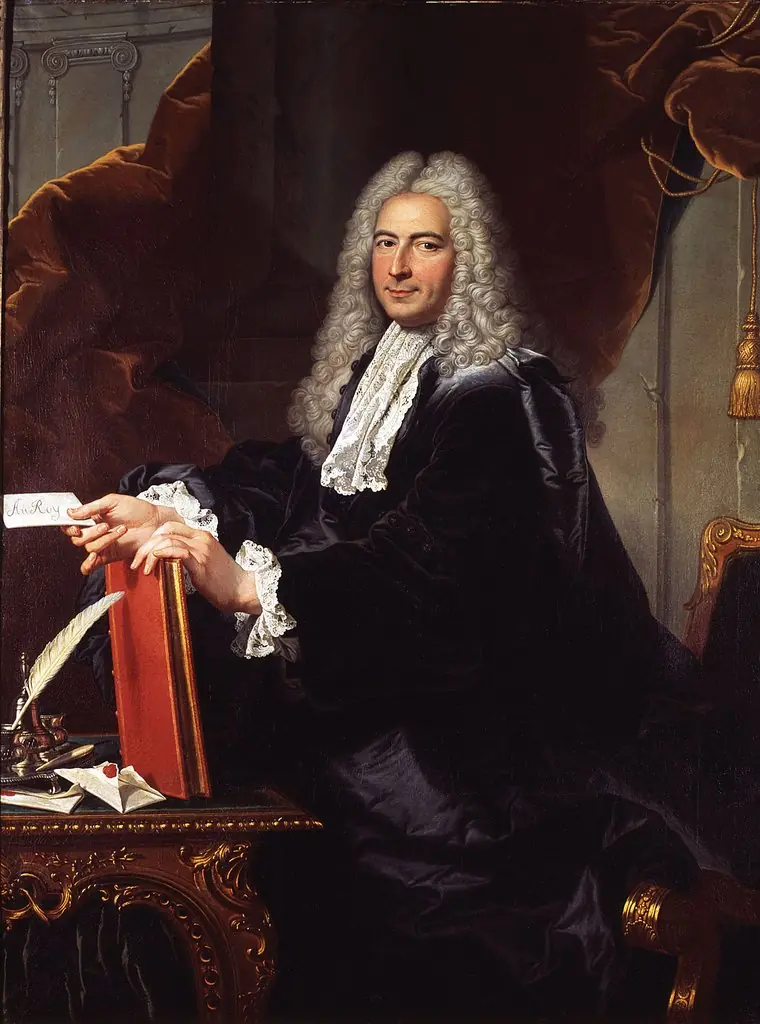 Philibert Orry (1689-1747)
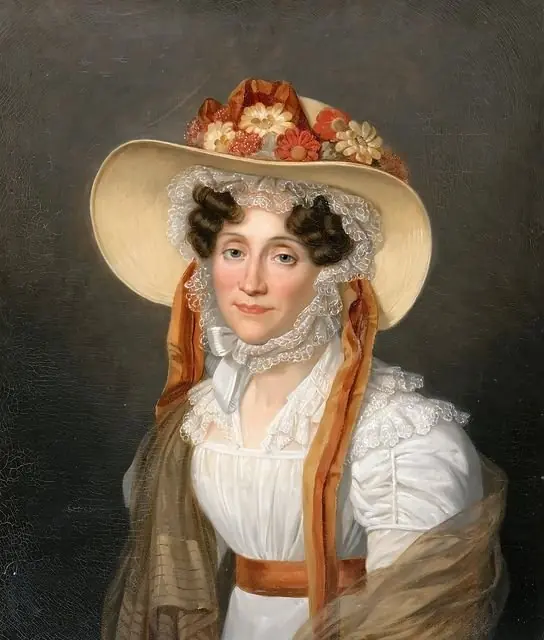 Portrait of Adélaide d'Orléans
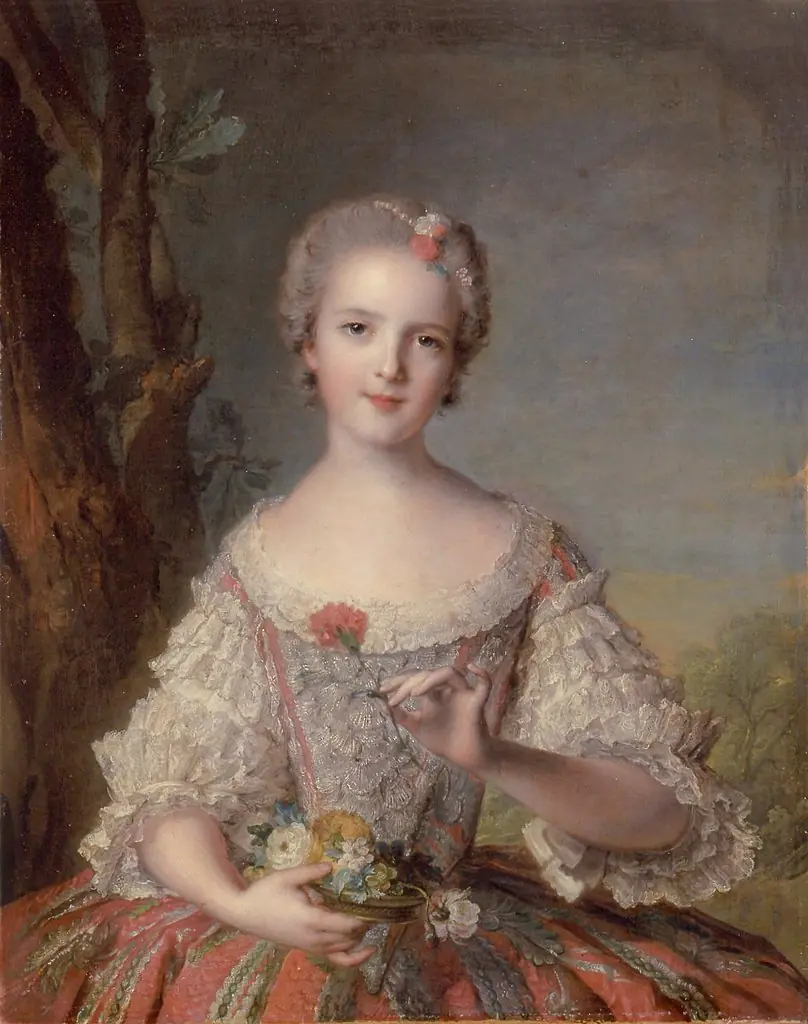 Madame Louise of France
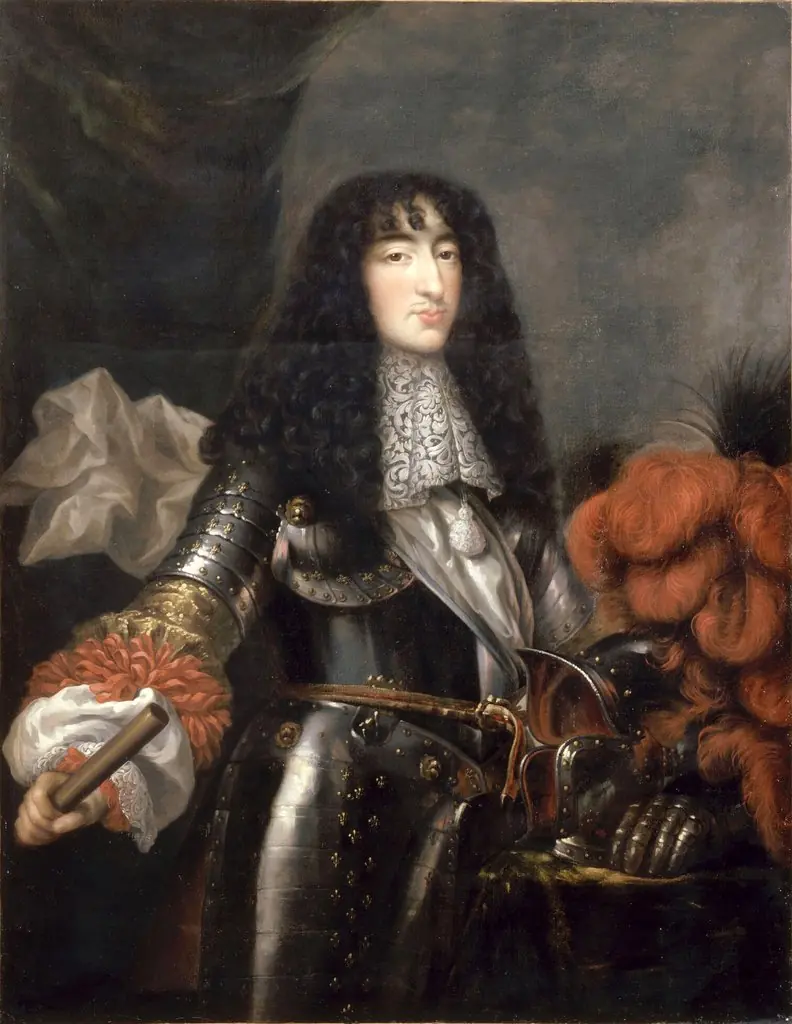 Philippe of France, Duke of Orleans
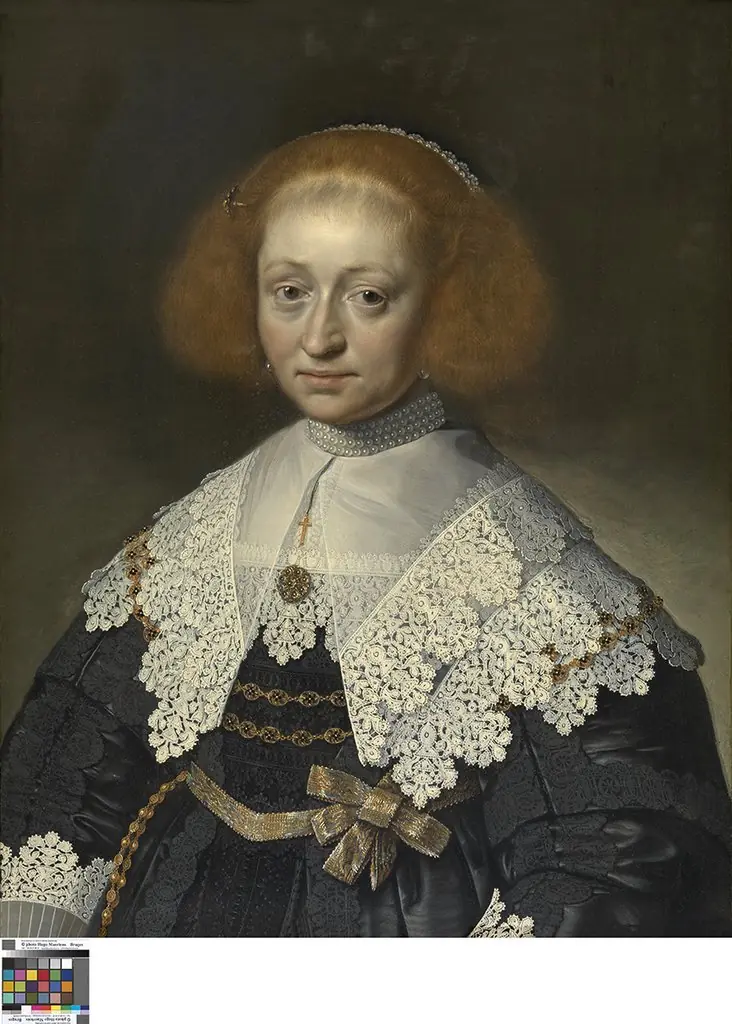 Portret van een vrouw
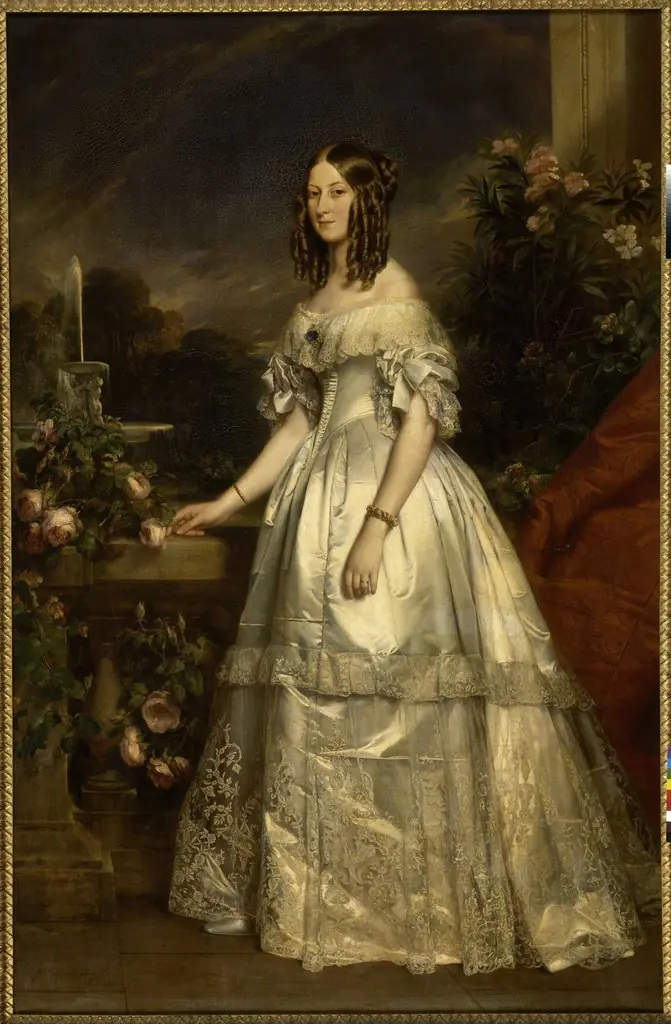 Full portrait of HRH The Duchess of Nemours
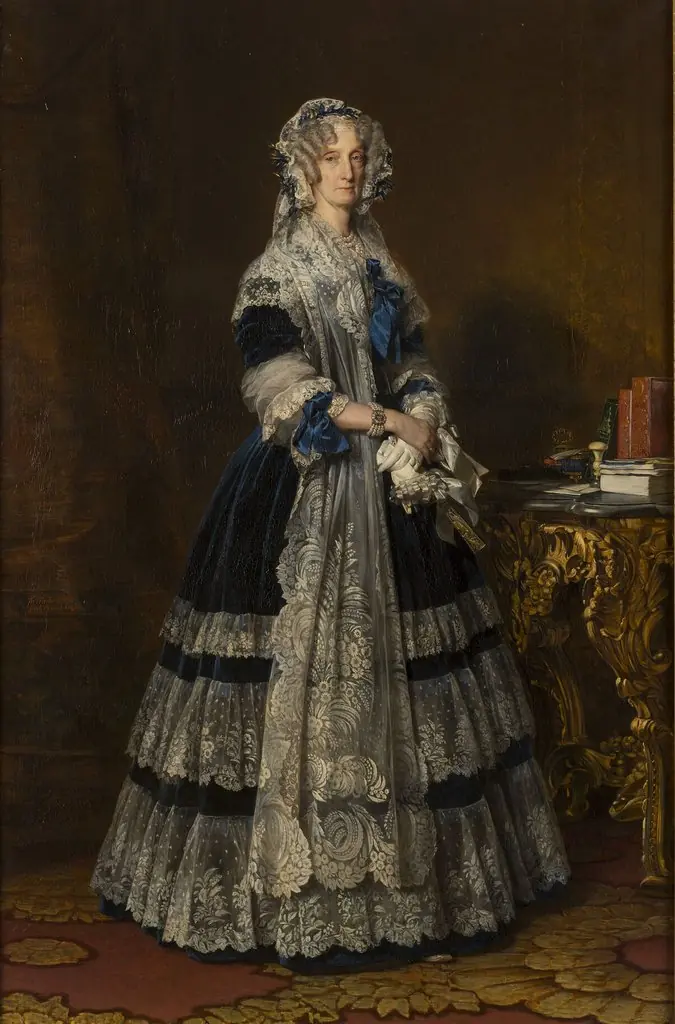 Maria Amalia of the Two Sicilies, Queen of the French
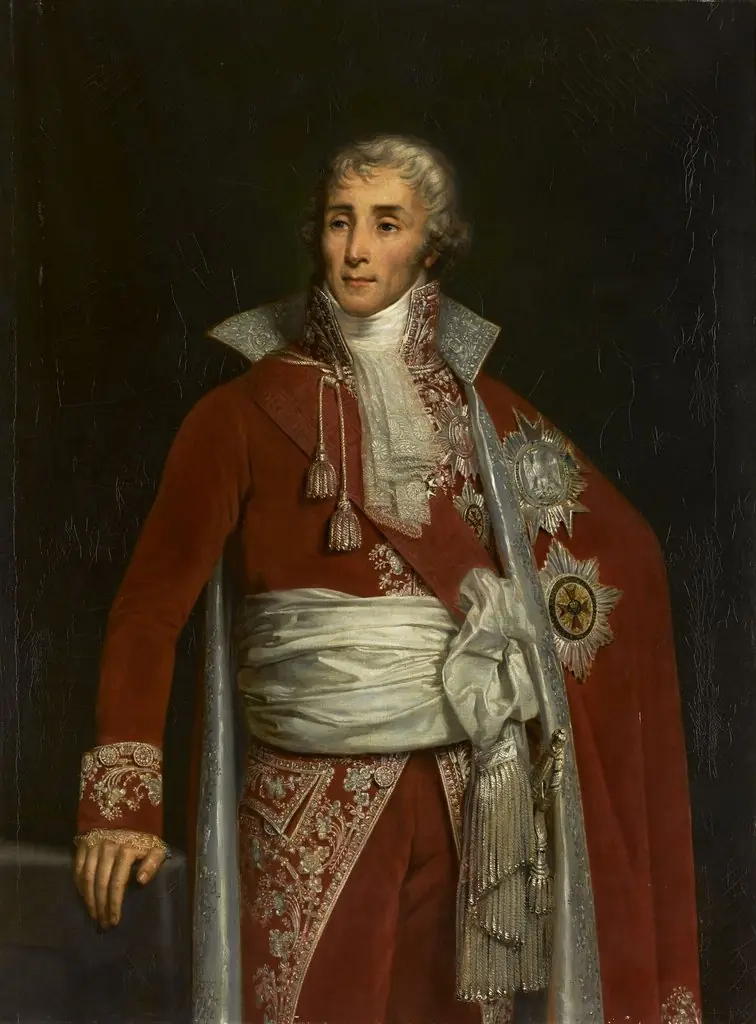 Joseph Fouché, Duke of Otranto
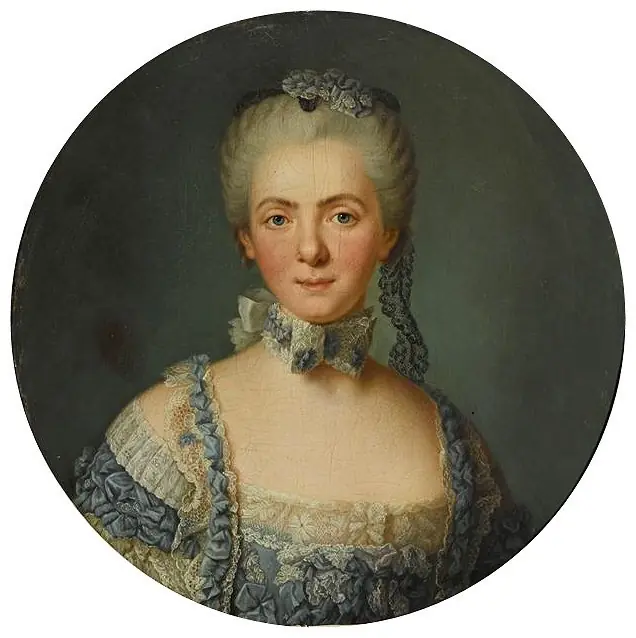 Drouais - Adélaïde of France
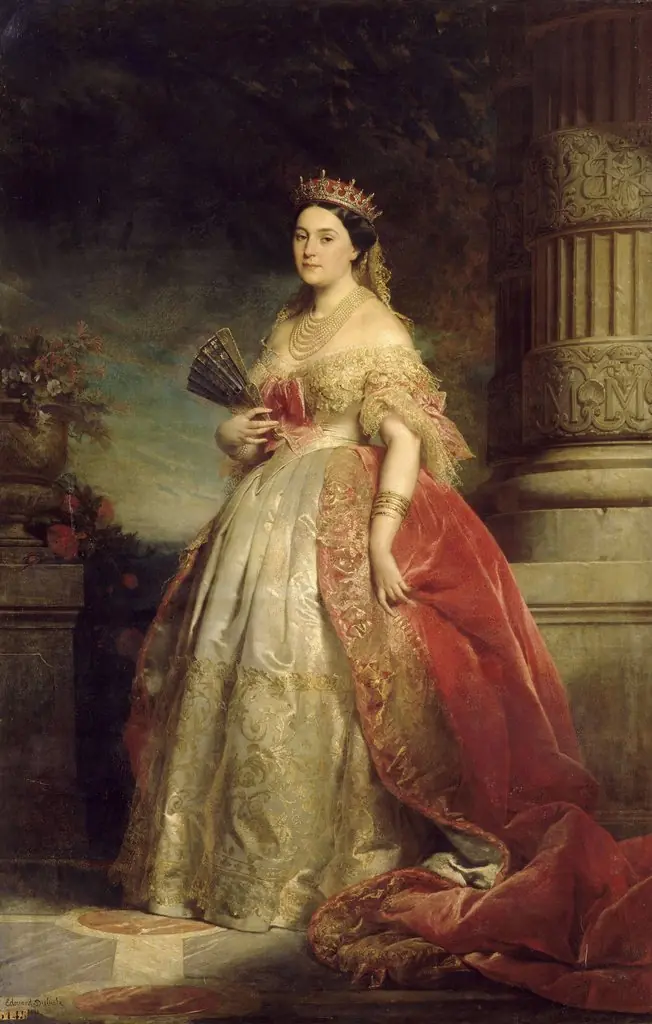 Portrait of the Princess Mathilde
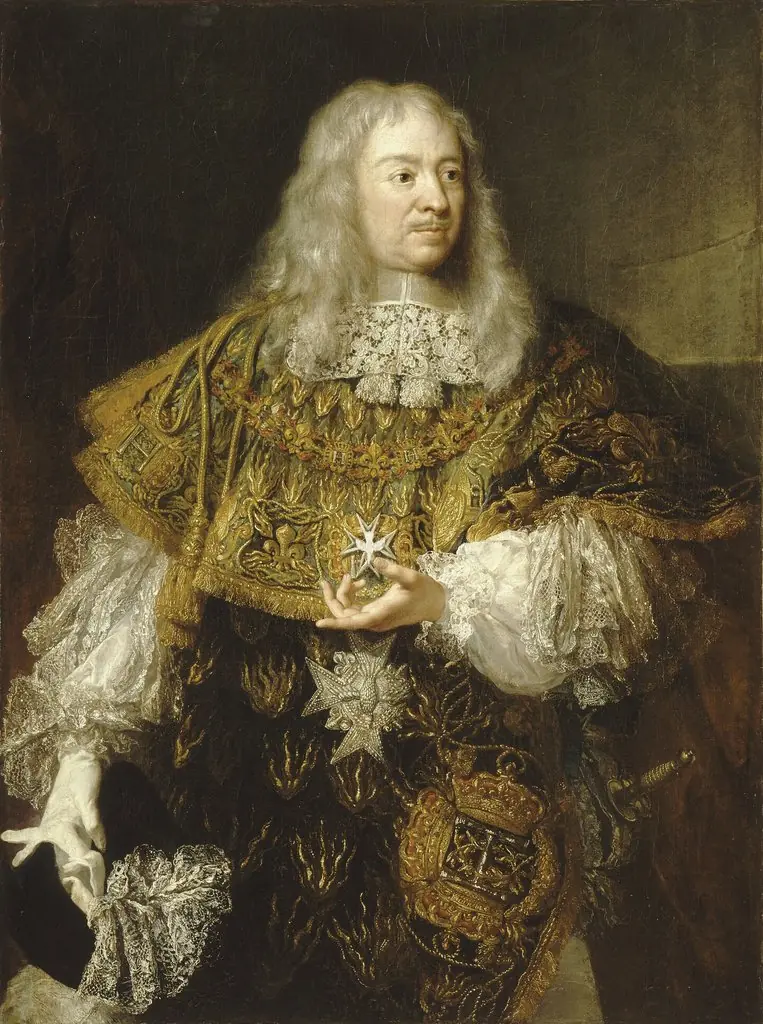 Gabriel de Rochechouart, Duke of Mortemart (1600-1677)
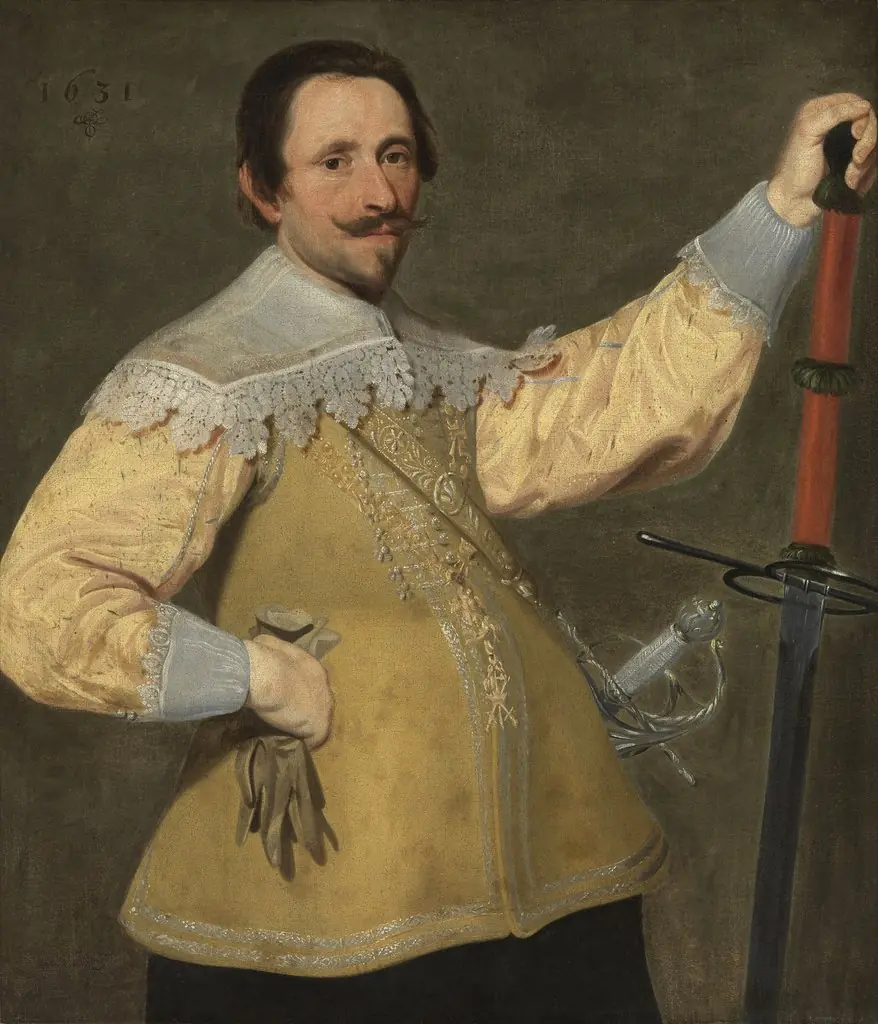 Portrait of a Dean of the St. Michael's Guild in Bruges
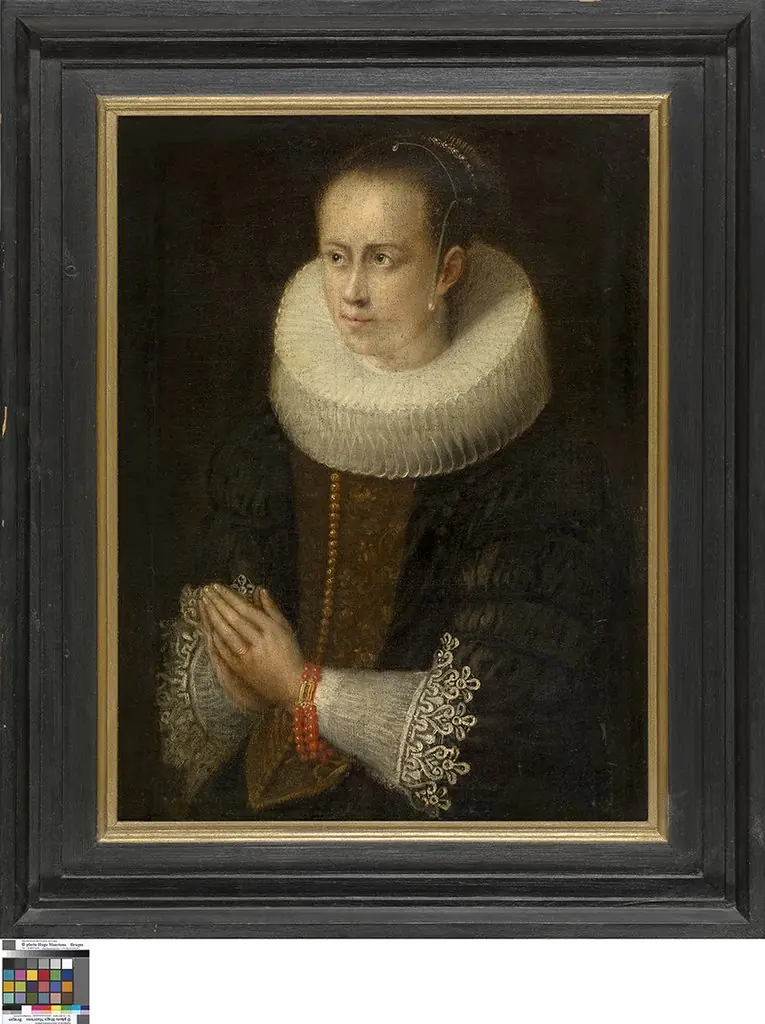 Portret van een vrouw in gebed
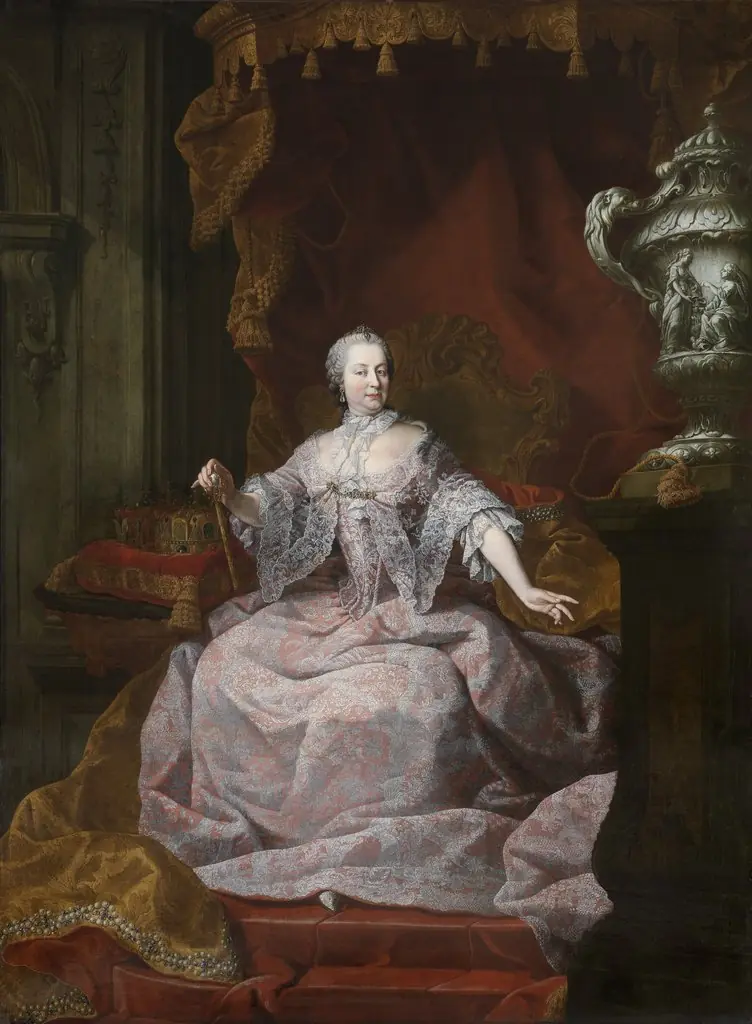 Portrait of Empress Maria Theresa
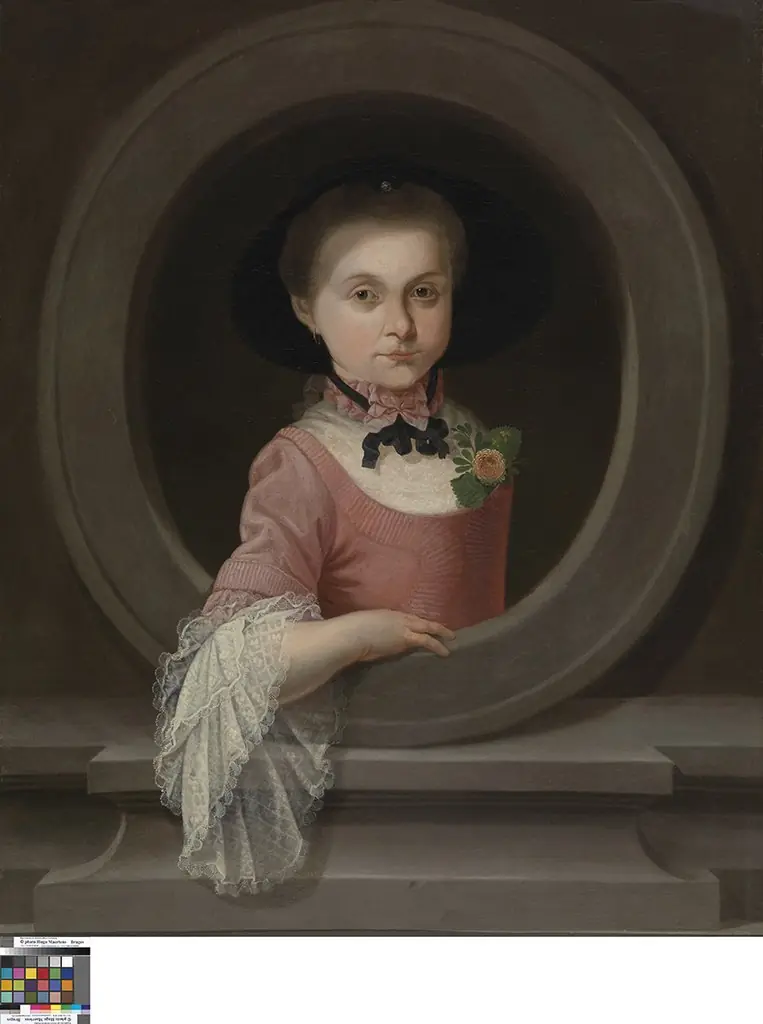 Portret van een meisje
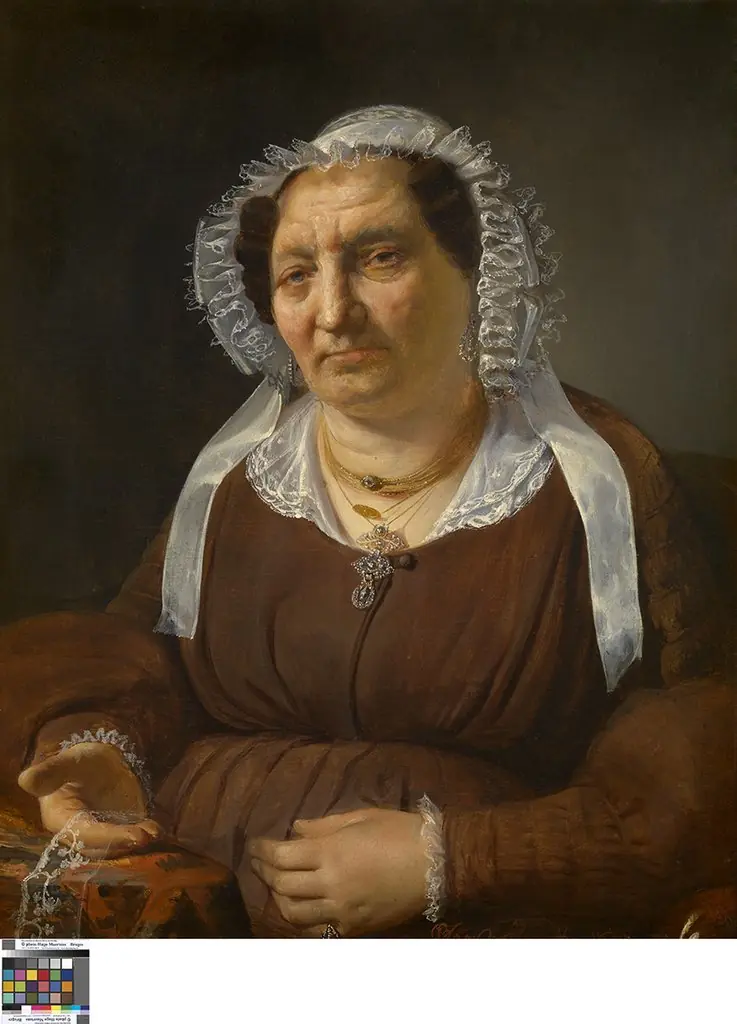 Portret van kantkoopvrouw Anne Godderis-Tulpinck
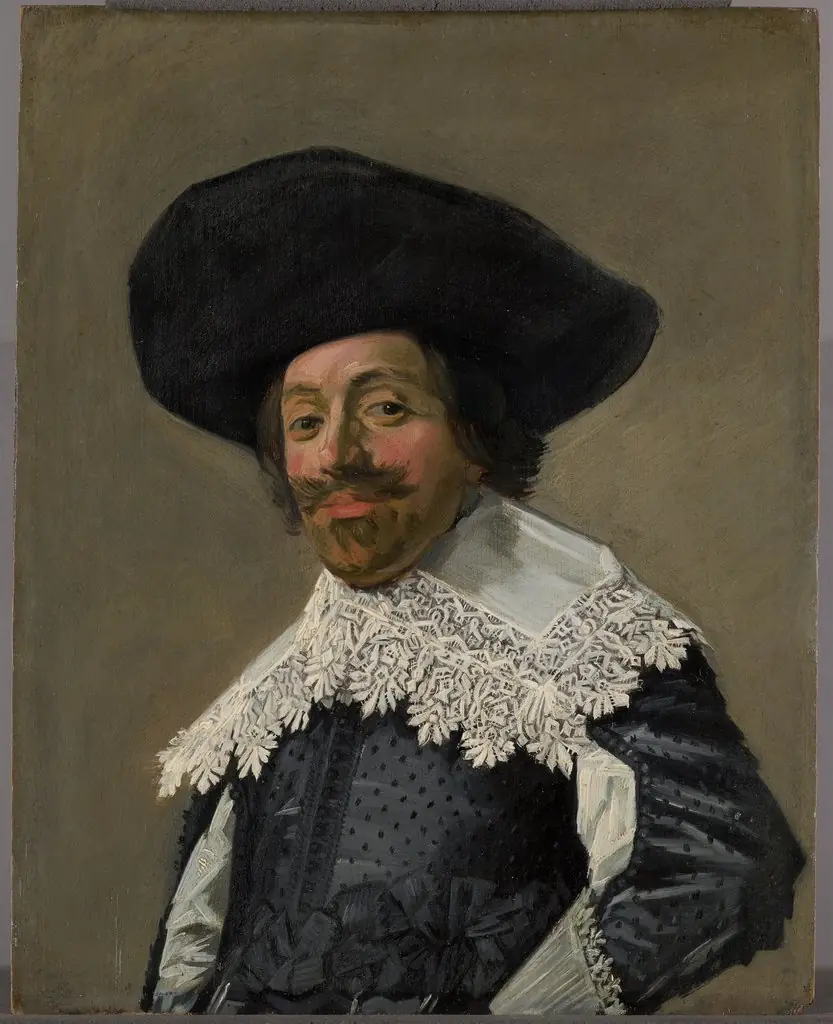 Portrait of a man with a hat
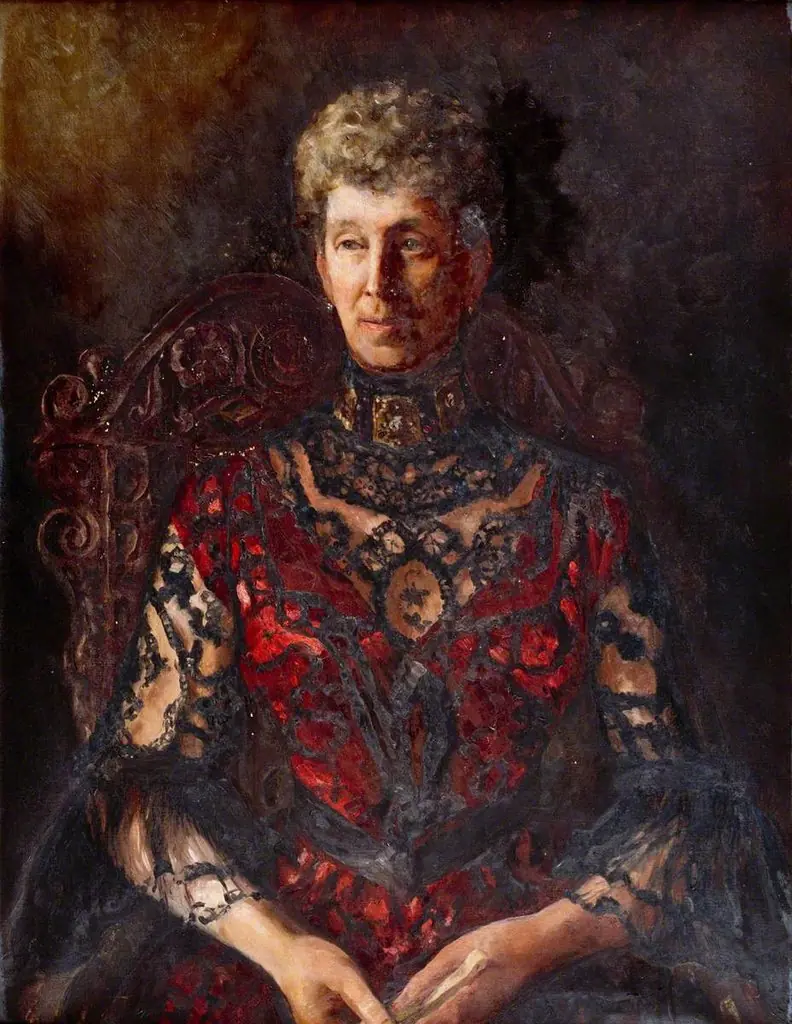 Agnes Margaret Anderson
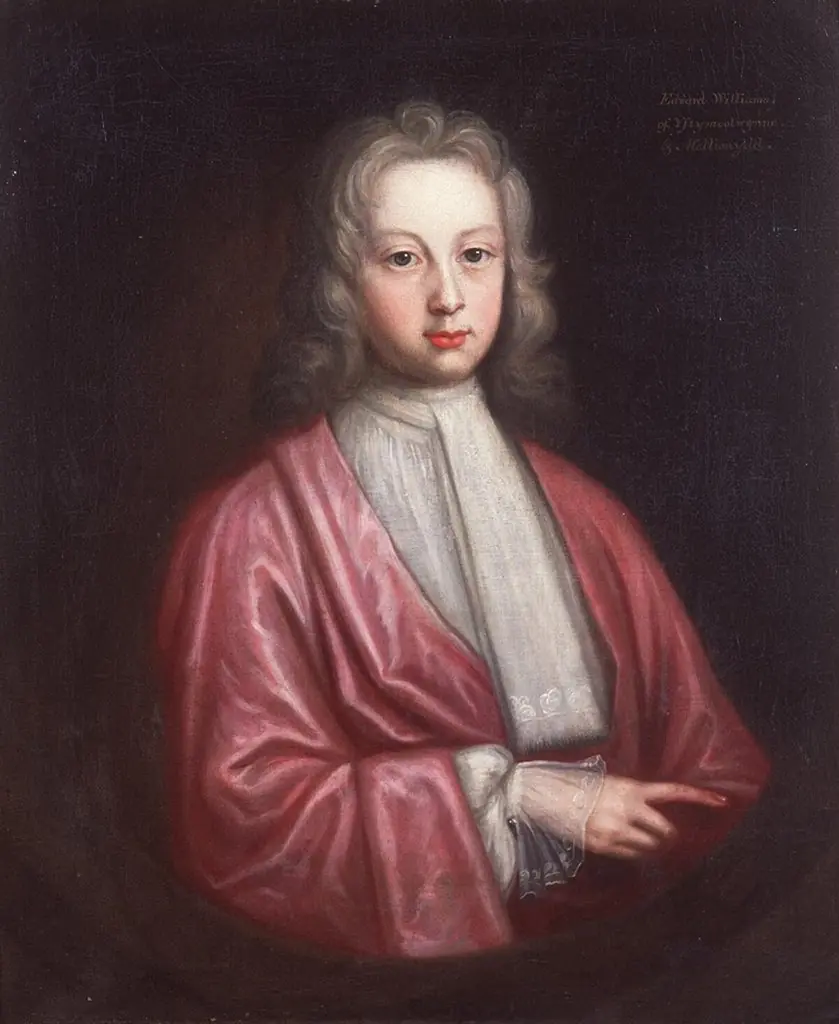 Edward Williams
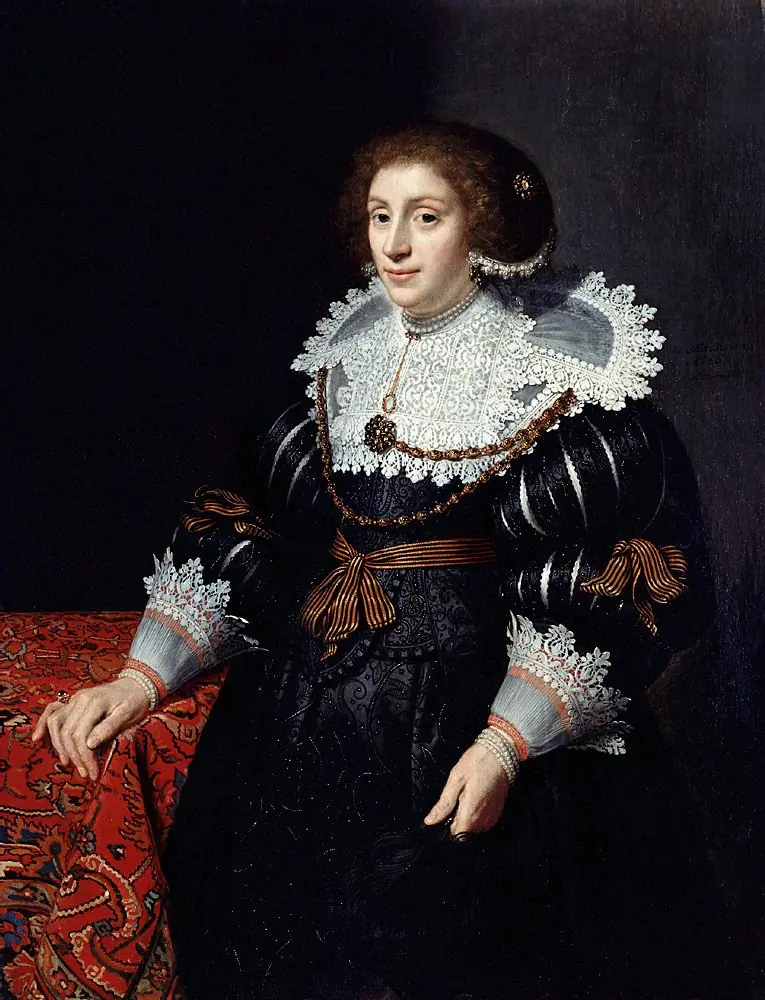 Portrait of a Woman
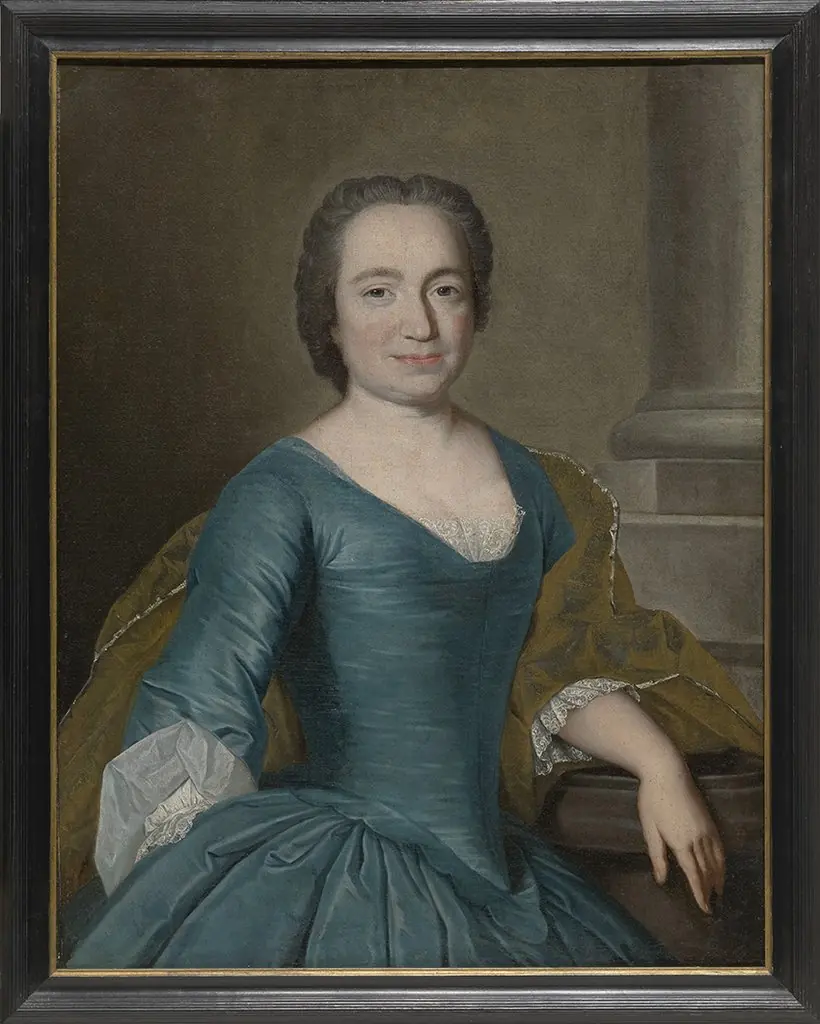 Portret van Maria de Hondt
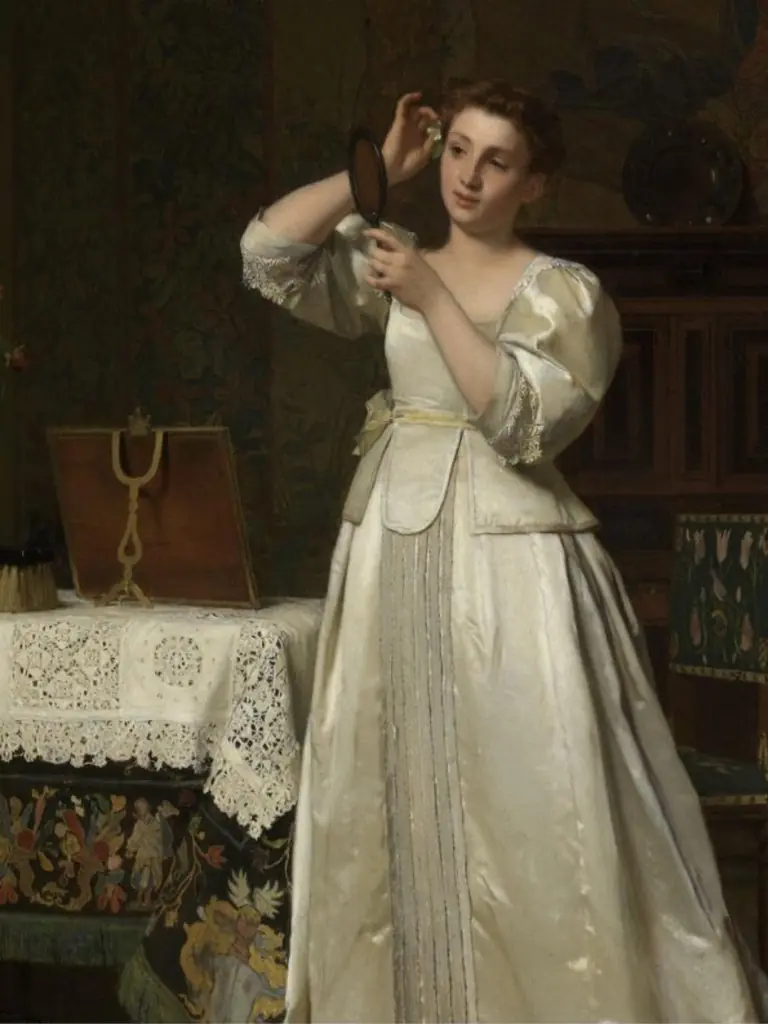 Vrouw met spiegel
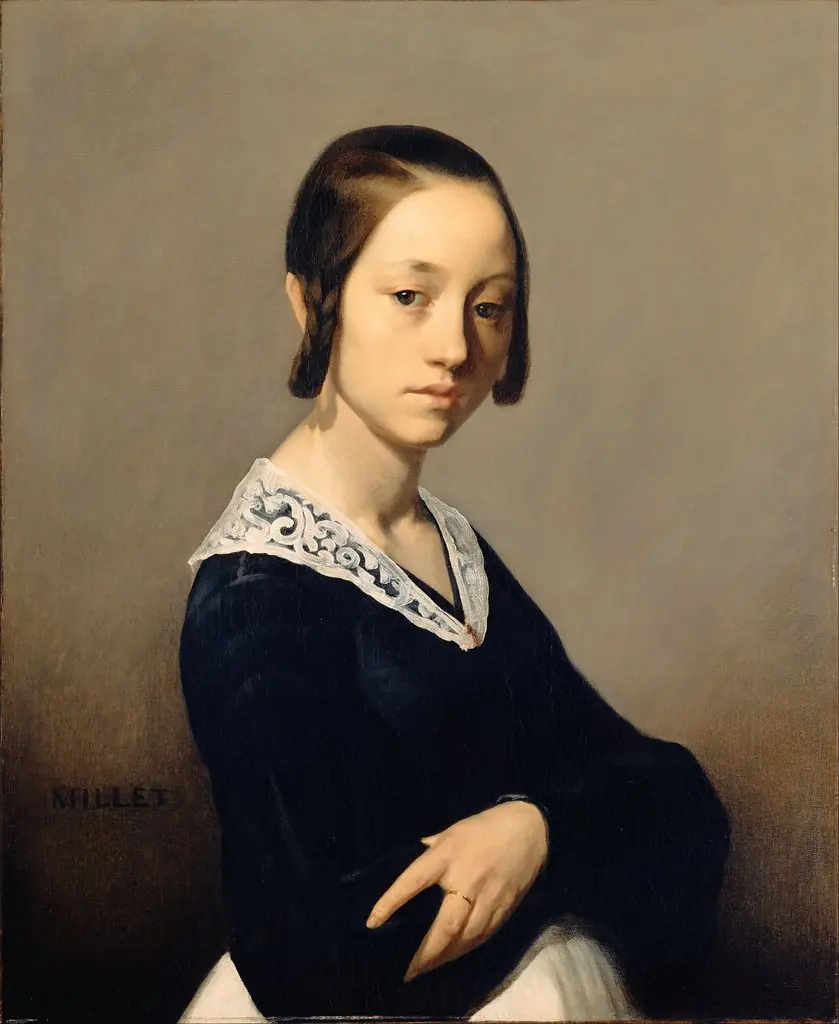 Portrait of Louise-Antoinette Feuardent
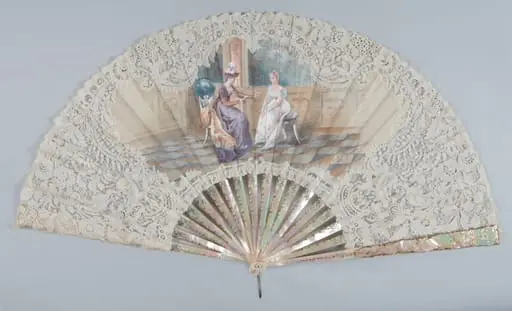 Eventail plié
 Portretul unei tinere
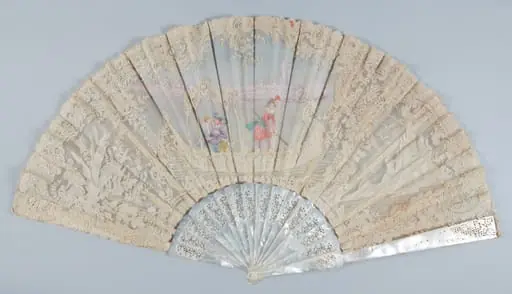 Eventail plié
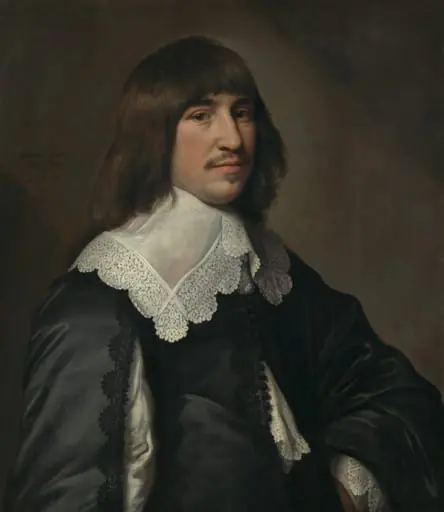 Portrait of Henrick Hooft
 Portretul unui peisagist (copie după Van Dyck)
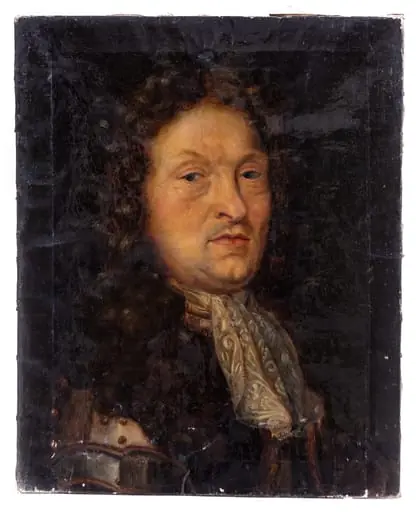 Nobil din sec. XVIII
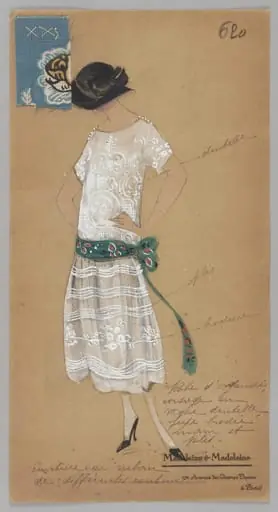 620
620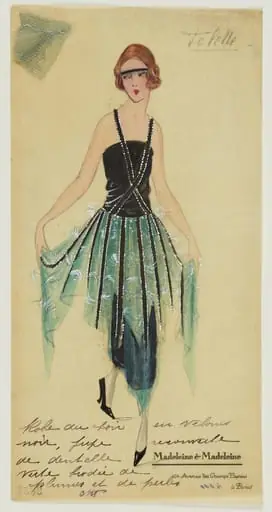 Folette
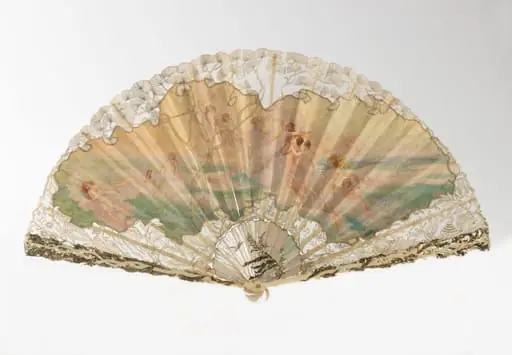 Eventail plié
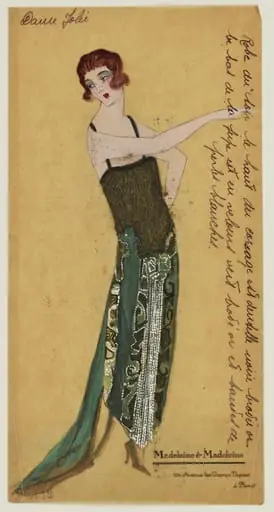 Dame Jolie
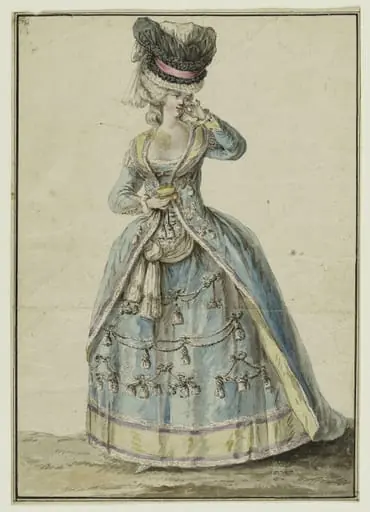 Habit en lévite enrichi de glands, d'épaulettes et de cordonets
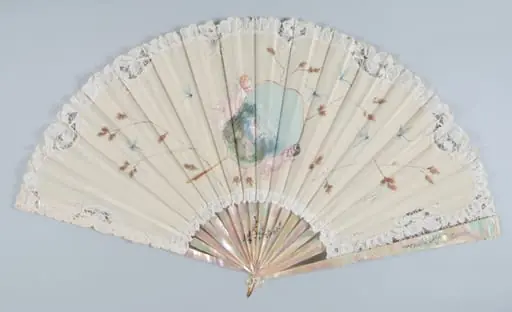 Eventail plié
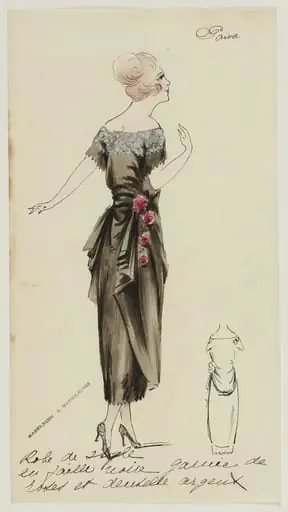 Païva
Païva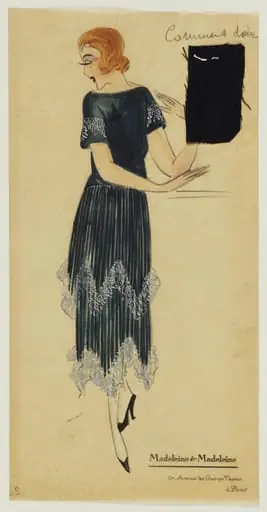 Comment donc
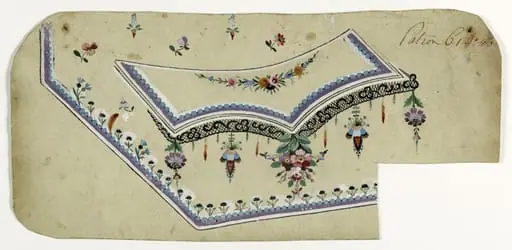 Gilet à la dentelle noire, projets de broderies de gilet, XVIIIème siècle
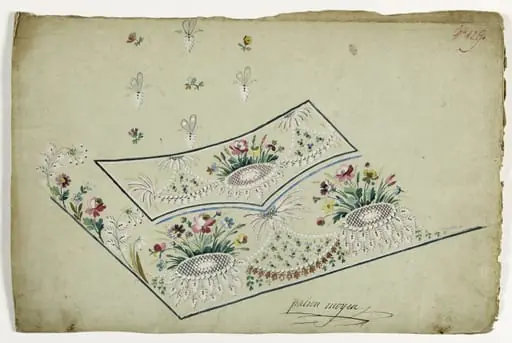 Gilet aux parterres de fleurs, projets de broderies de gilet, XVIIIème siècle
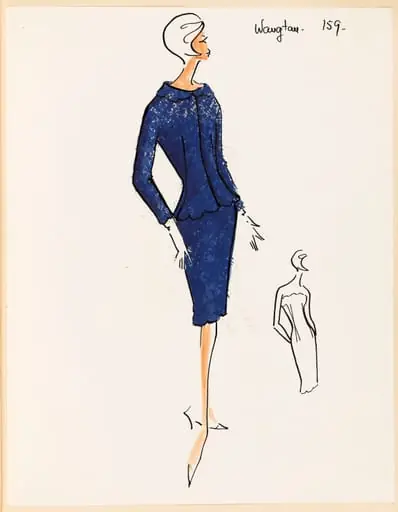 Wangtan
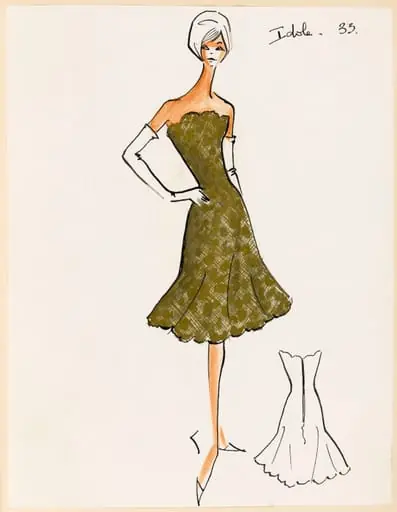 Idole
Idole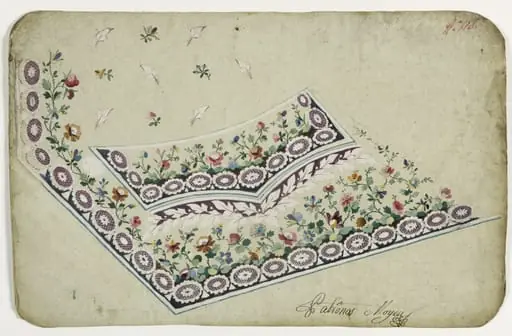 Gilet aux fleurs mauves, projets de broderies de gilet, XVIIIème siècle
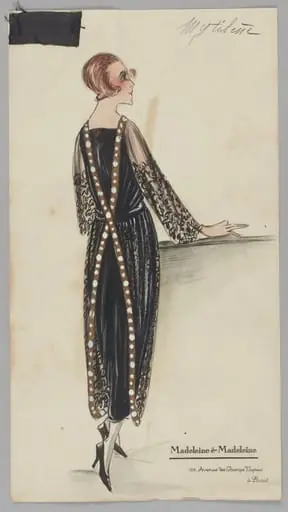 Mytilène
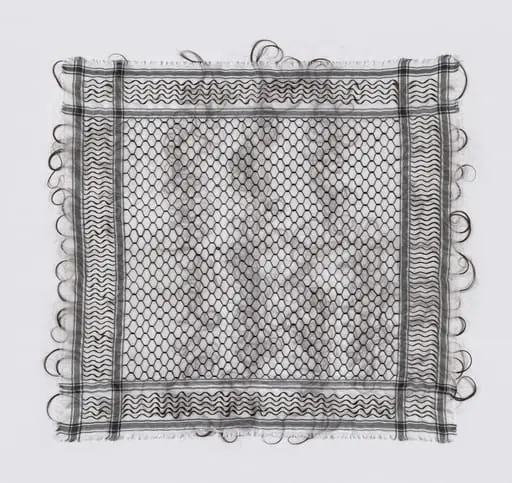 Untitled
 Maria Antoniu Catargi
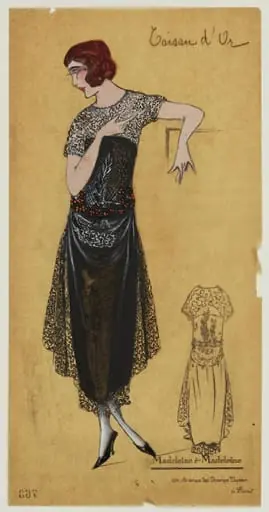 Toison d'Or
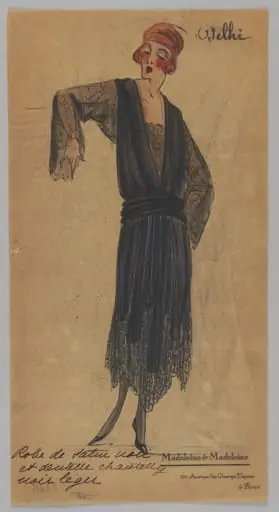 Delhi
Delhi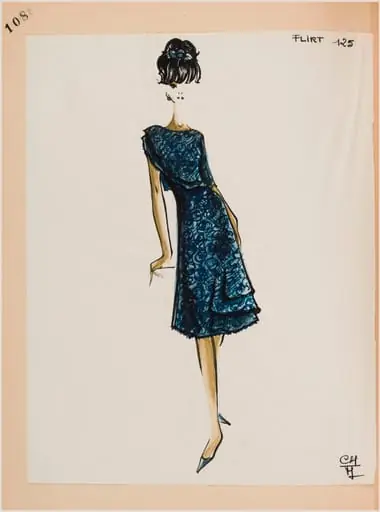 Flirt
Flirt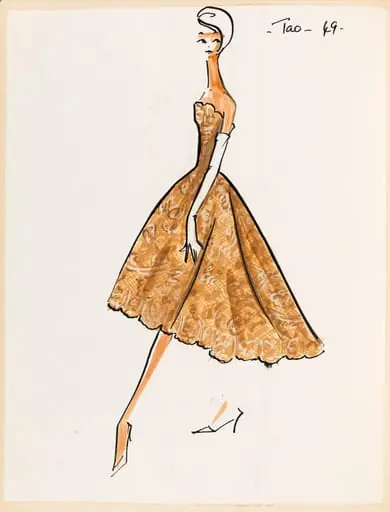 Tao
Tao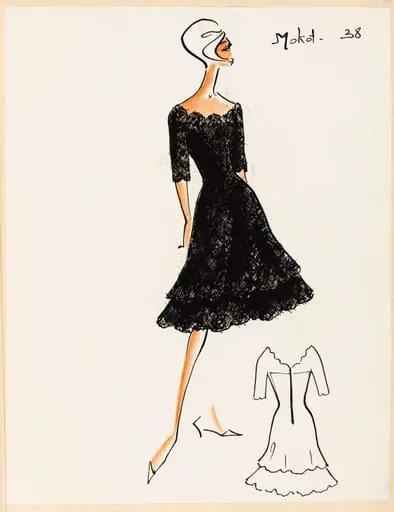 Mokot
Mokot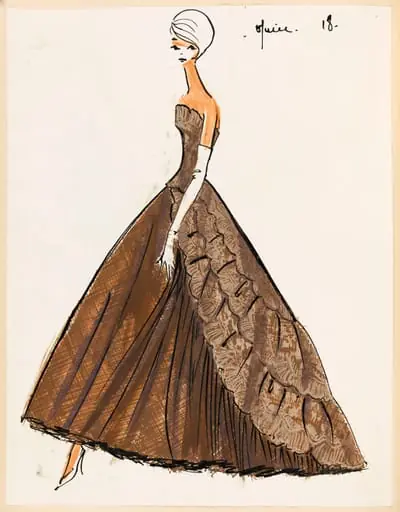 Murier
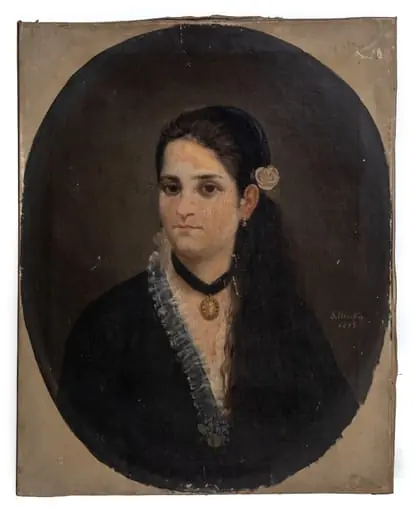 Portret de femeie
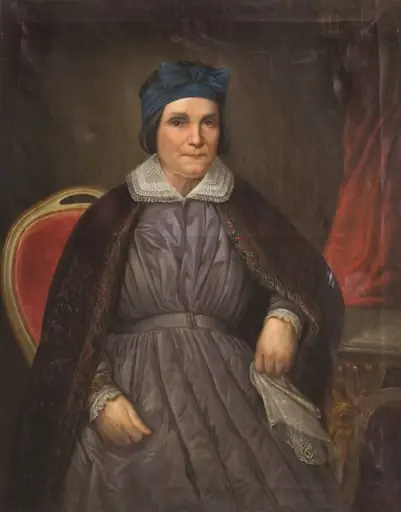 Portret de femeie
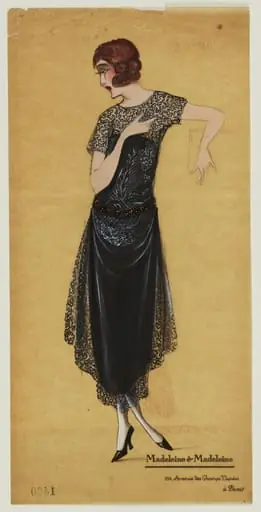 Toison
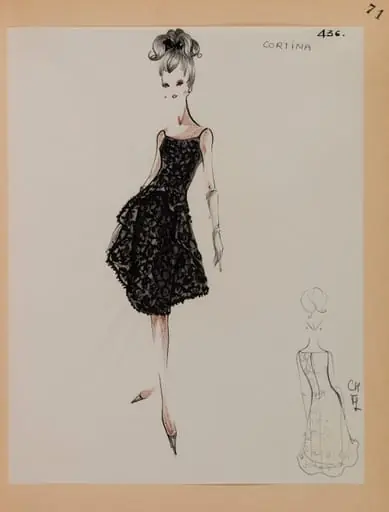 Cortina
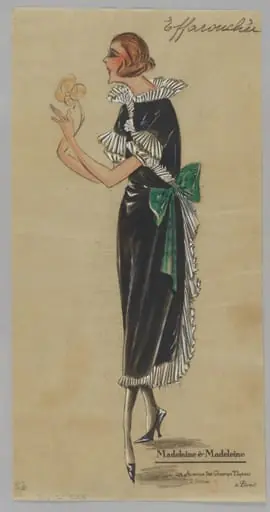 Effarouchée
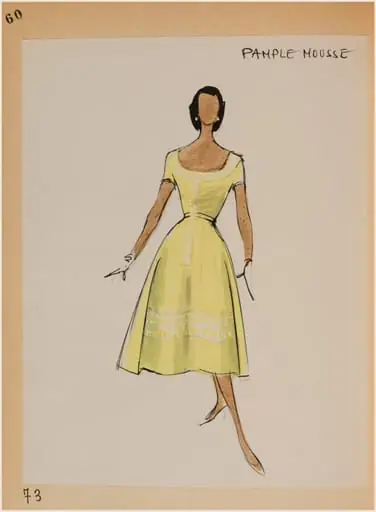 Pamplemousse
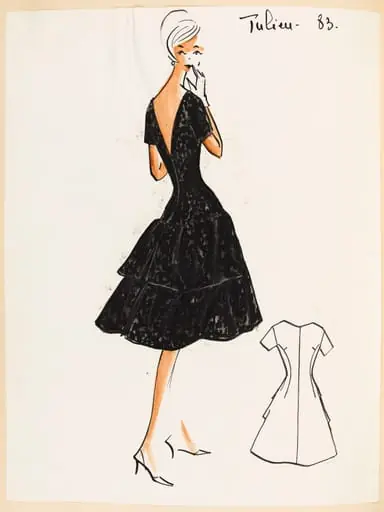 Tulien
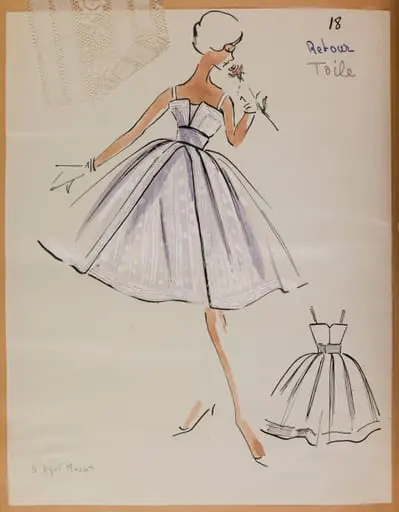 Robe blanche à fines bretelles rehaussée de bandes de dentelle blanche
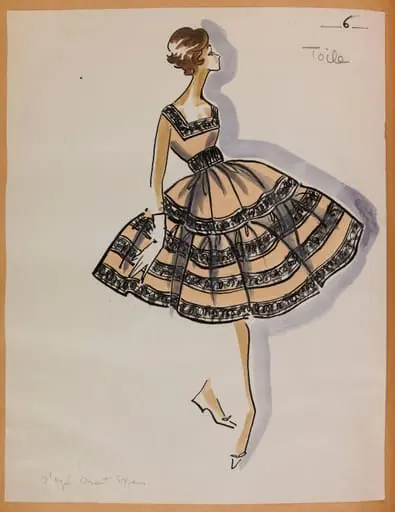 Robe pêche rehaussée de bandes de dentelle noire
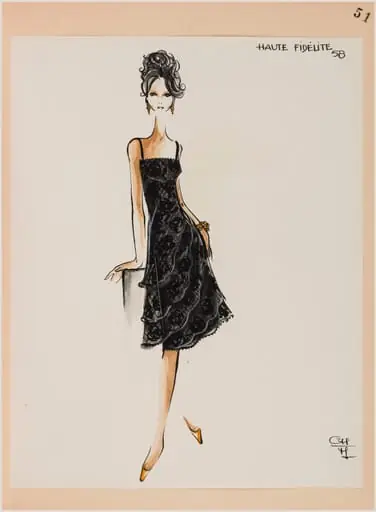 Haute fidélité
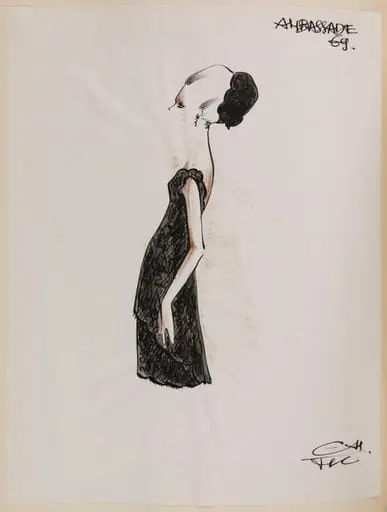 Ambassade
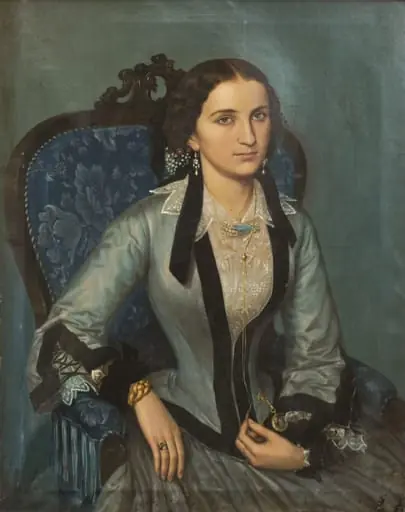 Portretul Alexandrinei Assan
Frequently asked questions
What is Lace?
Lace is a decorative openwork textile made without the use of pre-existing fabric.
How many Lace works does Artifact World Gallery have?
Artifact World Gallery holds 196 public-domain Lace works, all free to view and download.
Who are the key Lace artists?
Key Lace artists in the collection include Jean Honoré Fragonard, Francis William Edmonds and Ralph Earl.
Where can I see Lace works?
Lace works in the collection are held by Metropolitan Museum of Art, Palace of Versailles and Palais Galliera - Musée de la Mode de la Ville de Paris.