Artwork
Circus Horses
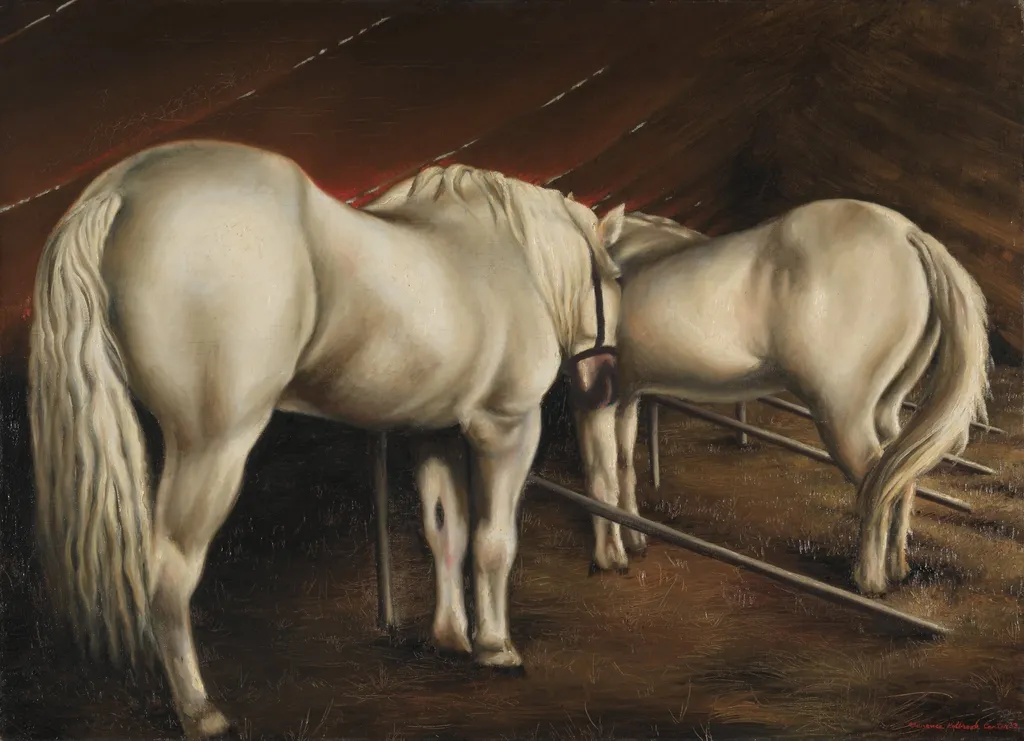
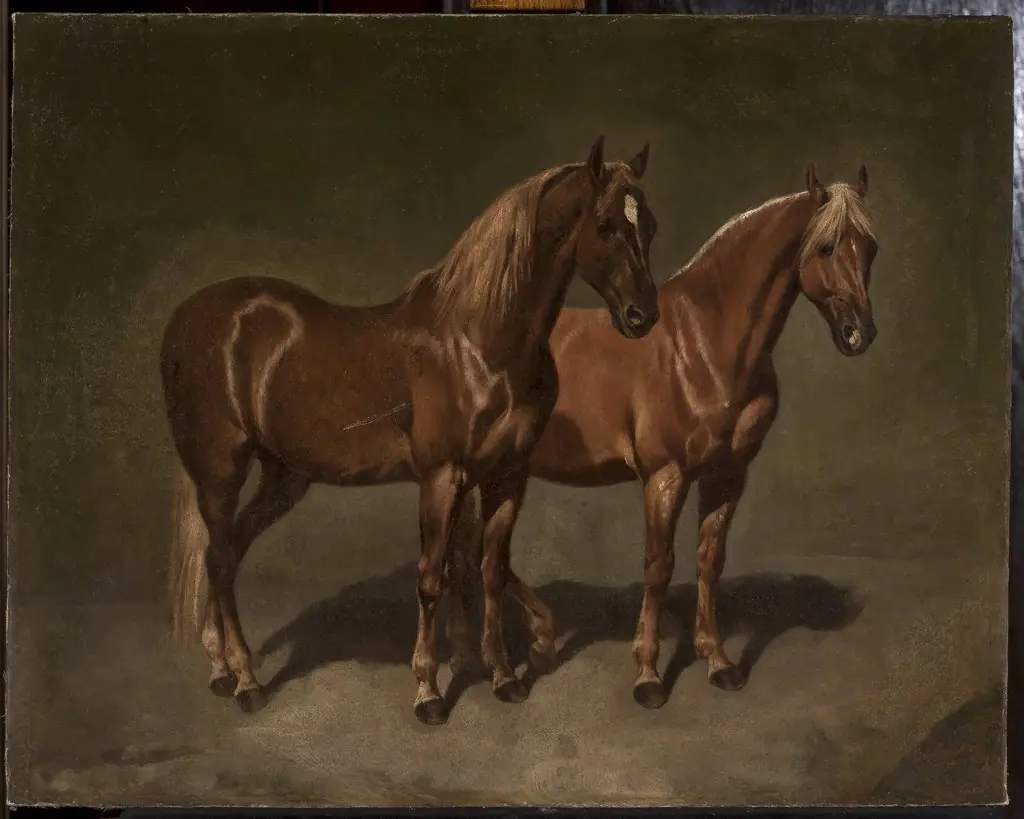
Circus Horses is an unspecified painting by the Regionalist artist Clarence Holbrook Carter. It dates from 1933 and is held in the collection of the Cleveland Museum of Art.
- Accession no.
- 1980.302
- Credit line
- Gift of Lillian M. Kern
About this work
Overview
Painted in 1933 by Clarence Holbrook Carter, Circus Horses is a quiet, contemplative depiction of two horses standing in a dim interior.
Painted in 1933 by Clarence Holbrook Carter, Circus Horses is a quiet, contemplative depiction of two horses standing in a dim interior. The work is part of the permanent collection at The Cleveland Museum of Art. Unlike typical circus imagery, it omits performers and spectacle, focusing instead on stillness and form. The horses face away from the viewer, creating a sense of isolation and introspection.
Subject & Meaning
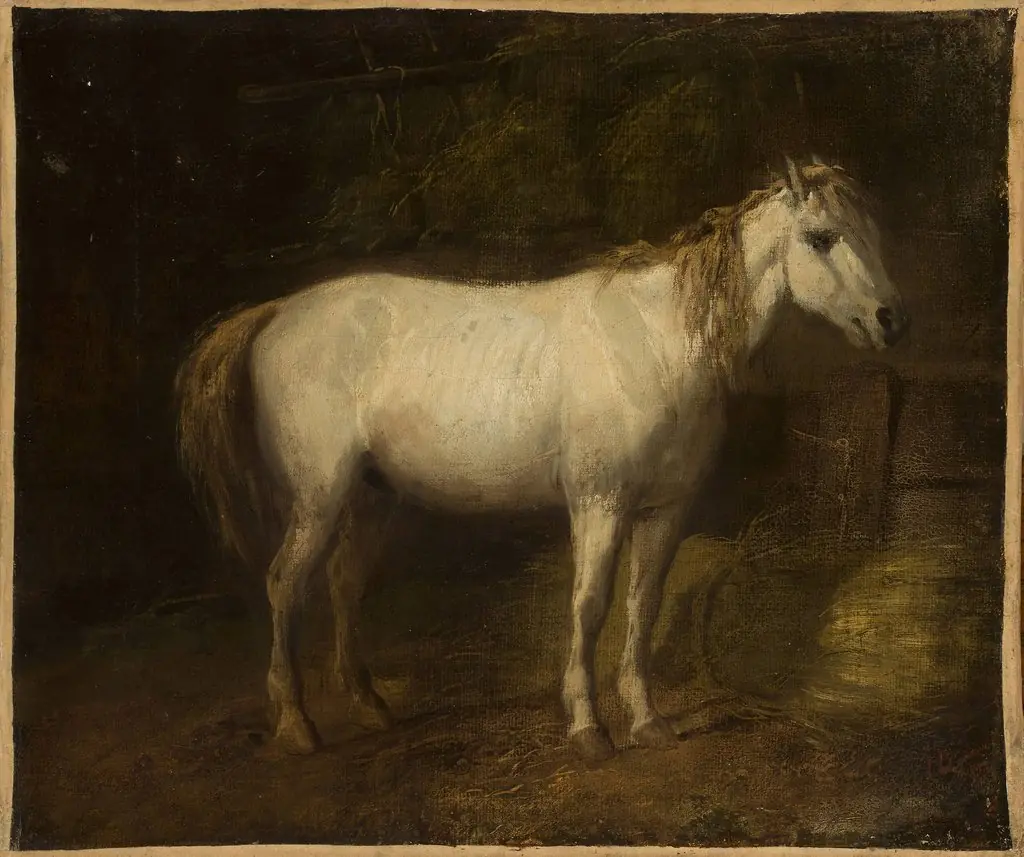
The two white horses, positioned side by side with a metal bar between them, suggest confinement or preparation rather than performance. Their turned backs invite quiet observation, shifting focus from spectacle to presence. A faint red mark on one leg hints at injury or restraint, subtly introducing tension. The absence of human figures amplifies their solitude, evoking themes of labor, silence, and unseen endurance.
Technique & Style
Carter employs chiaroscuro to model the horses’ forms with sharp contrasts between light and shadow, lending them a sculptural solidity. The rough, dark floor and minimal background isolate the animals, enhancing their three-dimensionality. Brushwork is precise yet restrained, avoiding ornamentation.
The rendering of their tails and musculature suggests careful study, while the muted palette reinforces the somber, intimate mood.
History & Provenance
Created during the early 1930s, the painting entered The Cleveland Museum of Art’s collection shortly after its completion. It reflects Carter’s interest in American realism during a period when regional subjects gained attention. There is no record of public exhibition prior to its acquisition, suggesting it was initially a personal or studio work. Its preservation in a major institution underscores its quiet significance in Carter’s oeuvre.
Context
Painted during the Great Depression, Circus Horses diverges from the era’s dominant social realism by avoiding overt political or economic narratives. Instead, it reflects a broader cultural fascination with the margins of American life, animals behind the scenes, unseen labor. Carter’s approach aligns with contemporaries who found poetry in ordinary or overlooked moments, offering a subdued counterpoint to the era’s louder artistic statements.
Legacy
Though not widely reproduced, Circus Horses remains a key example of Carter’s ability to infuse mundane subjects with emotional weight. Its restrained composition and mastery of light influenced later realist painters interested in psychological depth over narrative drama. The work continues to be studied for its quiet power and its departure from circus genre conventions, affirming its place in 20th-century American art as a meditation on stillness.
Artist & collection
Artist
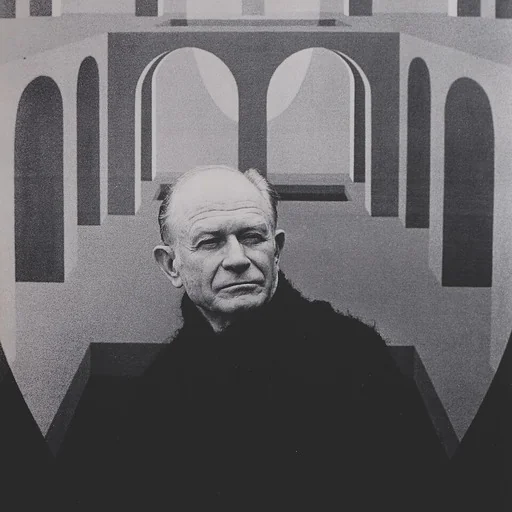
Clarence Holbrook Carter, known to friends as "Cartie," was an American artist who worked primarily in oil and watercolor. He is considered one of Cleveland’s most renowned painters.