Movement
American Realism
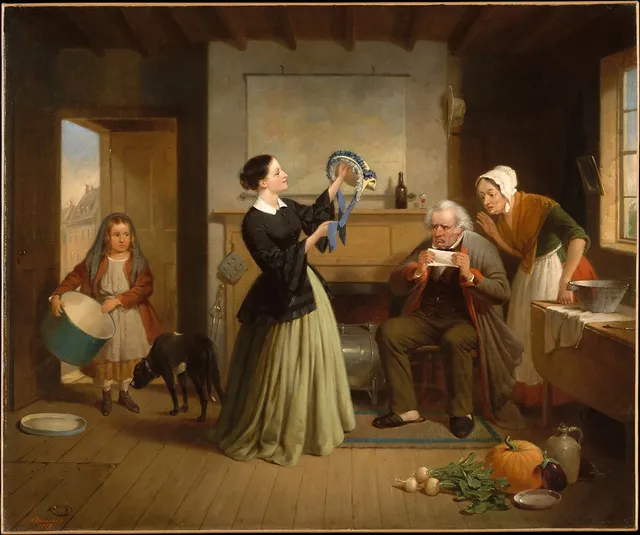
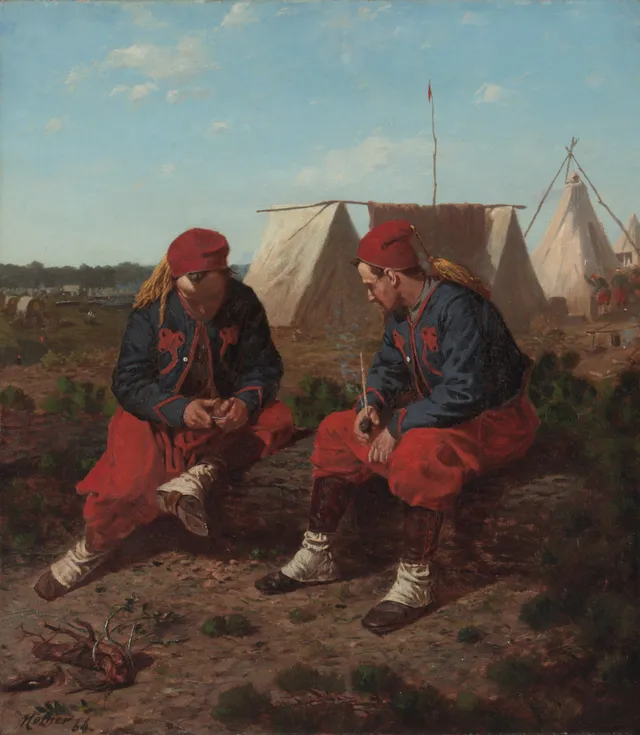
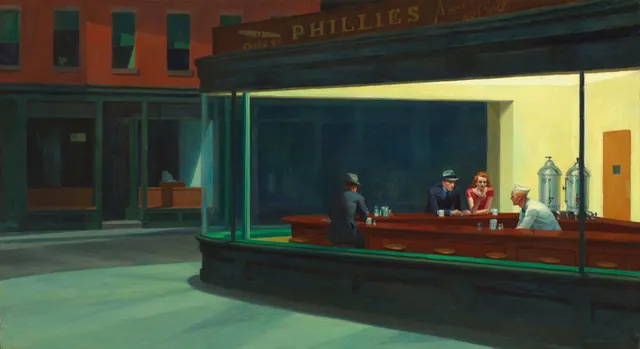
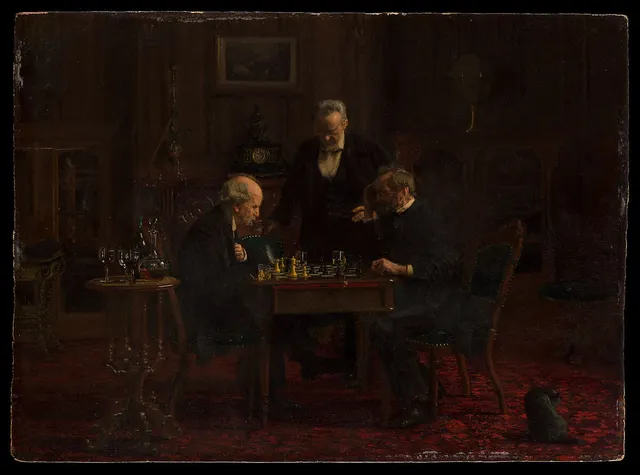
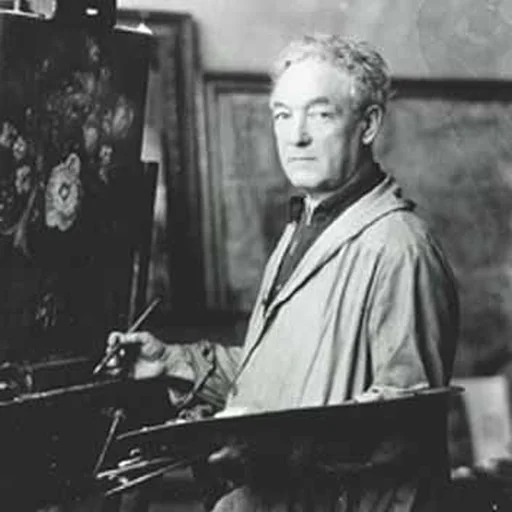
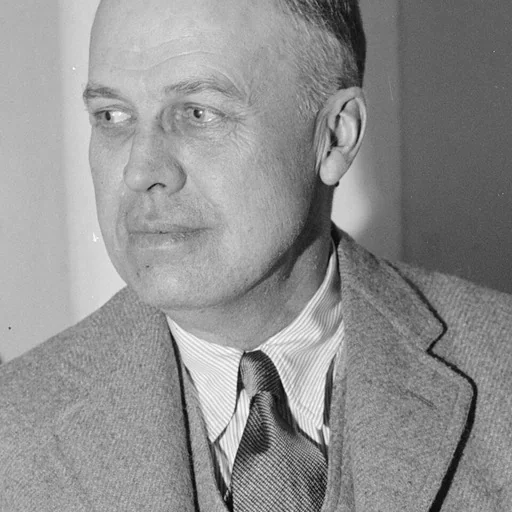
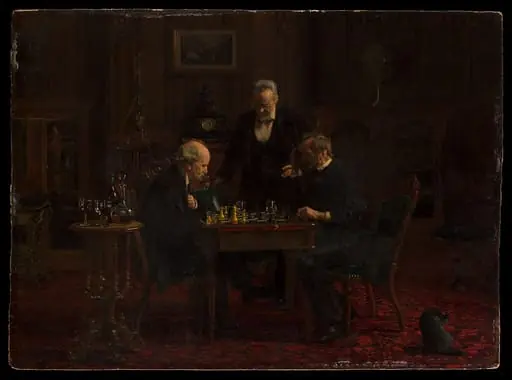
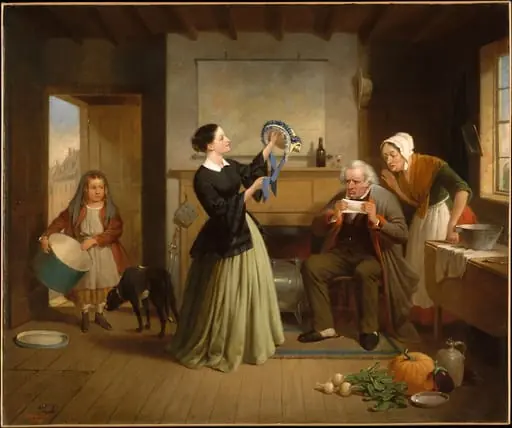
American Realism is an art movement of the 1930–1960 period. The gallery holds 8 works in this movement, including works by George Bellows, Cecilia Beaux and William James Glackens. Browse American Realism paintings, portraits, pictures and artworks from the world's public-domain museum collections.
American Realism names the broad current in American art, literature, and music that turned away from idealized, romantic subjects to depict contemporary social conditions and the everyday lives of ordinary people. In painting it took root in the second half of the nineteenth century as a reaction against the sublime landscapes of the Hudson River School and the genteel conventions of academic art, gathering force amid the upheavals of the Civil War, rapid industrialization, and the swelling of American cities. Its practitioners shared a conviction that the unvarnished facts of modern life—labor, sport, the street, the sickroom—were worthy and serious subjects.
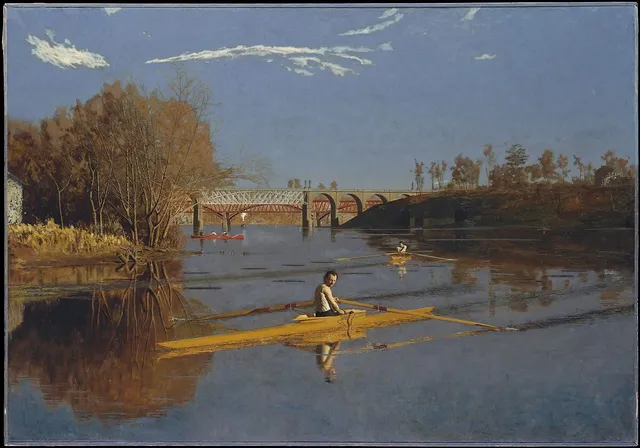
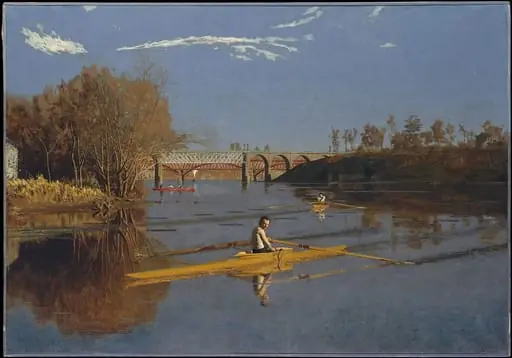
Visually the movement prized direct observation over invention. Realist painters favored a sober, often dark tonal palette, vigorous brushwork, and unsentimental compositions grounded in careful study of anatomy, light, and place. Thomas Eakins (1844–1916) embodied this rigor: his "Max Schmitt in a Single Scull" (also called "The Champion Single Sculls," 1871) renders a Philadelphia oarsman on the Schuylkill with near-scientific precision, while the unflinching "The Gross Clinic" (1875) places a blood-flecked surgeon before his students. Winslow Homer (1836–1910), largely self-taught and trained as a commercial illustrator, brought the same plainspoken truth to scenes of the sea, war, and rural life.
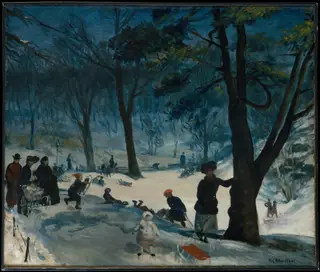
Around 1900 a second, urban wave emerged. Led by Robert Henri and his credo of "art for life's sake," the Ashcan School recorded working-class New York—tenements, saloons, boxing rings—with journalistic candor. Henri's circle exhibited as "The Eight" at the Macbeth Gallery in 1908; its members included John Sloan, George Luks, Everett Shinn, and William Glackens. George Bellows, Henri's pupil, distilled the style in raw prizefight canvases such as "Stag at Sharkey's" (1909).
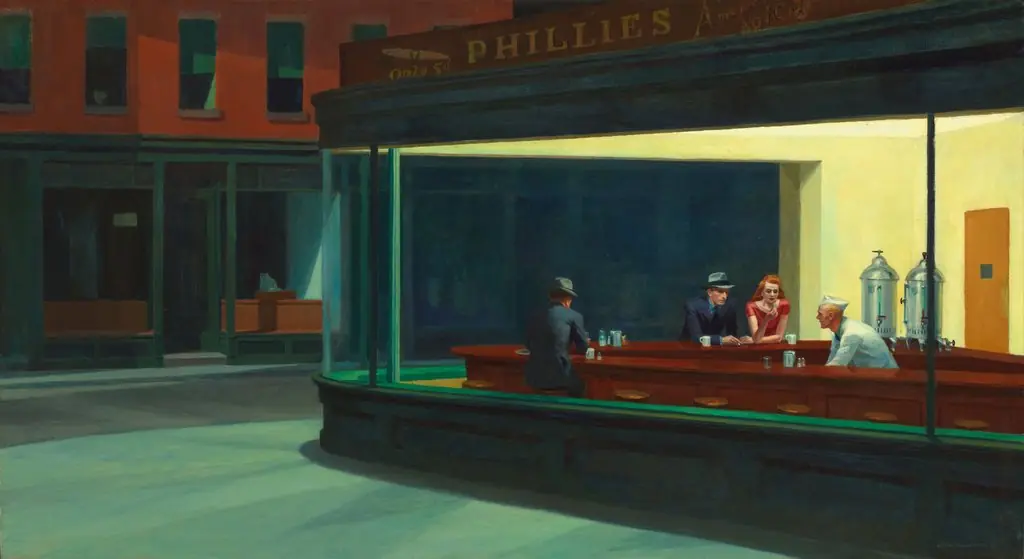
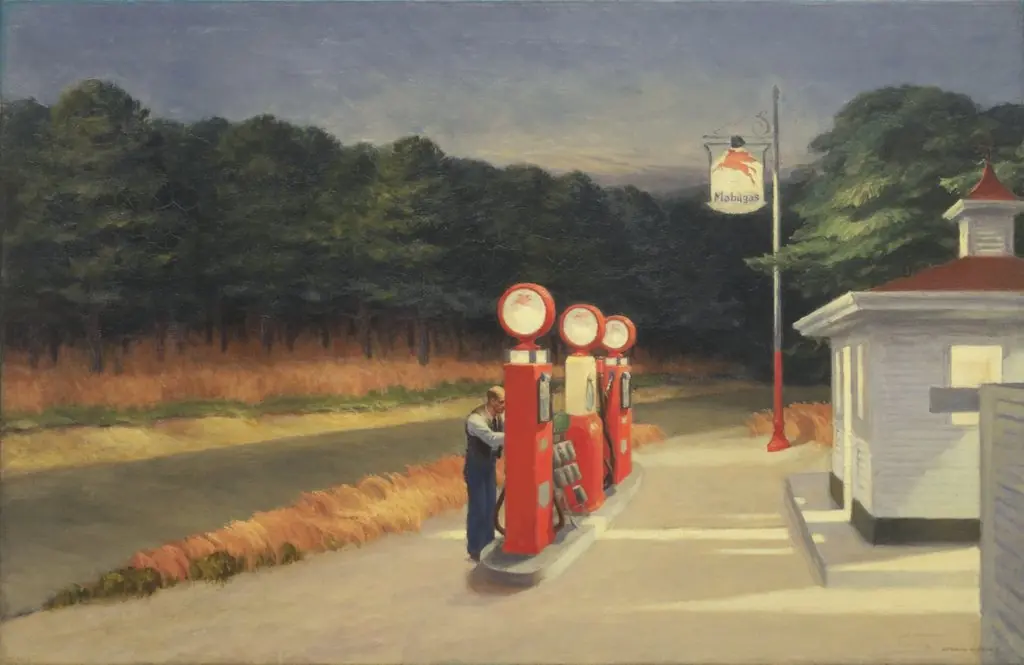
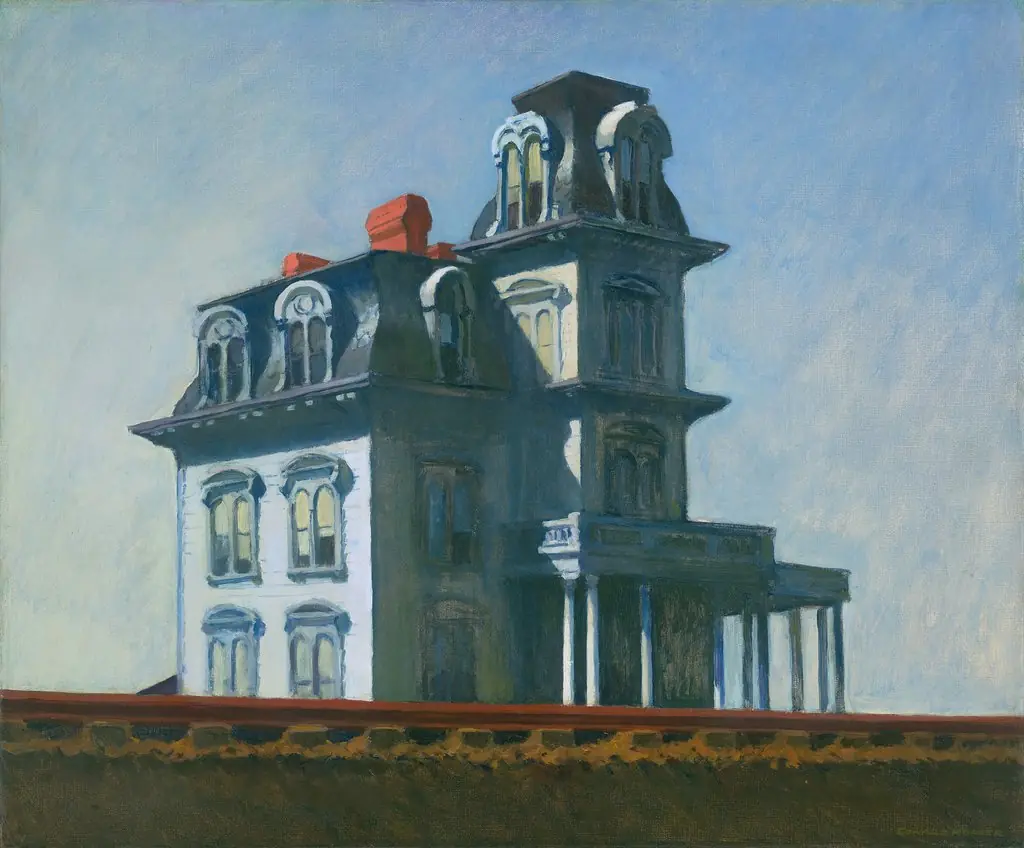
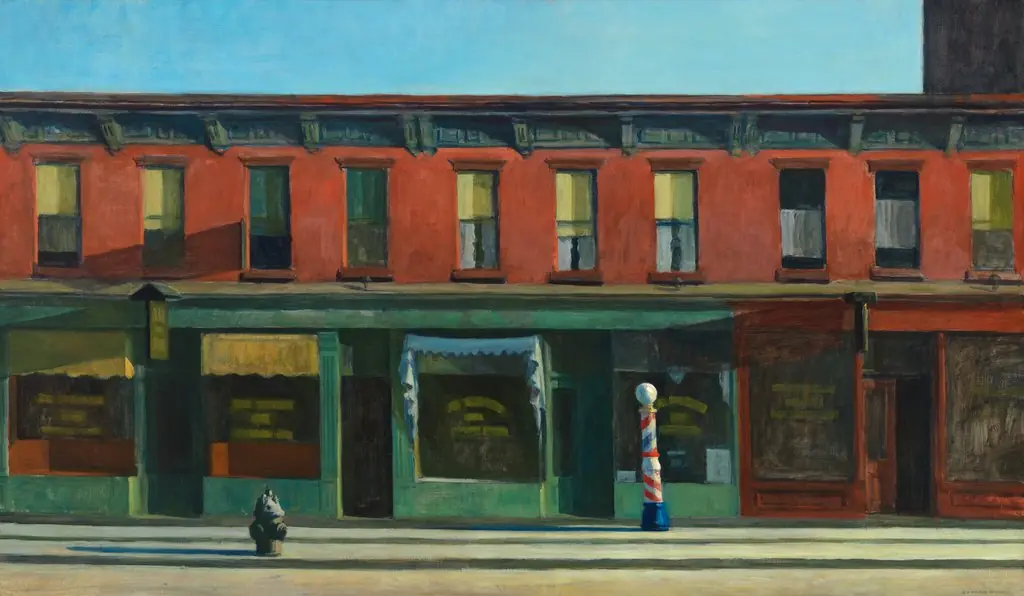
The realist temper persisted well into the twentieth century. Edward Hopper, who studied under Henri, transformed it into a poetry of solitude and silence, as in "Nighthawks" (1942) and "Gas," where ordinary American settings become charged with isolation. American Realism thus links the genre and portrait traditions of Eakins and Homer to the urban grit of the Ashcan painters and on to Hopper's mid-century vision, standing in deliberate contrast to the prettier surfaces of American Impressionism and the abstraction that would follow.
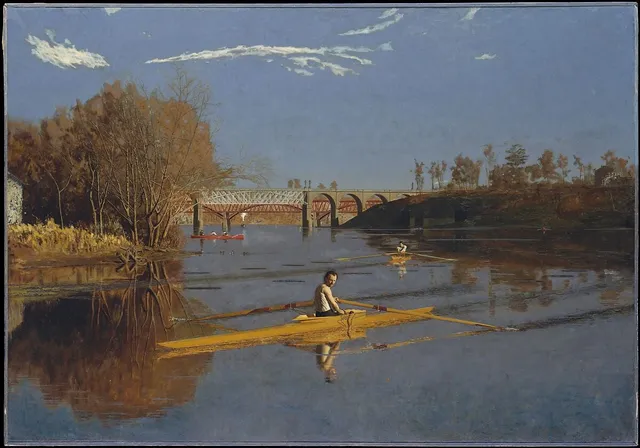
Key artists
Works
Groups & collectives
Frequently asked questions
What is American Realism?
American Realism is an art movement. A broad tendency in American art from the late 19th through mid-20th centuries that depicted contemporary life — factories, tenements, farmlands, and ordinary people — with documentary clarity.
How many American Realism works does Artifact World Gallery have?
Artifact World Gallery holds 8 public-domain American Realism works, all free to view and download.
Who are the key American Realism artists?
Key American Realism artists in the collection include George Bellows, Cecilia Beaux and William James Glackens.
When did American Realism take place?
American Realism dates from 1930–1960.
Where can I see American Realism works?
American Realism works in the collection are held by Metropolitan Museum of Art, Museum of Modern Art and Cleveland Museum of Art.