Artwork
The Lamentation of Christ
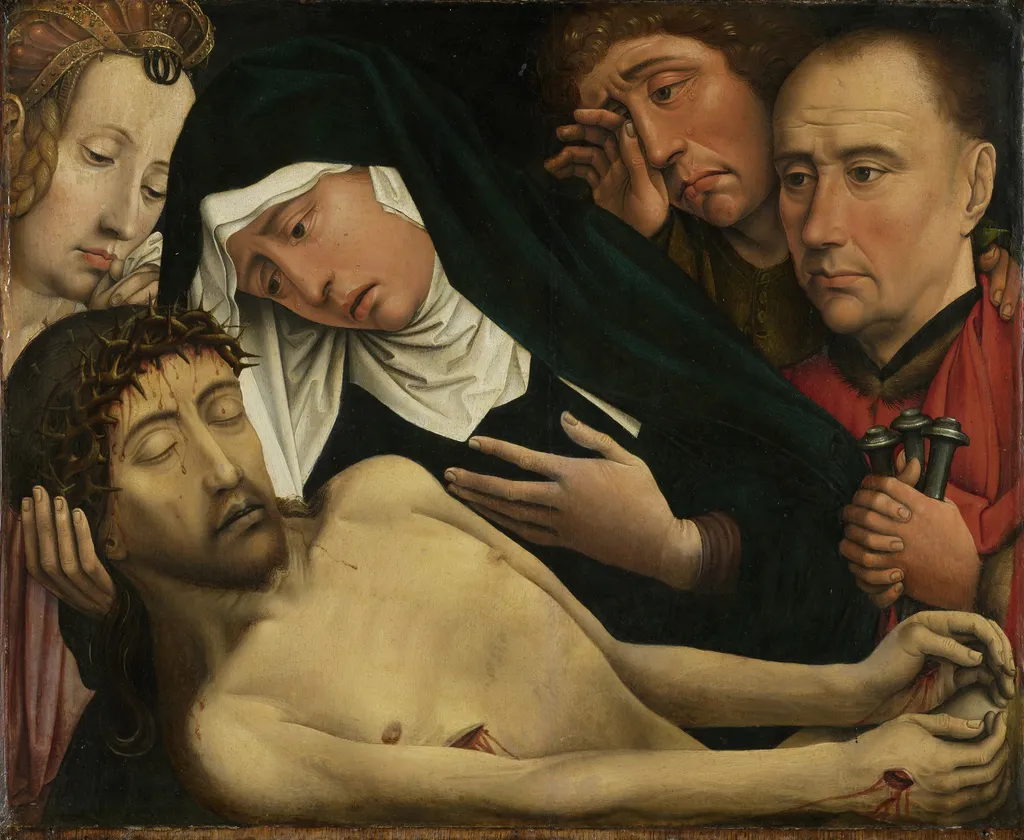
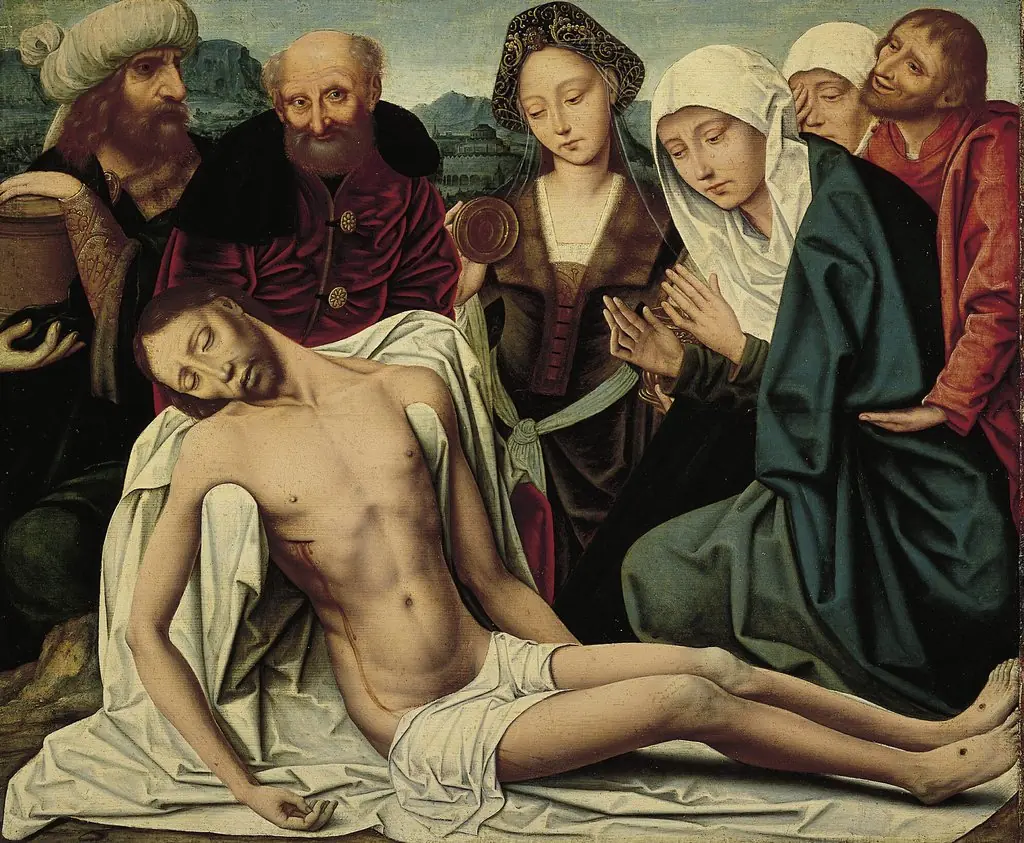
The Lamentation of Christ is an oil painting by the Northern Renaissance artist Colijn de Coter. It dates from 1510 and is held in the collection of the Rijksmuseum.
About this work
Subject & Meaning
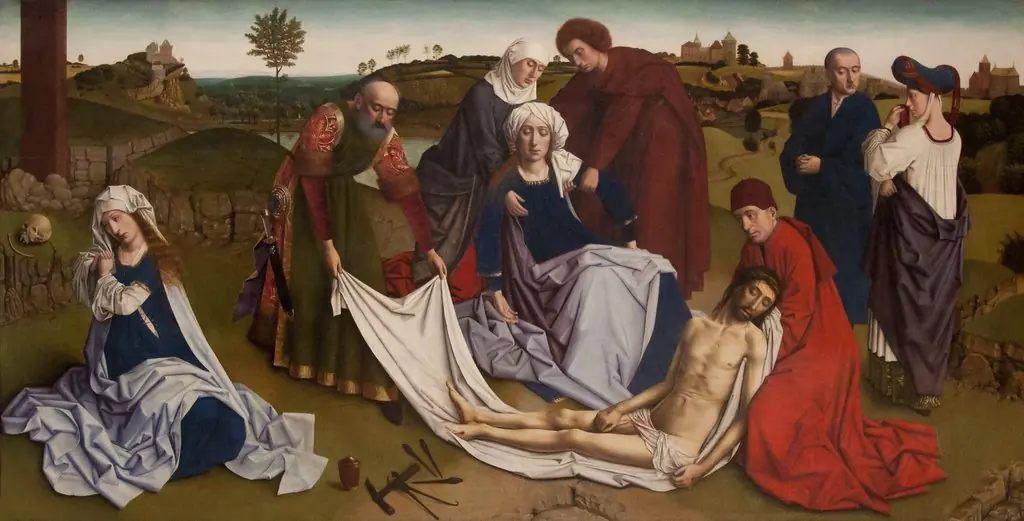
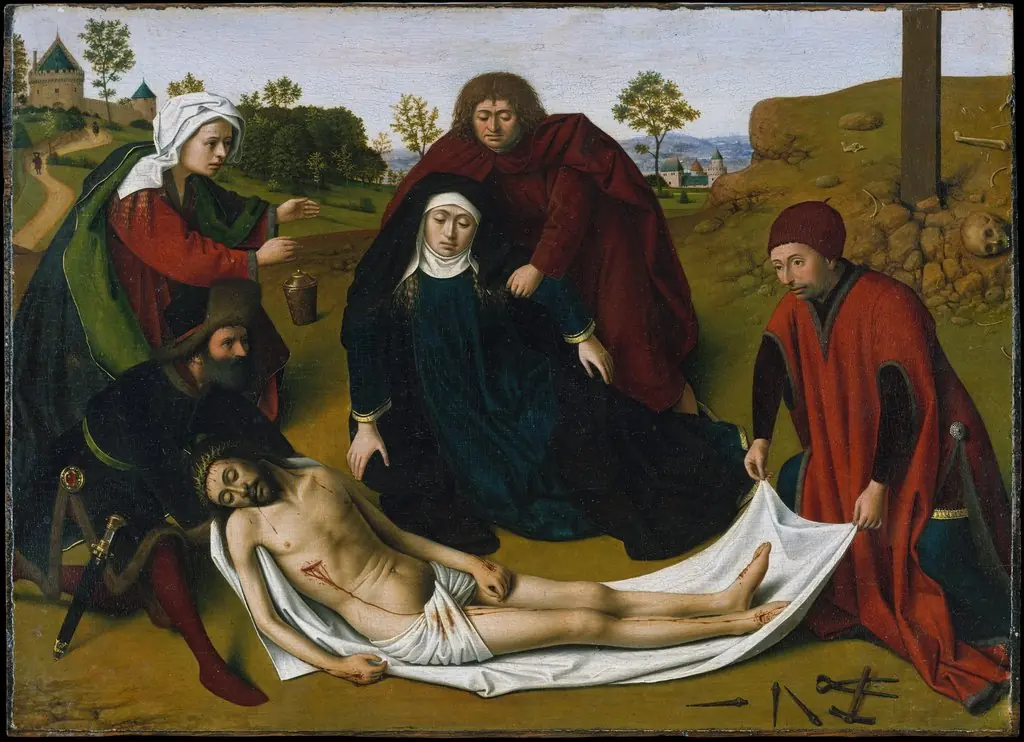
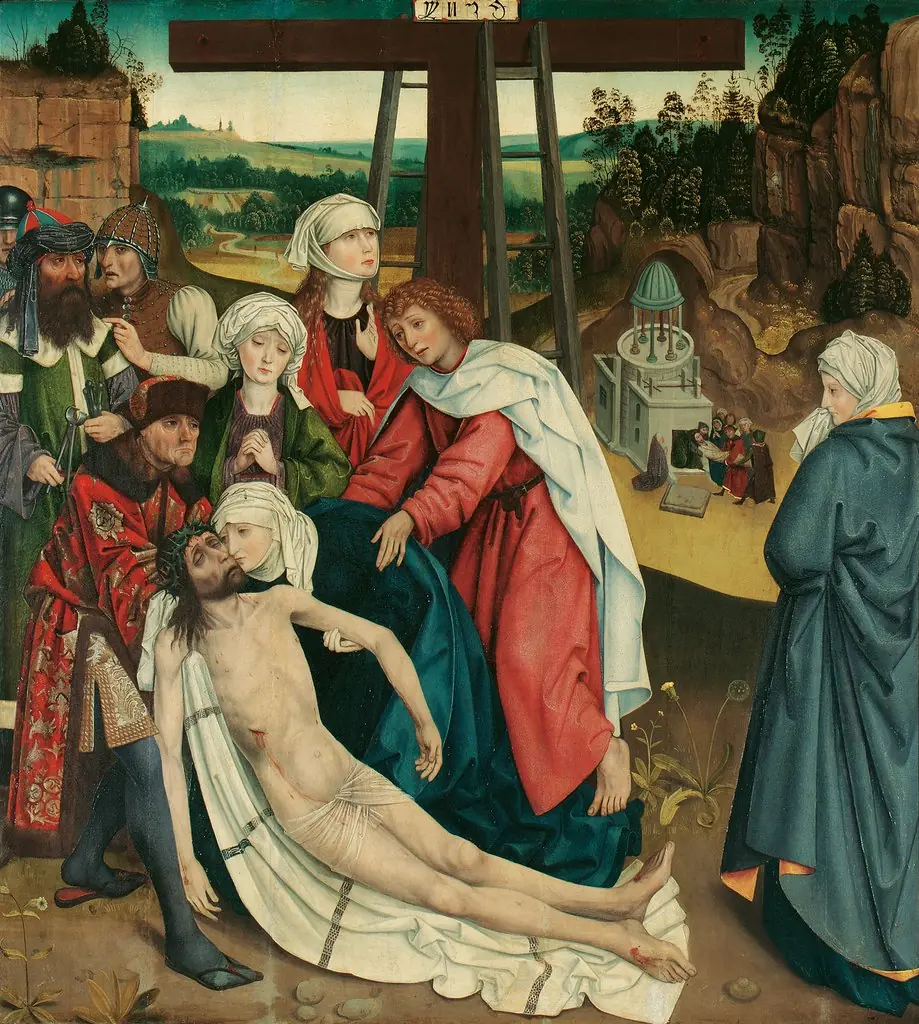
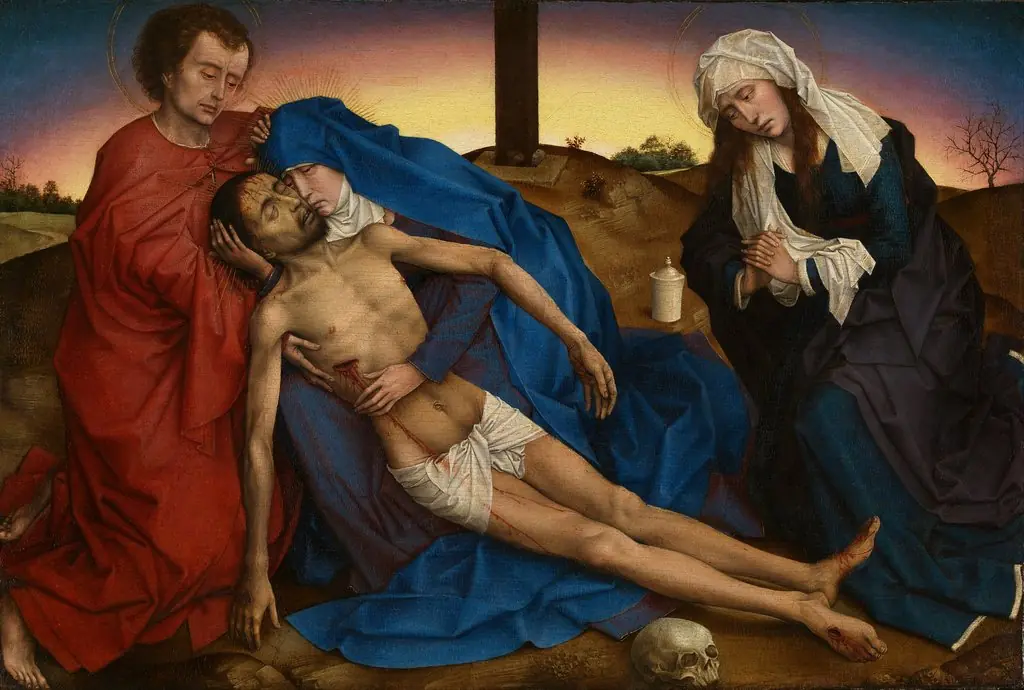
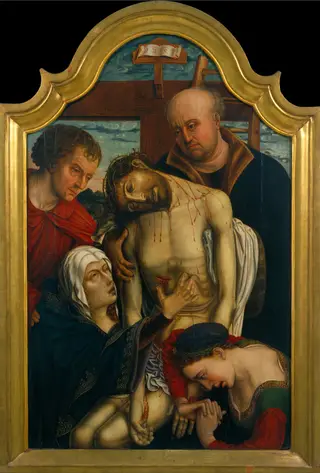
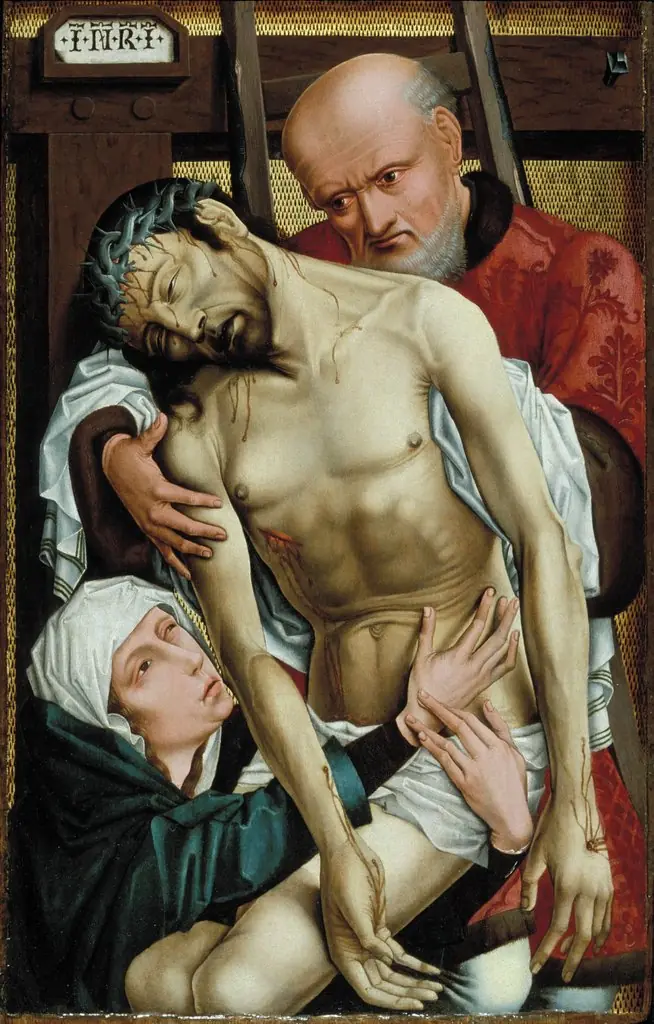
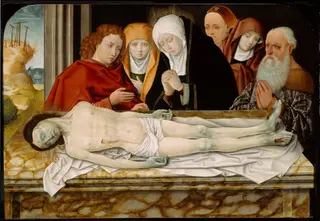
The work depicts the Lamentation of Christ, the moment after Christ’s body is lowered from the cross when his followers mourn his death.
The work depicts the Lamentation of Christ, the moment after Christ’s body is lowered from the cross when his followers mourn his death. The scene typically centers on the Virgin Mary cradling Jesus’s lifeless body, surrounded by apostles and holy women. In this rendering, the composition emphasizes sorrow and reverence, with figures gathered closely around the deceased, their gestures conveying grief and contemplation.
Symbolically, the scene underscores themes of sacrifice, redemption, and the human cost of salvation. The use of subdued tones and intimate grouping directs attention to the central figures, reinforcing the emotional weight of the moment. The inclusion of traditional elements such as the Virgin’s sorrowful expression and the placement of Christ’s body evokes familiar iconographic conventions meant to evoke empathy and reflection on Christ’s Passion.
Technique & Style
Created in 1510 by Colijn de Coter in Brussels, The Lamentation of Christ is executed in oil paint on a panel support. The work measures 35.5 cm in height and 42.9 cm in width. As a religious painting depicting the Lamentation of Christ, it exemplifies the formal qualities associated with early 16th-century Netherlandish art. The medium and scale suggest an intimate devotional object intended for private or small-scale communal contemplation.
History & Provenance
The Lamentation of Christ is an oil painting on panel created by the artist Colijn de Coter. The work was produced in Brussels and is dated to the year 1510. It entered the collection of the Rijksmuseum in Amsterdam, where it is held as part of the institution's holdings of religious art. The painting depicts the biblical scene of the Lamentation of Christ.
Legacy
The Lamentation of Christ by Colijn de Coter, painted in 1510, influenced later religious art through its emotive composition and use of oil on panel, techniques that resonated with Dutch Golden Age artists. Its presence in the Rijksmuseum collection has ensured ongoing scholarly attention to its stylistic innovations and devotional impact.
The work's reputation grew following its acquisition by the Rijksmuseum, where it is displayed as a key example of early Netherlandish painting. Art historians cite its expressive figures and spatial depth as formative influences on subsequent depictions of Christ's crucifixion and mourning scenes.
Overview
Colijn de Coter’s The Lamentation of Christ is an oil painting executed in 1510. The work belongs to the Northern Renaissance and is presently part of the Rijksmuseum’s collection. It presents a mournful tableau of the dead Christ surrounded by his followers, rendered in a subdued palette that emphasizes the solemnity of the moment.
Own this work as a print
Artist & collection
Artist
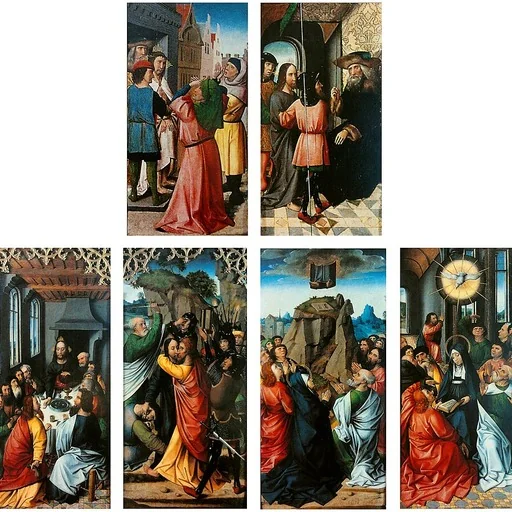
Colijn de Coter (c. 1440–1445 – c. 1522–1532) was an early Netherlandish painter who produced mainly altarpieces. He worked primarily in Brussels and Antwerp. His name was sometimes given as Colijn van Brusele (Colijn…