Artwork
Portrait of Johan Gerritsz van Schoterbosch (c. 1564-1654)
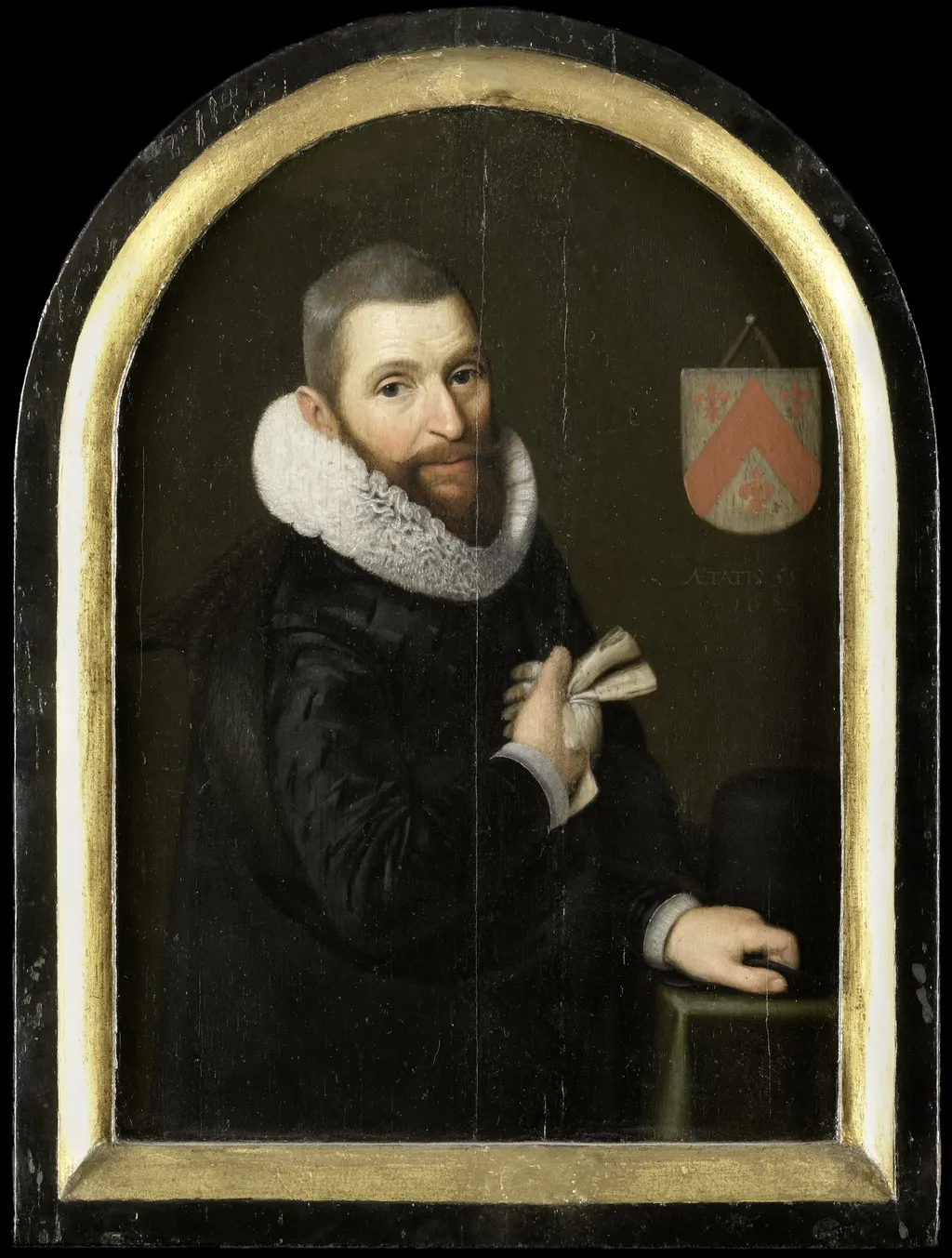
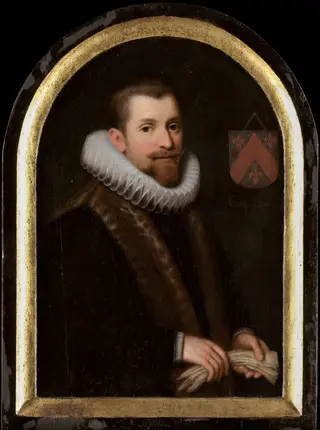
Portrait of Johan Gerritsz van Schoterbosch (c. 1564-1654) is an oil painting by the Dutch Golden Age artist Cornelis Engelsz.. It dates from 1620 and is held in the collection of the Rijksmuseum.
About this work
The painting is a great example of the work of Cornelis Engelsz, who was known for his portraits of wealthy merchants and nobles.
The painting is a portrait of a man with a beard and mustache, dressed in a black coat with a white collar. He is seated in a chair, holding a piece of paper in his right hand. The background is dark, with a small shield-like object hanging on the wall behind him.
The man's attire and the style of the painting suggest that it is from the 17th century. The use of chiaroscuro, a technique that uses strong contrasts between light and dark, adds depth and volume to the image.
The painting is a great example of the work of Cornelis Engelsz, who was known for his portraits of wealthy merchants and nobles. If you're interested in learning more about his style and technique, you can look up Cornelis Engelsz.
Subject & Meaning
The work depicts a man identified as Johan Gerritsz van Schoterbosch, a member of the St. Adrian Militia Company. Created in 1620 by Cornelis Engelsz., the portrait functions as a formal representation of the sitter's status within this civic guard. The subject's inclusion is directly linked to his participation in the larger group scene known as The Banquet of the Officers of the St. Adrian Militia Company in 1618.
As a standalone portrait derived from this group composition, the painting serves to isolate and honor the individual officer's role and identity within the militia's hierarchy.
Technique & Style
Cornelis Engelsz. executed the Portrait of Johan Gerritsz van Schoterbosch in 1620 using oil paint applied to a panel support. The work measures 39 cm in height and 29 cm in width, presenting a portrait of a man. Stylistically, the painting is connected to the artist's earlier group composition, The Banquet of the Officers of the St. Adrian Militia Company in 1618, suggesting a continuity in his approach to portraiture during this period. The piece remains part of the Rijksmuseum collection.
History & Provenance
The painting Portrait of Johan Gerritsz van Schoterbosch, created in 1620 by Cornelis Engelsz., measures 39 cm in height and 29 cm in width. It depicts a man and was originally painted for the St. Adrian Militia Company, reflecting the group's activities such as The Banquet of the Officers of the St. Adrian Militia Company in 1618. The work entered the Rijksmuseum collection and has remained part of its holdings, establishing a continuous ownership chain since its creation.
The portrait is held by the Rijksmuseum, which lists the work within its collection and identifies its location as the Rijksmuseum itself. Painted by Cornelis Engelsz. in 1620, the oil-on-panel work entered the museum's holdings as part of that collection.
No exhibition history for the painting is documented in the available sources.
Legacy
The work's legacy is anchored in its representation within the Rijksmuseum collection and its role as a portrait by a leading Dutch Golden Age painter. Its inclusion in the museum's holdings, documented since its acquisition, underscores its significance as an example of 17th-century portraiture. The painting's stylistic influence can be traced to its depiction of militia officers, a genre that shaped group portraiture in the Netherlands.
The attribution to Cornelis Engelsz. and its creation in 1620 are well established, placing it within the artistic milieu of the period. Its presence in the Rijksmuseum's collection, confirmed by catalog records, has contributed to scholarly discussions of portraiture and civic identity in the Dutch Republic.
The work's influence is further reflected in its documentation as part of the museum's permanent collection, ensuring continued study of its composition and historical context.
Overview
Cornelis Engelsz.’s oil portrait, dated 1620, presents Johan Gerritsz van Schoterbosch (c.1564‑1654). The work is part of the Rijksmuseum’s collection and exemplifies early‑17th‑century Dutch portraiture, focusing on a single seated figure rendered with careful attention to material detail.
Context
The work belongs to a period when Dutch portraiture emphasized realism and individual identity, often portraying merchants and professionals in sober attire. Engelsz.’s approach mirrors contemporary trends that favored restrained elegance over elaborate courtly ornamentation.
Own this work as a print
Artist & collection

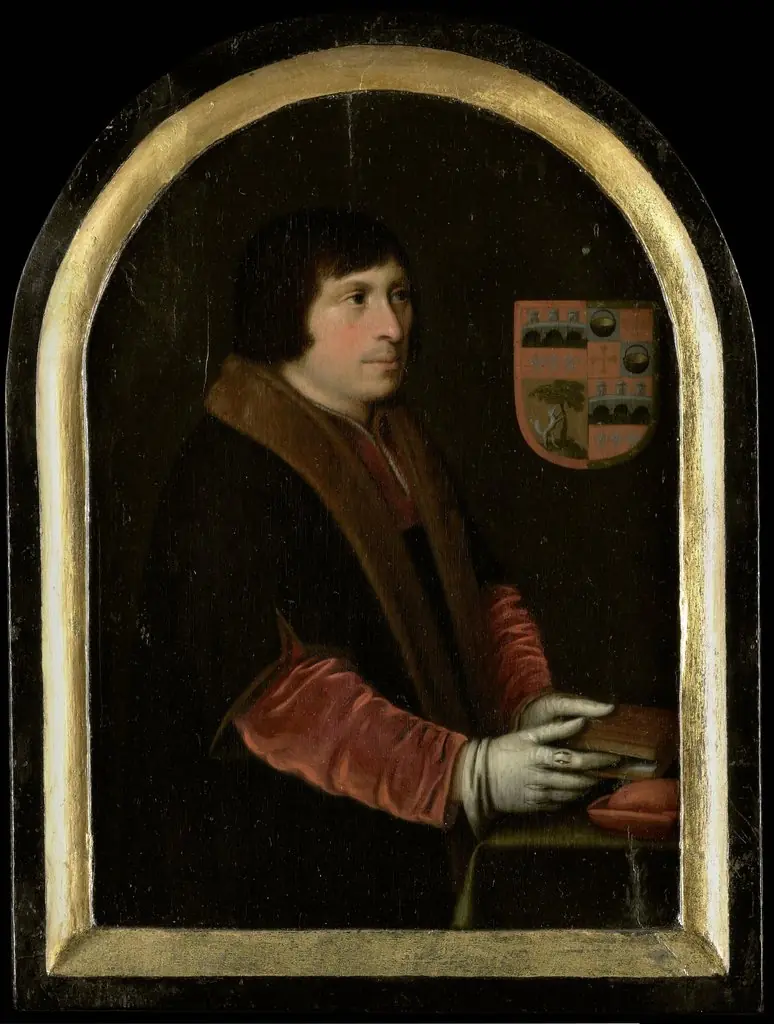
- Portrait of Johan Gerritsz van Schoterbosch (c. 1564-1654)
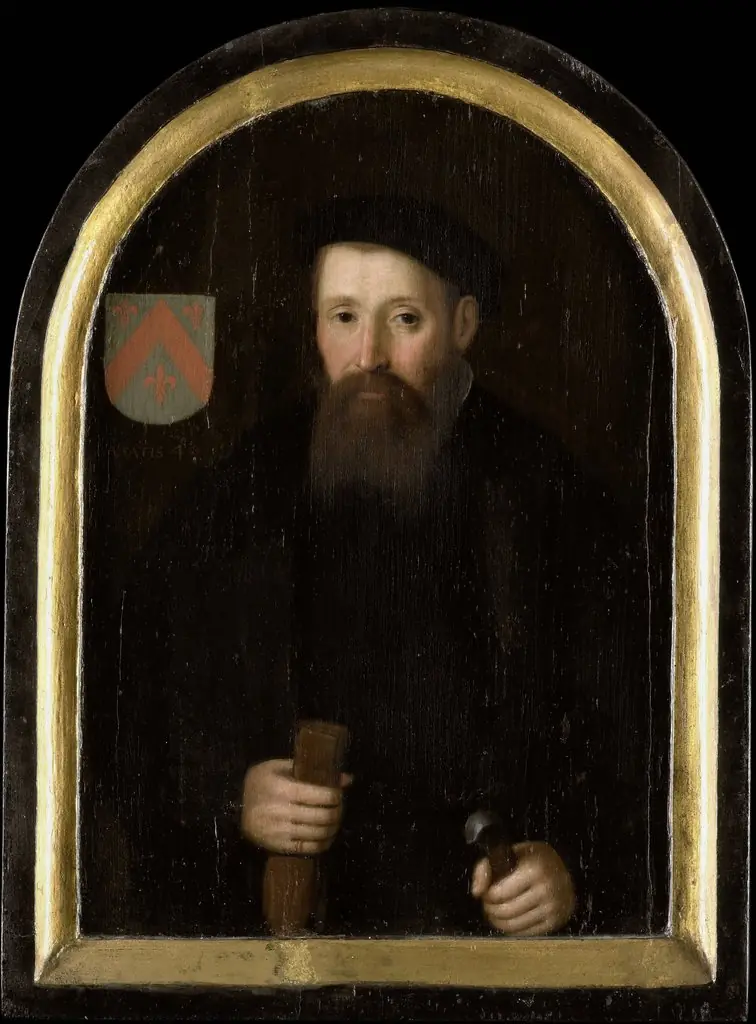
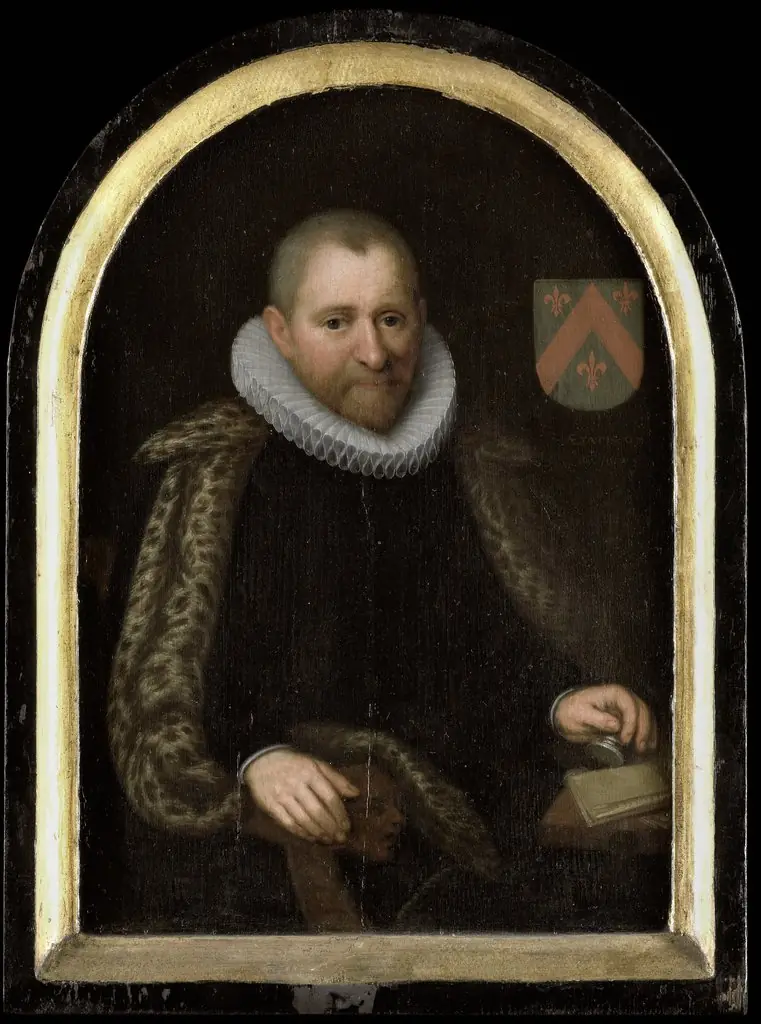 Portrait of Gerrit Willemsz Overrijn van Schoterbosch (c. 1538-1611)
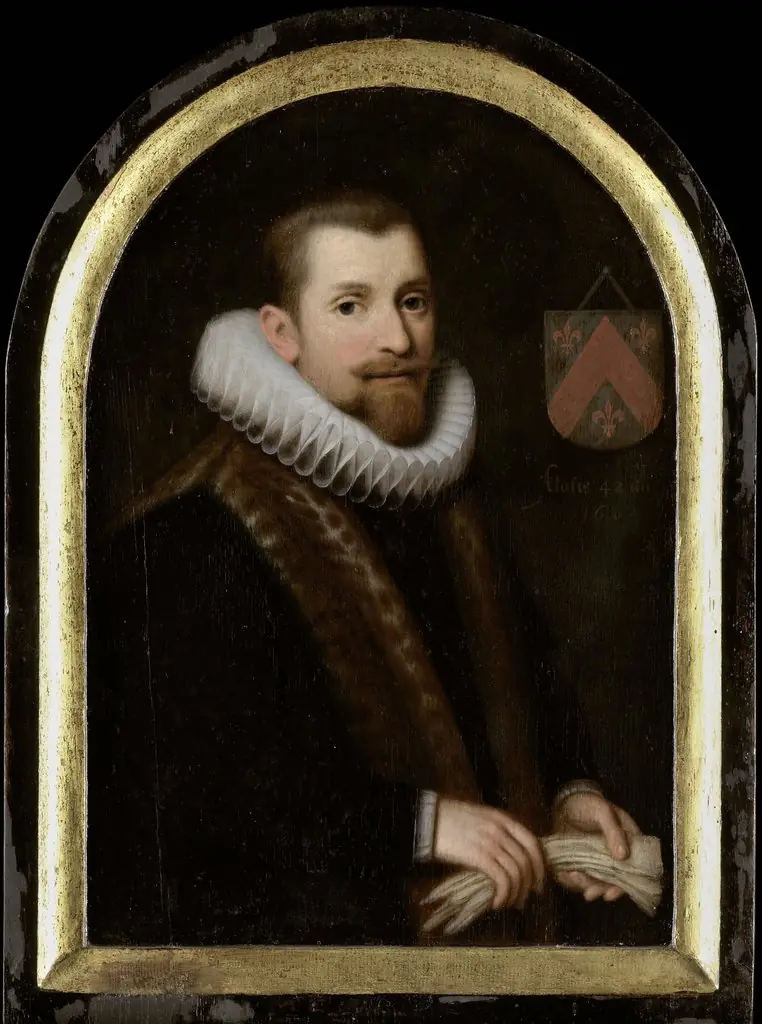 Portrait of Floris Gerritsz Overrijn van Schoterbosch (c. 1562-1618)
 Portrait of Gerrit Willemsz van Schoterbosch (c. 1538-1611)
 Portrait of Floris Gerritsz van Schoterbosch (c. 1562-1618)
 Portrait of Cornelis van Aerssen (1545-1627)
 Portrait of Johan Camerlin (1567-1640)