Artwork
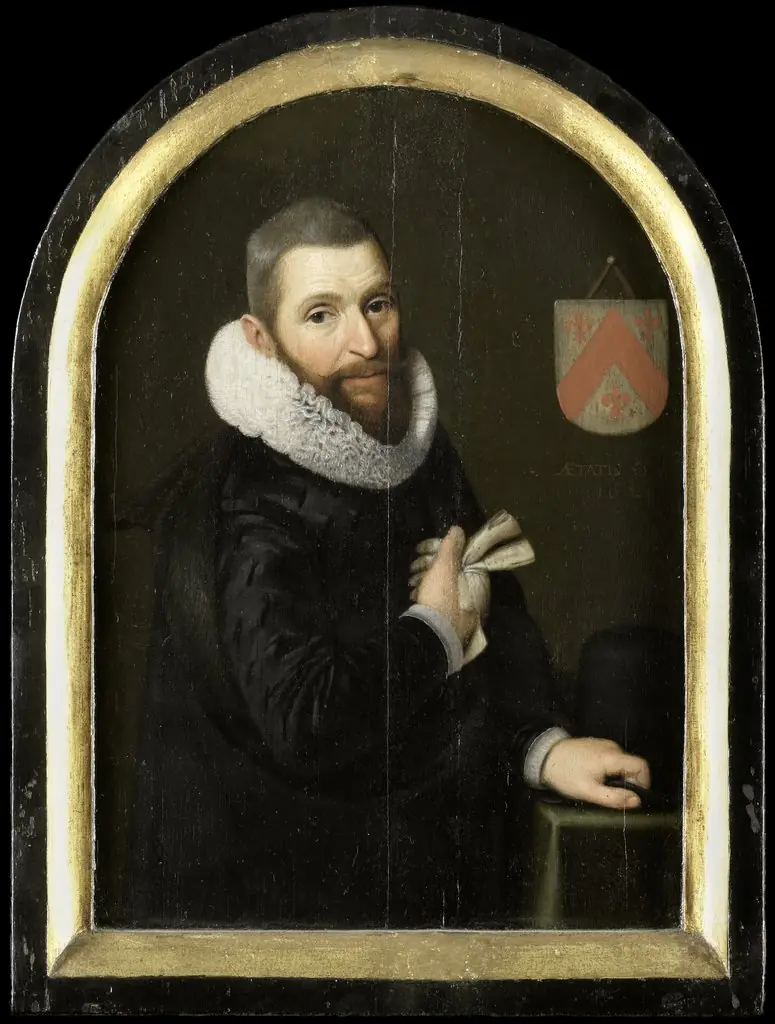
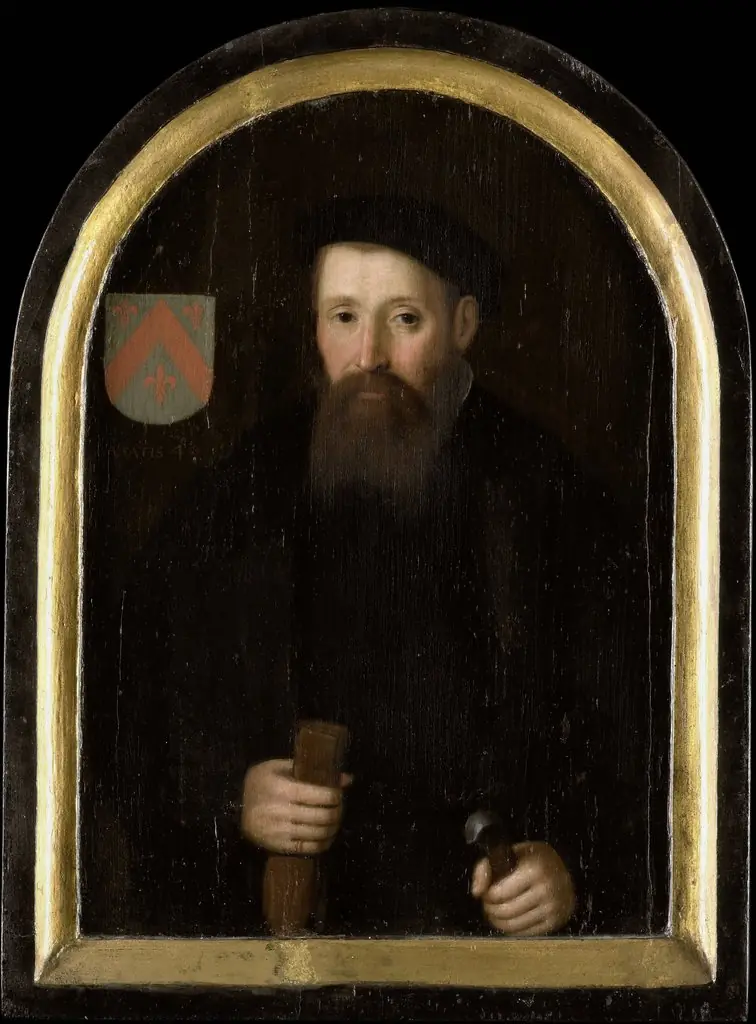
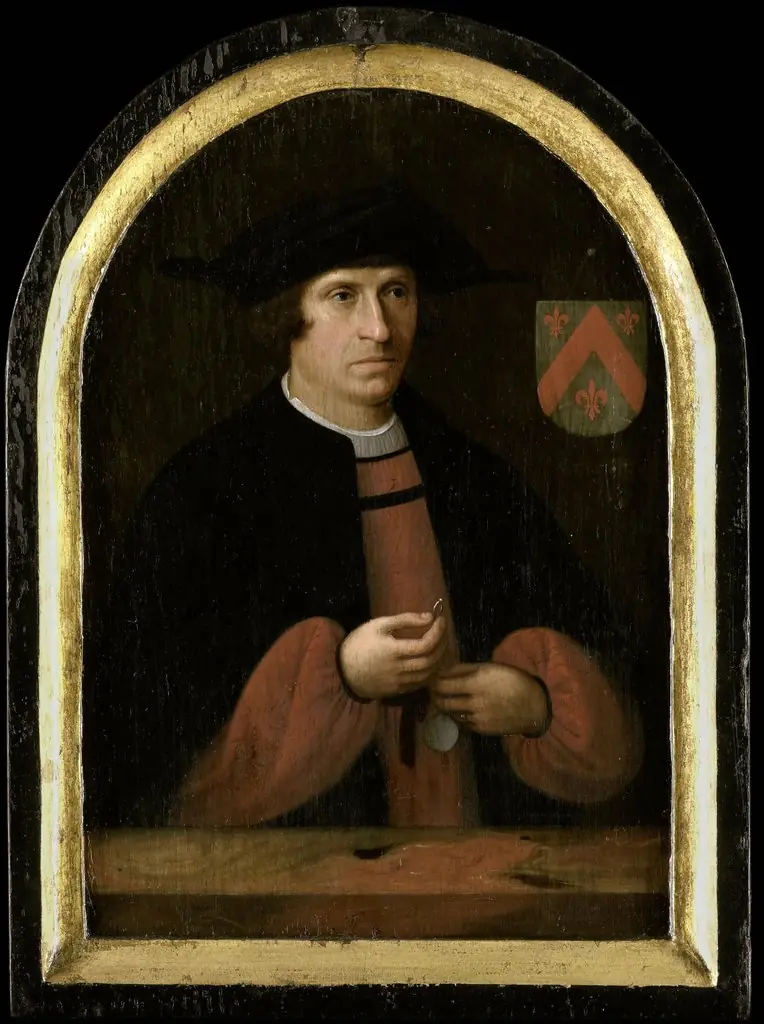
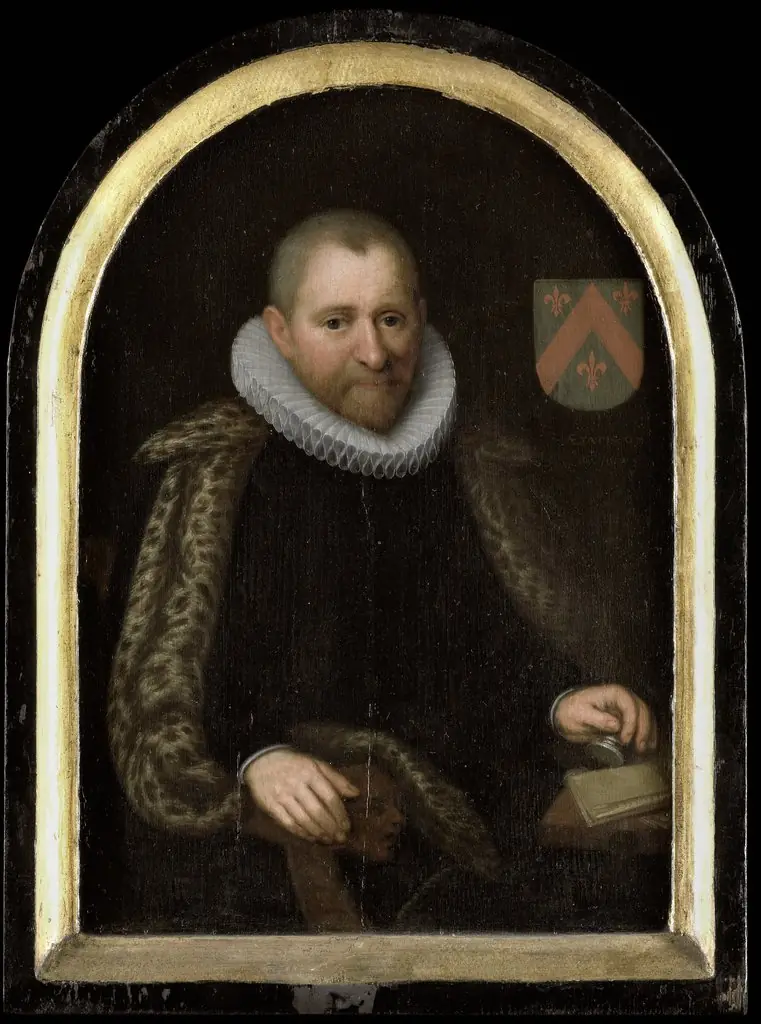
Portrait of Pieter Salina
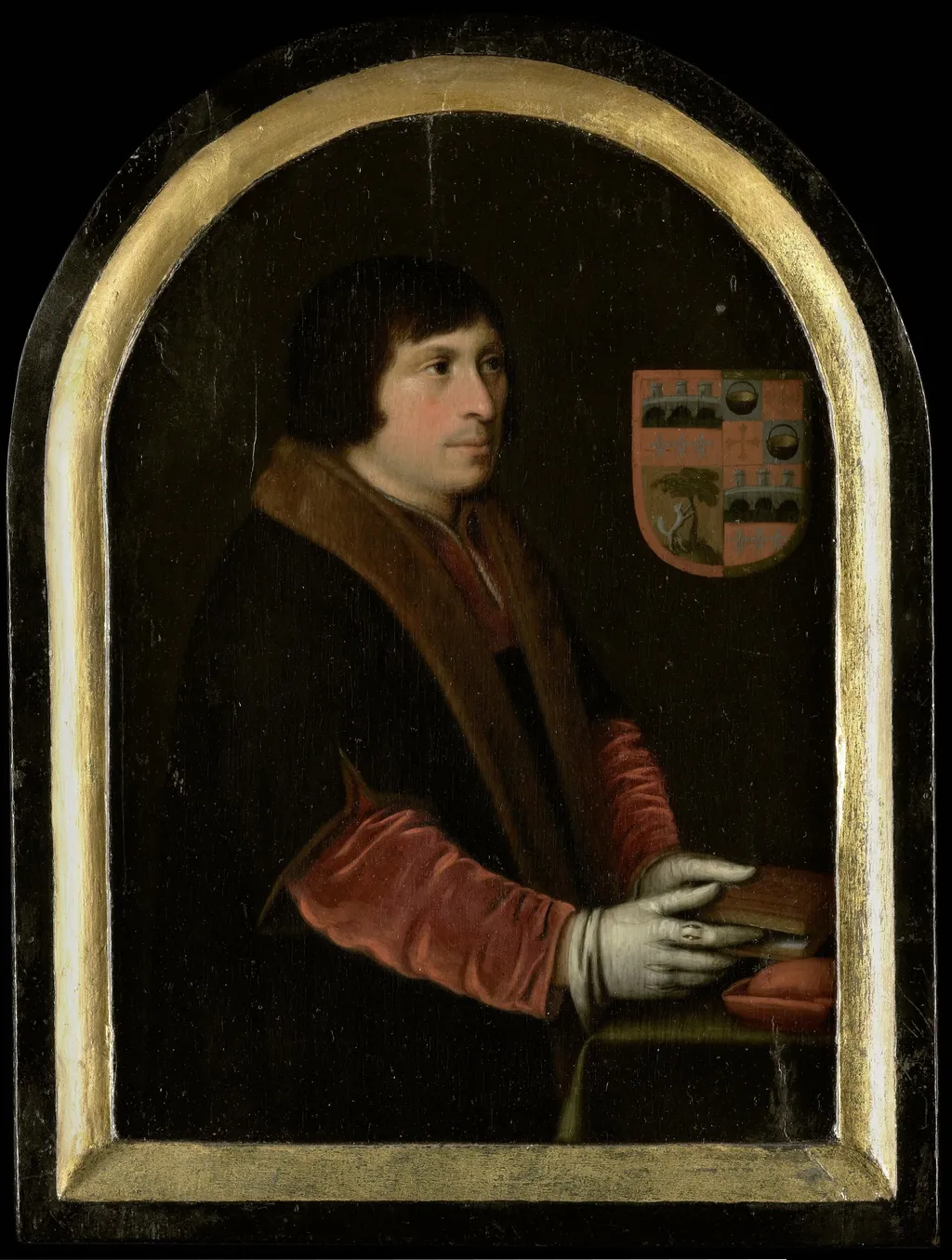
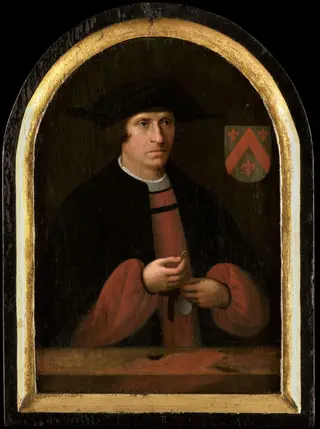
Portrait of Pieter Salina is an oil painting by the Northern Renaissance artist Cornelis Engelsz.. It dates from 1512 and is held in the collection of the Rijksmuseum.
About this work
Technique & Style
The work is an oil painting executed on wooden panel, measuring 39 cm in height and 29 cm in width. It depicts a man identified as Pieter Salina and was created in the Northern Low Countries in 1512. The painting is part of the Rijksmuseum collection and is classified as a portrait.
History & Provenance
The painting measures 39 cm in height by 29 cm in width and depicts a man, consistent with its classification as a portrait.
The Portrait of Pieter Salina was painted by Cornelis Engelsz. in 1512, executed in oil on panel in the Northern Low Countries. The work is held in the collection of the Rijksmuseum, where it remains located. No further details regarding its commission, intermediate ownership, or chain of custody prior to its acquisition by the museum are documented in the available sources.
The painting measures 39 cm in height by 29 cm in width and depicts a man, consistent with its classification as a portrait. Beyond its creation date, medium, and current institutional home, the available records do not provide information on the circumstances of its commission, the sitter's relationship to the artist, or the provenance chain linking the work to its present collection.
Overview
Portrait of Pieter Salina is an oil painting created by Cornelis Engelsz. in 1512, featuring a seated male figure in a distinctive, ornate setting.
Subject & Meaning
The subject, Pieter Salina, is portrayed with a serious demeanor, clad in a brown robe over a red undergarment, and adorned with white gloves. His right hand holds a red, unidentified object (possibly a book or glove) on a ledge, while a shield behind him displays four miniature scenes, suggesting potential symbolic or biographical significance.
Context
Created in 1512, the portrait reflects the artistic influences of its time, including the use of symbolic elements (such as the shield and unknown red object) common in early 16th-century portraiture, aimed at conveying the subject's status, interests, or allegiances.
Own this work as a print
Artist & collection