Artwork
Portrait of John Beck and his five children
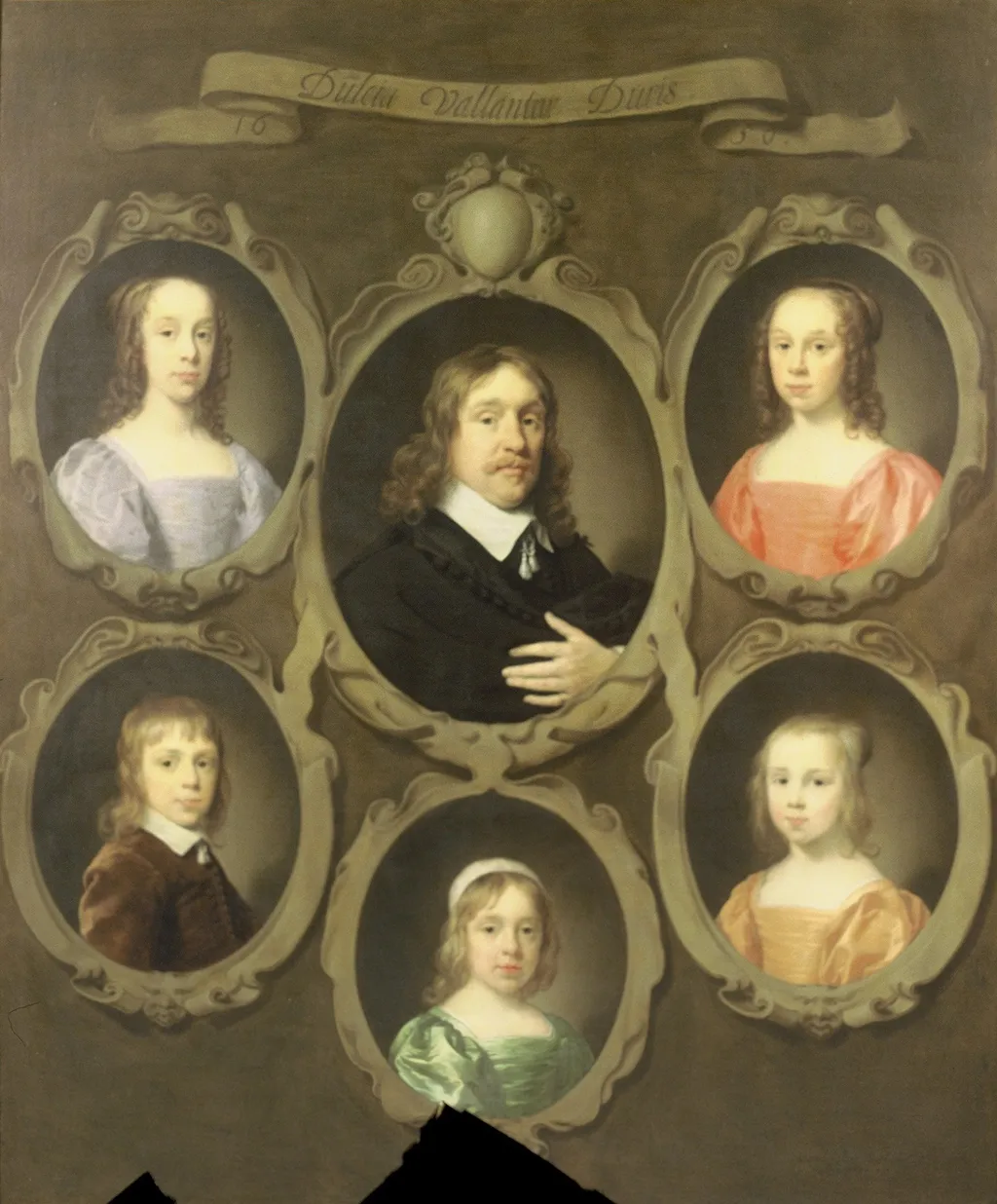
Portrait of John Beck and his five children is an oil painting by the Dutch Golden Age artist Cornelis Janssens van Ceulen. It dates from 1650 and is held in the collection of the Mauritshuis.
About this work
Overview
Painted around 1650 by Cornelis Janssens van Ceulen, this oil portrait captures John Beck and his five children in a formal family grouping.
Painted around 1650 by Cornelis Janssens van Ceulen, this oil portrait captures John Beck and his five children in a formal family grouping. Van Ceulen, an Anglo-Dutch artist born in London to refugee parents, worked extensively in England before settling in Middelburg. The painting is part of the Mauritshuis collection and exemplifies the quiet dignity characteristic of mid-17th-century Dutch portraiture, blending individuality with familial cohesion.
Subject & Meaning
The composition centers on John Beck, the patriarch, flanked by his five children arranged in two horizontal rows. Each child is enclosed in a separate oval frame, suggesting both individual identity and collective belonging. The arrangement emphasizes lineage and domestic order, common themes in Protestant households of the era.
The father’s prominent position and direct gaze convey authority, while the children’s varied postures reflect their ages and personalities without overt sentimentality.
Technique & Style
Van Ceulen employed oil paint with restrained brushwork, focusing on clear outlines and subtle tonal shifts rather than elaborate detail. Chiaroscuro defines the figures against a muted brown background, enhancing spatial depth and directing focus to the central figure. The children’s clothing, pinks, greens, and browns, is rendered with modest precision, their faces more defined than their garments, reflecting a preference for psychological presence over decorative richness.
History & Provenance
The painting remained within the Beck family until entering the Mauritshuis collection, likely through acquisition in the 18th or 19th century. Van Ceulen’s signed works are relatively rare, making this piece a significant example of his output. Its survival in good condition offers insight into the patronage of London’s Dutch merchant community and the persistence of familial portraiture beyond the Netherlands’ borders.
Context
Created during the Dutch Golden Age, the portrait reflects the values of Protestant middle-class families: order, piety, and domestic stability. While Dutch painters often depicted children in group portraits, the use of individual ovals here is unusual, possibly influenced by English conventions. The work aligns with broader trends in Northern European portraiture that prioritized moral seriousness over theatricality.
Legacy
Though not widely exhibited, the painting contributes to understanding the transnational nature of Dutch artistic practice in the 17th century. Van Ceulen’s blend of Flemish technique and English patronage highlights the mobility of artists and the cultural exchange between Protestant communities. The portrait remains a quiet testament to familial identity in an era where such images served as both personal mementos and social statements.
Own this work as a print
Artist & collection
Artist
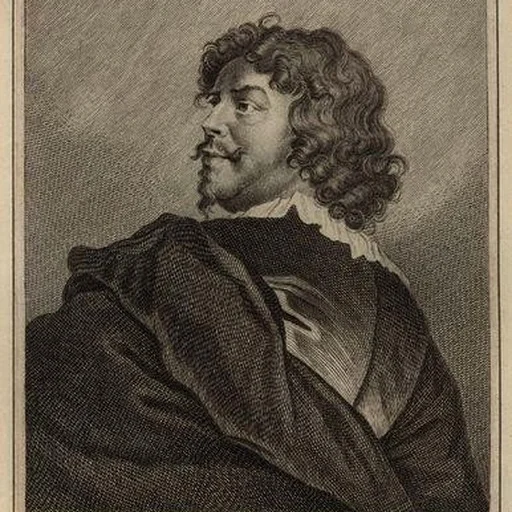
Cornelis Janssens (born Cornelis Janssens van Ceulen, Dutch:; bapt. 14 October 1593 – bur. 5 August 1661) was an Anglo-Dutch painter of portraits. Born of Dutch or Flemish parents who fled to London from Antwerp to…

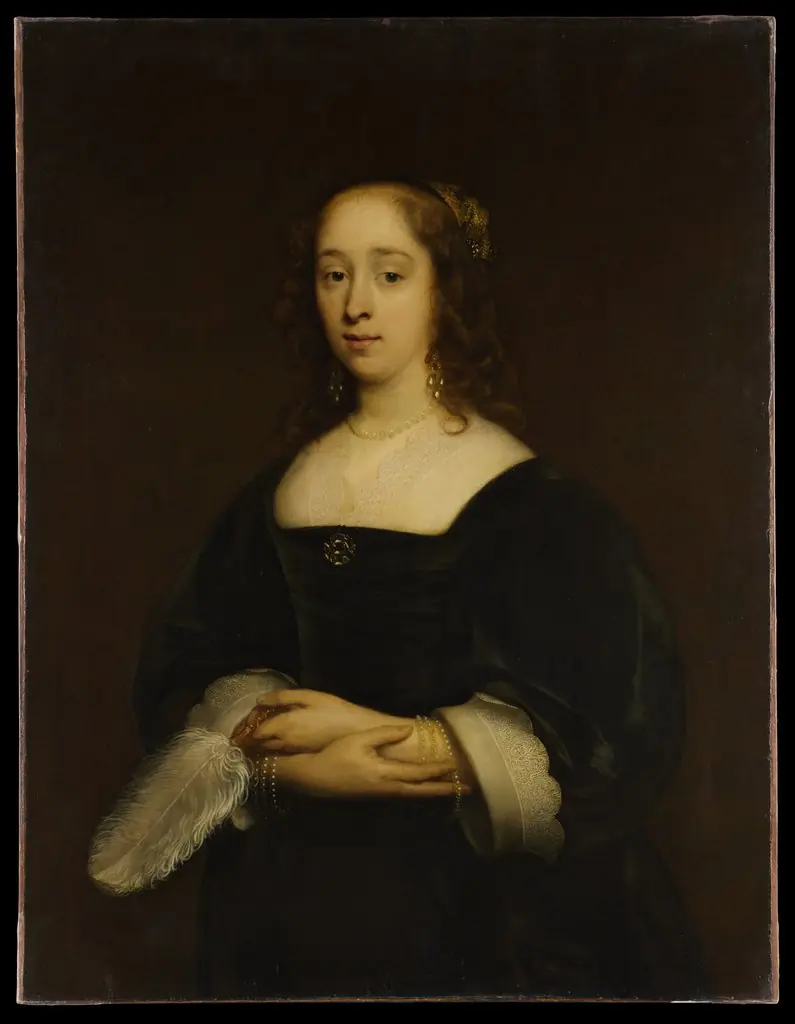
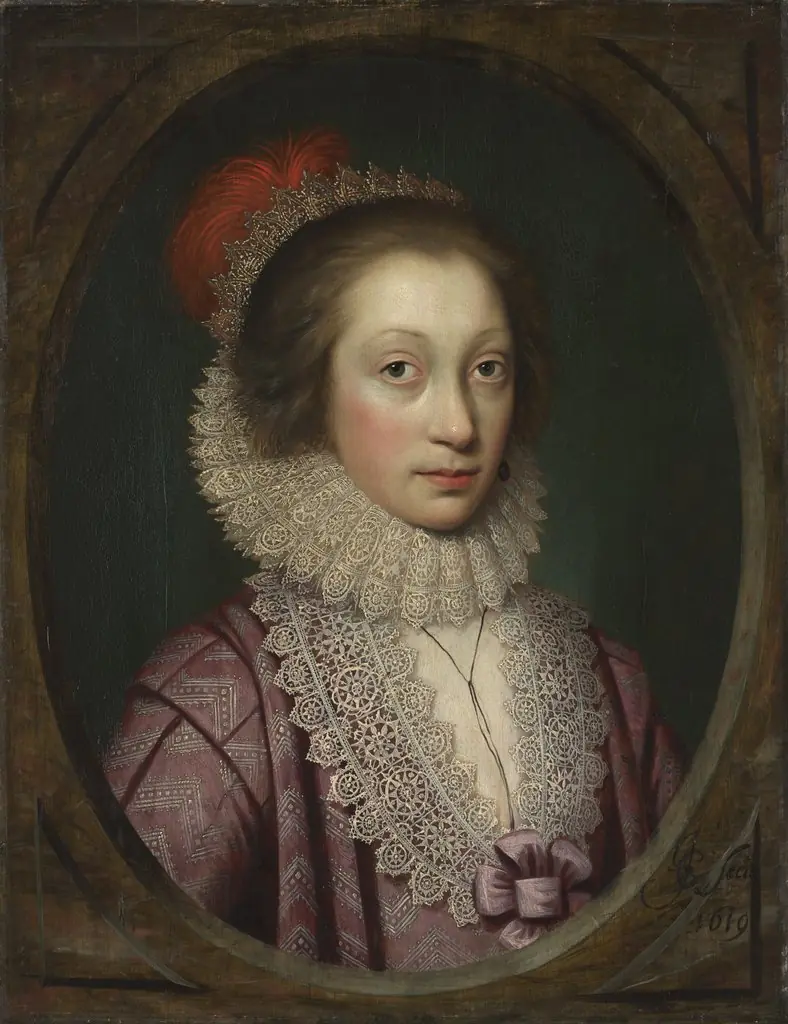
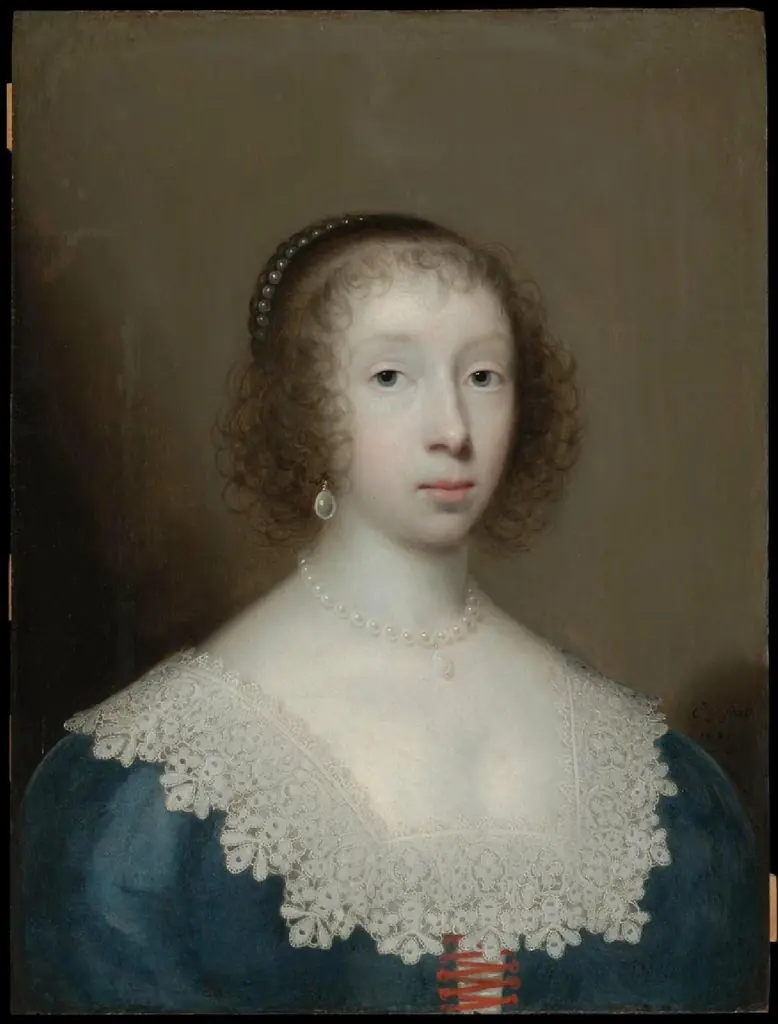
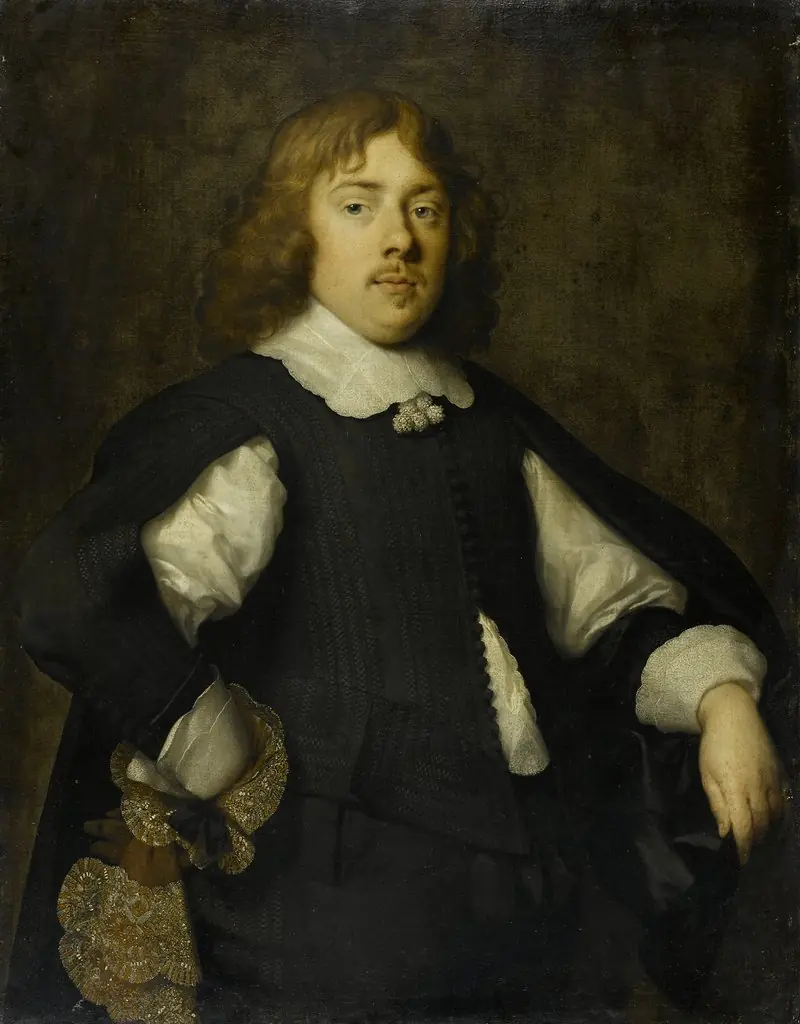
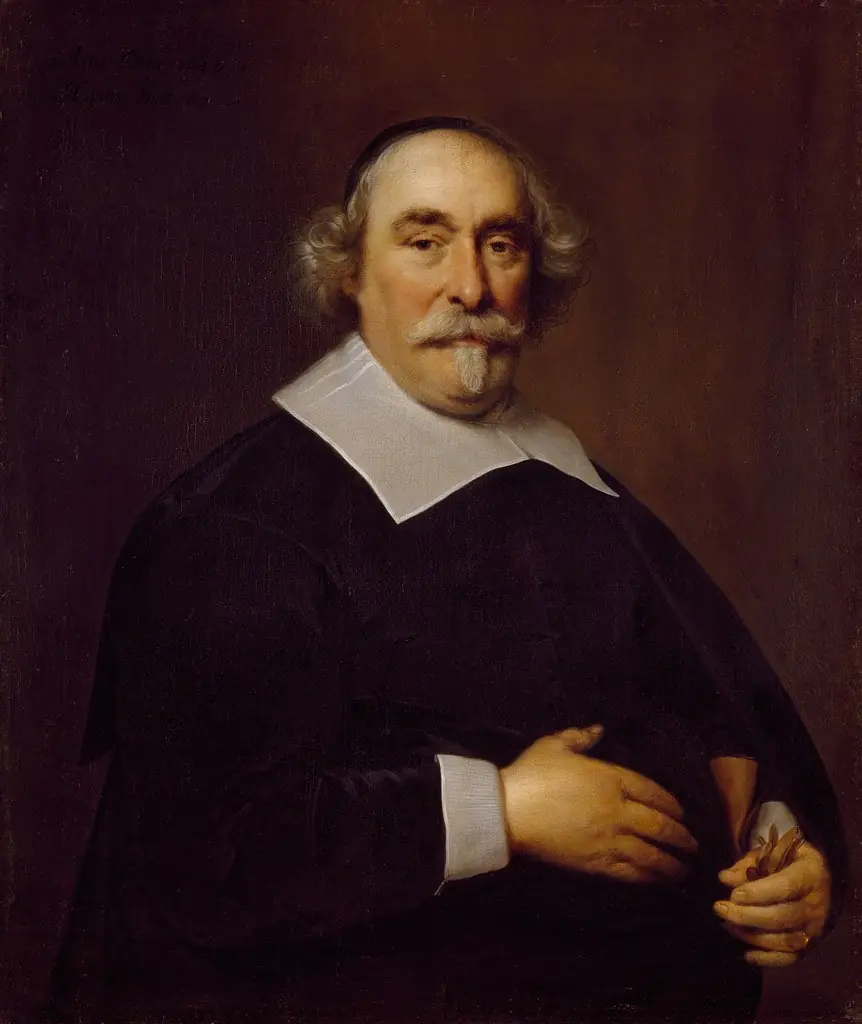
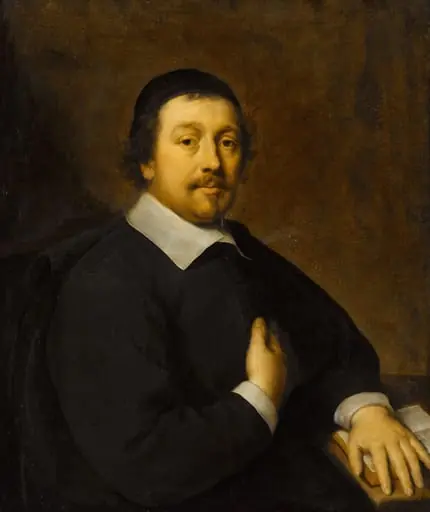
- Family Portrait
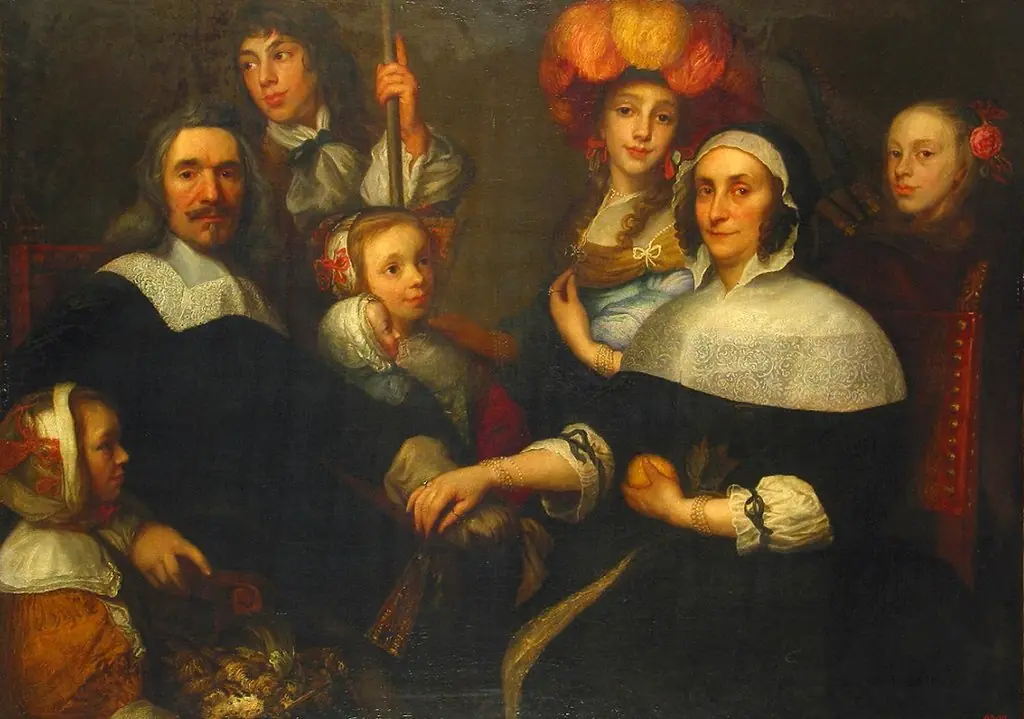 Family Portrait
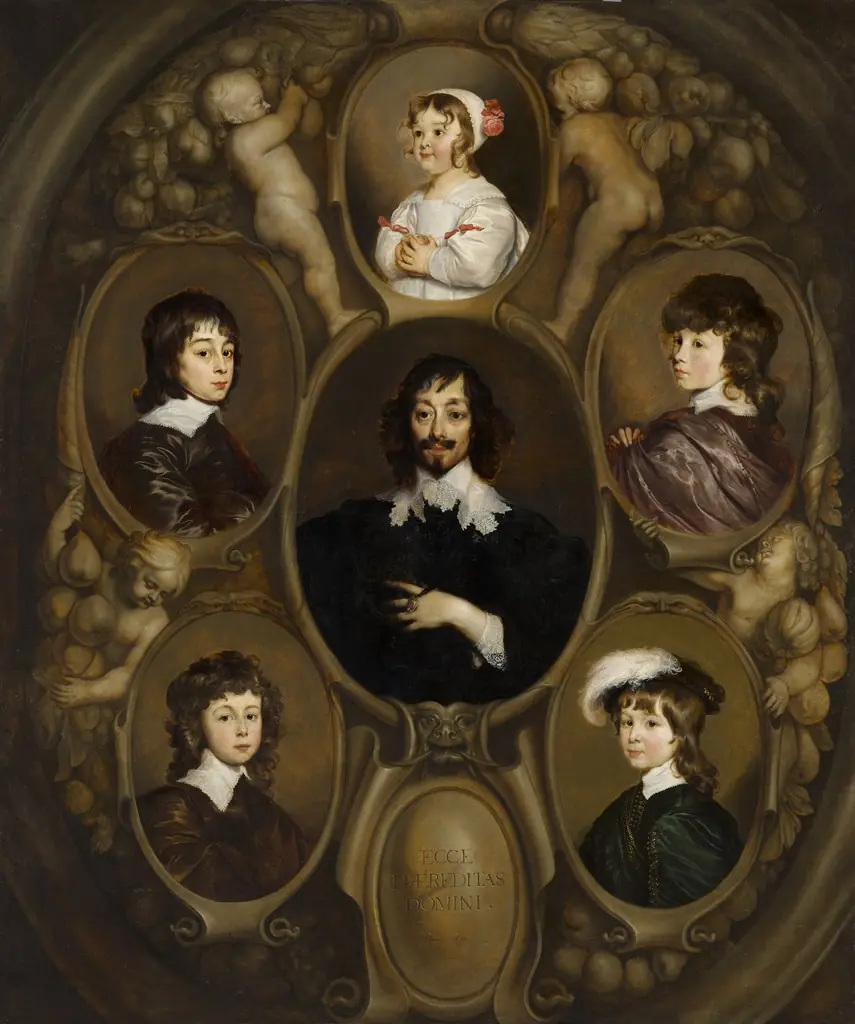 Portrait of Constantijn Huygens (1596-1687) and his Five Children
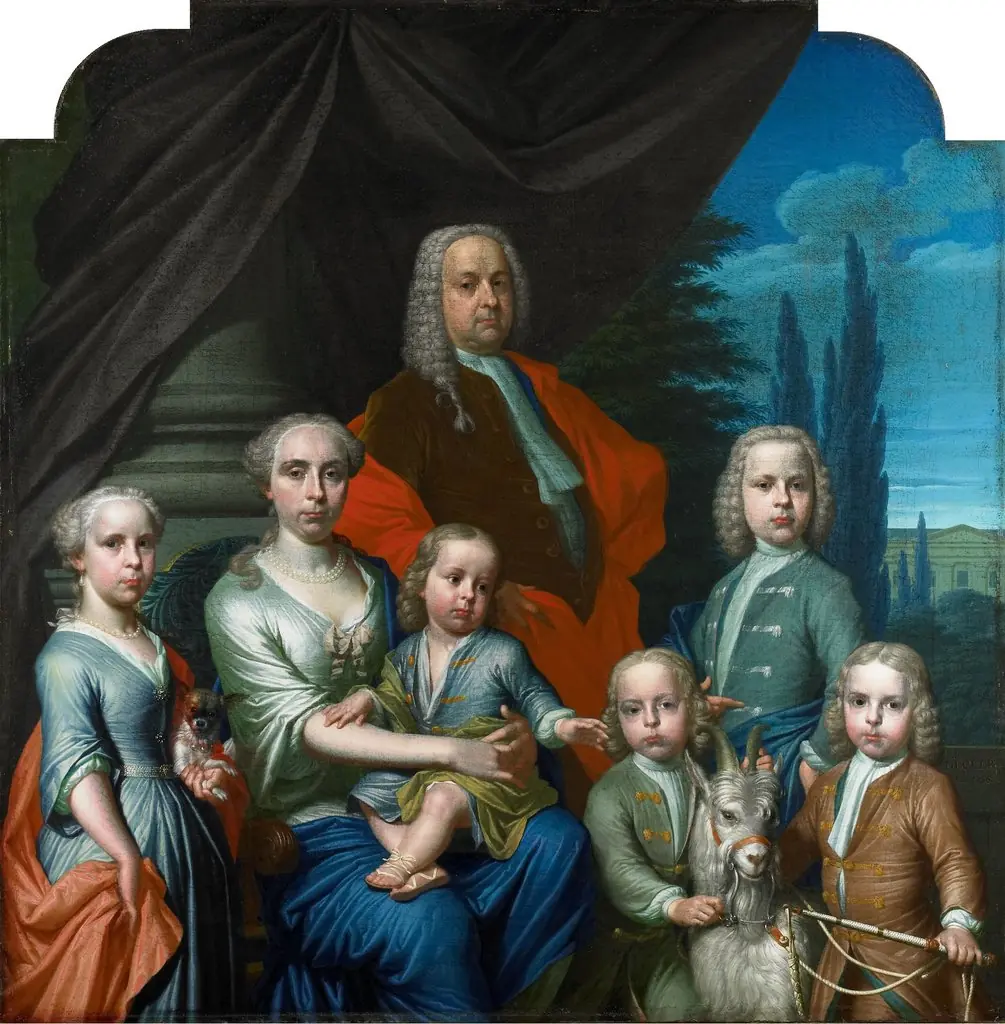 Willem Philip Kops, with his Wife and Children
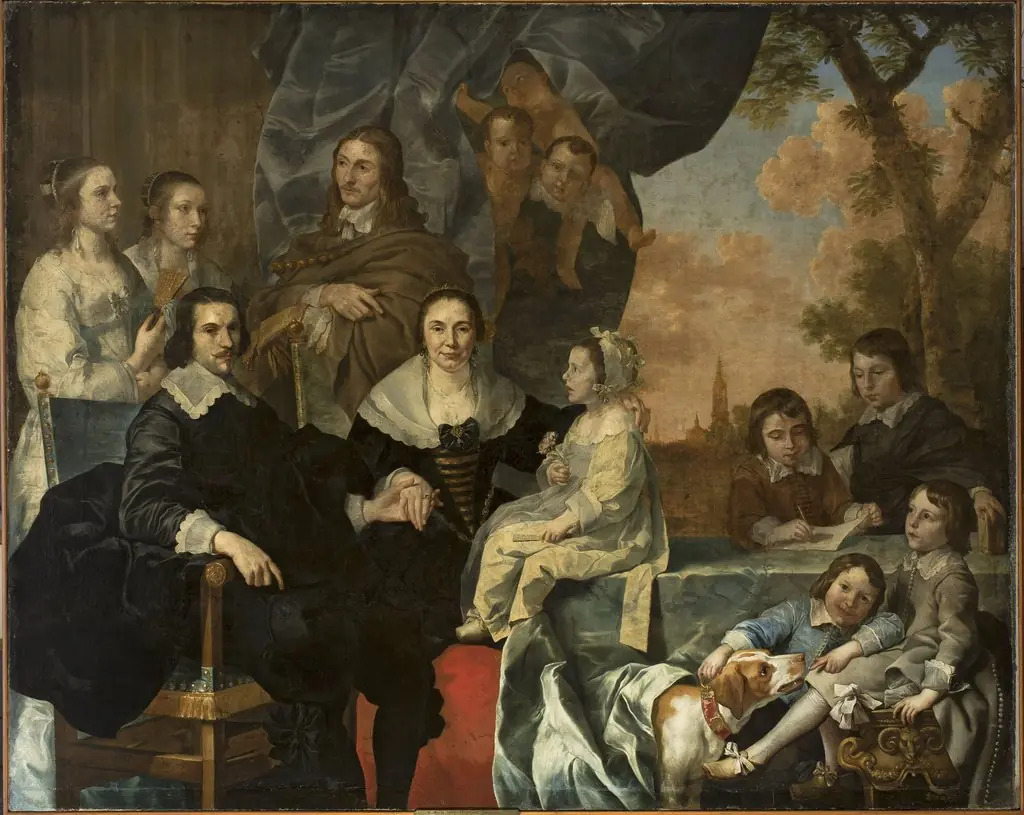 Self-portrait with the family
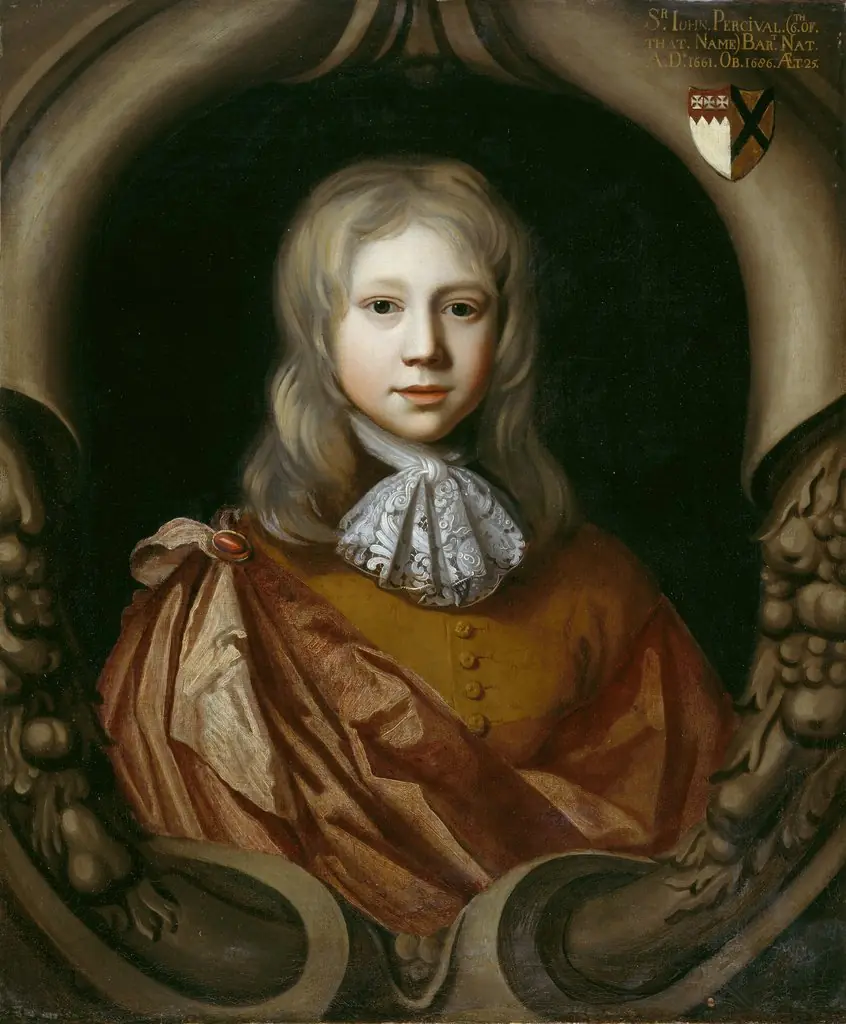 Portrait of Sir John Perceval, 3rd Bt (1660-1686)
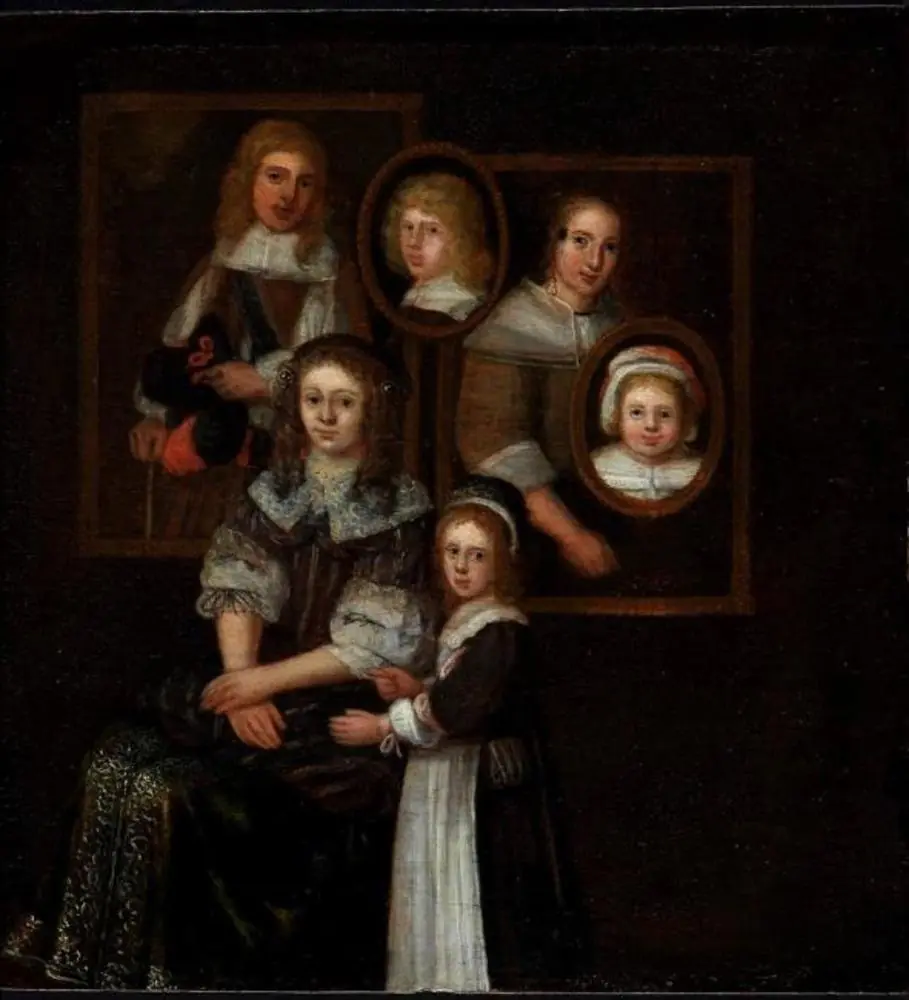 Family group
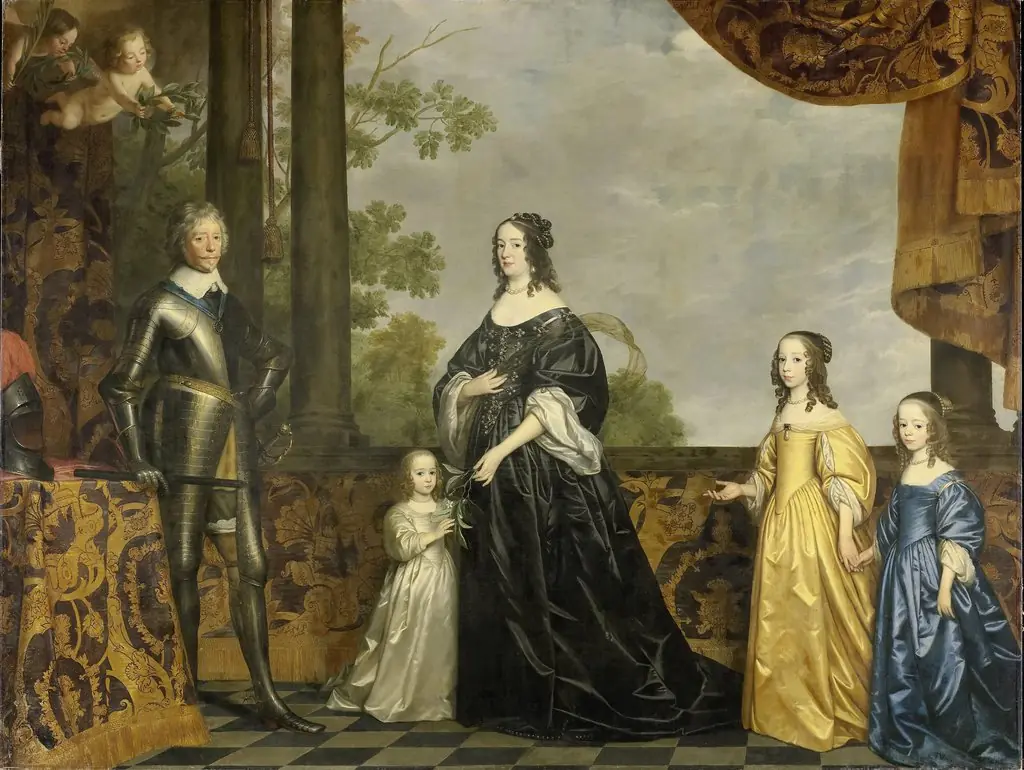 Frederik Hendrik (1584-1647), Prince of Orange, his wife Amalia van Solms (1602-75) and their three youngest daughters, Albertina Agnes (1634-96), Henrietta Catharina (1637-1708) and Maria (1642-88)
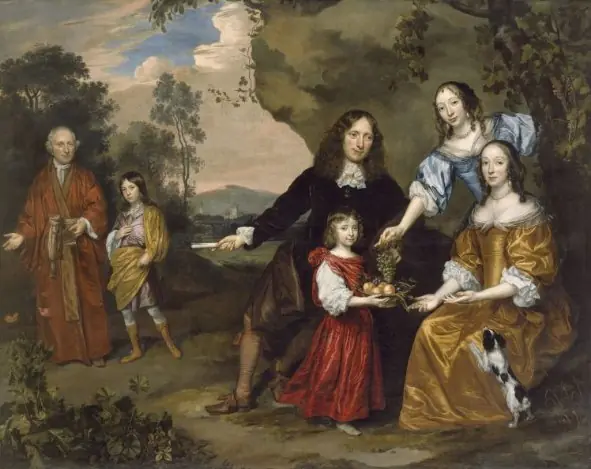 A Family Group
 Family Group on a Garden Terrace