Artwork
Untitled
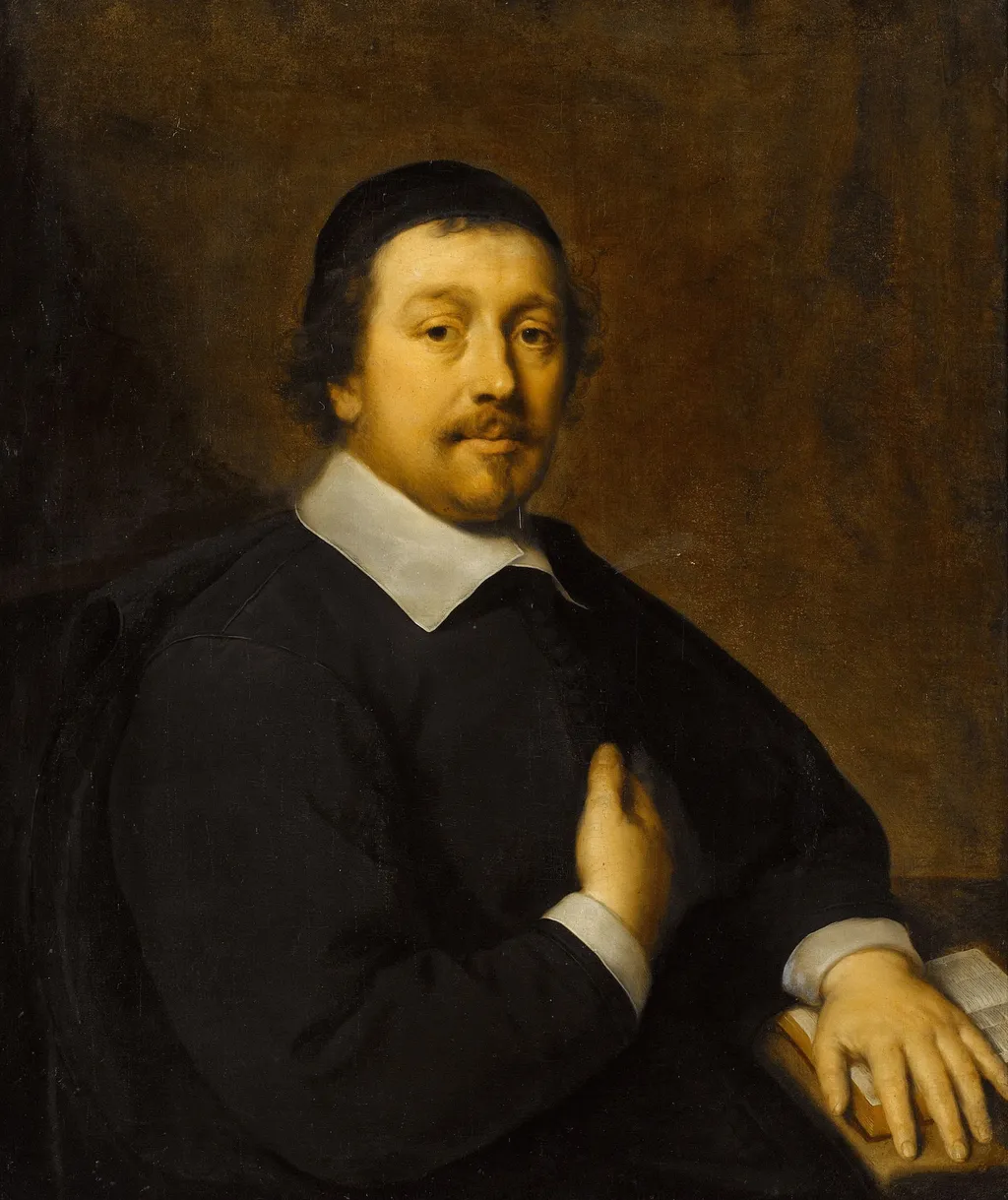
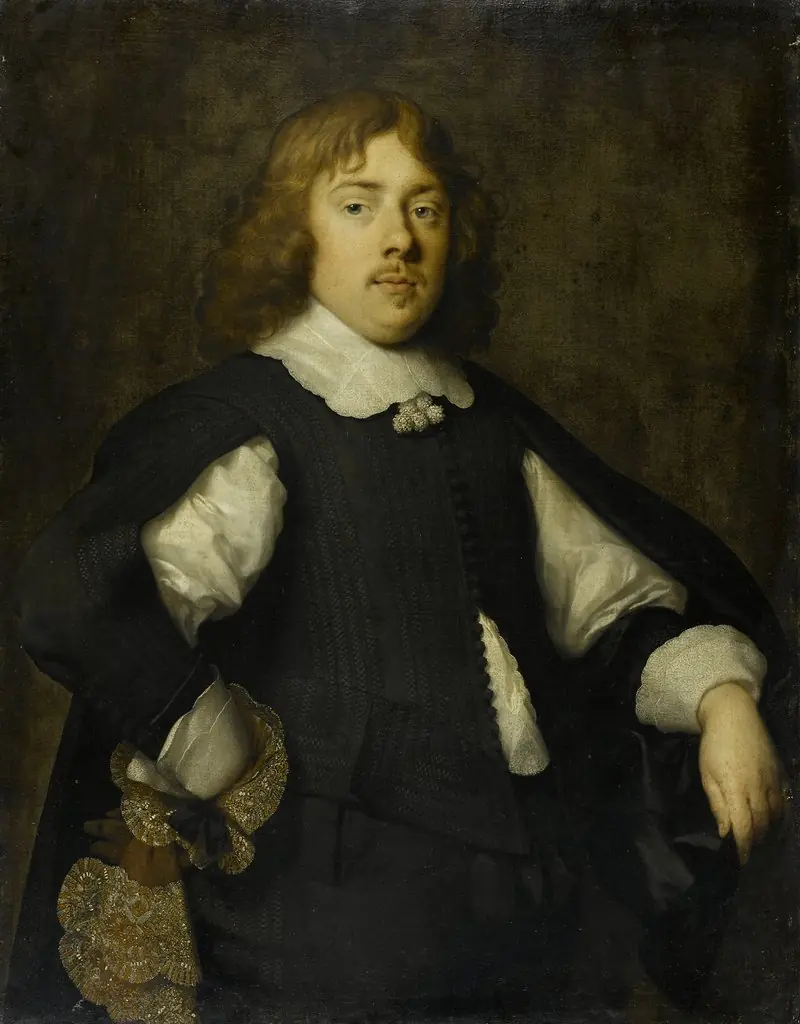
Untitled is an unspecified painting by the Dutch Golden Age artist Cornelis Janssens van Ceulen. It dates from 1650 and is held in the collection of the Rijksmuseum. This small, dark painting depicts a man wearing a wide-brimmed hat, with his face partially obscured by shadow.
About this work
Subject & Meaning
The work thus represents a typical example of 17th‑century English portraiture that balances likeness with the social aspirations of its patrons.
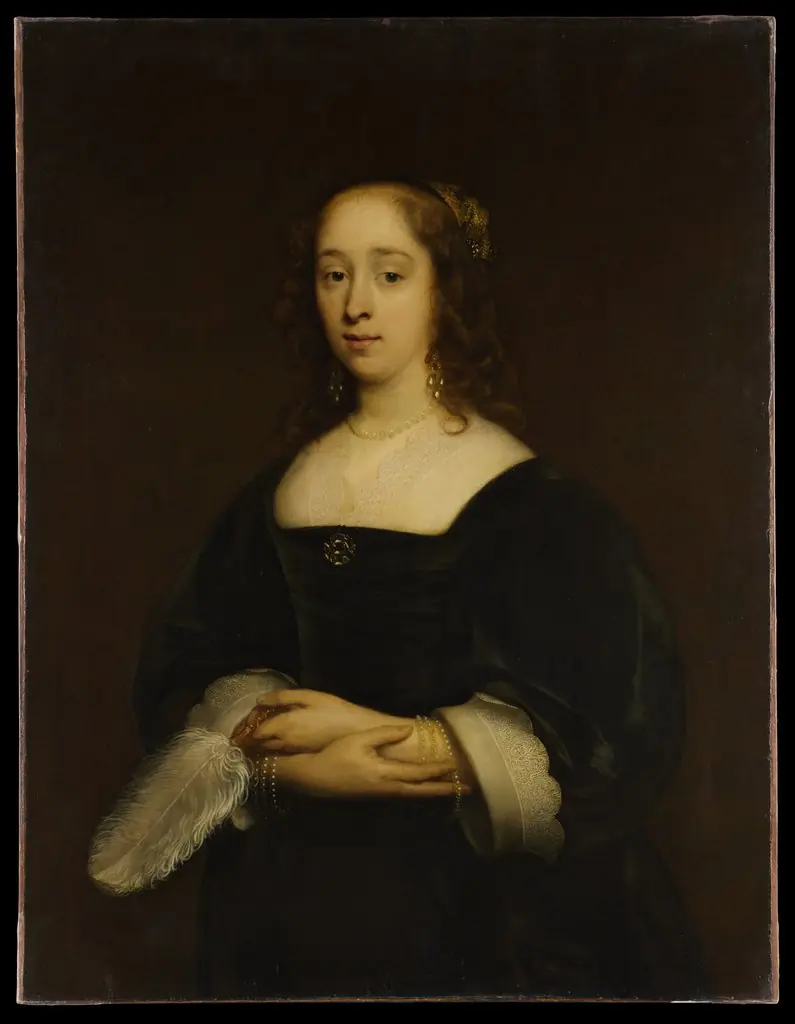
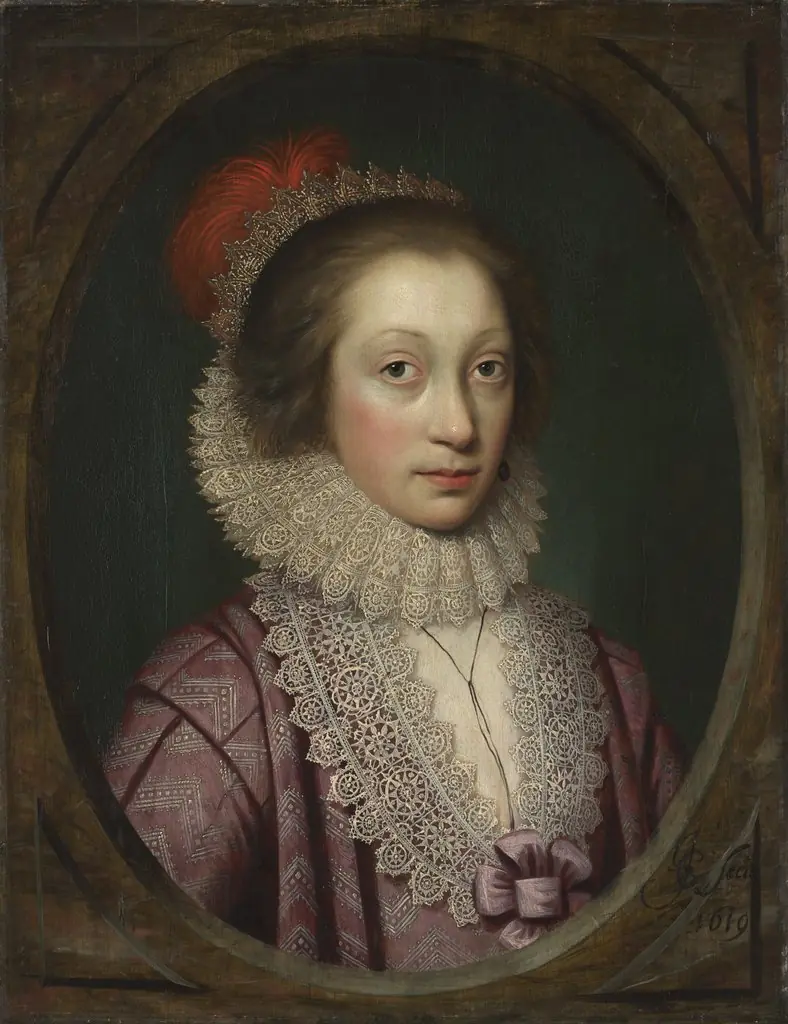
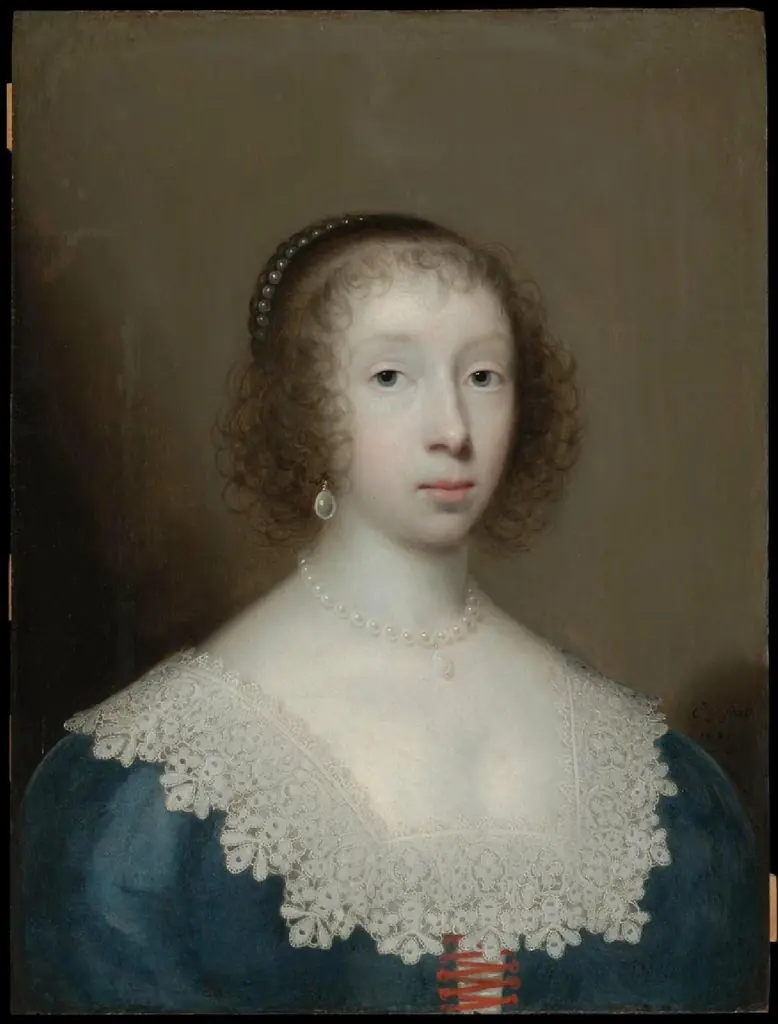
The work Untitled depicts a portrait subject rendered in the conventional format of a bust-length likeness. Janssens painted emerging English gentry with a focus on the reticence of the landed class, capturing them with a certain detachment. His portraits often show the sitter looking directly out of the frame, emphasizing realism in clothing and accessories. The painting is part of a corpus of hundreds of signed and dated portraits that document the new English aristocracy. The iconography consists of conventional portraiture elements without allegorical symbols, reflecting the sitter’s status rather than narrative or symbolic content. The meaning of the work lies in its record of the sitter’s identity within the social hierarchy of the period.
The subject is presented as an individual of the English gentry, rendered with attention to dress and demeanor that signals social position. Janssens’ technique of using fictive oval frames and detailed rendering of textiles underscores the portrait’s function as a status marker rather than a symbolic narrative. The work thus represents a typical example of 17th‑century English portraiture that balances likeness with the social aspirations of its patrons.
Technique & Style
This 1650 portrait by Cornelis Janssens van Ceulen I is classified as a painting within the portrait genre. The artist's broader oeuvre is characterized by a high degree of accuracy and detail, particularly in the depiction of clothing. His early works frequently utilized panel supports featuring "fictive" oval frames, though his style evolved over a career that included bust-length, full-length, and group compositions. Janssens van Ceulen employed a wet-over-dry paint layering technique for costumes, a method that facilitated contributions from studio assistants. He was distinct among English artists of his time for consistently signing and dating his works. While his style assimilated various influences without discord, it maintained a certain detachment suited to the intimacy of bust-length portraiture.
History & Provenance
Untitled is a portrait painted in 1650 by Cornelis Janssens van Ceulen I, a Dutch-born Anglo-Dutch artist active in England until 1643 and later settled in Utrecht where he died in 1661 (SOURCE 1; SOURCE 3). The work entered the collection of the National Portrait Gallery, London, as part of Janssens' prolific output of signed and dated portrait paintings of the emerging English gentry (SOURCE 3). Janssens established his studio in Blackfriars, London, around 1618 and consistently signed and dated his portraits, making this work part of a well-documented series of commissions from the new English aristocracy (SOURCE 3; SOURCE 6). He moved to Middelburg in 1643 to escape the English Civil War, continuing to receive English patrons, including royal sitters such as Charles I and Charles II, for whom he painted child portraits now held in the National Portrait Gallery (SOURCE 3; SOURCE 6). The painting was created during Janssens' mature period in Amsterdam and Utrecht, reflecting his continued engagement with English clientele abroad (SOURCE 6).
Context
Cornelis Janssens van Ceulen, an Anglo-Dutch painter active from 1618 to 1643 in England before relocating to the Netherlands, holds a distinct place in art history as the first English-born artist to consistently sign and date his works. While his output of several hundred portraits established him as a primary chronicler of the emerging English gentry, critical assessments often note that his style lacked the dramatic flair of contemporaries like Anthony van Dyck. His work is characterized by precise, detailed depictions of clothing and a reserved approach suited to the reticence of his sitters. Art historical scholarship situates his career within the fluid cultural exchange between the Dutch Republic and England, noting his ability to assimilate Northern European influences into his portraiture. His legacy is preserved in major institutions such as the National Portrait Gallery and the Yale Center for British Art, reflecting his significance to both English and Dutch Golden Age painting traditions.
Legacy
Janssens' legacy rests on his role as an early chronicler of the English gentry and his pioneering practice of signing and dating portraits, a habit that helped establish a coherent oeuvre. His portraits, noted for precise rendering of clothing and jewelry, influenced later English portraitists and were widely reproduced in engravings that entered collections such as those of Samuel Pepys. Although his style was less flamboyant than van Dyck's, it was valued for its accuracy and adaptability, allowing him to serve both English royal patrons and exiled Royalists after his move to the Netherlands. Works by Janssens are held in major institutions including the National Portrait Gallery, London, and the Yale Center for British Art, ensuring continued scholarly attention to his contribution to 17th‑century portraiture.
Own this work as a print
Artist & collection
Artist
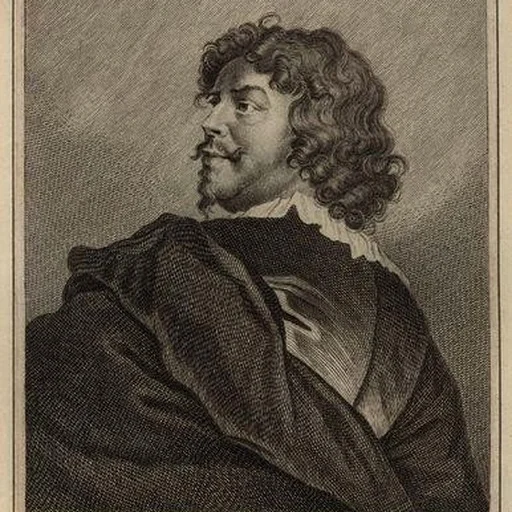
Cornelis Janssens (born Cornelis Janssens van Ceulen, Dutch:; bapt. 14 October 1593 – bur. 5 August 1661) was an Anglo-Dutch painter of portraits. Born of Dutch or Flemish parents who fled to London from Antwerp to…

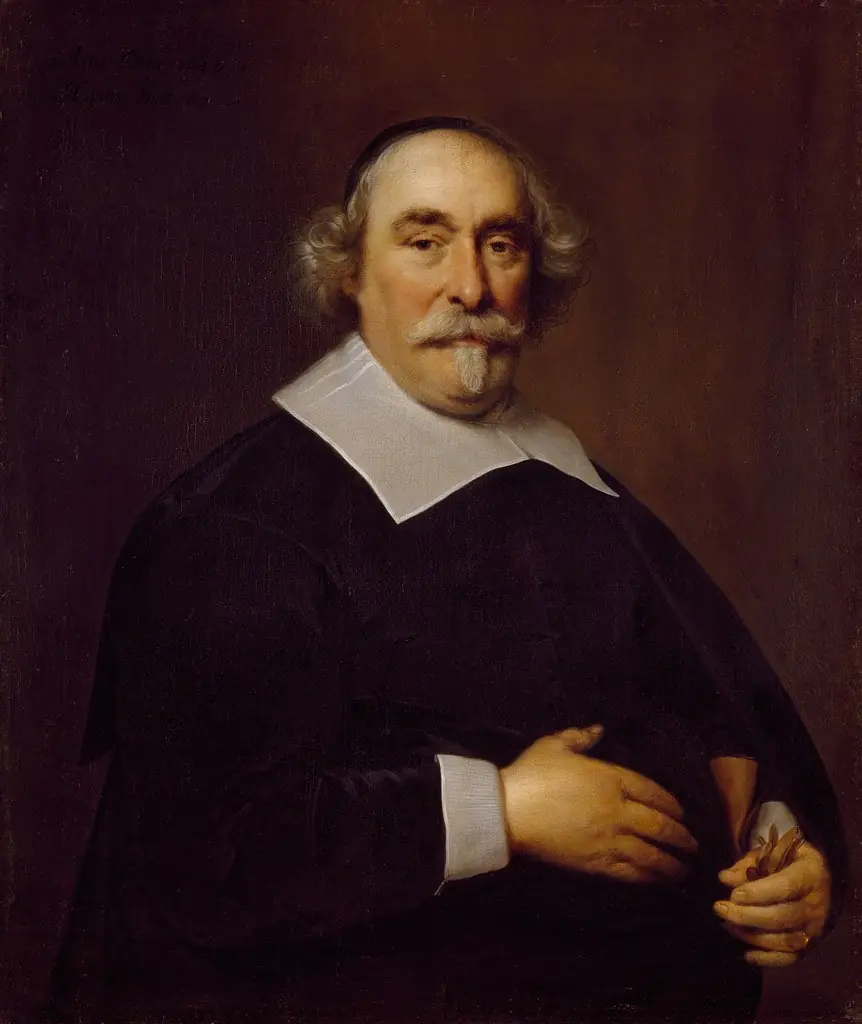
- Portrait of a Husband
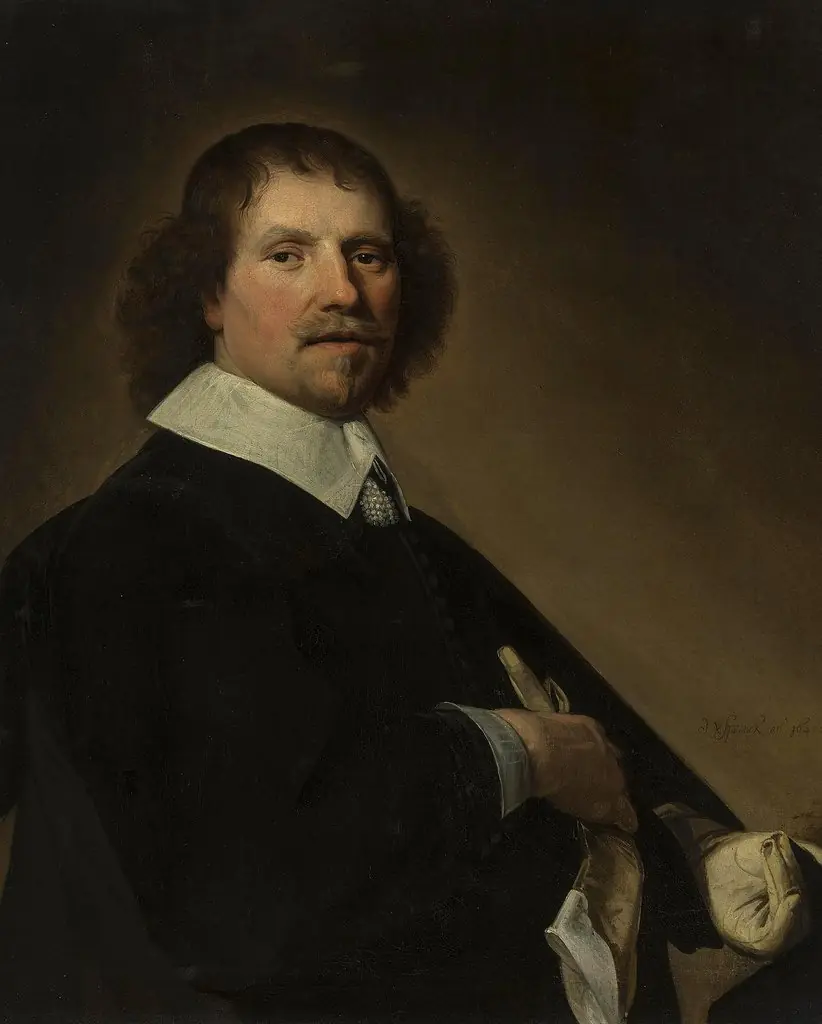 Portrait of a Man
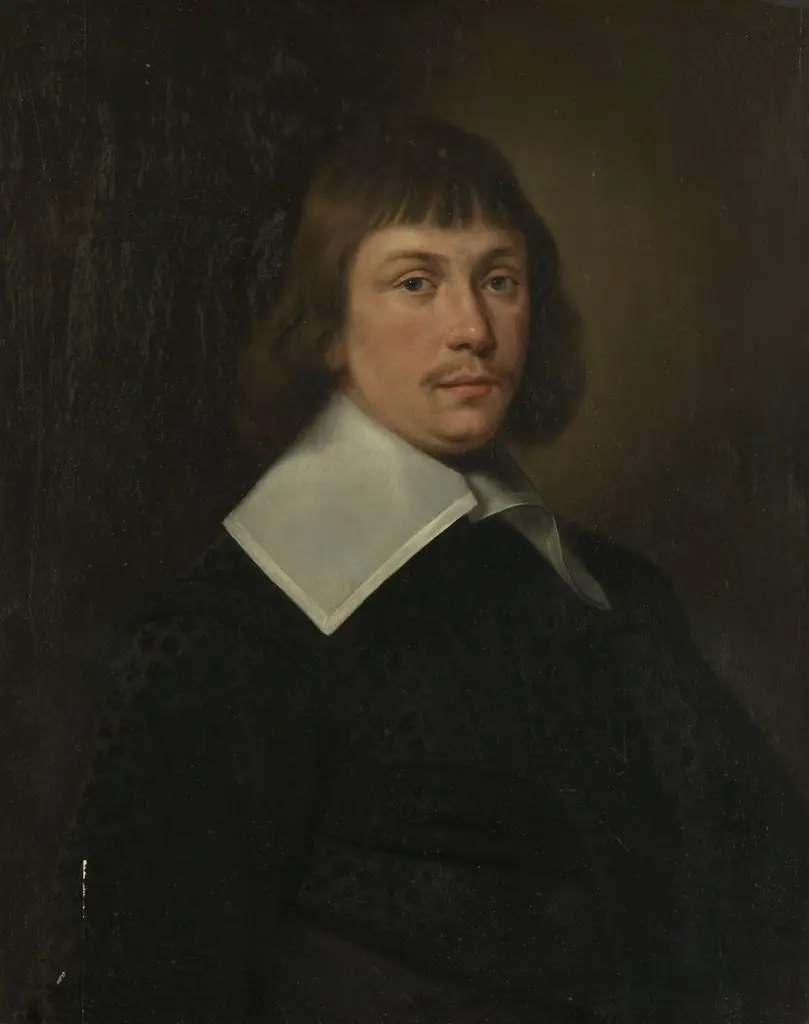 Portrait of a man
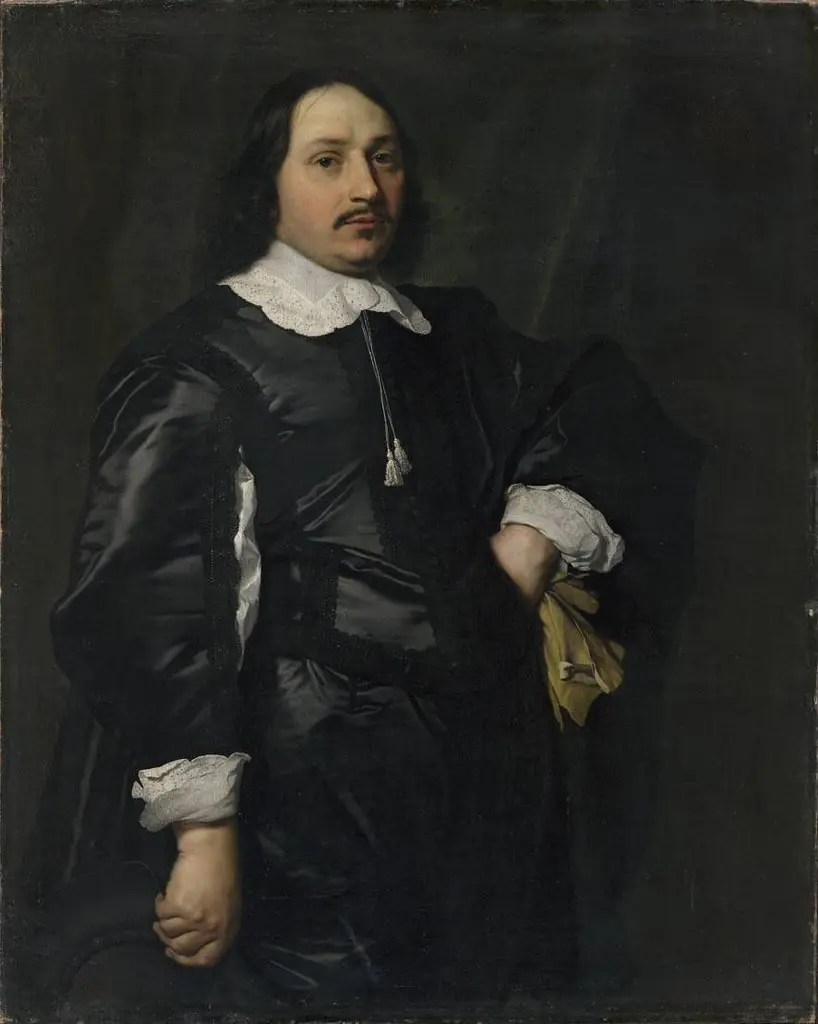 Portrait of a Man in Black
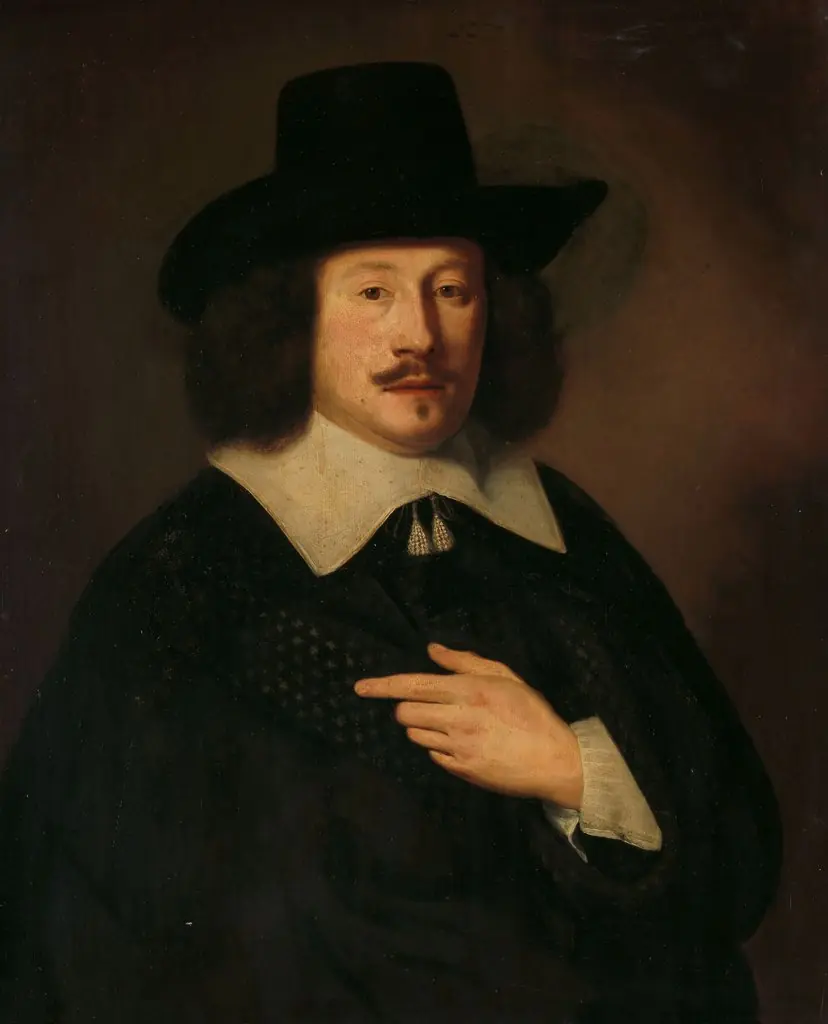 Portrait of a man
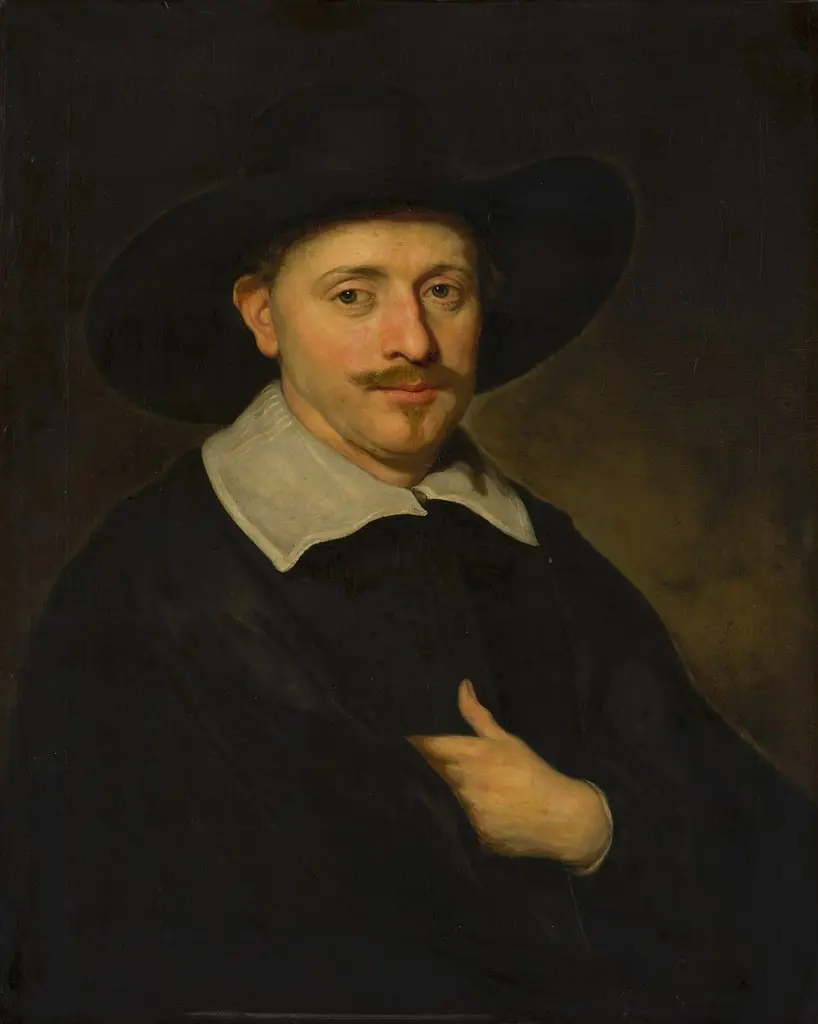 Portrait of a man
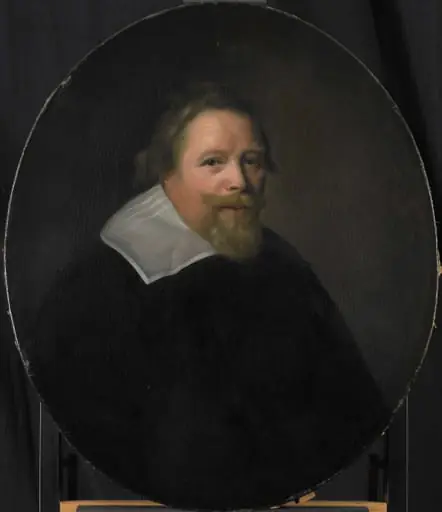 Portrait of Pieter Sonmans, Director of the Rotterdam Chamber of the Dutch East India Company, elected 1631
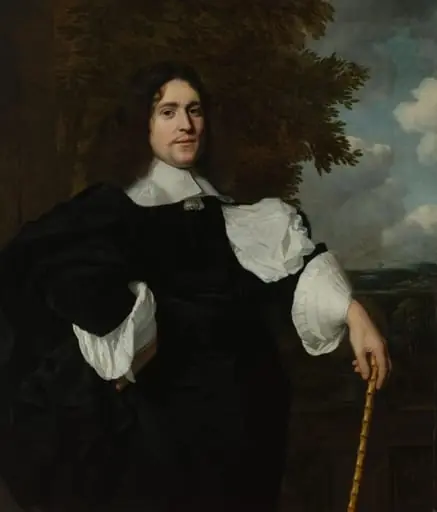 Jacobus Trip (1627-70), Armaments Dealer of Amsterdam and Dordrecht
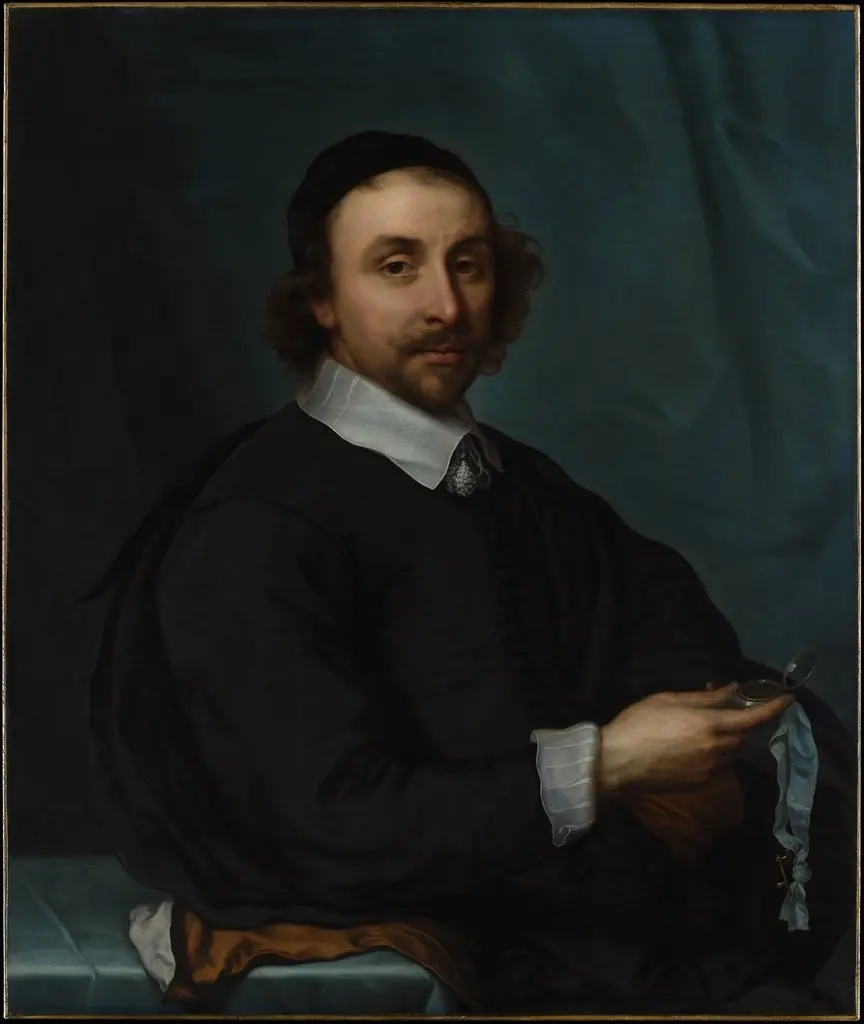 Portrait of a Man with a Watch
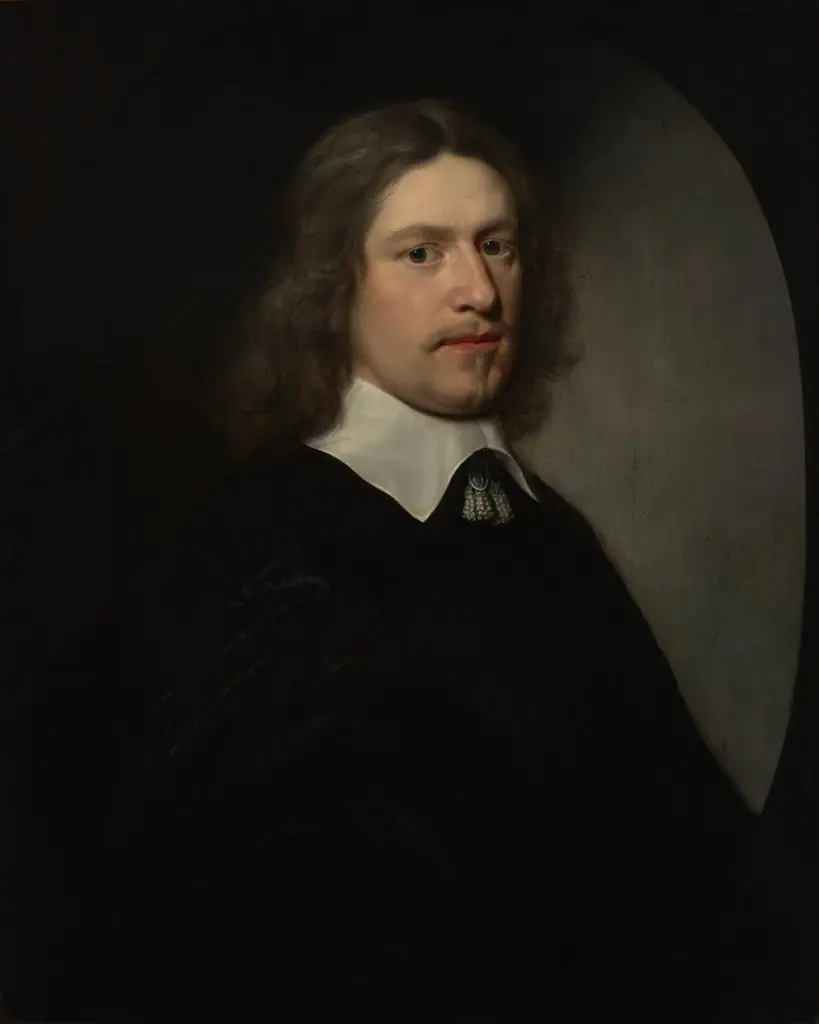 Portrait of a Man