Artwork
Holy Family with Saint John the Baptist as a Child
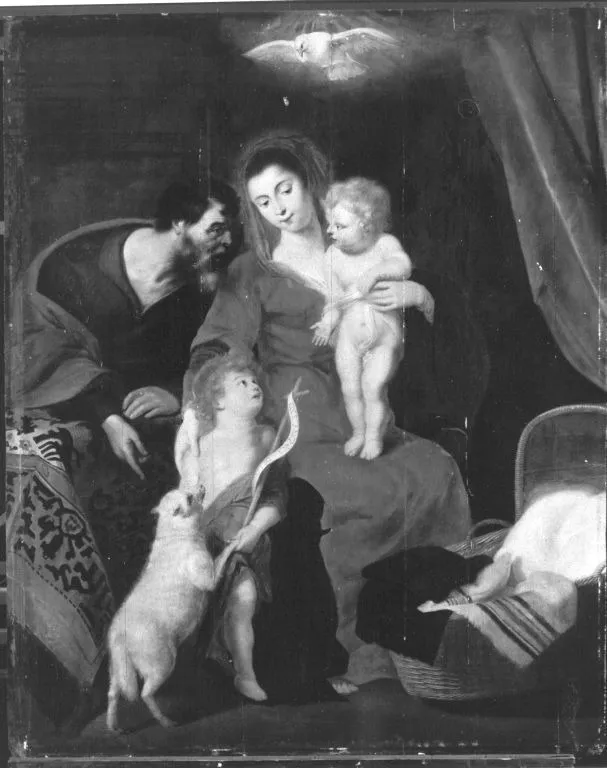
Holy Family with Saint John the Baptist as a Child is an unspecified painting by the Flemish Baroque painting artist Cornelis Schut. It dates from 1626 and is held in the collection of the Bavarian State Painting Collections.
About this work
Subject & Meaning
The work depicts the Holy Family, a central subject in religious art, featuring the Virgin Mary, the Christ Child, and Joseph.
The work depicts the Holy Family, a central subject in religious art, featuring the Virgin Mary, the Christ Child, and Joseph. As indicated by the title, the composition also includes Saint John the Baptist as a child, a common iconographic element used to foreshadow the future relationship between the two figures. The painting serves as a devotional image representing the domestic intimacy and divine nature of the family unit.
Created by Cornelis Schut in 1626, the piece falls within the genre of religious art, focusing on the spiritual significance of these biblical figures rather than secular narrative.
History & Provenance
Holy Family with Saint John the Baptist as a Child is a religious painting by Cornelis Schut dated 1626. The work entered the holdings of the Bavarian State Painting Collections and is housed at the Alte Pinakothek in Munich, Germany, where it remains on display.
No information regarding the original commission, early ownership, or intermediate provenance prior to its acquisition by the Bavarian State Painting Collections is documented in the available sources.
The painting is held in the Alte Pinakothek, Munich, as part of the Bavarian State Painting Collections. Its inventory number is WAF 1429.
It was exhibited at the Alte Pinakothek in the 2017–2018 presentation Barock in Flandern: Meisterwerke aus den Bayerischen Staatsgemäldesammlungen, curated to highlight Flemish Baroque holdings in the collection.
Overview
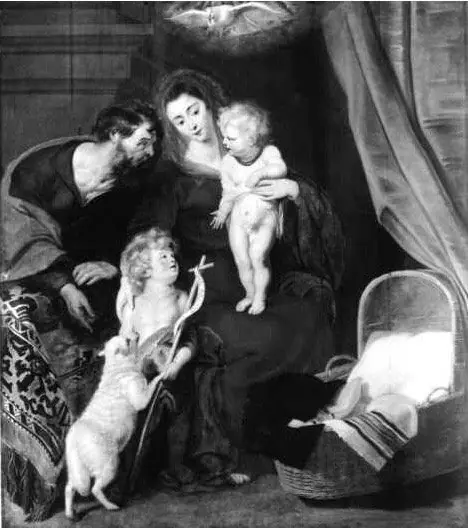
Cornelis Schut’s 1626 oil painting, Holy Family with Saint John the Baptist as a Child, presents a domestic tableau of the Virgin Mary, Saint Joseph, the infant Jesus, and a young John the Baptist. Set against a deep, muted backdrop, the figures are illuminated in a manner that emphasizes their tender interaction and the symbolic presence of a lamb.
Technique & Style
Schut employs the dramatic chiaroscuro typical of Flemish Baroque, using strong contrasts to model the figures and give them a three‑dimensional presence. The brushwork is refined yet vigorous, reflecting the influence of his master Peter Rubens and the broader Counter‑Reformation emphasis on clear, emotive religious imagery.
Context
Created during the first half of the 17th century, the painting aligns with the Counter‑Reformation’s call for accessible, devotional art. Its intimate family scene mirrors contemporary Flemish trends that combined devotional purpose with domestic realism.
Artist & collection
Artist
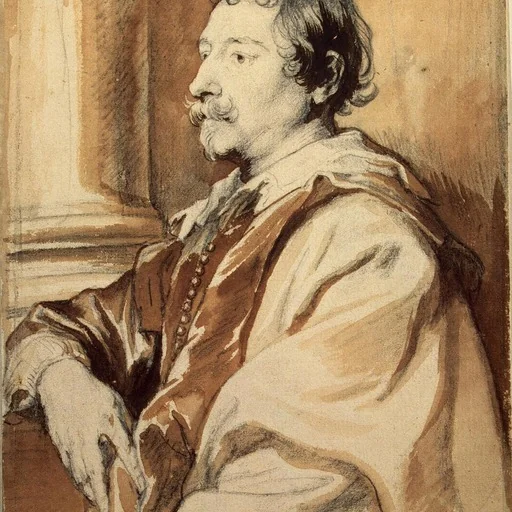
Cornelis Schut (13 May 1597 – 29 April 1655) was a Flemish painter, draughtsman, engraver and tapestry designer who specialized in religious and mythological scenes.

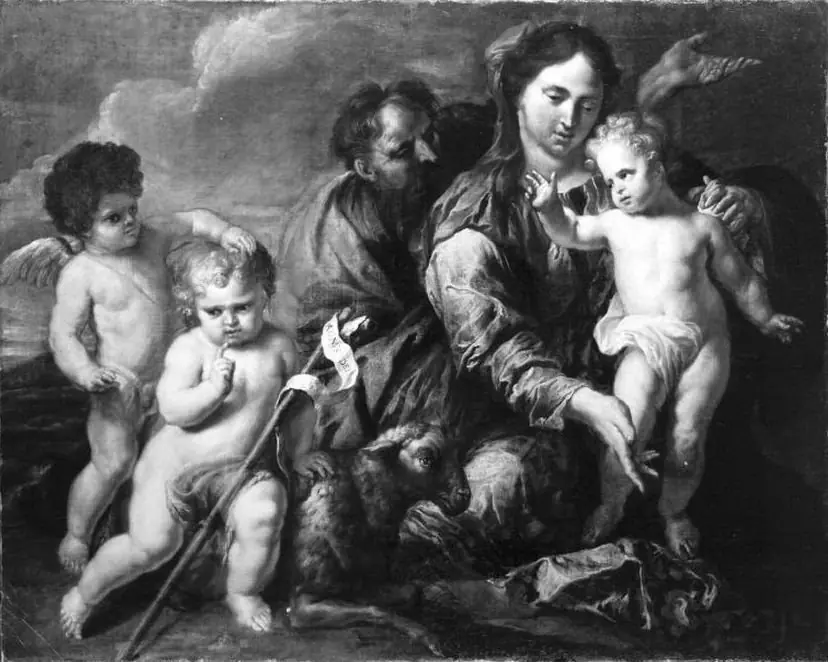 Holy family with Young St John the Baptist and an angel
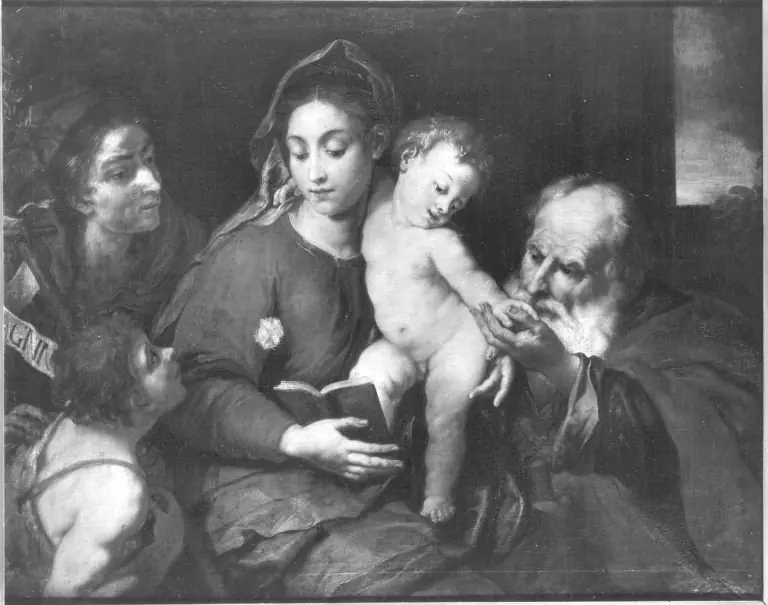 Die Heilige Familie mit dem Johannesknaben
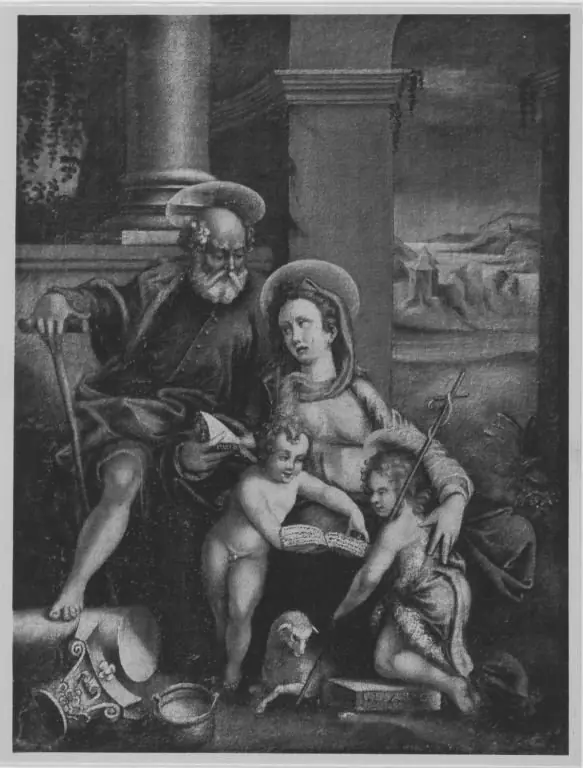 Heilige Familie (?)
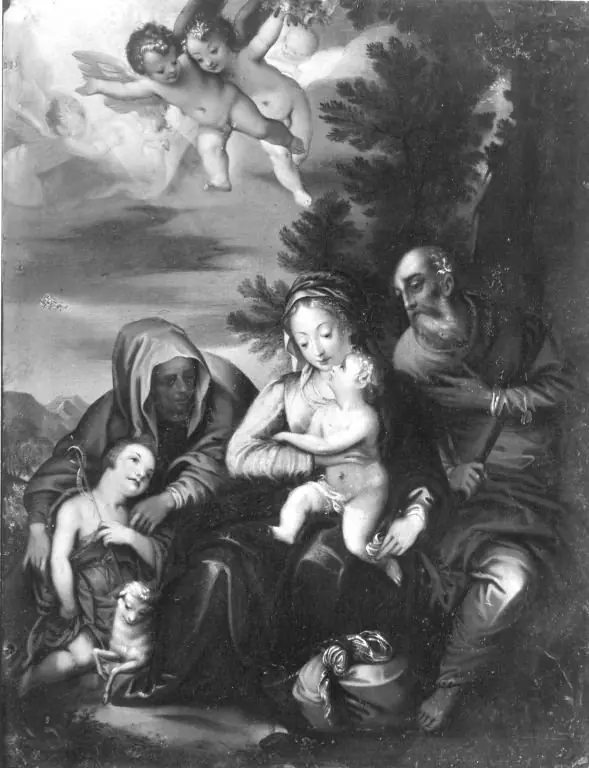 Heilige Familie
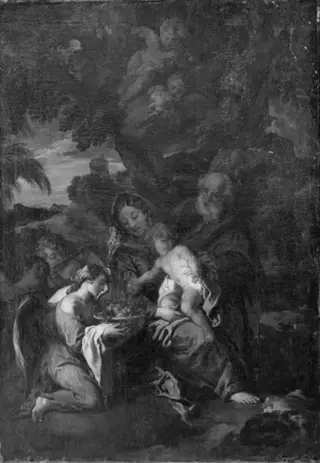 The Flight into Egypt
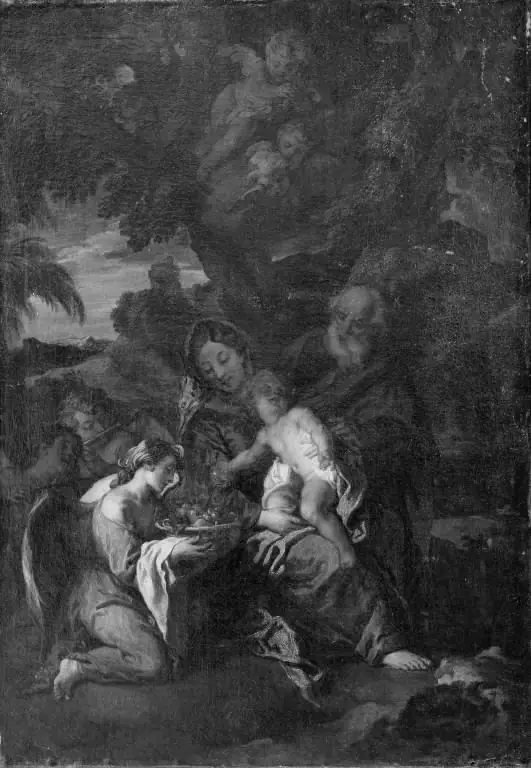 The Flight into Egypt
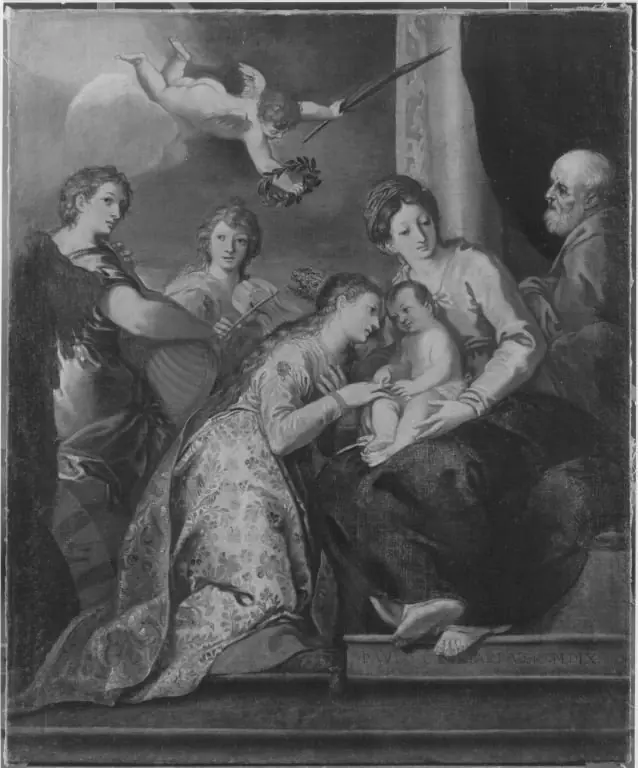 Mystic marriage of Saint Catherine of Alexandria
 The Rest on the Fligth into Egypt
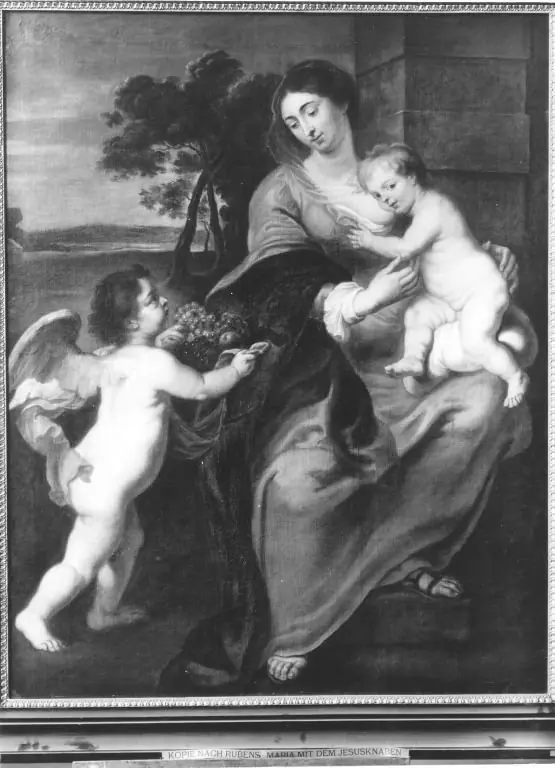 Maria mit Christuskind und einem Engel (Nachfolger)
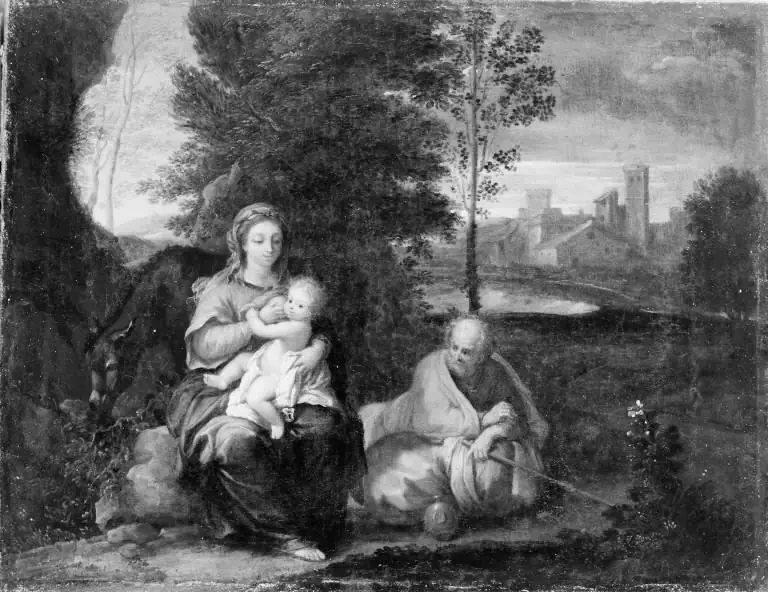 The Rest on the Fligth into Egypt