Artwork
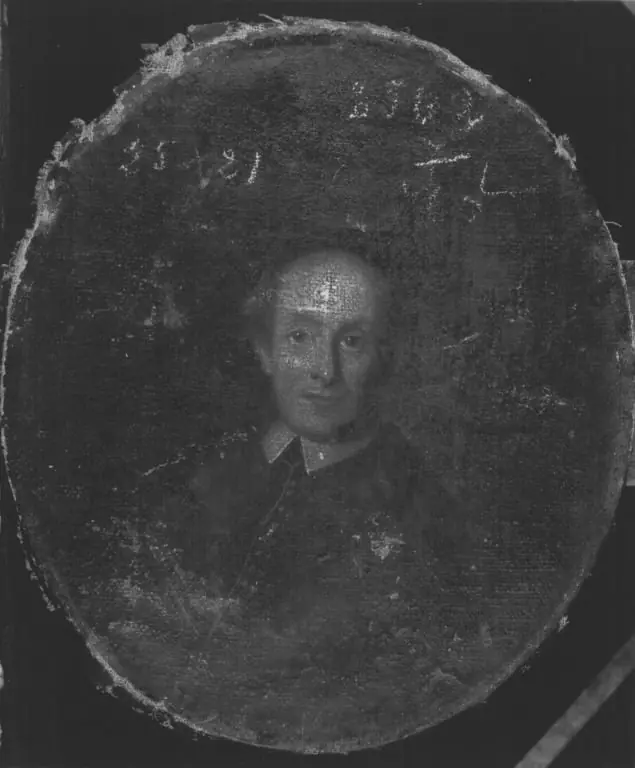
Portrait of an unknown man
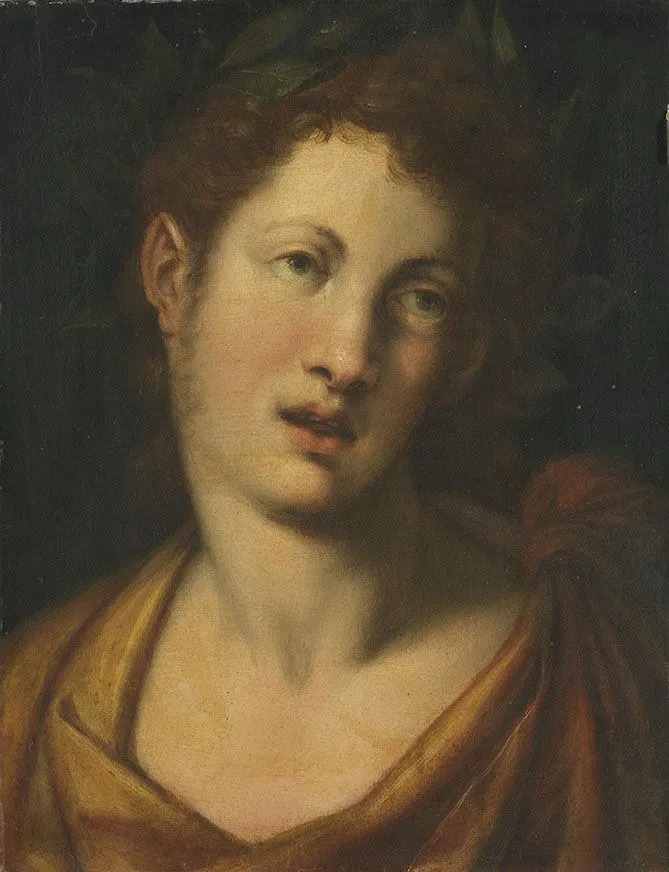
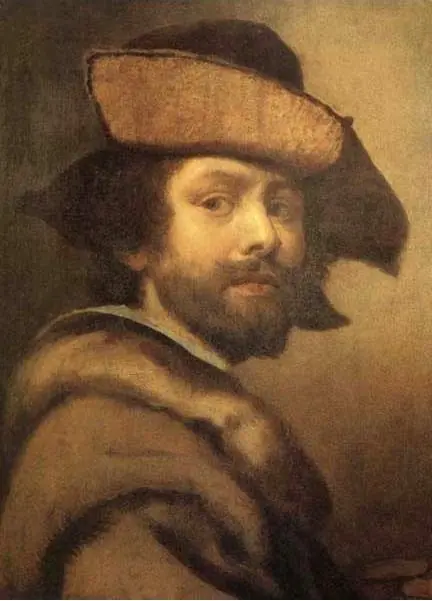
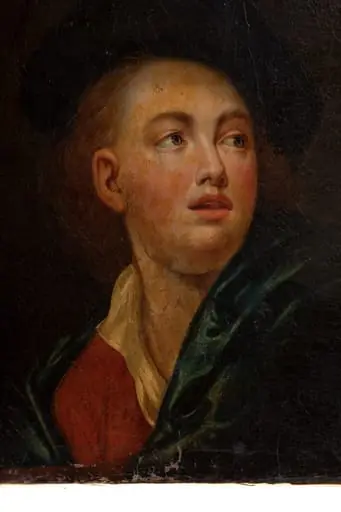
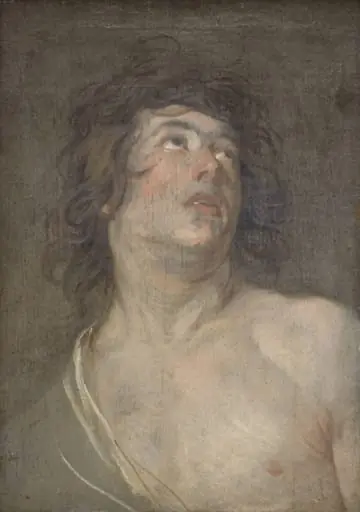
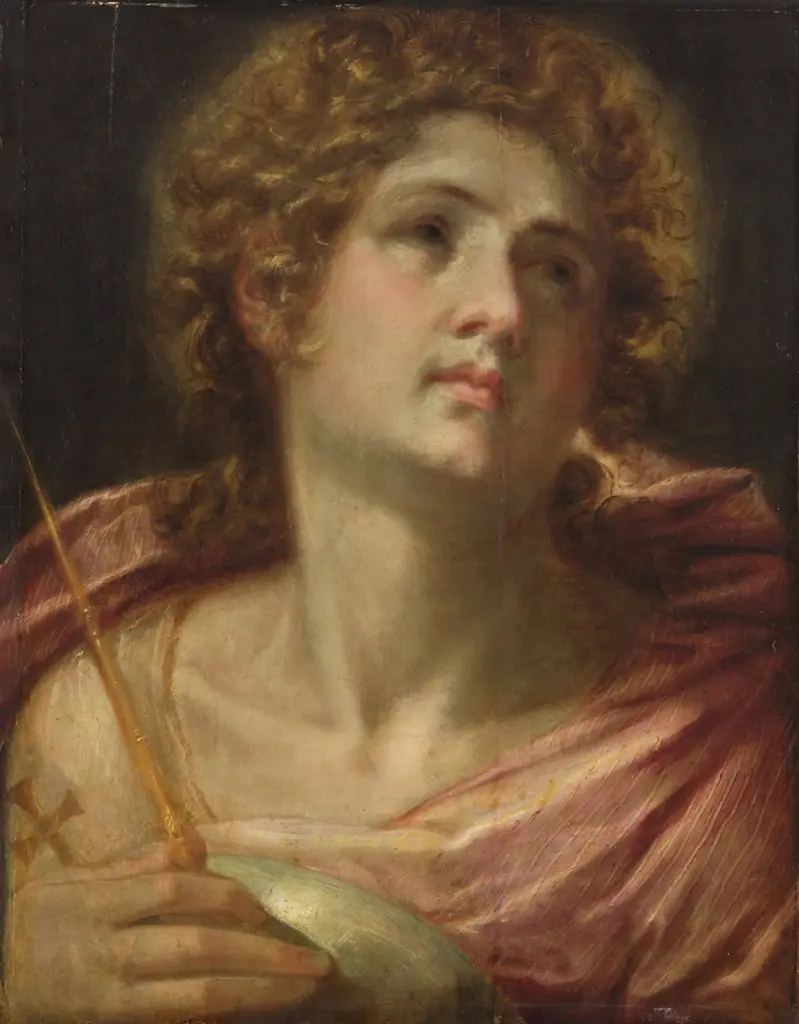
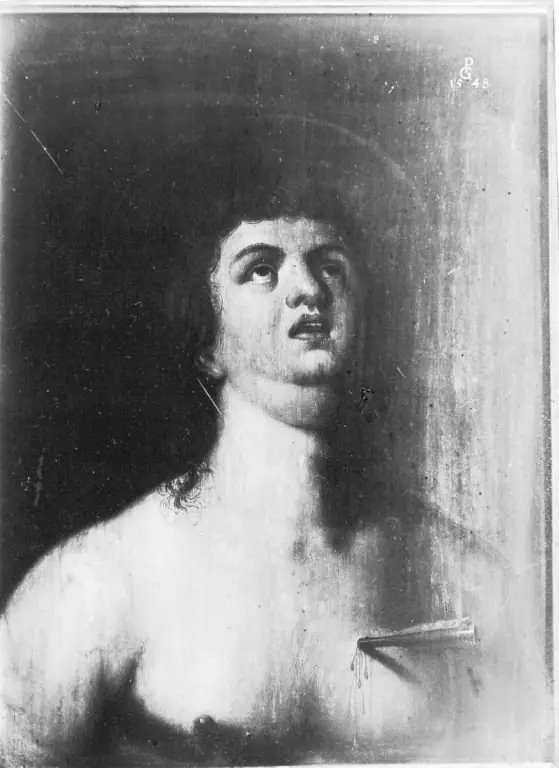
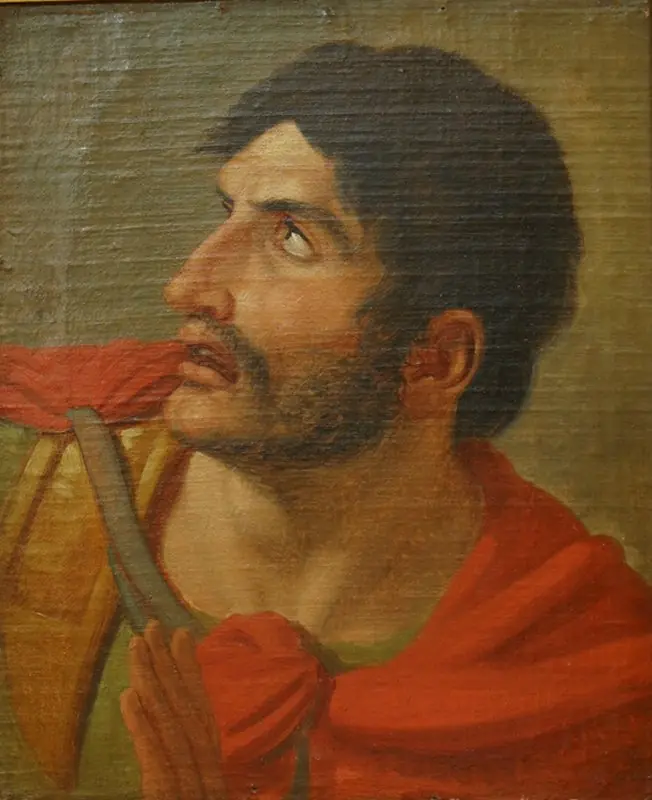
Portrait of an unknown man is an oil painting by the Early Baroque Italian artist Cristofano Allori. It dates from 1600 and is held in the collection of the Bavarian State Painting Collections.
About this work
Technique & Style
Handling reveals a refined, linear precision typical of Allori’s mannerist approach, with carefully modeled transitions in the face and a subdued palette.
The work is executed in oil paint on a wooden panel support measuring 48 cm in height and 37 cm in width, consistent with late sixteenth-century Florentine practice.
Handling reveals a refined, linear precision typical of Allori’s mannerist approach, with carefully modeled transitions in the face and a subdued palette. The sitter’s physiognomy is rendered through delicate glazing and restrained chiaroscuro, producing a lifelike yet idealized presence.
No specific condition reports are provided in the cited sources.
History & Provenance
The Portrait of an unknown man is an oil painting on panel created by Cristofano Allori in 1599. This work, measuring 48 cm in height and 37 cm in width, depicts a male subject and is classified as a portrait. The painting is currently held within the collection of the Bavarian State Painting Collections at the Alte Pinakothek.
While the specific details regarding the original commission or the identity of the sitter remain unrecorded in the available data, the work's creation is firmly dated to the year 1599.
Context
The painting Portrait of an unknown man by Cristofano Allori was created in 1599 and is housed in the Bavarian State Painting Collections at the Alte Pinakothek. It depicts an unidentified man and represents a mature example of the artist's portraiture within his broader oeuvre. The work's attribution and dating align with scholarly assessments of Allori's activity in late Renaissance Florence, though its subject remains unidentified, contributing to ongoing discussions about portrait conventions of the period.
Overview
This oil painting by Cristofano Allori, executed around 1600, presents a solitary male sitter against an unadorned dark ground. The work belongs to the transitional moment between late Florentine Mannerism and the emerging Baroque sensibility in Italy. Currently preserved in the Alte Pinakothek, the portrait exemplifies Allori's practice as a painter of both religious subjects and independent likenesses.
Subject & Meaning
The identity of the sitter remains unknown, a common circumstance for portraits of this era when records of private commissions frequently disappeared. The man appears with short dark hair and an unsmiling, contemplative expression. His attire, a plain brown garment with a raised collar, suggests modest status or deliberate sartorial restraint rather than aristocratic display. The absence of attributes, gestures, or setting shifts attention entirely toward the psychological presence of the individual.
Artist & collection
Artist
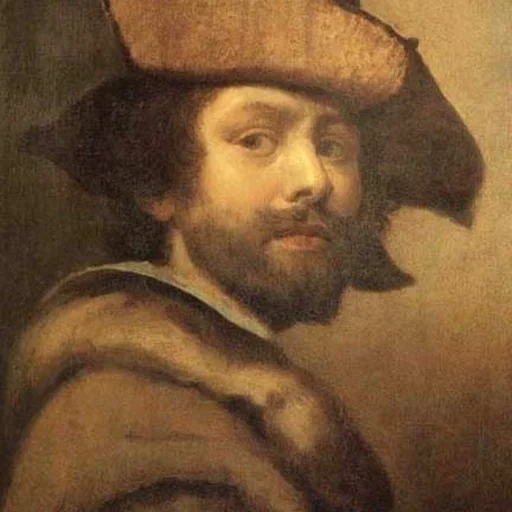
Cristofano Allori (17 October 1577 – 1 April 1621) was an Italian painter of the late Florentine Mannerist school, painting mostly portraits and religious subjects.