Artwork
Sir George Wharton
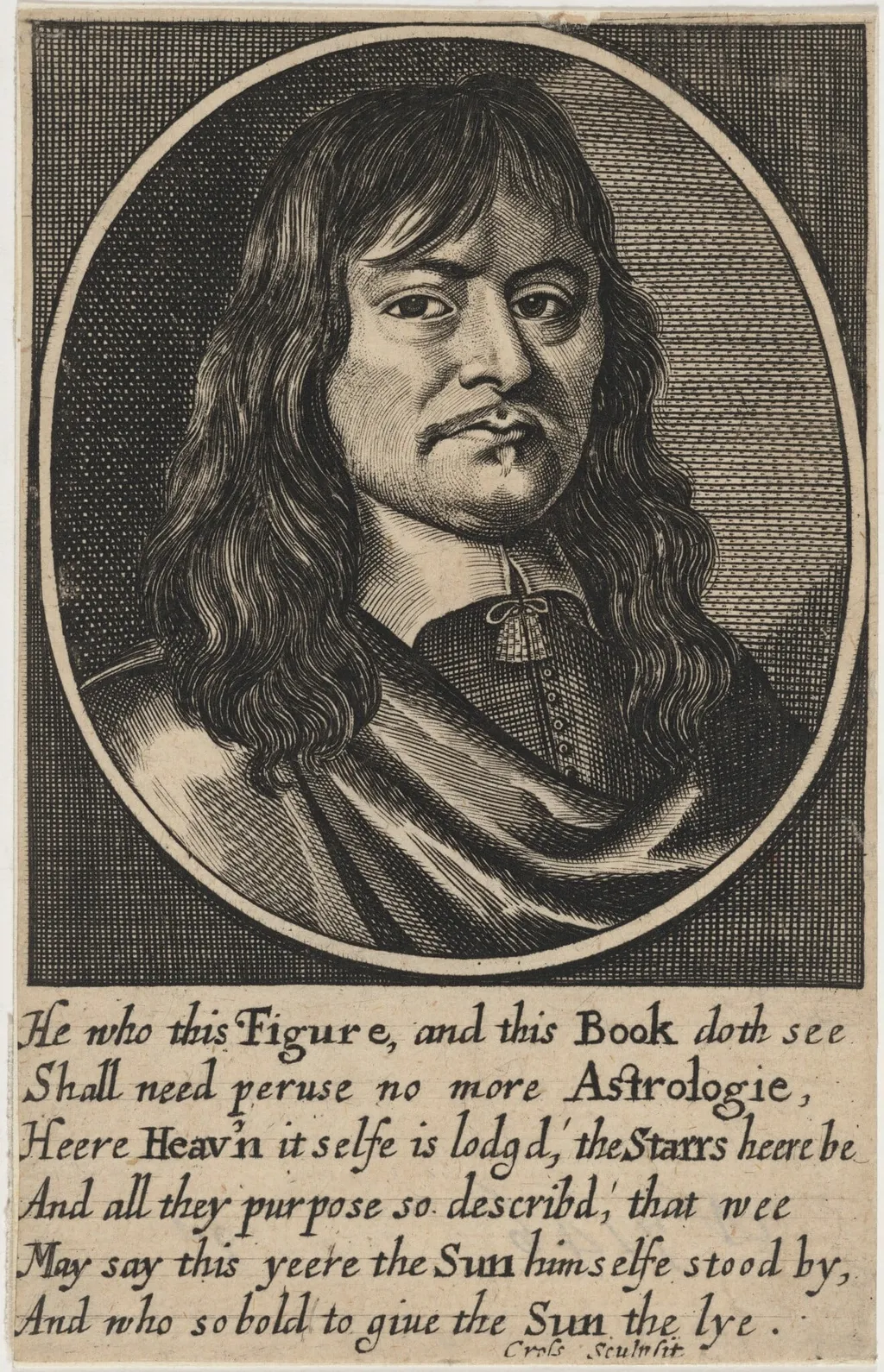
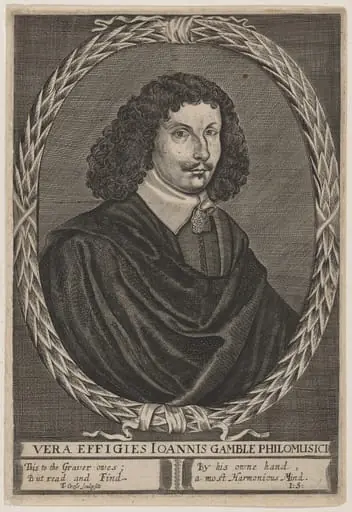
Sir George Wharton is an ink print by the Baroque artist Thomas Cross. It dates from 1657 and is held in the collection of the National Gallery of Art.
About this work
Overview
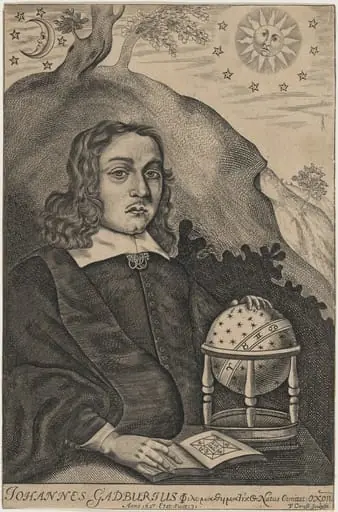
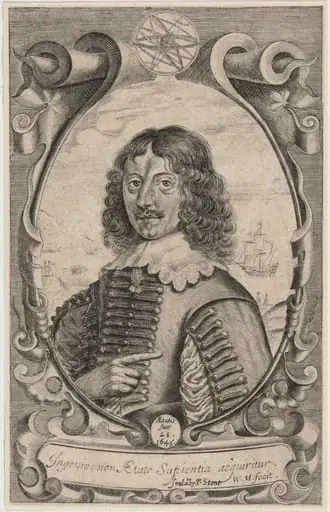
Thomas Cross's 1657 engraving, Sir George Wharton, is a black-and-white portrait depicting its subject with distinctive long curly hair, a mustache, and a high-collared attire adorned with a small bow. The image is framed within a simple oval border with textured detailing.
Subject & Meaning
The engraving portrays Sir George Wharton, whose direct gaze is complemented by a poetic inscription below the portrait. This verse alludes to Wharton's adventurous scientific and astronomical theories, contextualizing the subject beyond mere portraiture.
Technique & Style
The engraving showcases Cross's technical proficiency through meticulously detailed lines, particularly evident in the rendering of Wharton's facial features and curly hair. The overall style blends precision with a subtle expressiveness.
History & Provenance
Created in 1657, specific details regarding the engraving's provenance and historical context of creation are not provided in the available information.
Context
The work reflects the 17th-century interest in scientific inquiry and the celebration of figures contributing to astronomical discourse. The medium of engraving made such portraits accessible for wider dissemination.
Legacy
The enduring legacy of Sir George Wharton as an engraving lies in its preservation of Wharton's image and intellectual reputation, though its broader impact on the art historical canon is not explicitly defined by the given details.
Own this work as a print
Artist & collection