Artwork
Portrait of a man
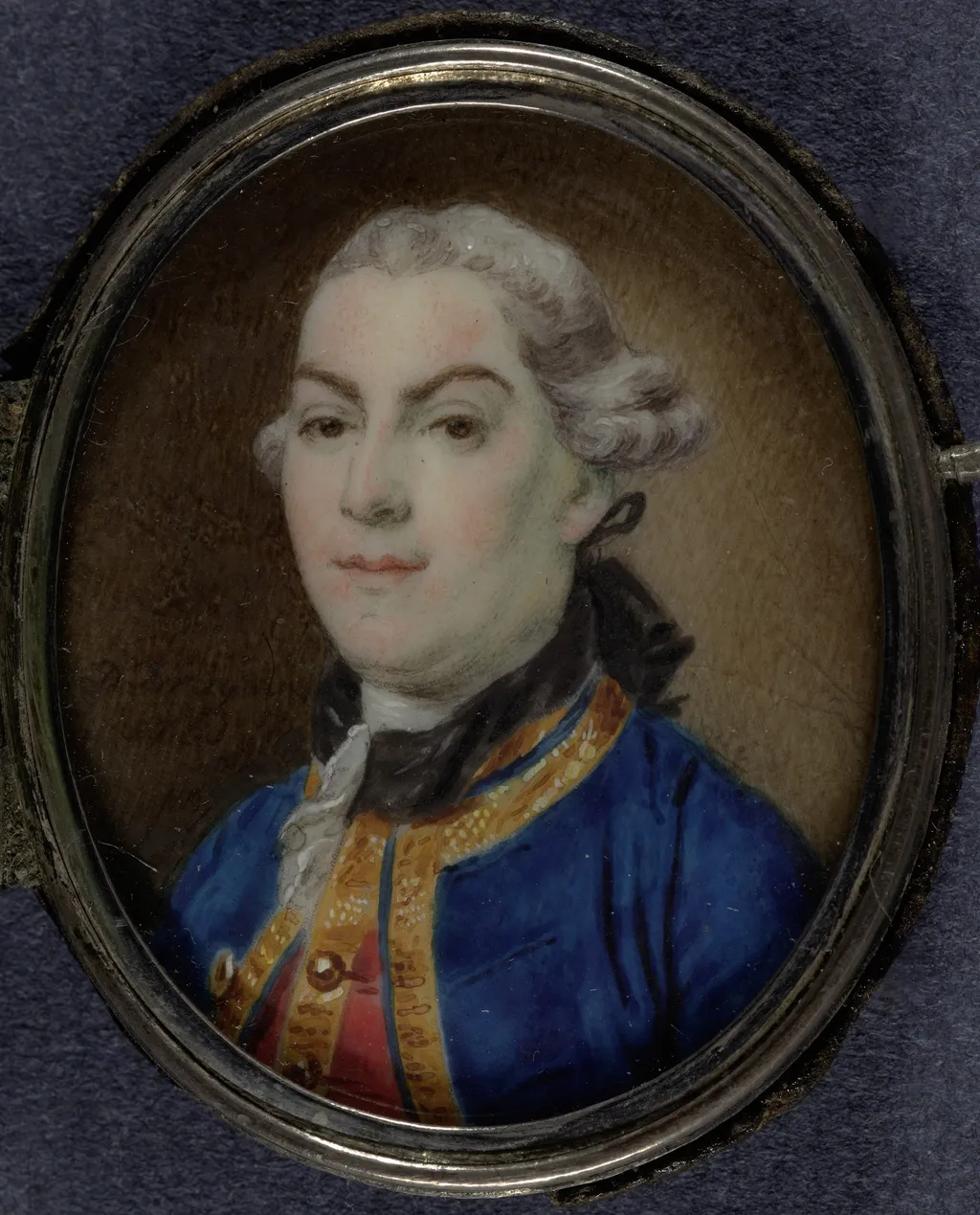
Portrait of a man is an ivory painting by the Rococo painting artist Daniël Bruyninx. It dates from 1761 and is held in the collection of the Rijksmuseum.
About this work
Subject & Meaning
The sitter is an unnamed man rendered on a rectangular ivory panel in 1761.
The sitter is an unnamed man rendered on a rectangular ivory panel in 1761. Bruyninx emphasizes the sitter's presence through a direct gaze and minimal adornment, suggesting a focus on individual identity rather than allegorical narrative. The work belongs to the portrait genre and was originally owned by Adolph Staring and Jacoba Henriette Magdalena de Mol van Otterloo before entering the Rijksmuseum collection.
Technique & Style
A small oil portrait painted on ivory panel depicts an unidentified man in a three-quarter view against a muted background. The work measures 3.5 cm by 2.8 cm and dates to 1761. Its handling emphasizes fine brushwork that renders the sitter’s facial features and clothing with restrained detail, while the limited palette of earth tones and subtle chiaroscuro contribute to a calm, formal presence. The painting’s surface condition is stable, showing only minor craquelure typical of aged ivory support.
History & Provenance
The Portrait of a man was created in 1761 by Daniël Bruyninx, as documented in the internal catalog and confirmed by Wikidata, which records its inception on 1761-01-01. Executed in oil on ivory, the work measures 3.5 cm by 2.8 cm and depicts a man. Its early ownership passed from Adolph Staring to Jacoba Henriette Magdalena de Mol van Otterloo, establishing a clear chain of custody shortly after its creation.
The painting entered the collection of the Rijksmuseum, where it remains housed, maintaining its status as a portrait within the institution's holdings.
Overview
Created in 1761 by Dutch artist Daniël Bruyninx, this oval portrait presents a solitary male sitter. The work is executed on ivory, a material seldom employed for portraiture, and is part of the Rijksmuseum’s collection. Its compact format and restrained composition focus attention on the figure’s attire and expression.
Context
Portraits on ivory were uncommon in the Dutch Enlightenment period, where oil on canvas dominated. Bruyninx’s choice of material aligns with a niche tradition of miniature and luxury objects, often commissioned by affluent patrons seeking a portable, refined likeness. The work thus illustrates a convergence of artistic skill and material opulence.
Own this work as a print
Artist & collection

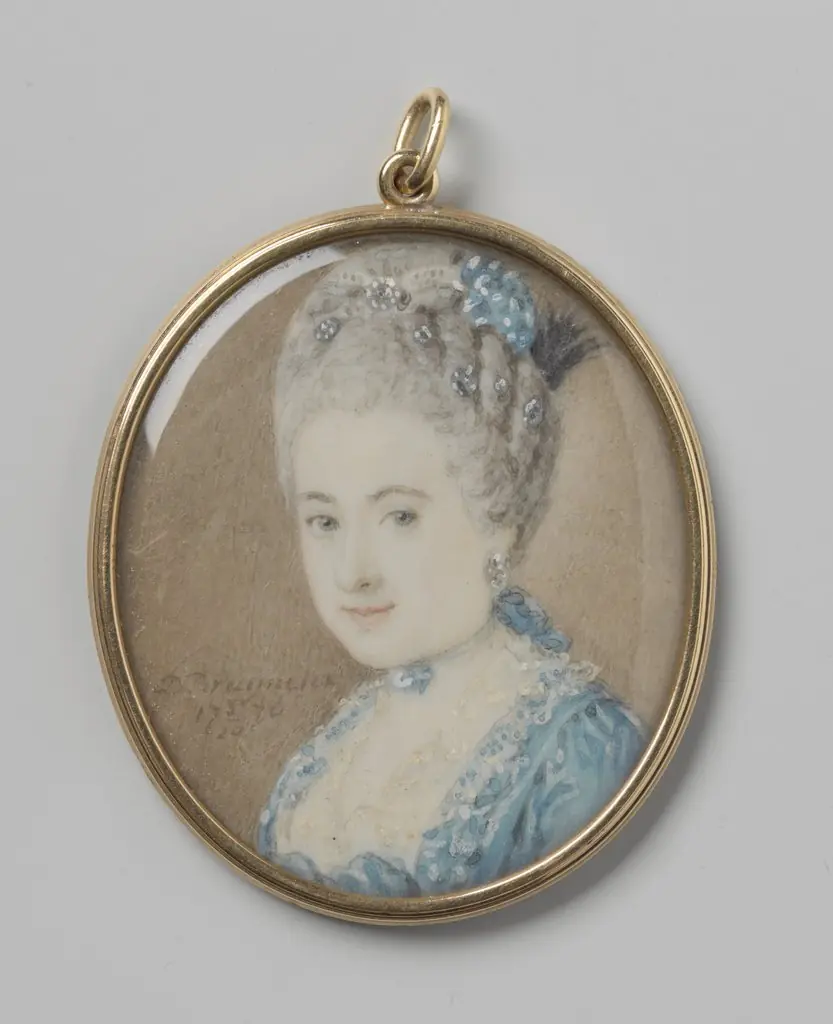
- Archibald McCall
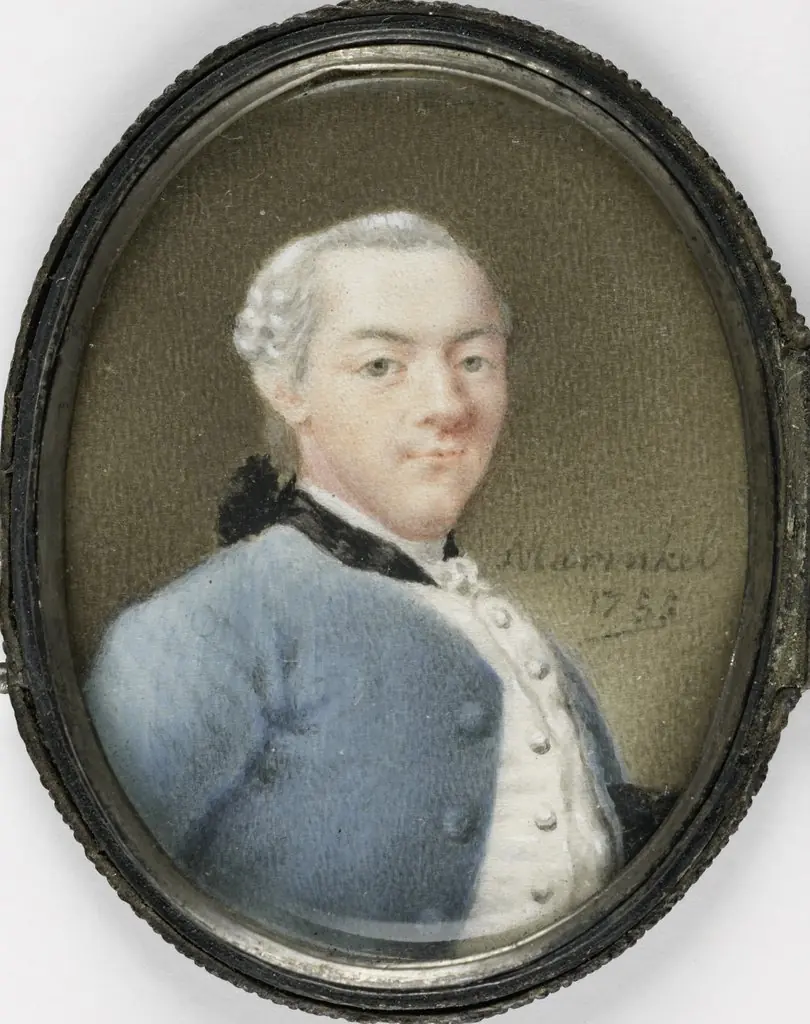 Portret van een man
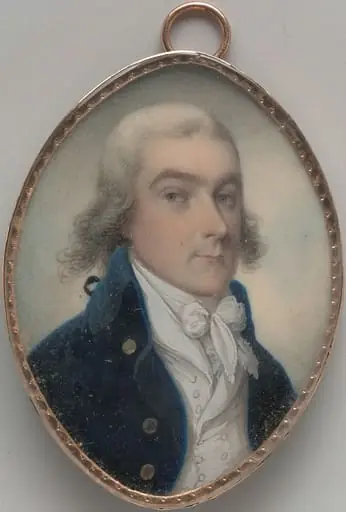 William Udall
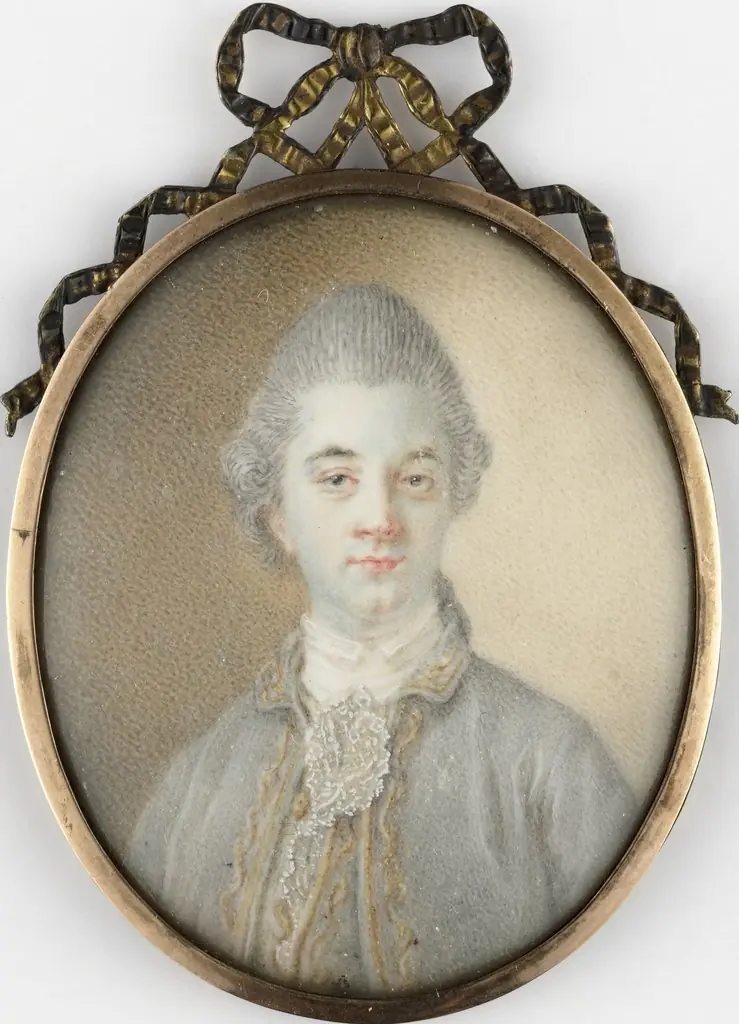 Mr. Willem Boreel (1744-1796), magistrate of Amsterdam
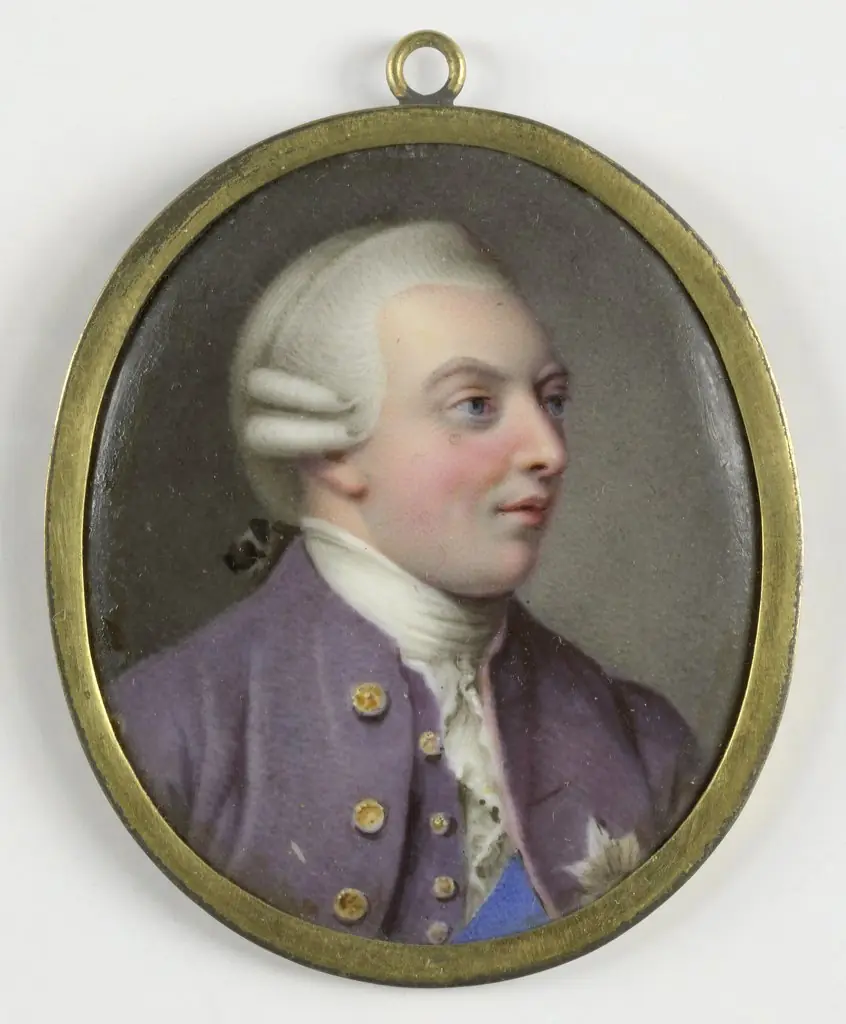 George III (1738-1820), koning van Engeland
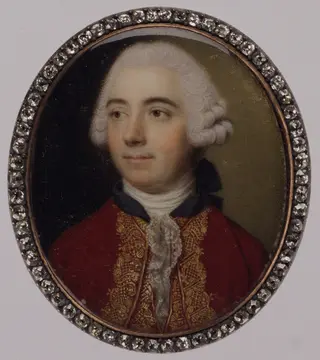 Sir William Hood
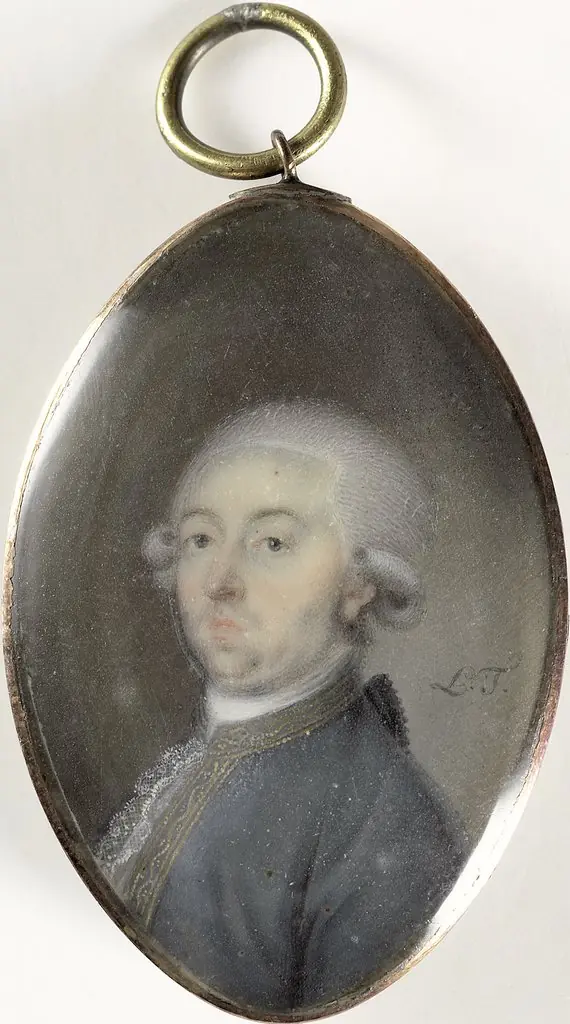 Portrait of Roedolph van Olden (1752-1828)
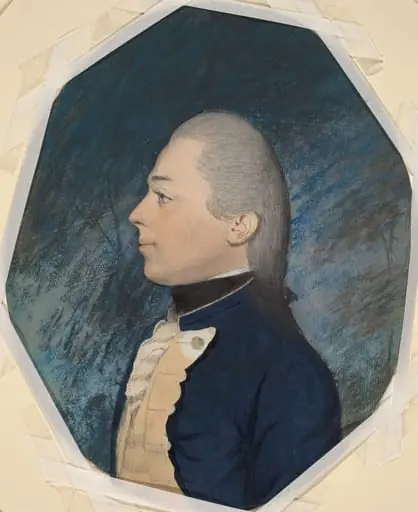 Thomas Peyton
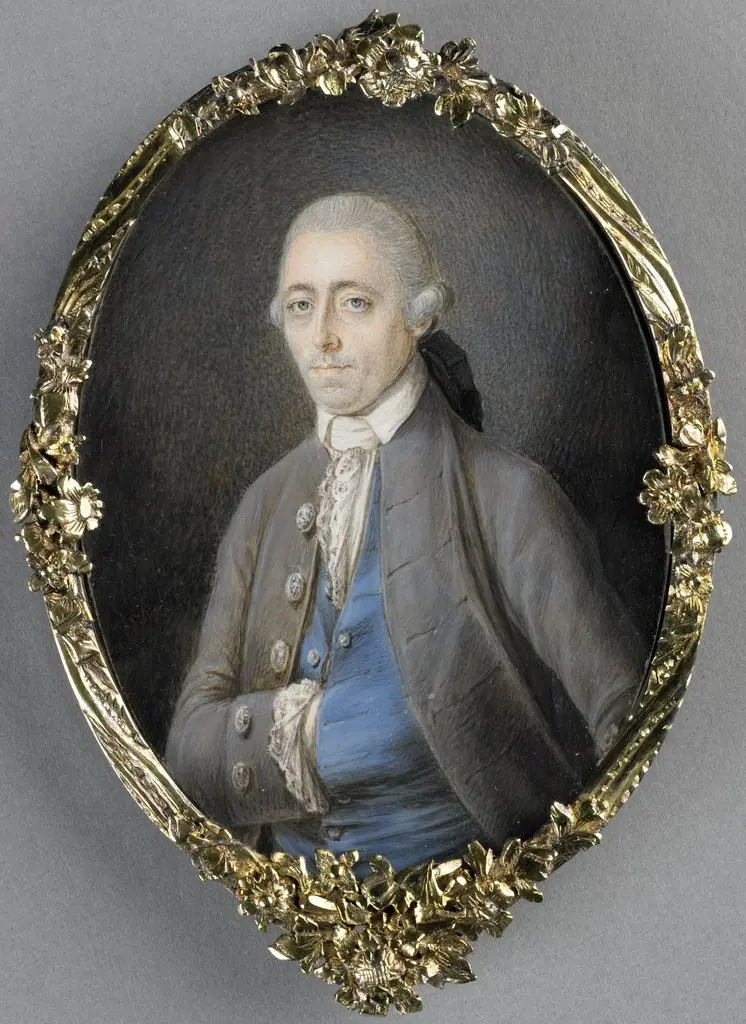 Portrait of Johannes Wesenhagen (1743-1803)
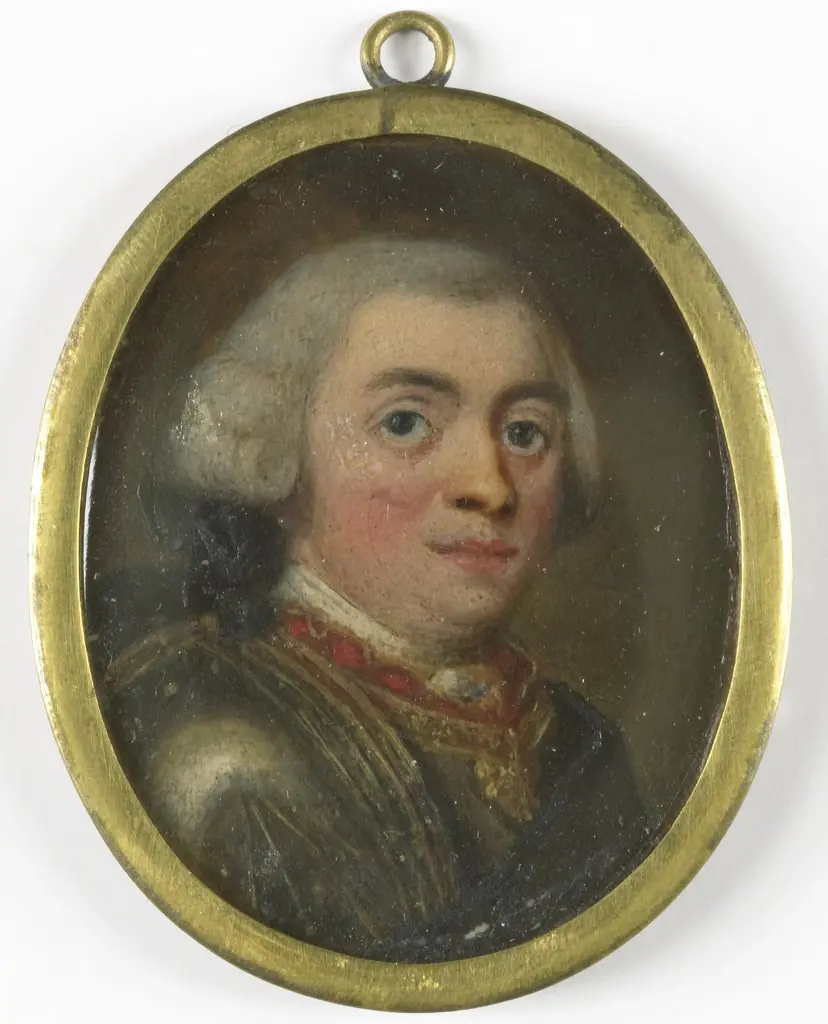 Willem IV (1711-51), prins van Oranje Nassau
 Portrait of a Man