Artwork
Sir William Hood
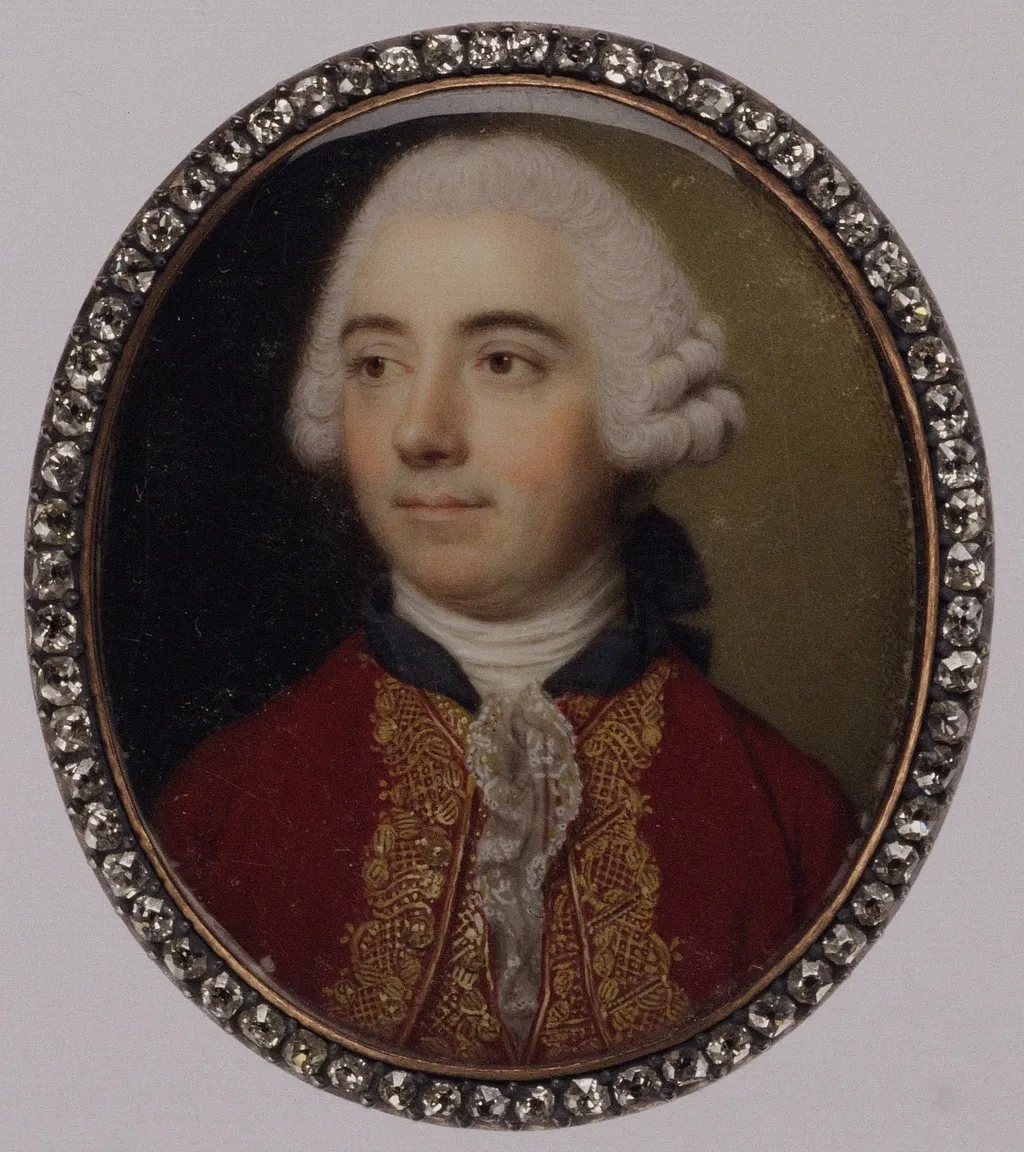
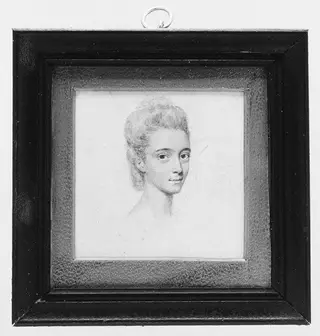
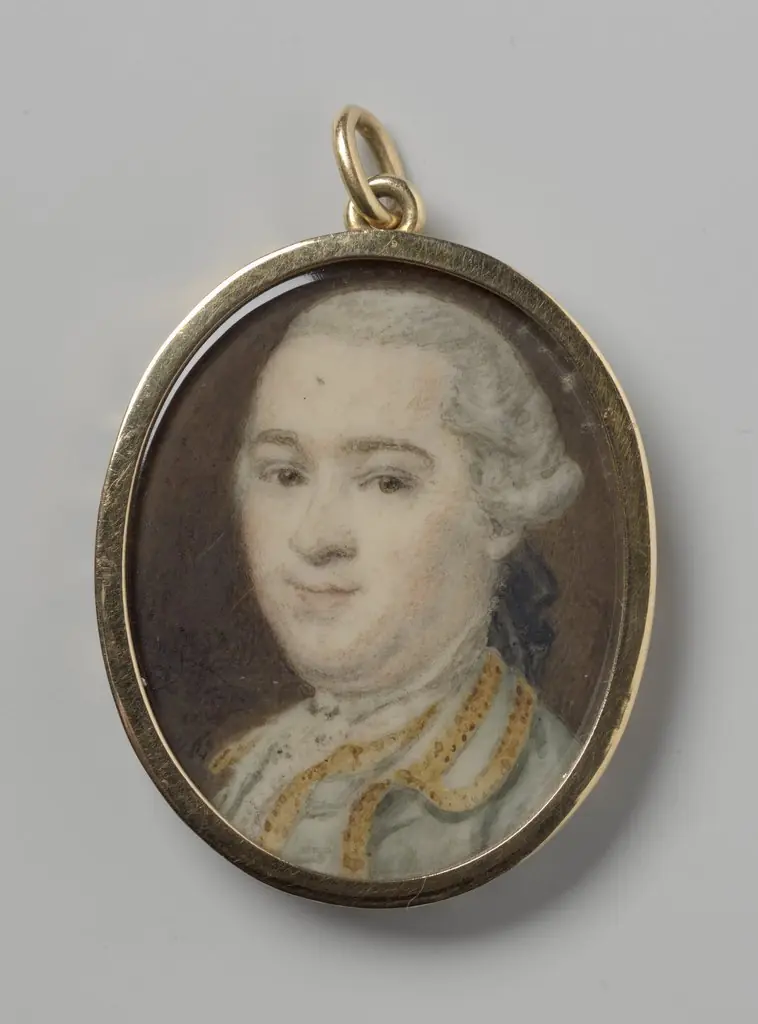
Sir William Hood is a watercolor painting by the Rococo painting artist John I Smart. It dates from 1766 and is held in the collection of the Metropolitan Museum of Art.
About this work
Subject & Meaning
The painting presents a gentleman identified as Sir William Hood, rendered as a portrait miniature on ivory support.
The painting presents a gentleman identified as Sir William Hood, rendered as a portrait miniature on ivory support. The sitter is depicted in contemporary eighteenth-century attire, suggesting his status within British society. As a work by John Smart, the piece functions as a conventional portrait that emphasizes the sitter's respectability rather than narrative symbolism; no overt allegorical elements are recorded.
The composition focuses on realistic likeness, with the subject's pose and attire serving to convey social rank. The work is catalogued as a portrait in the Metropolitan Museum of Art collection, dated 1766.
Technique & Style
Sir William Hood is a portrait miniature executed in watercolor on ivory, a pairing of medium and support characteristic of the small-scale portrait tradition in which John Smart specialized. The work is classified as a painting and takes the form of a portrait of a man.
History & Provenance
Sir William Hood is a portrait miniature by John Smart, dated 1766. It is executed in watercolor on ivory and depicts a man. The work is held in the collection of the Metropolitan Museum of Art, where it remains located.
No information is available in the provided sources regarding the original commission, the circumstances of its creation, or the chain of ownership prior to its accession by the Metropolitan Museum of Art.
Context
John Smart, a British portraitist active in the mid-eighteenth century, painted Sir William Hood in 1766 on an ivory support using watercolor pigments. The work is catalogued as a portrait and is held by the Metropolitan Museum of Art, where it is displayed as part of the museum's collection of early British portraiture. Its representation of a gentleman reflects contemporary elite portrait conventions, and Smart's mastery of the miniature format contributed to the development of British portrait miniatures.
Overview
John Smart, an English painter recognized for his miniature portraits, completed Sir William Hood in 1766. This small-scale work, rendered on ivory, captures the likeness of a gentleman in the Rococo style. It is a notable example of 18th-century portraiture and is presently housed within the collection of The Metropolitan Museum of Art, showcasing the artist's refined technique.
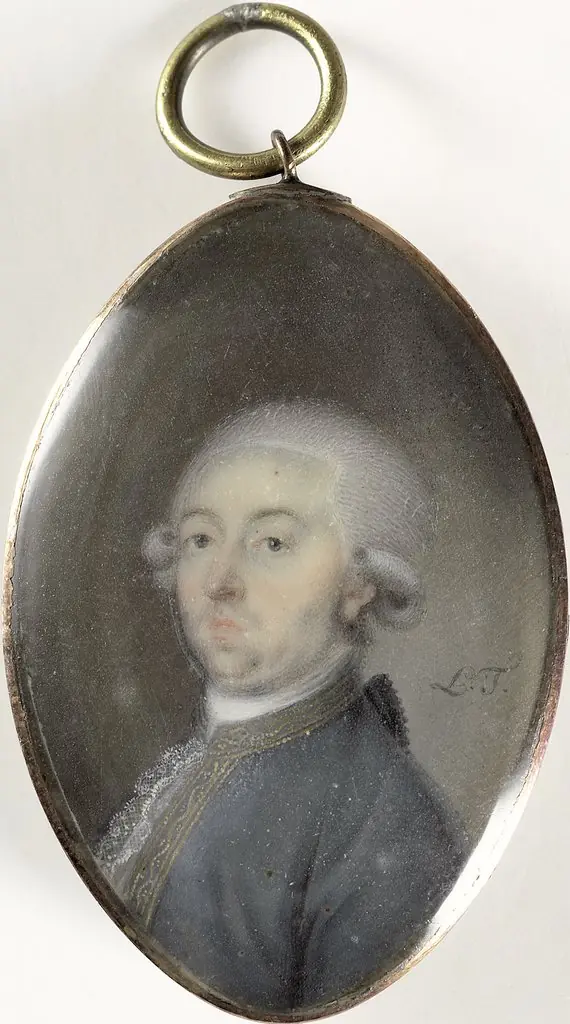
Artist & collection
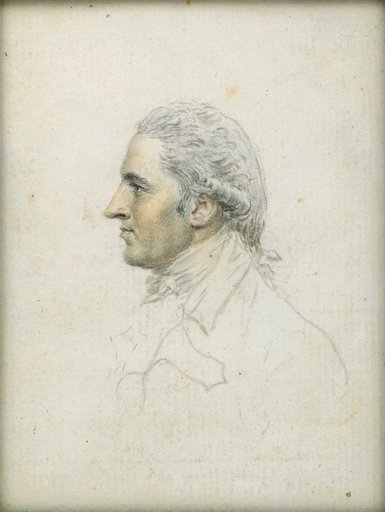
Artist
John Smart (1 May 1741 – 1 May 1811) was an English painter who specialised in portrait miniatures. He was a contemporary of Richard Cosway, George Engleheart, William Wood and Richard Crosse.

- Portrait of Roedolph van Olden (1752-1828)
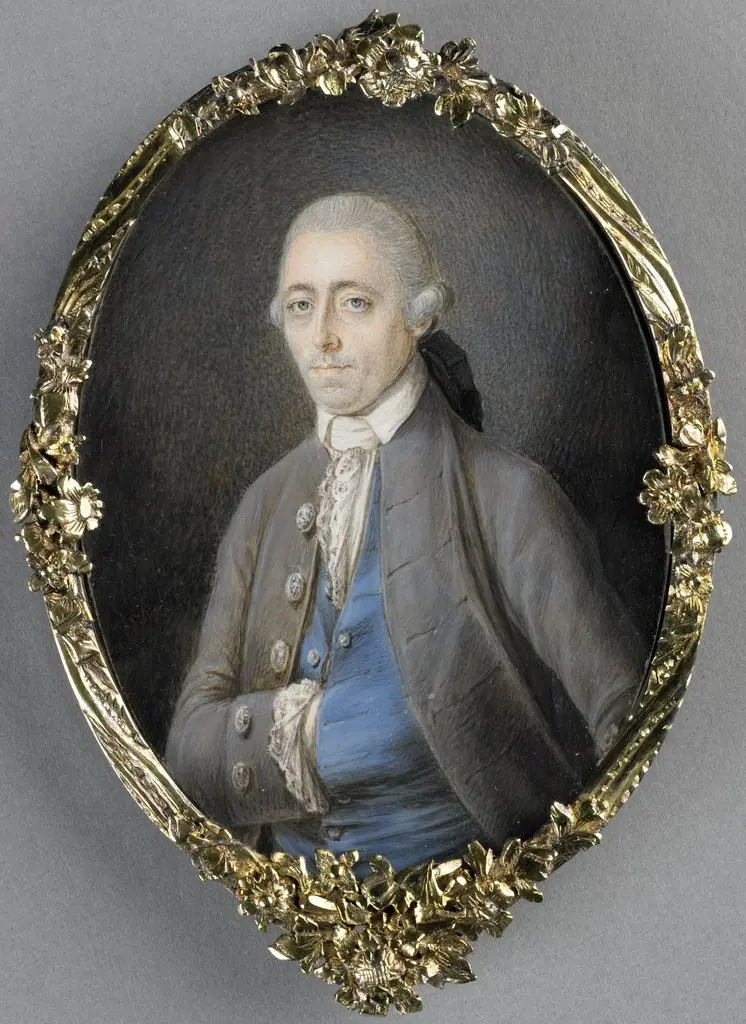 Portrait of Johannes Wesenhagen (1743-1803)
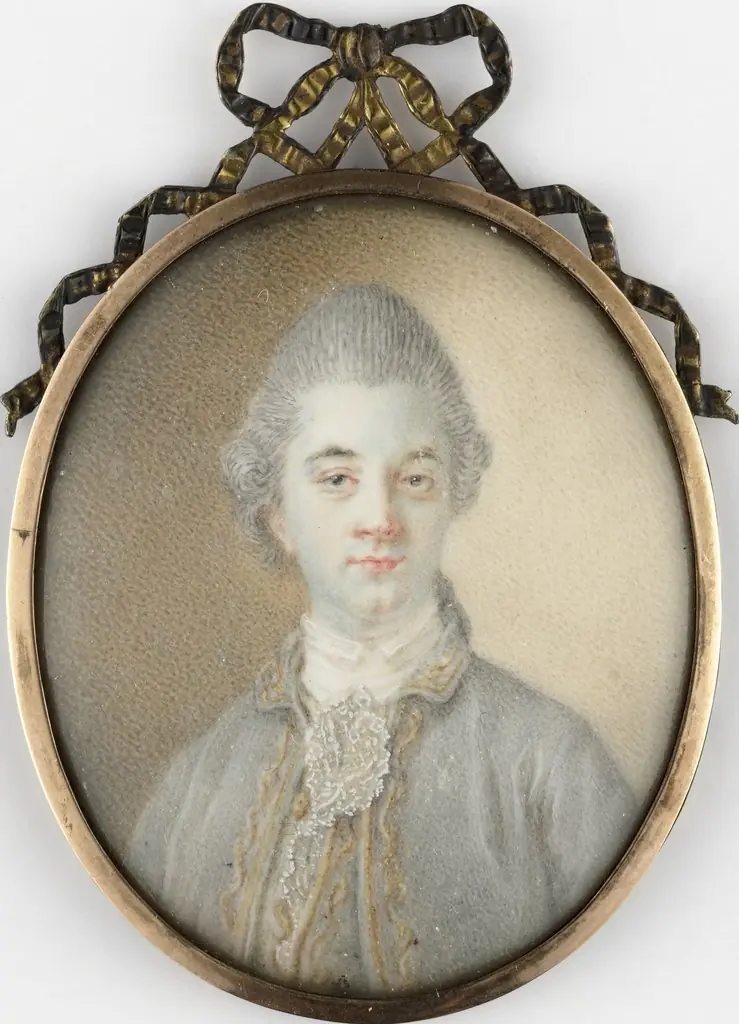 Mr. Willem Boreel (1744-1796), magistrate of Amsterdam
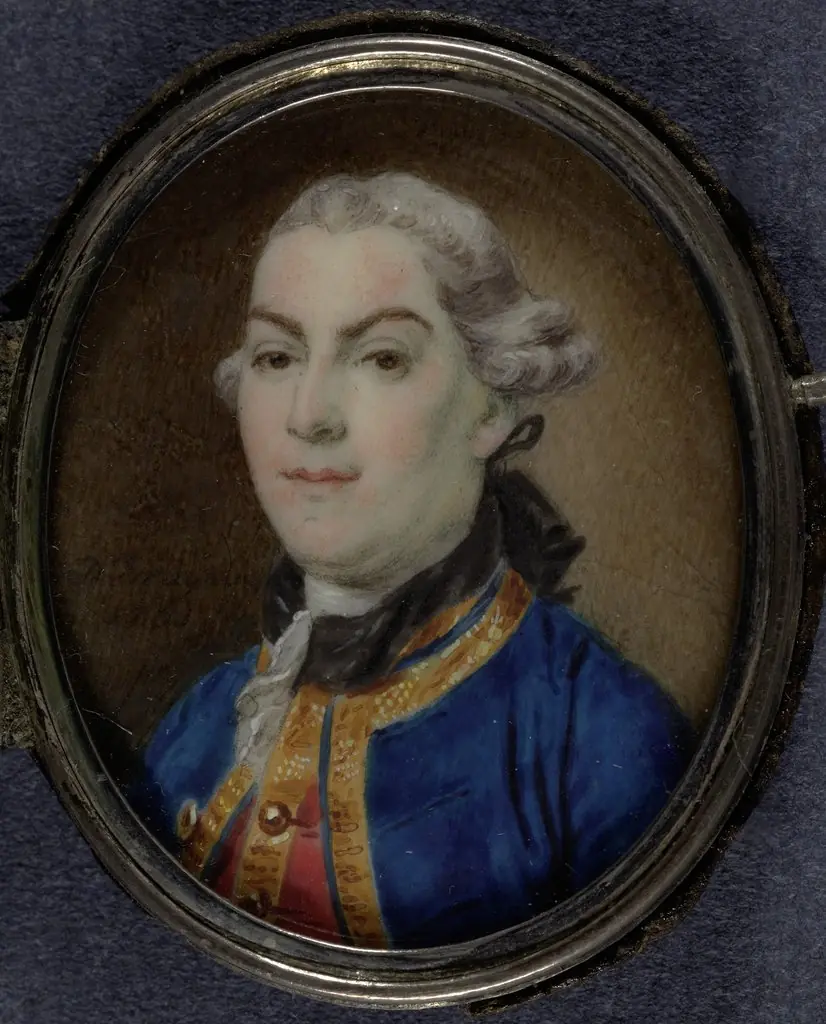 Portrait of a man
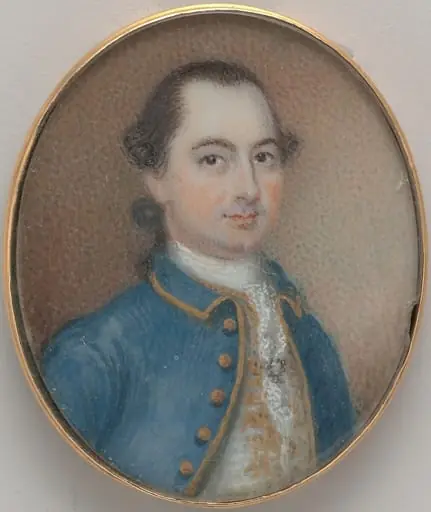 Archibald McCall
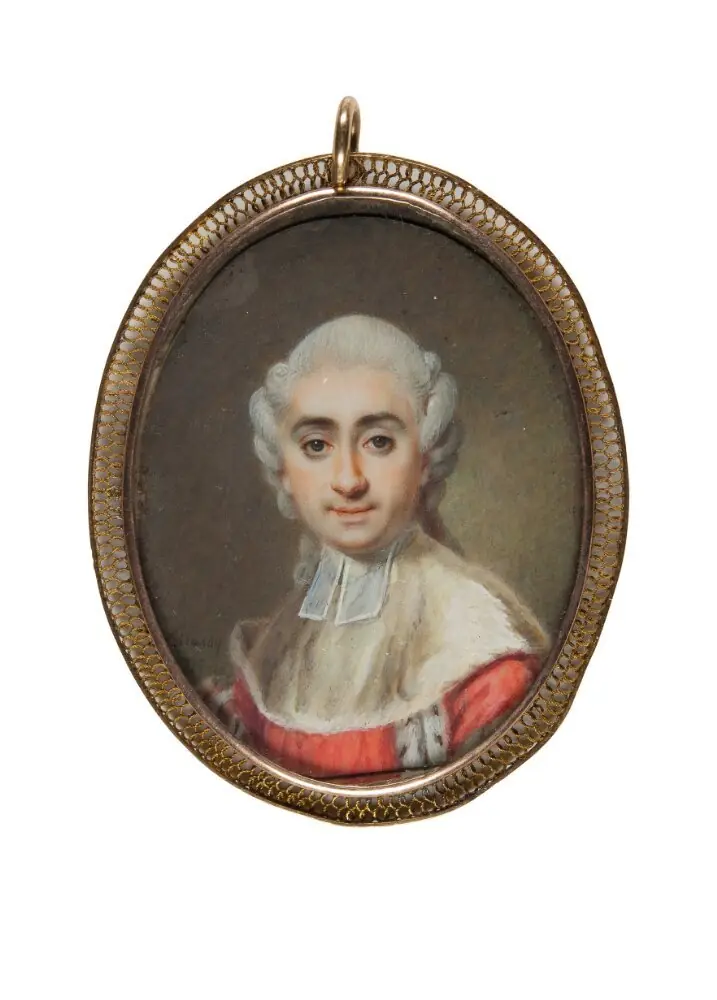 Unknown President in the Parlement of Paris
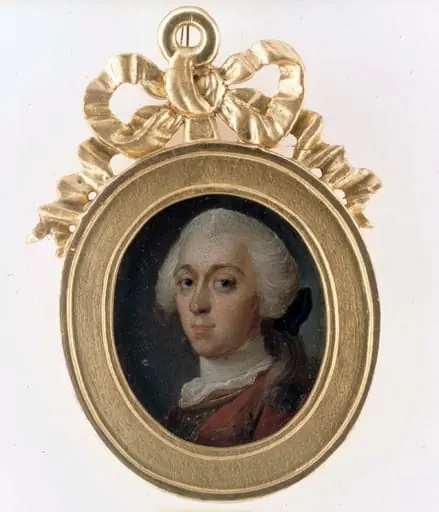 Valtaneuvos Clas Ekeblad
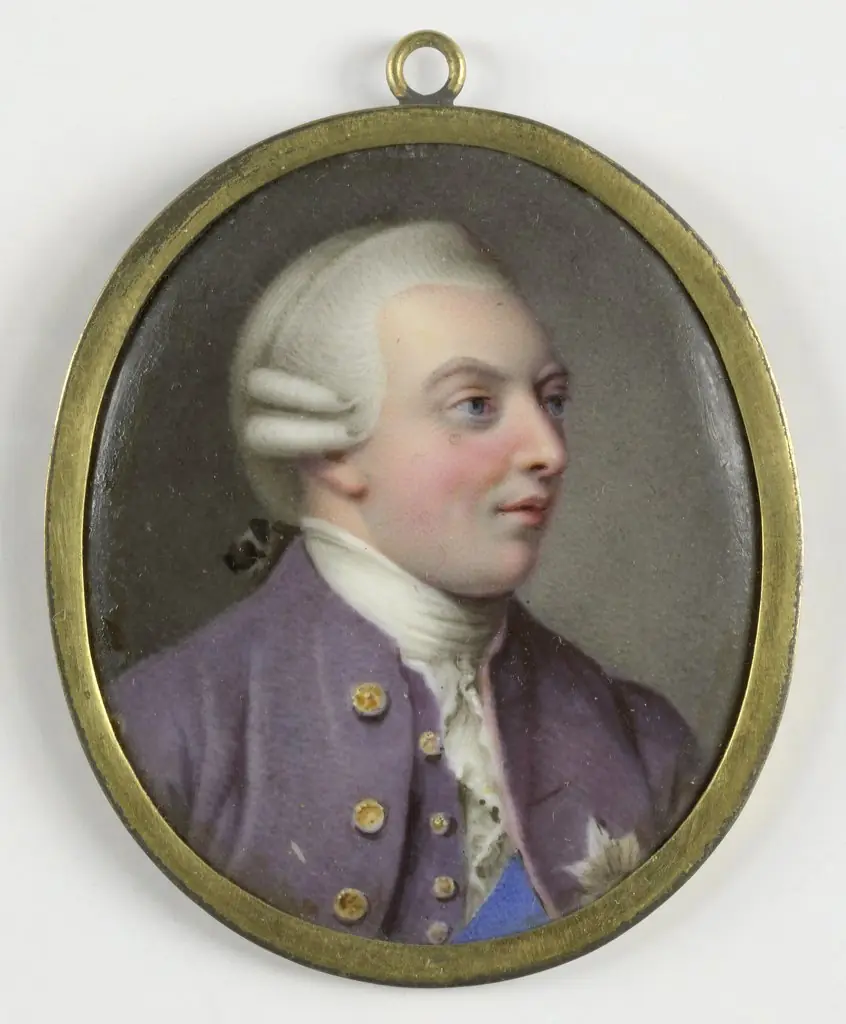 George III (1738-1820), koning van Engeland
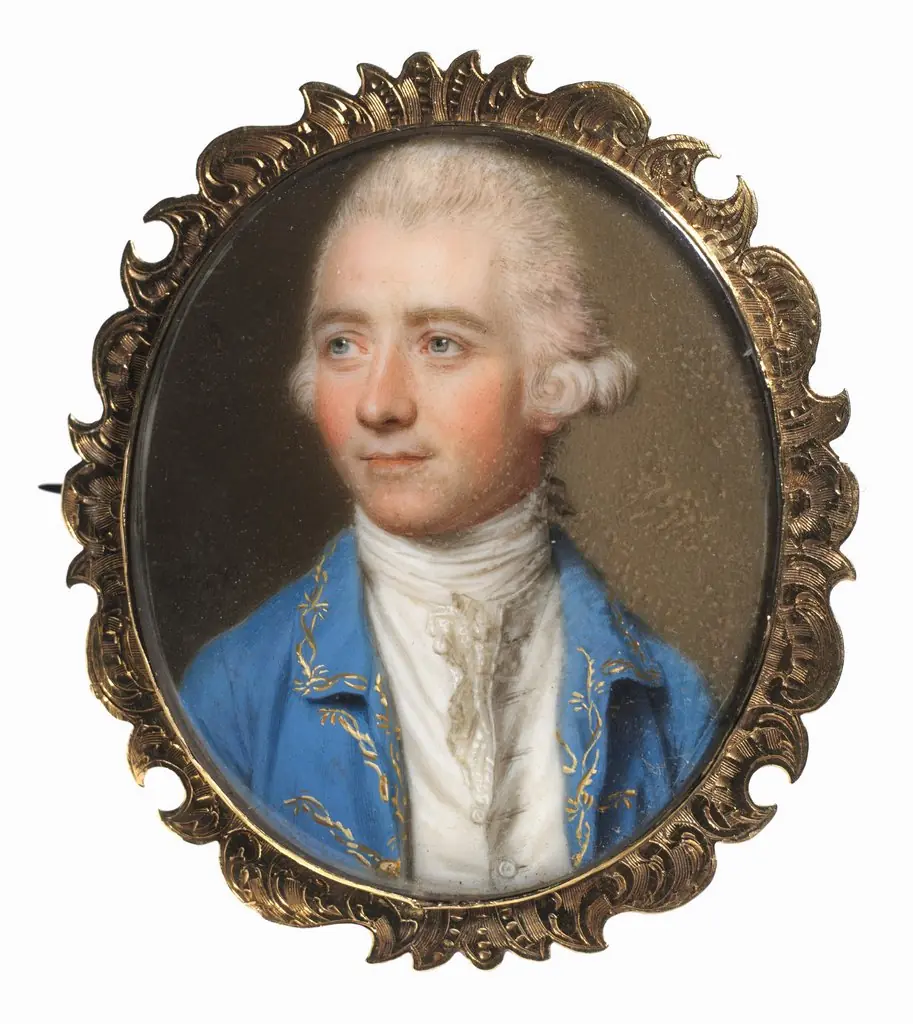 Portrait of a Man, Possibly Sir Soulden Lawrence
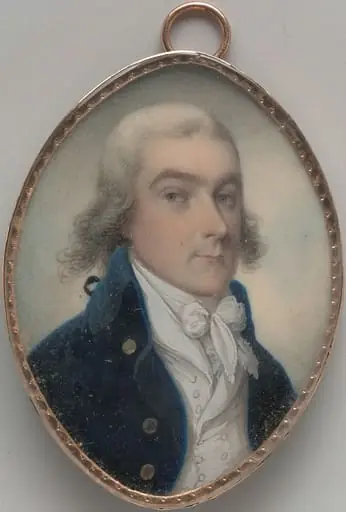 William Udall
 Portret van een man
 Portrait of a Man