Artwork
Archibald McCall
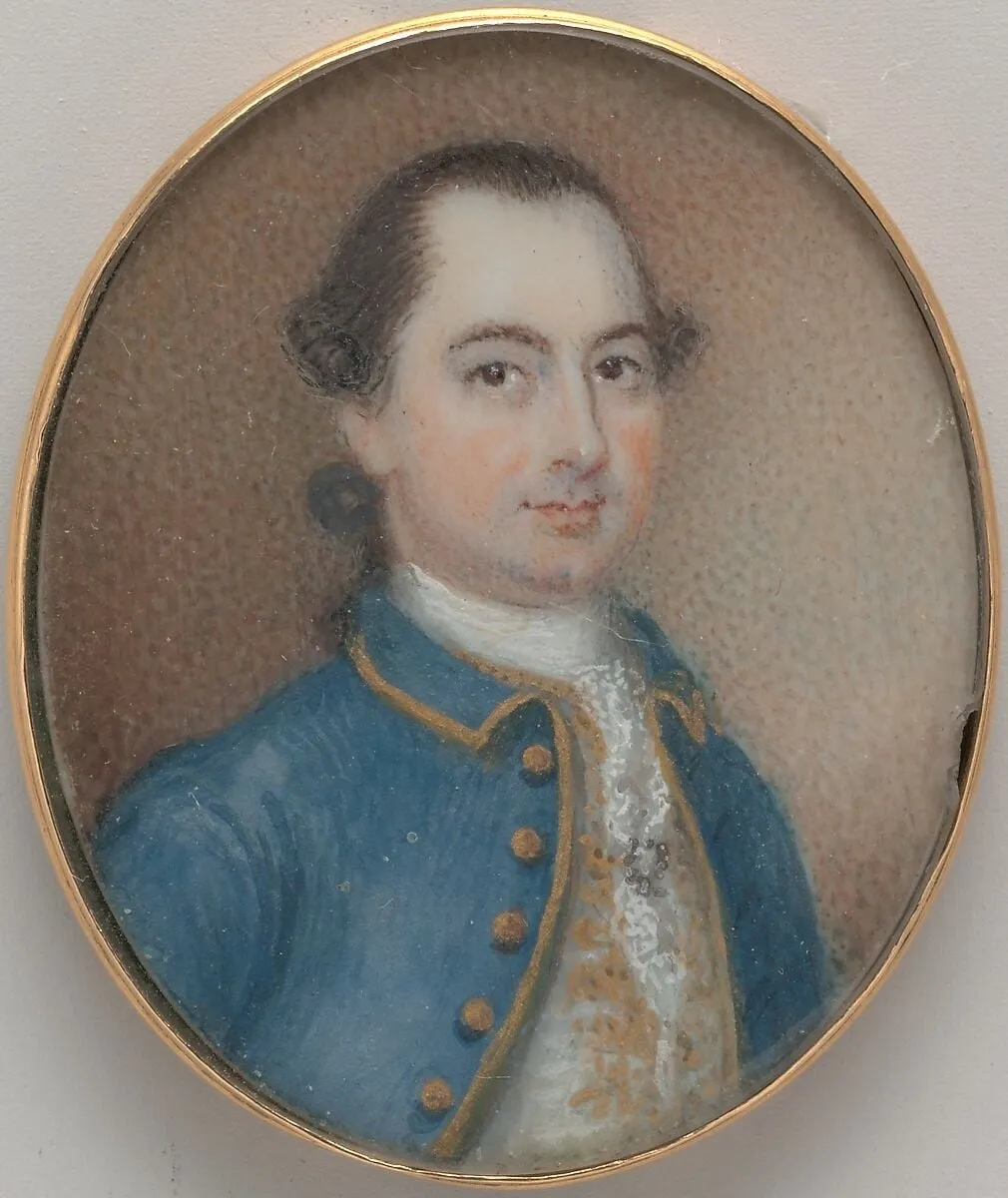
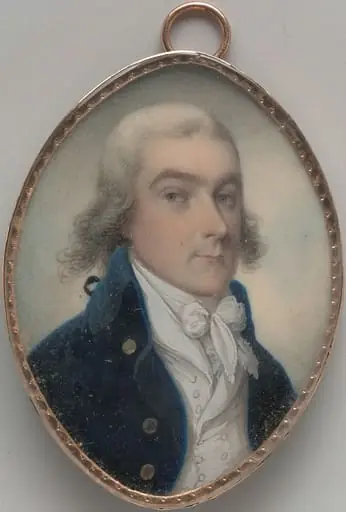
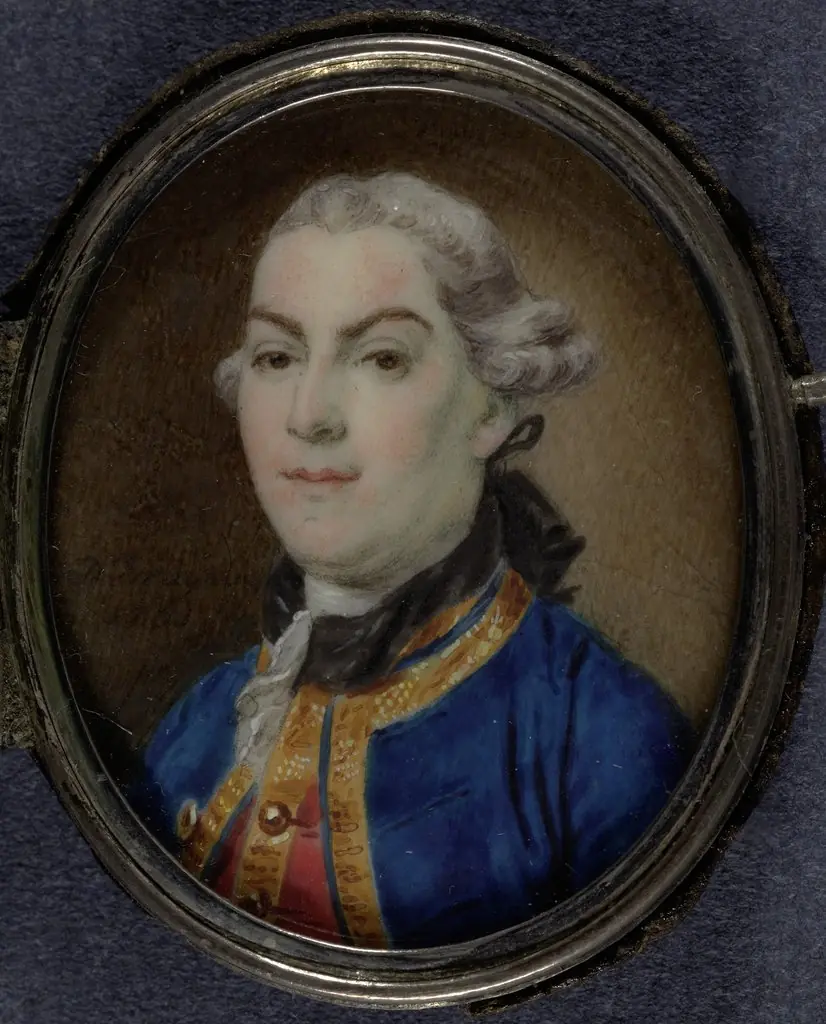
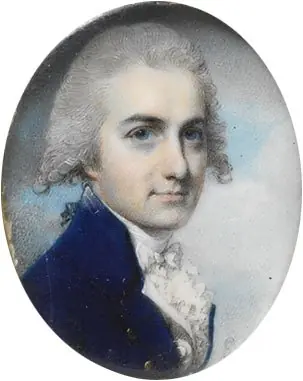
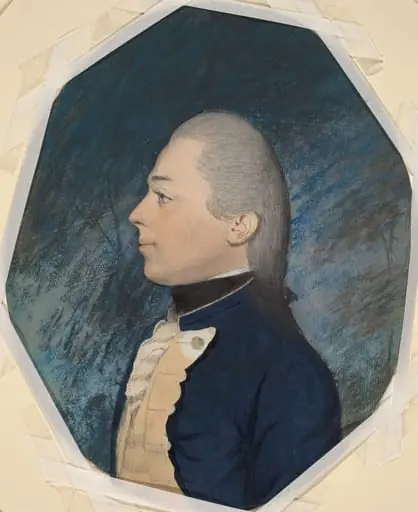
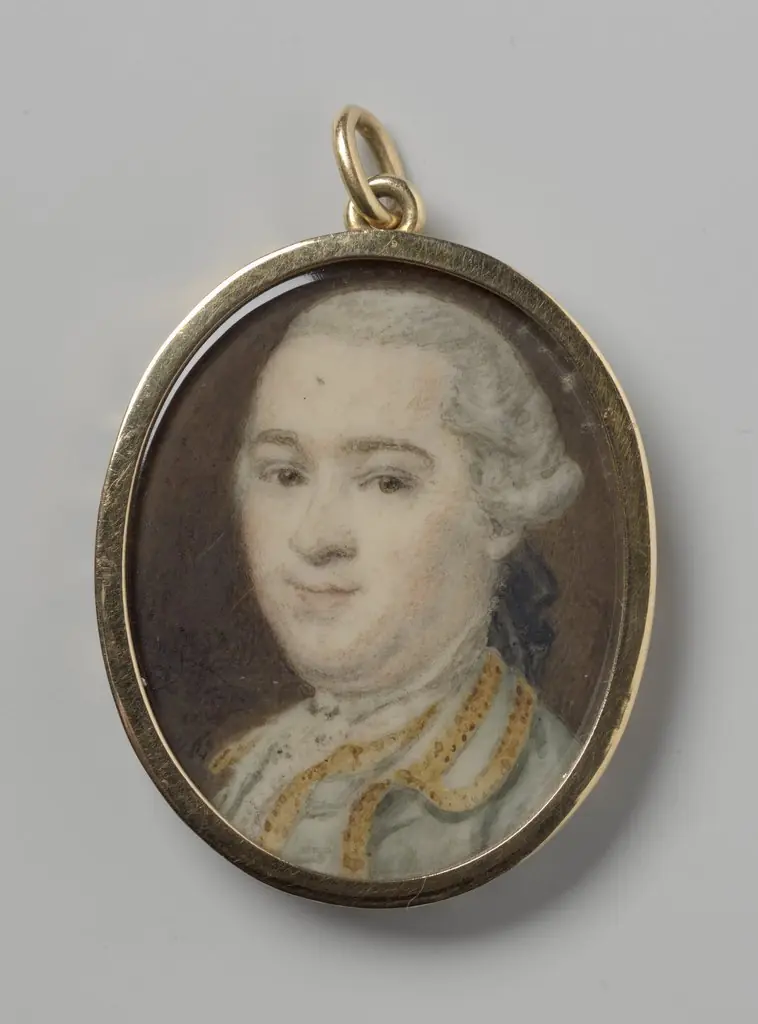
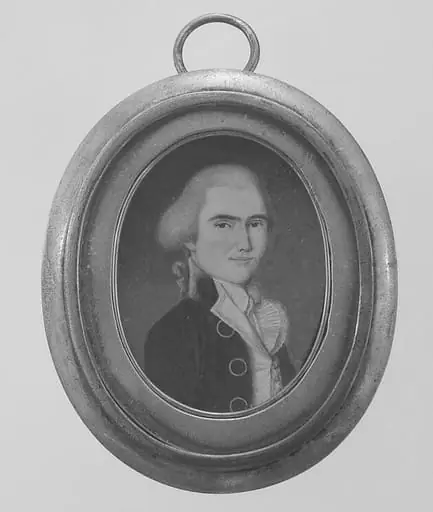
Archibald McCall is a watercolor painting by the American Impressionist artist John Hesselius. It dates from 1758 and is held in the collection of the Metropolitan Museum of Art.
About this work
Technique & Style
The mixed-media handling reflects the hybrid techniques imported from European miniature painting, adapted here by John Hesselius for an American patron.
Archibald McCall is a small-scale portrait executed in watercolor with gold leaf and lead white on an ivory support, a refined combination characteristic of mid-eighteenth-century American miniature practice. The use of ivory as the painting ground allowed for the luminous, translucent flesh tones typical of the medium, while gold leaf would have supplied ornamental highlights and lead white served as an opaque accent for details such as lace, buttons, or facial highlights. The compact dimensions, approximately 3.8 by 3.2 inches, frame the sitter in an intimate bust-length format suited to private keepsake portraits.
Stylistically, the work belongs to the tradition of genteel colonial American portraiture, presenting the male subject with formal restraint and careful attention to costume and physiognomy. The mixed-media handling reflects the hybrid techniques imported from European miniature painting, adapted here by John Hesselius for an American patron.
History & Provenance
Created in 1755, this portrait of Archibald Alexander McCall was executed by the artist John Hesselius. The work was produced using watercolor, gold leaf, and lead white applied to an ivory support. Currently held in the collection of the Metropolitan Museum of Art within its American Wing, the piece is classified as a portrait genre depicting a male subject.
While specific details regarding the original commission or intermediate ownership transfers are not provided in the available records, the work's inception is firmly dated to the mid-18th century, and its current institutional location is established.
The watercolor portrait of Archibald McCall by John Hesselius belongs to the collection of the Metropolitan Museum of Art, where it is housed within The American Wing. Created in 1755, the work is catalogued as part of the museum's holdings of American portraiture. No specific exhibition history, loan record, or accession number is documented in the available sources.
Legacy
The 1755 portrait of Archibald Alexander McCall by John Hesselius, housed in the Metropolitan Museum of Art and featured in The American Wing, is frequently cited in scholarship as a benchmark for colonial American portraiture. Its meticulous rendering and use of gold leaf have informed studies of early American artistic technique, shaping interpretations of the period’s visual culture. As a well‑preserved example attributed to a leading colonial painter, the work underpins exhibitions and academic discussions that trace the development of portraiture in the United States, cementing its reputation as a reference point for understanding the evolution of American art.
Overview
This watercolor portrait by John Hesselius, created around 1758, depicts Archibald McCall. Rendered on a small ivory support, the work showcases a man in formal attire. The artist utilized watercolor, gold leaf, and lead white to capture the sitter's likeness, reflecting the prevailing styles of mid-18th century American portraiture. It is part of The American Wing collection.
Subject & Meaning
The miniature presents a man adorned in a powdered wig and a dark coat, accented by a single gold button. His countenance is smooth, almost porcelain-like, with eyes that engage directly with the viewer. This formal presentation and direct gaze were common conventions in portraiture of the era, intended to convey the sitter's status and presence.
Context
The choice of ivory as a support for this portrait indicates the sitter's significant financial standing. During the 18th century, ivory was a rare and costly material, making portraits on this medium accessible only to the affluent. Such works served not only as personal keepsakes but also as subtle indicators of wealth and social position.
Artist & collection

Artist
John Hesselius was an American portrait painter who worked mostly in Virginia and Maryland.