Artwork
Maria mit Kind
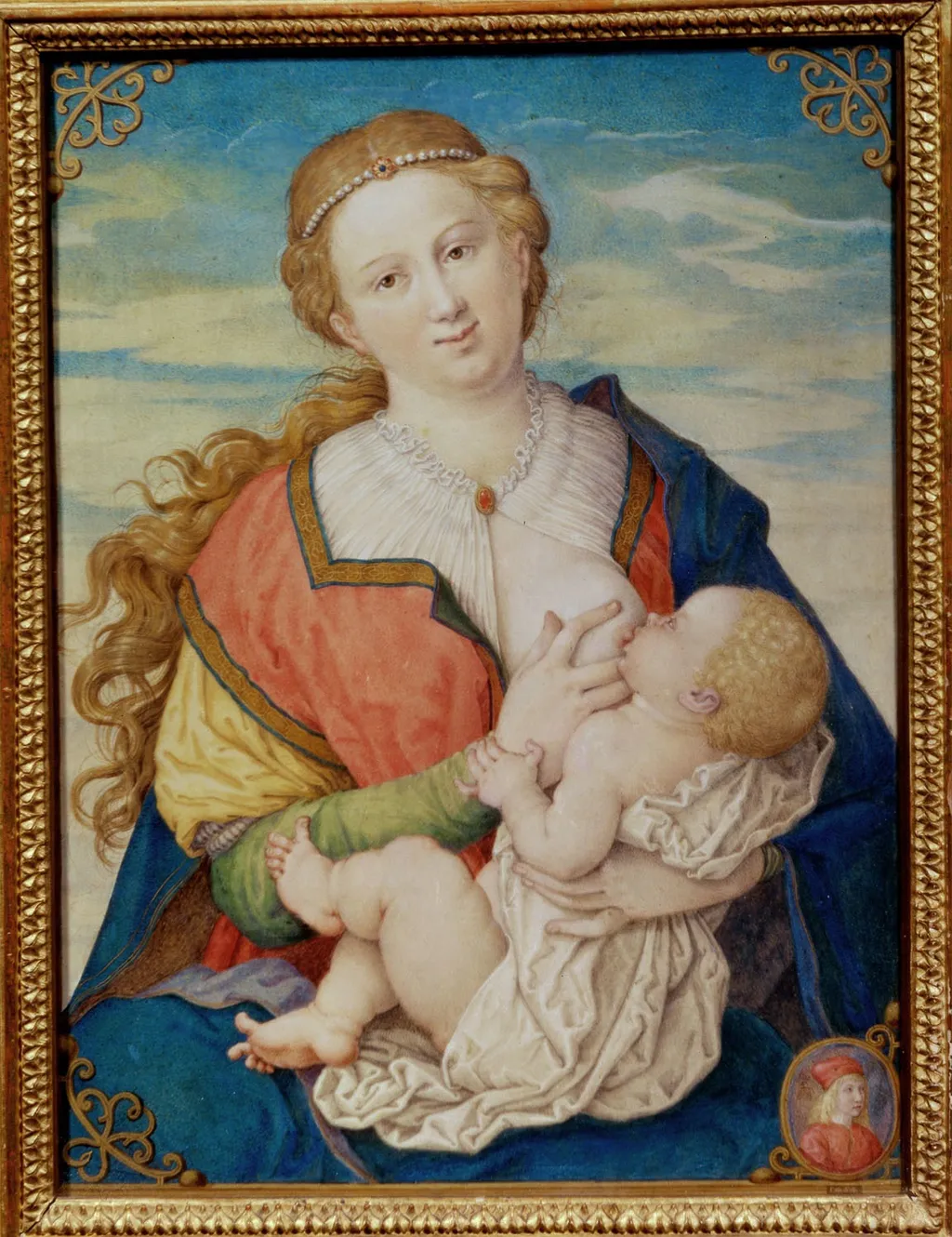
Maria mit Kind is an unspecified painting by the Early Baroque Italian artist Daniel Fröschl. It dates from 1600 and is held in the collection of the Kunsthistorisches Museum.
About this work
Subject & Meaning
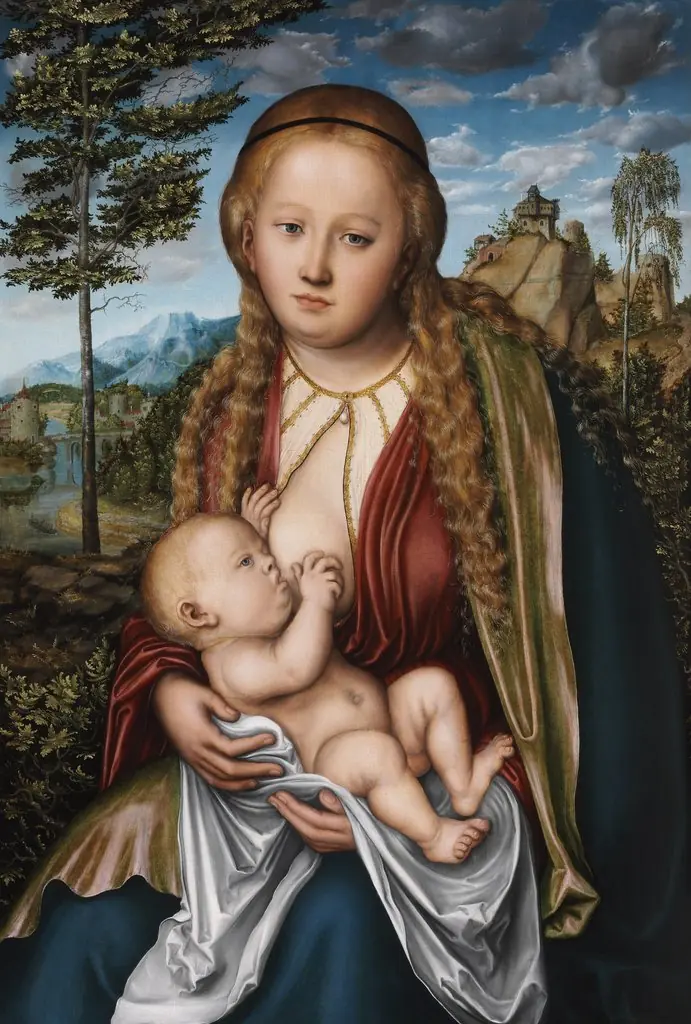
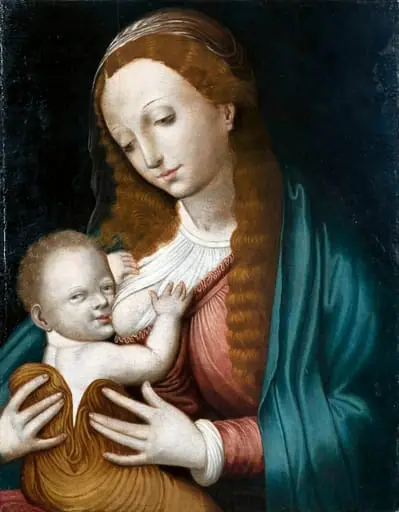
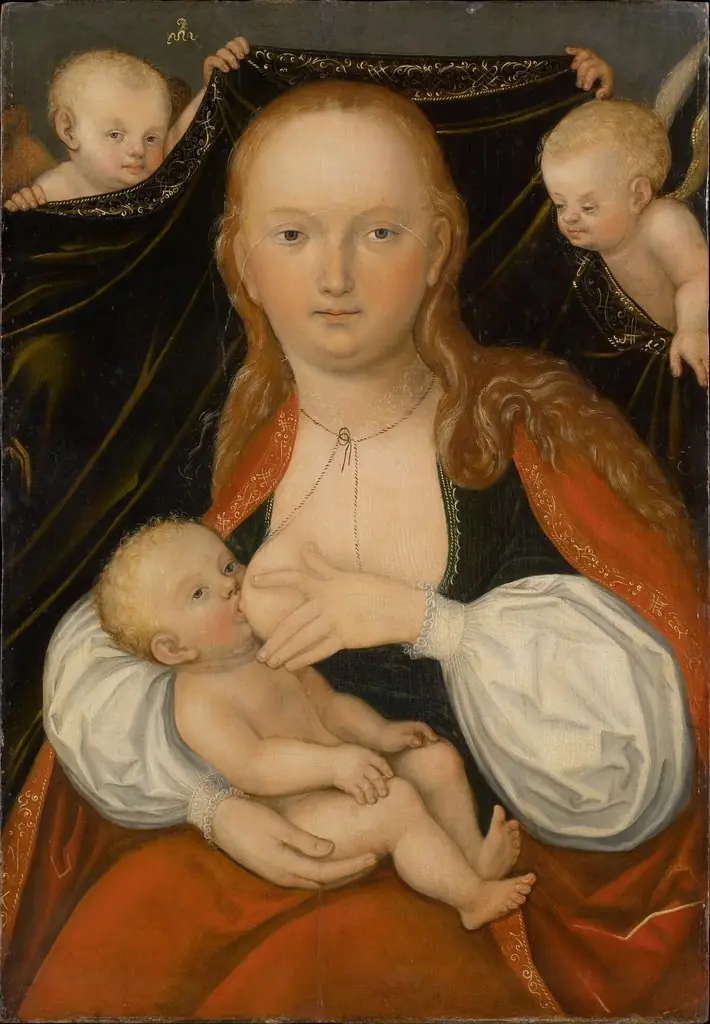
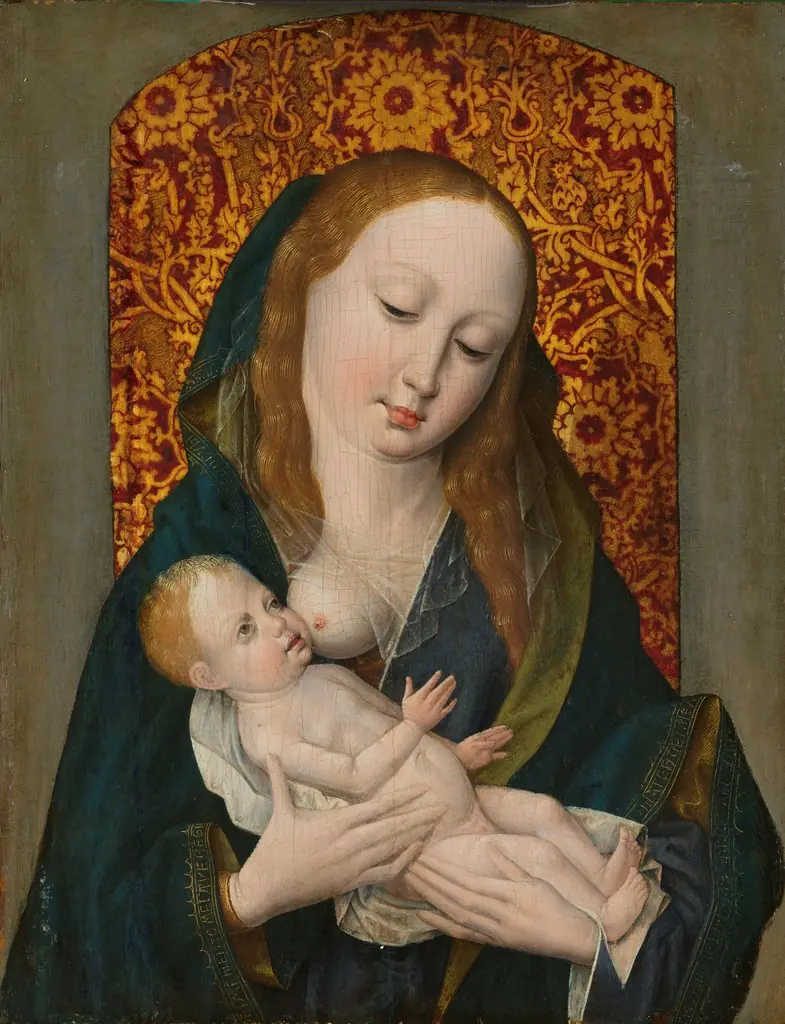
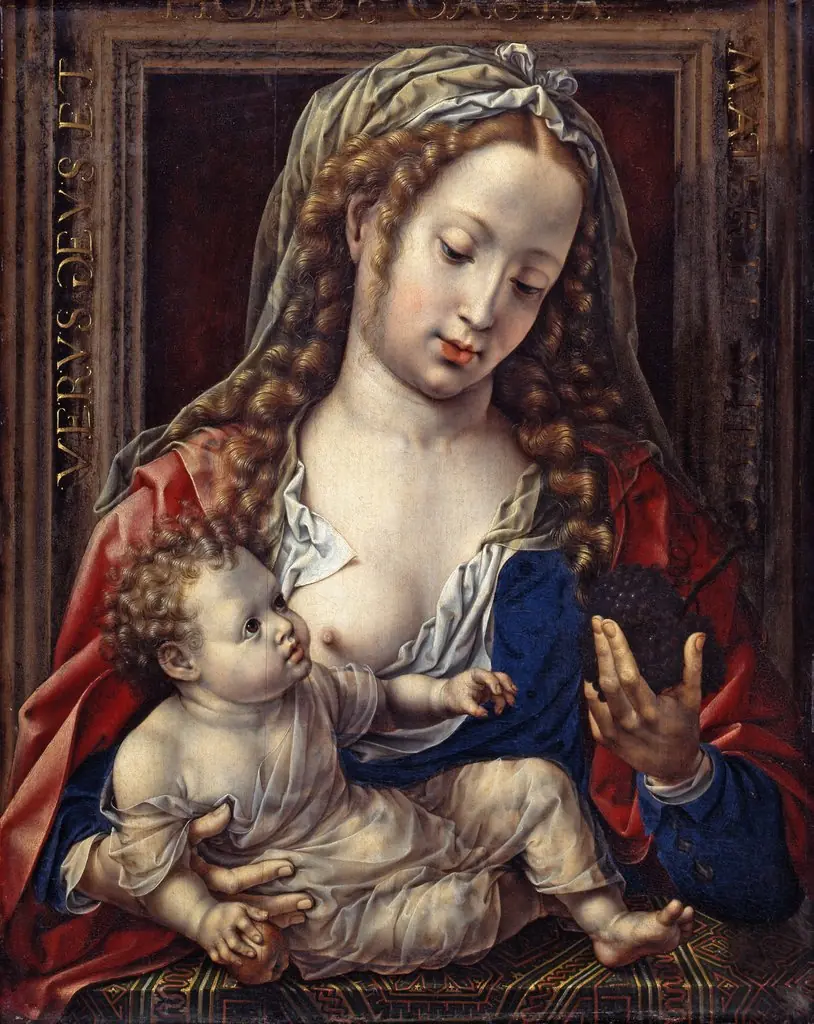
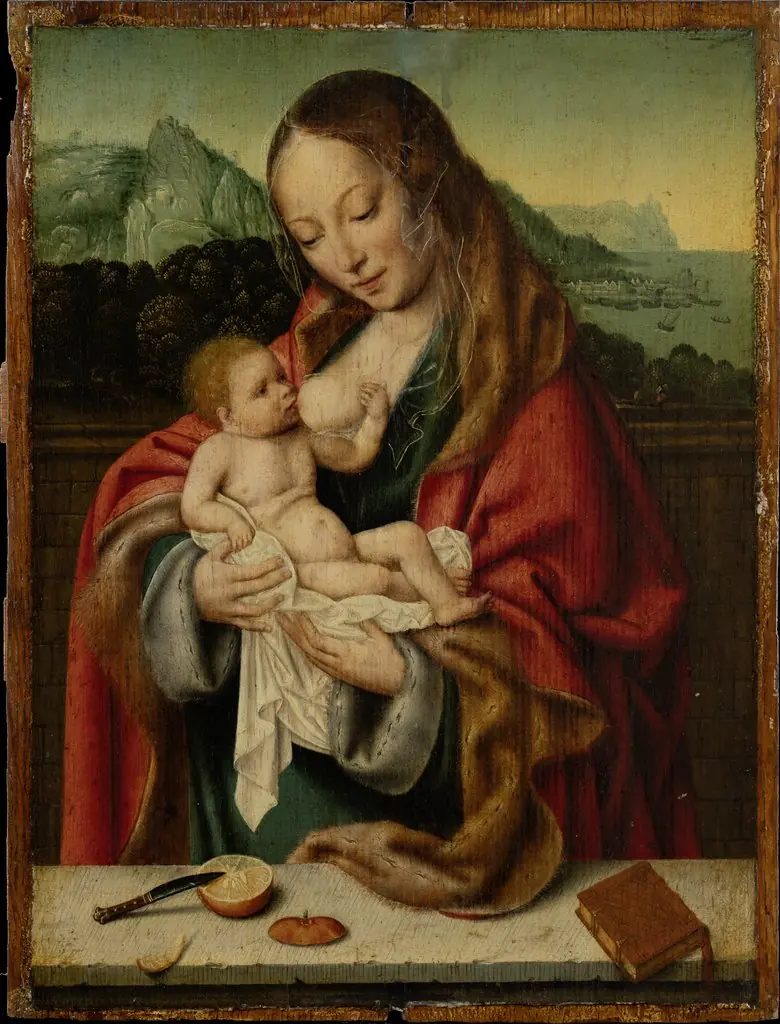
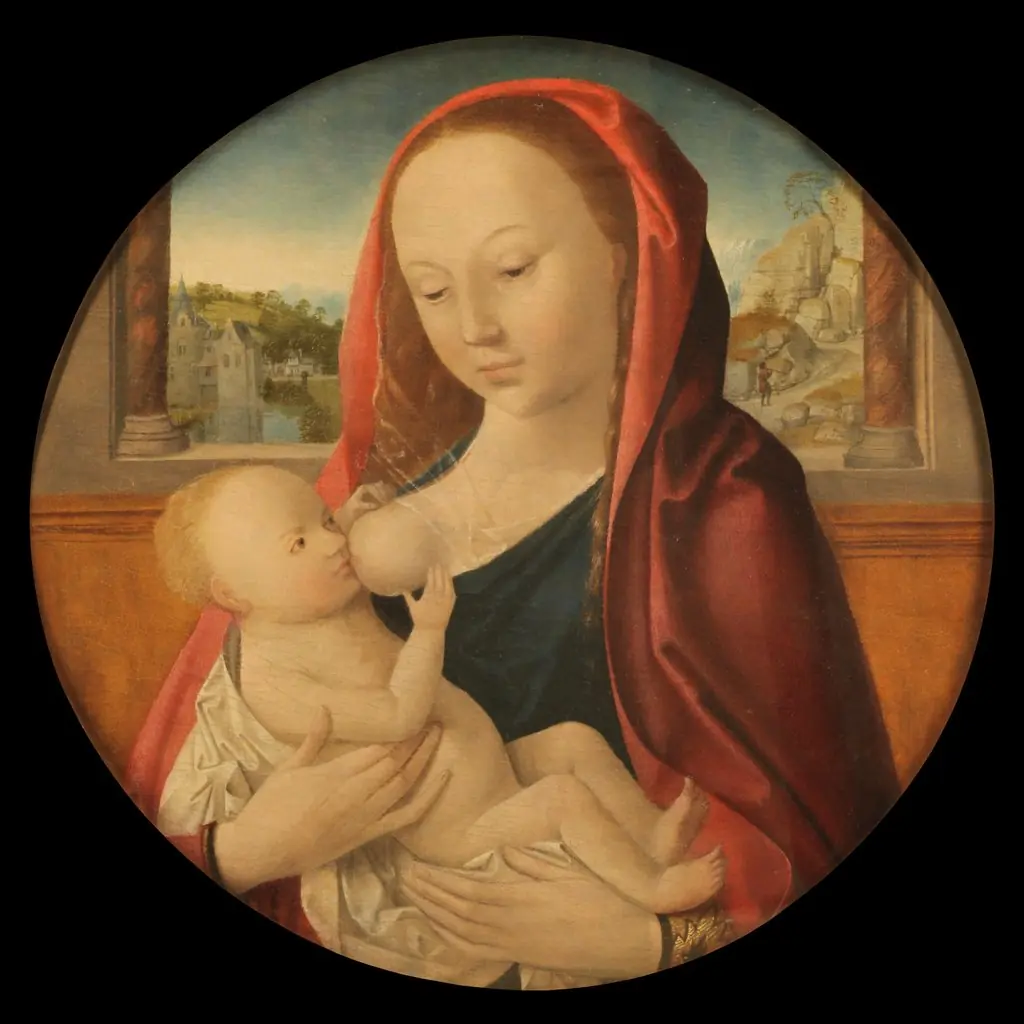
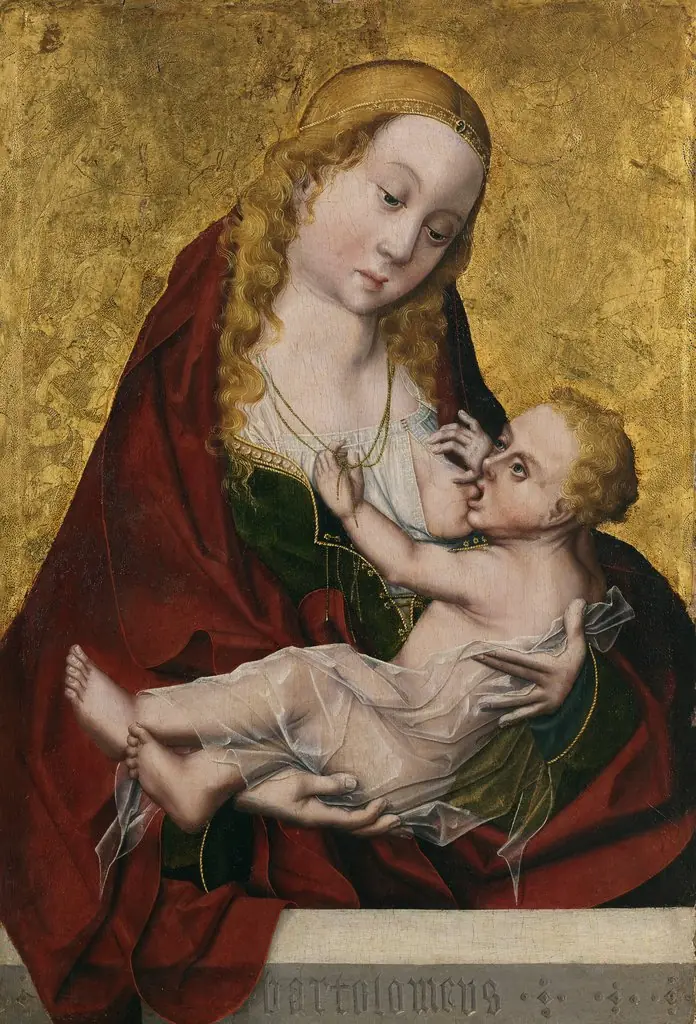
The figure of Mary is shown with the Christ Child, a pairing that forms the main subject of the work.
The painting depicts the Madonna and Child, a devotional subject central to Christian religious art. The figure of Mary is shown with the Christ Child, a pairing that forms the main subject of the work.
In Catholic iconography, the Madonna and Child represents the maternal bond between the Virgin Mary and the infant Jesus, and serves as a symbol of divine love, tenderness, and the incarnation of Christ. Such images were intended to inspire veneration and contemplation of Mary's role as the mother of the Savior, and they were a favored subject for private devotion as well as for church altars.
The work is classified as a religious painting, consistent with its devotional subject matter. By focusing on this traditional Marian theme, the artist engages with a long-established visual tradition in which Mary is portrayed as both a nurturing mother and the Queen of Heaven, embodying both human warmth and spiritual grace.
History & Provenance
The painting Maria mit Kind by Daniel Fröschl is dated to the year 1600.
It has been held in the collection of the Kunsthistorisches Museum since at least the early documentation of the institution. The artwork is recorded there as part of the museum’s holdings, where it remains located.
Overview
Created around 1600, this small religious panel by Austrian painter Daniel Fröschl shows the Virgin Mary cradling the infant Jesus. The work is part of the collection of the Kunsthistorisches Museum in Vienna and exemplifies early Baroque devotional imagery intended for private contemplation.
Technique & Style
Fröschl employs a smooth, luminous palette, rendering the figures with fair skin tones and light hair that catch the soft light. The background consists of a clear blue sky dotted with fluffy white clouds, creating a serene atmosphere. The careful modeling of fabric folds and the delicate handling of the child's veil reveal a restrained yet expressive Baroque sensibility.
Context
Fröschl worked in the Habsburg lands during a period when Counter‑Reformation art emphasized clear, emotionally resonant images of the Holy Family. The use of vivid red and blue in Mary’s cloak reflects contemporary iconographic conventions, while the tranquil sky background aligns with the era’s preference for calm, heavenly settings that invite contemplation.
Artist & collection