Artwork
Artemisia
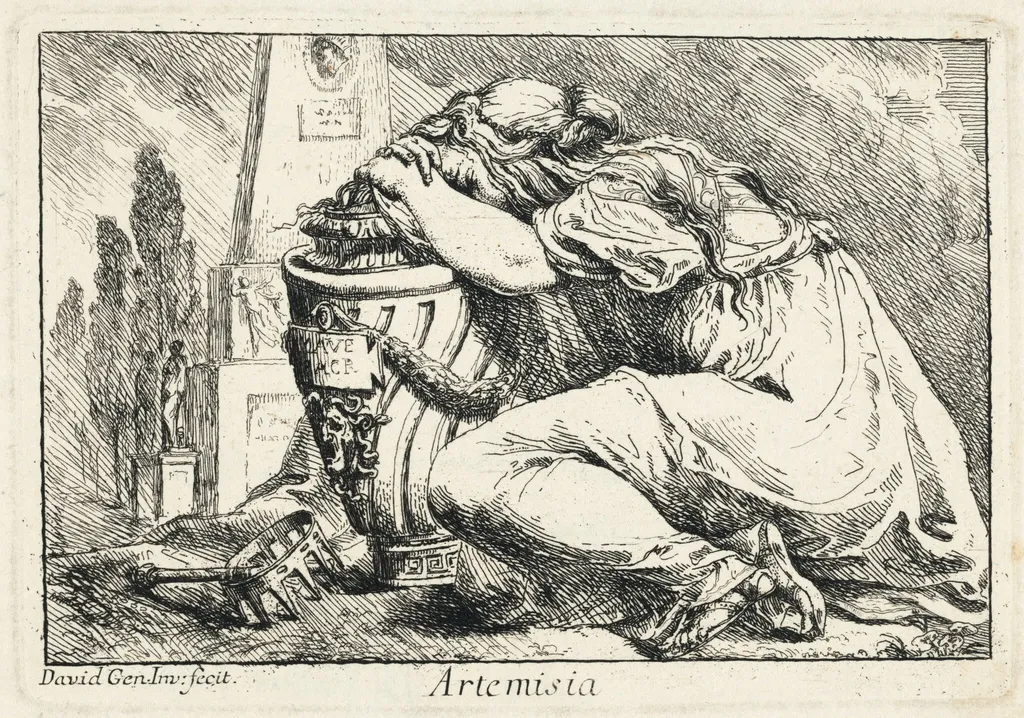
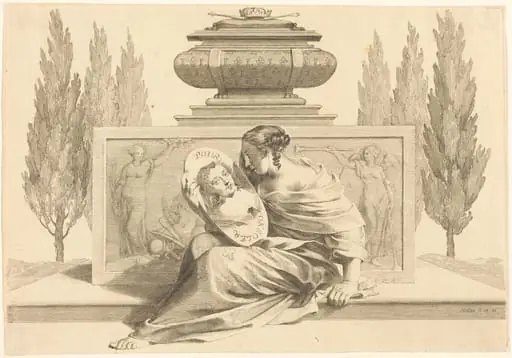
Artemisia is an ink print by the Romanticist artist Giovanni David. It dates from 1776 and is held in the collection of the National Gallery of Art.
- Inscription
- Inscribed:in plate, below image, at left: David Gen.Inv:fecit; in plate, below image, at center: Artemisia; by later hand, upper left verso in graphite: 3-12; by later hand, lower center verso in graphite: au [not deciphered] un plat Rond / [undeciphered] / [undeciphered 14 fevrier 1894
About this work
Overview
Created around 1776 by Giovanni David, this etching on laid paper depicts a tense confrontation between a female figure and a wild animal. The work is part of the National Gallery of Art’s collection in Washington, D.C. Rendered with dynamic, incised lines, the image conveys motion and urgency through its loose, sketch-like quality, distinguishing it from more polished prints of the period.
Subject & Meaning
The central figure, identified as Artemisia, engages a charging beast with a spear, evoking associations with Artemis, the Greek goddess of the hunt. The scene suggests mythological or heroic narrative, though it does not directly illustrate a known classical episode. The ambiguity invites interpretation, possibly reflecting Enlightenment-era interest in female strength and natural conflict.
Technique & Style
David employed etching to carve lines into a metal plate, which were then inked and printed onto paper. The rough, energetic strokes suggest rapid execution, with deep grooves allowing ink to pool and intensify shadows. This method produces a bold, tactile quality, emphasizing movement over detail, and aligns with expressive traditions in 18th-century printmaking.
History & Provenance
The print entered the National Gallery of Art’s collection through established acquisition channels, though its earlier ownership history remains undocumented. Its creation date of c. 1776 places it within David’s active period, but no records of its initial exhibition or commission are known. It survives as a rare example of his graphic work.
Context
In late 18th-century Europe, mythological and heroic themes were common in prints, often serving as vehicles for moral or intellectual ideals. David’s work reflects this trend, yet its raw, unfinished appearance contrasts with the polished aesthetics favored by academic circles. It may have been intended as a study or independent artistic expression rather than a commissioned piece.
Legacy
Though Giovanni David is not widely known today, this etching endures as a compelling example of expressive printmaking in the late Baroque tradition. Its emphasis on emotional intensity over narrative clarity influenced later artists exploring the boundaries between drawing and print. The work remains a quiet testament to the vitality of graphic art outside mainstream academic norms.
Own this work as a print
Artist & collection


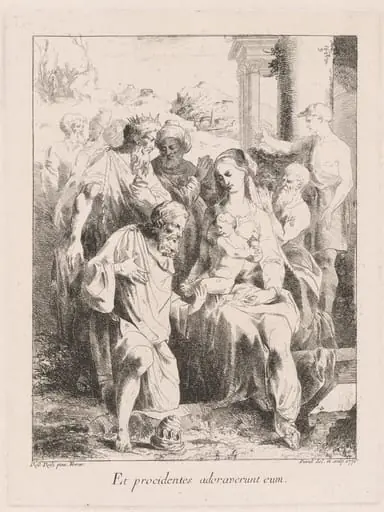 Adoration of the Magi
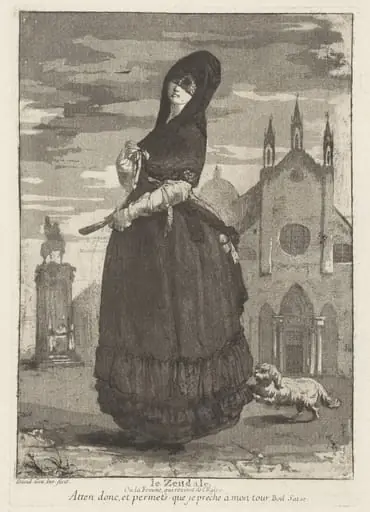 Le Zendale (Woman in a Hood, or the Woman Returning from Church)
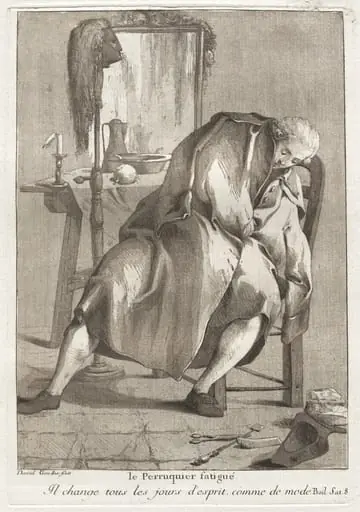 Le Perruquier fatigué (The Tired Wigmaker)
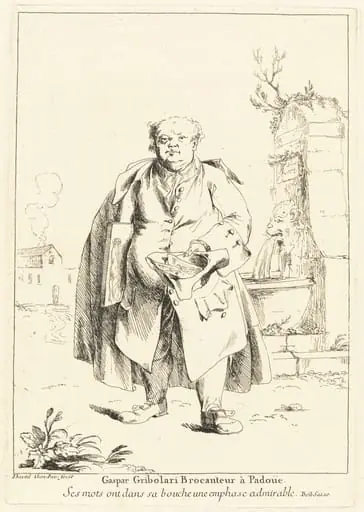 Gaspar Gribolari Brocanteur à Padoüe (Gaspar Gribolari, Secondhand Dealer in Padua)
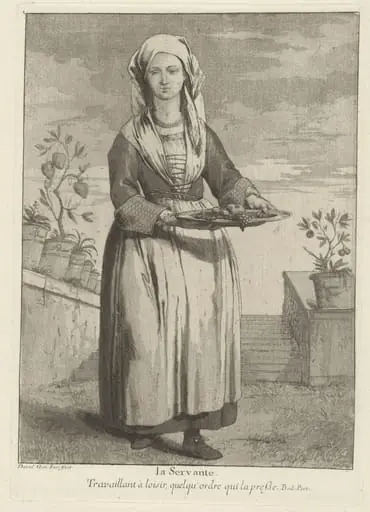 La Servante (The Servant)
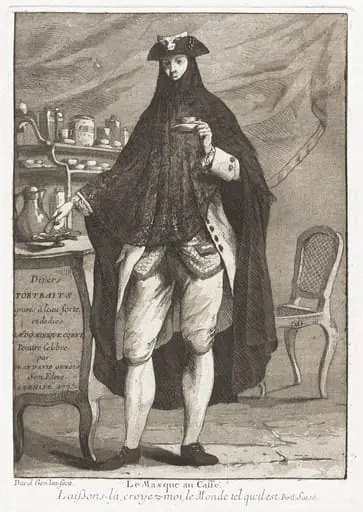 Le Masque au caffé (The Masked Man Taking Coffee)
 Le Paveur (The Road Paver)
 Democritus
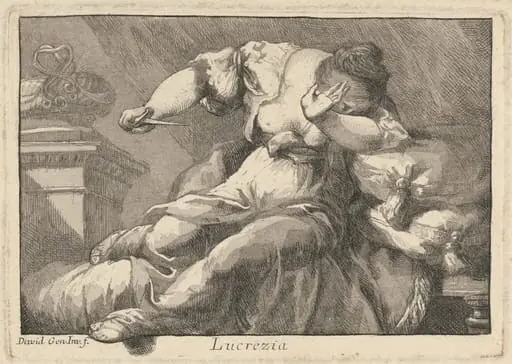
- Lucretia
 Tragedy
 Darius Receiving Water from the Helmet of One of Alexander's Soldiers
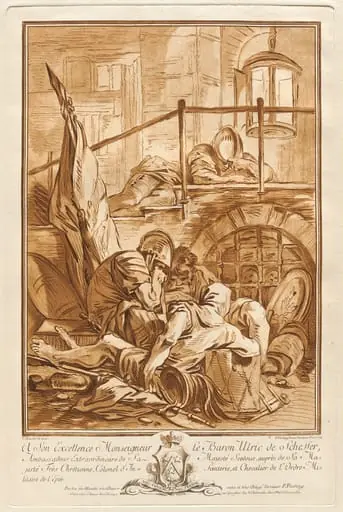 Guardhouse
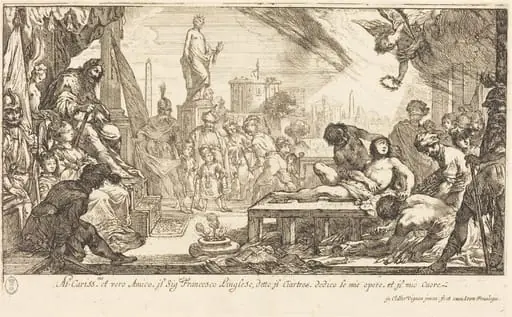 The Martyrdom of Saint Lawrence
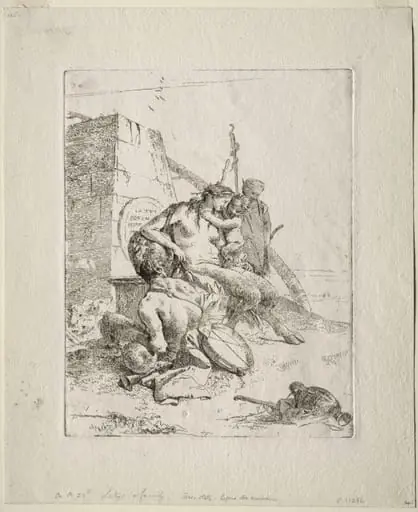 Scherzi di Fantasia: Satyr Family with the Obelisk
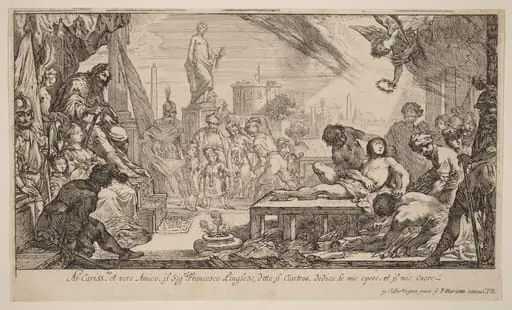 The Martyrdom of Saint Lawrence
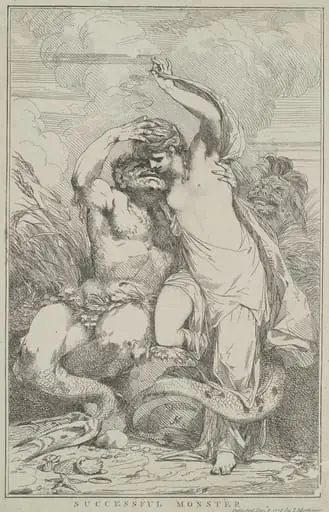 Successful Monster
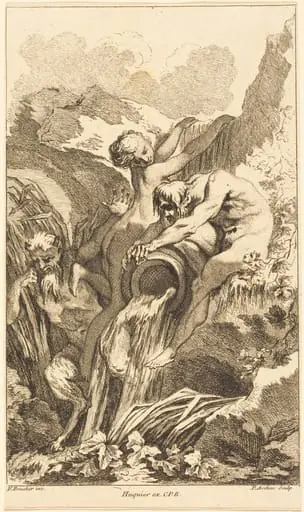 Satyr, Nymph and River God
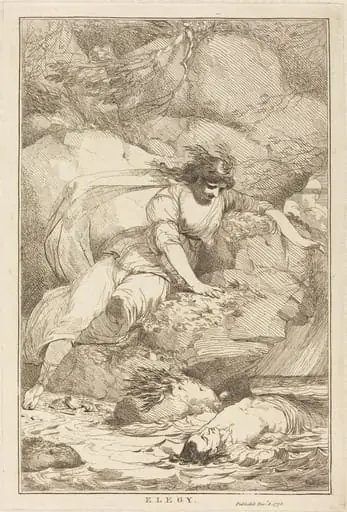 Elegy
Elegy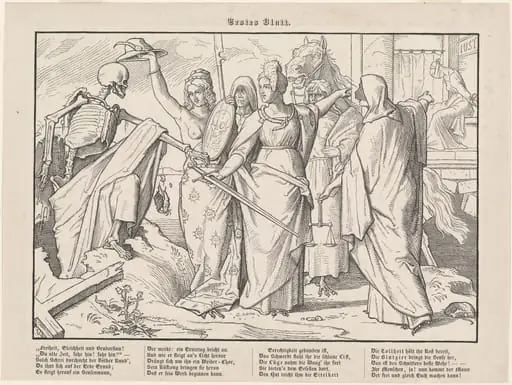 Auch ein Todtentanz I
 Allegory in Honor of Anne of Austria