Artwork
Prostokvasha (Sour Milk)
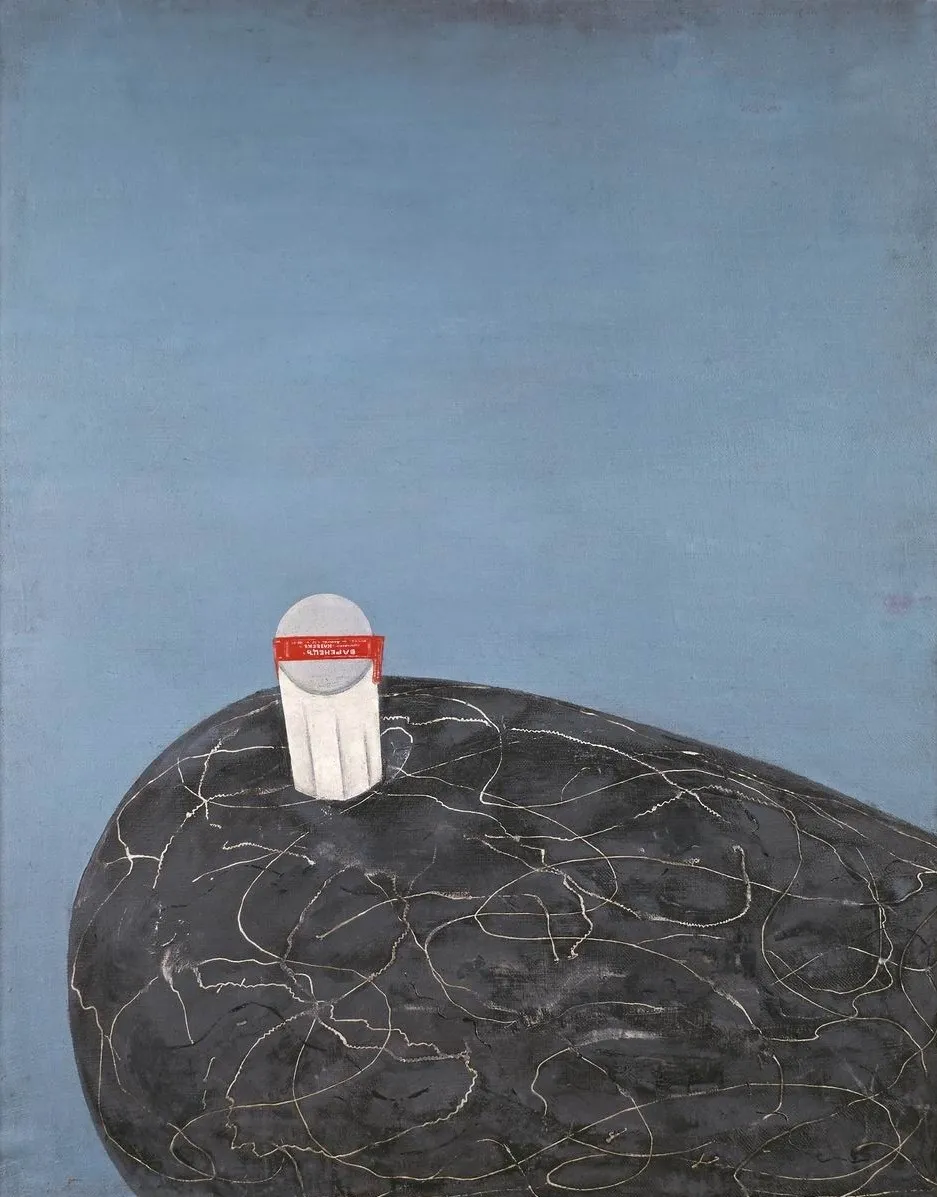
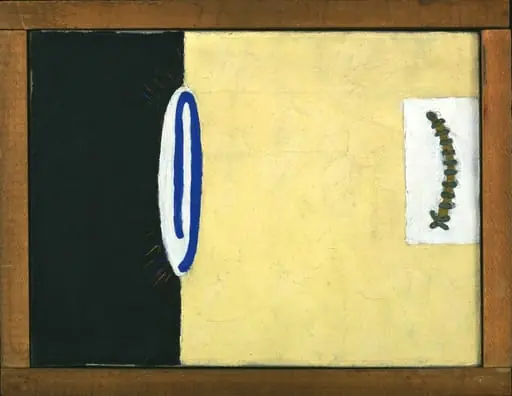
Prostokvasha (Sour Milk) is an oil painting by the Art Brut artist David Petrovich Shterenberg. It dates from 1919 and is held in the collection of the Tretyakov Gallery.
About this work
Overview
Born in Ukraine and active in early Soviet Russia, he worked across painting and graphic design, engaging with the evolving visual language of his time.
David Shterenberg painted Prostokvasha (Sour Milk) in 1919 using oil on canvas. Born in Ukraine and active in early Soviet Russia, he worked across painting and graphic design, engaging with the evolving visual language of his time. The painting is part of the Tretyakov Gallery’s collection and reflects a period of artistic experimentation following the Russian Revolution, though it resists easy categorization within established movements.
Subject & Meaning
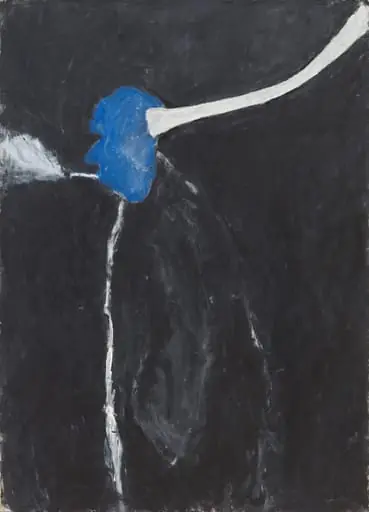
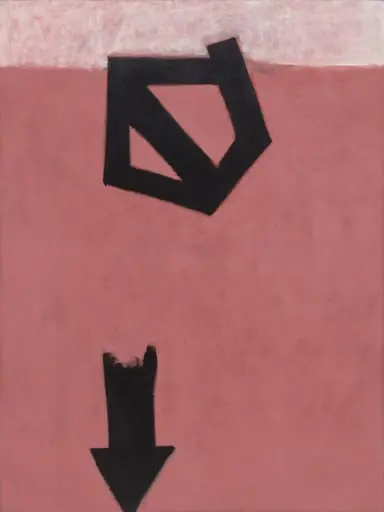
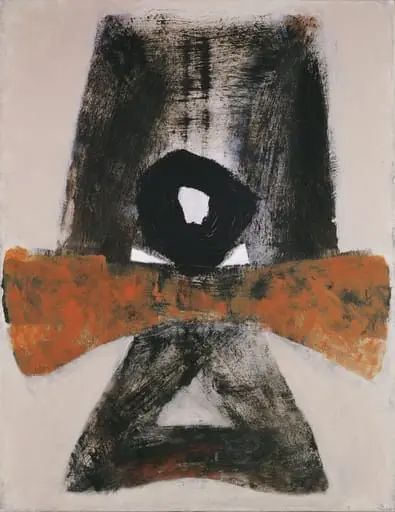
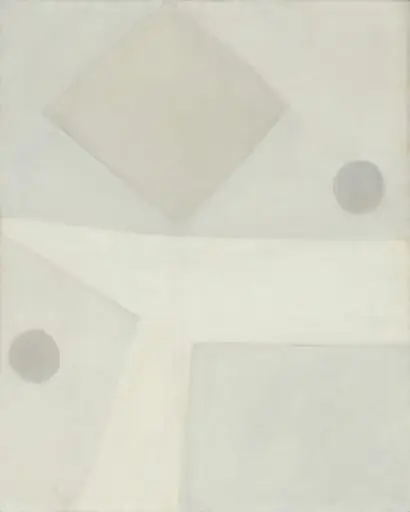
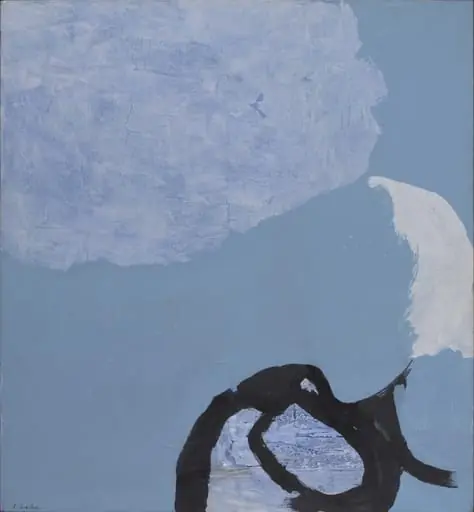
The painting depicts a simple domestic scene: a small container, possibly a milk vessel with a red label, placed atop a dark, curved form whose function is ambiguous. The title references a traditional fermented milk product, suggesting themes of everyday life, scarcity, or rural sustenance. The lack of clear context invites interpretation, positioning the objects as quiet symbols of post-revolutionary material reality rather than narrative elements.
Technique & Style
Shterenberg employs simplified forms and a restrained palette, light blue background, dark gray mass, and a stark white container with a red accent. The surfaces are rendered with smooth, almost geometric precision, while subtle linear details on the gray form suggest texture without realism. The composition emphasizes contrast and spatial ambiguity, prioritizing formal balance over descriptive clarity.
History & Provenance
Created in 1919 during a time of social upheaval, the painting entered the Tretyakov Gallery’s collection in the early Soviet period, likely through state acquisition of works deemed culturally significant. Its survival and preservation reflect its recognition within official art institutions, even as Shterenberg’s style diverged from dominant socialist realism that would later prevail.
Context
In the aftermath of the Russian Revolution, many artists turned to still life and domestic subjects as a means of navigating uncertainty. Shterenberg’s work aligns with this trend, though his approach remains abstract and detached from propaganda. The painting’s quiet austerity mirrors broader cultural shifts toward minimalism and functional aesthetics in early Soviet visual culture.
Legacy
Though not widely exhibited outside Russia, Prostokvasha remains a quiet example of early Soviet modernism that avoids ideological dogma. It contributes to understanding how artists navigated personal expression within a rapidly changing society, preserving a sense of material intimacy amid political transformation.
Artist & collection
Artist
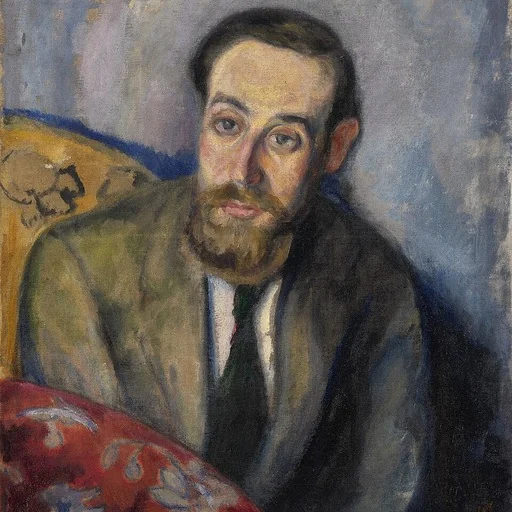
David Petrovich Shterenberg (Russian: Давид Петрович Штеренберг; July 26 1881 Zhitomir – May 1, 1948 Moscow) was a Ukrainian-born Russian and Soviet painter and graphic artist.