
Subject
Rock
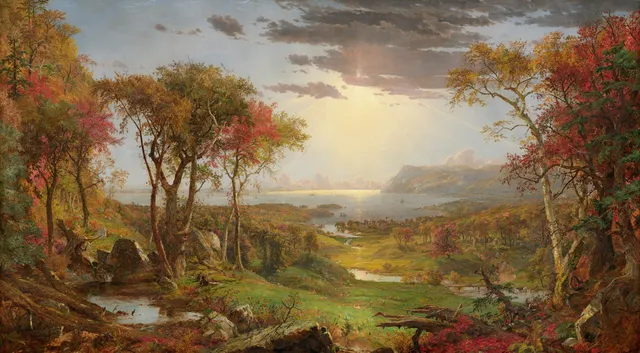
Rock is a subject in art. The gallery holds 69 works in this subject in art, including works by Titian, Thomas Cole and Albert Bierstadt.
In geology a rock, or stone, is any naturally occurring solid aggregate of minerals or mineraloid matter, classified by composition and by the way it forms—igneous, sedimentary, or metamorphic. Yet long before science codified them, rocks were among the oldest and most charged subjects in art, prized as the enduring substance of the earth itself. Classical Chinese landscape theory made the idea explicit: in the eleventh-century treatise associated with the Northern Song master Guo Xi (c. 1020–c. 1090), rocks are called the "bones" of the mountain, water its blood and foliage its hair. Within the shanshui ("mountain-water") tradition, and in the parallel cult of gongshi or scholars' rocks—collected as passionately as paintings by Song literati such as Mi Fu and Su Shi, and judged by qualities of thinness, openness, perforation and wrinkling—stone became a vehicle for contemplating the energies of nature.
In Europe the rock acquired its full symbolic weight with Romanticism. For Caspar David Friedrich the boulder signified permanence and immovable faith: in Two Men Contemplating the Moon (first version 1819–20), two figures seen from behind stand among gnarled rocks and an uprooted oak, drawing the viewer into a sublime communion with the landscape. The motif fused geological fact with spiritual meaning.
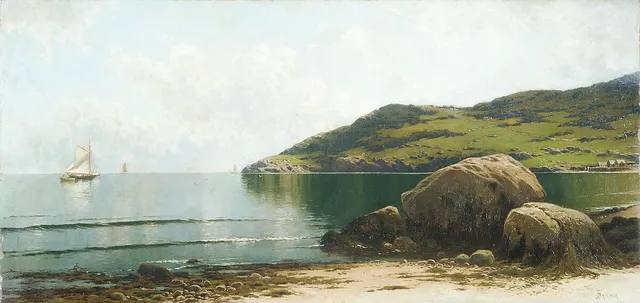
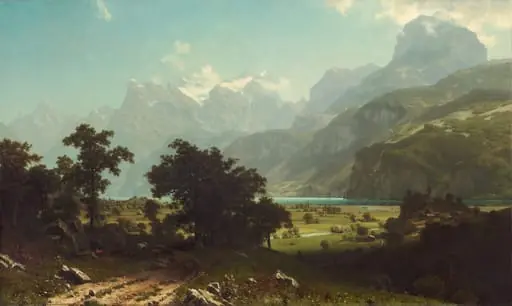
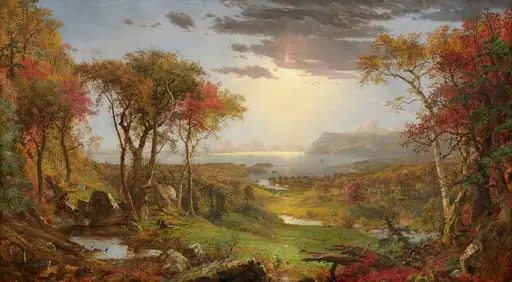
The nineteenth century pressed that fusion toward scientific exactitude. John Ruskin, in Modern Painters, argued that "the laws of the organization of the earth" were the foundation of all landscape truth, and his call for fidelity to nature shaped a generation. America's Hudson River School—Thomas Cole, Frederic Edwin Church, and the Ruskin-inspired William Trost Richards among them—made geological accuracy a point of honour, producing meticulous rock studies; an interest in geology even functioned as a marker of social standing. This catalogue's holdings sit squarely in that lineage: Albert Bierstadt's Lake Lucerne, Jasper Francis Cropsey's Autumn—On the Hudson River, William Trost Richards's Indian Summer, Martin Johnson Heade's Rio de Janeiro Bay, and Alfred Thompson Bricher's Marine Landscape, whose sea-worn ledges typify the luminist coastal study.
That legacy carried forward—into Cézanne's structural studies of the rocks at Fontainebleau and Bibémus, and ultimately the earth-as-medium of twentieth-century Land Art—keeping stone a touchstone for art's dialogue between nature, time, and form.
Key artists



Works
 Lake Lucerne
 Autumn - On the Hudson River
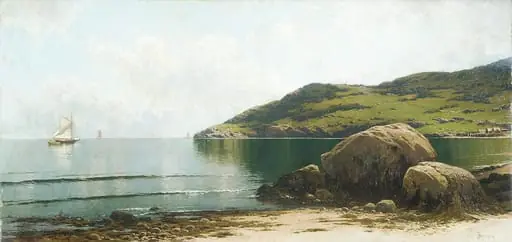 Marine Landscape
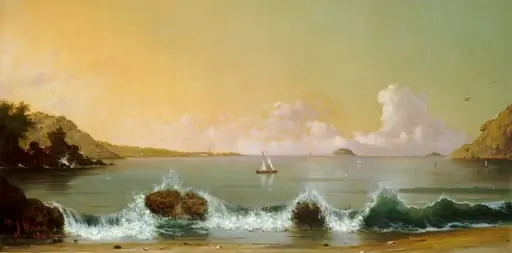 Rio de Janeiro Bay
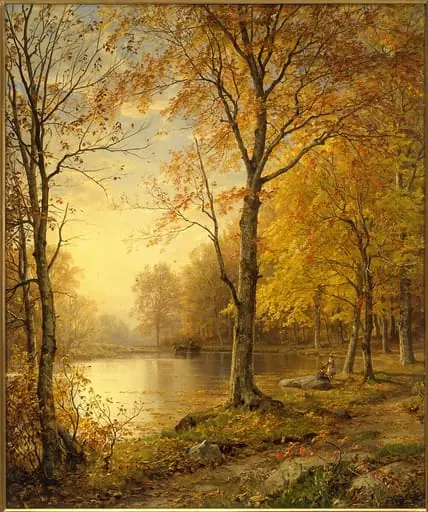 Indian Summer
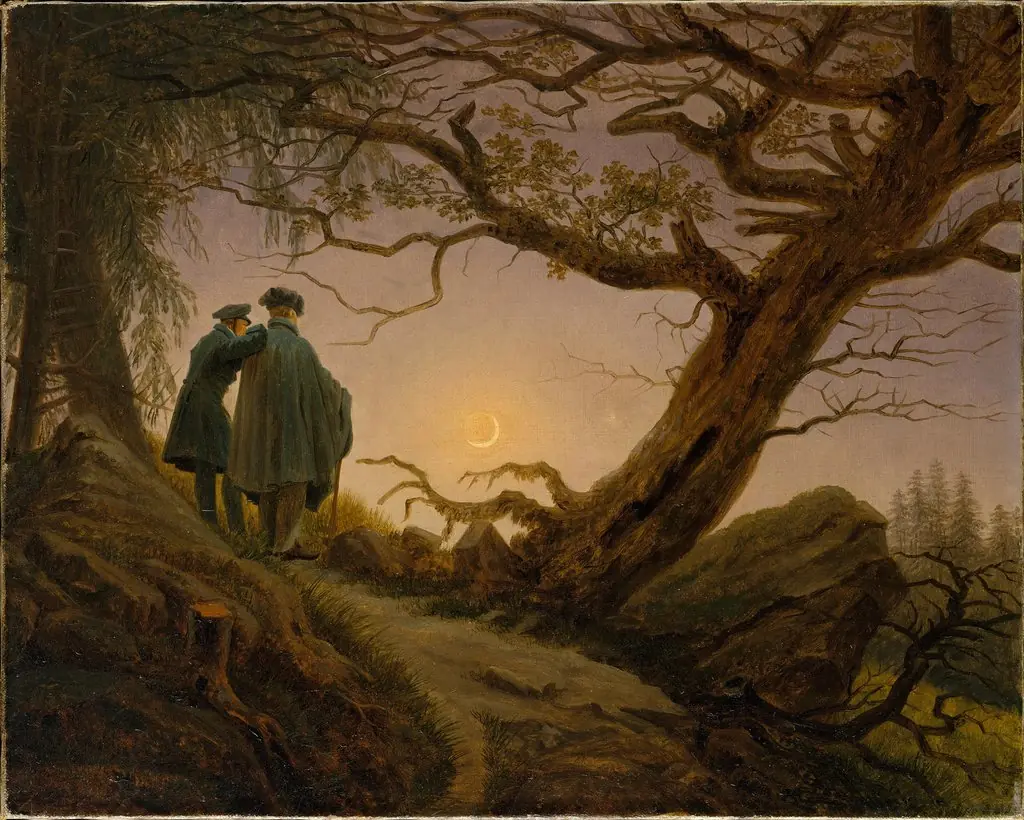 Two men contemplating the Moon
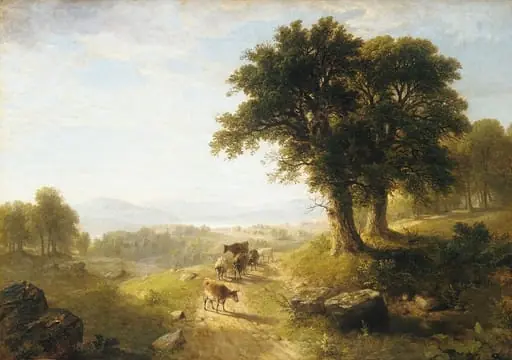 River Scene
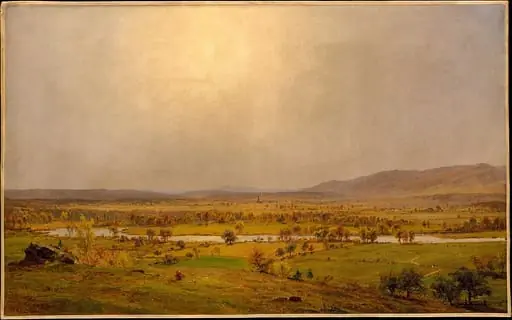 Pompton Plains, New Jersey
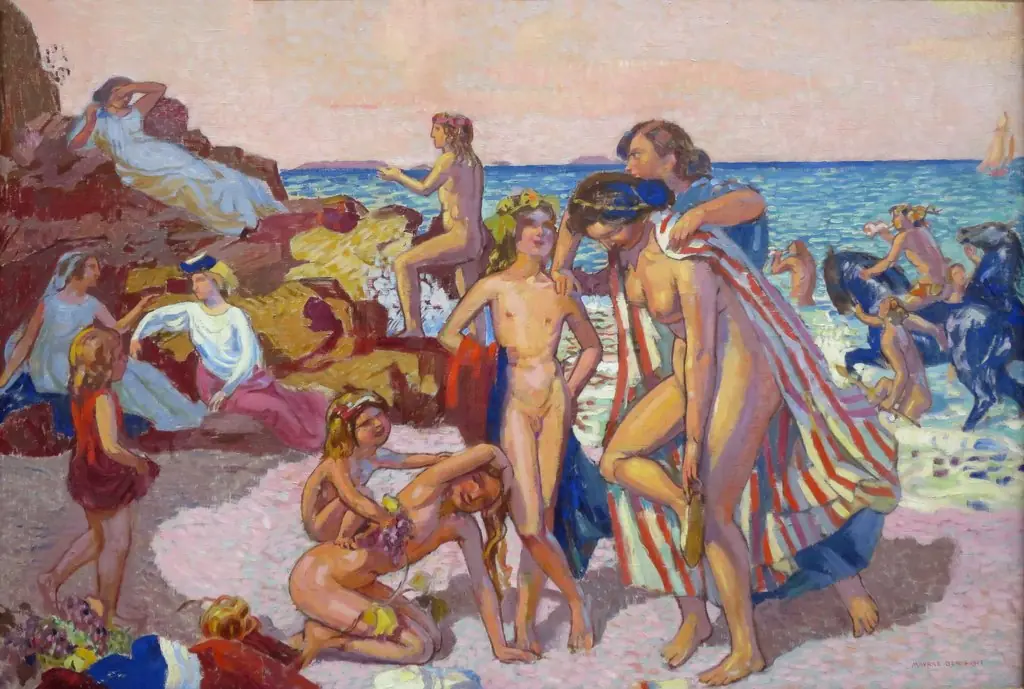 Bacchus and Ariadne
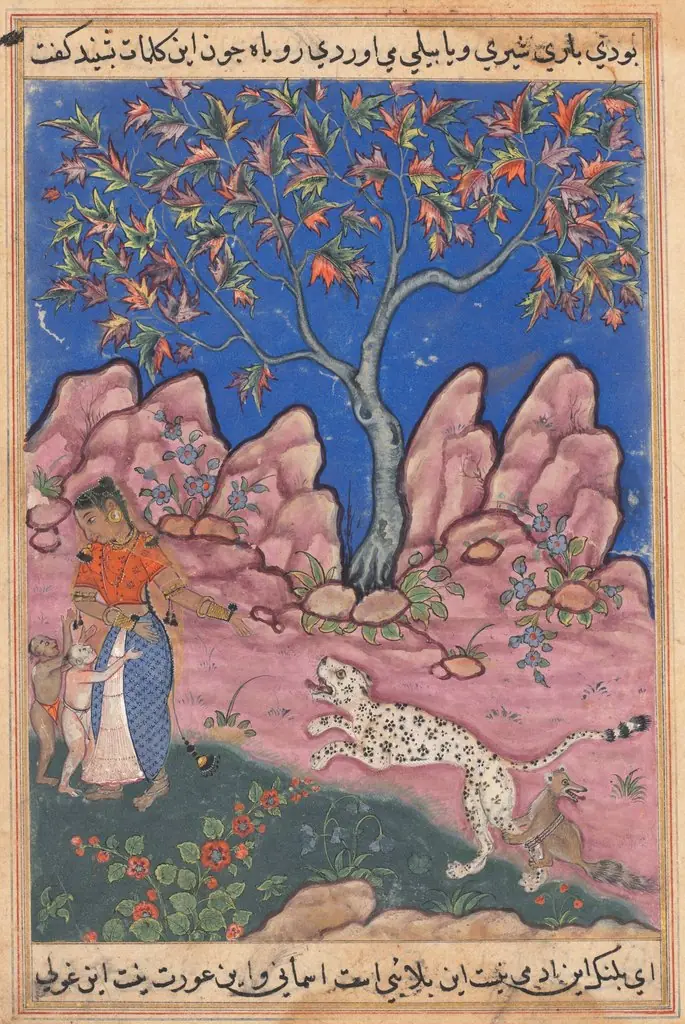 The woman conversing with her children, as the leopard returns, egged on by a fox who is tied to his leg, from a Tuti-nama (Tales of a Parrot): Thirtieth Night
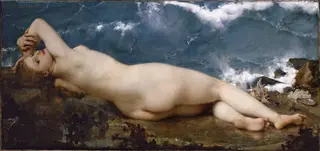 The Pearl and the Wave
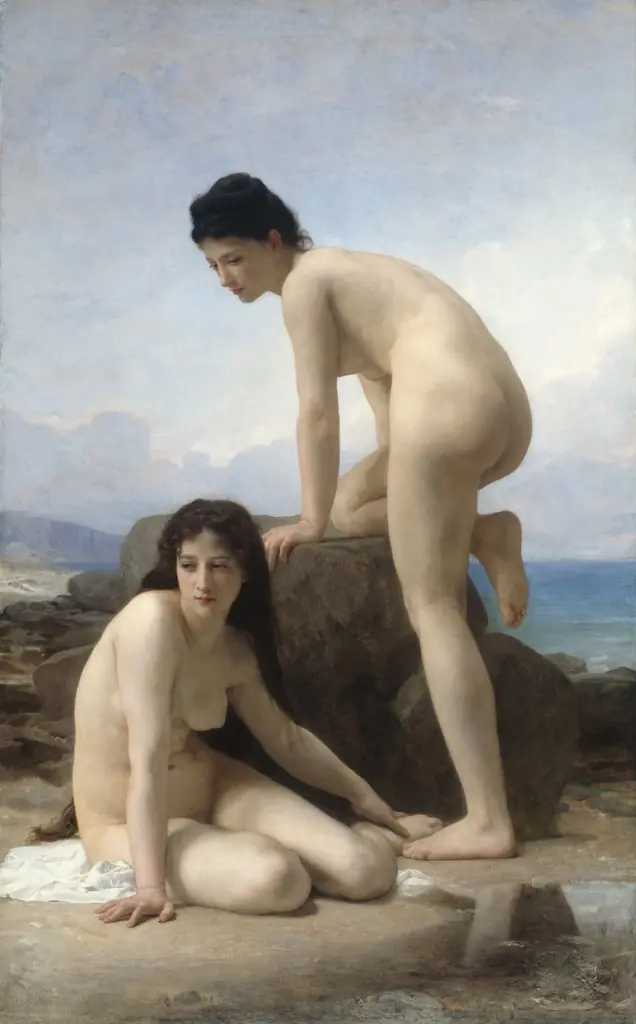 The Two Bathers
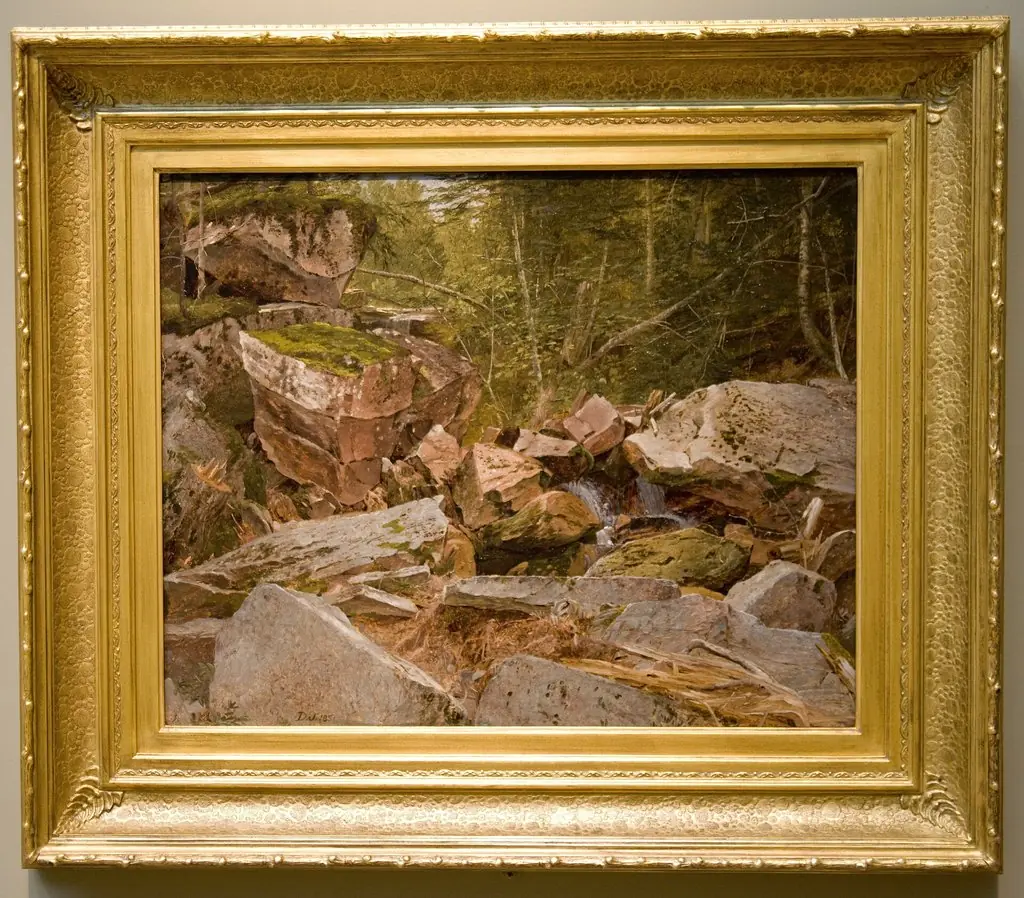 Study, North Conway, New Hampshire
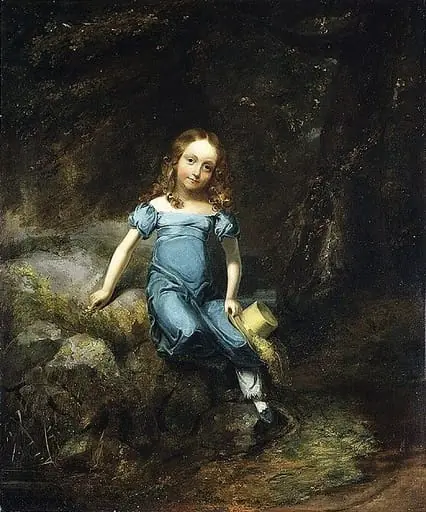 Janet Halleck Drake
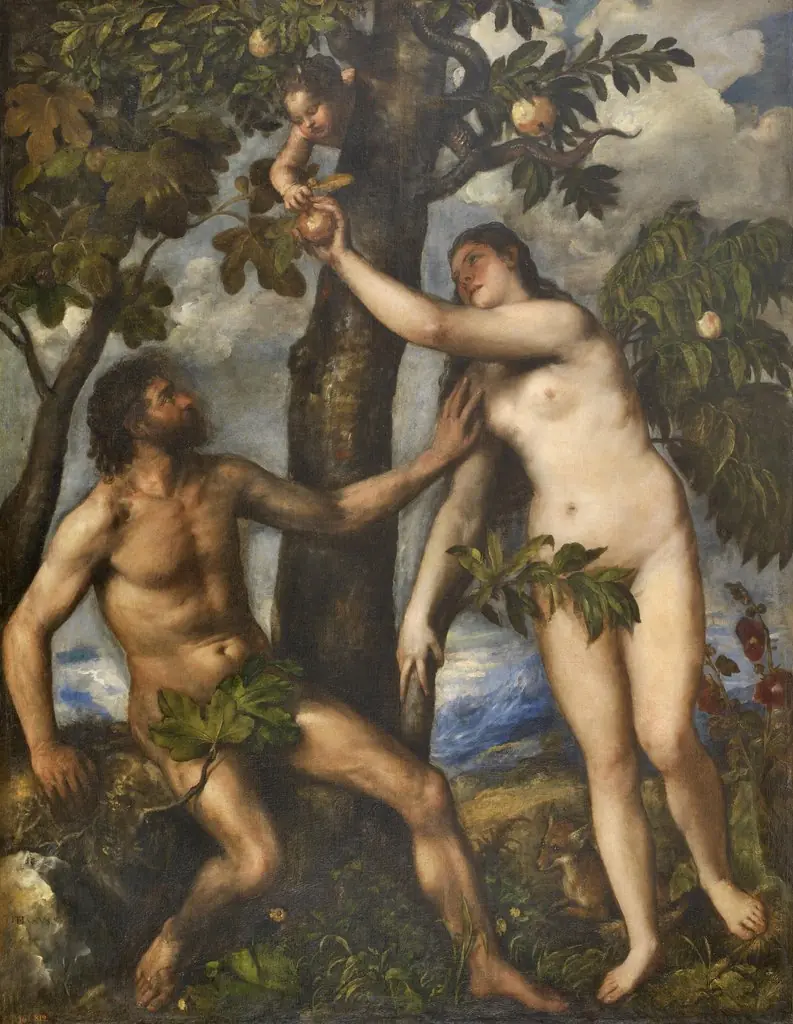 The Fall of Man
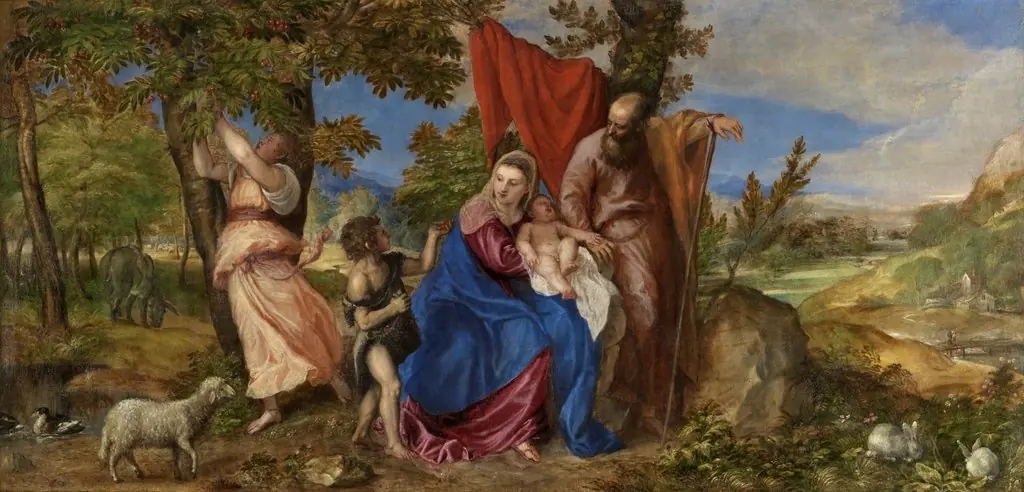 Rest on the Flight into Egypt
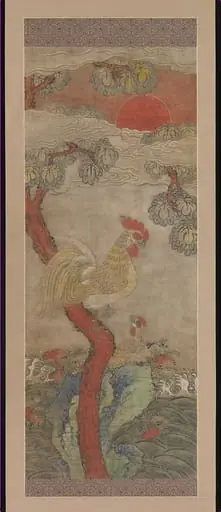 작자미상 화조도 조선|作者未詳 花鳥圖 朝鮮|Golden Rooster and Hen
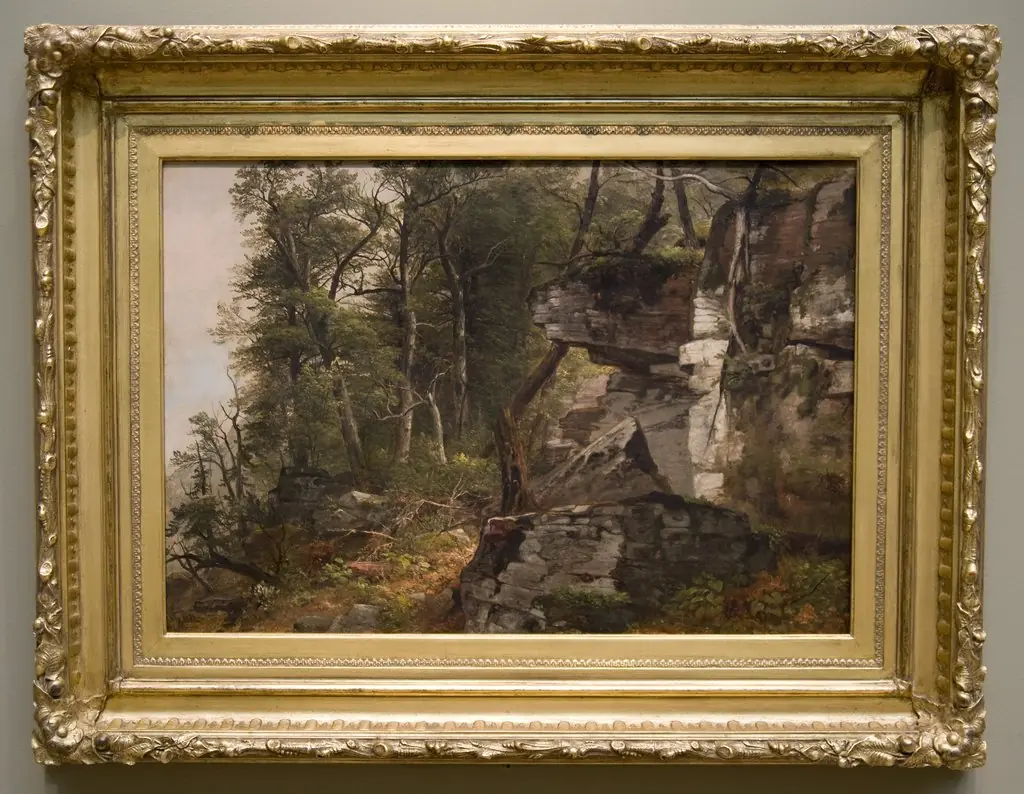 Trees on a Rocky Hillside
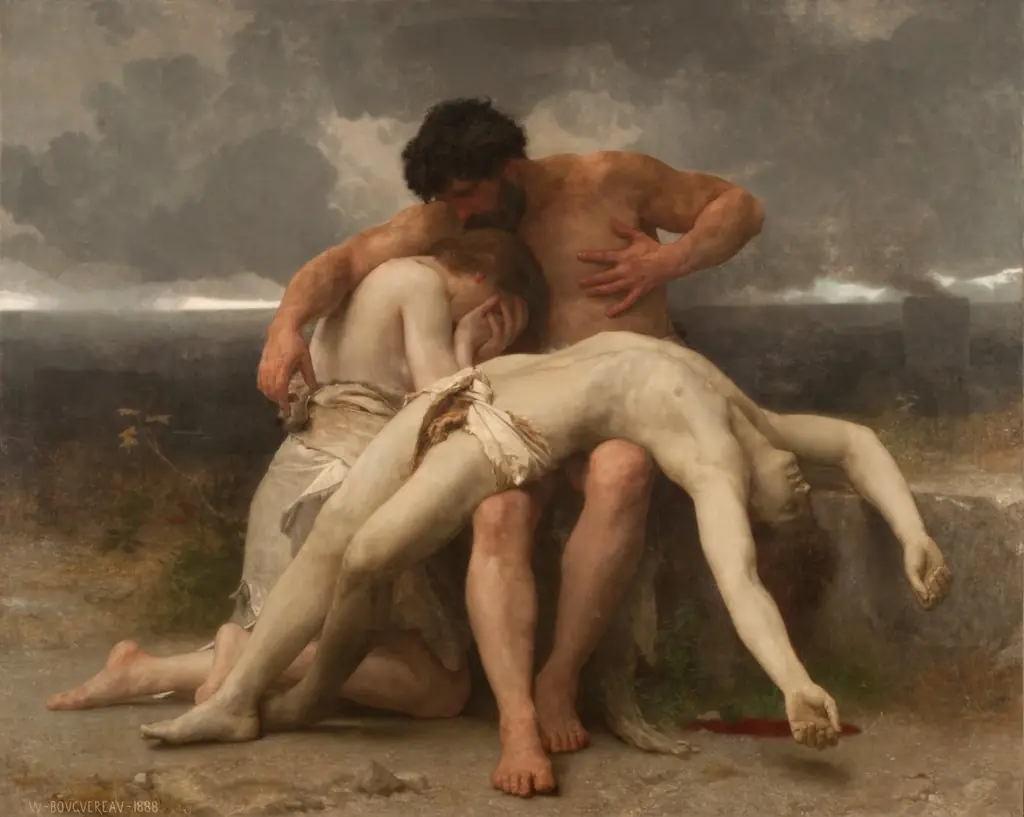 The First Mourning
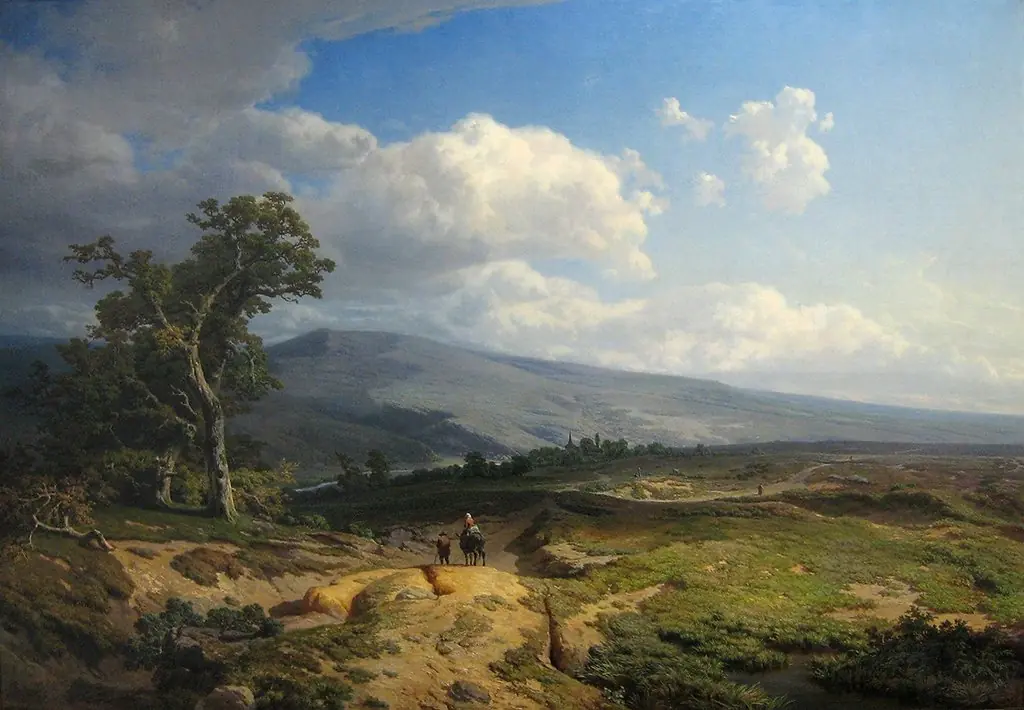 Valley of Amblève
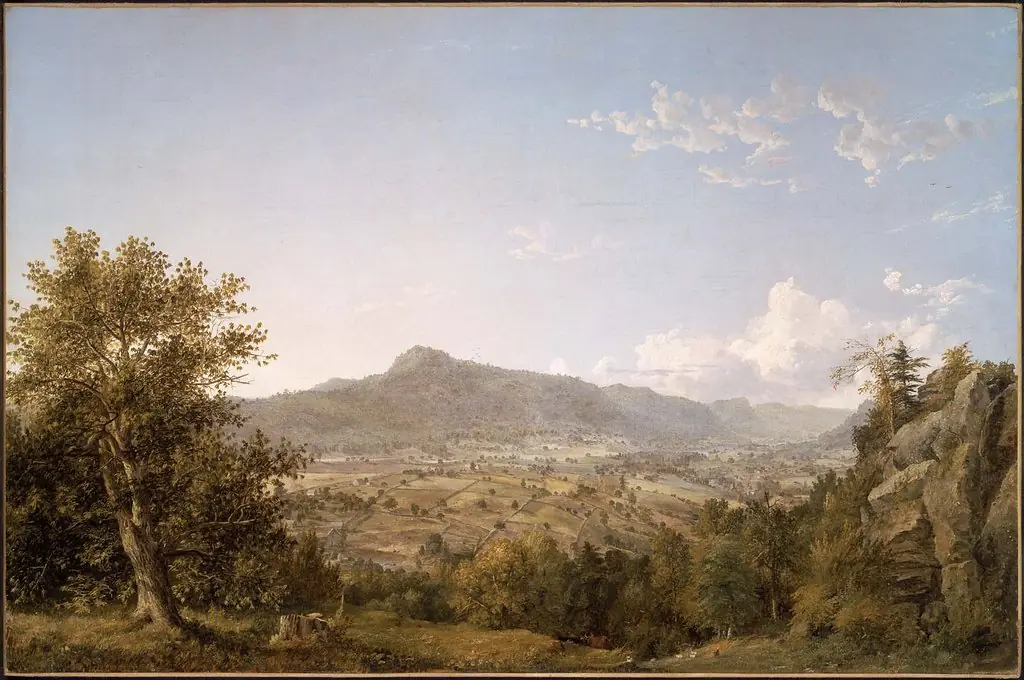 Schatacook Mountain, Housatonic Valley, Connecticut
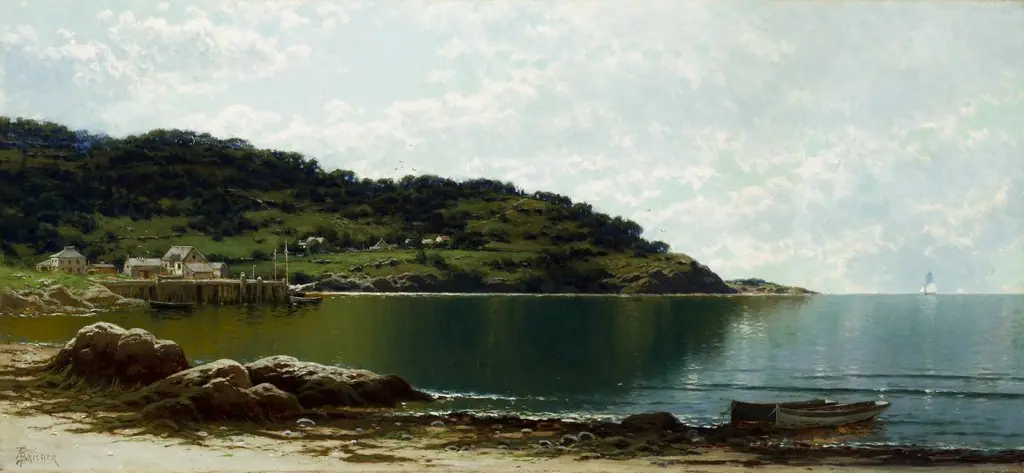 Along the Maine Coast
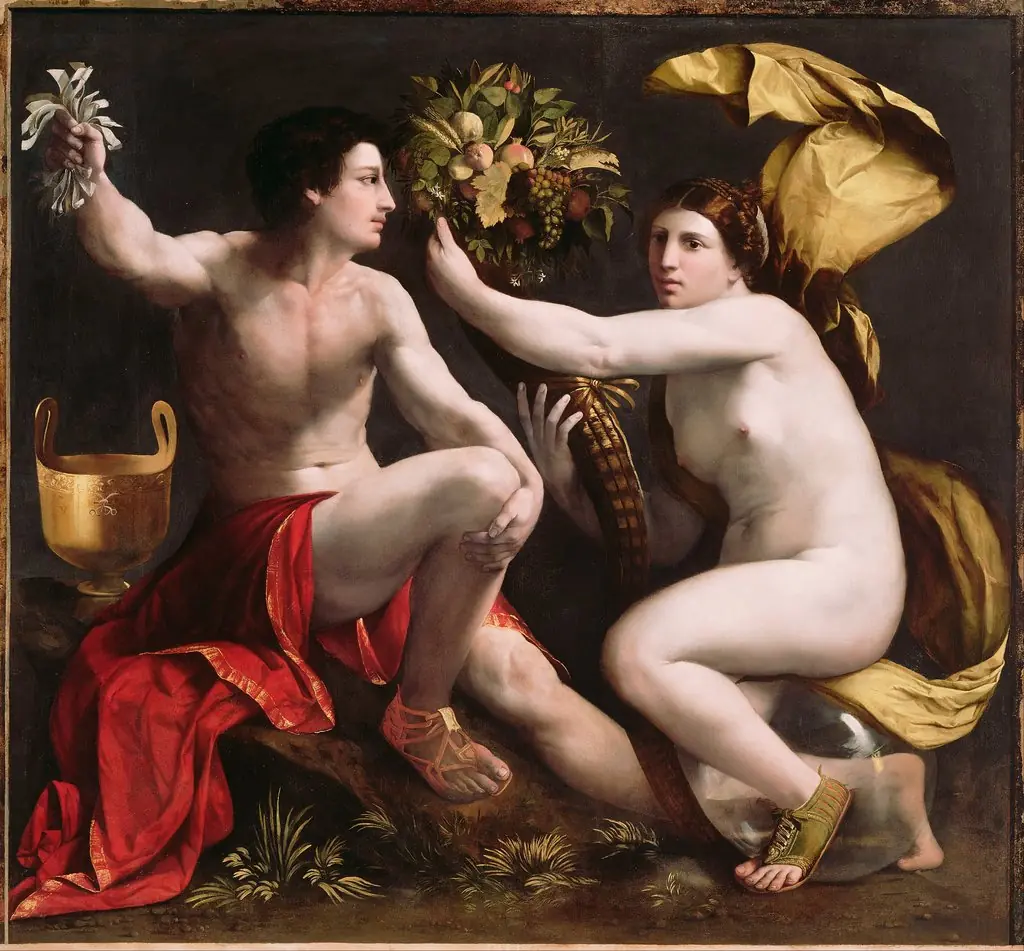 An Allegory of Fortune
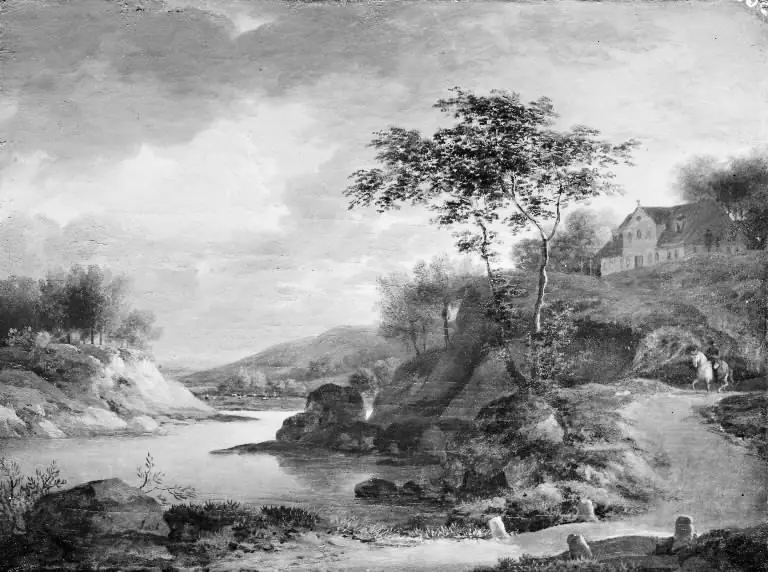 An Autumn Landscape by the Rhine
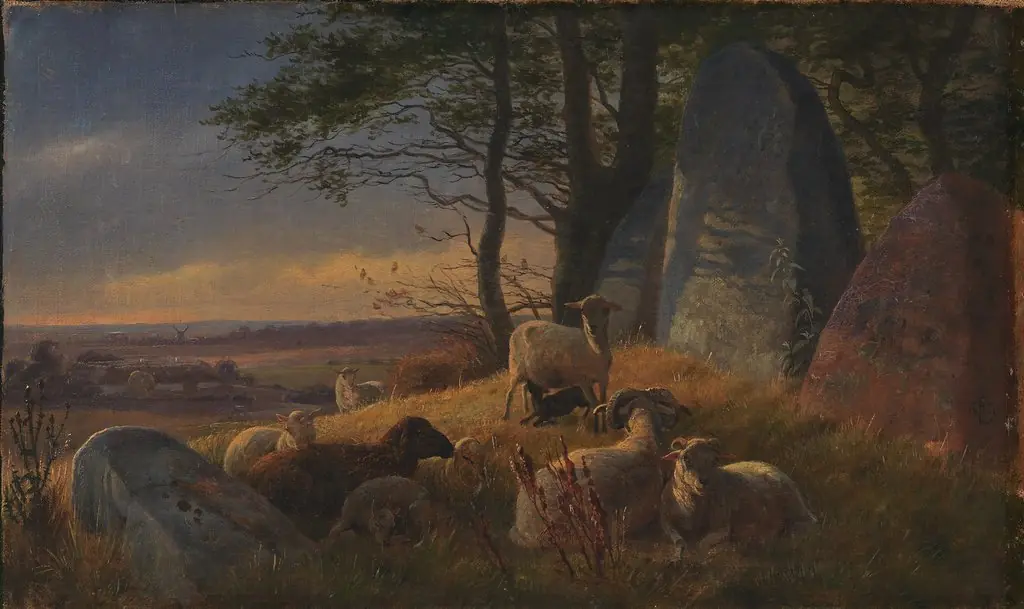 Evening Scene with Sheep on a Mound
 Andromeda Chained to the Rocks
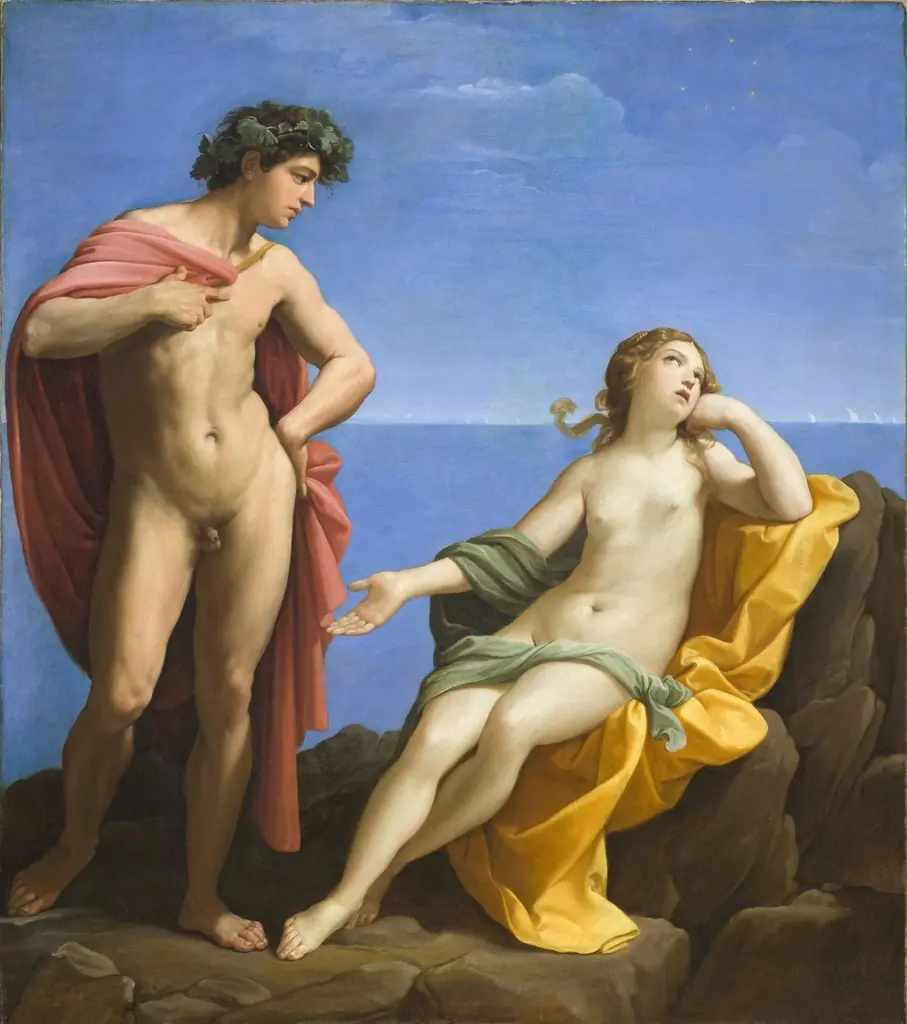 Bacchus and Ariadne
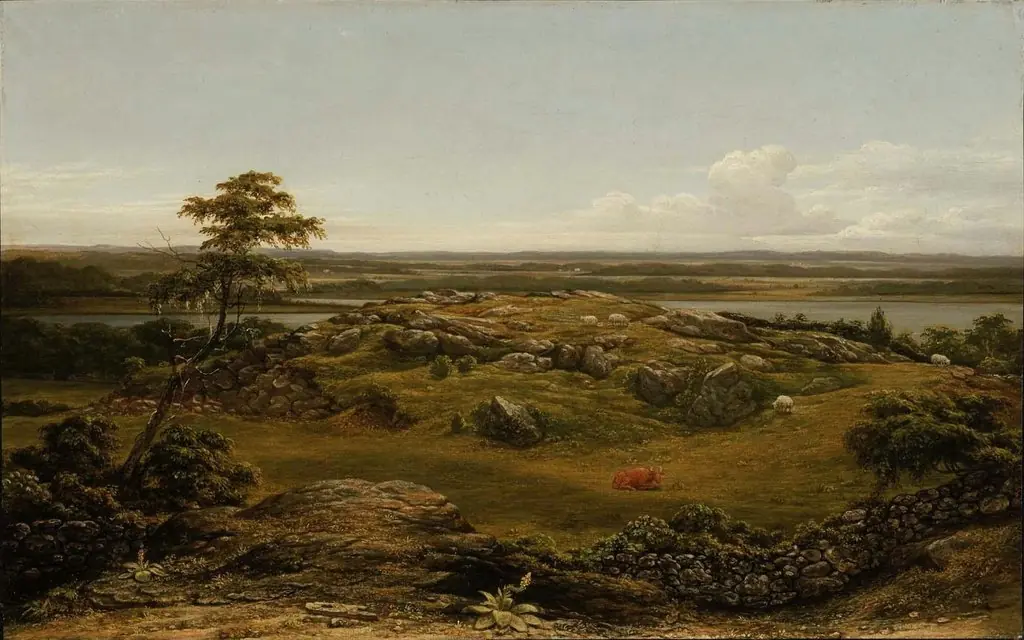 Rocks in New England
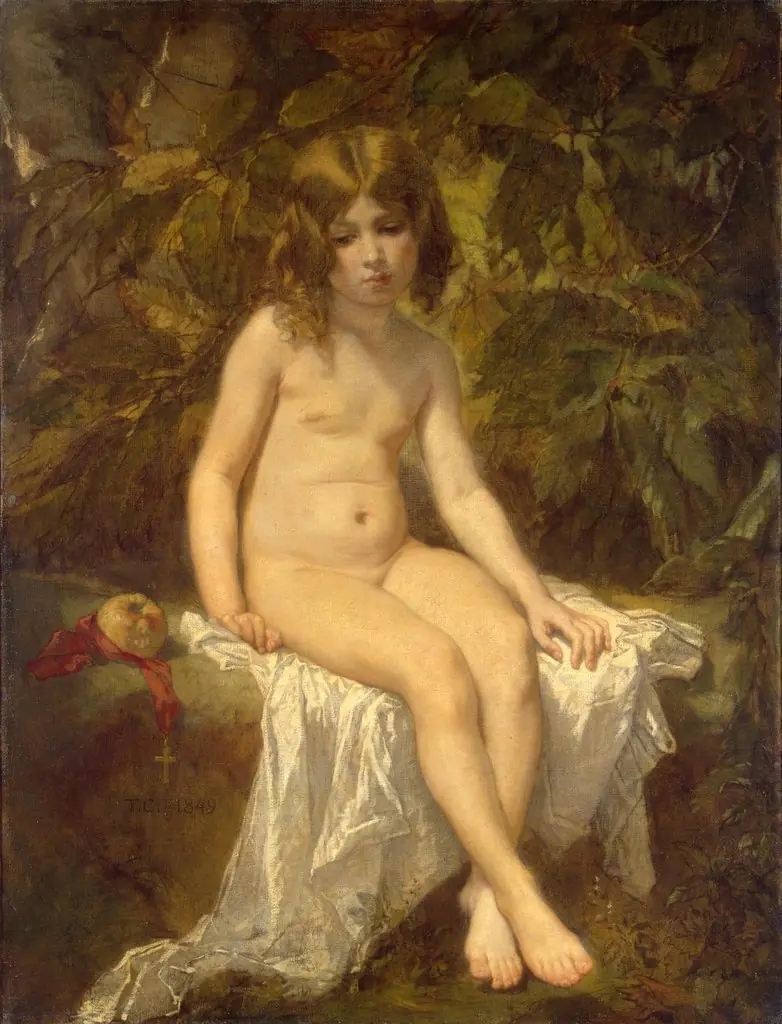 Little Bather
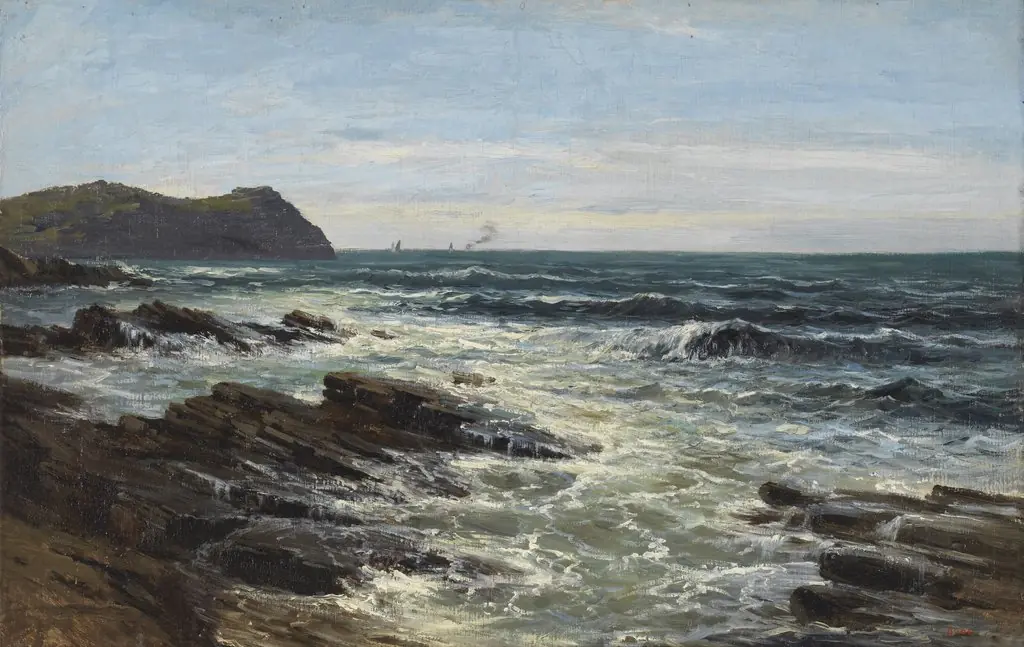 Acantilados (Guéthary)
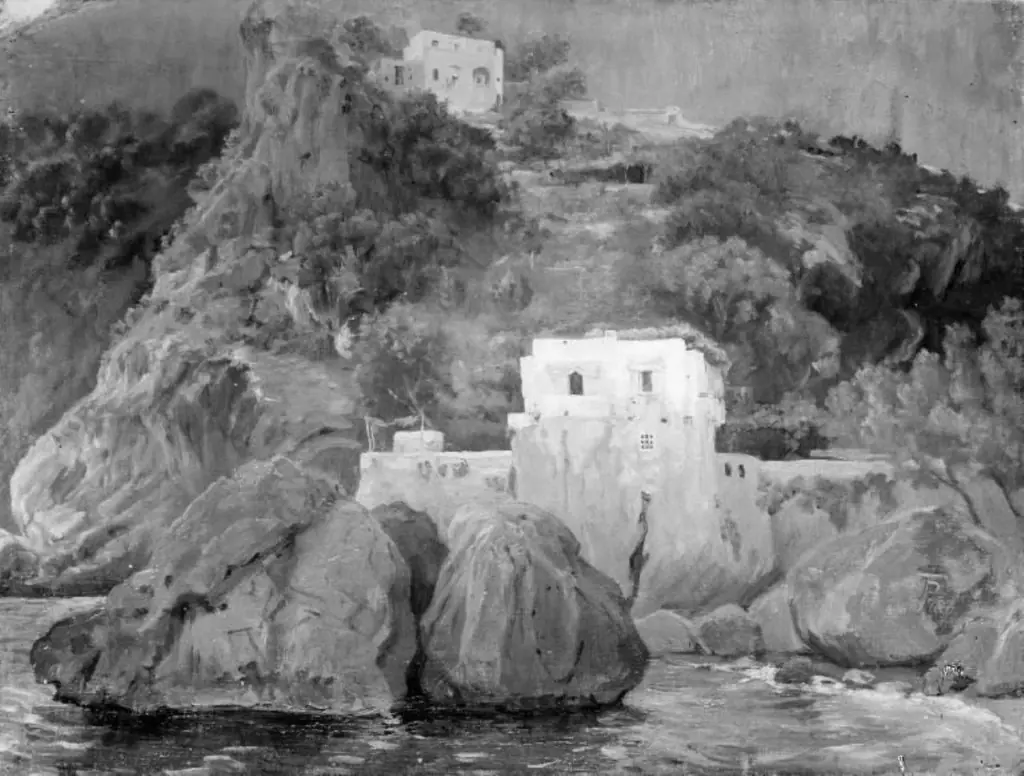 A coastline. Amalfi, Italy
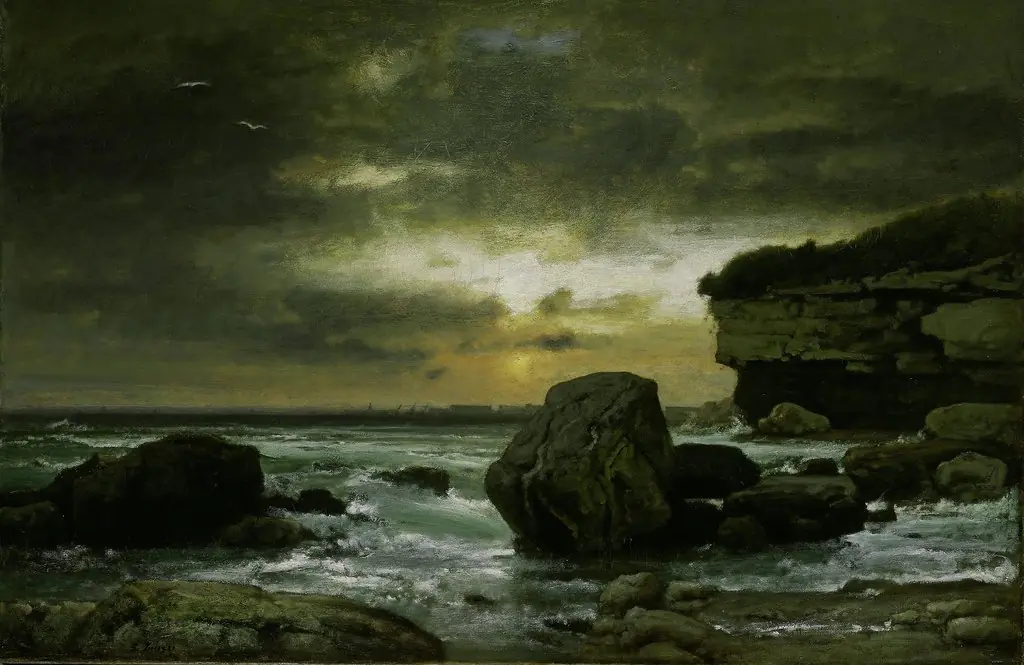 A Marine
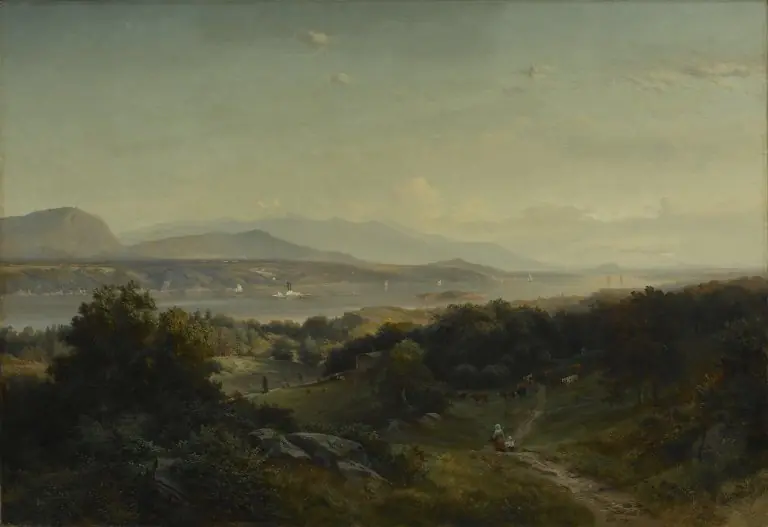 Landscape, Hyde Park, New York
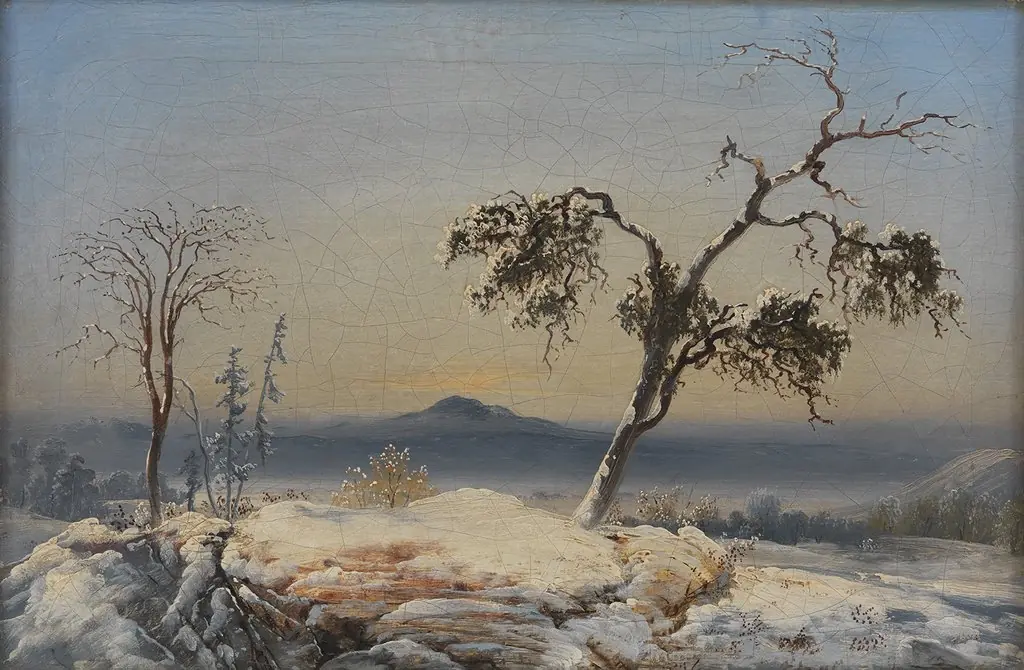 Landscape from Finnmark
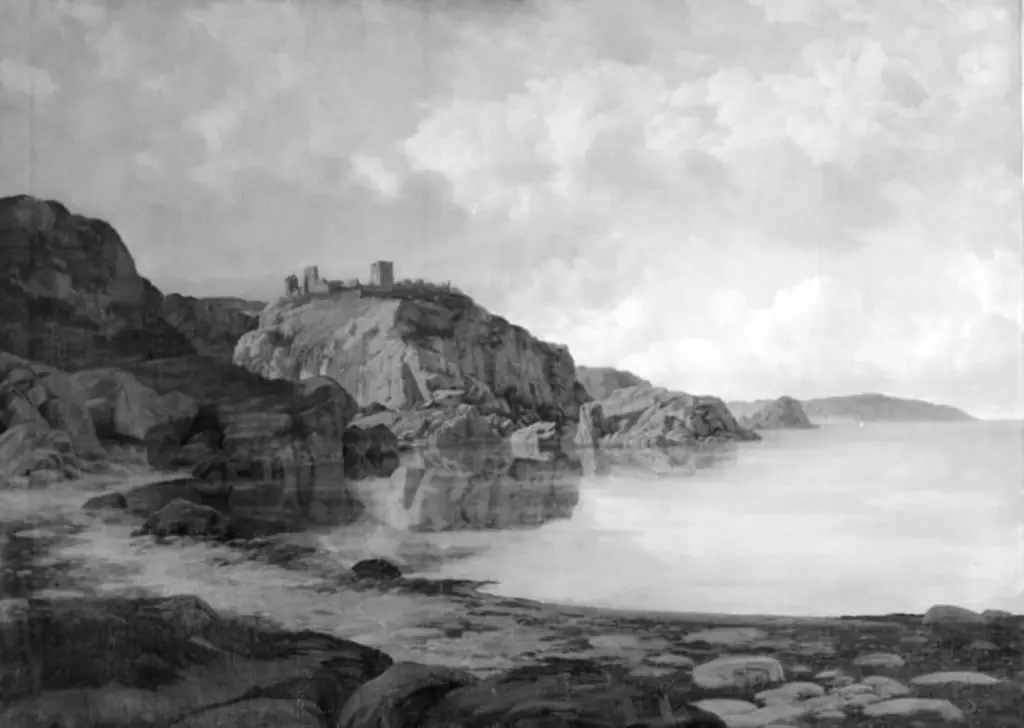 Hammershus på Bornholm
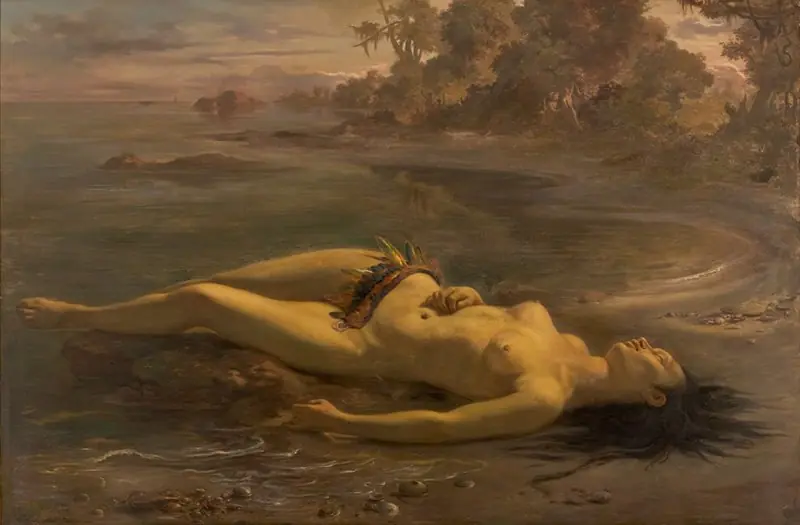 Moema
Moema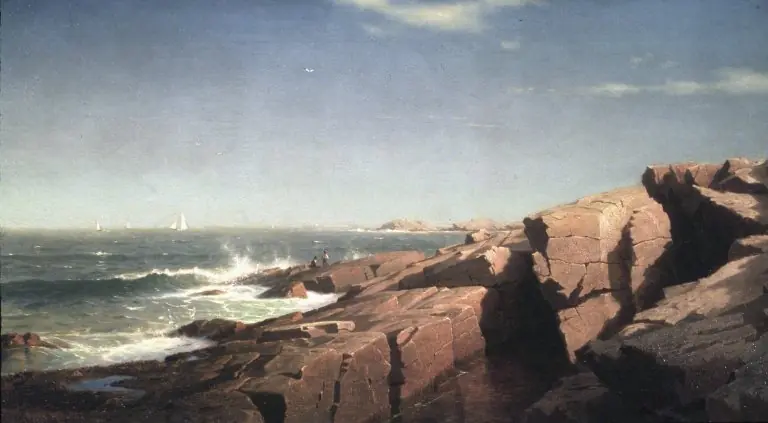 Rocks at Nahant
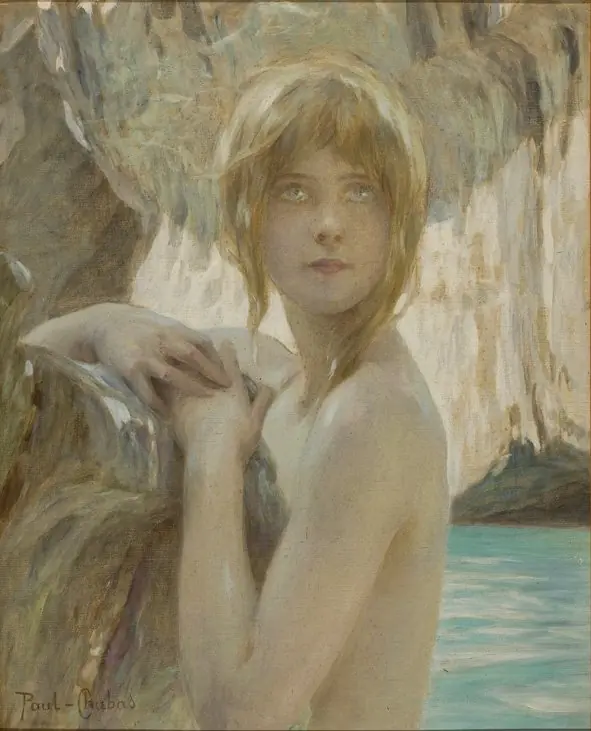 Blonde Nymph
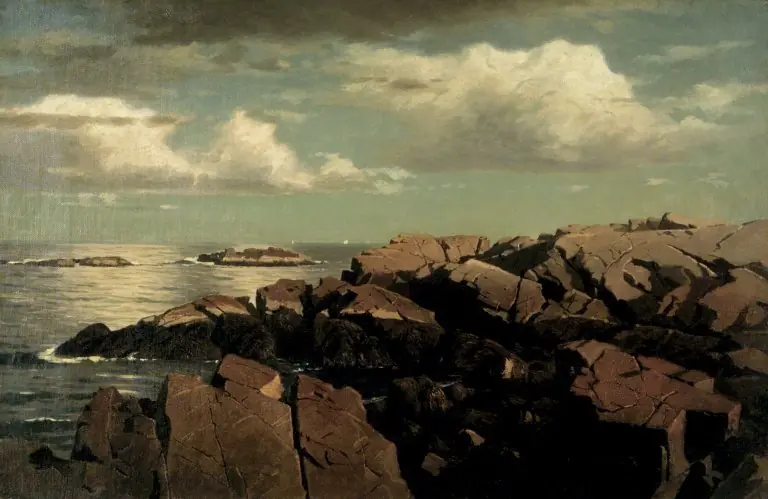 After a Shower, Nahant, Massachusetts
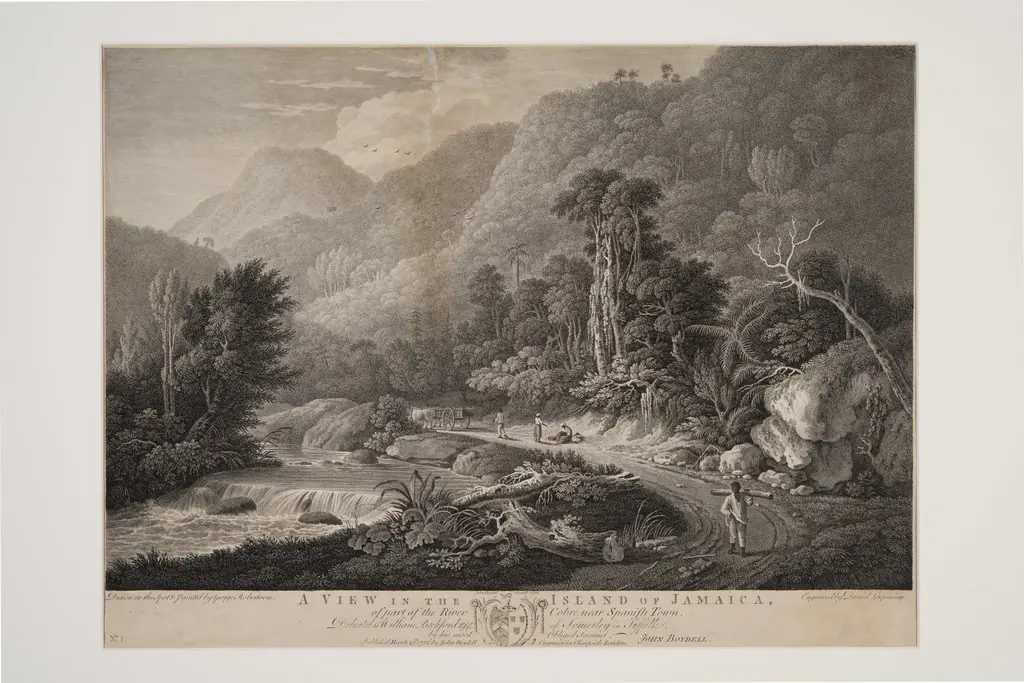 A View in the Island of Jamaica, of Part of the River Cobre near Spanish Town
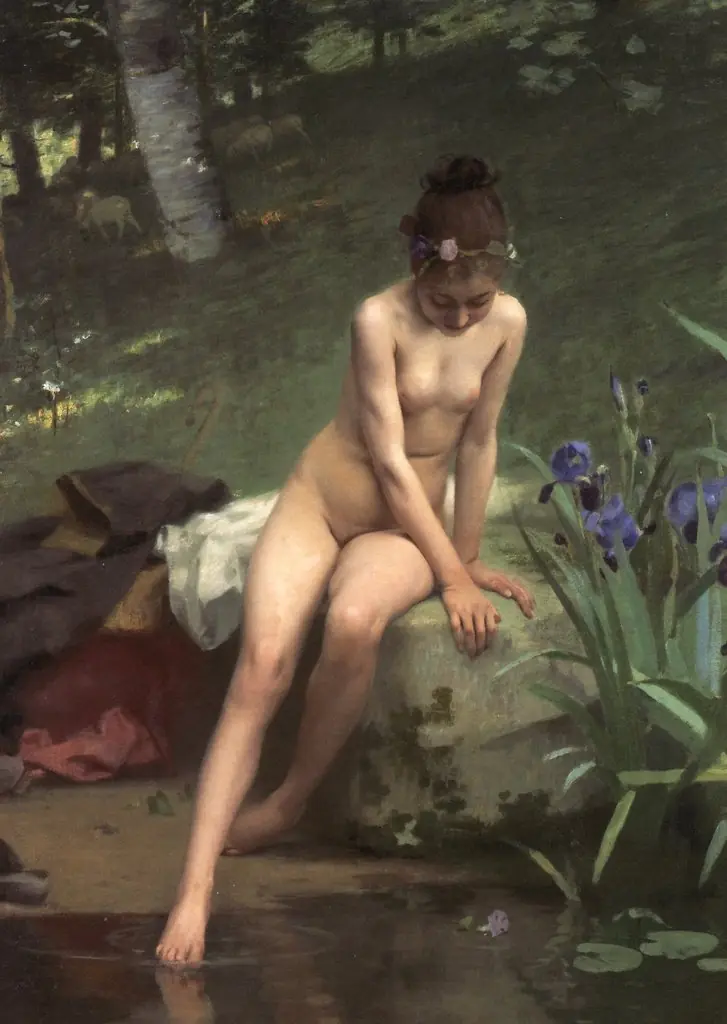 The Young Shepherdess
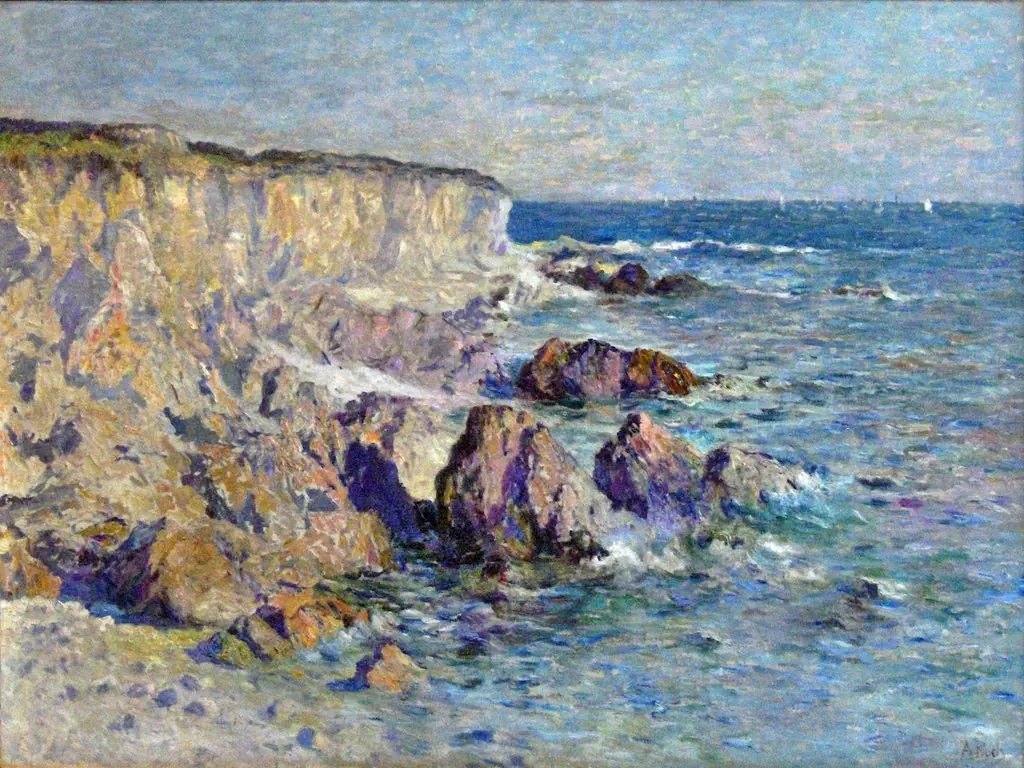 The Shores of Brittany
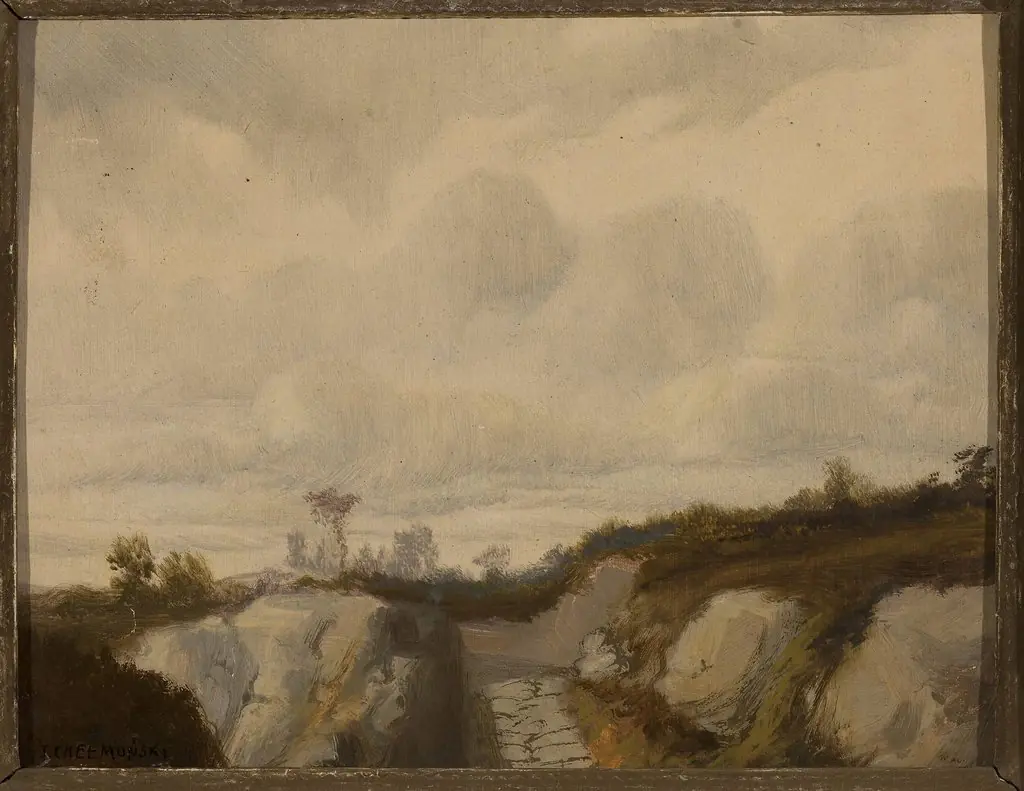 Road among rocks
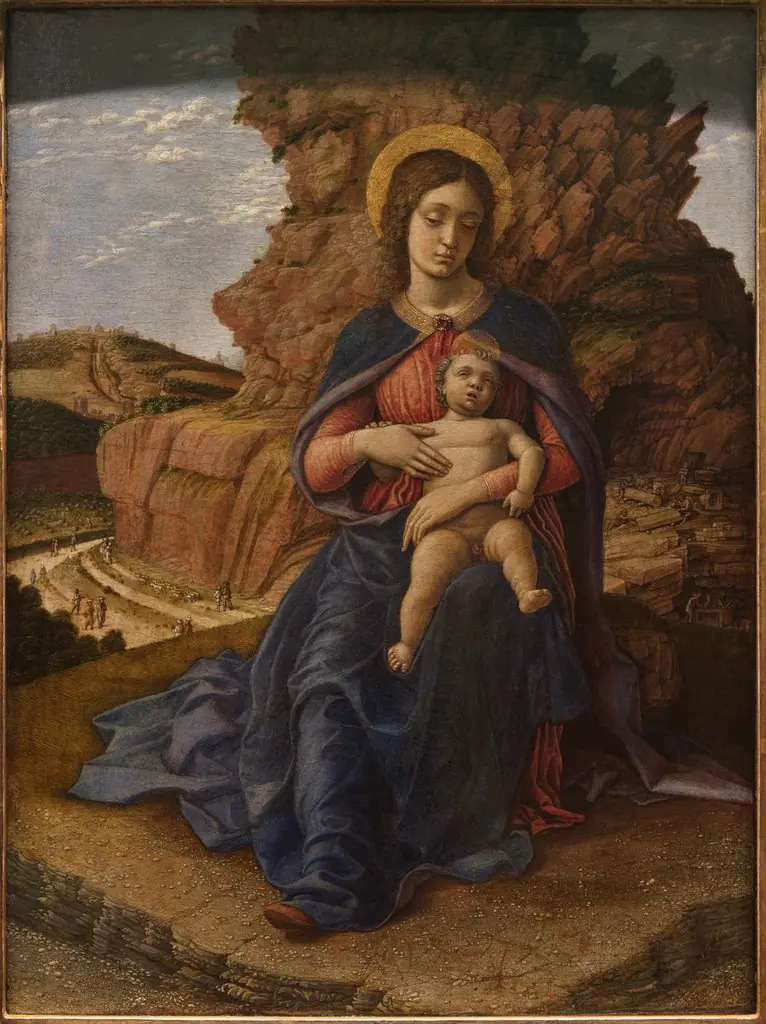 Madonna of the Caves
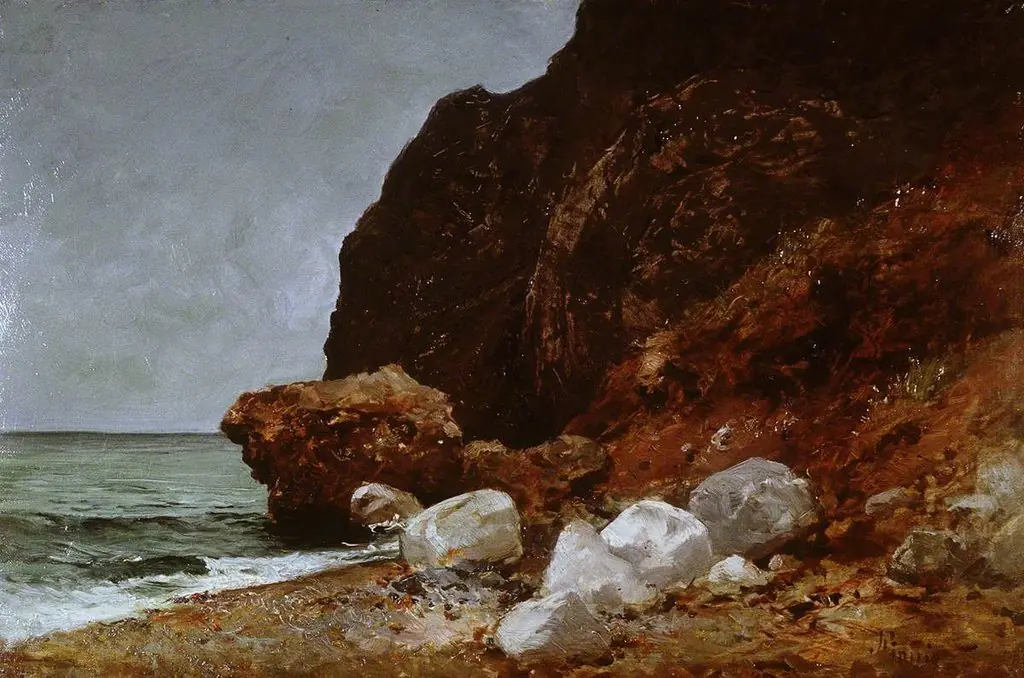 The Little Orme
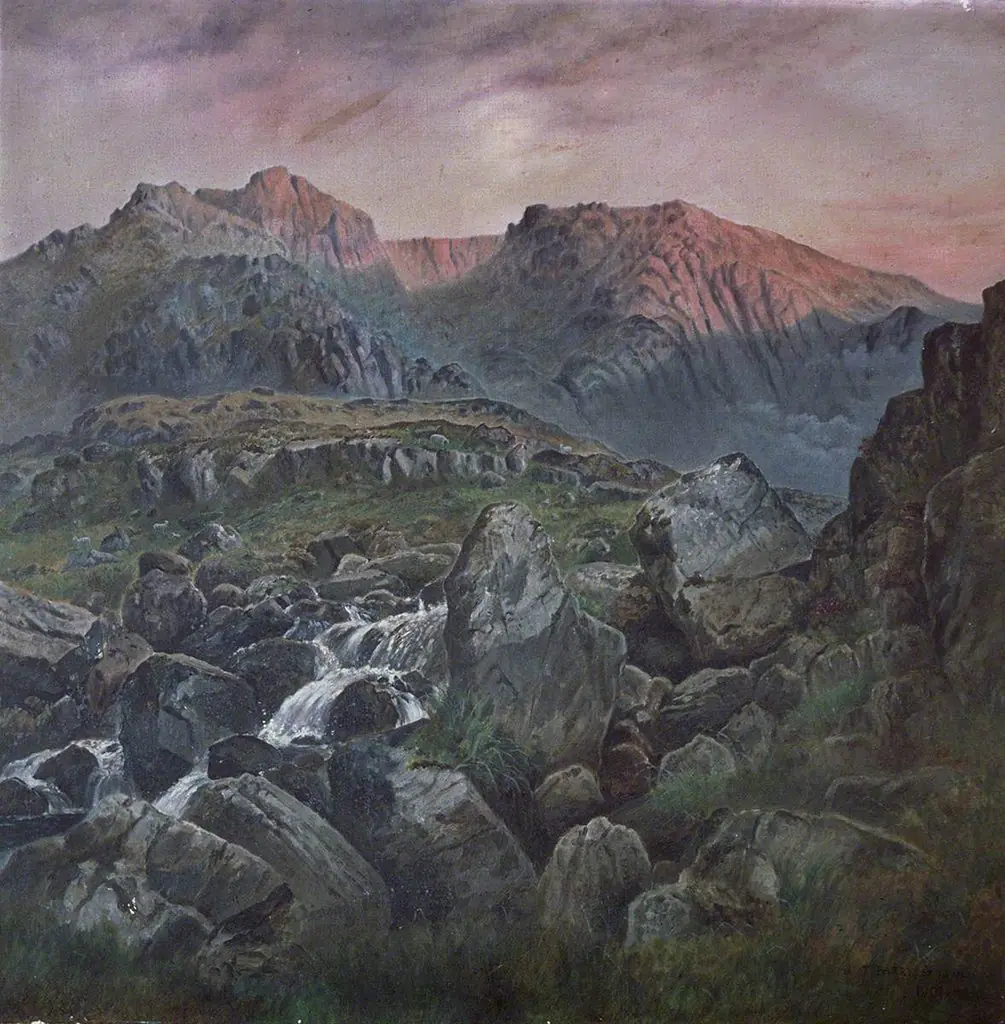 Cwm Idwal, Sunset
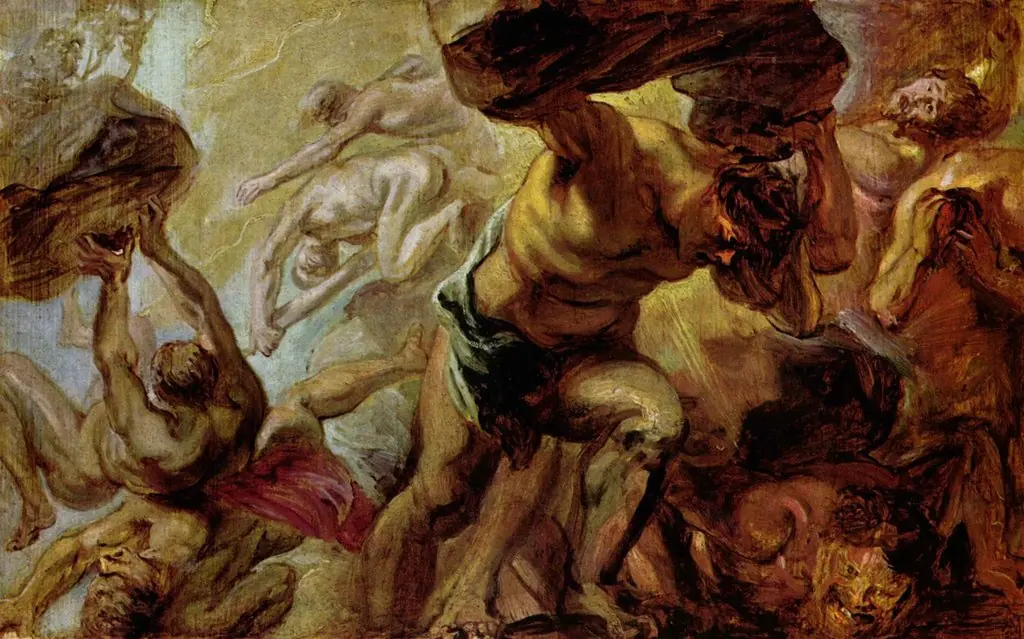 Fall of the Giants
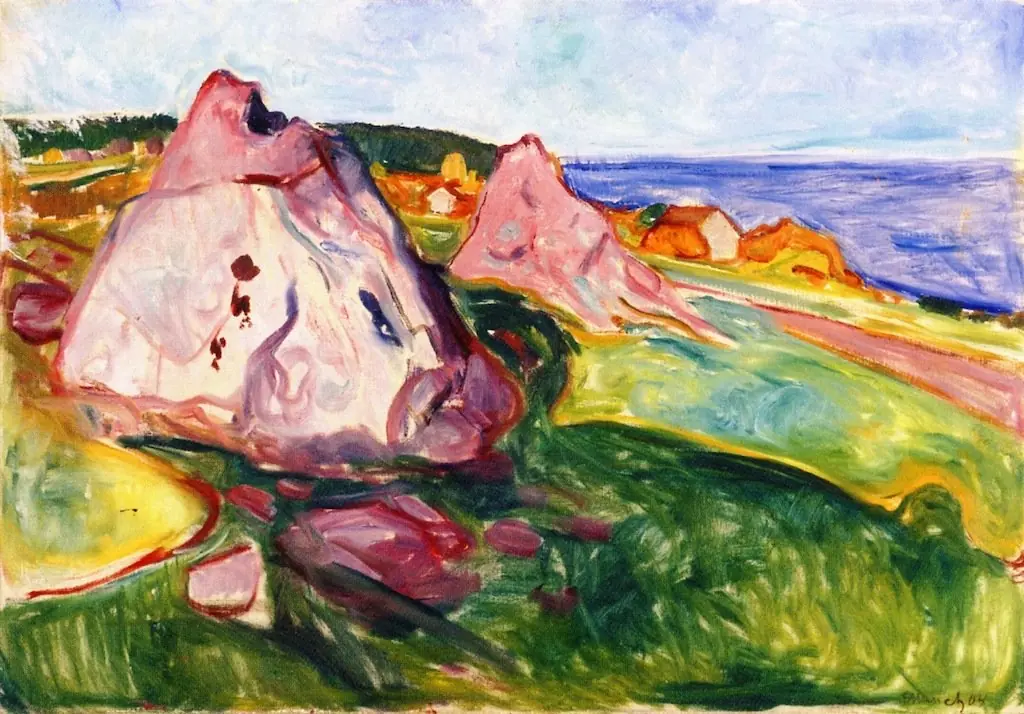 Red Rocks by Åsgårdstrand
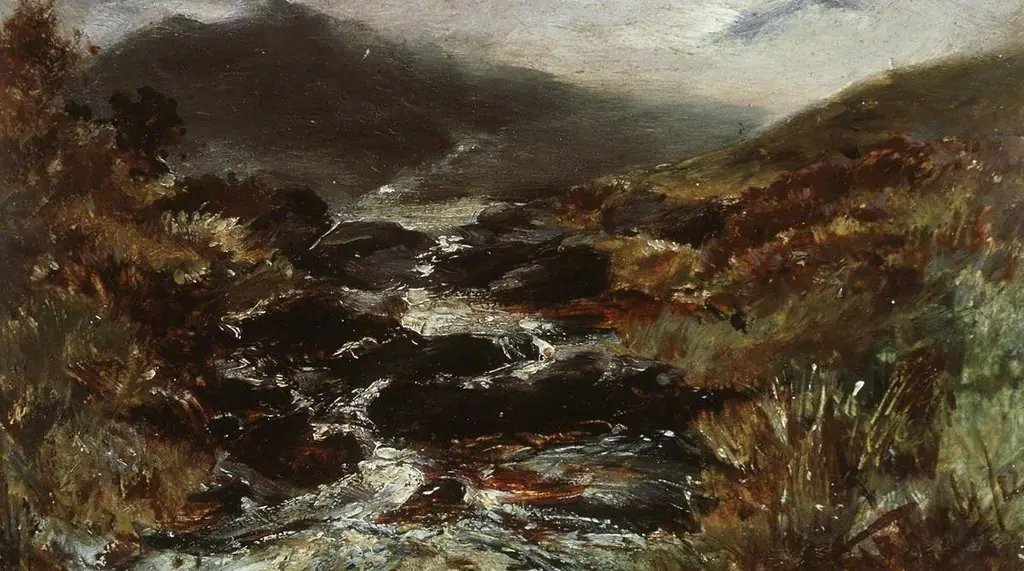 Landscape
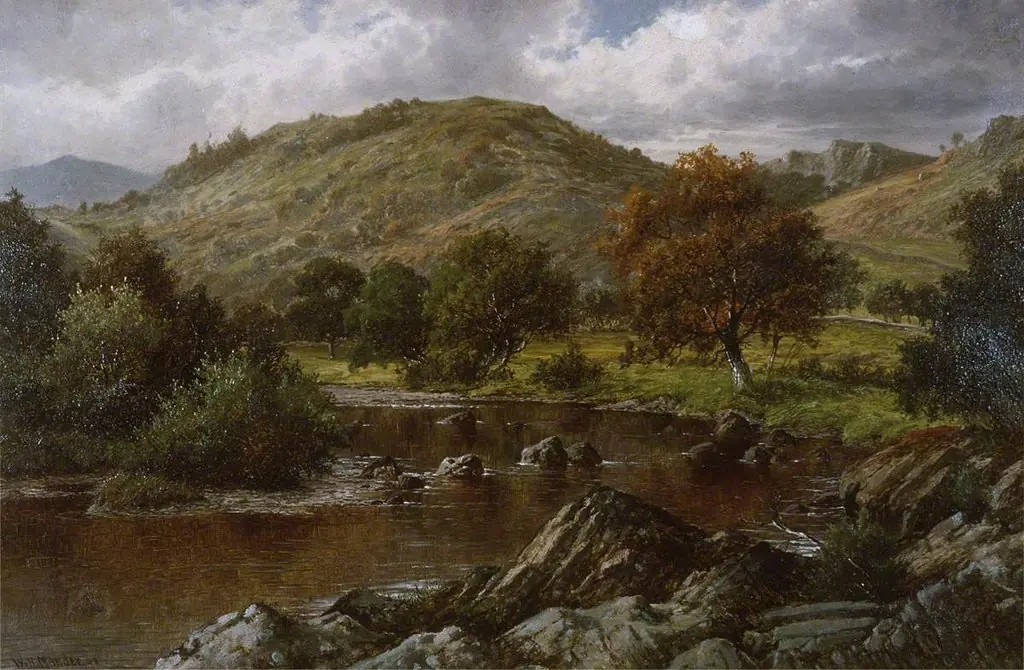 On the Lledr above Lledr Bridge
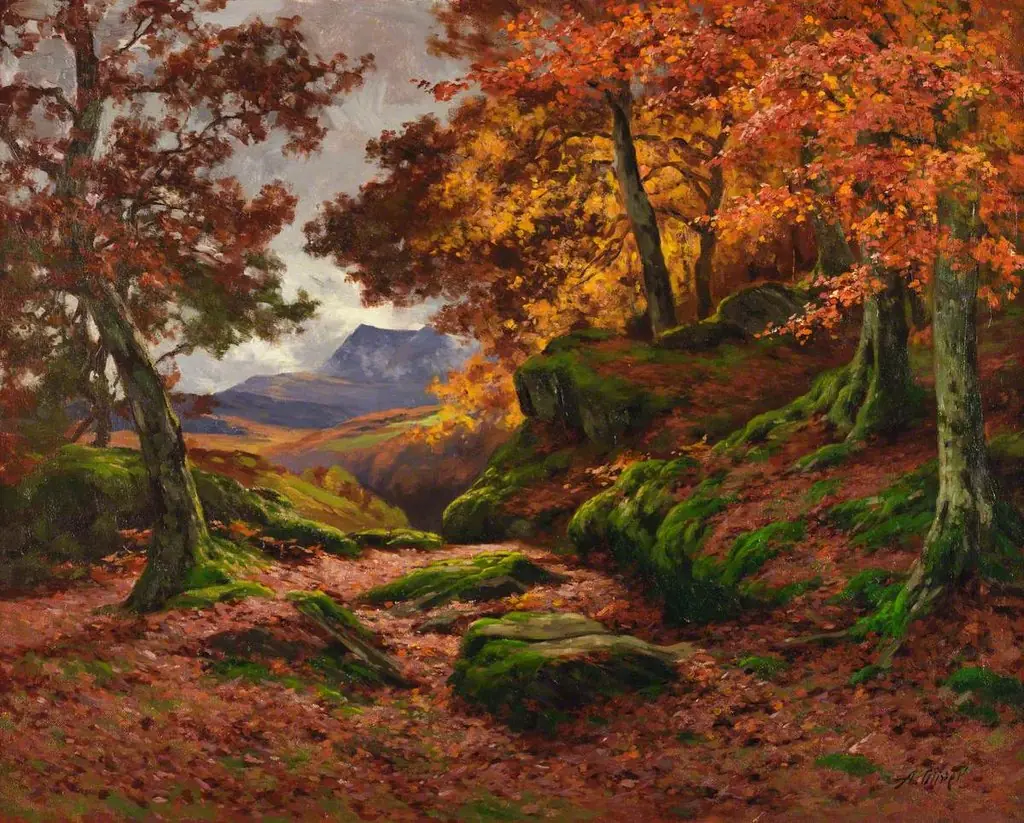 Moel Siabod
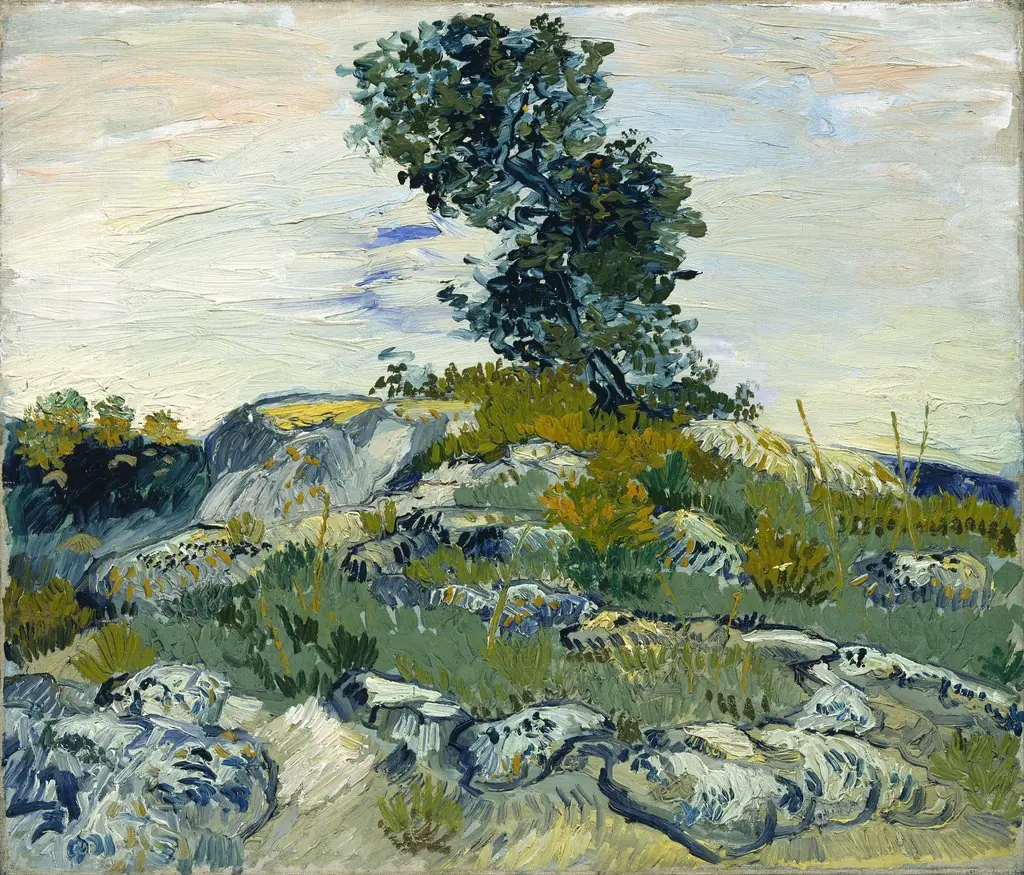 Rocks
Rocks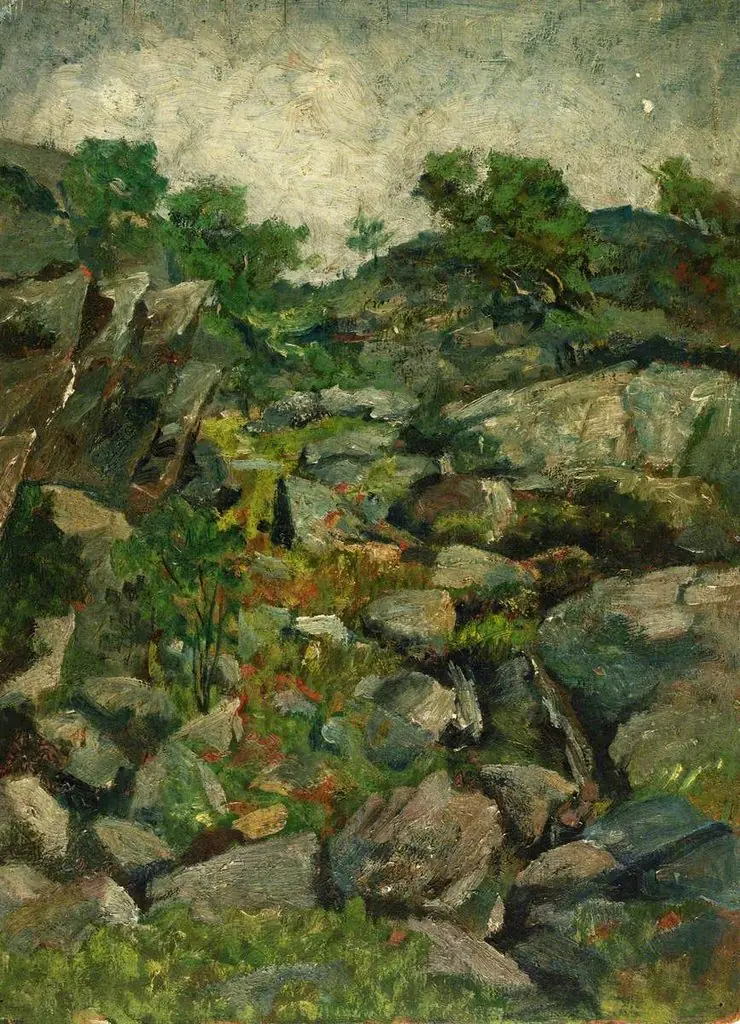 Rocky Landscape
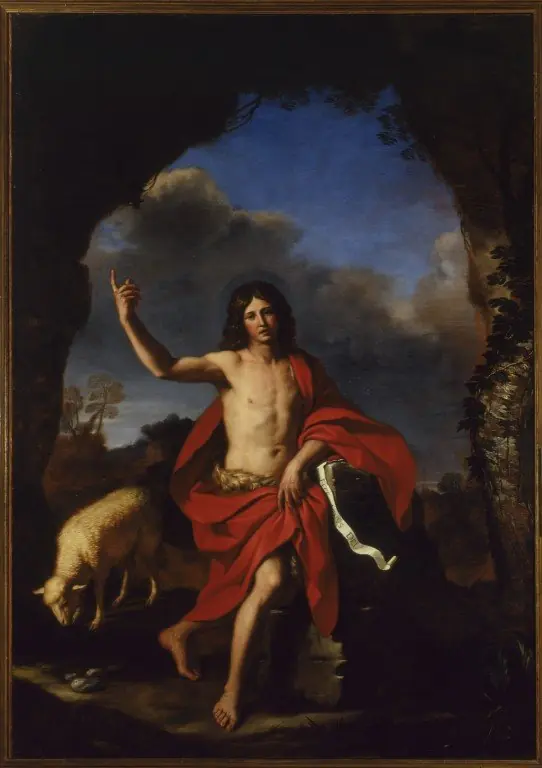 Saint John the Baptist
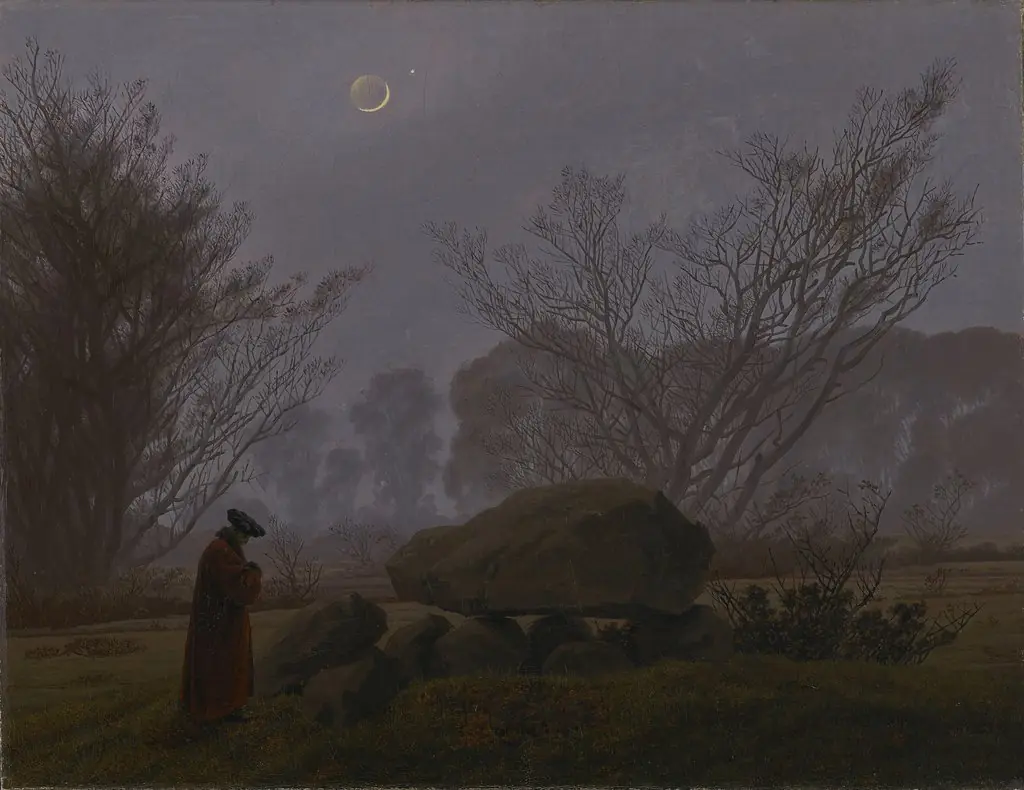 Walk at Dusk
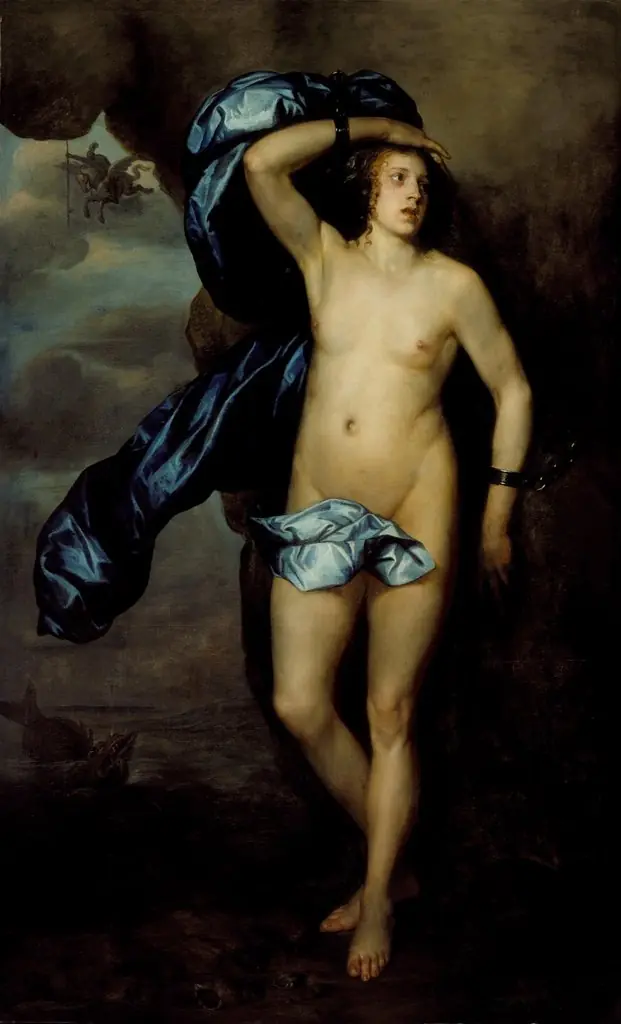 Andromeda Chained to the Rock
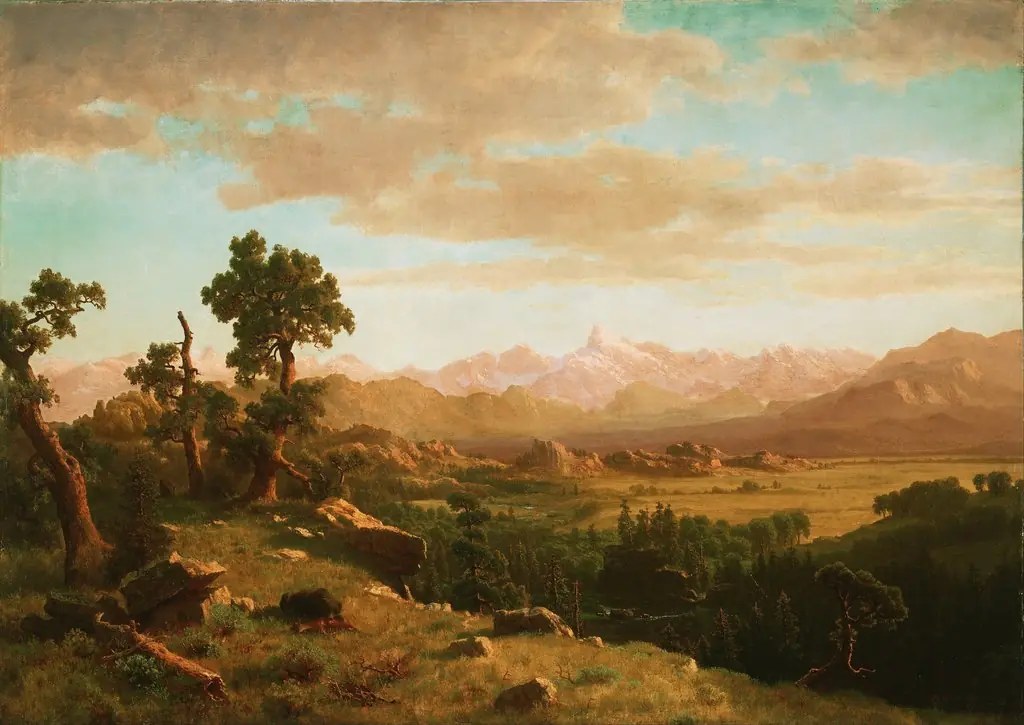 Wind River Country
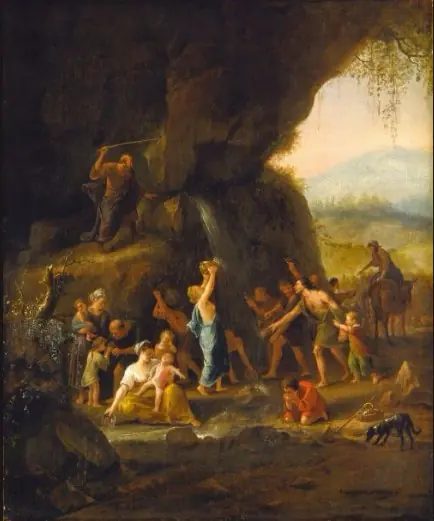 Moses Striking Water from the Rock
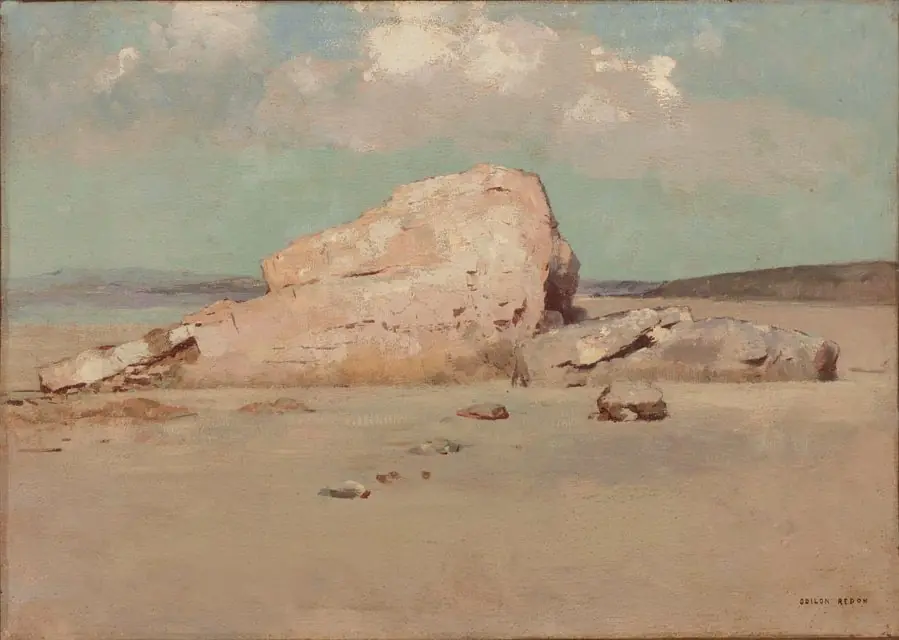 Rocks on the Beach
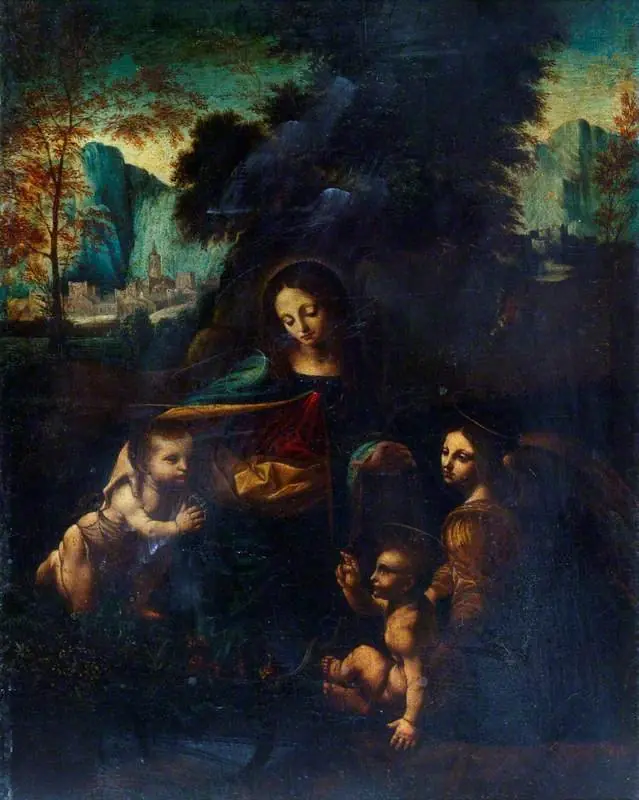 The Virgin of the Rocks
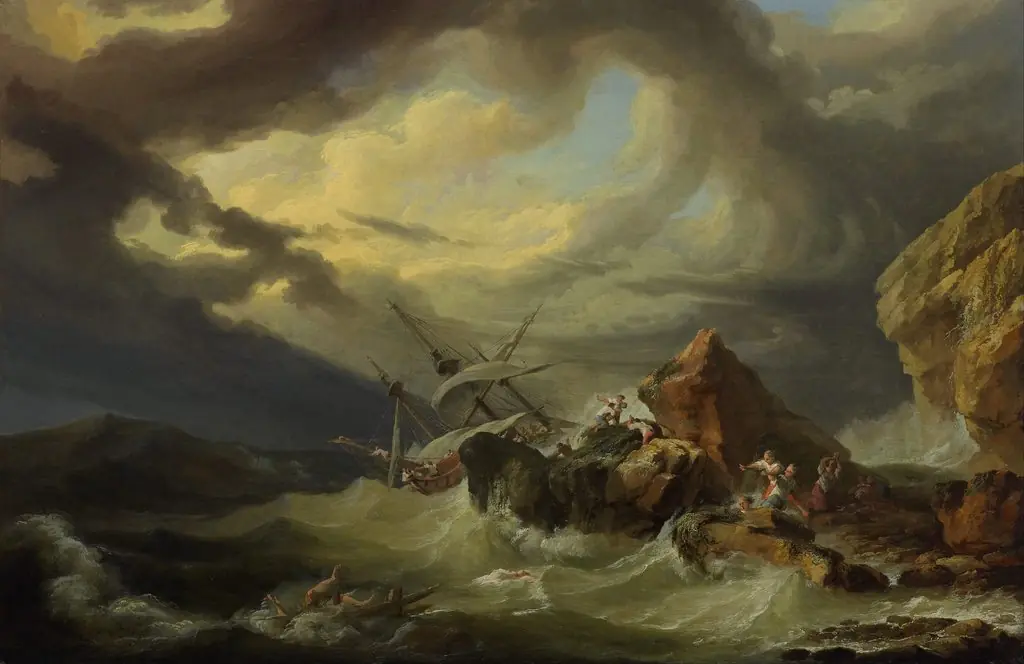 A shipwreck off a rocky coast
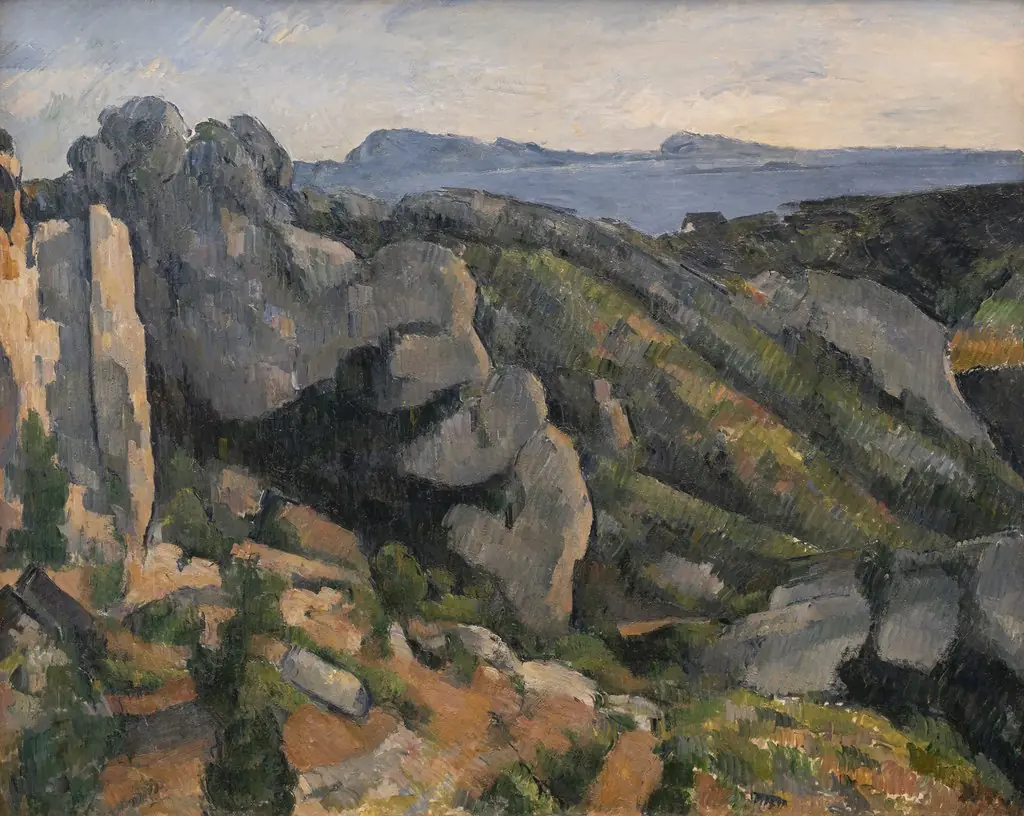 Rochers à l'Estaque (Rocks at L'Estaque)
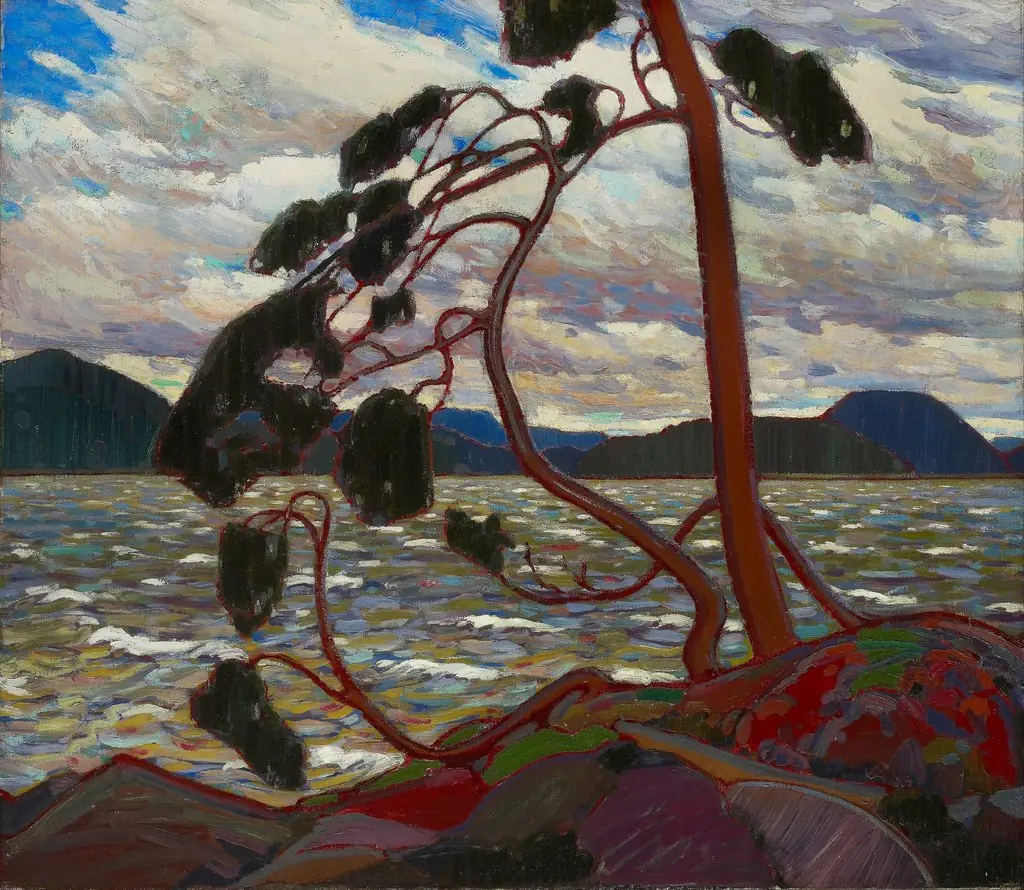 The West Wind
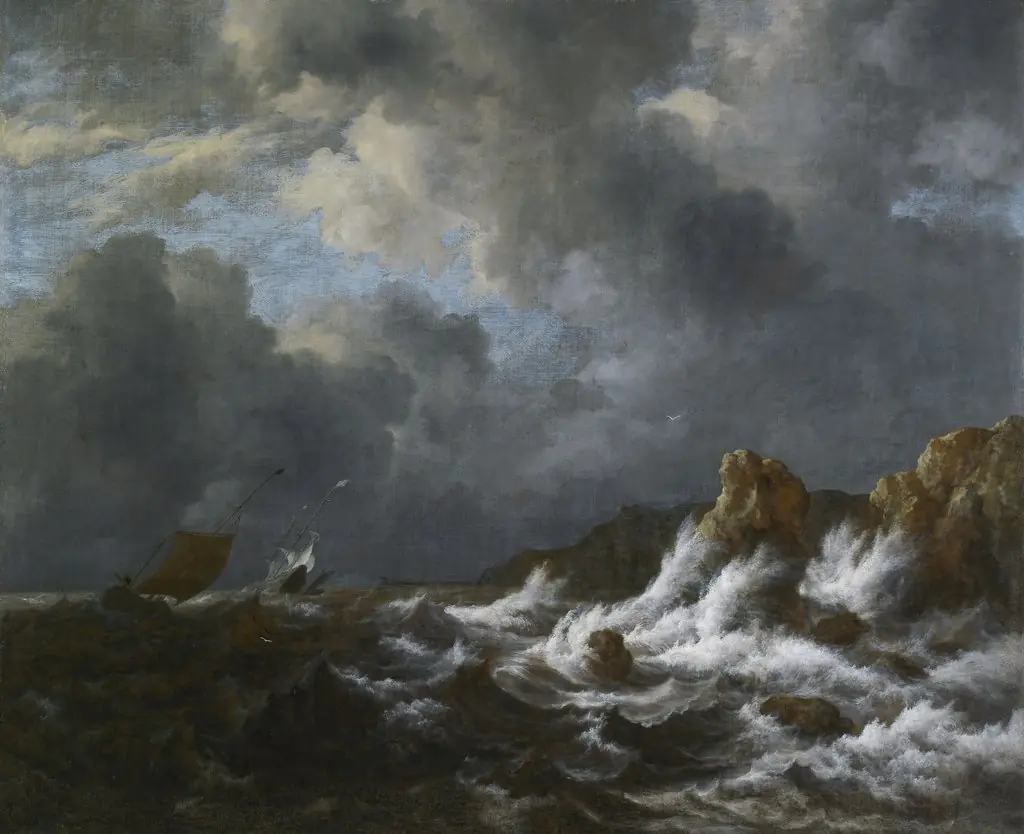 View from the Coast of Norway
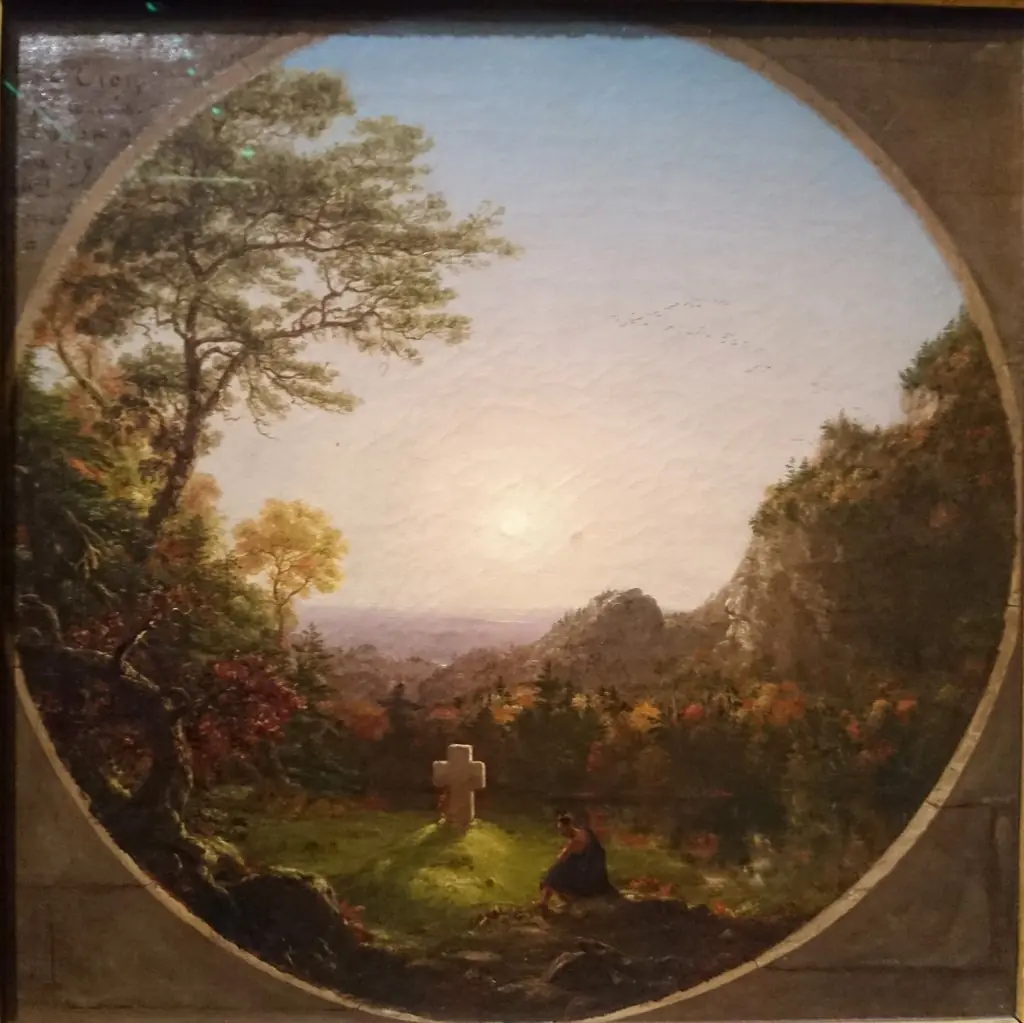 The Cross in the Wilderness
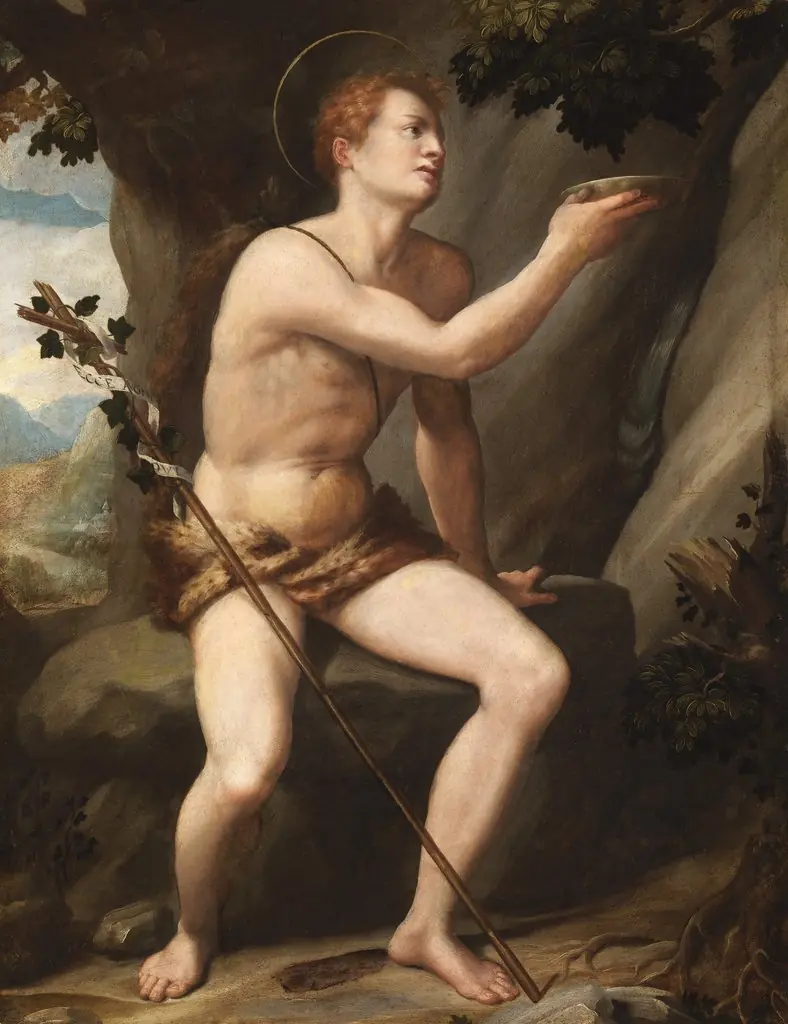 Saint John the Baptist
 A young flute player by the sea
 Fără cuvinte
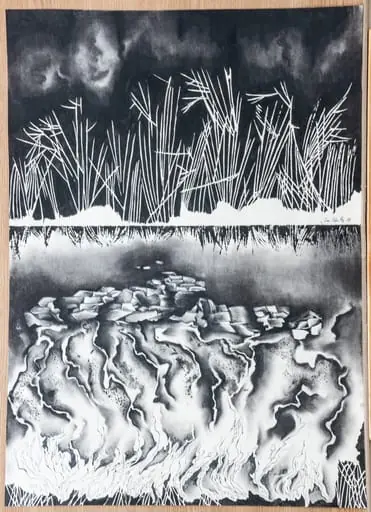 Contraste
Frequently asked questions
What is Rock?
Rock is a subject in art. In geology, a rock (also called a stone) is any naturally occurring solid mass or aggregate of minerals or mineraloid matter.
How many Rock works does Artifact World Gallery have?
Artifact World Gallery holds 69 public-domain Rock works, all free to view and download.
Who are the key Rock artists?
Key Rock artists in the collection include Titian, Thomas Cole and Albert Bierstadt.
Where can I see Rock works?
Rock works in the collection are held by Metropolitan Museum of Art, National Library of Wales and Statens Museum for Kunst.