Artwork
Ruins of Elgin Cathedral
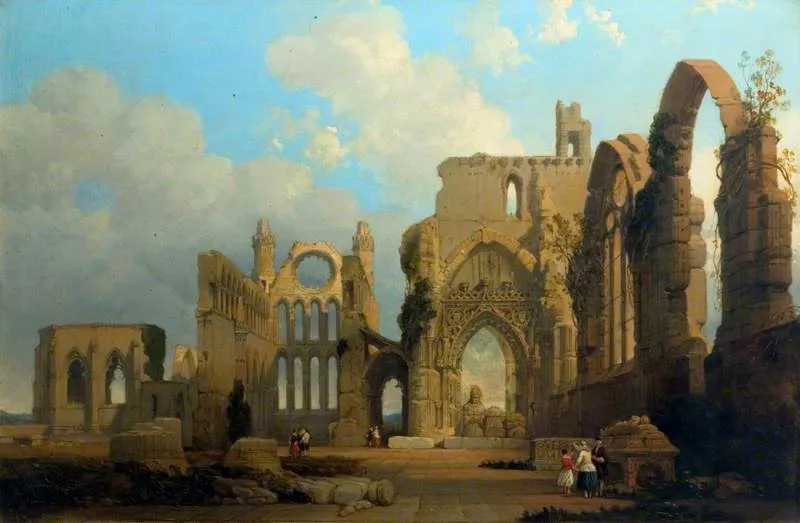
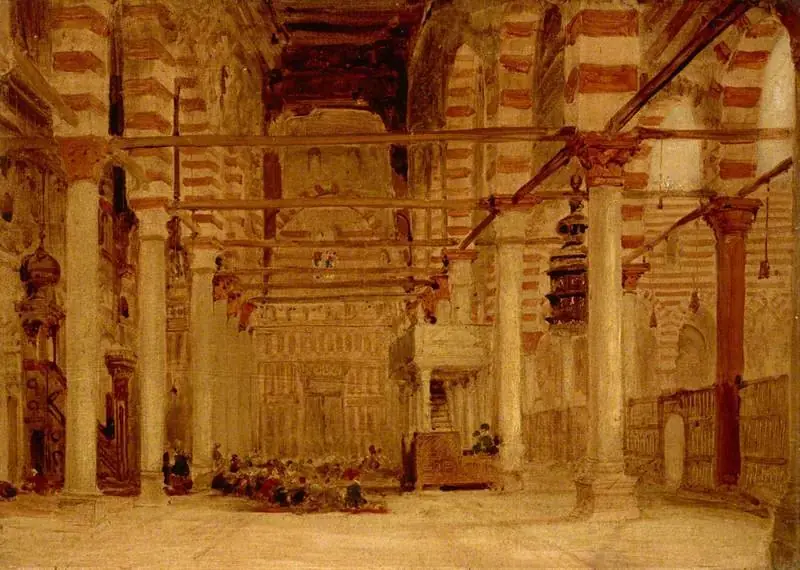
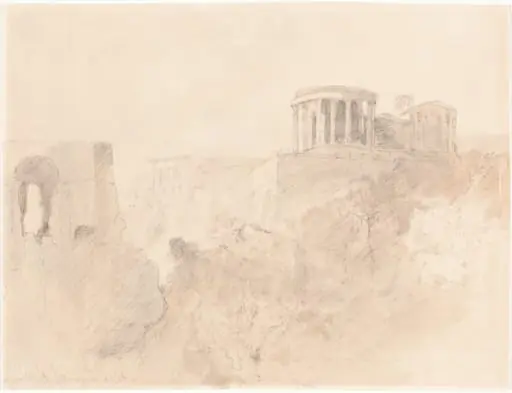
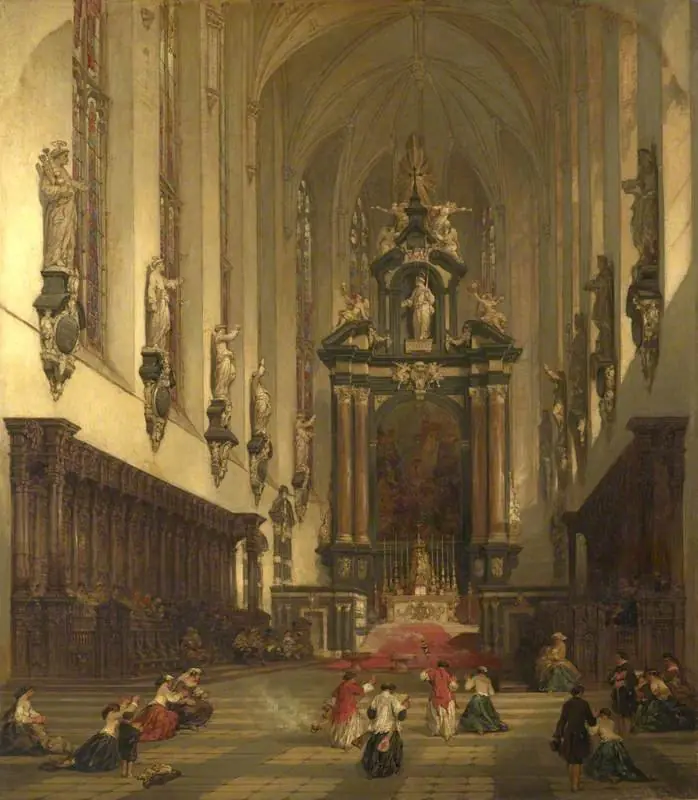
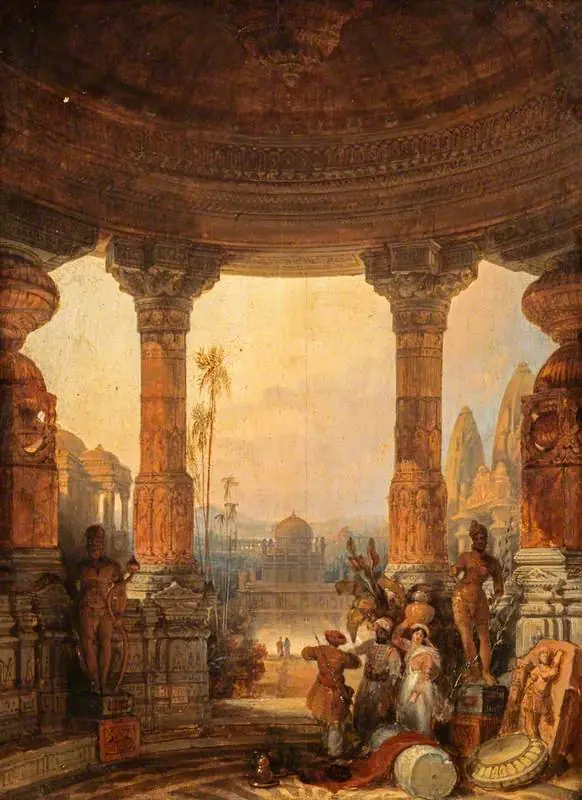
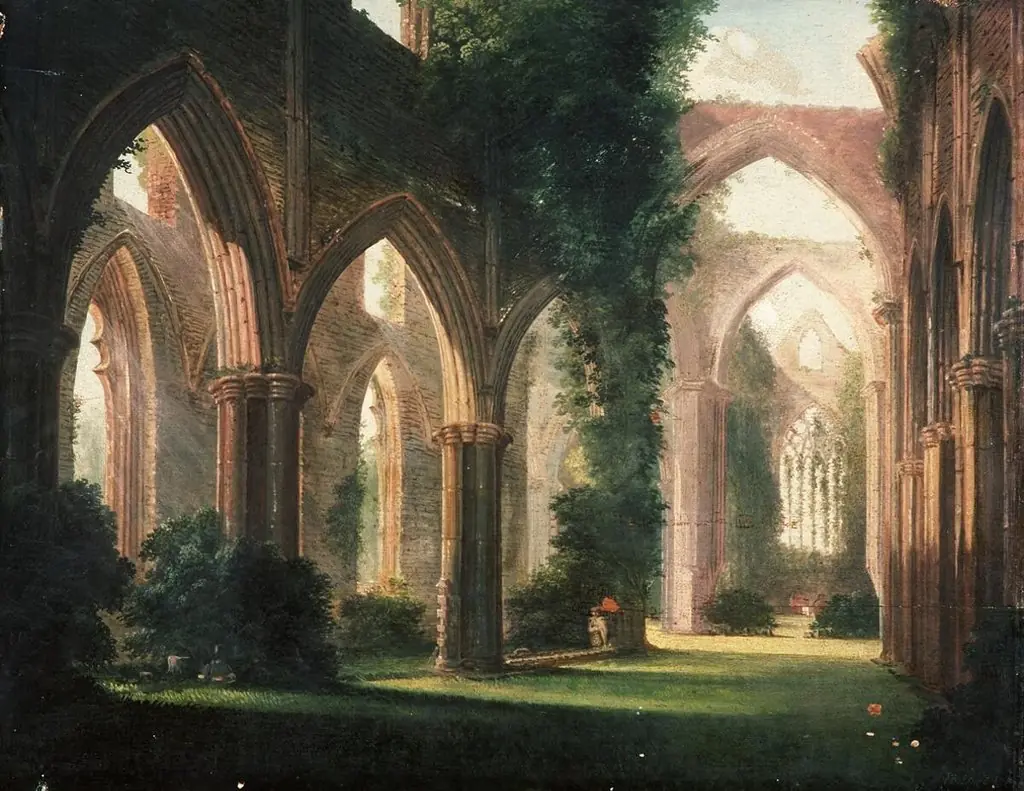
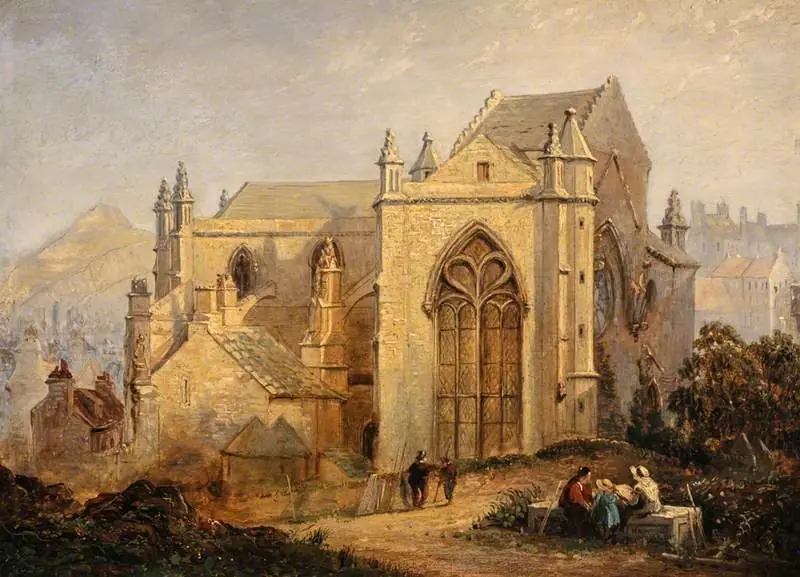
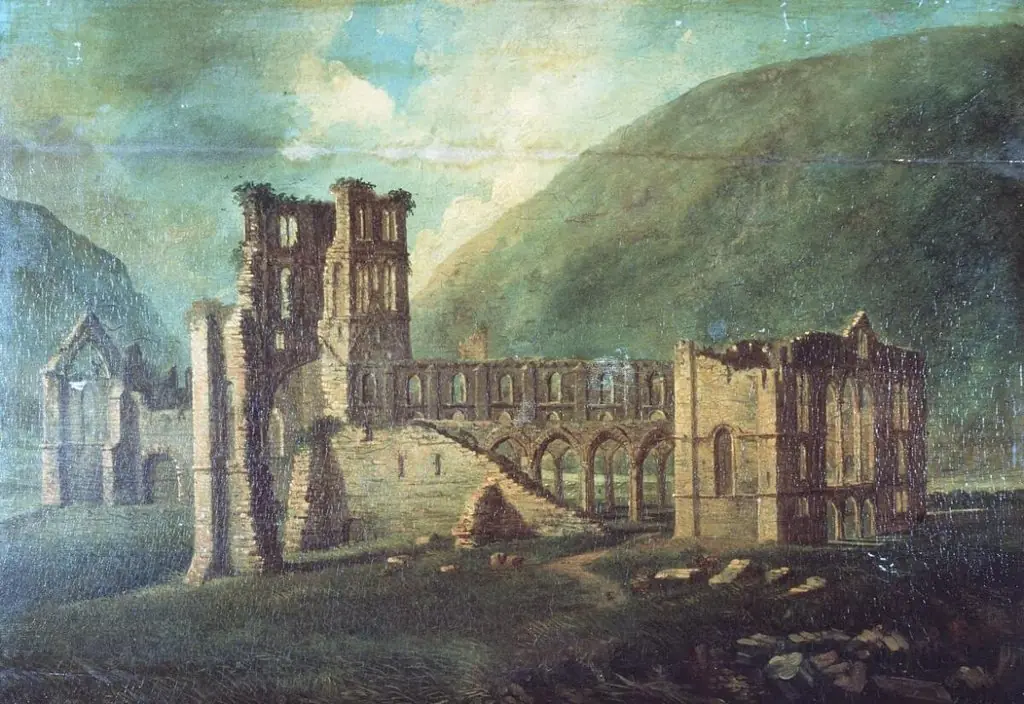
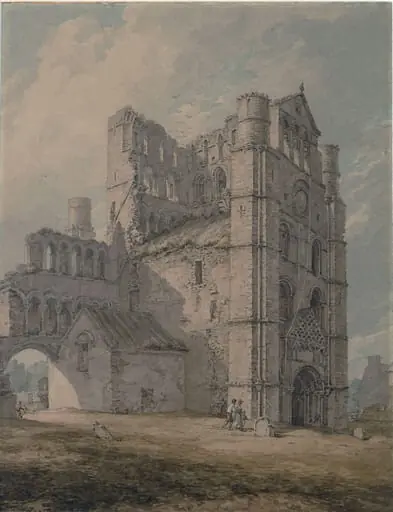
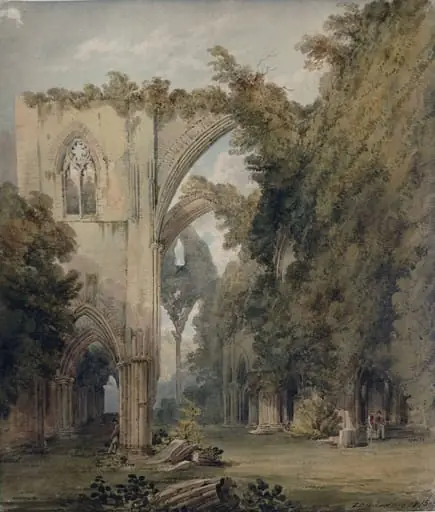
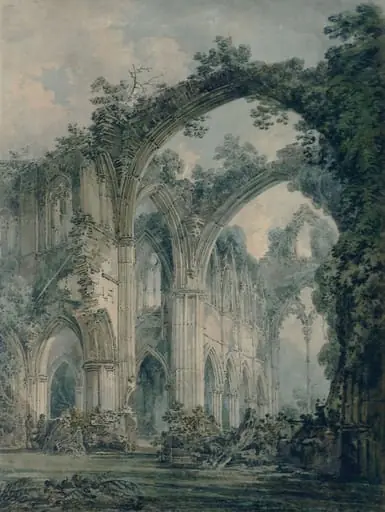
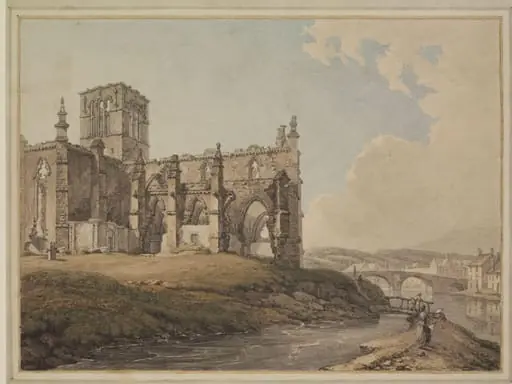
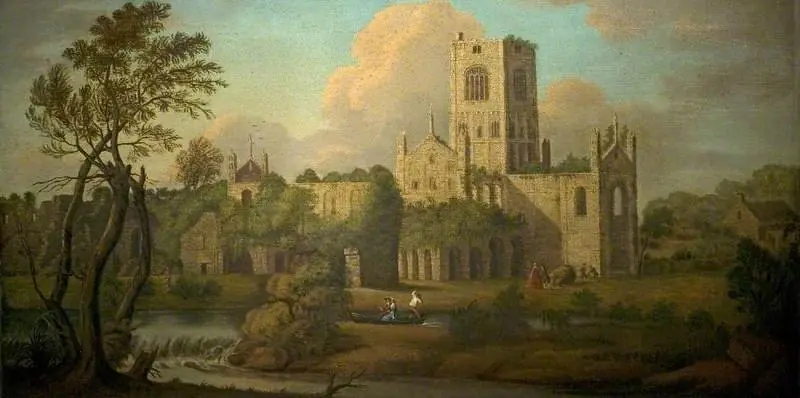
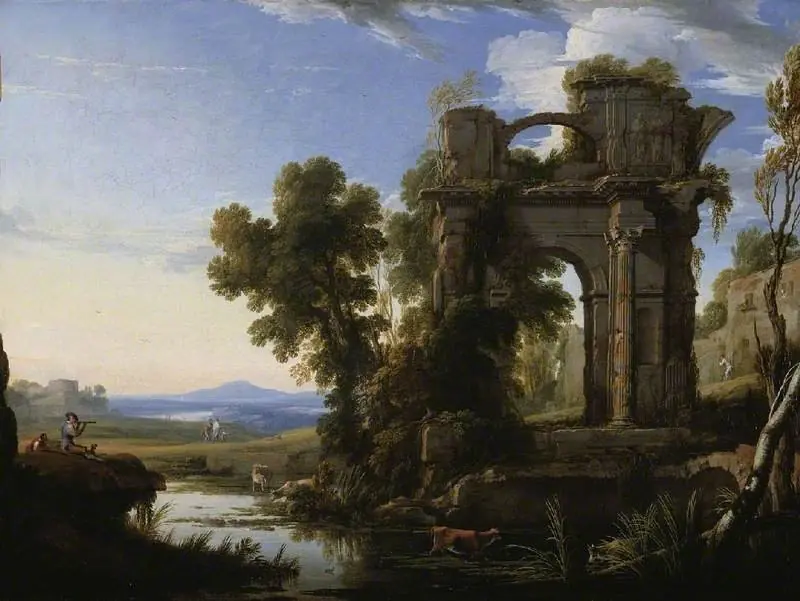
Ruins of Elgin Cathedral is an oil painting by the Orientalist artist David Roberts. It dates from 1853 and is held in the collection of the Victoria and Albert Museum.
About this work
Overview
It belongs to the Victoria and Albert Museum’s collection and exemplifies Roberts’s shift from exotic landscapes to domestic ruins.
David Roberts painted the Ruins of Elgin Cathedral in 1853 using oil on canvas. Though best known for his travels in the Middle East, this work reflects his later focus on British architectural heritage. The painting captures the cathedral in a state of decay, emphasizing its structural grandeur amid neglect.
It belongs to the Victoria and Albert Museum’s collection and exemplifies Roberts’s shift from exotic landscapes to domestic ruins.
Subject & Meaning
The painting portrays the remains of Elgin Cathedral in Scotland, a once-grand medieval church reduced to fragments by time and dissolution. Figures in the foreground observe the site, suggesting contemplation rather than pilgrimage. The scene conveys a quiet reverence for historical endurance, not romanticized decay. Plants growing through stone imply nature’s reclamation, subtly underscoring the passage of centuries.
Technique & Style
Roberts employed precise draftsmanship and chiaroscuro to render the cathedral’s fractured architecture. Light filters through broken arches, casting sharp contrasts that define each carved detail and crumbling surface. The palette is restrained, grays, browns, and muted greens, enhancing the somber mood.
His attention to texture and perspective creates a palpable sense of spatial depth, drawing the viewer into the ruin’s intimate scale.
History & Provenance
Elgin Cathedral, built in the 13th century, fell into disrepair after the Reformation. Roberts visited the site during a tour of northern Scotland, sketching its remains before completing the oil painting in his studio. The work entered the Victoria and Albert Museum’s collection in the 19th century, where it remains as part of a broader effort to document Britain’s architectural past through art.
Context
While Roberts gained fame for Orientalist scenes, this painting aligns with a 19th-century British trend of documenting historic ruins as cultural relics. The rise of antiquarianism and early preservation movements influenced such works. Unlike exoticized Eastern subjects, Elgin Cathedral reflects a domestic engagement with national heritage, framing decay as a subject worthy of artistic record.
Legacy
Roberts’s depiction of Elgin Cathedral contributed to a growing visual archive of Scotland’s medieval architecture. Its detailed realism informed later archaeological illustrations and conservation efforts. Though not widely exhibited today, the painting endures as a quiet testament to the period’s interest in capturing the physical traces of history before they vanished entirely.
Artist & collection
Artist
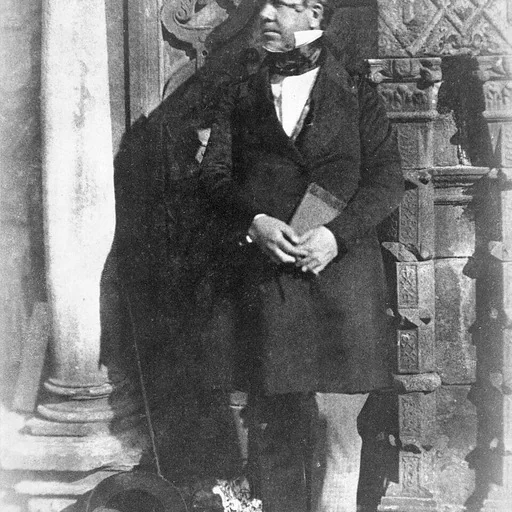
David Roberts (24 October 1796 – 25 November 1864) was a Scottish painter. He is especially known for The Holy Land, Syria, Idumea, Arabia, Egypt, and Nubia, a prolific series of detailed lithograph prints of Egypt and…