Artwork
Portrait of Cornelis Tromp (1629-91), vice-admiral of Holland and West Friesland
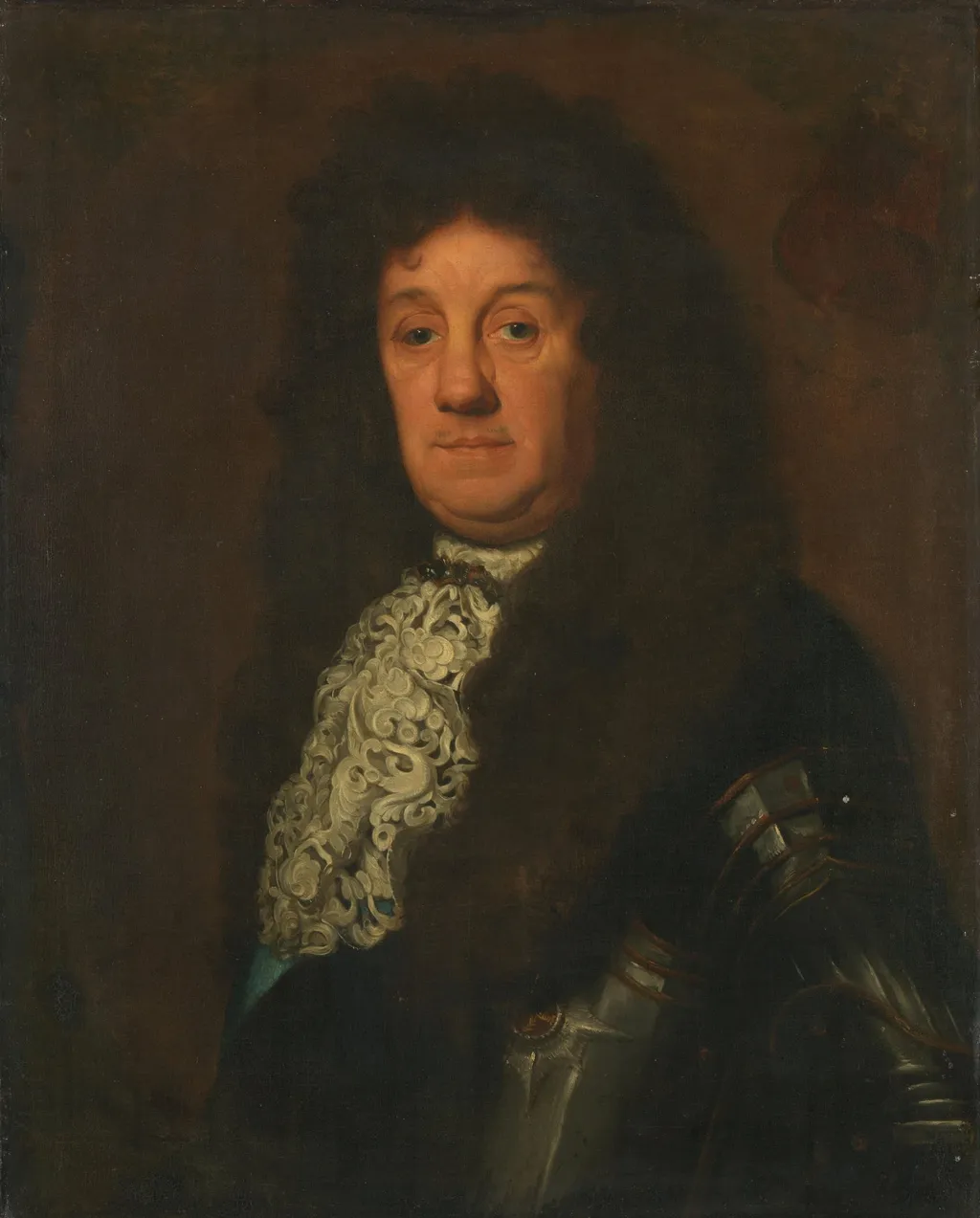
Portrait of Cornelis Tromp (1629-91), vice-admiral of Holland and West Friesland is an unspecified painting by the Dutch Golden Age artist David van der Plas. It dates from 1665 and is held in the collection of the Rijksmuseum. The work is a portrait of Cornelis Tromp (1629–1691), who held the rank of vice‑admiral of Holland and West Friesland.
About this work
Subject & Meaning
The painting serves as a visual testament to Tromp's status as a prominent military leader and one of the artist's most illustrious patrons.
The work depicts Cornelis Tromp (1629–1691), a vice-admiral of Holland and West Friesland, portrayed by David van der Plas within the tradition of Dutch Golden Age portraiture. The painting serves as a visual testament to Tromp's status as a prominent military leader and one of the artist's most illustrious patrons. Its symbolic weight is explicitly articulated in a contemporary laudatory poem by Ludolph Smids, which interprets the portrait as a triumph of artistic skill over ancient masters like Parrhasius and Eufranor.
Smids compares Tromp to the mythical hero Theseus, suggesting the image captures a heroic spirit with "swollen muscles" and a gaze capable of striking fear into enemies, thereby representing the admiral's martial courage and commanding presence.
History & Provenance
The portrait of Cornelis Tromp was created by the Dutch Golden Age painter David van der Plas, who was active primarily in Amsterdam. Van der Plas, born in 1647, established a notable professional relationship with the vice-admiral, who served as his most illustrious patron. The work is associated with the period between 1640 and 1690, reflecting the artist's career span during the late seventeenth century.
Contemporary recognition of the painting is evidenced by a laudatory poem written by the poet Ludolph Smids, which specifically praises Van der Plas's depiction of Tromp. The poem contrasts the artist's successful capture of the admiral's heroic character with the failed attempts of ancient Greek painters, confirming the work's existence and reception during the artist's lifetime.
Legacy
The legacy of David van der Plas's portrait of Vice-Admiral Cornelis Tromp is notably marked by contemporary literary praise that elevated the work to the level of classical art. The poet Ludolph Smids composed a laudatory poem specifically for this portrait, comparing the artist's skill to that of the ancient Greek painters Parrhasius and Euphranor. In this verse, Smids asserts that while ancient masters struggled to capture the essence of heroes like Theseus, van der Plas successfully rendered Tromp with life-like vigor, depicting him with swelling muscles and a gaze that strikes fear into enemies.
This poetic tribute underscores the high reputation the portrait held shortly after its creation, framing the admiral as a triumphant hero worthy of the highest artistic acclaim. The work remains a testament to van der Plas's status as a favored portraitist of Dutch Golden Age elites.
Overview
The work is a portrait of Cornelis Tromp (1629–1691), who held the rank of vice‑admiral of Holland and West Friesland. Rendered as a bust, the figure is shown in full armor, set against an unlit background that concentrates attention on the sitter.
Technique & Style
Executed in oil on canvas, the painting employs a limited palette of dark tones that recede behind the illuminated armor. The rendering of metal surfaces relies on subtle highlights to suggest reflectivity, and the overall composition follows the conventions of Dutch portraiture in the seventeenth century.
Context
Cornelis Tromt was a prominent naval figure during the Dutch Republic’s maritime conflicts of the mid‑1600s. Portraits of military leaders in armor were common at the time, serving both as personal commemoration and as visual affirmation of state power.
Own this work as a print
Artist & collection

- Portrait of Cornelis Tromp (1629-91), vice-admiral of Holland and West Friesland
 Portrait of Willem van Outhoorn, Governor General of the Dutch East Indies
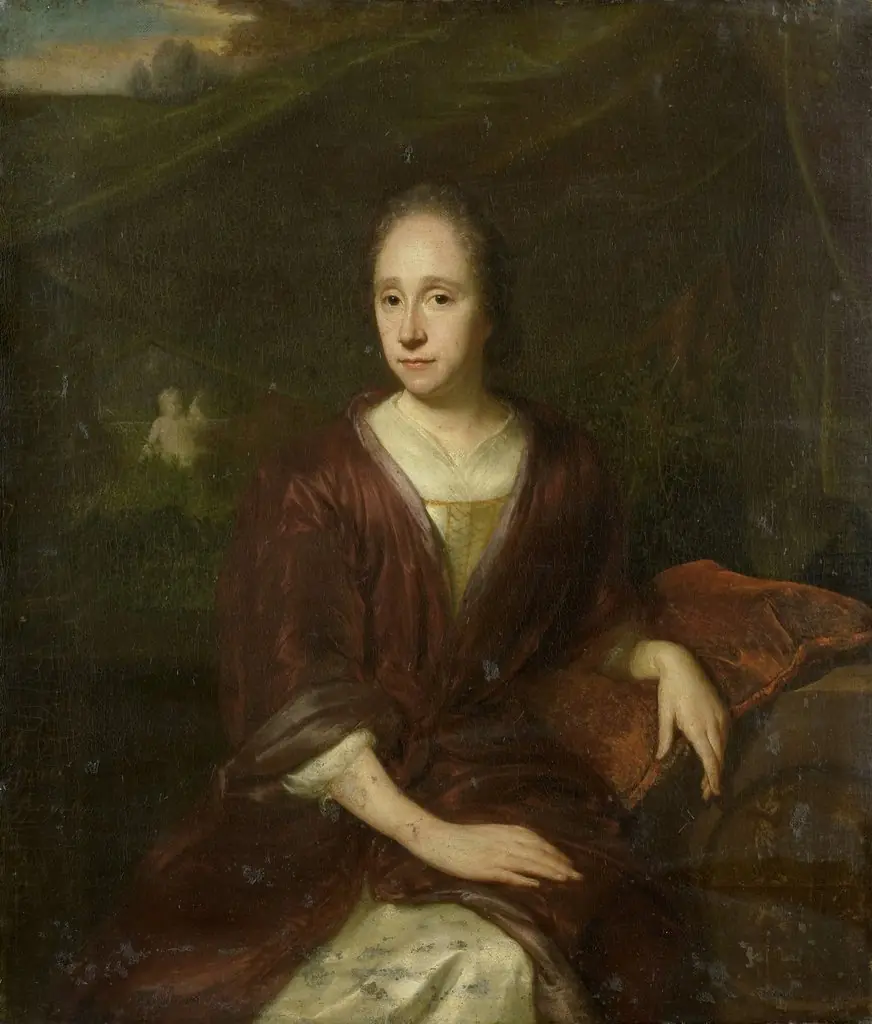 Portrait of Margaretha Nelis (1652-17050, second wife of Casparus Commelin
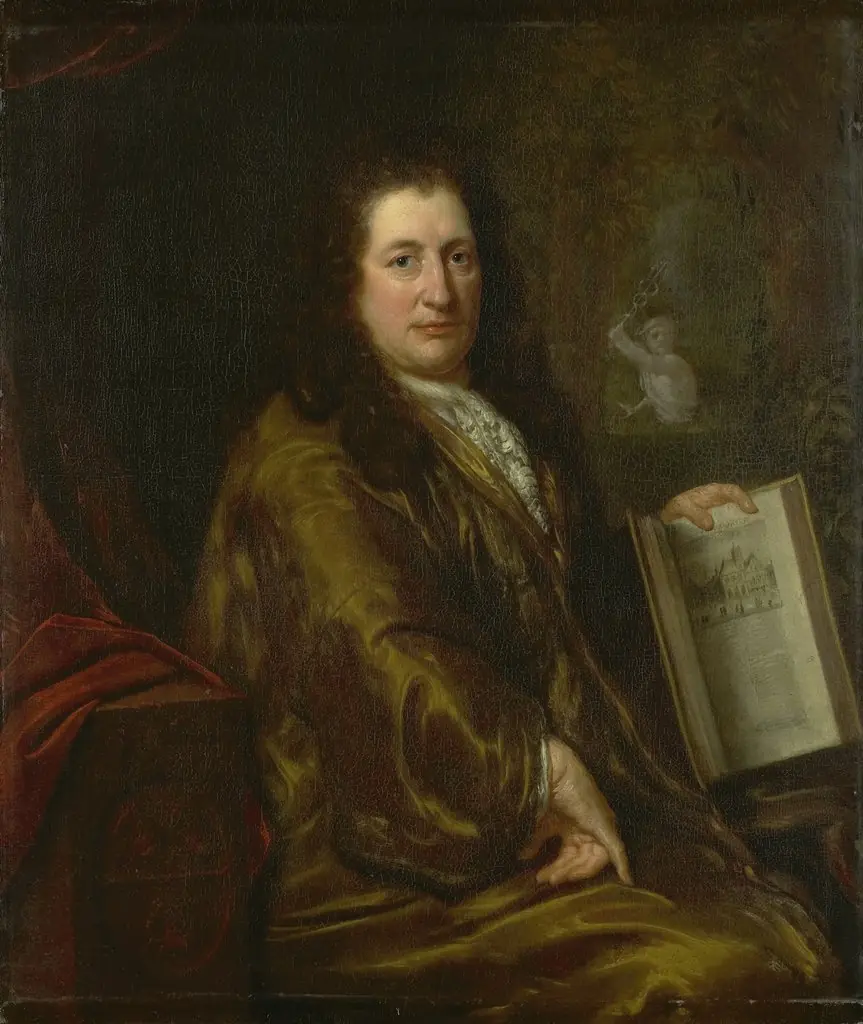 Portrait of Caspar Commelin, bookseller, newspaper publisher and author of the official history of Amsterdam 'Beschrijvinghe van Amsterdam'of 1693
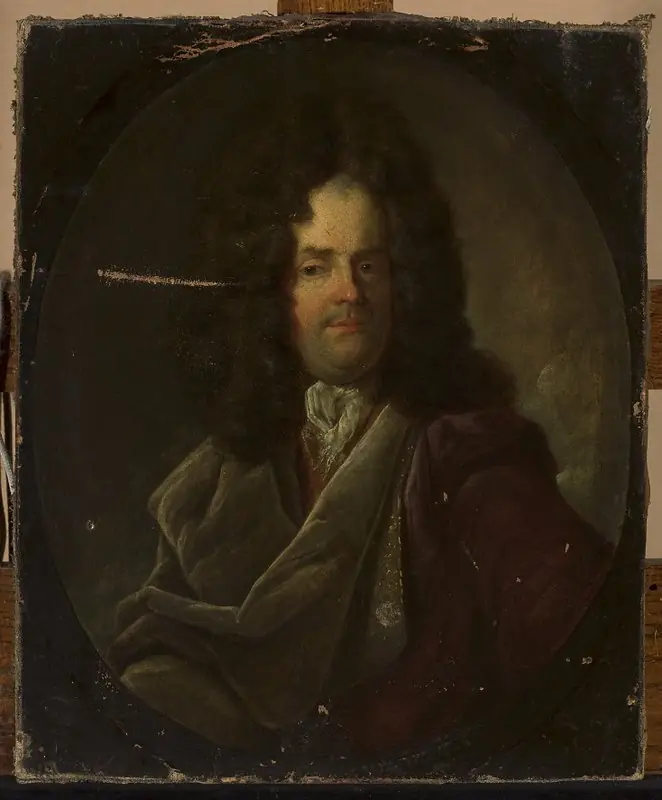 Portrait of a man in a wig
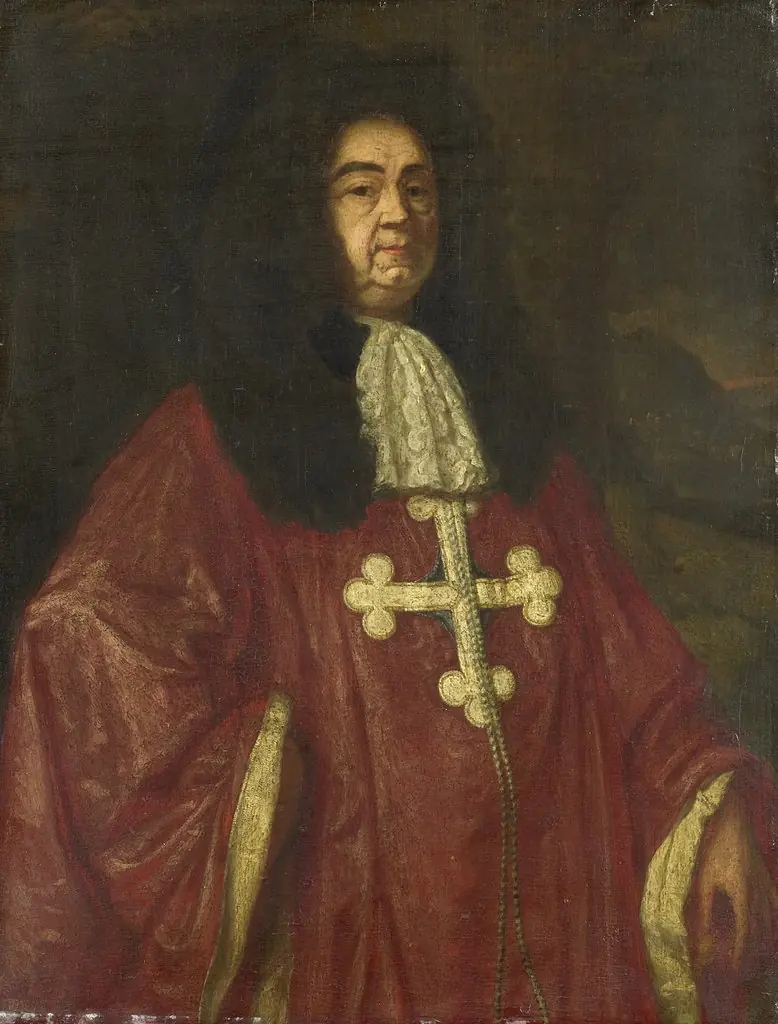 Portrait of Johannes Camprich van Cronefelt, Knight of the Order of St. Maurice and St. Lazarus, Imperial German Ambassador to The Hague
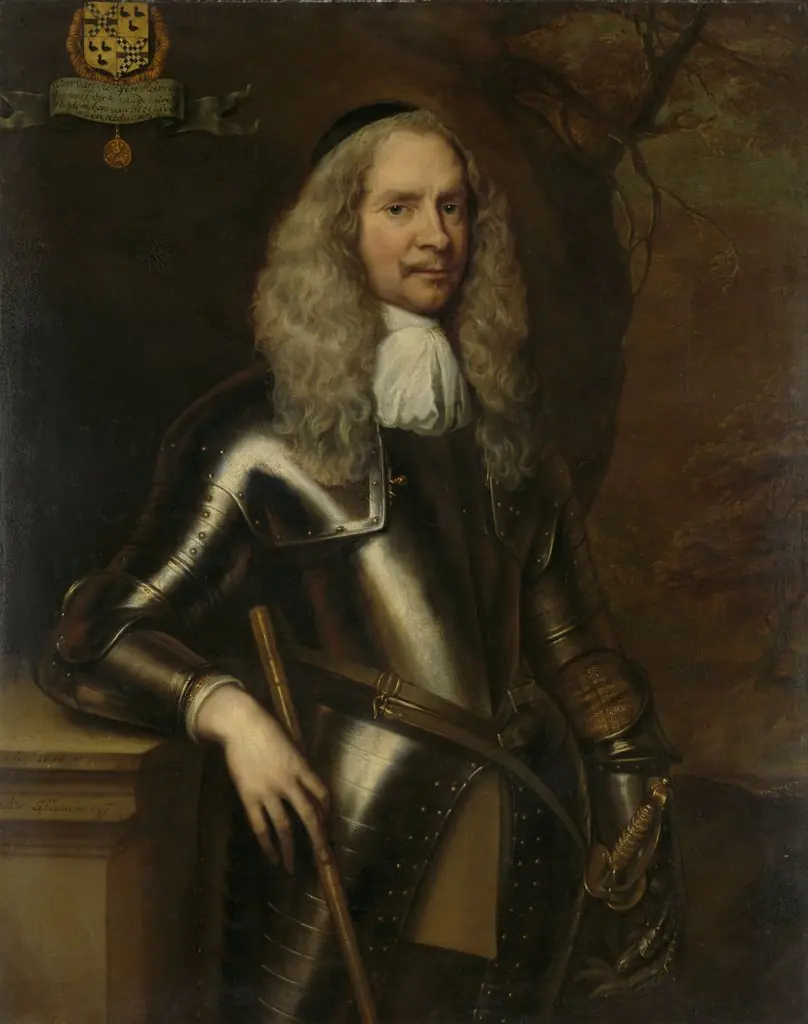 Cornelis van Aerssen (1600-62), lord of Sommelsdijk. Colonel of cavalry
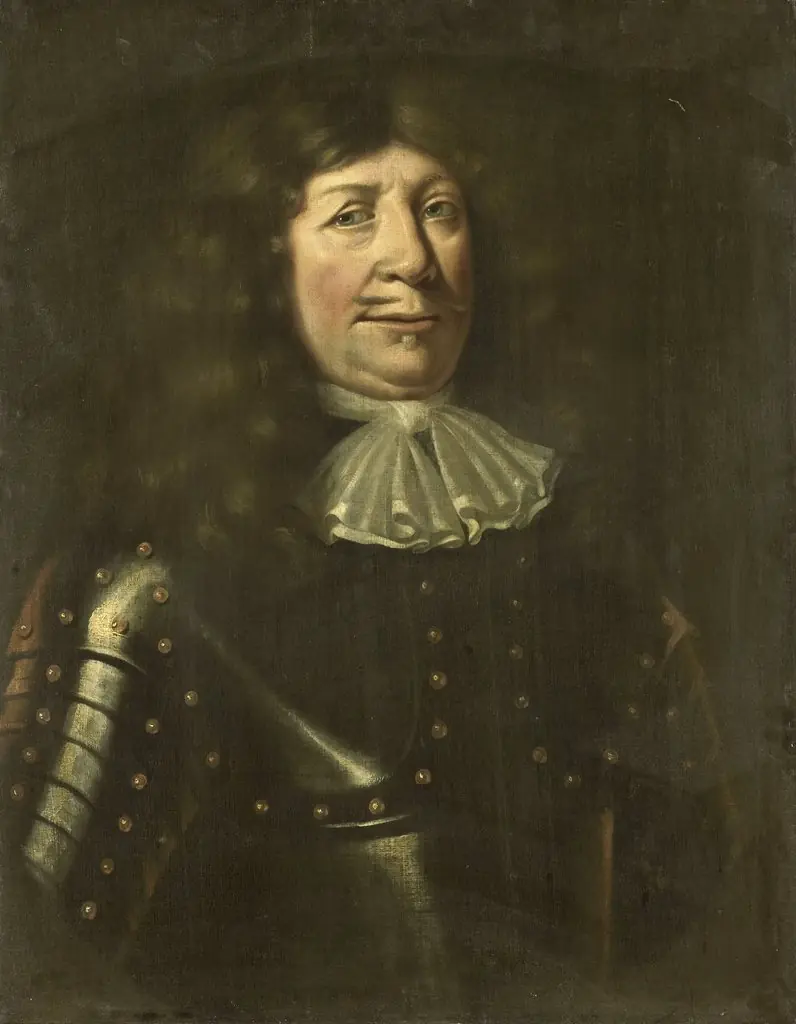 Portrait of Carel Rabenhaupt, Lieutenant-General
 Mandsportræt
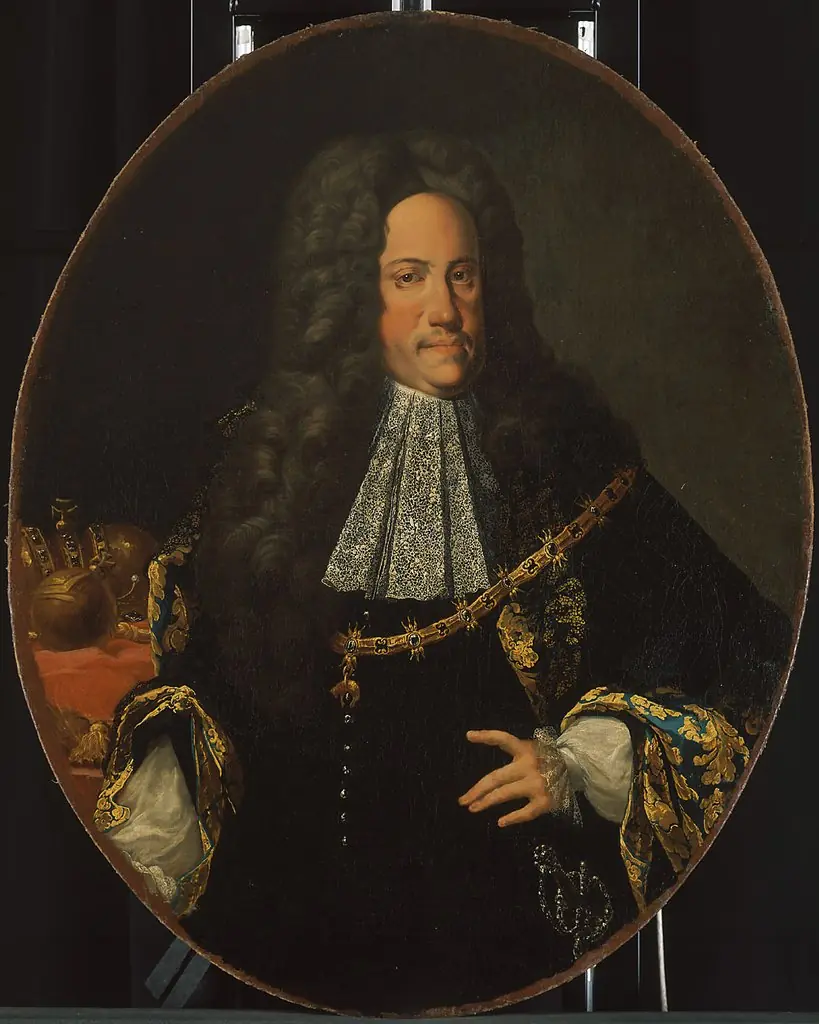 Portrait of Charles VI, Holy Roman Emperor
 Bildnis des Christian II., Pfalzgrafen von Zweibrücken-Birkenfeld (1637-1717)
 Guillermo Ramón de Moncada marqués de Aytona
 Jan Karel Nicolaas van Hove, Dean of the Guild of Saint Luke
 Mandsportræt
 Steven Cornelis Janssens van Hujoel, Dean of the Guild of St. Luke and of the Chamber of Rhetoric De Olijftak
 Aernout van Citters (1633-96), Ambassador of the Dutch Republic in London