Artwork
Study for "The Peep-O’-Day Boys’ Cabin, in the West of Ireland" ("The Sleeping Whiteboy")
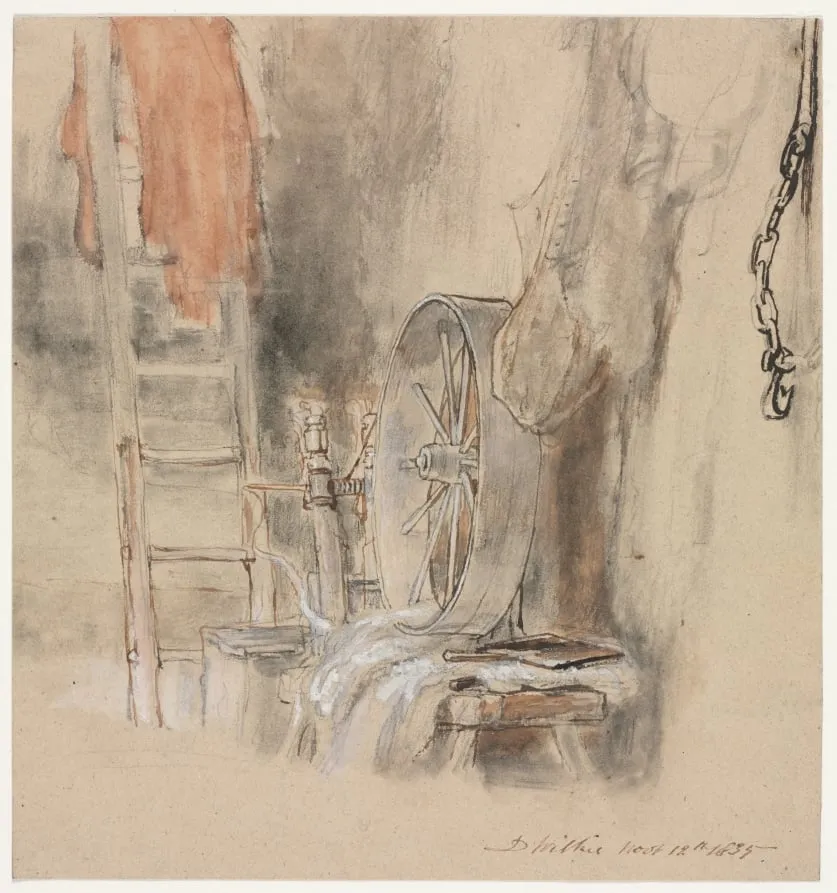
Study for "The Peep-O’-Day Boys’ Cabin, in the West of Ireland" ("The Sleeping Whiteboy") is a drawing by the Romanticist artist David Wilkie. It dates from 1835 and is held in the collection of the Cleveland Museum of Art.
- Accession no.
- 1941.606
- Credit line
- Gift of Robert Hays Gries
About this work
Overview
This pen-and-ink drawing is a preparatory study by Sir David Wilkie for a larger canvas that was shown at the Royal Academy in 1836. The sketch captures a cramped corner of an Irish cottage where wool is being processed, focusing on the arrangement of tools and a piece of dyed cloth.
Subject & Meaning
The interior scene depicts the practical aspects of rural Irish life, featuring carding paddles, a spinning wheel, and a length of red-dyed fabric draped over a ladder. By including these everyday objects, Wilkie anchors the forthcoming narrative about the Whiteboys, an agrarian protest movement, in a realistic domestic setting.
Technique & Style
Executed quickly to record light and shadow, the study employs strong chiaroscuro, with deep shadows contrasting against illuminated surfaces. The sketch’s loose, gestural lines convey the texture of the rough bench and the metallic teeth of the carders, while the composition isolates the objects within a dimly lit space.
History & Provenance
Wilkie, renowned for his narrative paintings, produced this drawing as part of his preparatory work for the Royal Academy exhibition of 1836. The study remained in his personal collection before entering a public institution, where it now serves as evidence of his methodical approach to composition.
Context
Created during a period of heightened interest in Irish social issues, the drawing reflects contemporary British artistic attention to rural hardship and rebellion. The inclusion of authentic cottage furnishings aligns with the early‑19th‑century trend of grounding historical subjects in observable, everyday detail.
Artist & collection
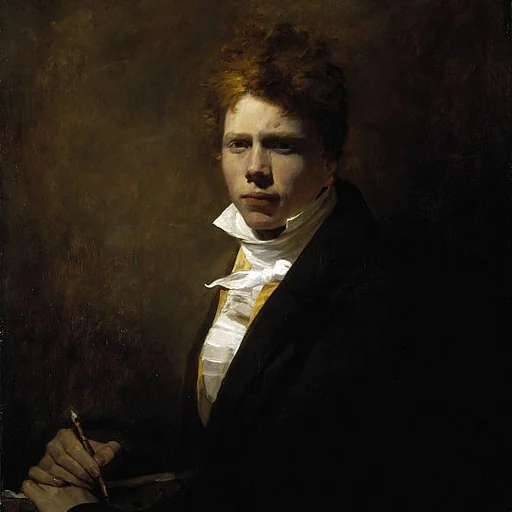
Artist
Sir David Wilkie (18 November 1785 – 1 June 1841) was a Scottish painter, especially known for his genre scenes.

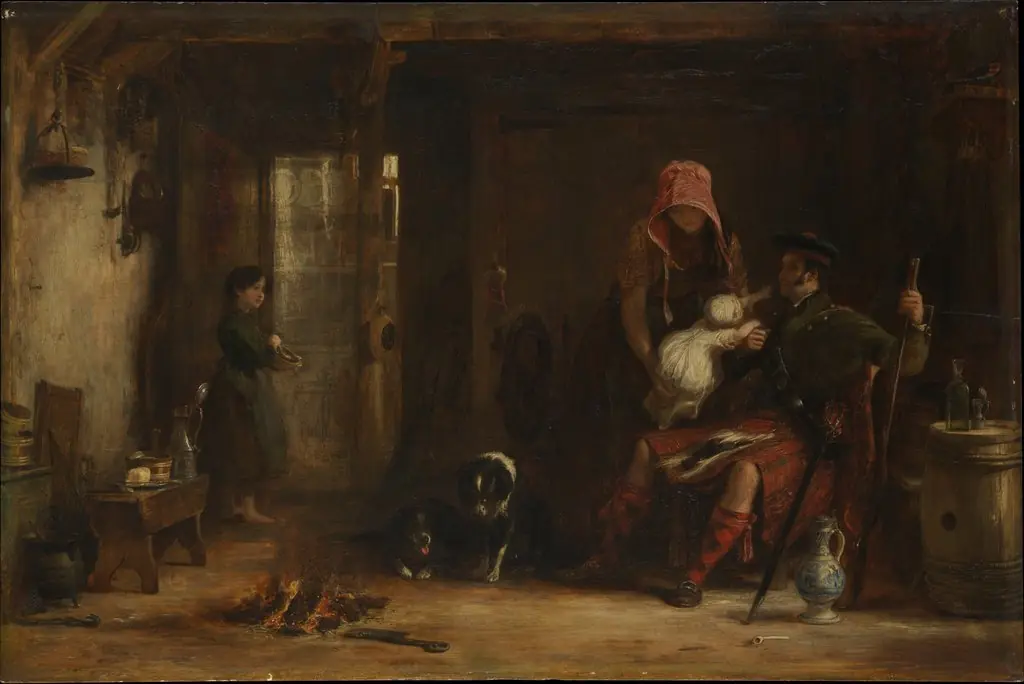 The Highland Family
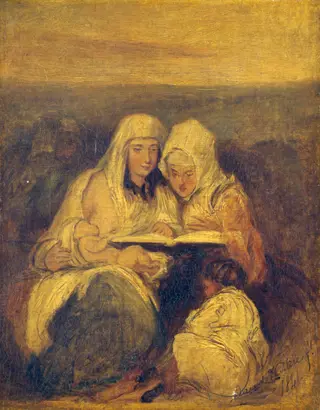 The Holy Family with Saint Elizabeth and Saint John the Baptist
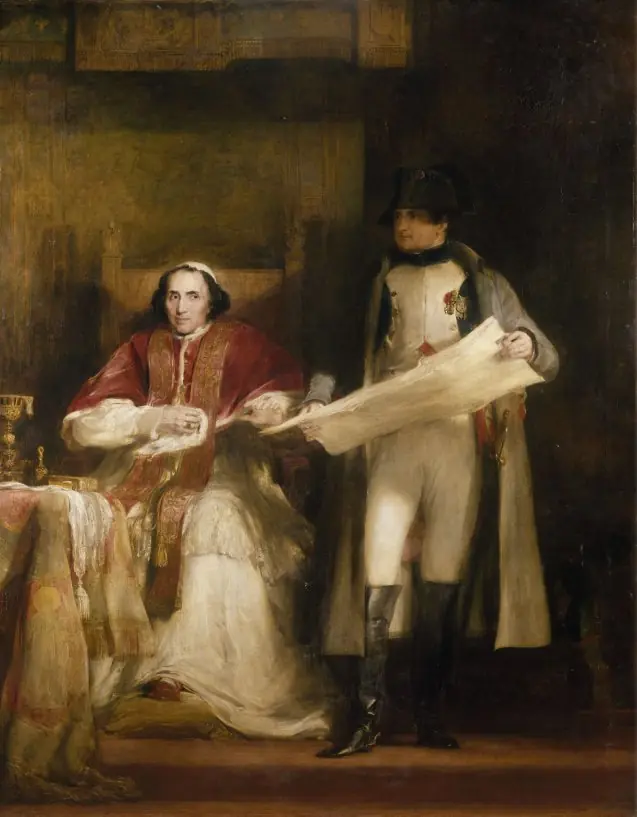 Napoleon and Pope Pius VII at Fontainebleau in 1813
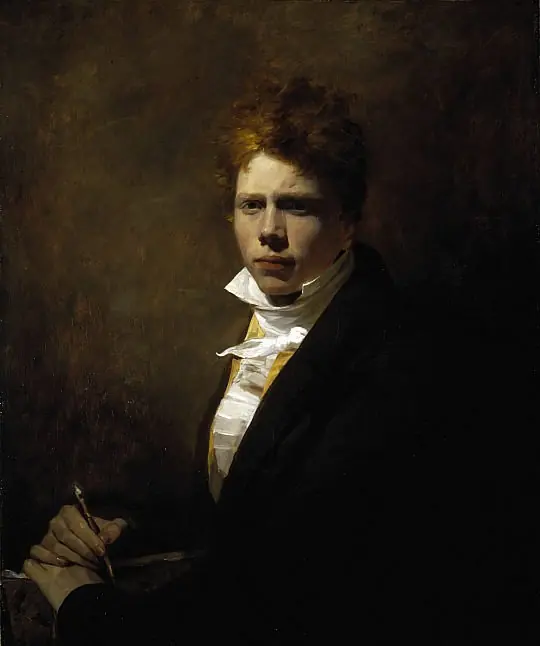 Self-Portrait
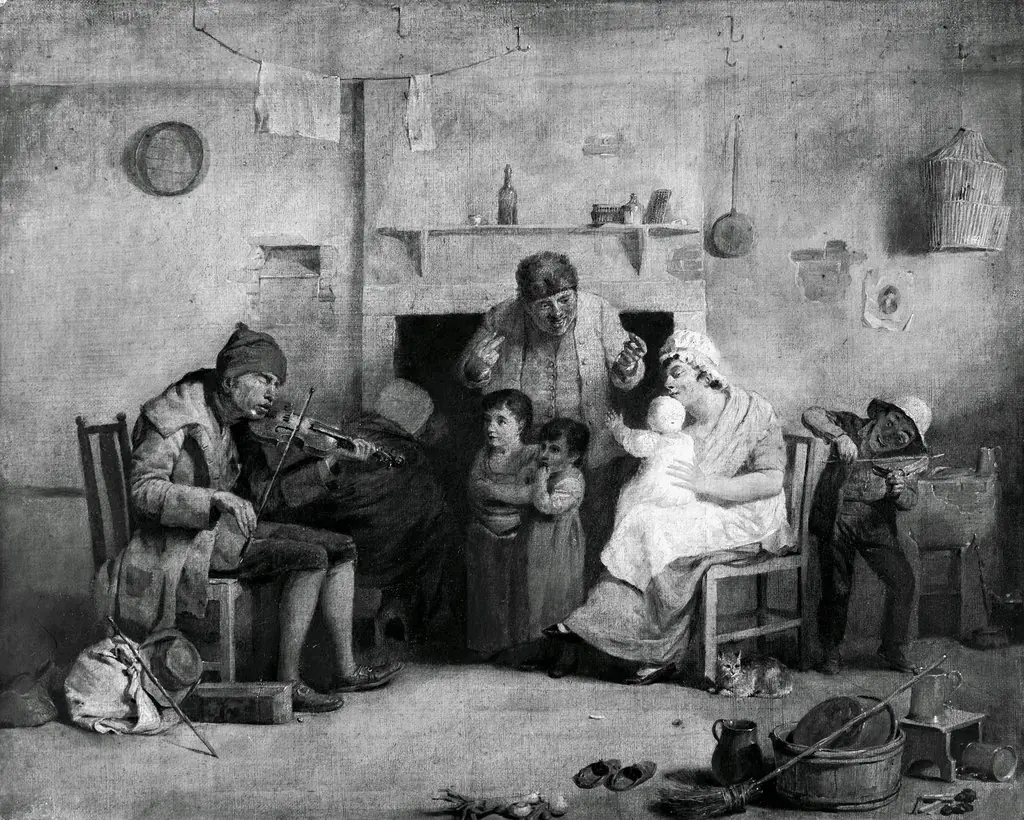 The blind violinist
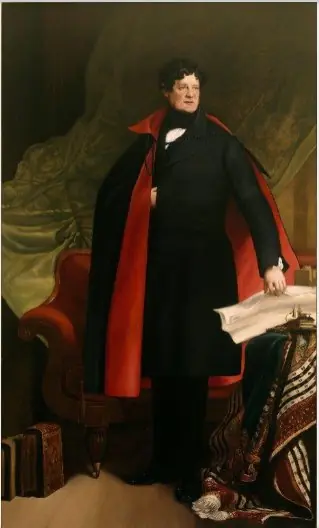 Portrait of Daniel O'Connell as Governor of the National Bank
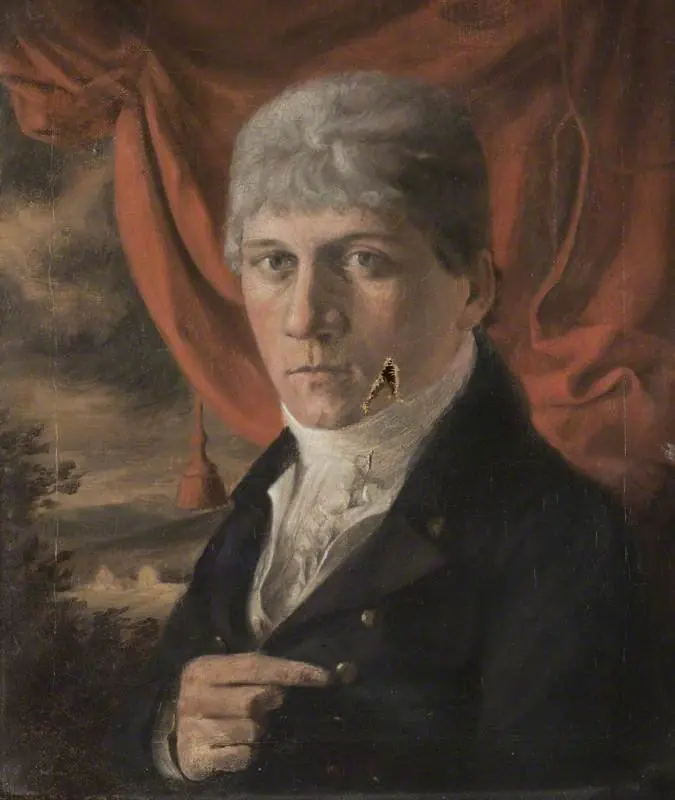 Portrait of the Artist's Brother, Captain James Wilkie (1784 - 1824)
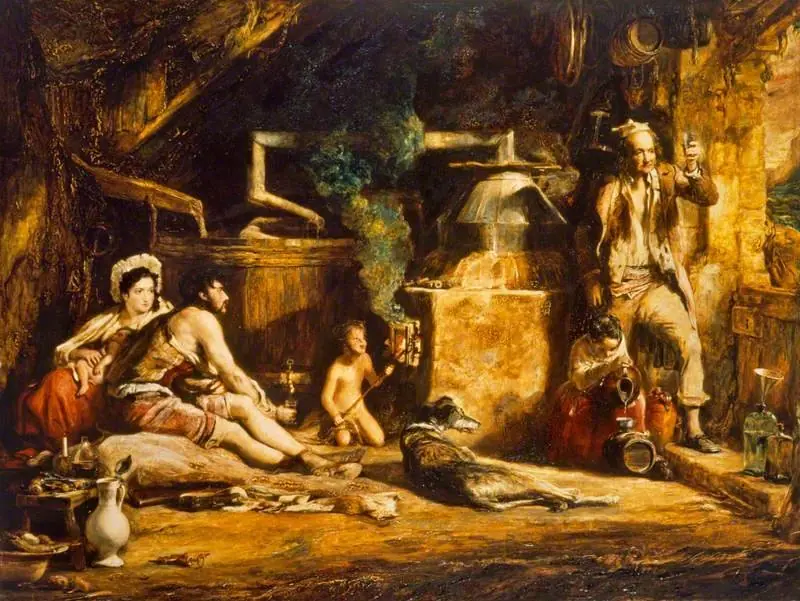 The Irish Whiskey Still
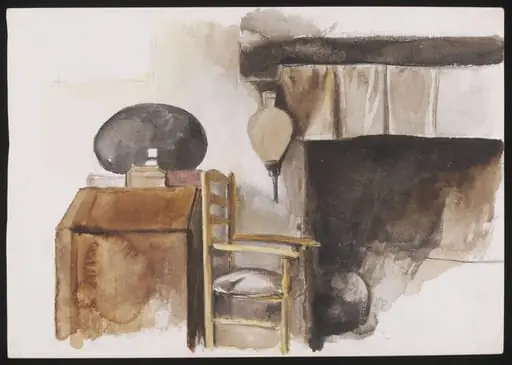
- Study of a fireplace, a writing desk and a rush-seated ladderback chair
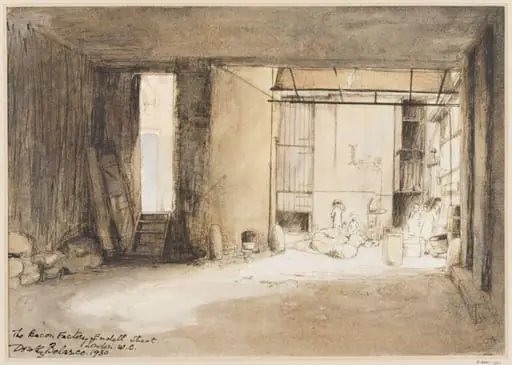 The Bacon Factory, Endell Street, London
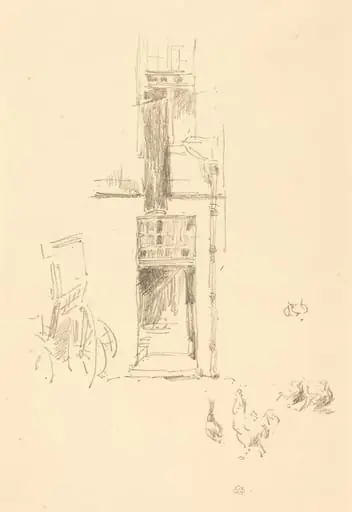 Cocks and Hens, Hôtel Colbert
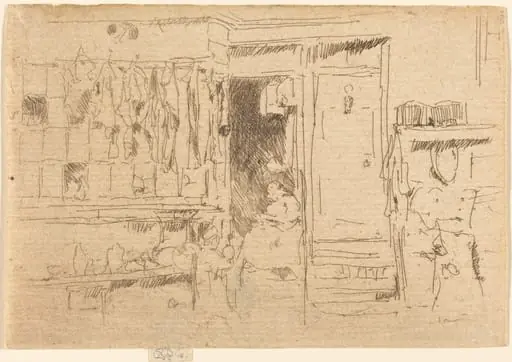 Old-Clothes Shop, No.I
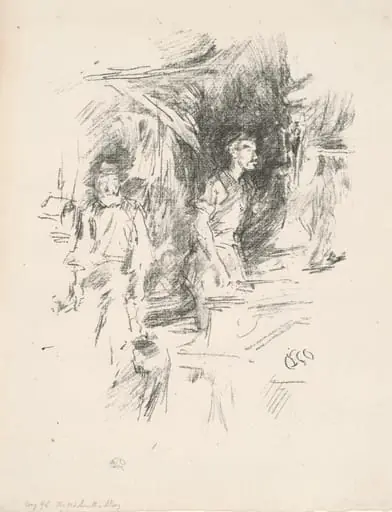 The Old Smith's Story
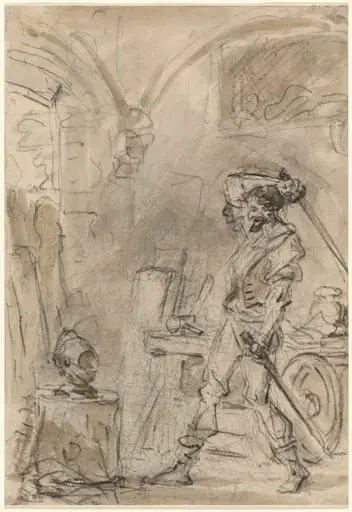 Don Quixote about to Strike the Helmet
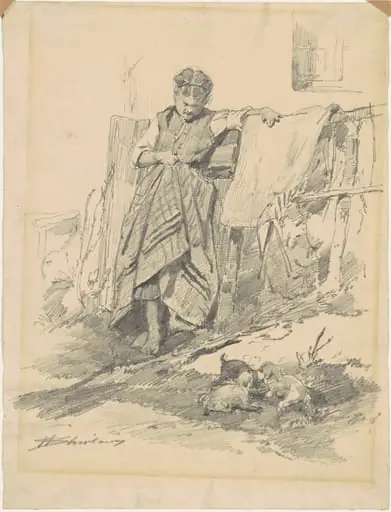 Woman Watching Puppies
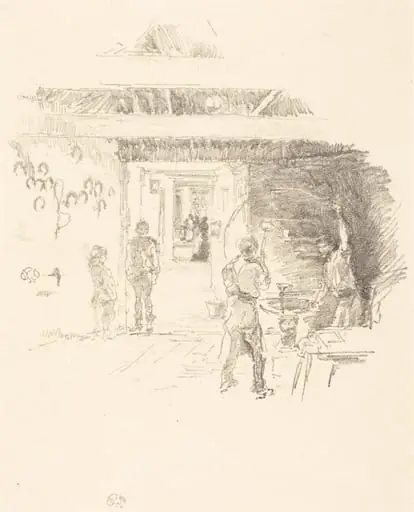 The Tyresmith
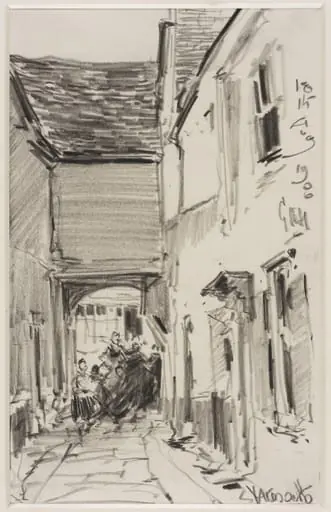 A Row, Great Yarmouth.
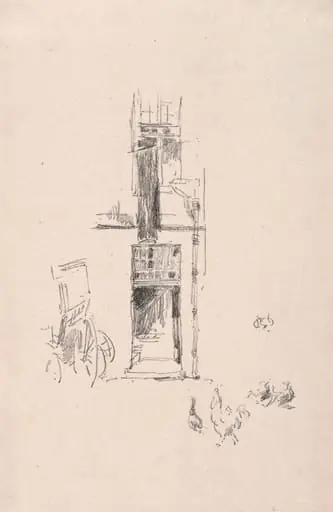 Cocks and Hens, Hotel Colbert
 Study for 'The Antiquary's Cell'
 Study for a painting