Subject
Ladder
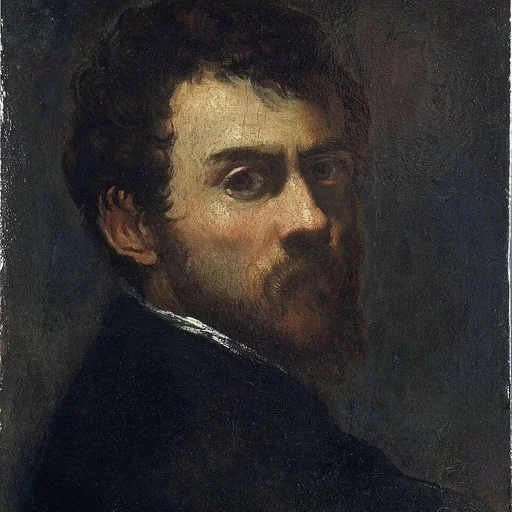
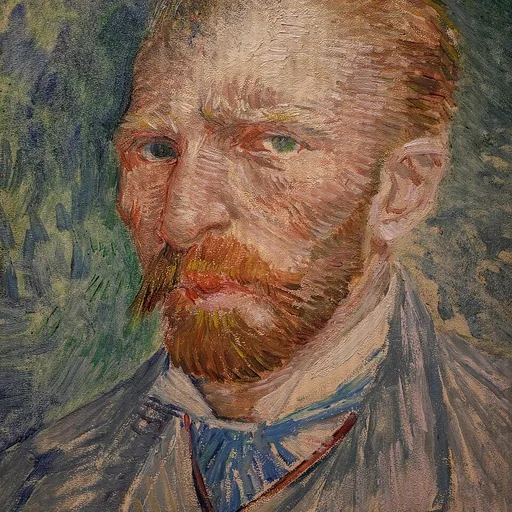
Ladder is a subject in art. The gallery holds 65 works in this subject in art, including works by Raphael, Édouard Manet and Jacopo Tintoretto.
A ladder is a vertical or inclined set of rungs used for climbing or descending — either rigid, leaning against a surface or self-supporting, or flexible, like rope ladders hung from above. Yet in the visual arts this humble tool rarely appears as mere equipment. From its earliest religious uses it carried a charged double meaning: a literal device for raising and lowering bodies, and a metaphor for the soul's passage between earth and heaven. The image draws on Jacob's dream in Genesis 28, in which a ladder set on the earth reaches to heaven with angels ascending and descending — a motif art historians trace back even further, to the Babylonian descent of Ishtar through seven gates.
The ascent metaphor was given its most systematic visual form in Eastern Orthodox art. The Sinai icon known as The Ladder of Divine Ascent (late twelfth century, Monastery of Saint Catherine) illustrates the c. 600 treatise of John Climacus — "John of the Ladder" — showing monks climbing thirty rungs toward Christ while demons drag the faltering down with ropes and arrows. The same theology shaped Western imagination, and William Blake's luminous watercolour Jacob's Ladder (c. 1799–1806, British Museum) reimagined the rungs as a spiral stair of light winding up through a starlit sky.
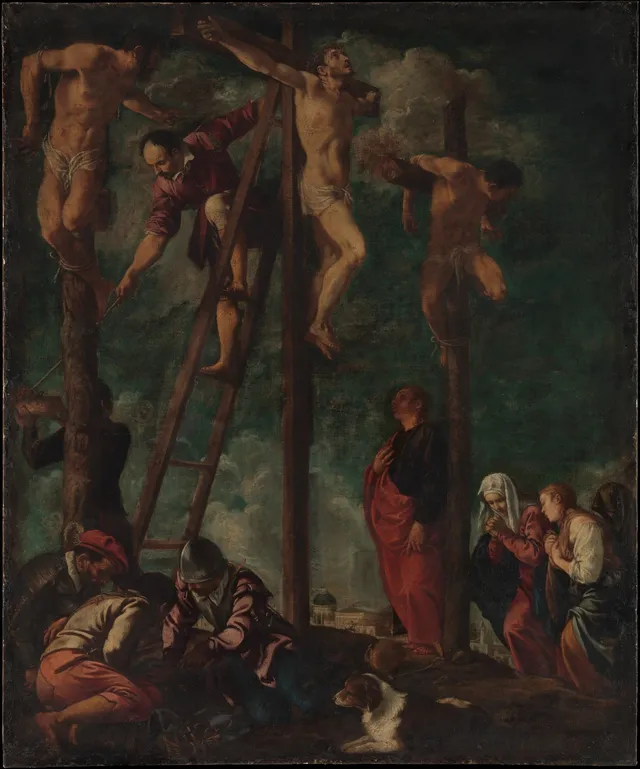
In Passion imagery the ladder turns instrumental. Counted among the Arma Christi, the Instruments of the Passion, it is the tool of the Deposition, by which Christ's body is freed from the nails and lowered for burial. Rogier van der Weyden's Descent from the Cross (c. 1435, Museo del Prado) set the type, its figure on the ladder still clutching the drawn nails; Peter Paul Rubens's monumental Antwerp altarpiece (1612–14) gave it Baroque drama. Such Deposition and Crucifixion scenes — echoed in works the catalogue holds, including a Descent from the Cross and Pedro Orrente's Crucifixion — made the ladder a fixture of devotional art.
Alongside this sacred lineage runs an everyday one. Dutch church interiors such as Emanuel de Witte's Oude Kerk place workmen's ladders amid soaring architecture, and Vincent van Gogh's The Olive Orchard (1889, National Gallery of Art), painted near the Saint-Rémy asylum, sets olive-pickers on ladders in swirling Provençal light. Between heaven and harvest, the ladder remains one of art's most resilient bridges between the material and the transcendent.
Key artists
Works
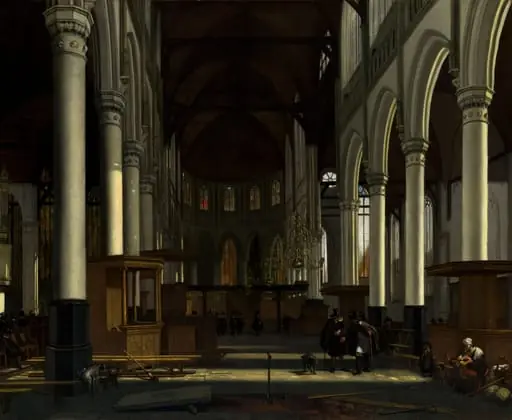 The Interior of the Oude Kerk, Amsterdam
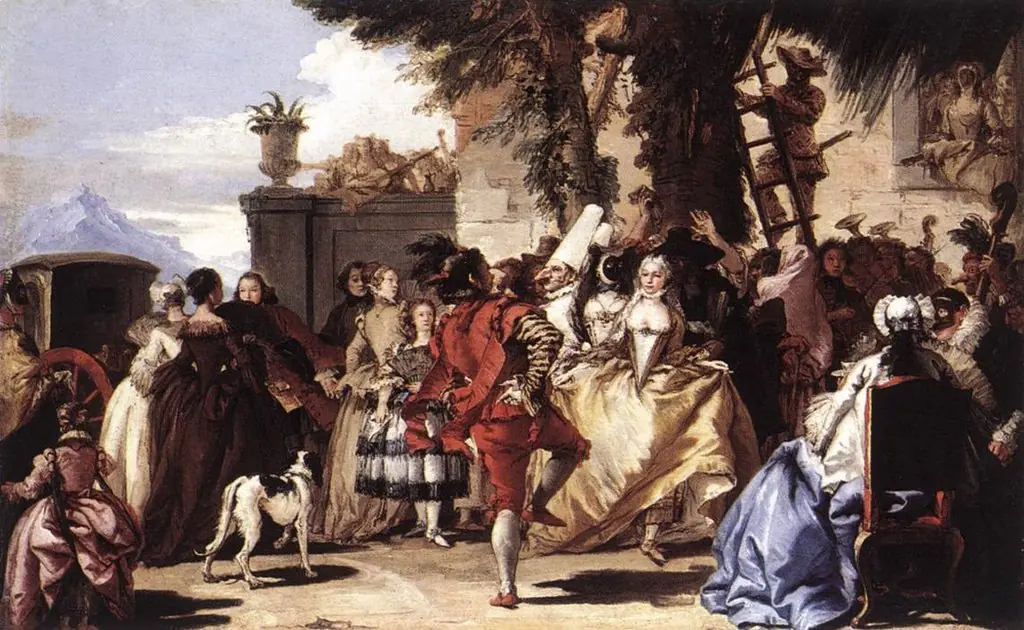 A Dance in the Country
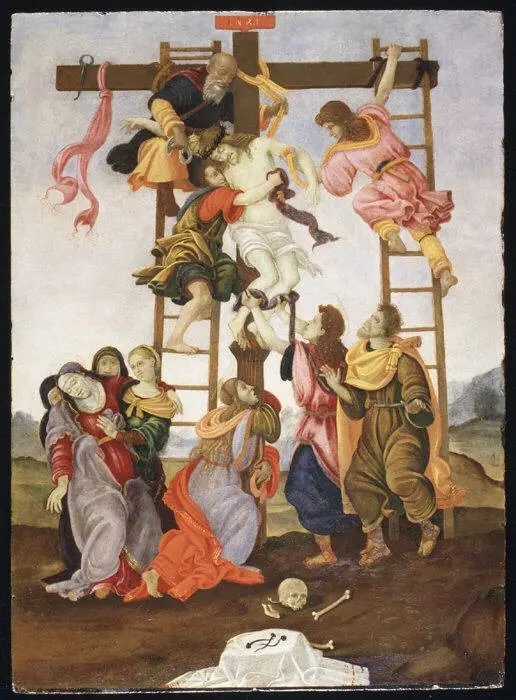 The Descent from the Cross
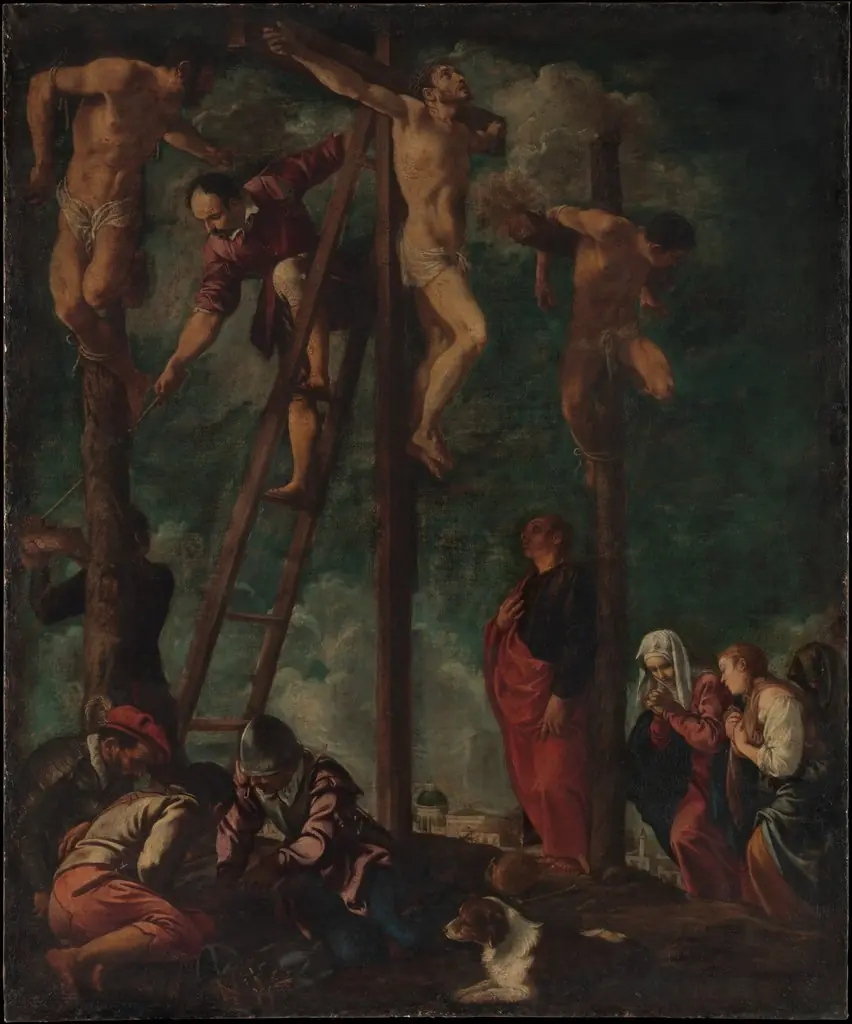 The Crucifixion
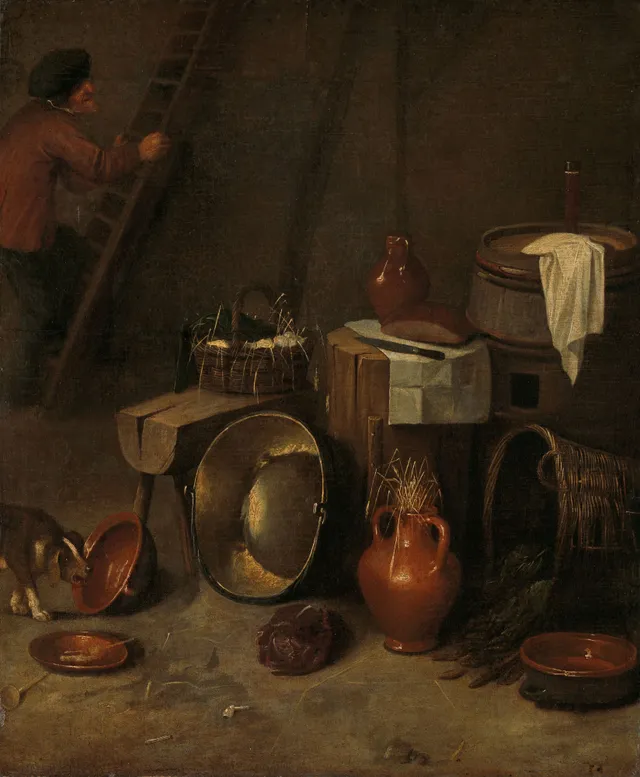
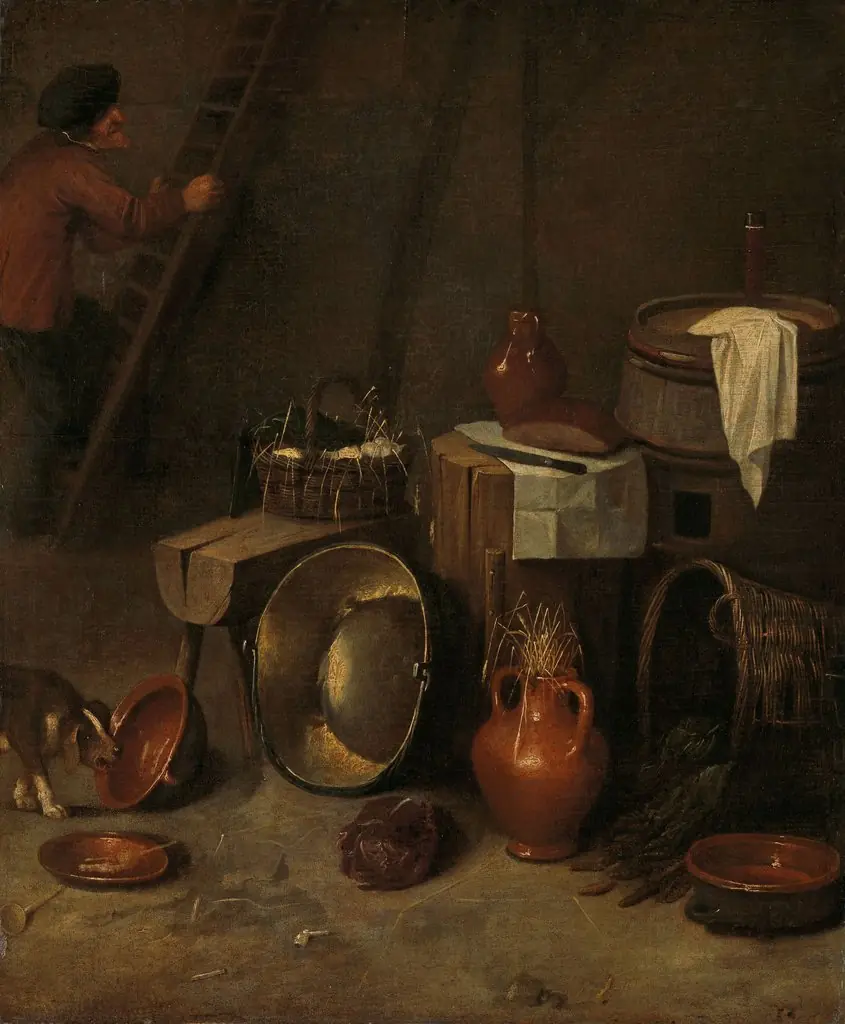 Still life in a stable
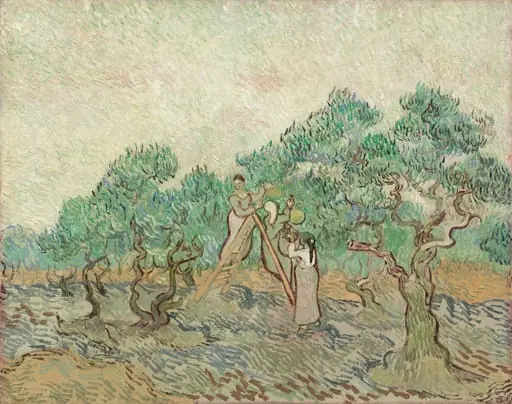 The Olive Orchard
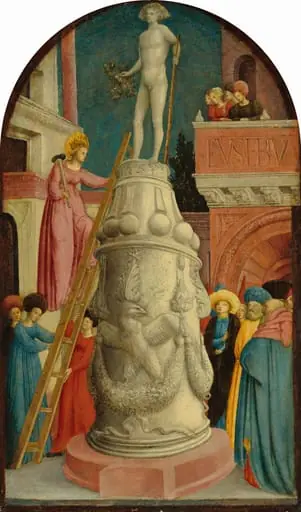 Saint Apollonia Destroys a Pagan Idol
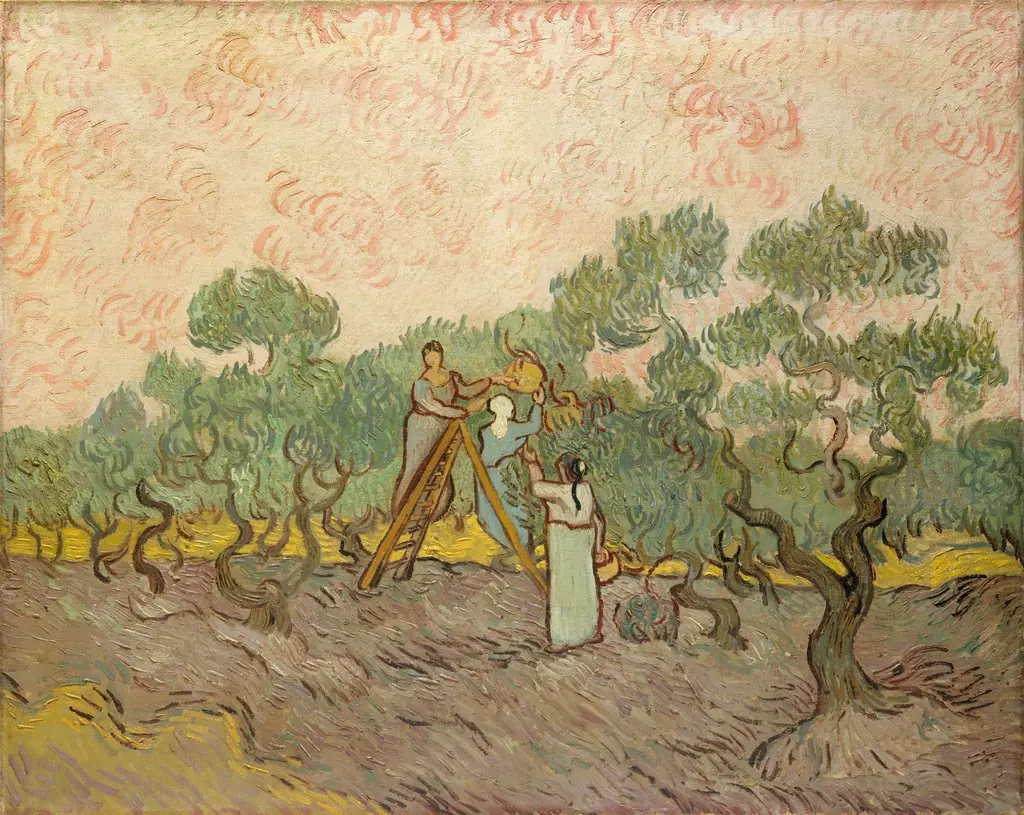 Women Picking Olives
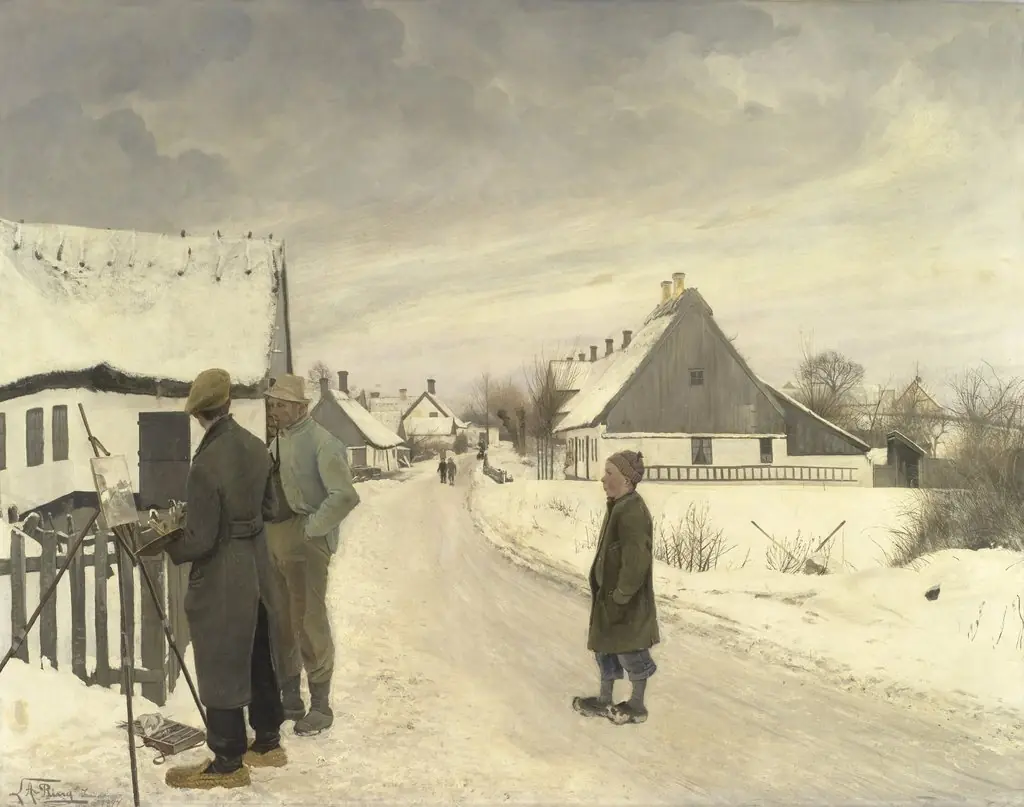 The Painter in the Village
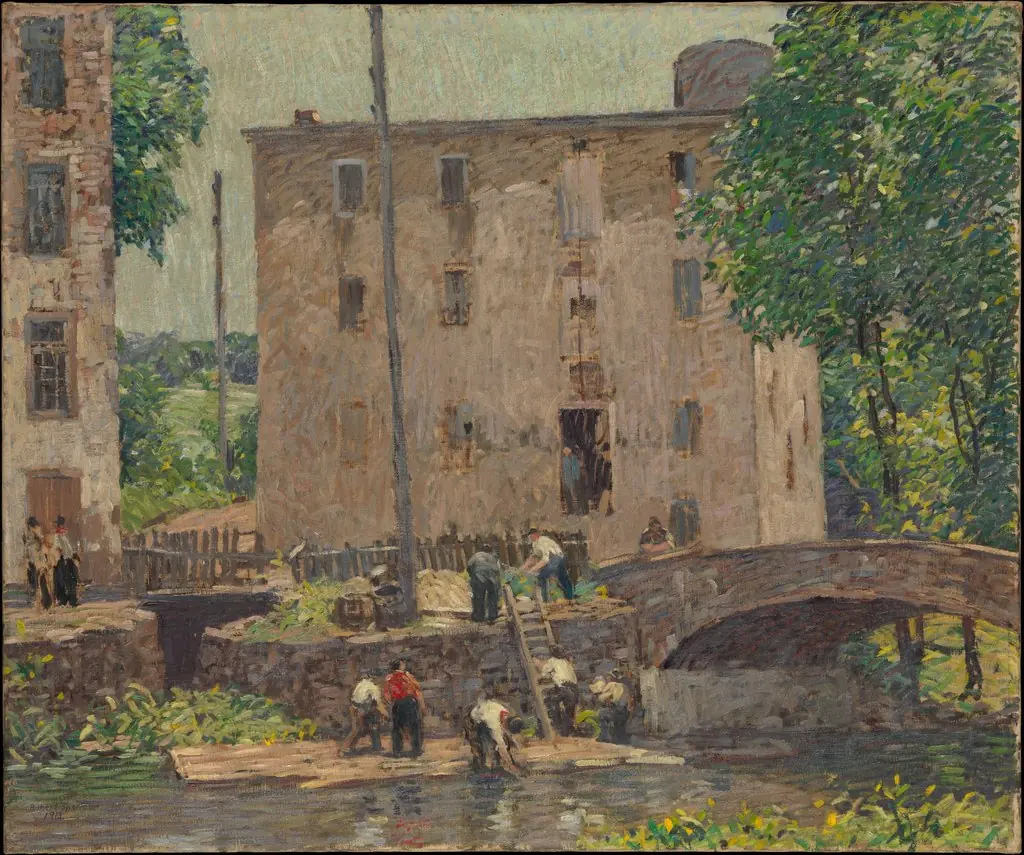 Repairing the Bridge
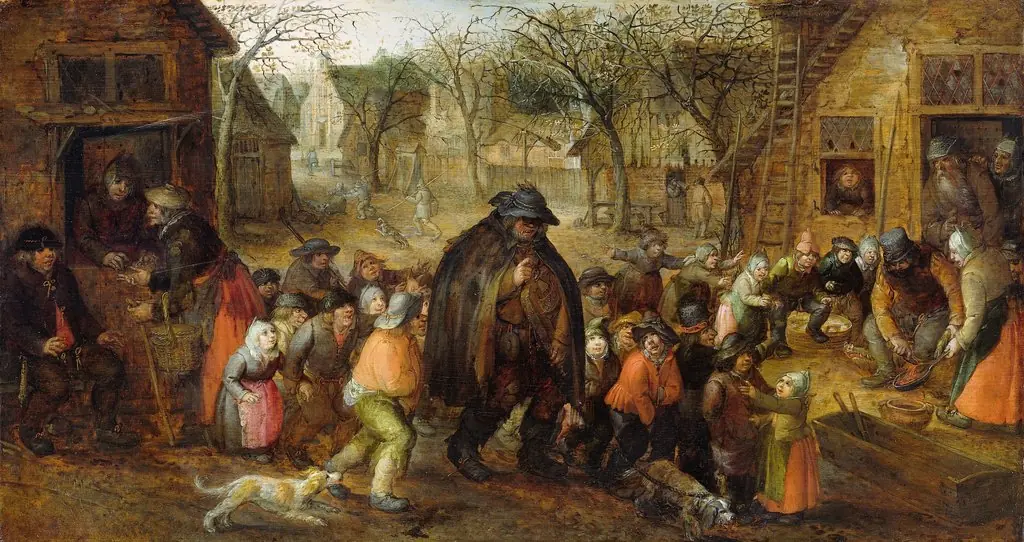 The hurdy-gurdy player
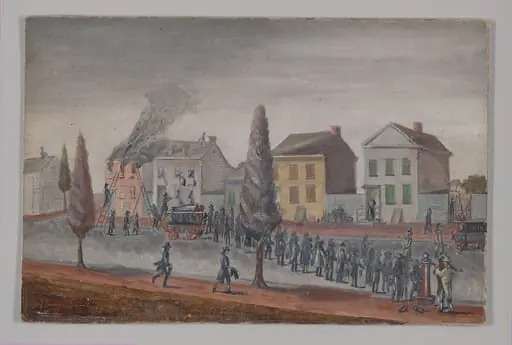 Fighting a Fire
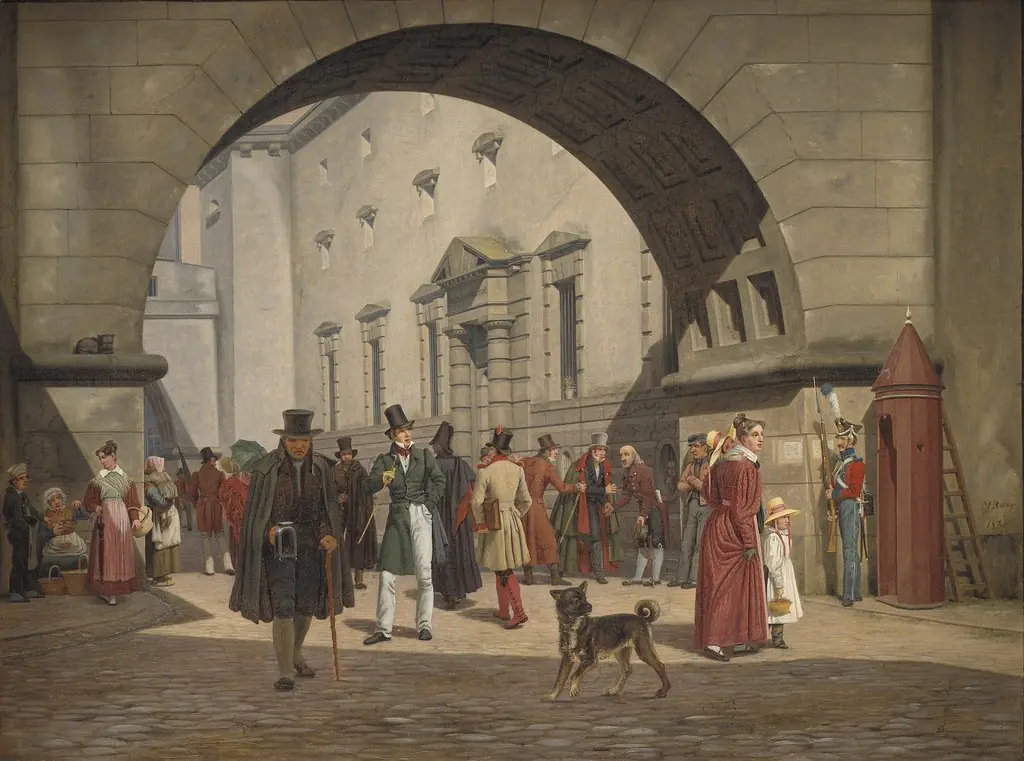 The Prison of Copenhagen
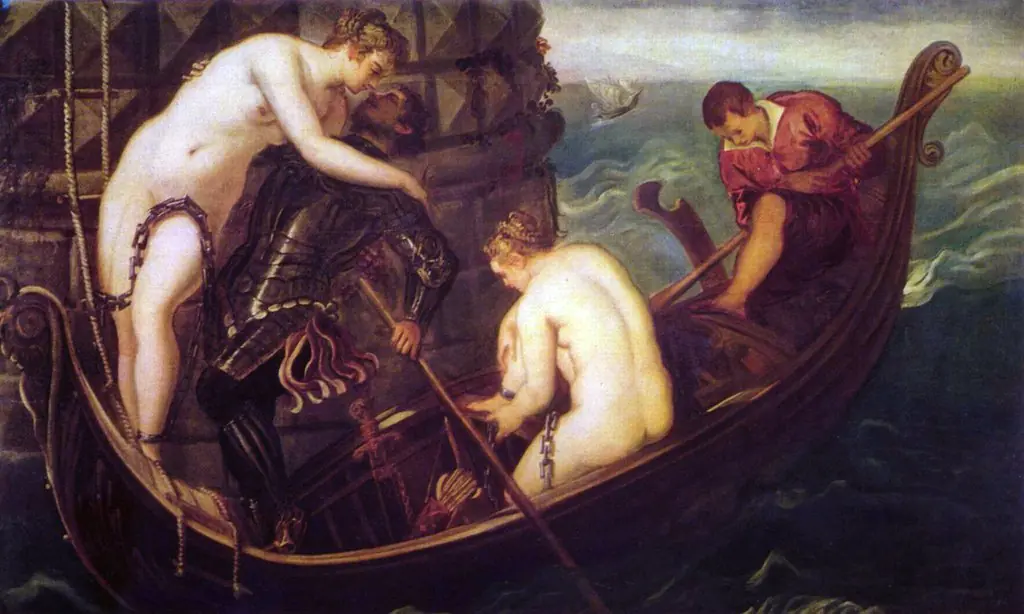 The Deliverance of Arsinoe
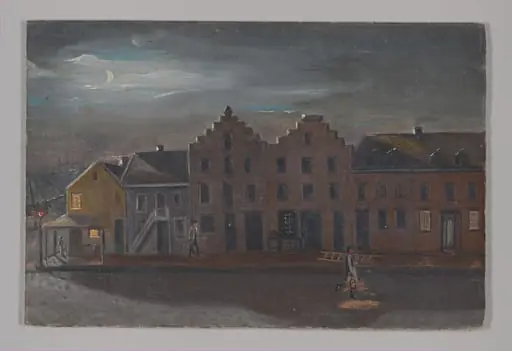 The Lamp Lighter
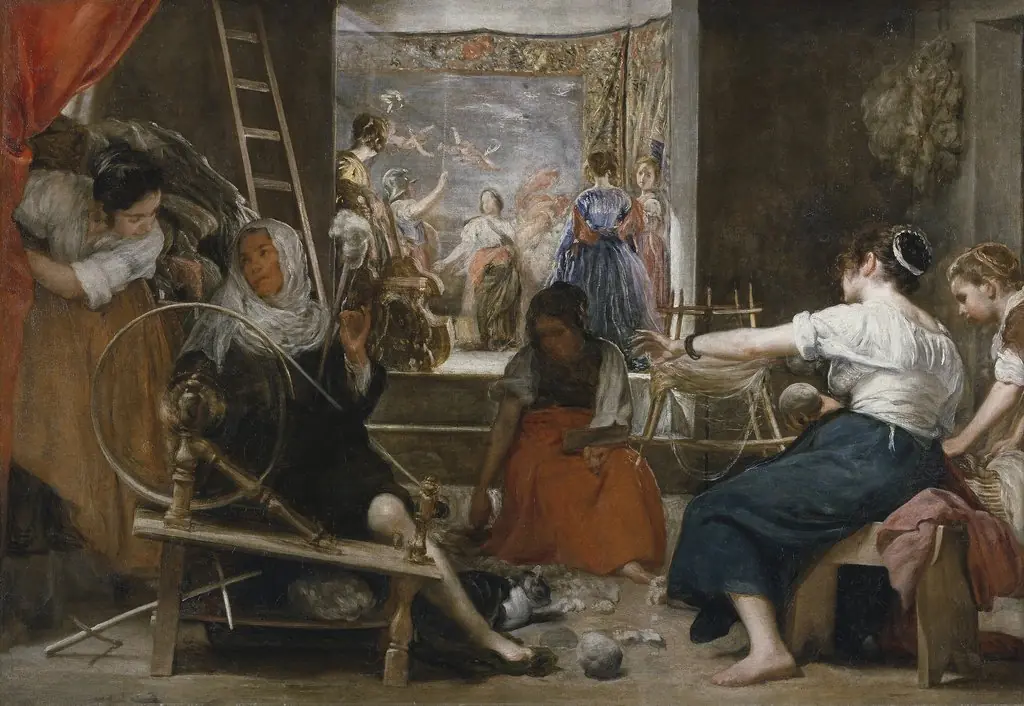 Las Hilanderas
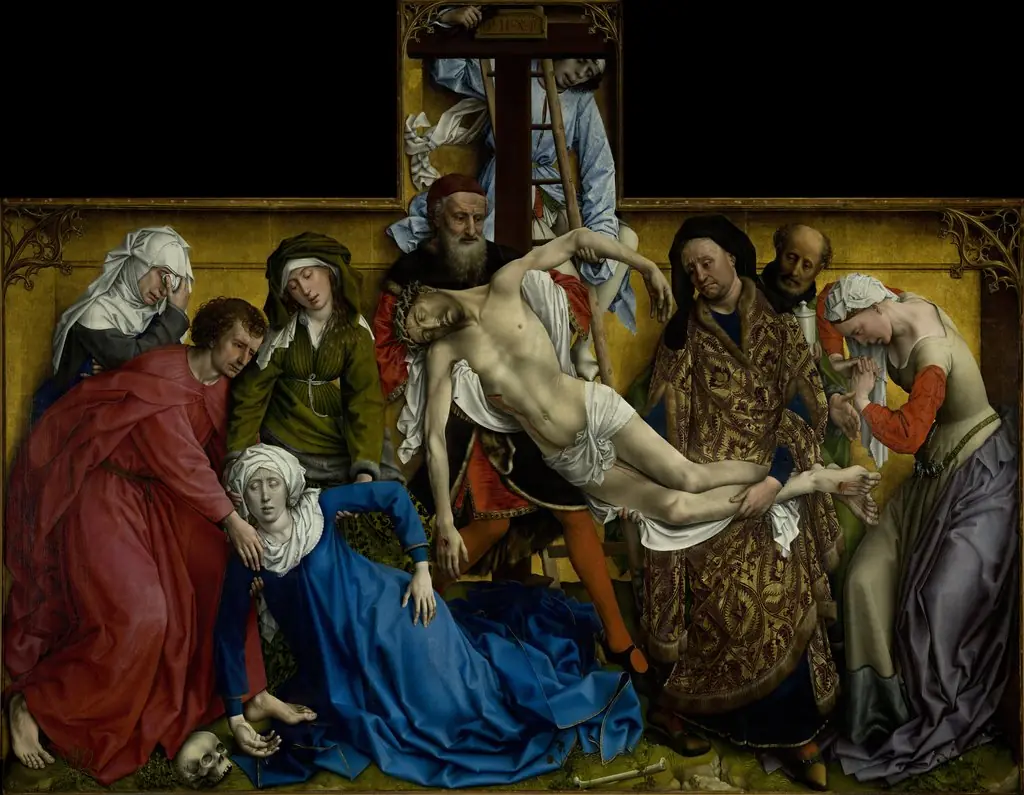 The Descent from the Cross
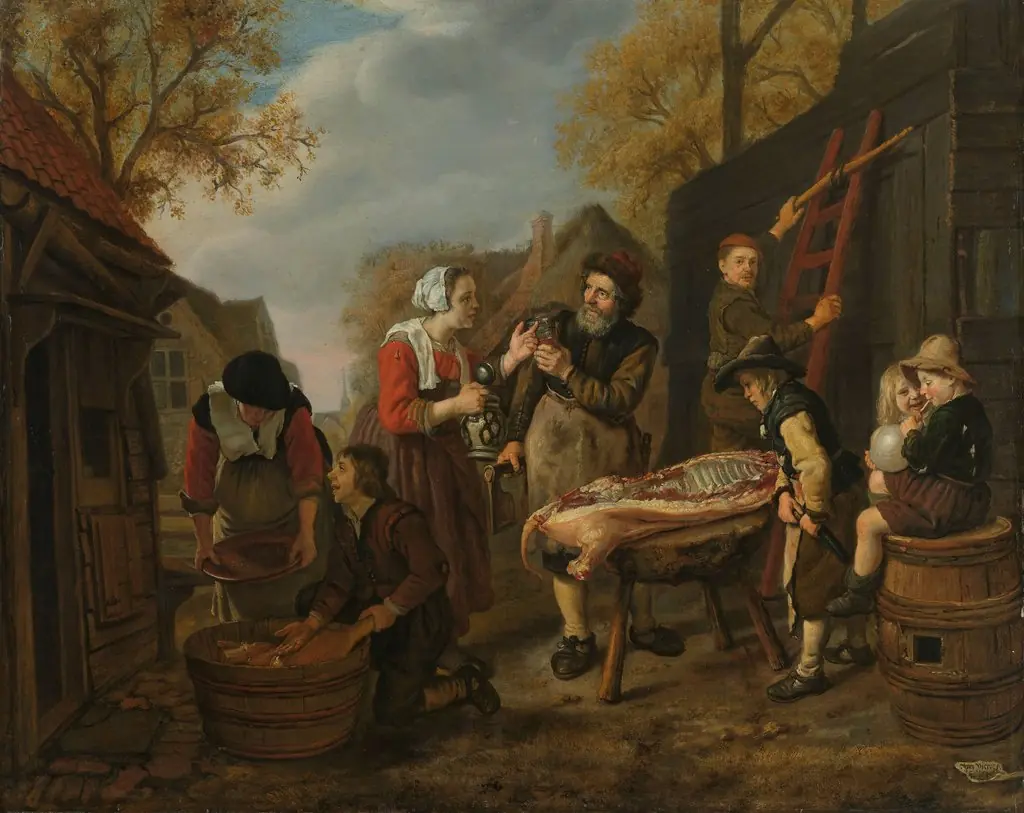 The swine butcher
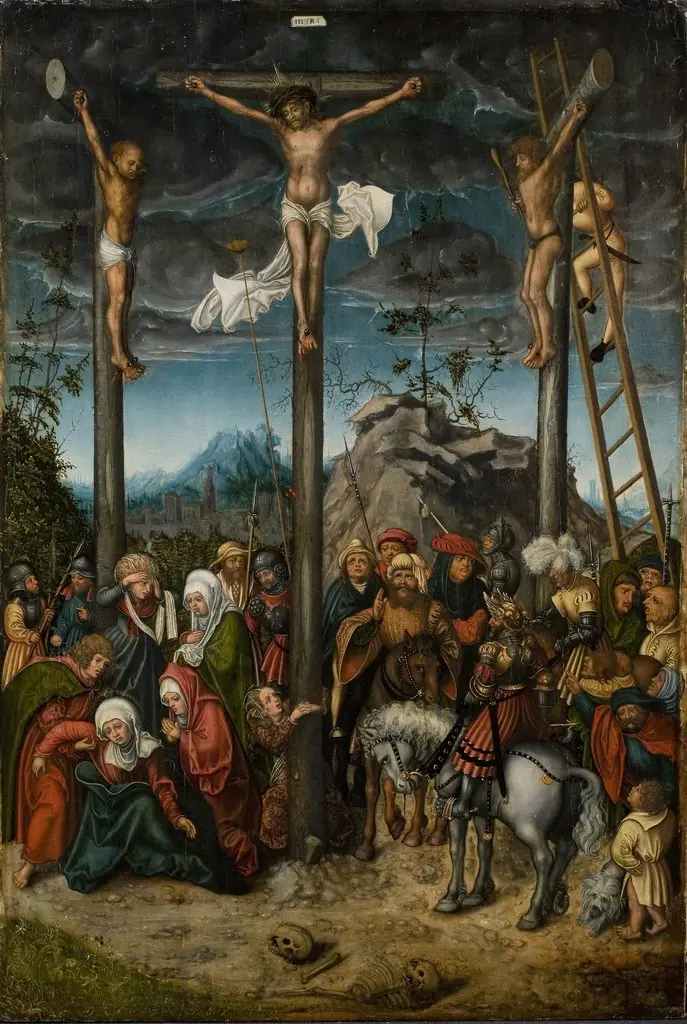 The Crucifixion
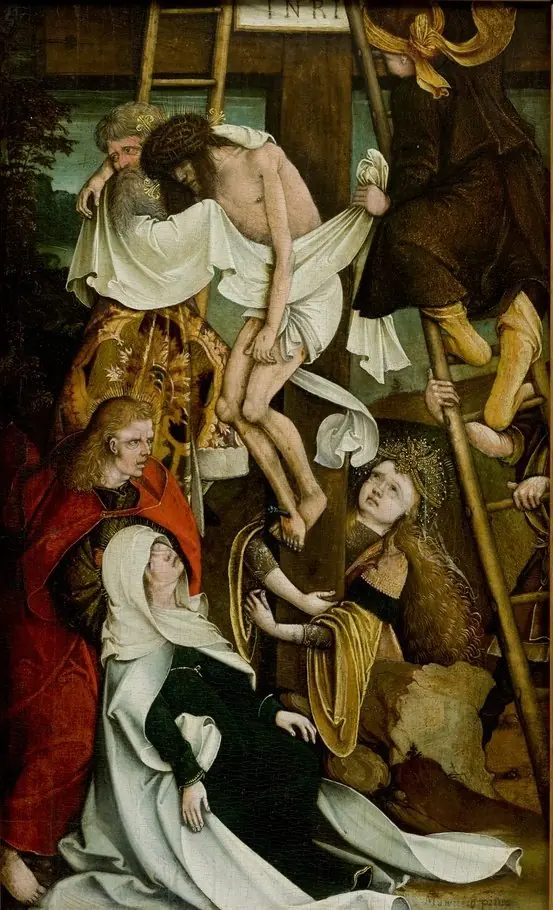 Descent of the Cross
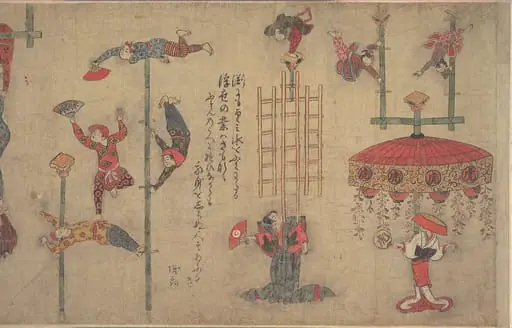 曲技図巻|Acrobats
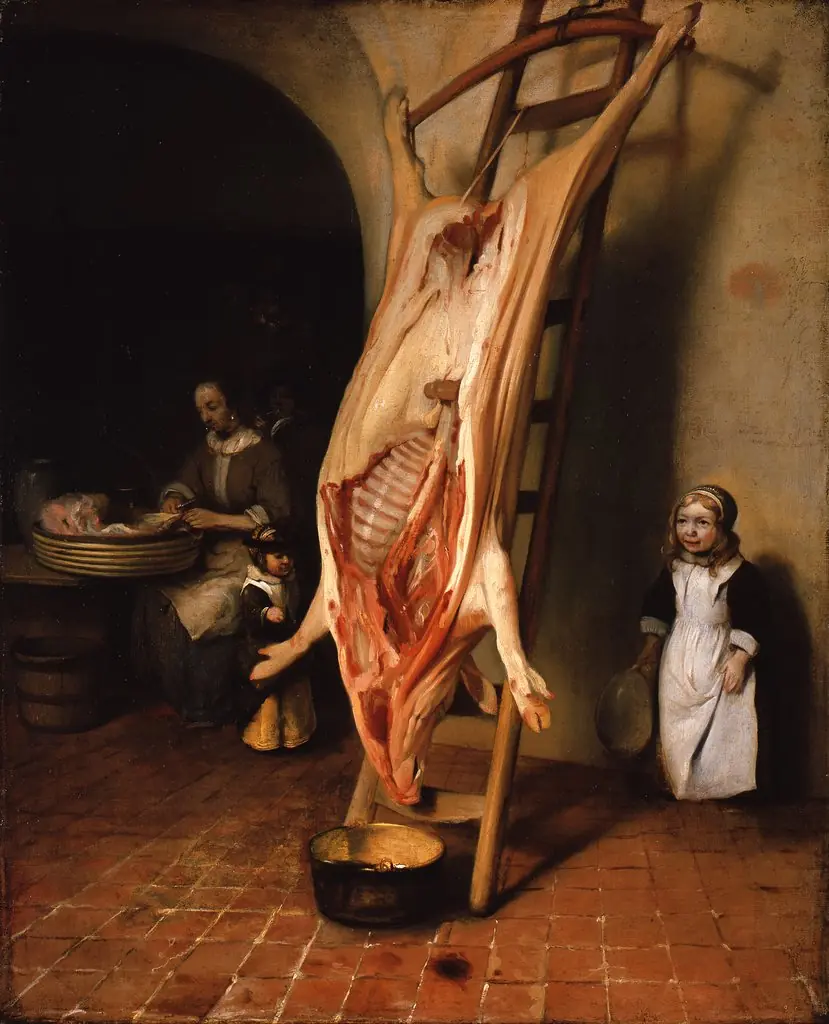 The butchered pig
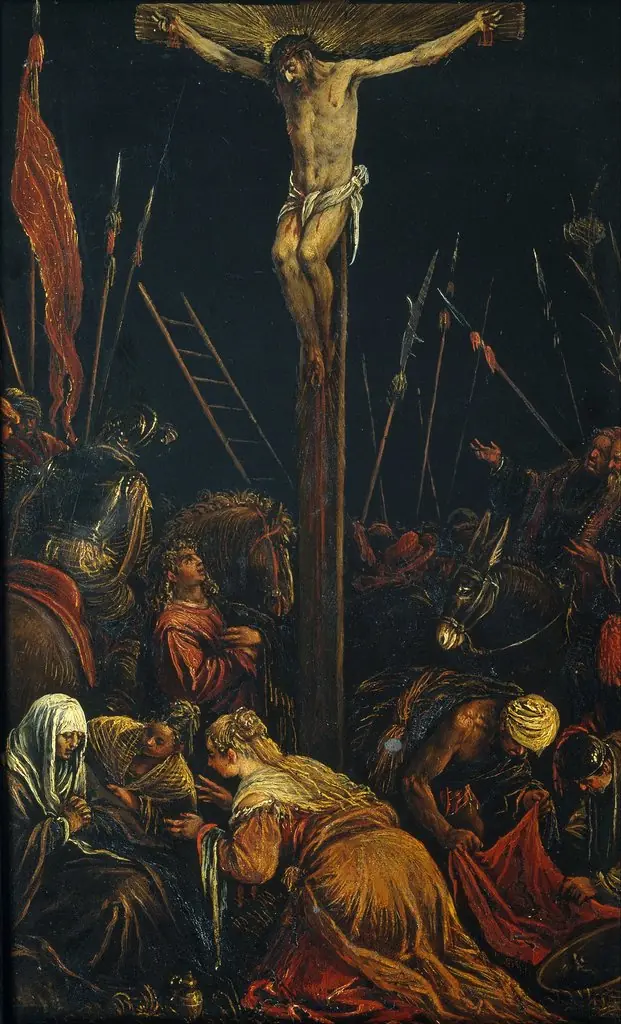 Calvary
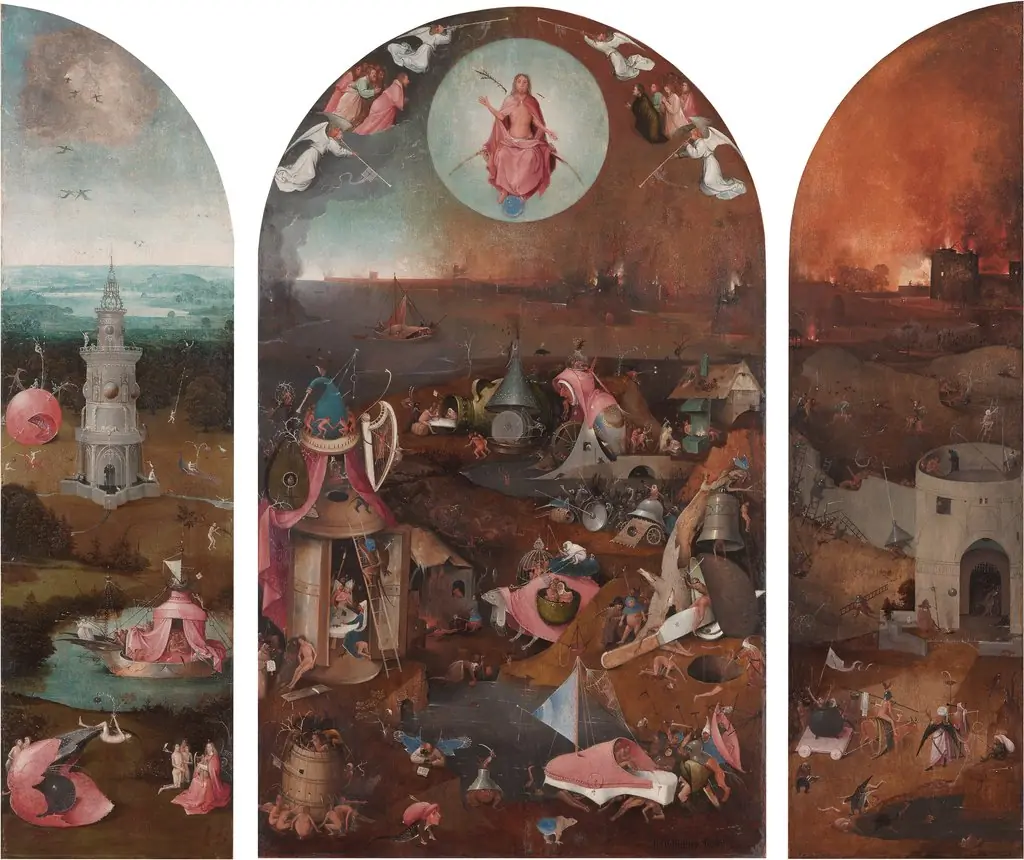 Last Judgement
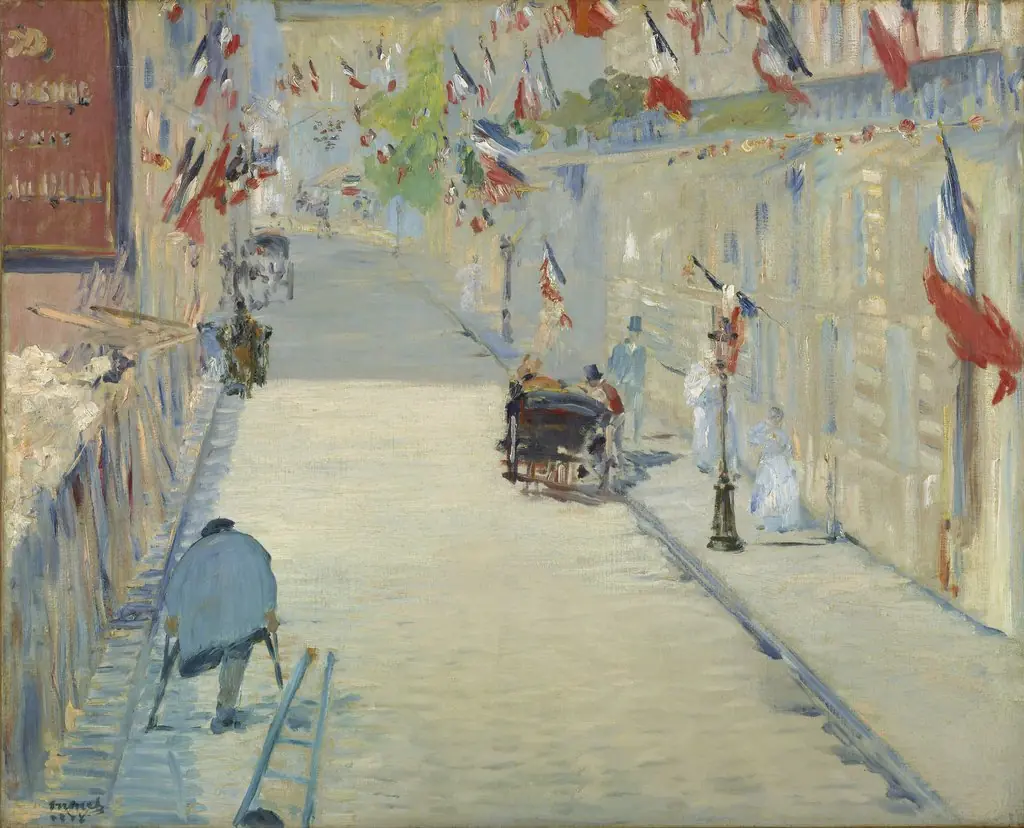 The Rue Mosnier Dressed with Flags
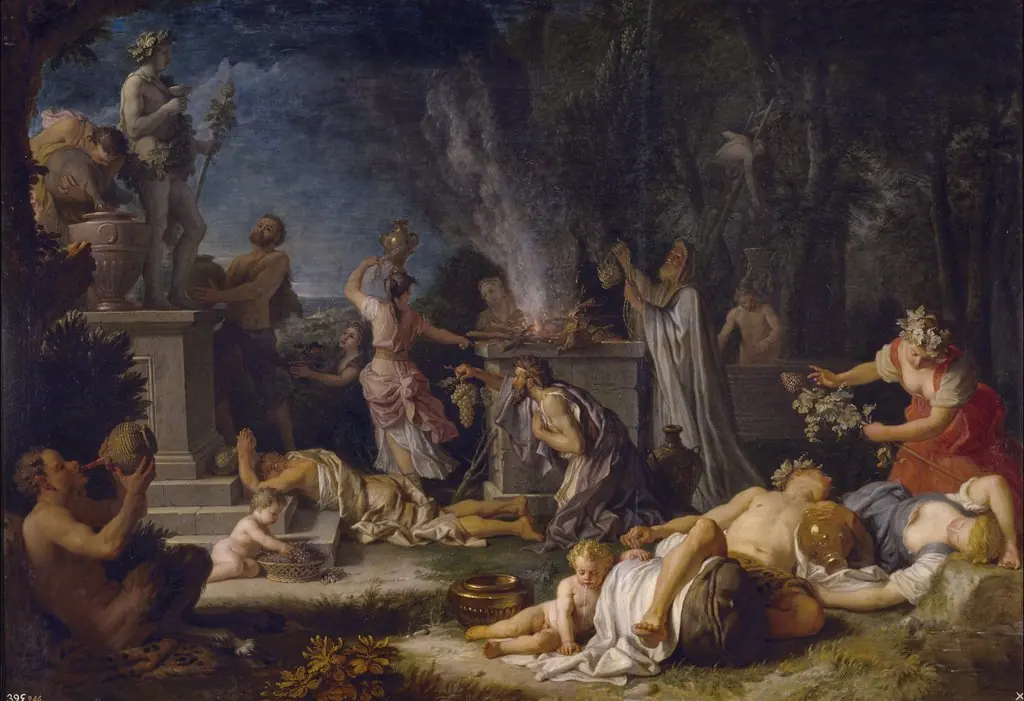 Offering to Bacchus
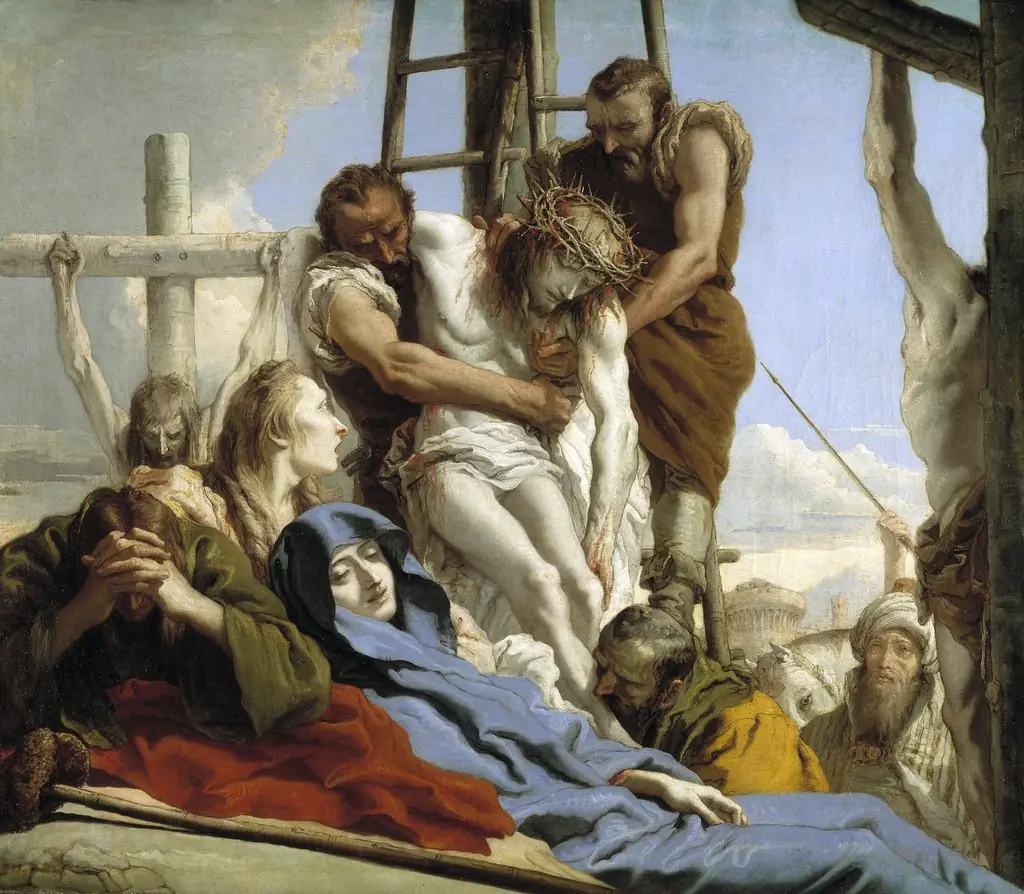 The Descent from the Cross
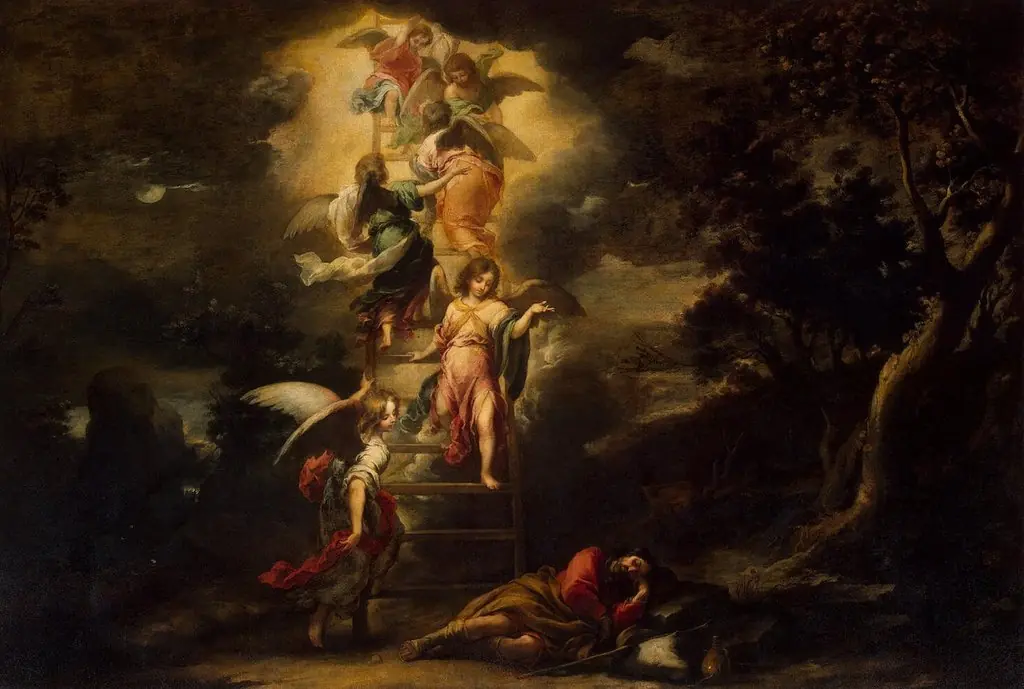 Jacob's Dream
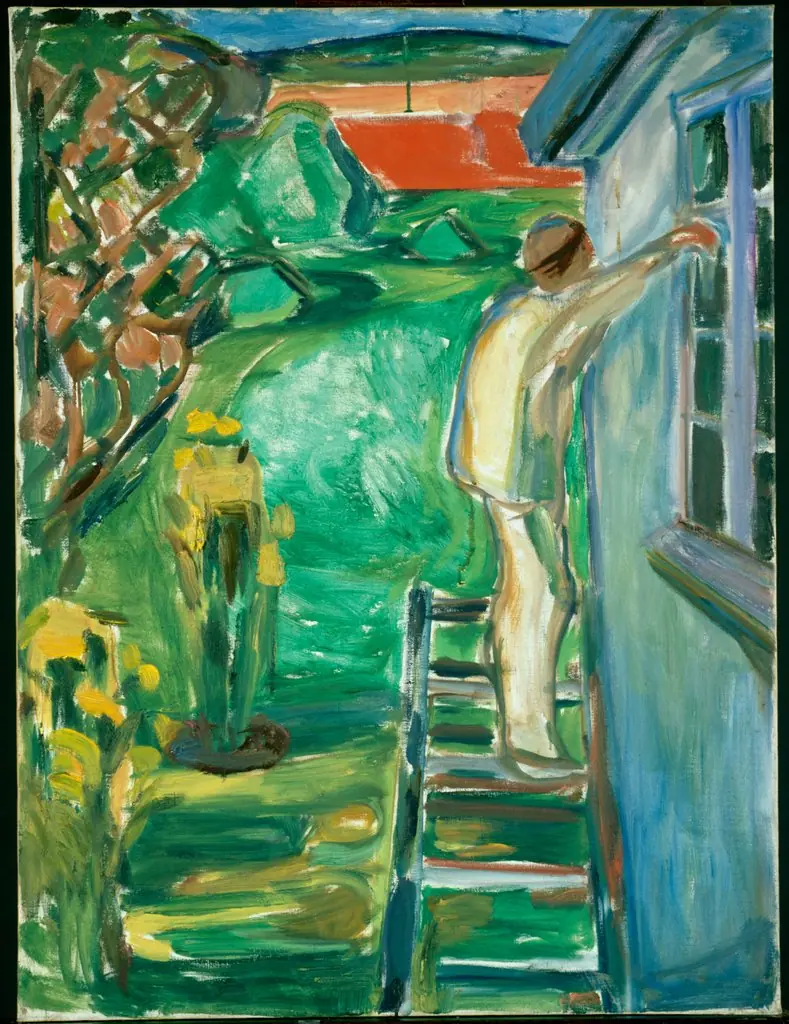 Painter by the Wall
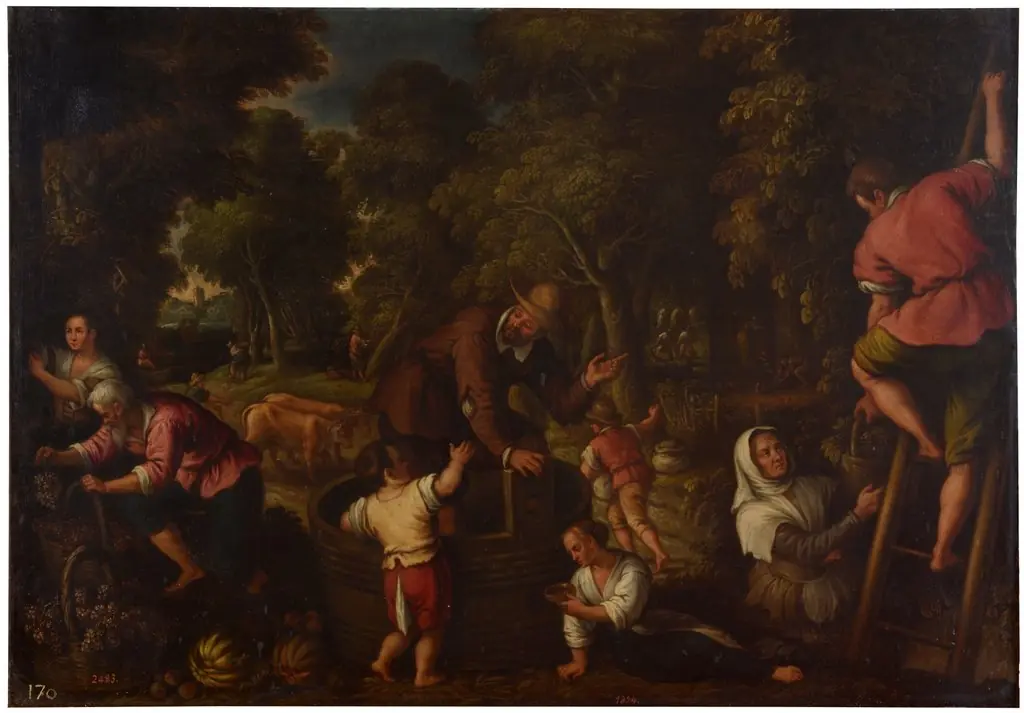 The Harvest or Autumn
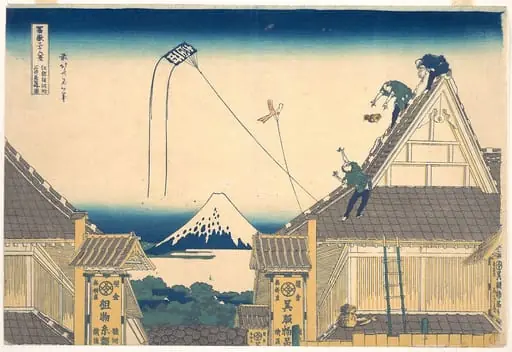 冨嶽三十六景 江都駿河町三井見世略図|Mitsui Shop at Surugachō in Edo (Edo Surugachō Mitsui mise ryaku zu), from the series Thirty-six Views of Mount Fuji (Fugaku sanjūrokkei)
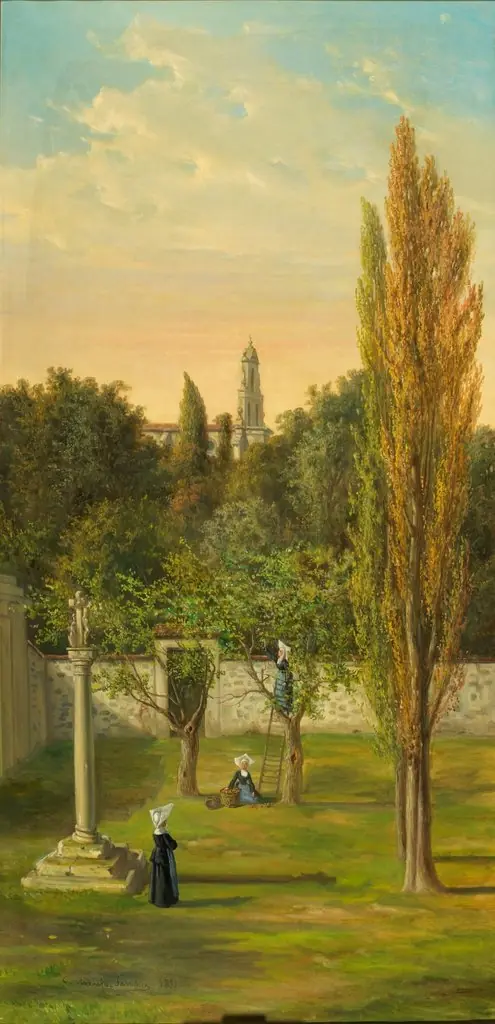 Jardín de un convento de monjas
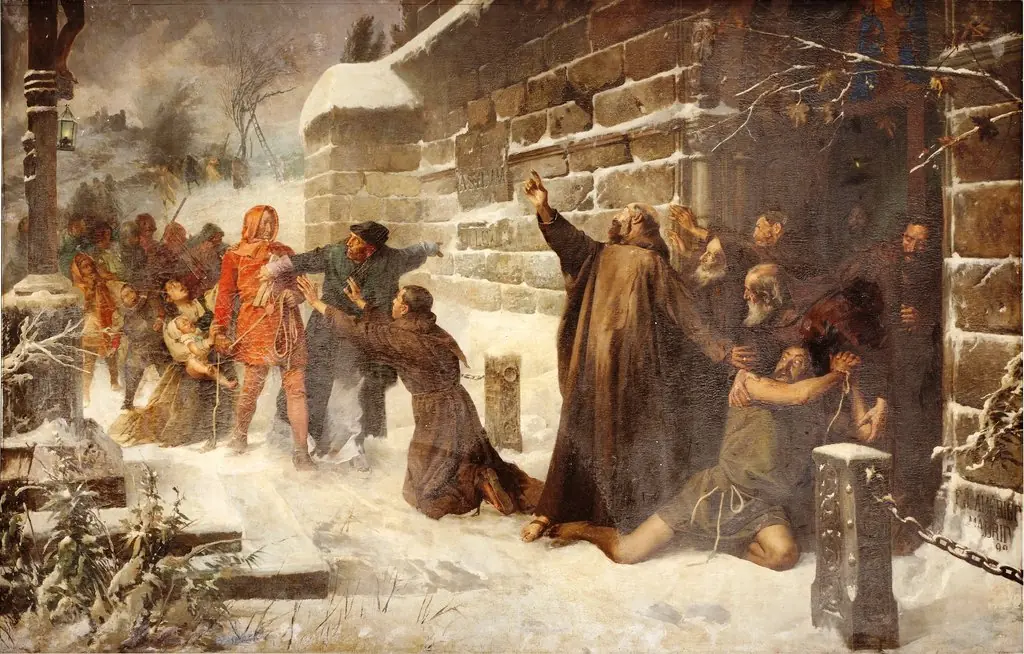 El derecho de asilo
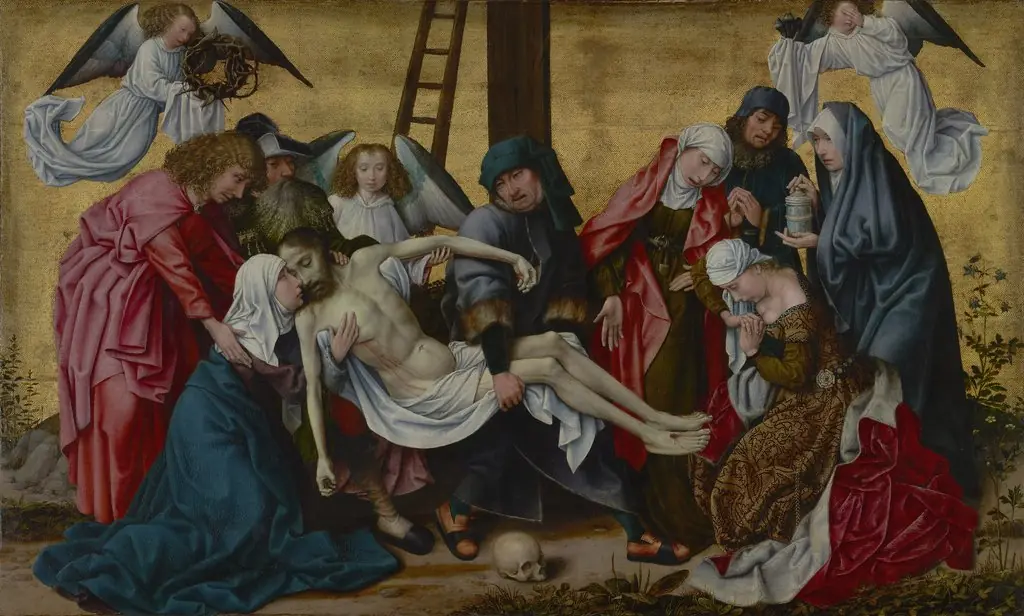 The Deposition
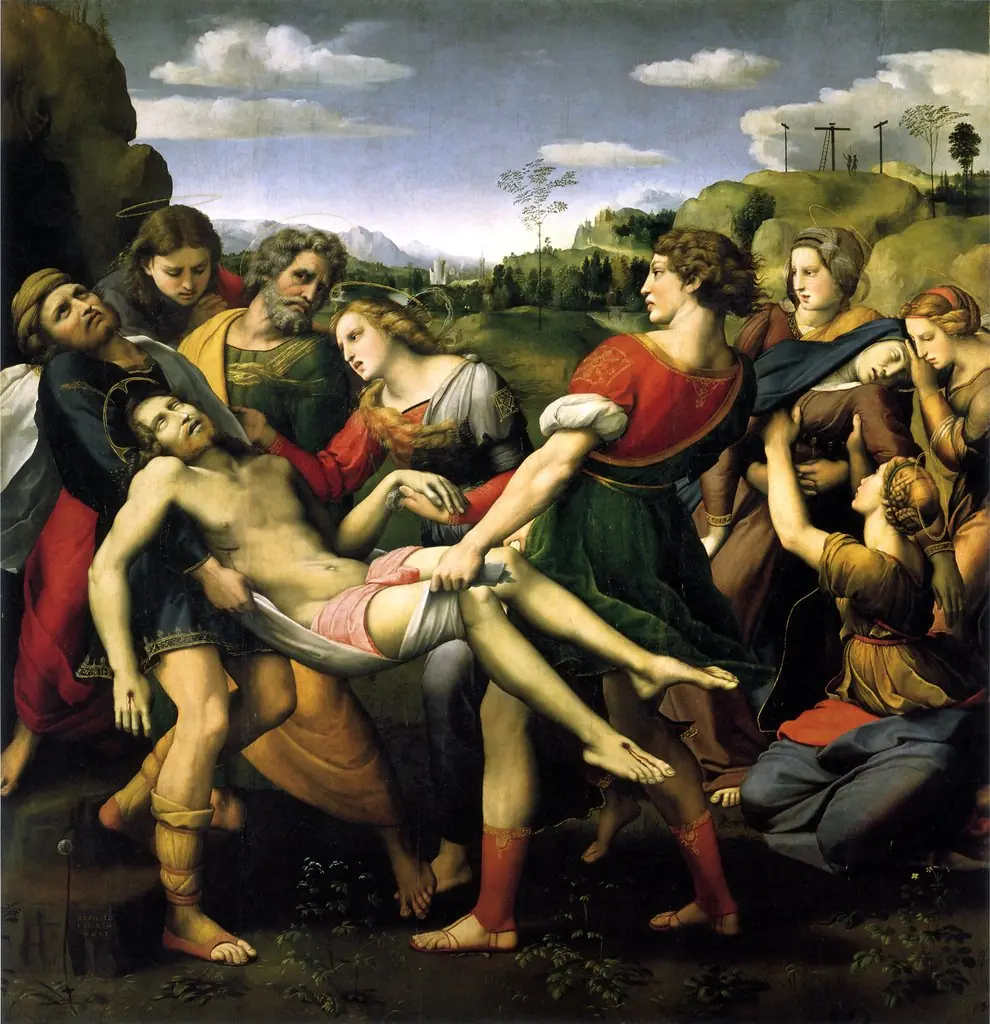 The Deposition
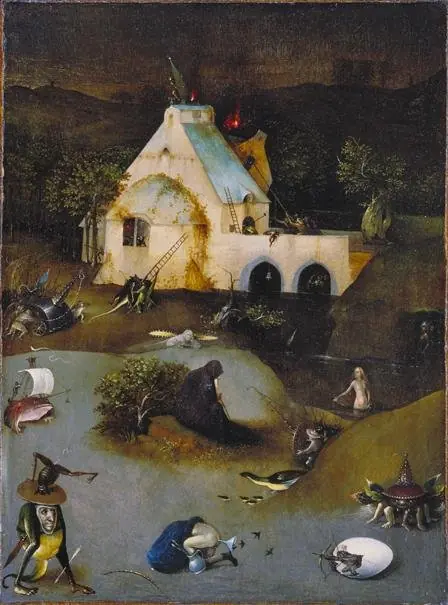 The Temptation of Saint Anthony
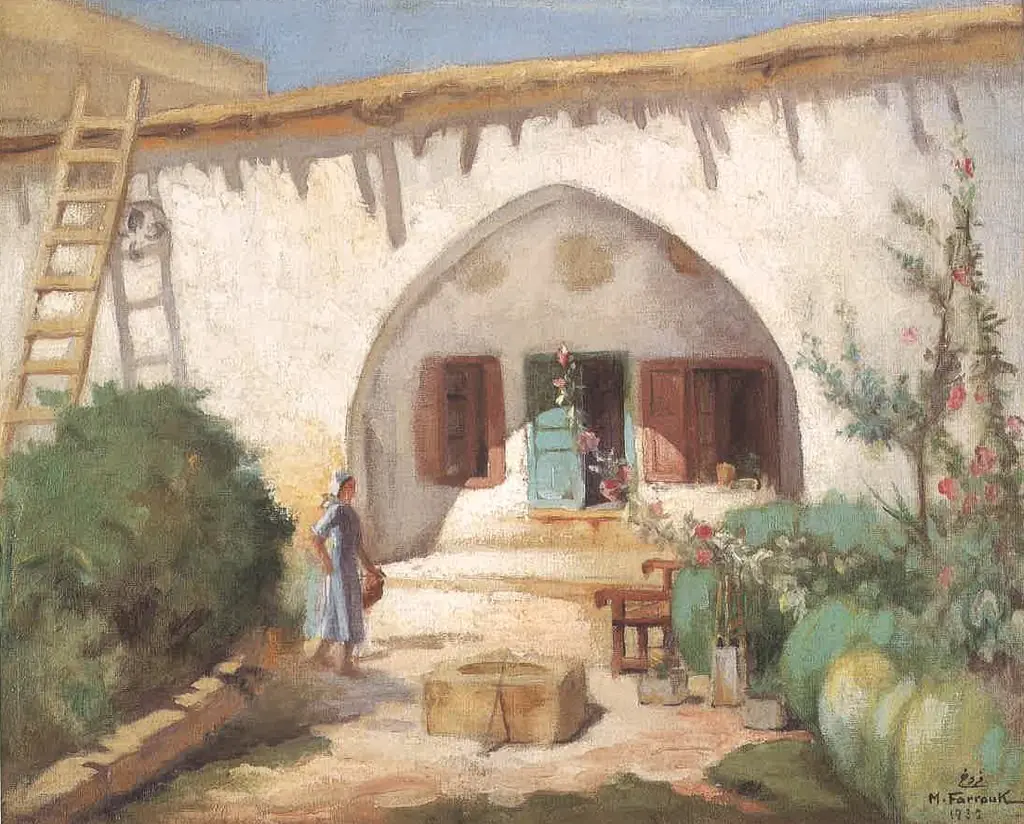 A House in Qabb Ilyas
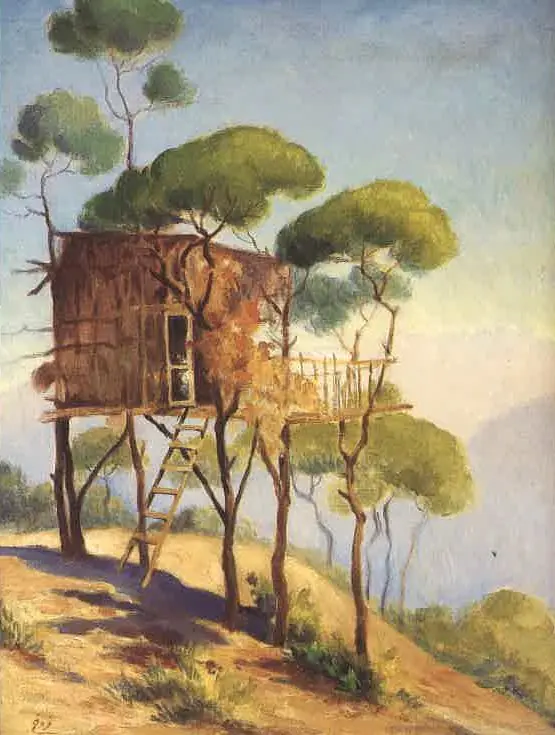 Irzal at Dhour El Choueir
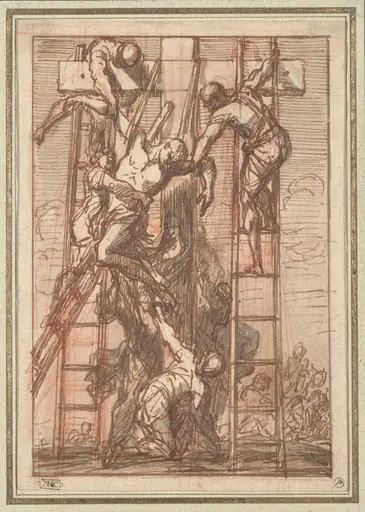 The Deposition
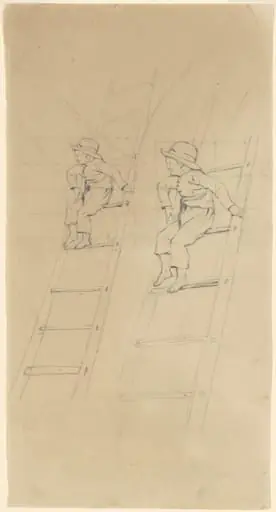 Studies of a Boy on a Ladder
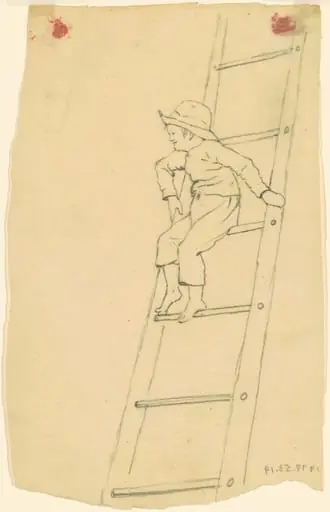 Boy on a Ladder
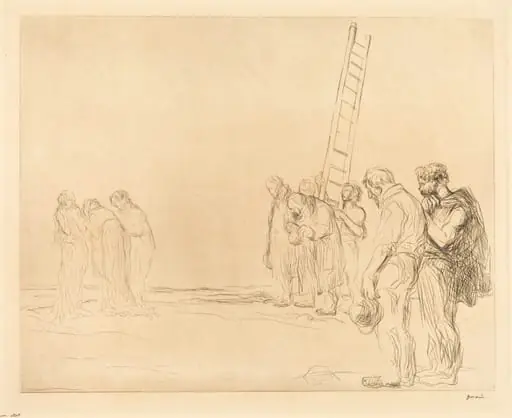 Le calvaire (2e planche) (Calvary) (second plate)
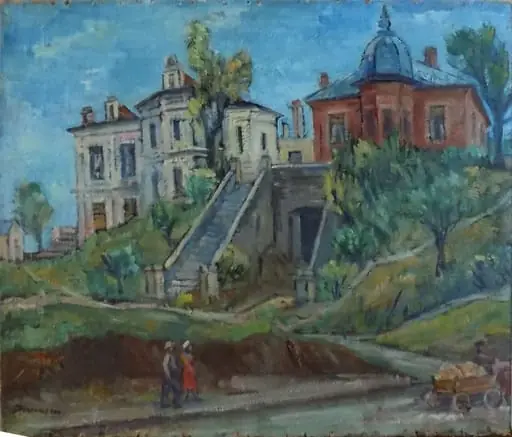 Hanul Șerban Voda
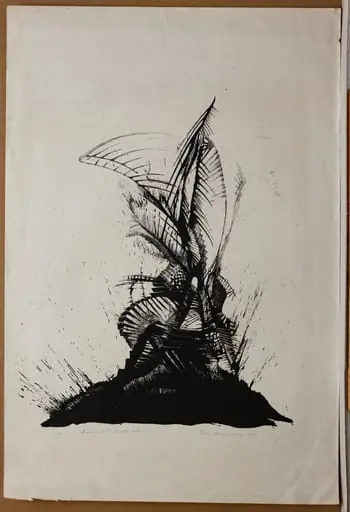 Monumentul treptelor distruse
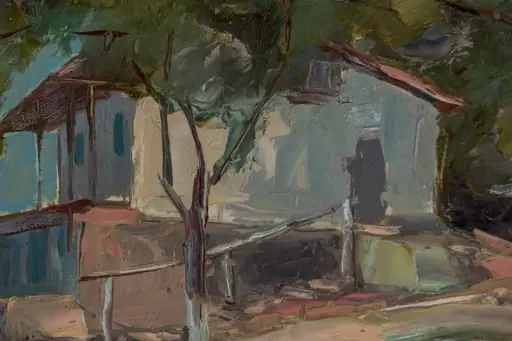 Casă țărănească
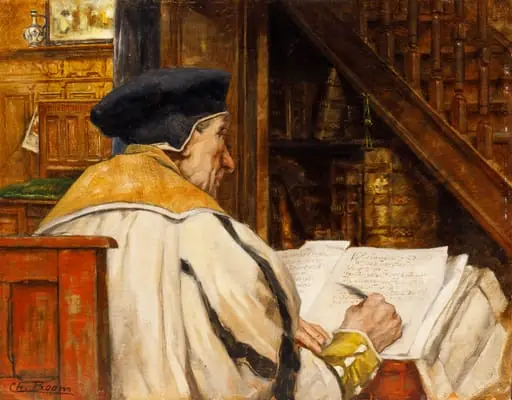 Cronicarul
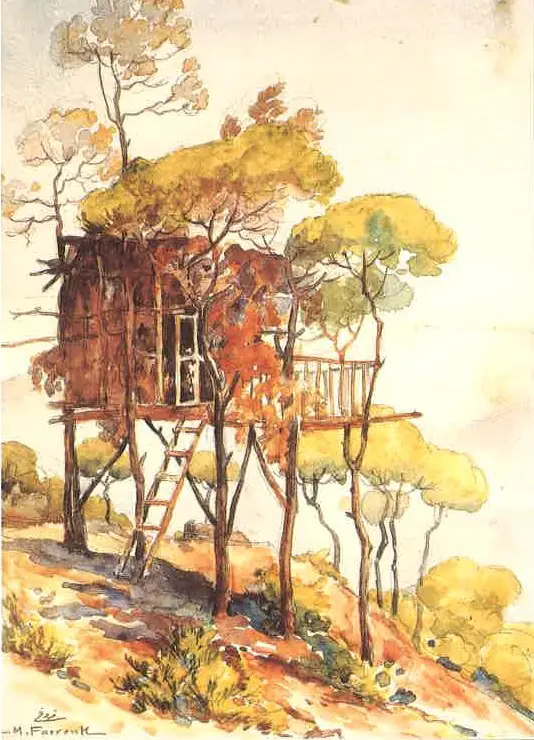 Irzal at Dhour El Choueir
 Locuință veche
 Peisaj din Dobrogea
 Lucrători la G.A.S. Bucium
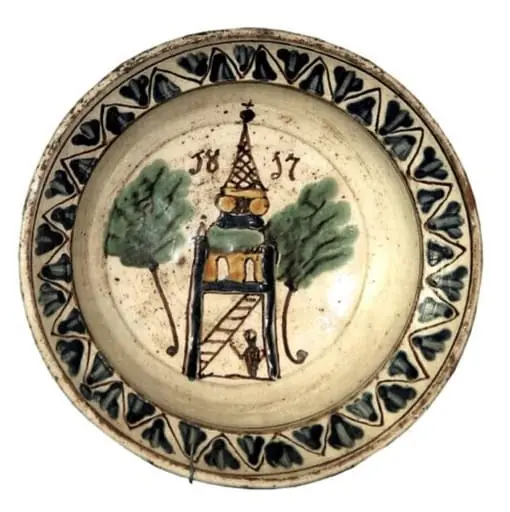 farfurie
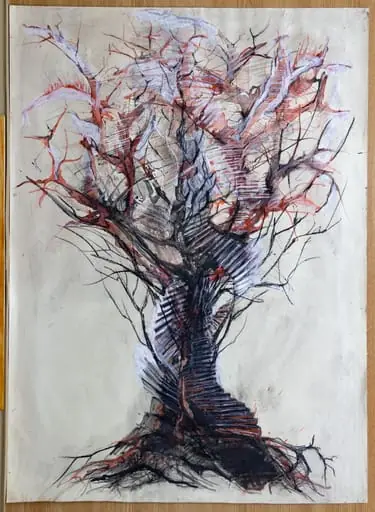 Miraj II
 STRADĂ ÎN PANTĂ - GRECIA
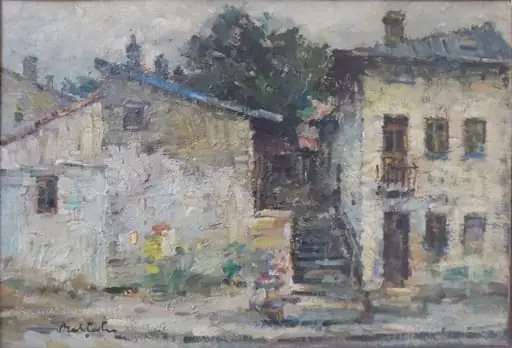 Case din București
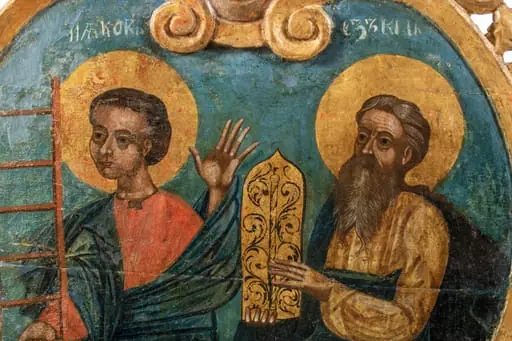 Iacov și Ezechil
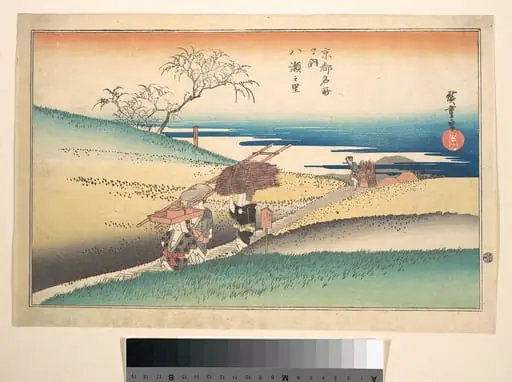 京都名所之内 八瀬之里|Village of Yase
 Casă veche
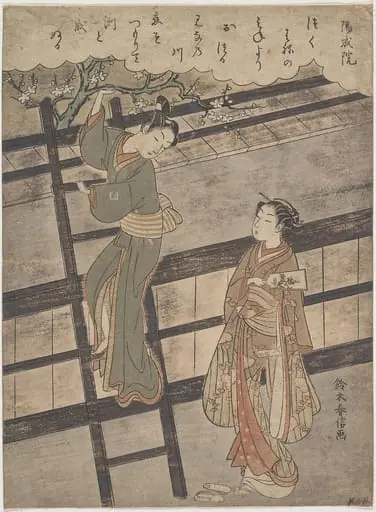 百人一首 陽成院|Yozei no In
 道中膝栗毛 京都の町|Street in Kyoto
 Brutari
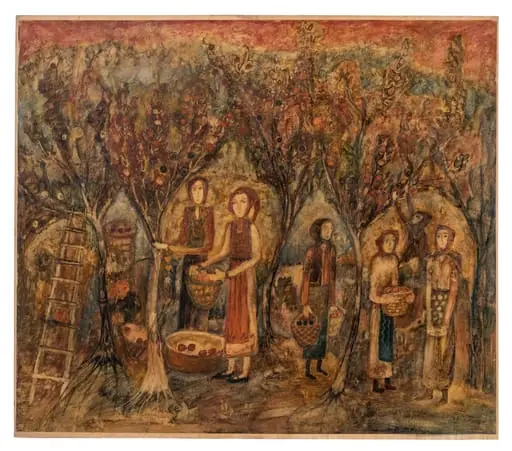 Cules de fructe
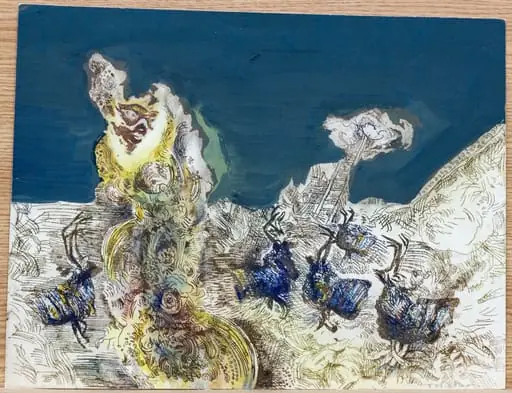 Personaj cu cerbi
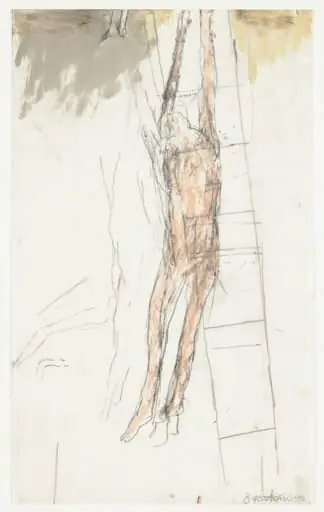 Untitled
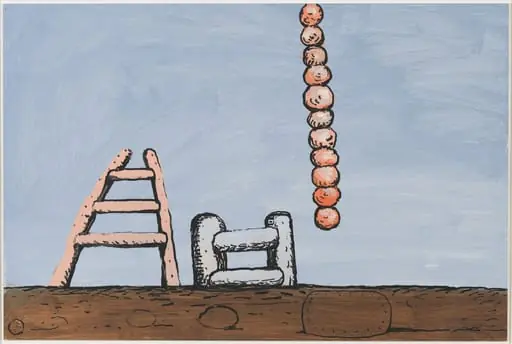 Untitled
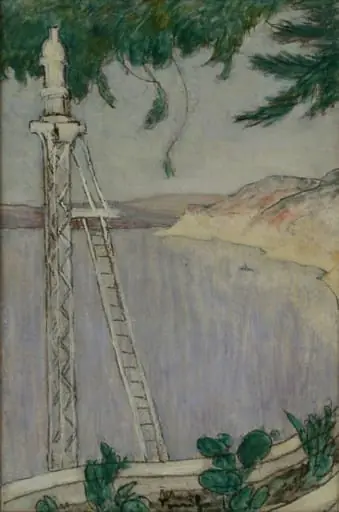 Far
Far
Frequently asked questions
What is Ladder?
Ladder is a subject in art. A ladder is a vertical or inclined set of rungs or steps commonly used for climbing or descending.
How many Ladder works does Artifact World Gallery have?
Artifact World Gallery holds 65 public-domain Ladder works, all free to view and download.
Who are the key Ladder artists?
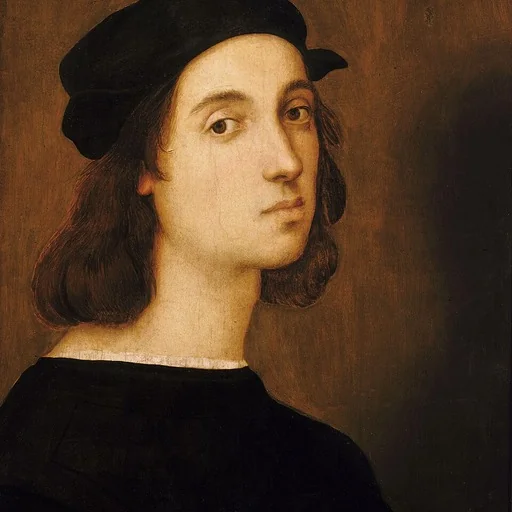
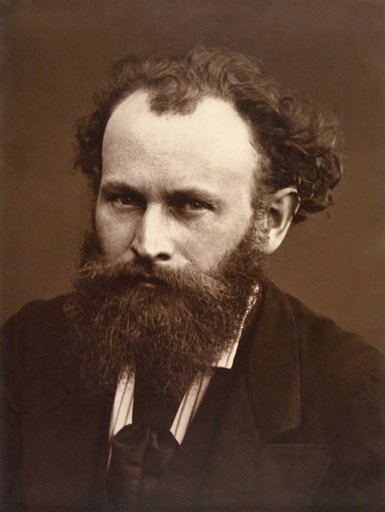
Key Ladder artists in the collection include Raphael, Édouard Manet and Jacopo Tintoretto.
Where can I see Ladder works?
Ladder works in the collection are held by Metropolitan Museum of Art, National Gallery of Art and Moldova National Museum Complex.