Artwork
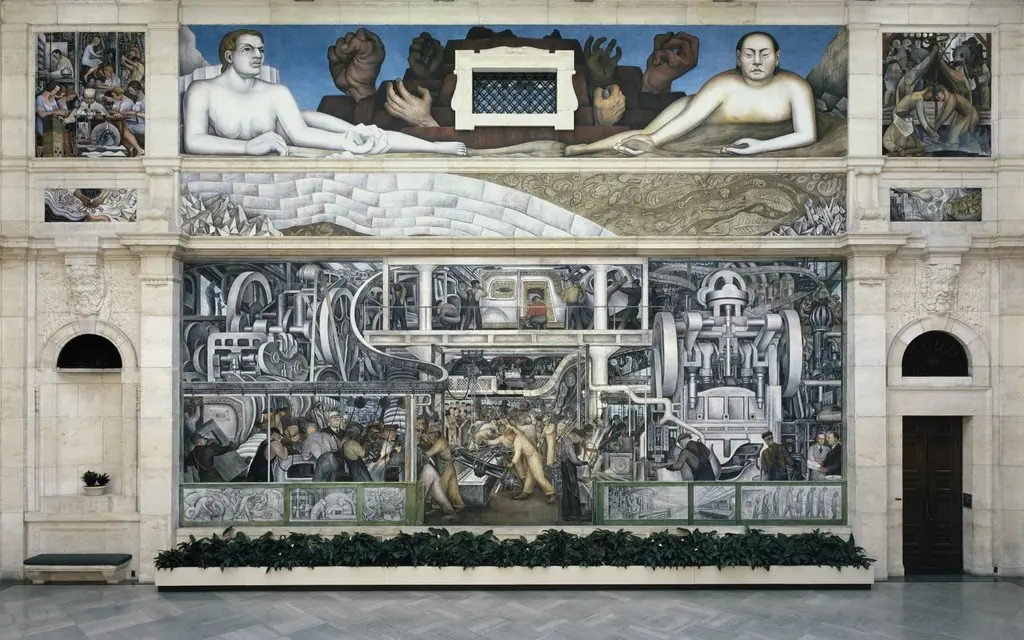
Detroit Industry, West Wall
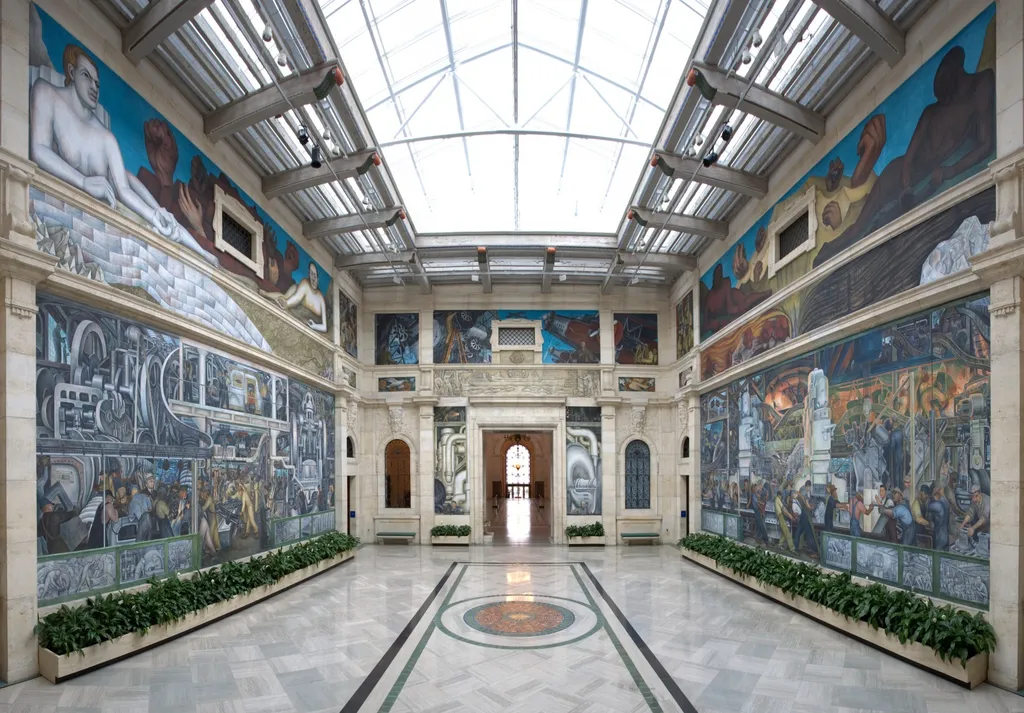
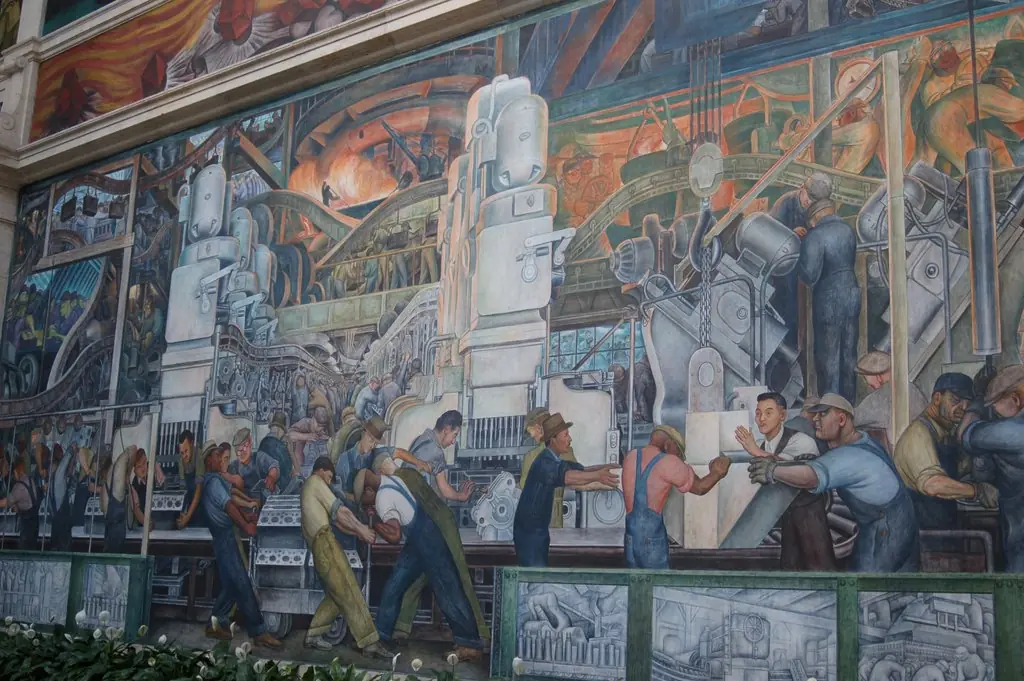
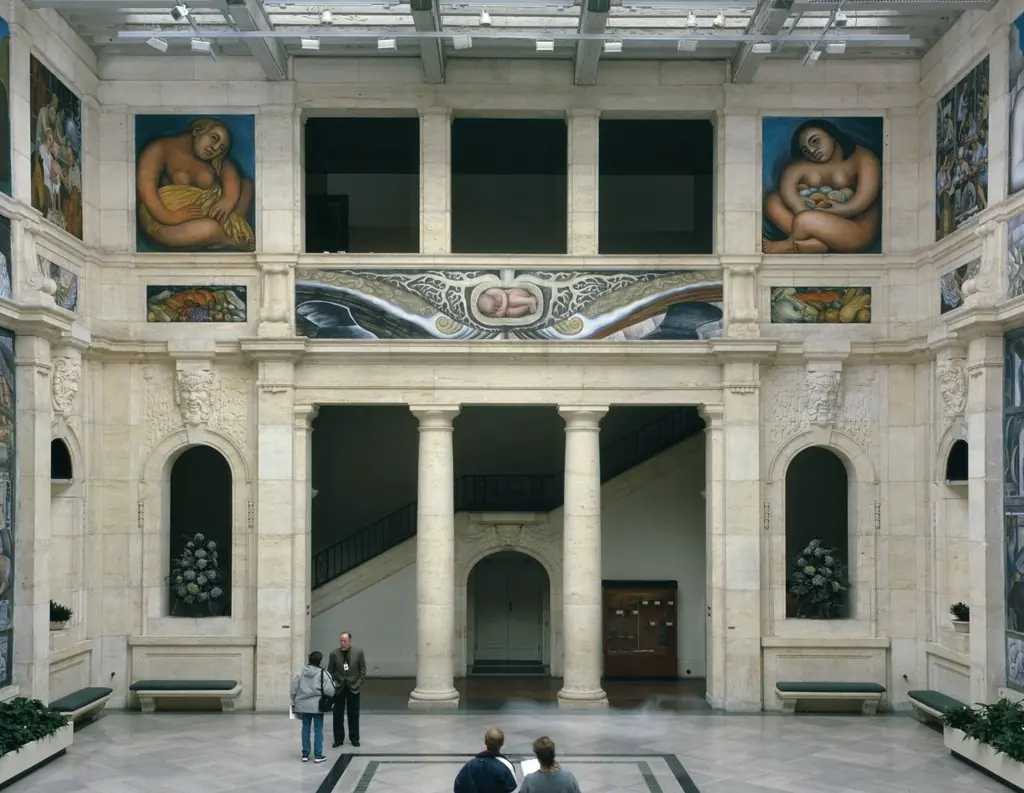
Detroit Industry, West Wall is an unspecified painting by the Mexican Muralist artist Diego Rivera. It dates from 1932 and is held in the collection of the Detroit Institute of Arts.
About this work
Overview
Diego Rivera’s mural titled Detroit Industry, West Wall was completed in 1932. Executed in fresco on the west wall of the Detroit Institute of Arts, the work forms part of a larger series that celebrates the city’s industrial landscape.
Subject & Meaning
The mural depicts scenes of manufacturing and labor, reflecting the central role of industry in Detroit’s identity during the early twentieth century. Rivera’s composition emphasizes the collective effort of workers and the machinery that drives the city’s economy.
Technique & Style
Created using the fresco technique, the painting integrates pigment into wet plaster, allowing the colors to become integral to the wall surface. Rivera’s style combines realistic figures with a rhythmic arrangement of industrial forms, characteristic of his public works.
History & Provenance
Since its completion, the Detroit Industry, West Wall has remained in the collection of the Detroit Institute of Arts, where it is displayed as a permanent fixture. The mural has been maintained as part of the museum’s core holdings for nearly a century.
Context
The mural was produced during a period of intense industrial growth in Detroit, when the city was a hub for automobile manufacturing. Rivera’s commission reflects the era’s interest in celebrating labor and technological progress through public art.
Artist & collection

Artist
Diego María de la Concepción Juan Nepomuceno Estanislao de la Rivera y Barrientos Acosta y Rodríguez was a Mexican painter. His large frescoes helped establish the mural movement in Mexican and international art.