Artwork
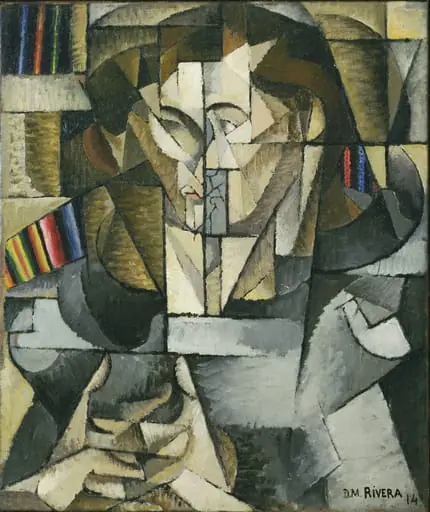
Portrait of Marevna
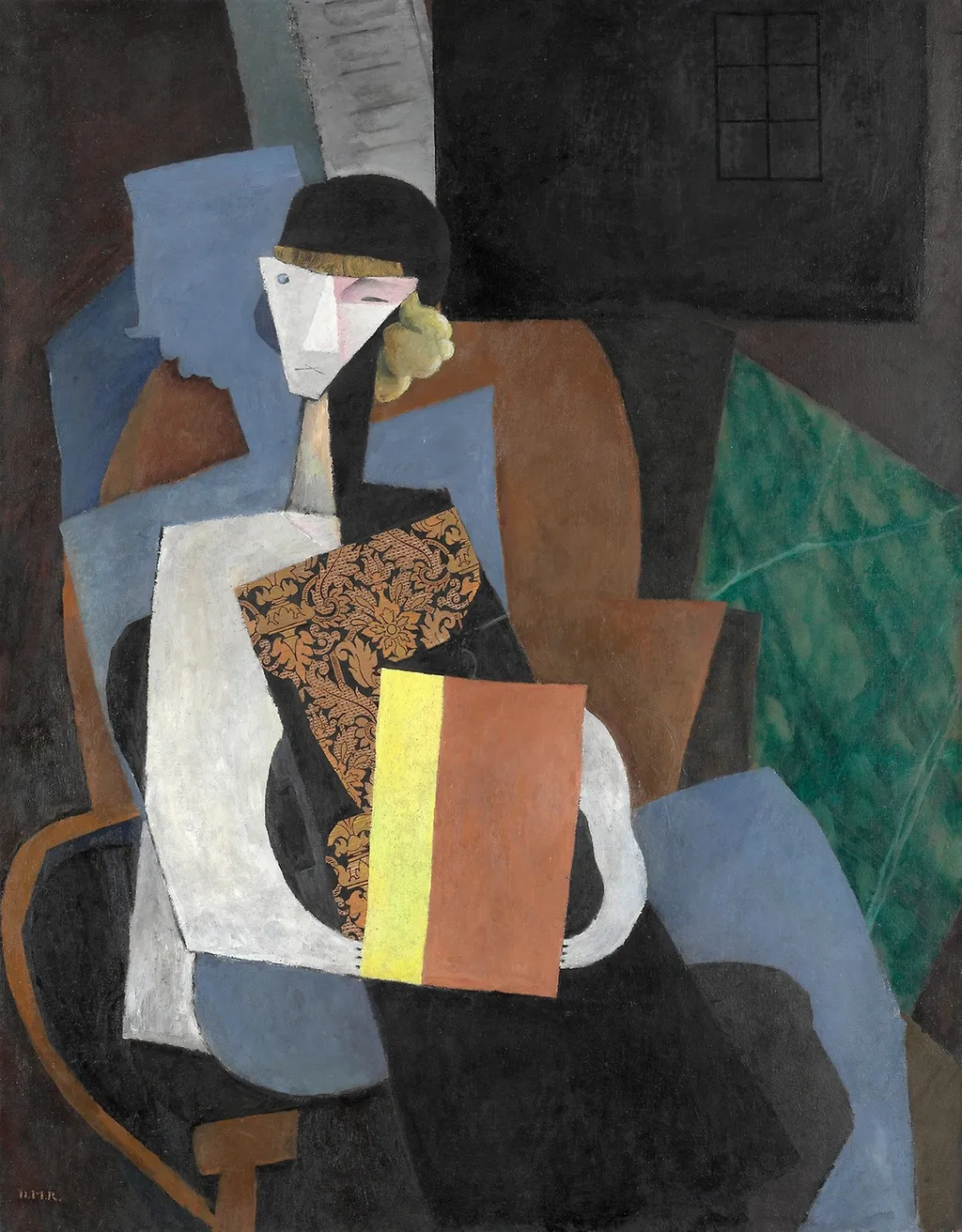
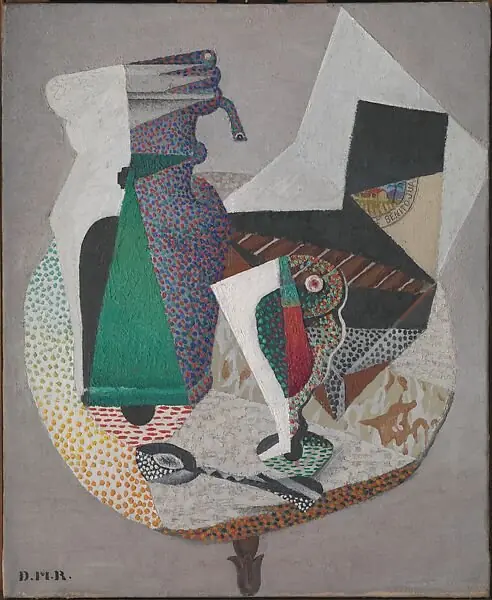
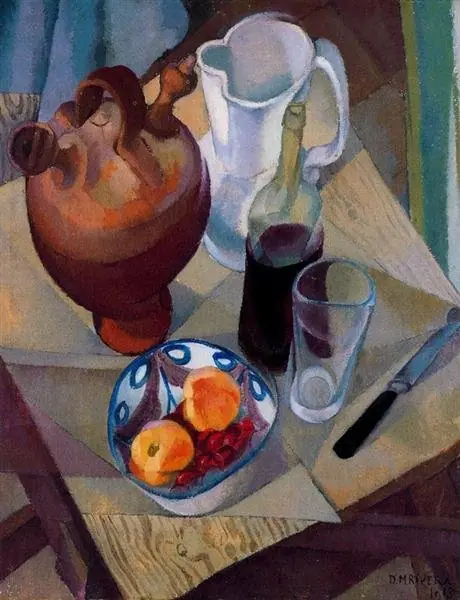
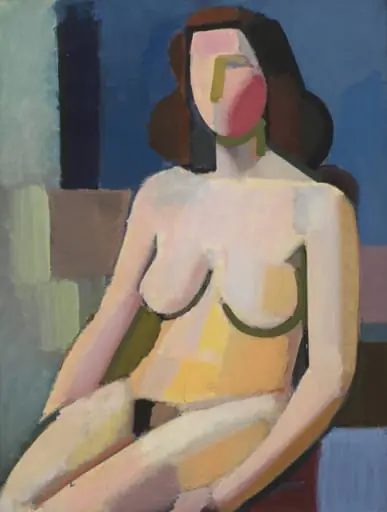
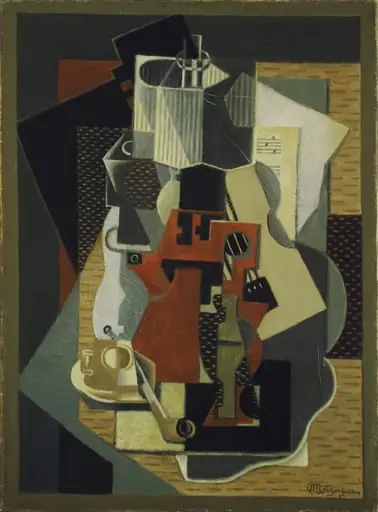
Portrait of Marevna is an oil painting by the Mexican Muralist artist Diego Rivera. It dates from 1915 and is held in the collection of the Art Institute of Chicago.
About this work
Overview
The work is part of the Art Institute of Chicago’s collection and reflects Rivera’s early experimentation with modernist forms before his later muralist fame.
Painted in 1915, this oil portrait by Diego Rivera depicts Marevna, a Russian artist and his partner at the time. The work is part of the Art Institute of Chicago’s collection and reflects Rivera’s early experimentation with modernist forms before his later muralist fame. Its abstracted structure and limited palette mark a departure from traditional portraiture, signaling his engagement with contemporary European avant-garde trends.
Subject & Meaning
Marevna, seated in a simple chair, is rendered not as an idealized figure but as a composed presence defined by geometric volumes. Her identity as an artist and intellectual is implied through the painting’s deliberate abstraction, avoiding sentimentality. The stillness of her posture and the starkness of her features suggest introspection, aligning with the era’s interest in psychological depth over physical likeness.
Technique & Style
Rivera applied oil paint thickly to create sharp, angular forms with pronounced edges, a technique known as impasto. The palette is restricted to black, white, orange, and blue, enhancing the structural clarity of the composition. Patterned fabric on the lap introduces subtle texture, contrasting with the flat planes of skin and background. The dark interior setting, pierced by a window, adds spatial ambiguity.
History & Provenance
Created during Rivera’s time in Europe, the portrait was made shortly before his return to Mexico. It remained in private hands until acquired by the Art Institute of Chicago in the mid-20th century. Its inclusion in the museum’s collection reflects early American institutional interest in Rivera’s pre-muralist work, offering insight into his artistic evolution.
Context
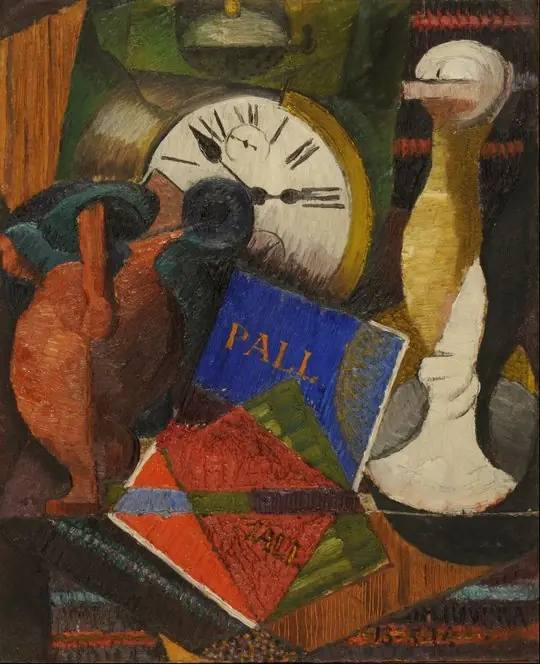
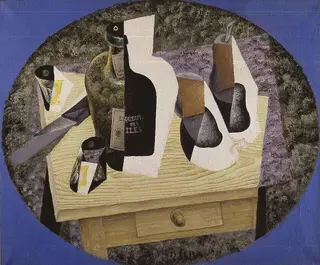
This portrait emerged amid Rivera’s exposure to Cubism and other European modernist movements. While in Paris, he engaged with artists like Picasso and Gris, whose fragmentation of form influenced his approach. The painting reflects a transitional phase, neither fully representational nor entirely abstract, capturing the intellectual ferment of pre-war avant-garde circles.
Legacy
Though less known than Rivera’s murals, this portrait illustrates his early commitment to redefining portraiture through structure and color. It stands as a quiet testament to his formative years, bridging his academic training and later political art. The work continues to inform studies of modernist portraiture in Latin American art history.
Artist & collection

Artist
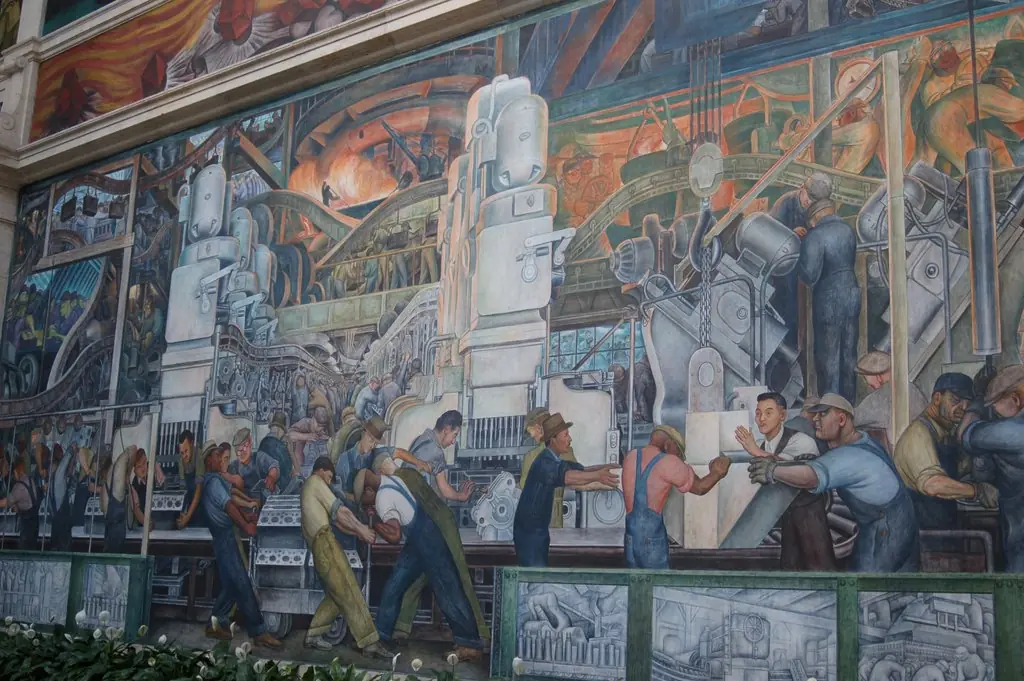
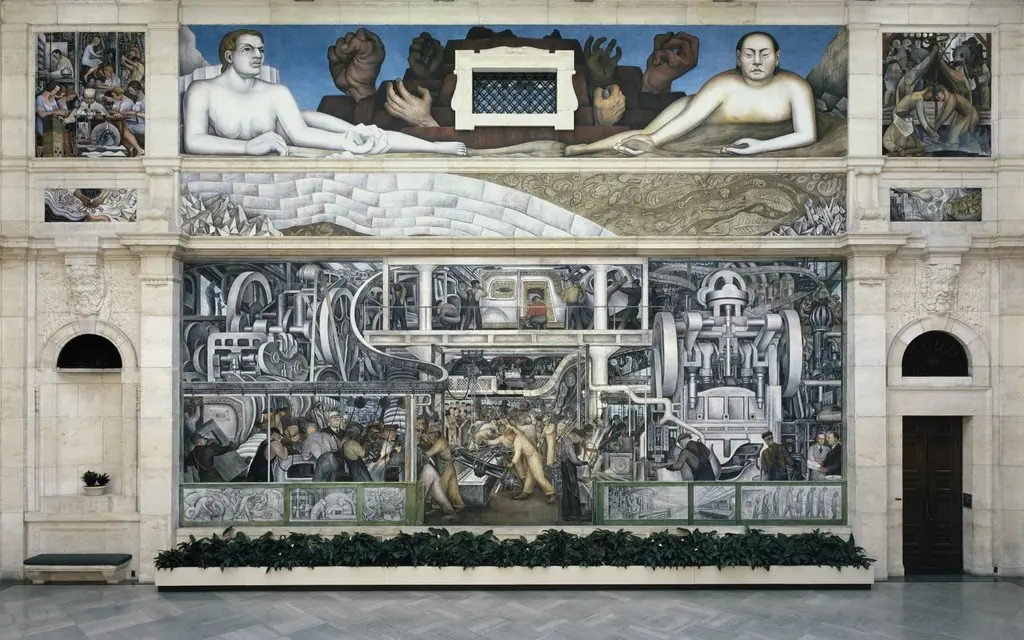
Diego María de la Concepción Juan Nepomuceno Estanislao de la Rivera y Barrientos Acosta y Rodríguez was a Mexican painter. His large frescoes helped establish the mural movement in Mexican and international art.