Artwork
Arcadian Landscape with Herdsmen and Cattle
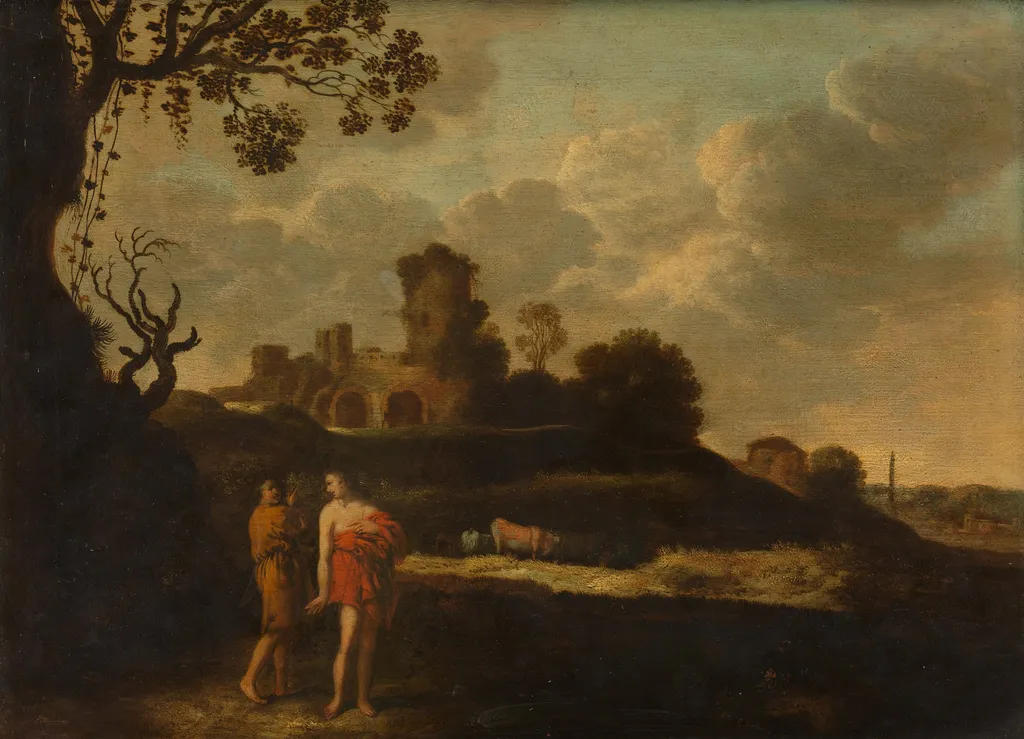
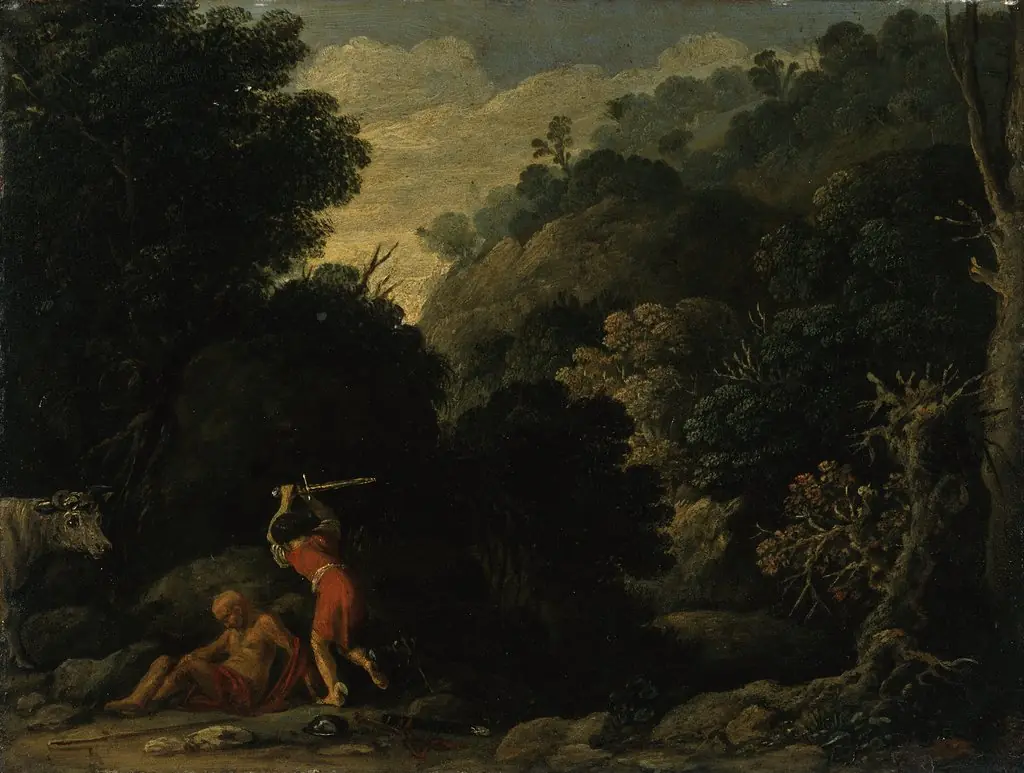
Arcadian Landscape with Herdsmen and Cattle is an unspecified painting by the Dutch Golden Age artist Dirck Dalens the Elder. It dates from 1630 and is held in the collection of the Rijksmuseum. This painting depicts a serene landscape with herders and cattle.
About this work
Subject & Meaning
This subject draws on the Arcadian tradition, which symbolizes harmony between humanity and nature, often evoking themes of rustic simplicity and moral virtue.
The Arcadian Landscape with Herdsmen and Cattle depicts an idealized pastoral scene featuring shepherds and cattle in a sunlit, classical countryside. This subject draws on the Arcadian tradition, which symbolizes harmony between humanity and nature, often evoking themes of rustic simplicity and moral virtue. The composition reflects the Dutch Golden Age interest in landscape as both a naturalistic study and an allegorical setting, where the idyllic scenery serves as a metaphor for order and abundance. The painting’s iconography aligns with Arcadian ideals of serenity and unspoiled rural life, reinforcing associations with peace and the golden age of pastoral innocence. Its meaning is rooted in the cultural context of 17th-century Dutch art, where such scenes celebrated the virtues of country living and the harmonious relationship between people and the natural world.
History & Provenance
The work Arcadian Landscape with Herdsmen and Cattle is held in a collection with inventory number 1988.001. It was exhibited in the 1995 exhibition "Dutch Masters of the Golden Age" at the Rijksmuseum and again in the 2003 show "Arcadian Visions" at the Mauritshuis.
Context
Dirck Dalens the Elder, active in The Hague during the 1630s, occupied a transitional position between early Dutch landscape specialists and the more celebrated Arcadian painters of the mid-seventeenth century. His Arcadian Landscape with Herdsmen and Cattle (c. 1630) exemplifies the idealising tradition that would later be refined by artists such as Jacob van Ruisdael, while his documented influence on the younger Dalens family underscores his role in transmitting stylistic motifs within the broader Dalens dynasty. Contemporary records, including a 1648 municipal payment for decorative over-the-mantel works at Paleis Noordeinde, attest to his professional standing, and his brief association with the Confrerie Pictura highlights his engagement with emerging artistic networks. The painting’s reception is indirectly evidenced by its attribution to the Arcadian circle in Dutch art historical surveys, positioning it as an early, though not dominant, expression of the genre that would become central to Dutch Golden Age landscape painting.
Own this work as a print
Artist & collection
Artist
Dirck Dalens the Elder spent his life painting Dutch landscapes so detailed it’s like he carried a magnifying glass in his pocket.

 Landskap med Maria Magdalena
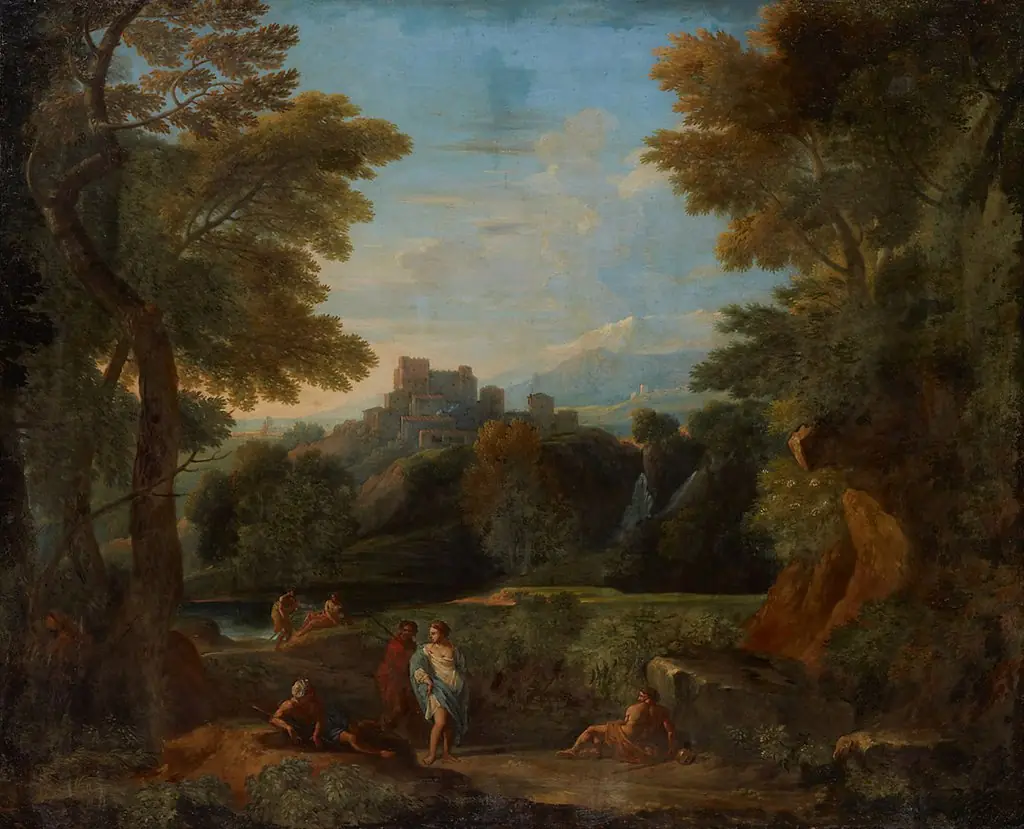 Italian Landscape
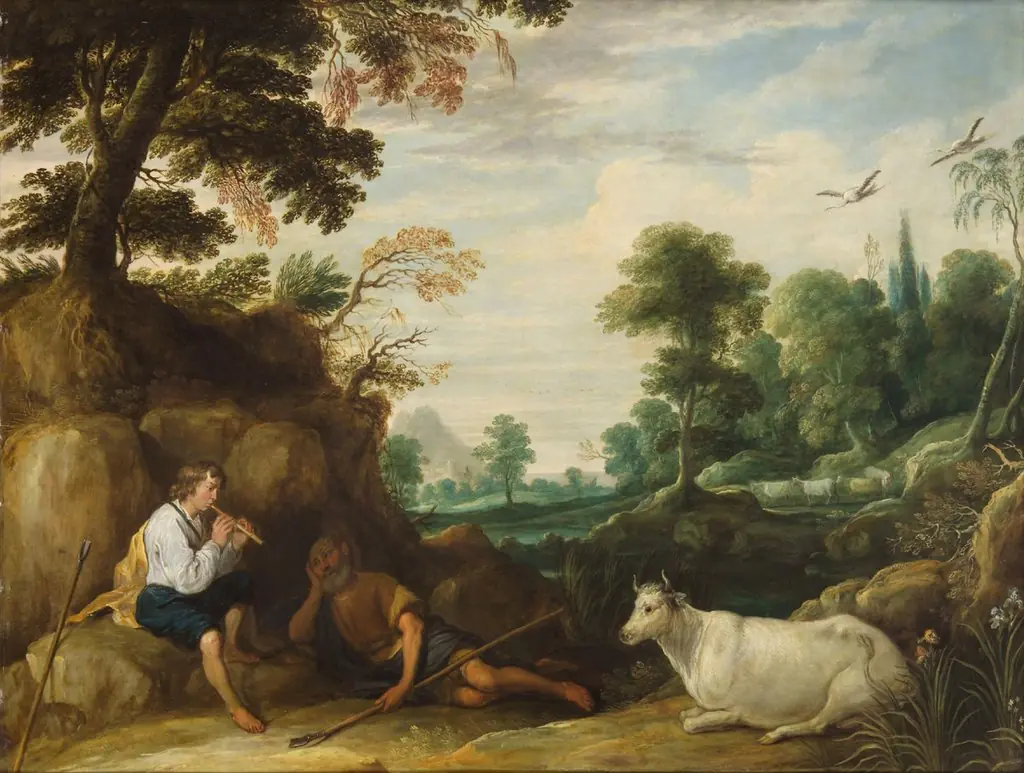 Mercury playing the flute for Argus
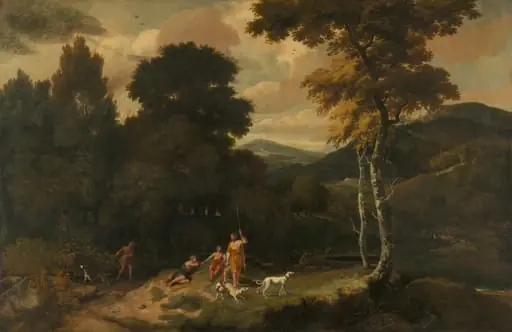
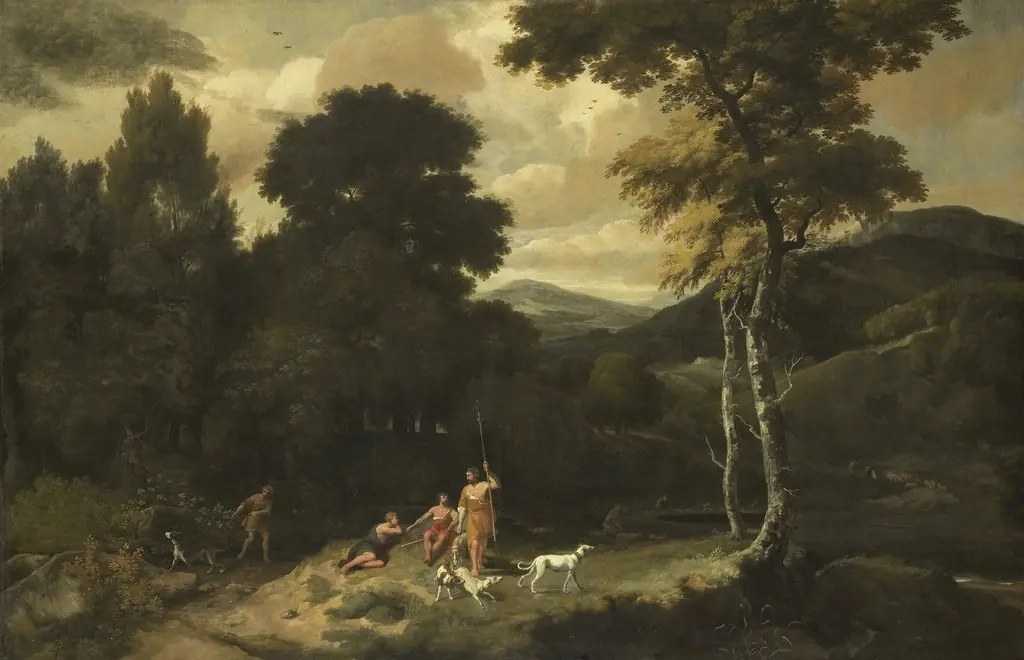 Landscape with hunters
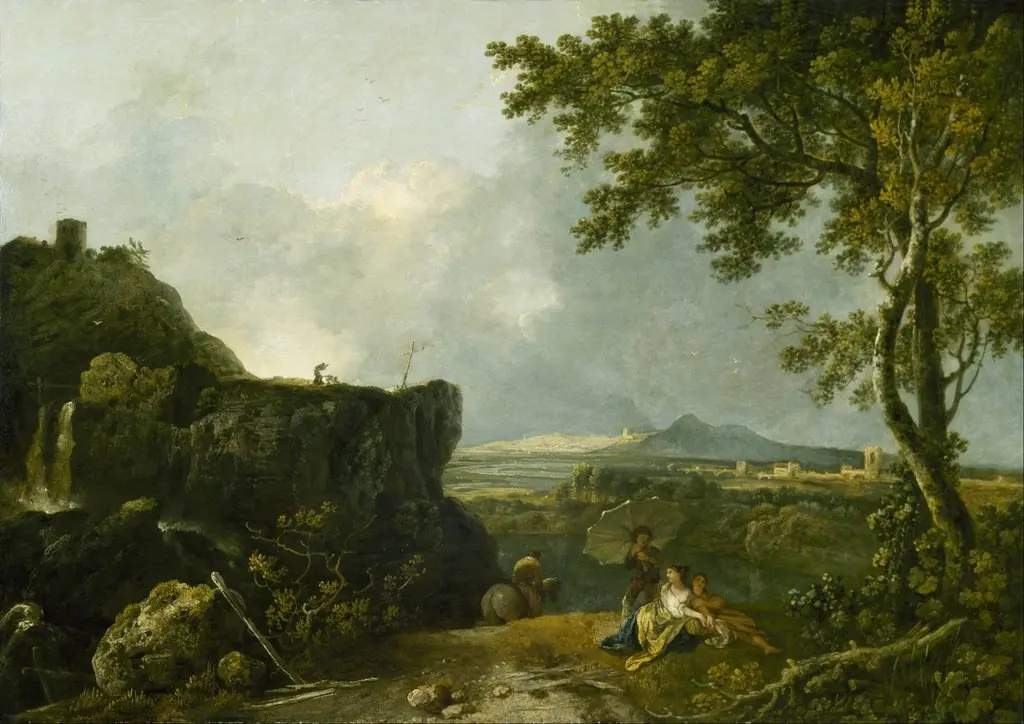 The White Monk
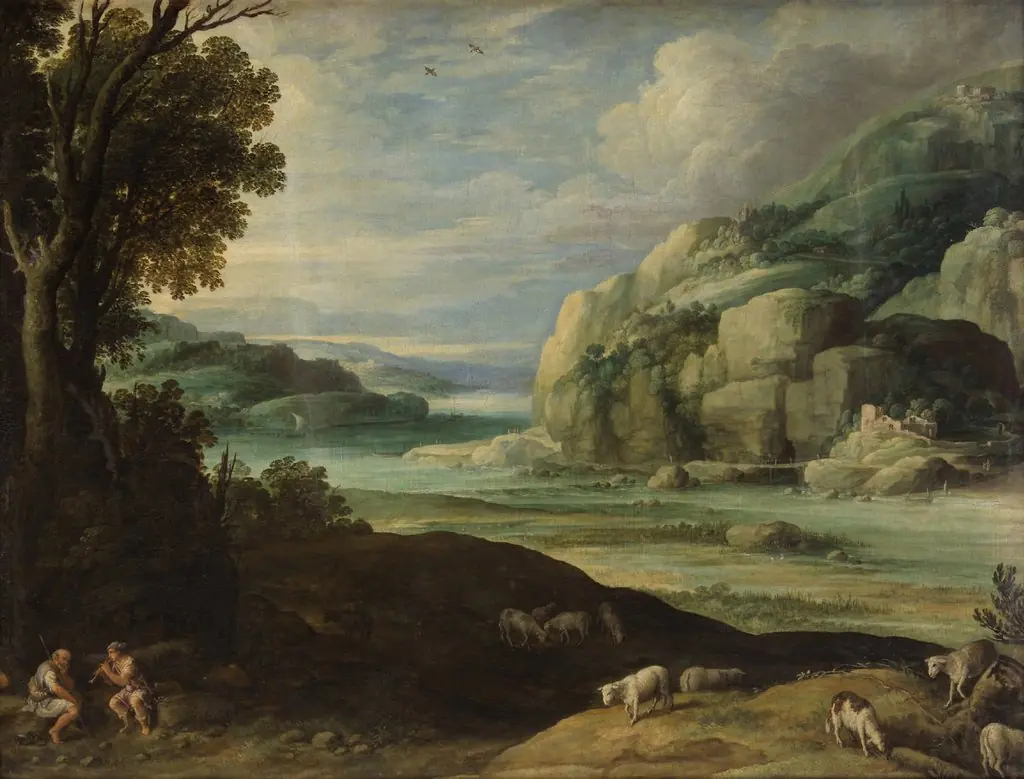 Landschaft mit Merkur und Argus
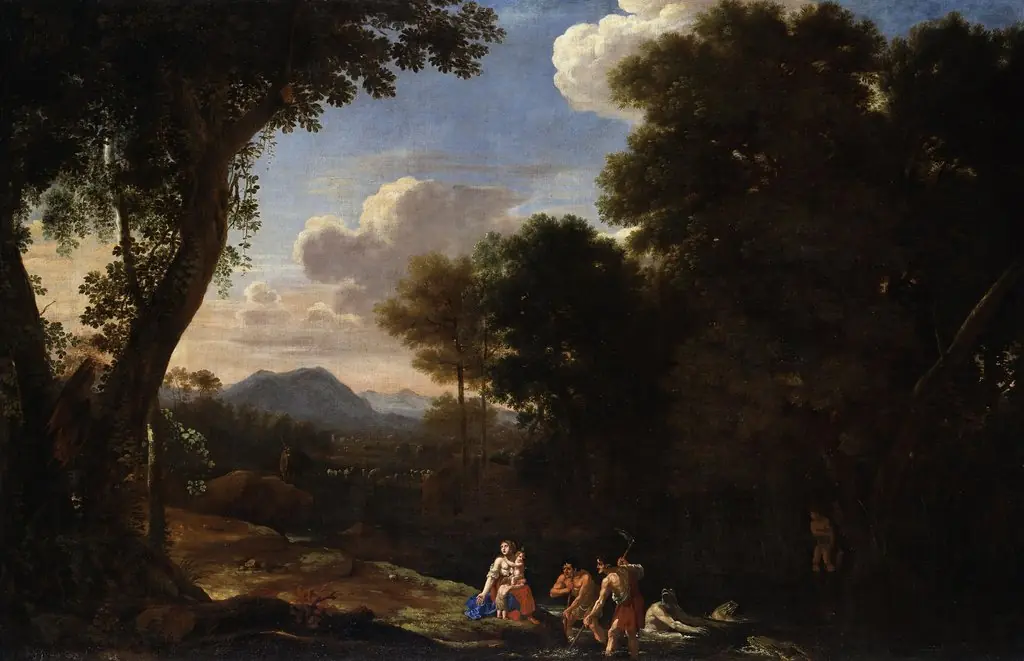 An Italian Landscape with Staffage from the Latona Story
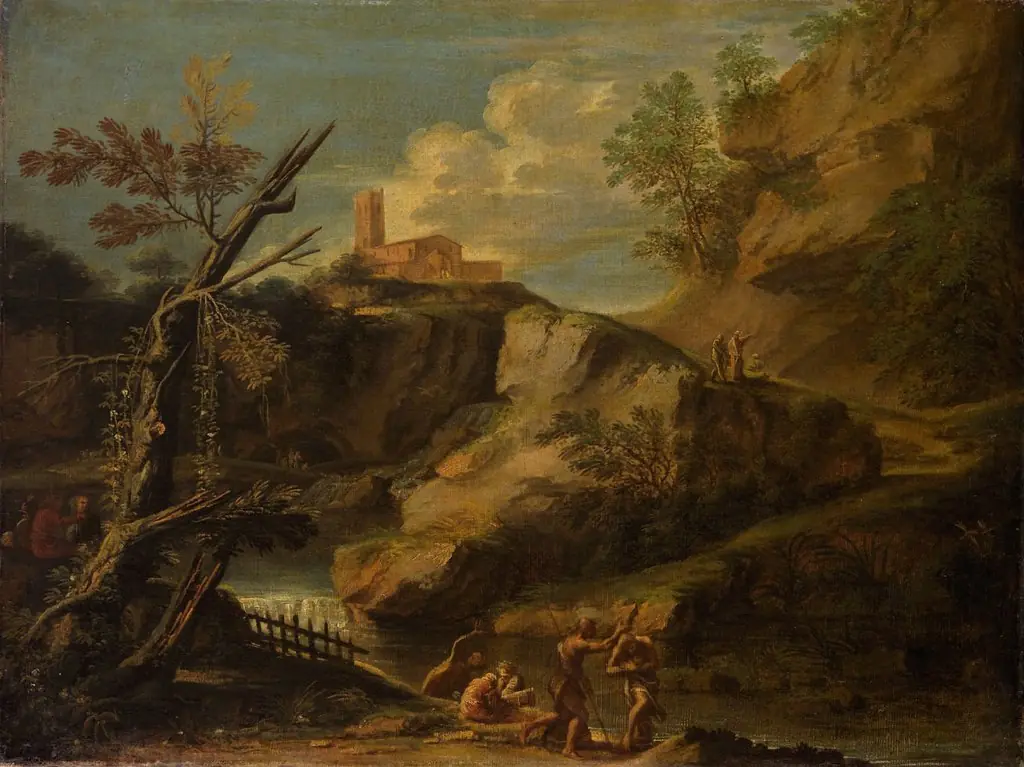 Taufe Christi
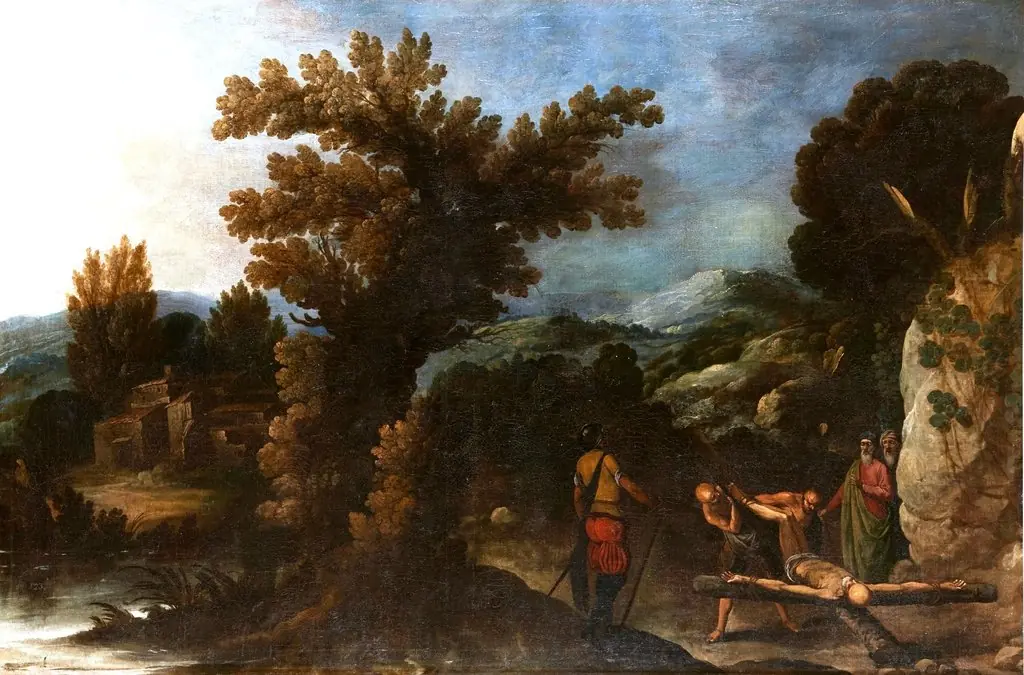 Paisaje con la crucifixión de San Pedro
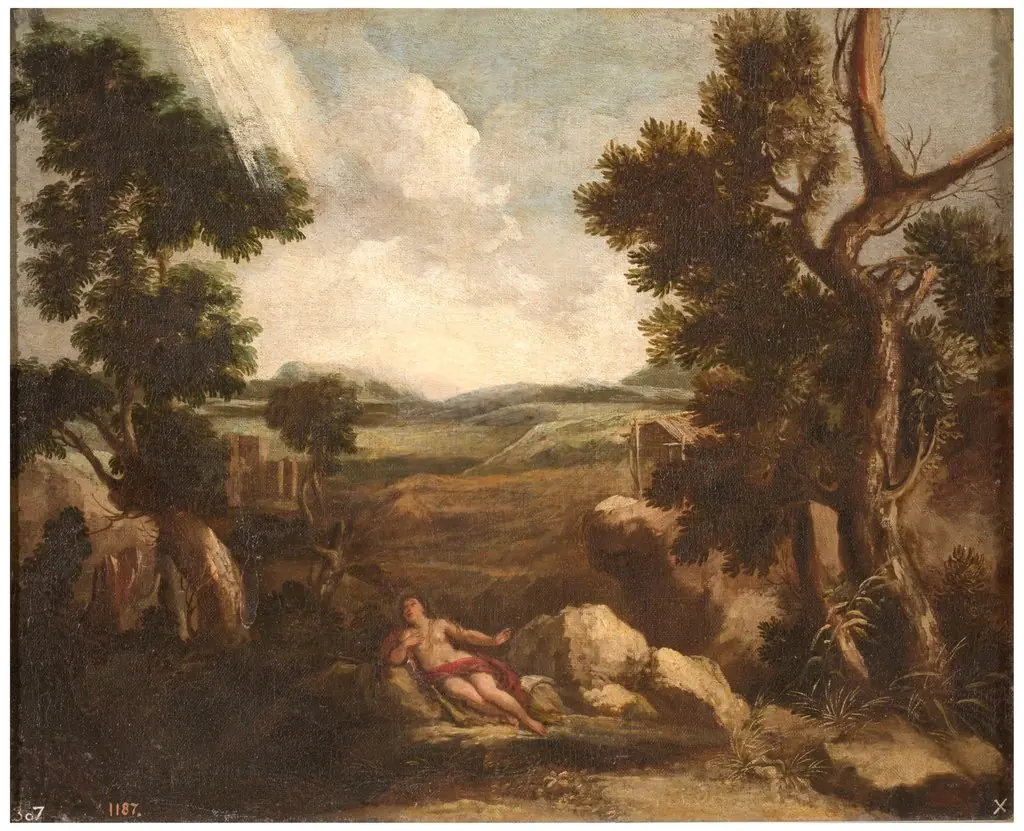 Penitent Magdalen
 Forest Landscape with the Murder of Argus and Mercury
- Landscape with Hunters