Artwork
Panel with the Birth of St. John the Baptist from Retable
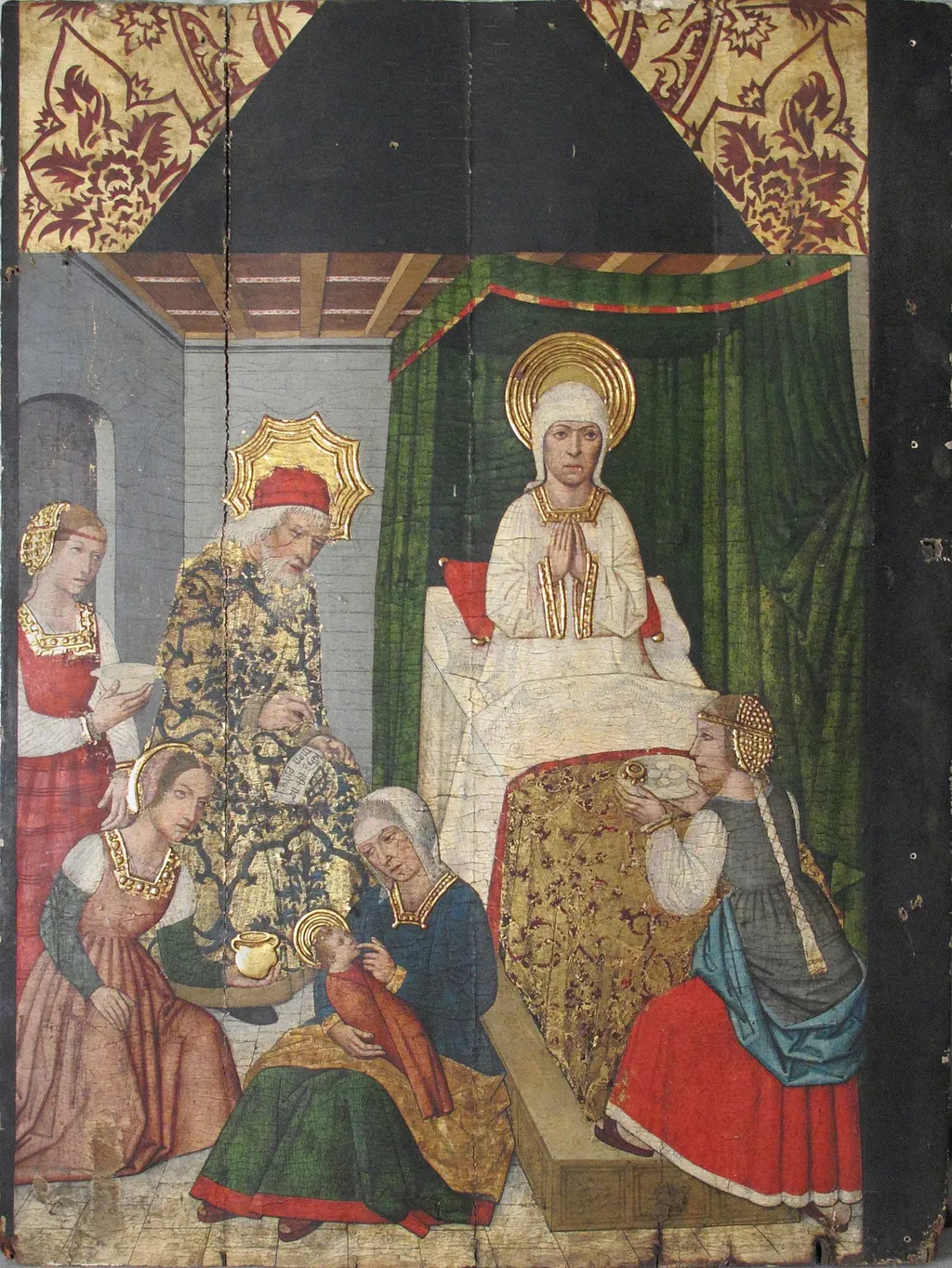
Panel with the Birth of St. John the Baptist from Retable is a tempera painting by the Northern Renaissance artist Domingo Ram. It dates from 1450 and is held in the collection of the Metropolitan Museum of Art. This tempera painting, originally a component of a larger altarpiece, illustrates the birth of Saint John the Baptist.
About this work
Subject & Meaning
Surrounding the bedside are a man and another woman, likely depicting the father and a midwife or attendant, who witness the newborn.
The panel portrays the birth of John the Baptist, serving as its primary subject. The iconography centers on the event of childbirth, featuring a woman lying in a bed to represent the delivery. Surrounding the bedside are a man and another woman, likely depicting the father and a midwife or attendant, who witness the newborn.
The infant is represented as Child Saint John, emphasizing his sacred identity from the moment of birth. As a religious work, the painting visually narrates this pivotal biblical event, symbolizing the divine preparation for the Baptist's future role in Christianity.
Technique & Style
The work is executed in tempera on a wooden panel, a medium typical of mid‑fifteenth‑century Iberian panel painting. The support is a prepared wood panel, and the paint is applied in thin, opaque layers characteristic of tempera technique. Dated to circa 1450, the panel depicts the Birth of Saint John the Baptist within a religious context.
The sources do not provide information on the painting’s handling history, current condition, or specific formal/stylistic qualities such as brushwork, color palette, or compositional devices.
History & Provenance
The panel is housed in the collection of the Metropolitan Museum of Art in New York. It is listed as part of the museum's holdings under the title Panel with the Birth of St. John the Baptist from Retable, attributed to Domingo Ram and dated to 1450. The work is recorded as a tempera on panel religious painting, but the museum's catalog does not disclose an explicit inventory or accession number for this object.
No exhibition history is documented in the sources examined, indicating that the piece has not been featured in publicly recorded exhibitions up to the present.
Overview
This tempera painting, originally a component of a larger altarpiece, illustrates the birth of Saint John the Baptist. It presents an intimate, dimly lit interior scene where the newborn is presented to his mother, Elizabeth, amidst a gathering of attendants. The artwork's rich colors, intricate details, and extensive use of gold leaf emphasize the sacred nature of the event, reflecting typical artistic conventions for religious narratives of its era.
Context
This panel once formed part of a retable, or altarpiece, likely commissioned for a church. Such multi-panel works served a crucial function in religious settings, visually narrating biblical stories and providing focal points for devotion. The detailed depiction of the Birth of Saint John the Baptist would have offered congregants a rich visual experience, reinforcing religious teachings and inspiring contemplation during worship.
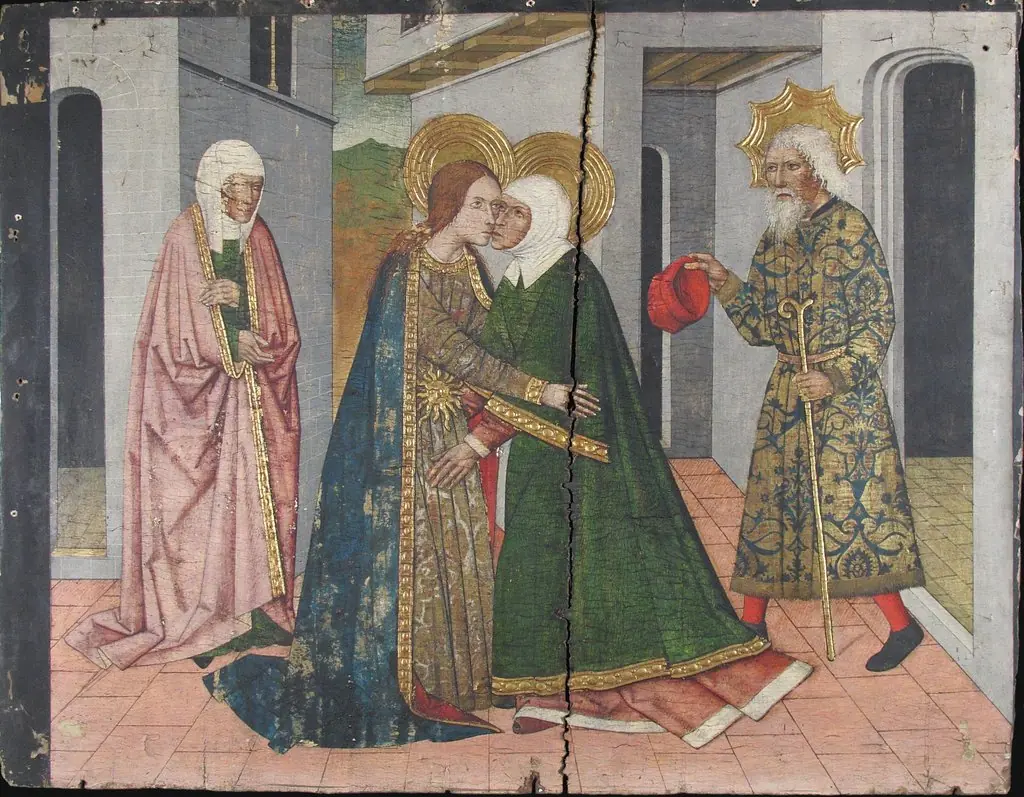
Own this work as a print
Artist & collection

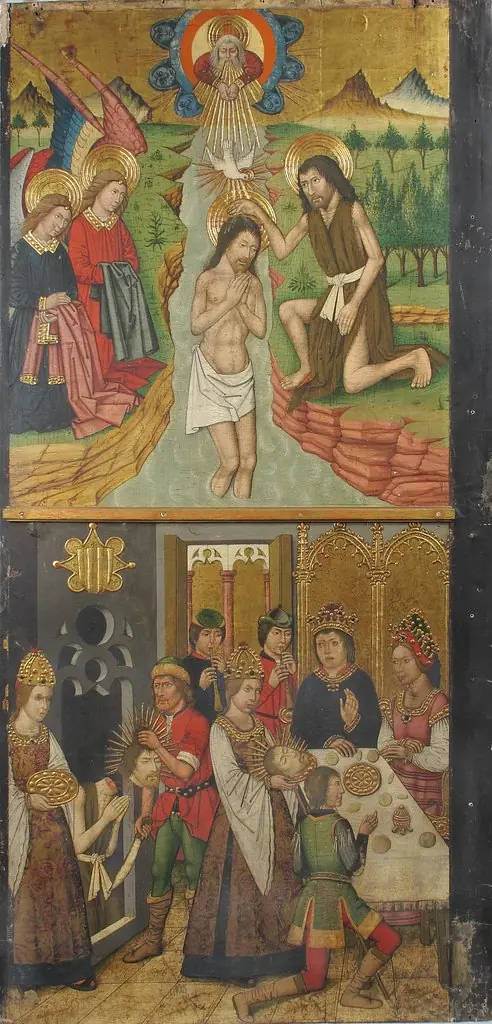 Panel from Saint John Retable
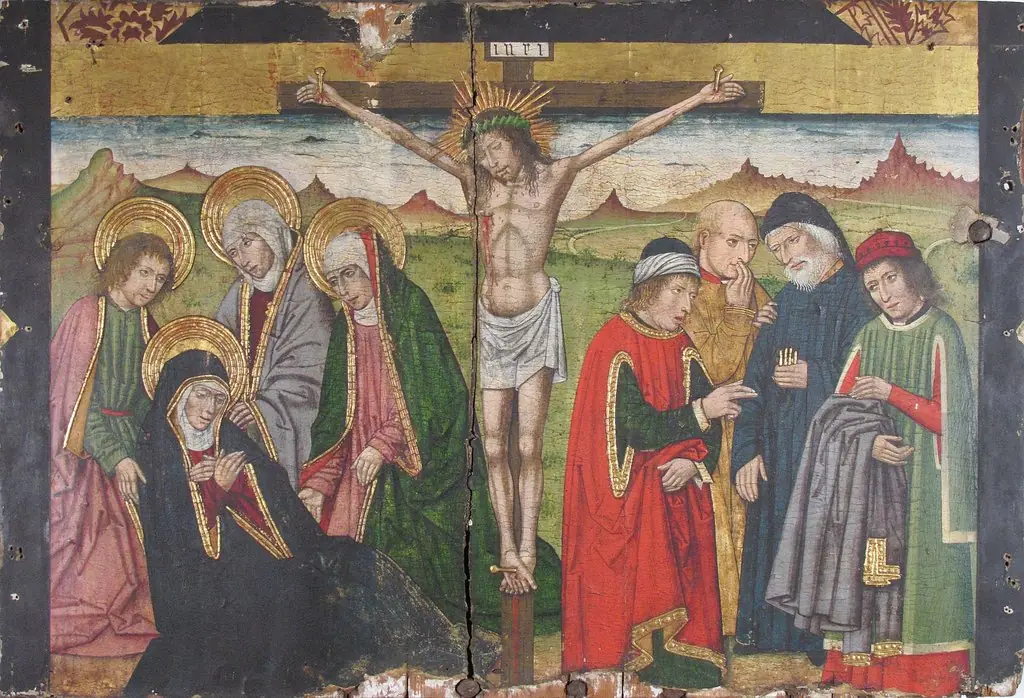 Panel with The Crucifixion from Retable
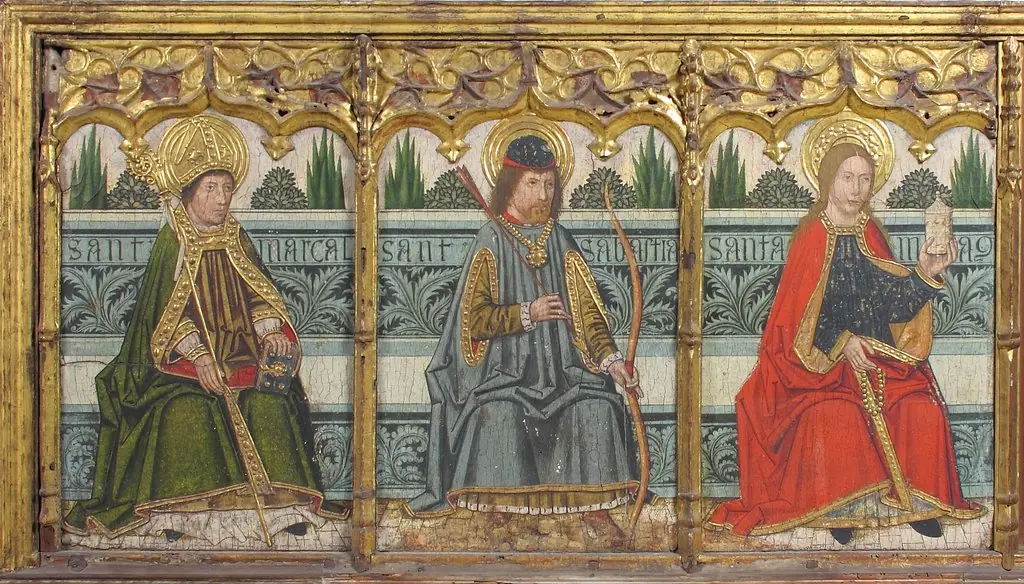 Predella panel with Saint Martial, Saint Sebastian, and Saint Mary Magdalen from Retable
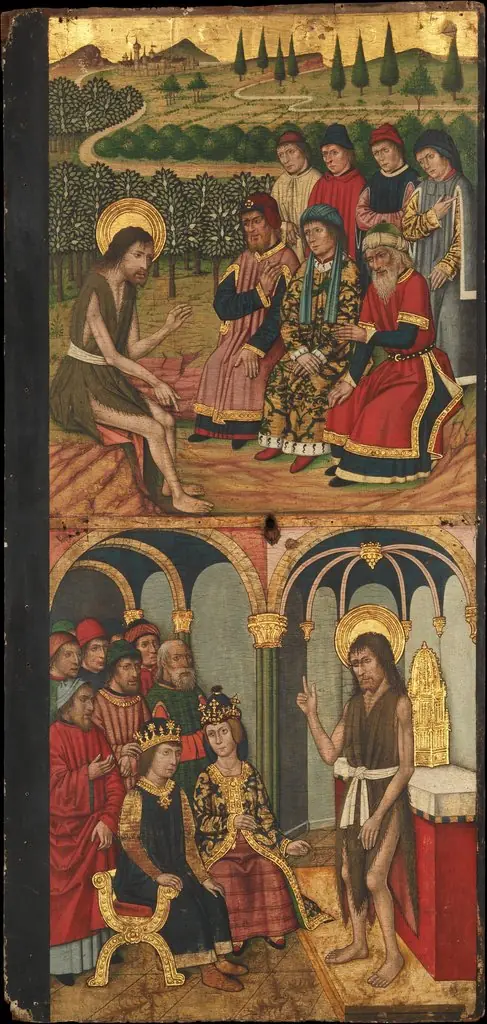 Panel of Saint John the Baptist with Scenes from His Life
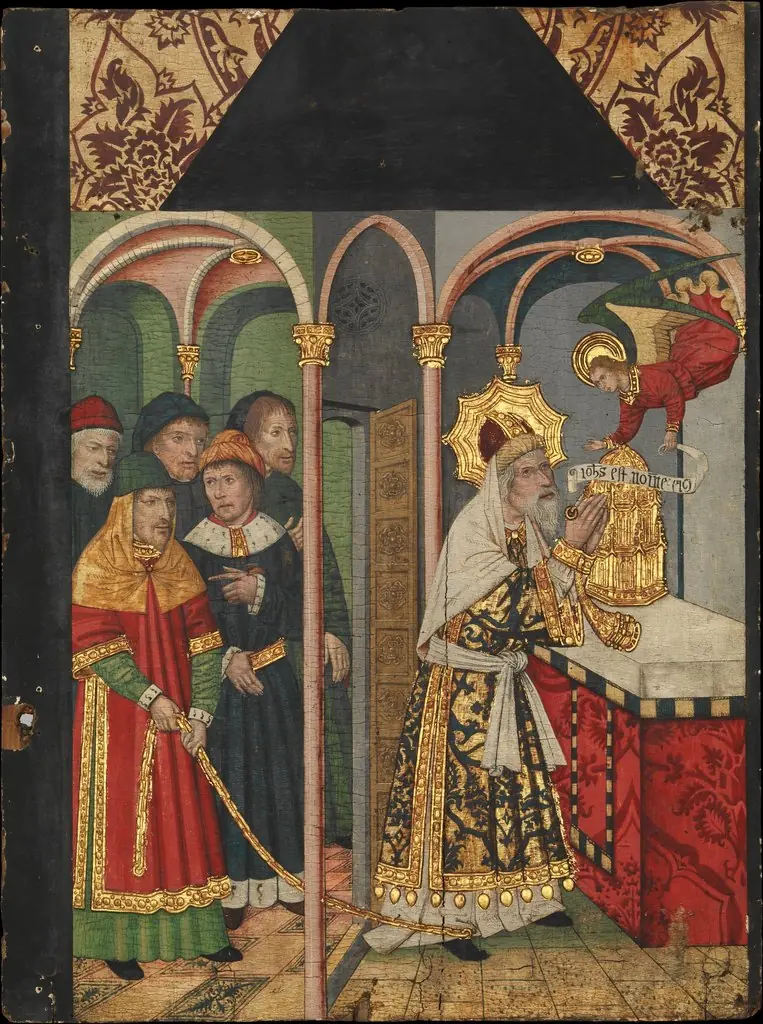 Panel with the Angel Appearing to Zacharias (from a Retable depicting Saint John the Baptist and scenes from his life)
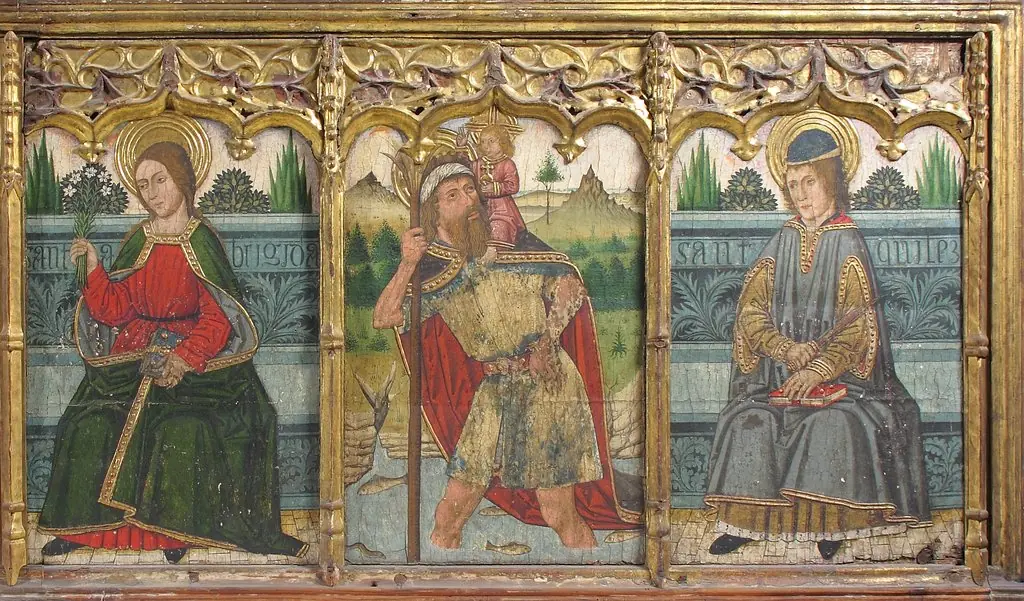 Predella pane with Saint Bridget, Saint Christopher, and Saint Kilian from Retable
- The Visitation Panel from Saint John Retable
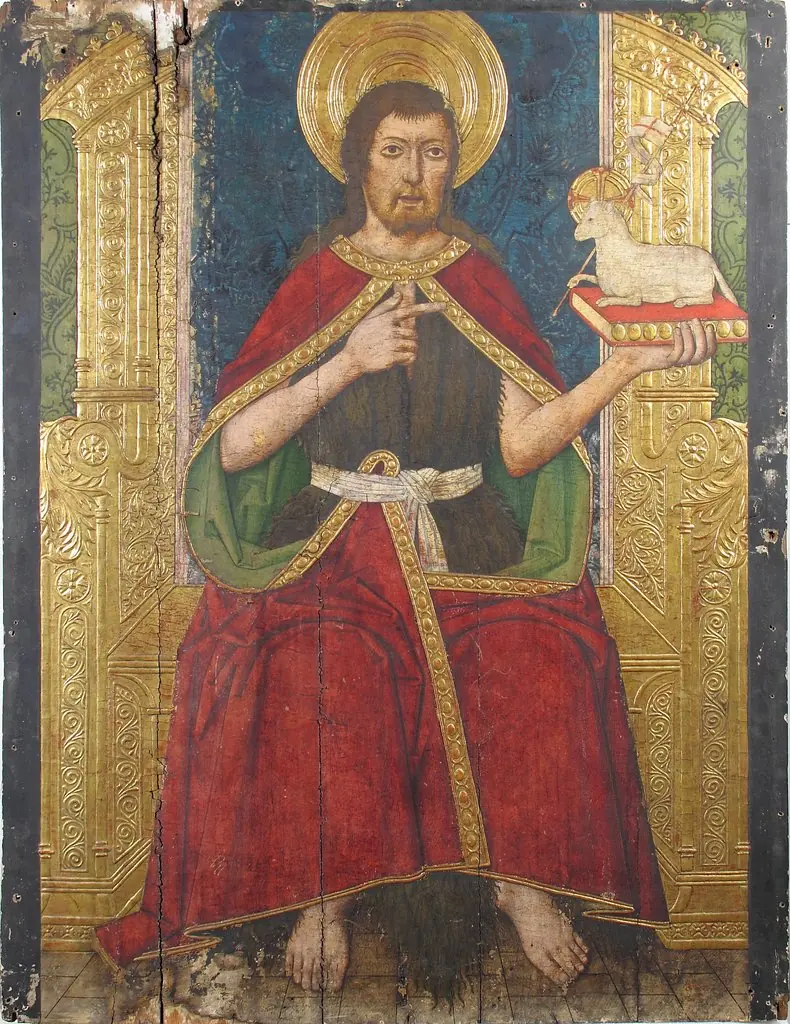 Panel with Saint John the Baptist Enthroned from Retable