Artwork
Panel of Saint John the Baptist with Scenes from His Life
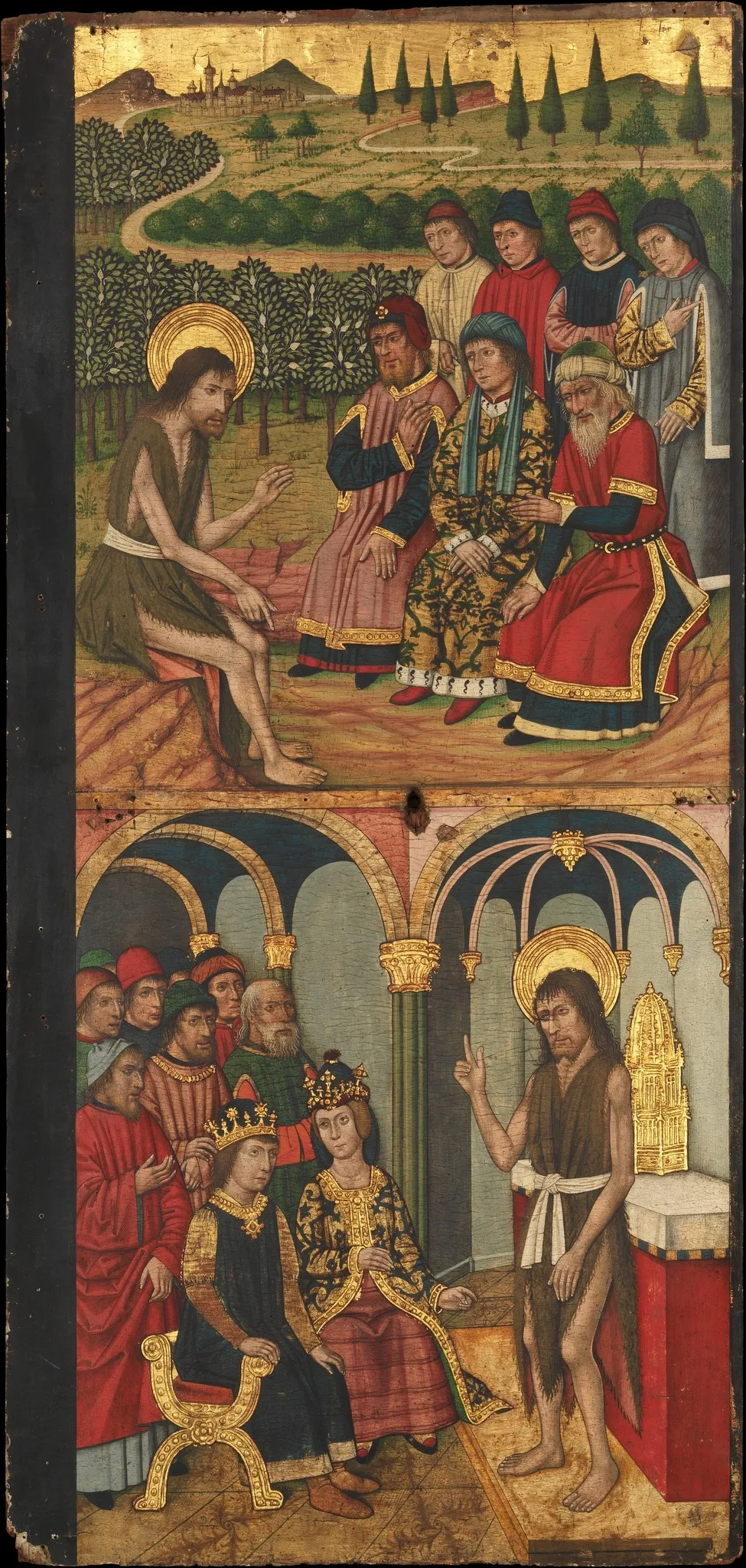
Panel of Saint John the Baptist with Scenes from His Life is a tempera painting by the Northern Renaissance artist Domingo Ram. It dates from 1500 and is held in the collection of the Metropolitan Museum of Art.
About this work
Subject & Meaning
The Metropolitan Museum of Art, which holds the work, classifies it broadly as religious art, consistent with its devotional function.
The panel centers on Saint John the Baptist as its principal figure, rendered in tempera on panel by Domingo Ram in 1500. According to the work's cataloguing, the composition depicts John the Baptist alongside a woman and a man, with Herod the Great also identified among the figures portrayed. This combination of subjects points to a narrative program drawn from the Baptist's life and martyrdom, in which Herod and the female figure most likely refer to the episode in which Salome, at the prompting of her mother Herodias, requests and receives the Baptist's head.
The inclusion of Herod within the depicted cast situates the panel within the longstanding iconographic tradition of presenting the Baptist not only as a solitary preacher in the wilderness but also as a martyr entangled in the politics of the Herodian court. The Metropolitan Museum of Art, which holds the work, classifies it broadly as religious art, consistent with its devotional function.
Technique & Style
The panel depicts Saint John the Baptist surrounded by narrative scenes from his life, arranged within a unified composition typical of religious painting. The work is executed in tempera on a wooden panel, a support recorded in the catalog, and measures roughly 151 cm in height by 72.7 cm in width. The central half-length portrait of the saint is balanced by subsidiary episodes that guide the viewer's eye across the surface, reflecting a deliberate formal arrangement.
History & Provenance
Created in 1500, this tempera-on-panel work is attributed to the artist Domingo Ram. The piece, depicting Saint John the Baptist alongside scenes involving figures such as Herod the Great, was produced as a religious painting at the turn of the sixteenth century. It was acquired by the Metropolitan Museum of Art in New York, where it currently resides as part of the permanent collection, measuring approximately 151.1 cm in height and 72.7 cm in width.
While specific details regarding its original commission or early ownership are not provided, no accession number or exhibition record is cited in the available sources.
Context
The panel, executed circa 1500 in tempera on wood, depicts Saint John the Baptist alongside narrative episodes from his life and features figures such as Herod the Great; it is classified as a religious work within the corpus of Domingo Ram's output. Its inclusion in the Metropolitan Museum of Art's collection underscores its recognized importance in early sixteenth-century Iberian painting and provides a key reference point for scholarship on Ram's stylistic development and the broader trajectory of Spanish religious art of the period. The work's iconography and material technique have been cited in art-historical studies as exemplars of devotional panel painting, situating Ram within the transitional phase between late Gothic and early Renaissance visual language.
Overview
Domingo Ram completed the Panel of Saint John the Baptist with Scenes from His Life around 1500. This tempera painting presents a narrative sequence, focusing on key moments from the life of Saint John the Baptist. The artwork is currently part of the collection at The Metropolitan Museum of Art, offering insight into religious art production at the turn of the 16th century.
Artist & collection

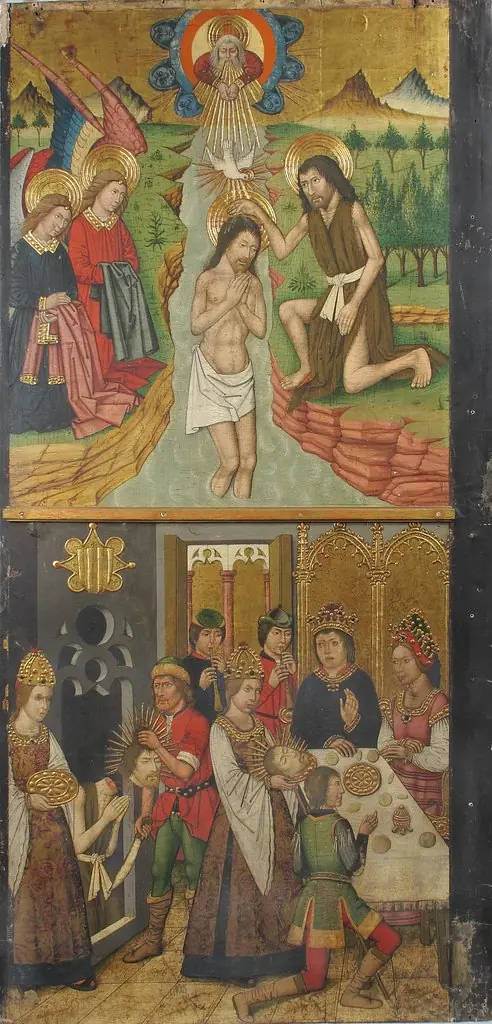 Panel from Saint John Retable
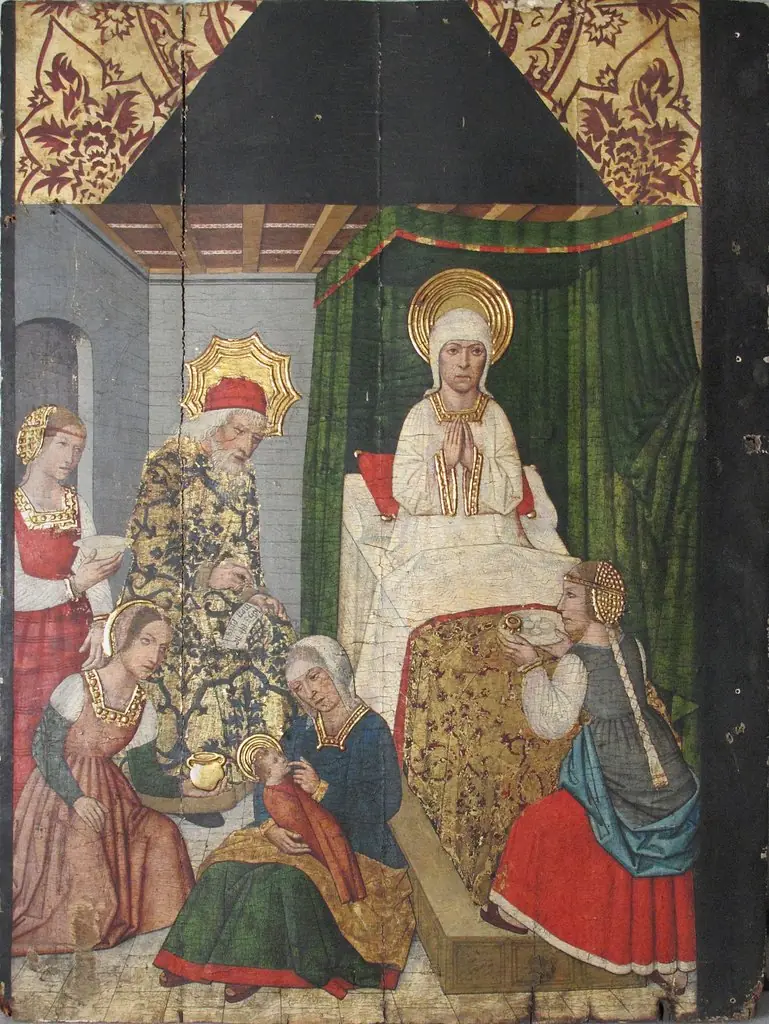 Panel with the Birth of St. John the Baptist from Retable
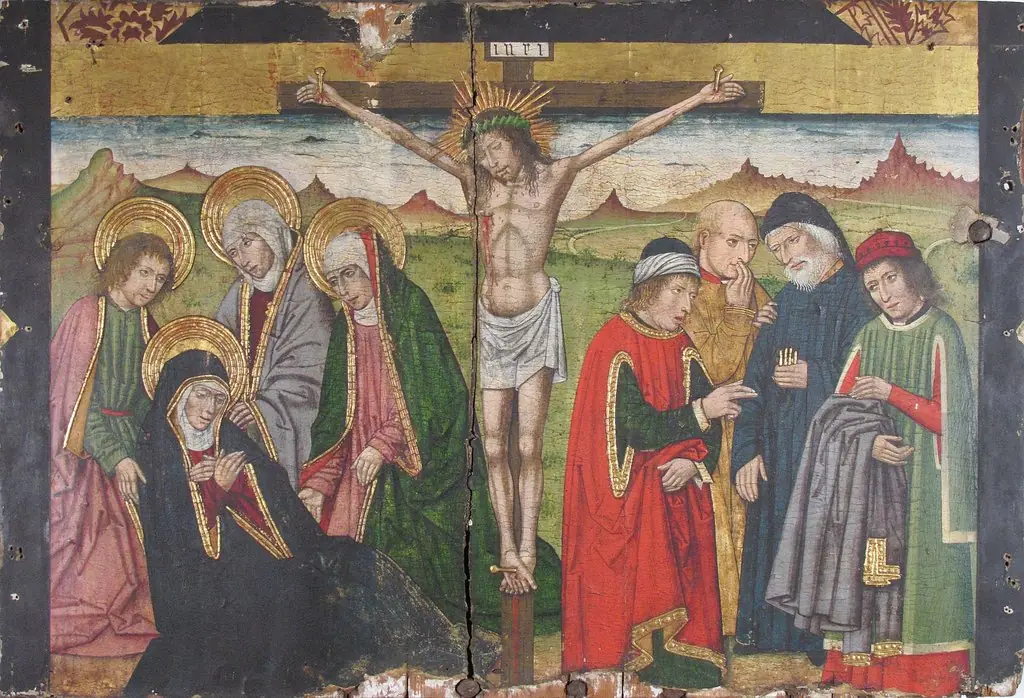 Panel with The Crucifixion from Retable
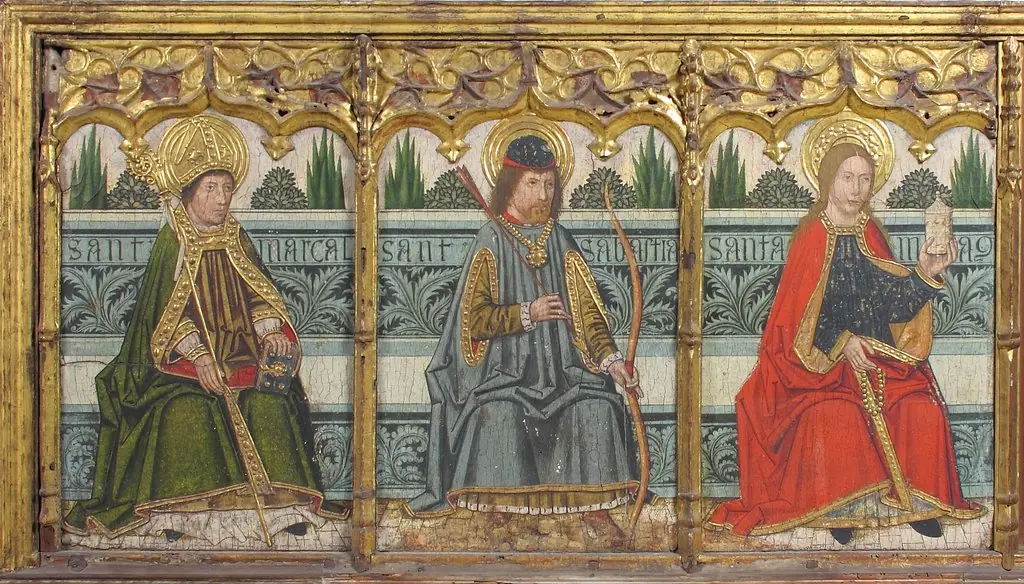 Predella panel with Saint Martial, Saint Sebastian, and Saint Mary Magdalen from Retable
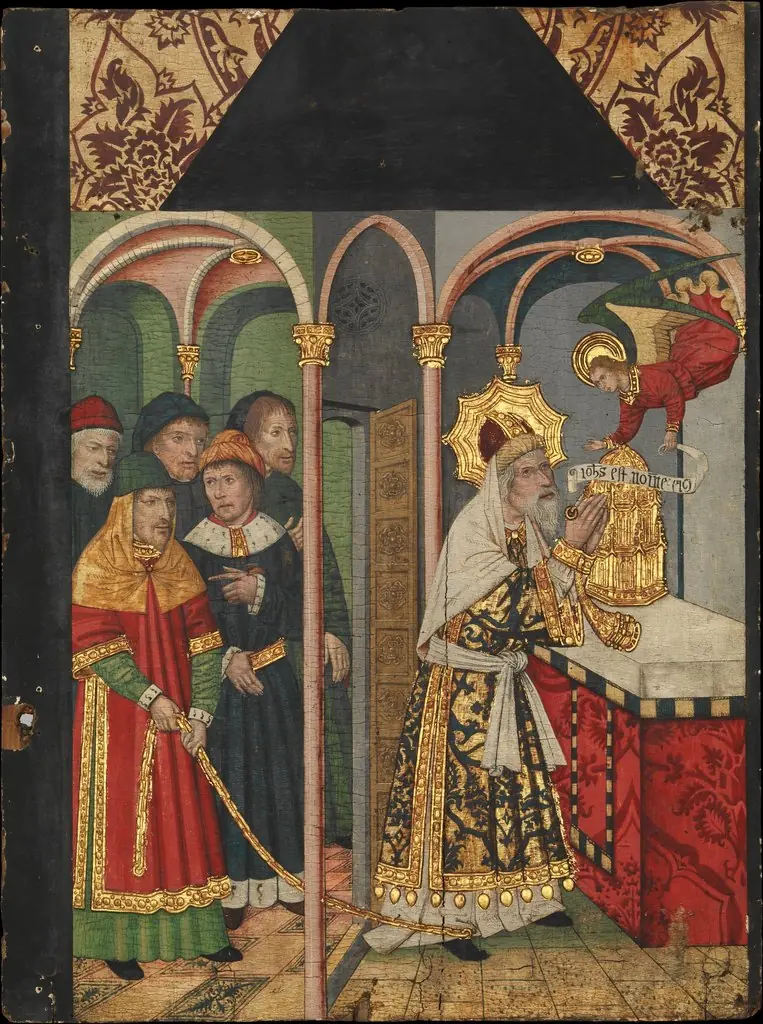
- Panel with the Angel Appearing to Zacharias (from a Retable depicting Saint John the Baptist and scenes from his life)
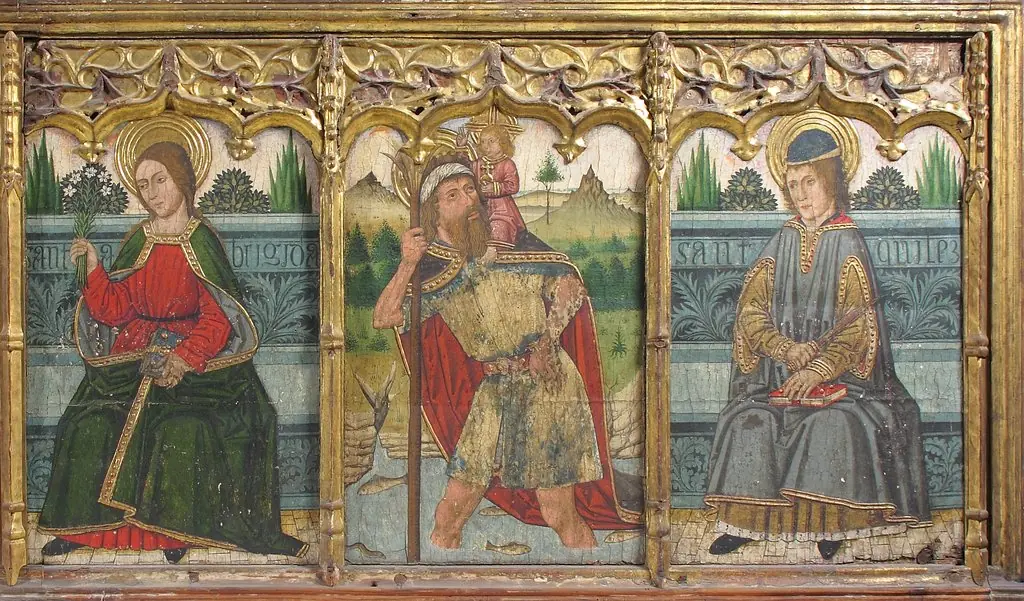 Predella pane with Saint Bridget, Saint Christopher, and Saint Kilian from Retable
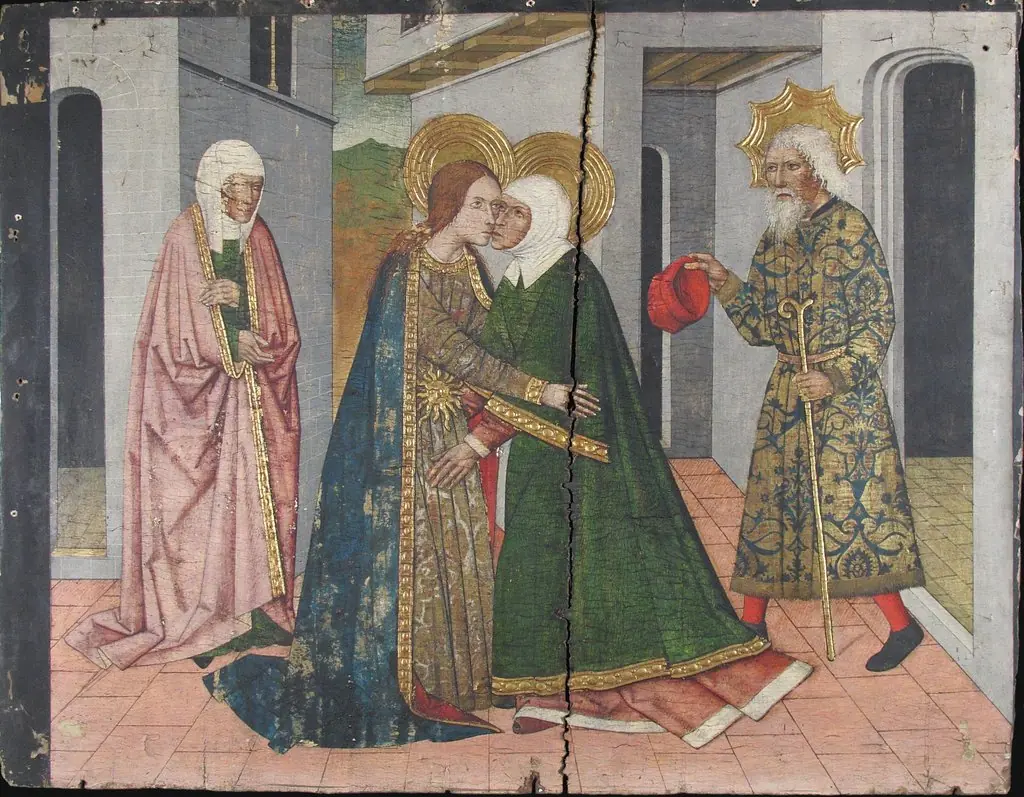 The Visitation Panel from Saint John Retable
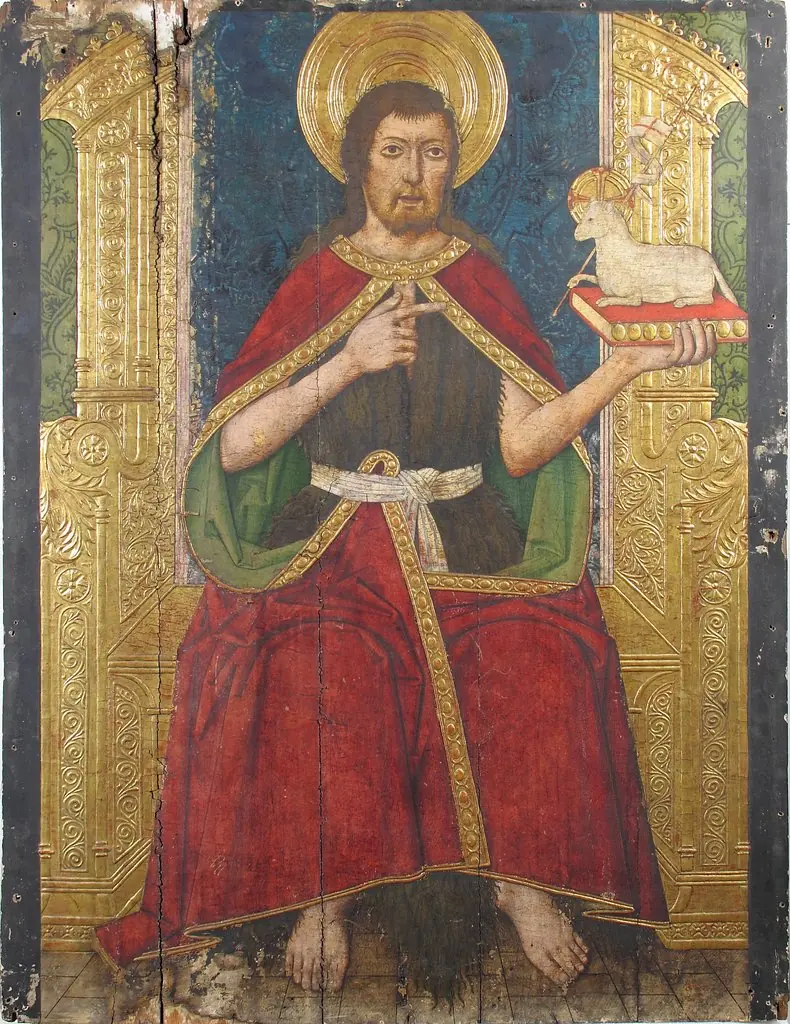 Panel with Saint John the Baptist Enthroned from Retable
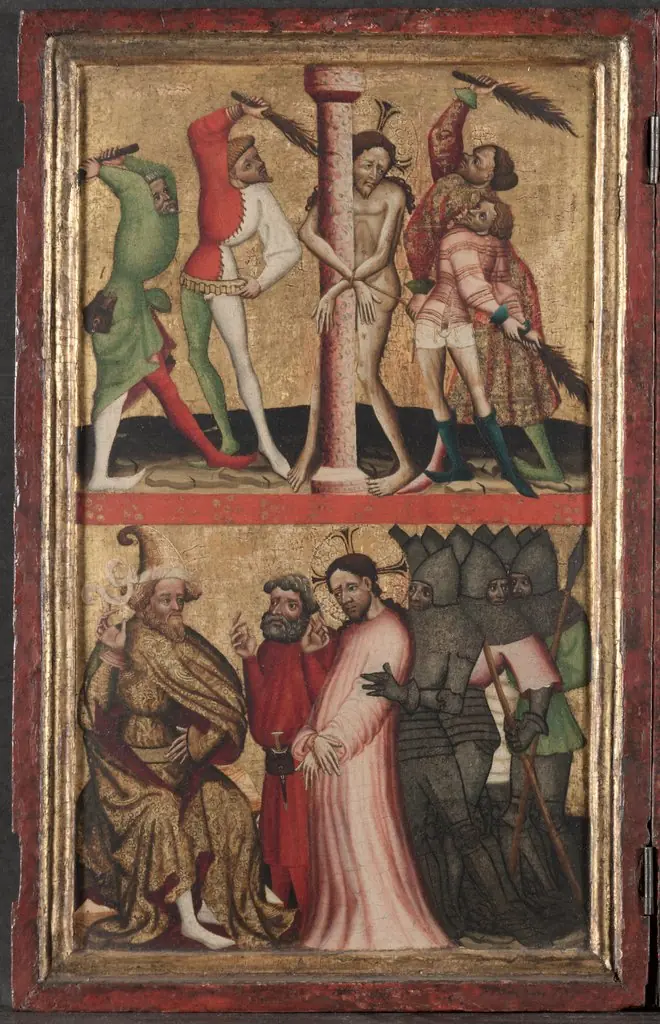 Diptych with the Passion of Christ (left wing):Flagellation and Christ Before Pilate
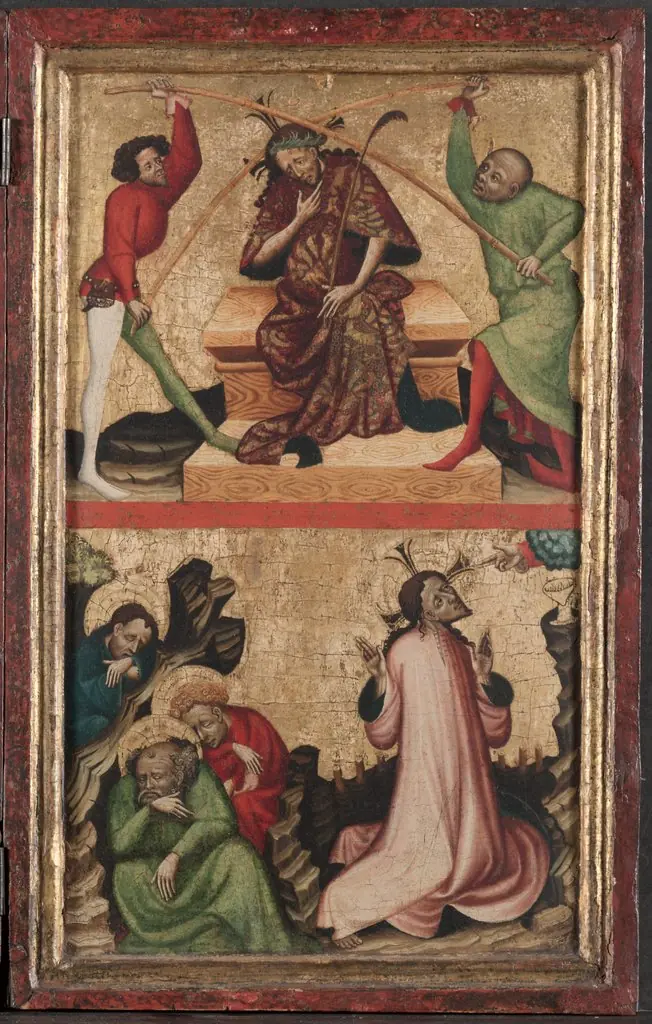 Diptych with the Passion of Christ (right wing): Crowning with Thorns and Agony on the Garden
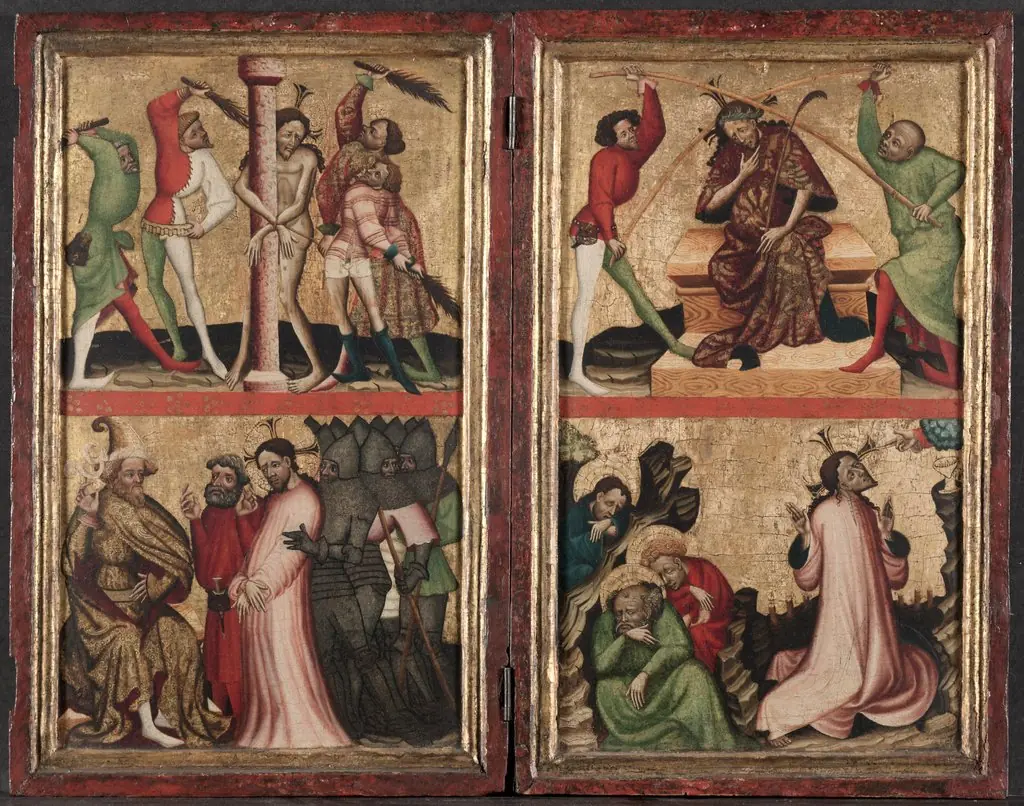 Diptych with the Passion of Christ
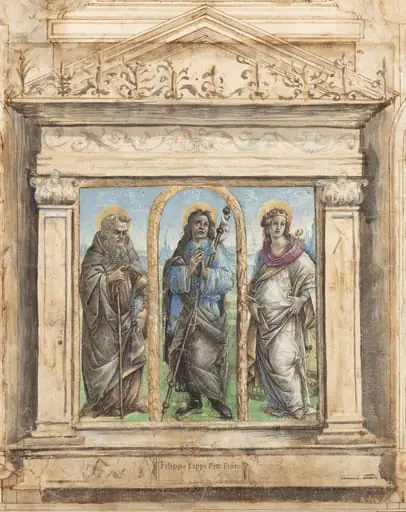 Saint Roch between Saints Anthony Abbot and Catherine of Alexandria
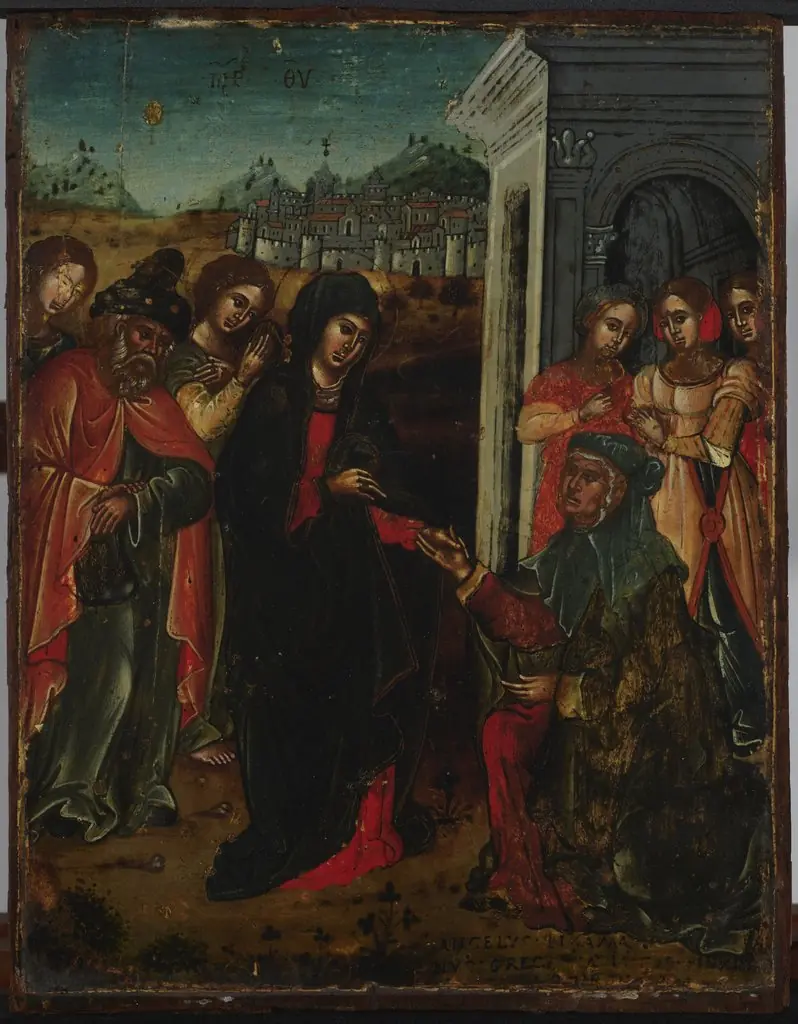 The Visitation
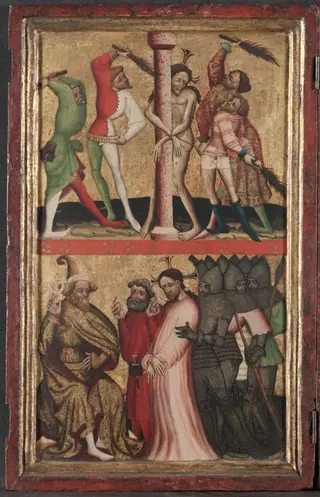 Diptych with the Passion of Christ (left wing):Flagellation and Christ Before Pilate
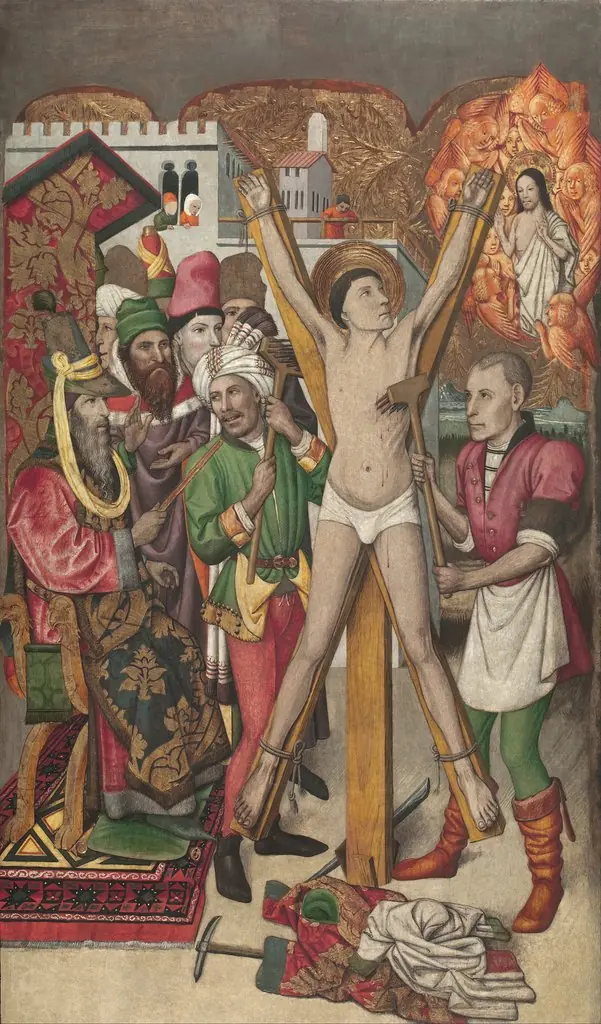 Saint Vincent on the Rack
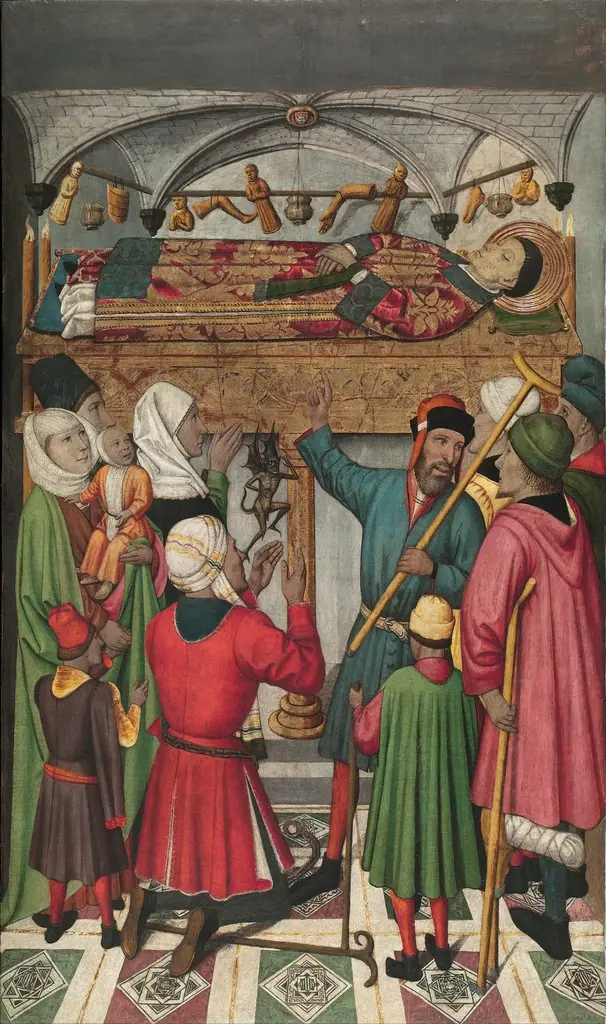 Posthumous Miracles by Saint Vincent
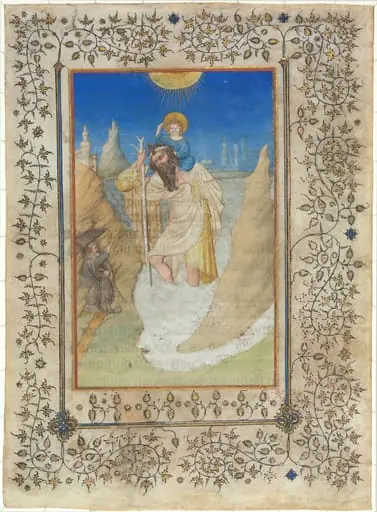 Saint Christopher Carrying the Christ Child
![The Calumny of Apelles [fol. 6 recto]](https://artifactworldgallery.com/img/the-calumny-of-apelles-fol-6-recto--037fde9ac8dbd27b-w320.webp) The Calumny of Apelles [fol. 6 recto]
The Calumny of Apelles [fol. 6 recto]