Artwork
Madame Hessel at Home
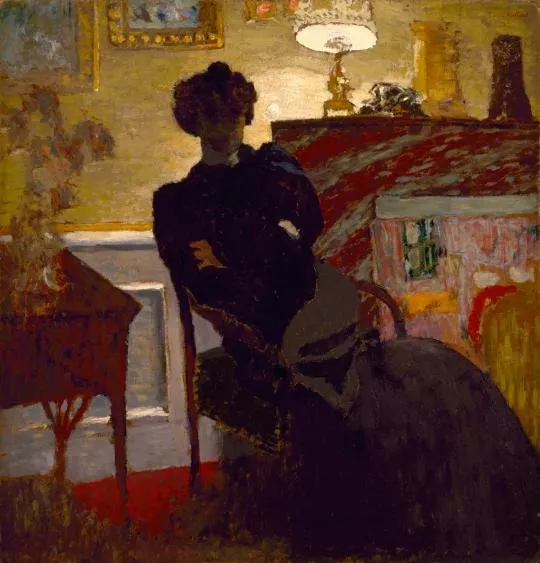
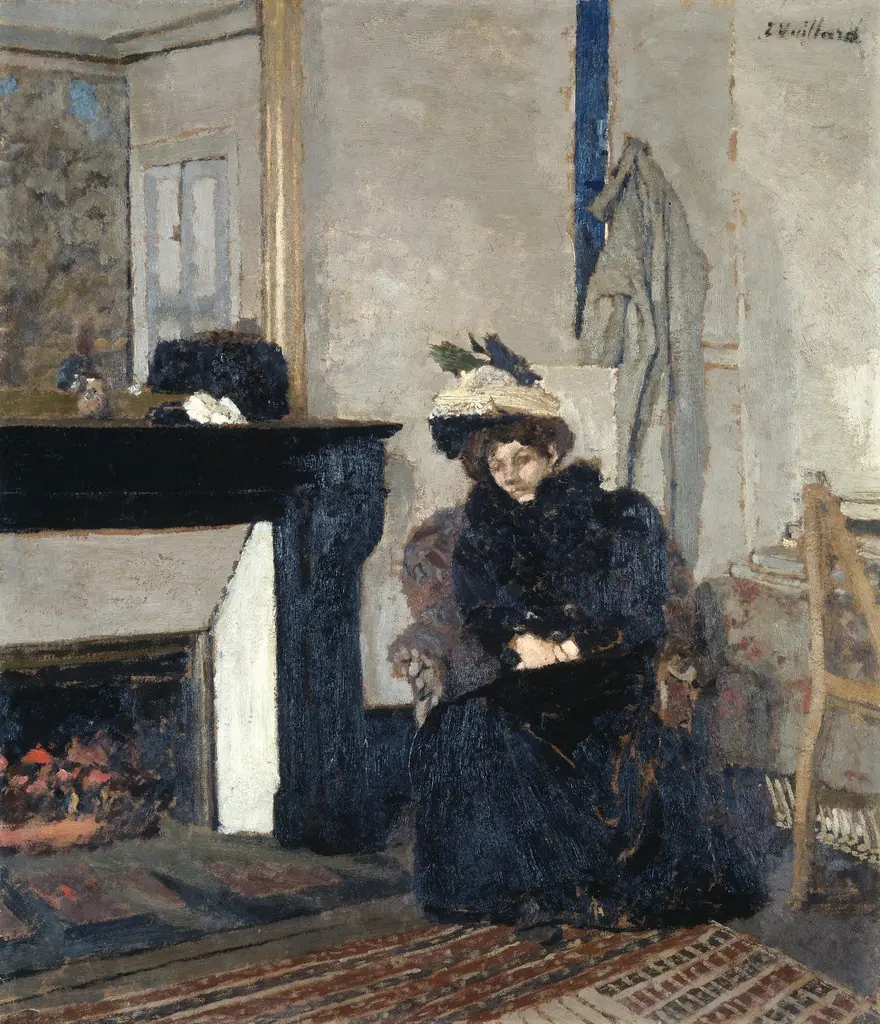
Madame Hessel at Home is an oil painting by the Les Nabis artist Édouard Vuillard. It dates from 1908 and is held in the collection of the Museum of Fine Arts, Houston.
About this work
Overview
The composition is grounded in observed reality, reflecting Vuillard’s evolving approach to painting after the dissolution of the Nabis.
Painted in 1908 by Édouard Vuillard, this oil on canvas depicts an intimate interior scene. Vuillard, once associated with the Nabis group, had moved beyond their symbolic, decorative style by this time. The work captures a quiet domestic moment with restrained detail, emphasizing atmosphere over narrative.
The composition is grounded in observed reality, reflecting Vuillard’s evolving approach to painting after the dissolution of the Nabis.
Subject & Meaning
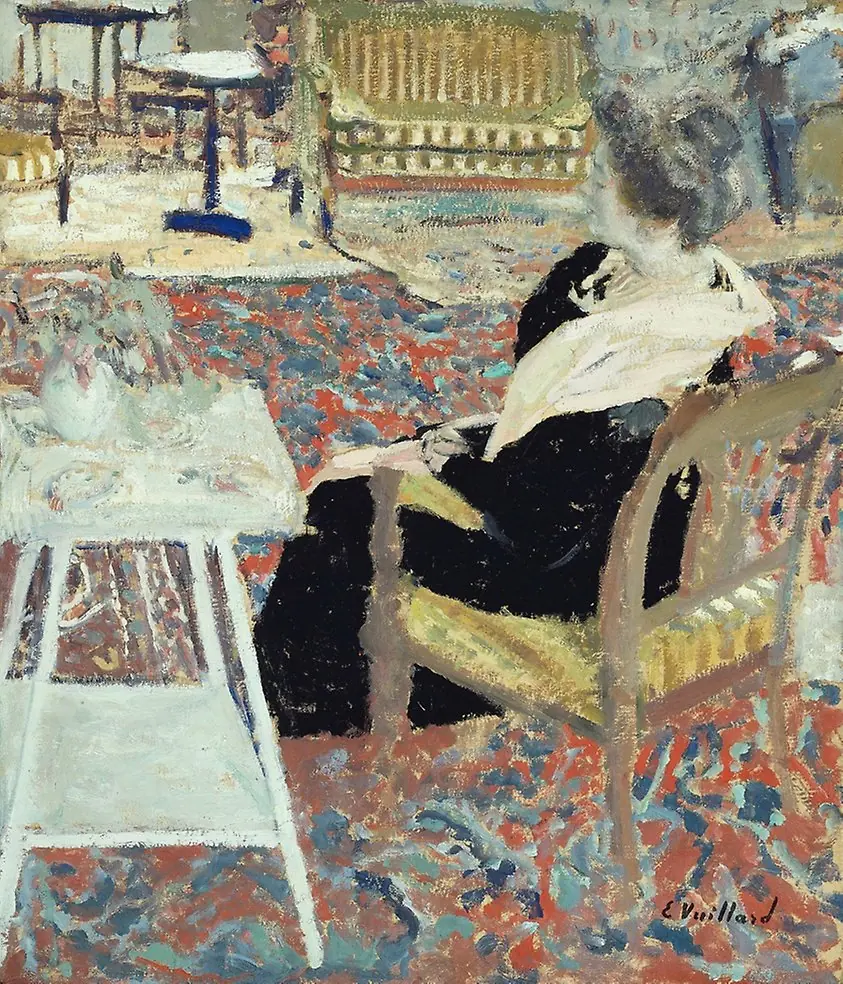
The figure is Madame Hessel, seated with her back turned, absorbed in the stillness of her surroundings. Her anonymity invites contemplation rather than identification, shifting focus to the environment she inhabits. The scene conveys a sense of private repose, where personal space becomes a quiet monument to daily life. The absence of her face underscores the painting’s emphasis on mood and setting over individual identity.
Technique & Style
Vuillard employs flattened planes and subtle tonal shifts to model space, avoiding sharp perspective. Patterns in the rug and wallpaper are rendered with careful attention to texture, yet remain integrated into the overall composition. Light is diffused and warm, softening edges and unifying surfaces.
The palette, dominated by earth tones and muted reds, creates harmony without dramatic contrast, reflecting a move away from the Nabis’ bold color fields toward a more naturalistic sensibility.
History & Provenance
Commissioned by the Hessel family, the painting remained in their possession for decades. It entered a public collection in the mid-20th century, where it has since been studied as an example of Vuillard’s mature interior scenes. Its continuity of ownership offers rare insight into the relationship between artist and patron in early 20th-century Paris, particularly among the bourgeois circles Vuillard often depicted.
Context
Created during a period when many artists were turning toward realism or abstraction, Vuillard’s work occupied a middle ground. He retained elements of decorative patterning from his Nabis years but grounded them in observed domestic life. This painting reflects broader cultural shifts in France, where the private home became a subject of artistic interest, valued for its emotional resonance rather than its grandeur.
Legacy
Madame Hessel at Home exemplifies Vuillard’s contribution to modern interior painting, neither theatrical nor abstract, but quietly observational. It influenced later artists interested in the psychological weight of domestic spaces. The work’s restraint and attention to texture and light helped redefine the possibilities of the genre, moving beyond anecdote toward a more contemplative form of realism.
Artist & collection
Artist
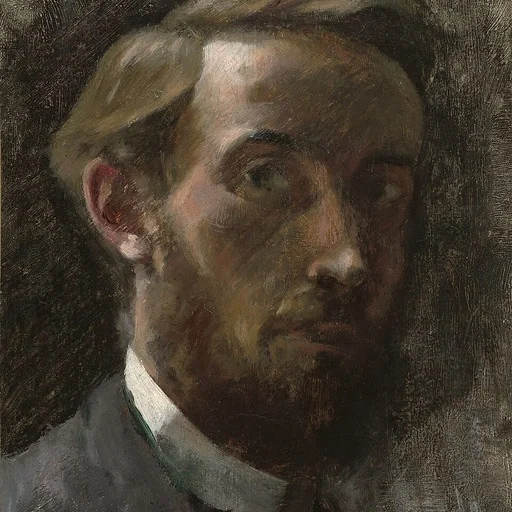
Jean-Édouard Vuillard (French:; 11 November 1868 – 21 June 1940) was a French painter, decorative artist, and printmaker.

 Madame Arthur Fontaine in a Pink Shawl
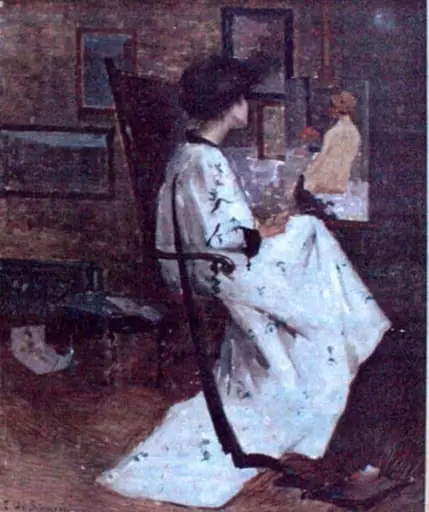 Femeie în atelier
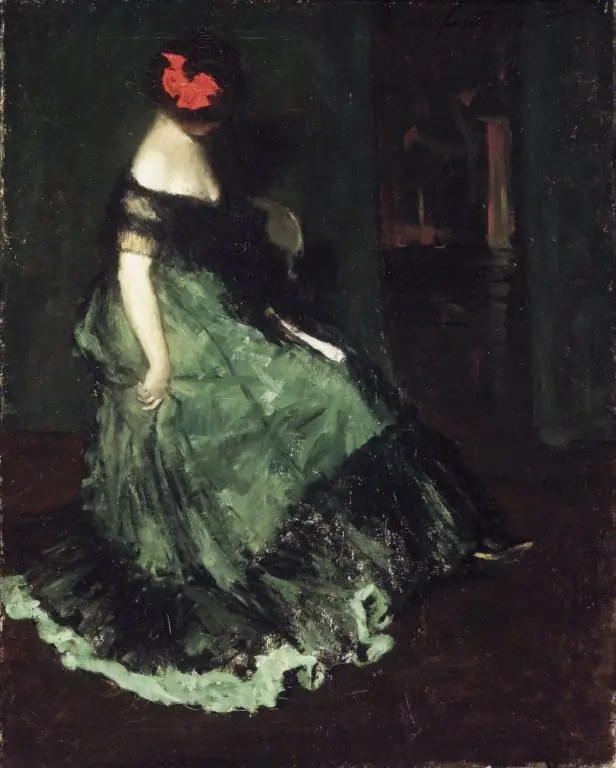 The Red Bow
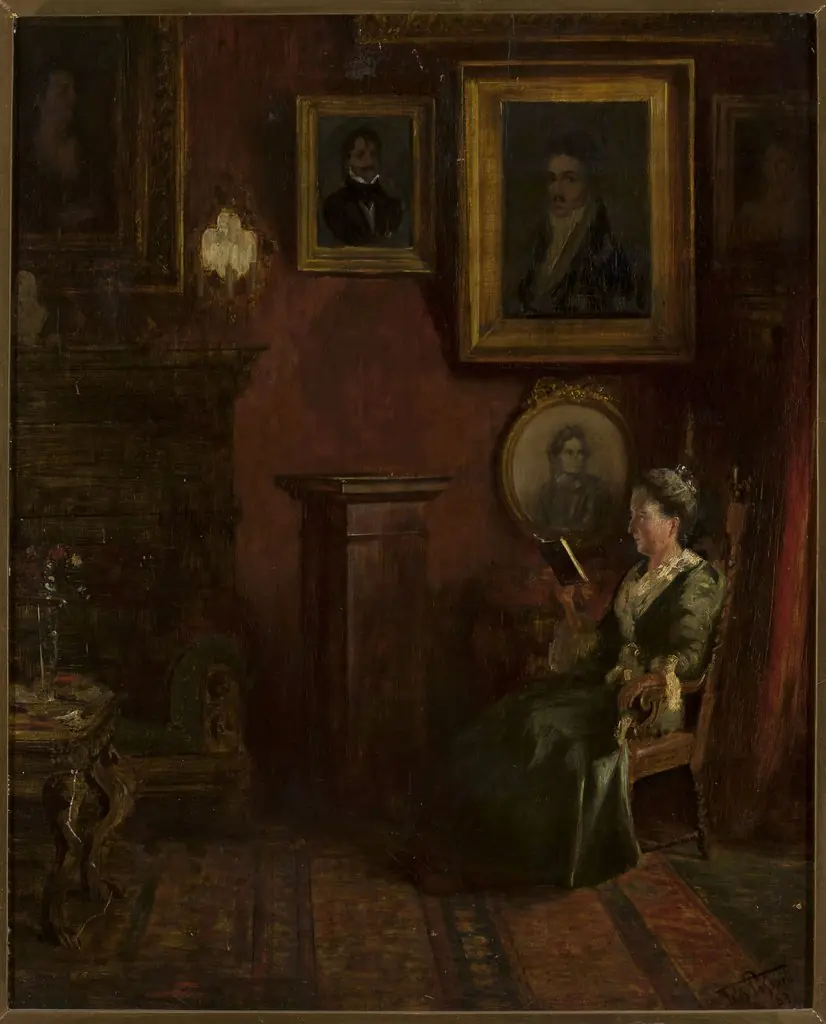 Portrait of a woman in an armchair
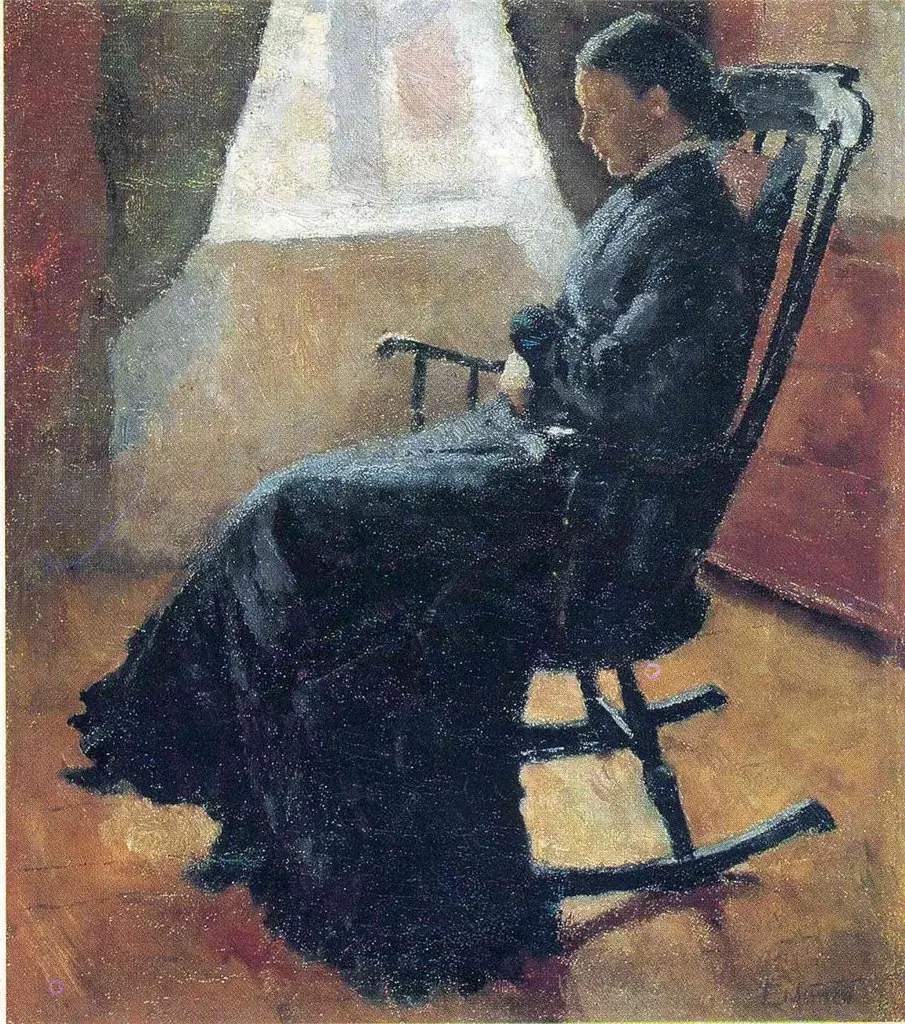 Karen Bjølstad in the Rocking Chair
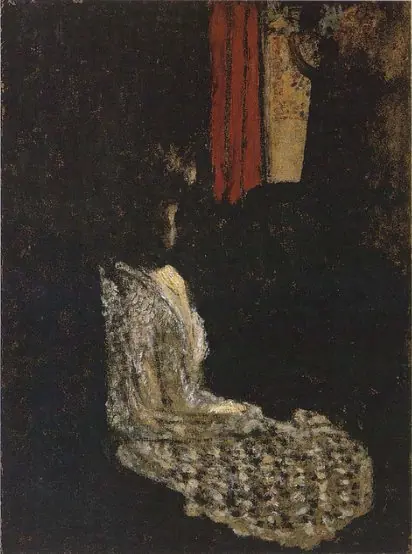 Femme assise dans une pièce sombre
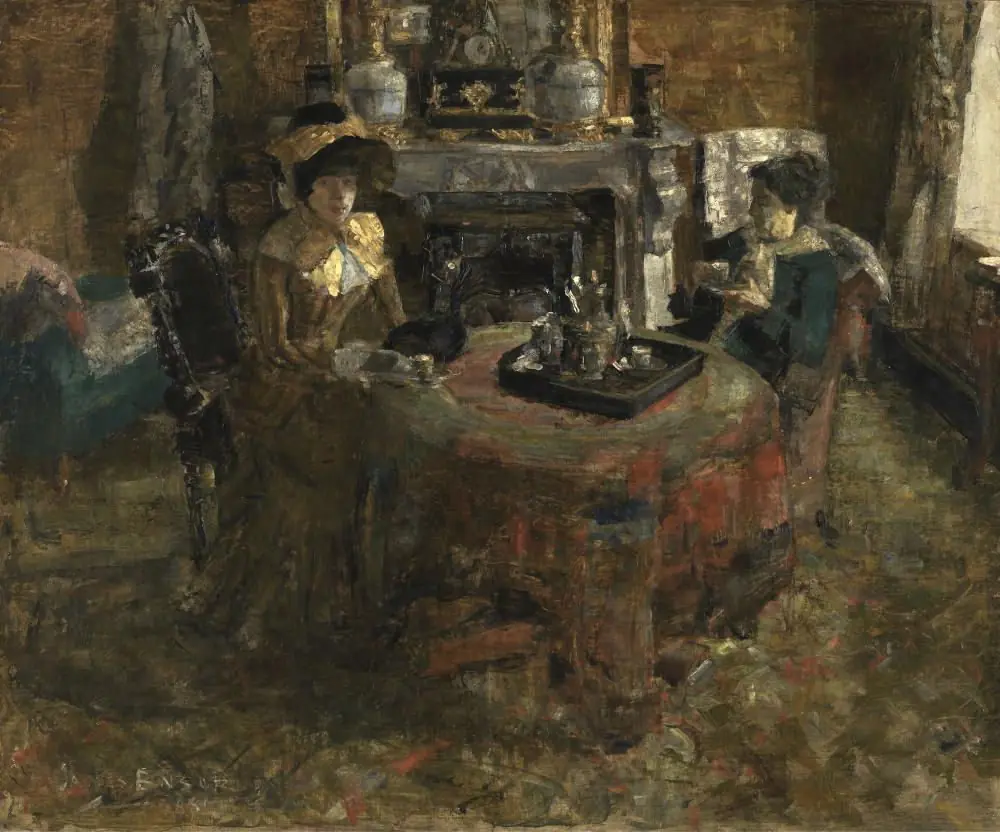 Afternoon in Ostend
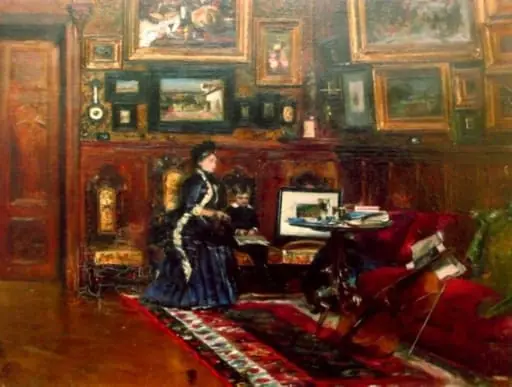 În atelierul pictorului. Doamna Aman cu nepotul
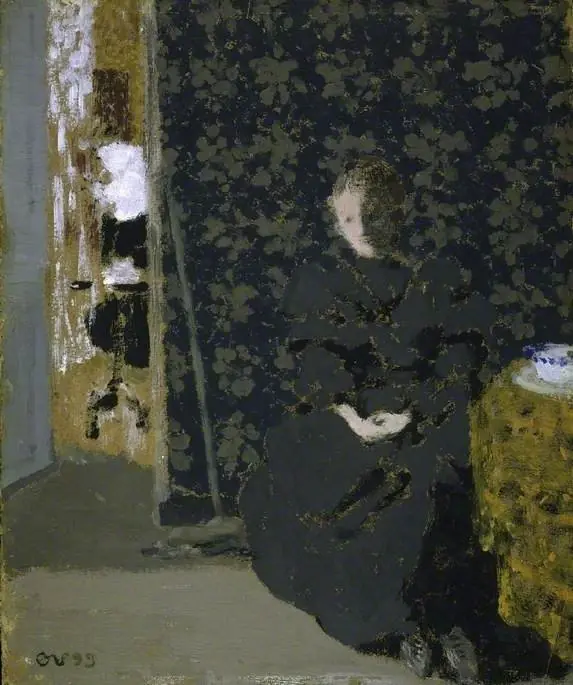 Femme Assise: Tasse de Café
 Woman in a Black Dress
- Lucie Hessel
 The Visitor