Artwork
Corn Husking at Nantucket
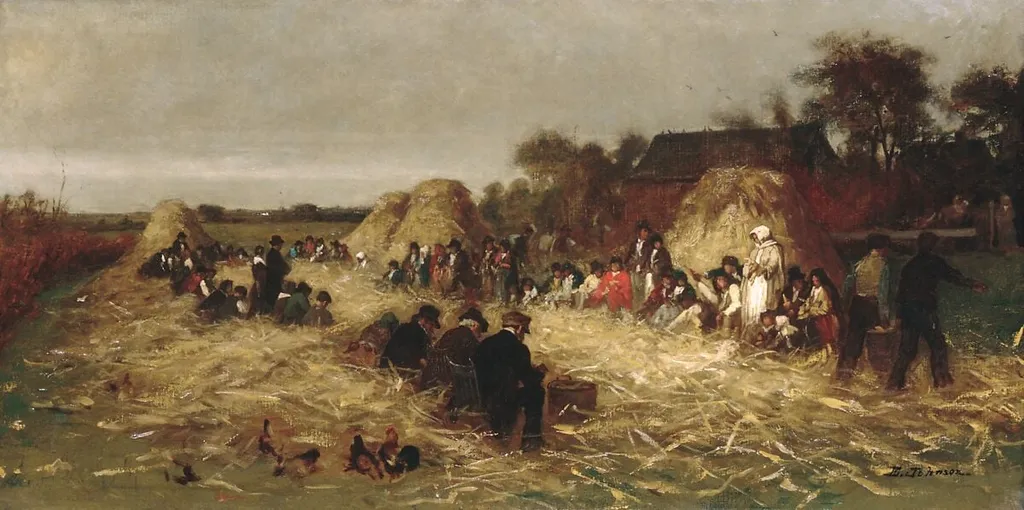
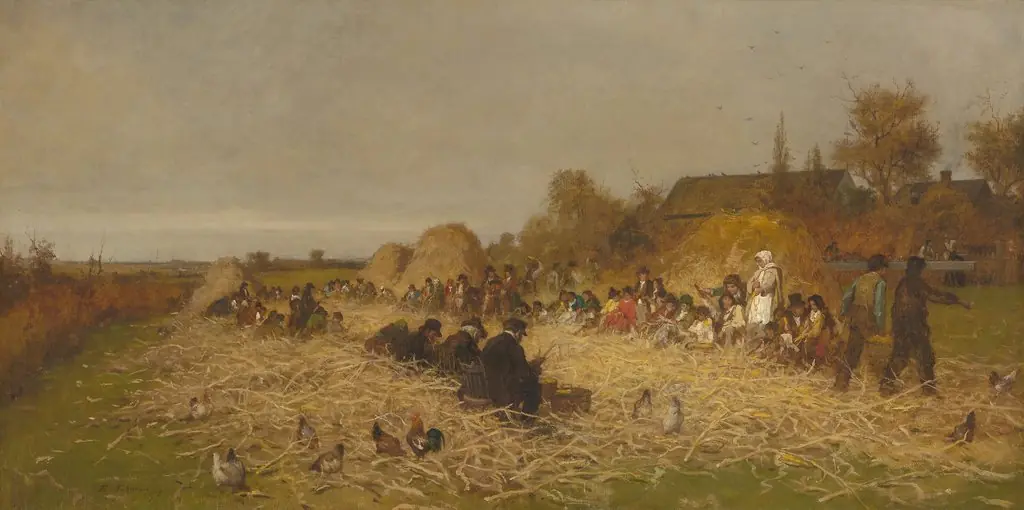
Corn Husking at Nantucket is an oil painting by the American Impressionist artist Eastman Johnson. It dates from 1875 and is held in the collection of the Metropolitan Museum of Art.
About this work
Technique & Style
The oil Cherokee oil medium allows for rich tonal variation and layered brushwork, supporting the work's documentary yet painterly quality.
Eastman Johnson executed Corn Husking at Nantucket in oil on canvas, a medium and support typical of his large-scale genre compositions. The painting measures 70.2 by 138.4 centimeters, its horizontal format suited to the panoramic crowd scene it depicts. As a genre painting, the work employs naturalistic handling to render a communal rural activity, with Johnson's characteristic attention to social narrative and atmospheric detail.
The oil Cherokee oil medium allows for rich tonal variation and layered brushwork, supporting the work's documentary yet painterly quality. No specific information on condition or conservation history is provided in the sources.
History & Provenance
Eastman Johnson created the oil on canvas painting Corn Husking at Nantucket in 1875. The work, which depicts a genre scene of a crowd, was produced during the artist's mature period. While specific details regarding the original commission or the immediate ownership chain following its completion are not provided in the available records, the painting eventually entered the collection of the Metropolitan Museum of Art.
It remains housed within the museum's American Wing, where it is classified as a significant example of nineteenth-century American genre painting. The canvas measures approximately 70.2 by 138.4 centimeters.
Context
Eastman Johnson's 1875 oil on canvas titled Corn Husking at Nantucket is classified as a genre painting and is part of The American Wing collection at the Metropolitan Museum of Art. The work depicts a crowd engaged in a communal activity, reflecting the mid‑19th‑century American fascination with everyday scenes. As a leading practitioner of American genre painting, Johnson used such subjects to document social life and subtle cultural narratives, positioning this piece within the broader trajectory of realist representation in 19th‑century American art.
Its inclusion in a major museum underscores its significance as a representative example of the period’s artistic interests and scholarly attention to domestic subject matter.
Overview
Eastman Johnson's Corn Husking at Nantucket, painted around 1875, is an oil on canvas depicting a communal autumn activity. The American artist, also a co-founder of The Metropolitan Museum of Art, frequently captured scenes of daily life. This work exemplifies his interest in rural American customs and the quiet dignity of ordinary people, reflecting his broader engagement with genre painting.
Subject & Meaning
The painting portrays a group gathered within a barn, diligently engaged in husking corn. This seasonal chore was a vital social event in 19th-century New England, bringing together individuals of all ages. Johnson's depiction emphasizes the collaborative spirit and focused concentration of the participants, elevating a common agricultural task into a moment of shared human experience and community.
Artist & collection
Artist
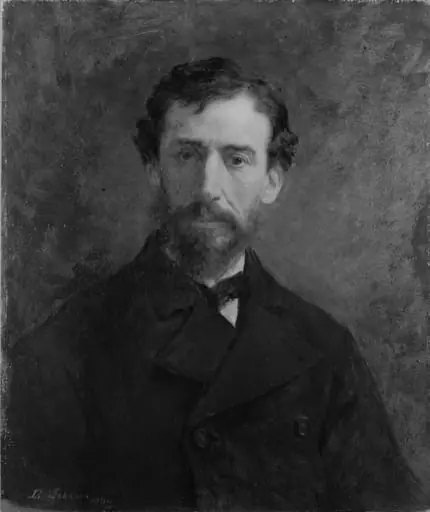
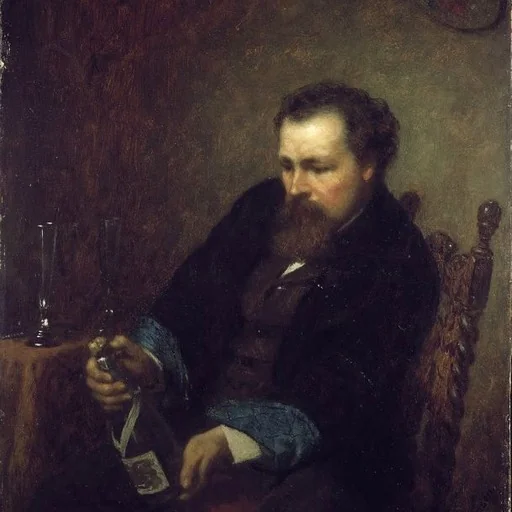
Jonathan Eastman Johnson (July 29, 1824 – April 5, 1906) was an American painter and co-founder of the Metropolitan Museum of Art, New York City, with his name inscribed at its entrance.