Artwork
Grover Cleveland
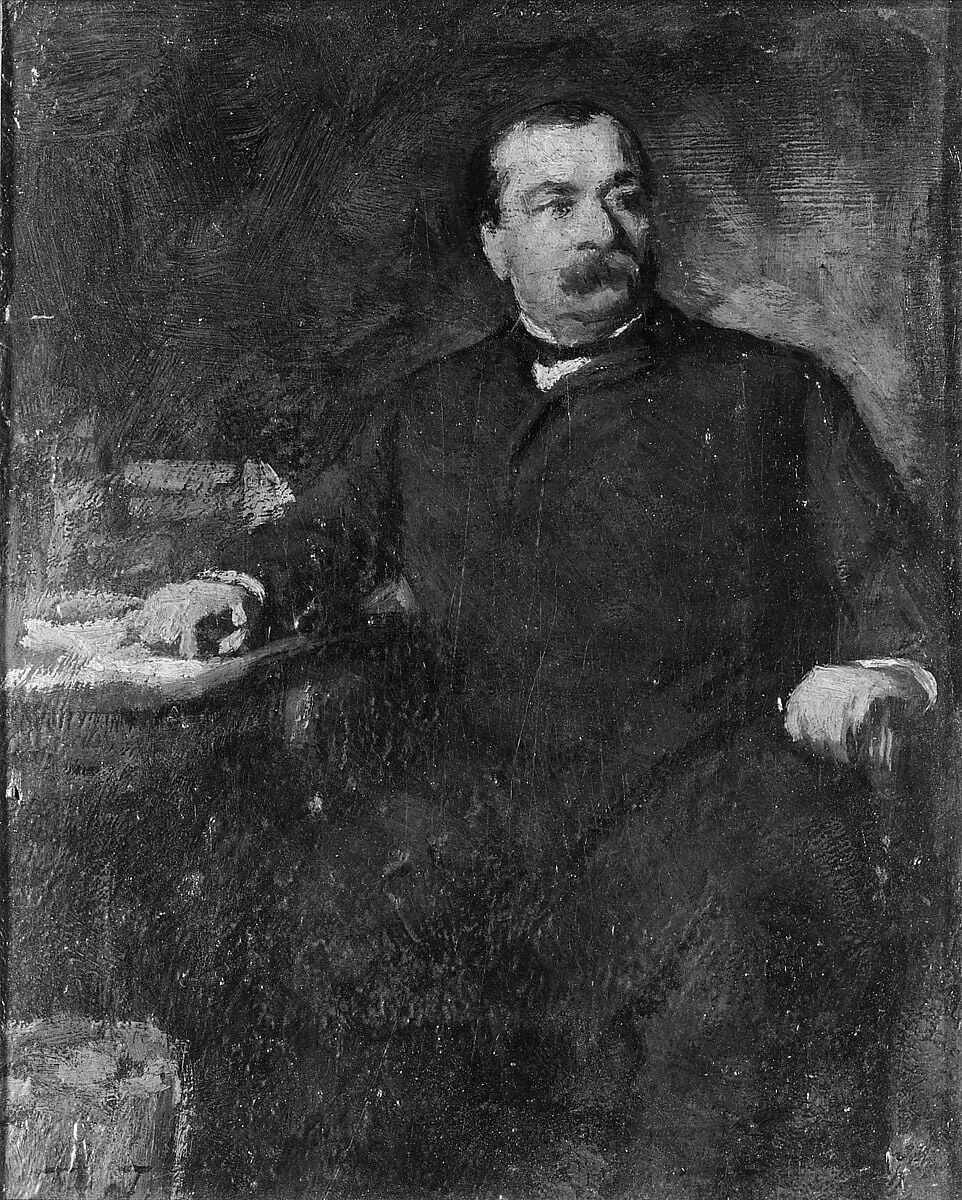
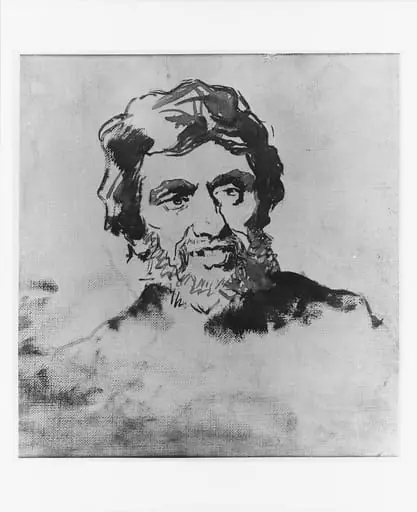
Grover Cleveland is an oil painting by the American Impressionist artist Eastman Johnson. It dates from 1891 and is held in the collection of the White House.
About this work
Technique & Style
One authoritative source classifies the work as oil paint applied to a cardboard support, while another catalog entry identifies the material as oil on canvas.
Eastman Johnson's 1891 portrait of Grover Cleveland presents a conflict in recorded technical specifications regarding its support and medium. One authoritative source classifies the work as oil paint applied to a cardboard support, while another catalog entry identifies the material as oil on canvas. The painting is executed in the portrait genre and measures approximately 26.7 by 22.2 units.
Despite the discrepancy in the physical support, cardboard versus canvas, the consistent attribution of oil paint and the 1891 date suggests a formal portrait study of the former president. The work is held in significant collections, including the Metropolitan Museum of Art and the White House, reflecting its status as a major American historical portrait.
History & Provenance
Eastman Johnson created the portrait of Grover Cleveland in 1891, depicting the former president. The work was executed in oil, with sources specifying the support as either canvas or cardboard. This painting has a dual ownership history, currently residing in the collections of both the Metropolitan Museum of Art and the White House.
The piece was produced during the early 1890s, coinciding with the period of Cleveland's political prominence. While specific commission details regarding the initial patron are not explicitly detailed in the provided records, the work's creation is firmly dated to 1891. The painting measures approximately 26.7 by 22.2 inches and remains a significant representation of the president within American portraiture.
Eastman Johnson's 1891 portrait of Grover Cleveland is held by the Metropolitan Museum of Art, where it is classified within The American Wing. The work is also associated with the White House collection, indicating a shared or dual custodial history. While specific accession numbers are not provided in the available records, the painting is identified as an oil on canvas (or cardboard) portrait measuring 26.7 by 22.2 inches.
The provided sources do not contain details regarding a specific exhibition history, dates of display, or loan records for this artwork. The piece remains a significant representation of the president in the late 19th century, currently maintained in the aforementioned institutional collections.
Overview
Eastman Johnson, a co-founder of the Metropolitan Museum of Art, created this oil-on-cardboard portrait of Grover Cleveland in 1891. The painting captures the likeness of the 22nd and 24th US President, presented in a formal setting. Johnson was renowned for his ability to portray both everyday individuals and prominent public figures, making this work a characteristic example of his output.
Subject & Meaning
The artwork features Grover Cleveland, who served as President of the United States on two non-consecutive occasions. Johnson portrays him formally seated, a common convention for presidential and official portraits of the period. Such depictions aimed to record the appearance of significant political leaders for posterity and public recognition.
Context
Eastman Johnson's career was marked by diverse subjects, ranging from intimate genre scenes to formal portraits of notable individuals. His artistic foundation was strengthened by studies in The Hague in the 1850s, where he engaged with 17th-century Dutch painting. This background informed his skill in depicting figures like President Cleveland with both realism and dignity.
Artist & collection
Artist
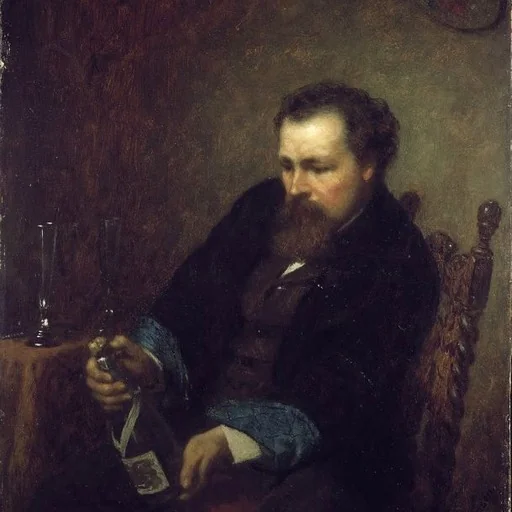
Jonathan Eastman Johnson (July 29, 1824 – April 5, 1906) was an American painter and co-founder of the Metropolitan Museum of Art, New York City, with his name inscribed at its entrance.

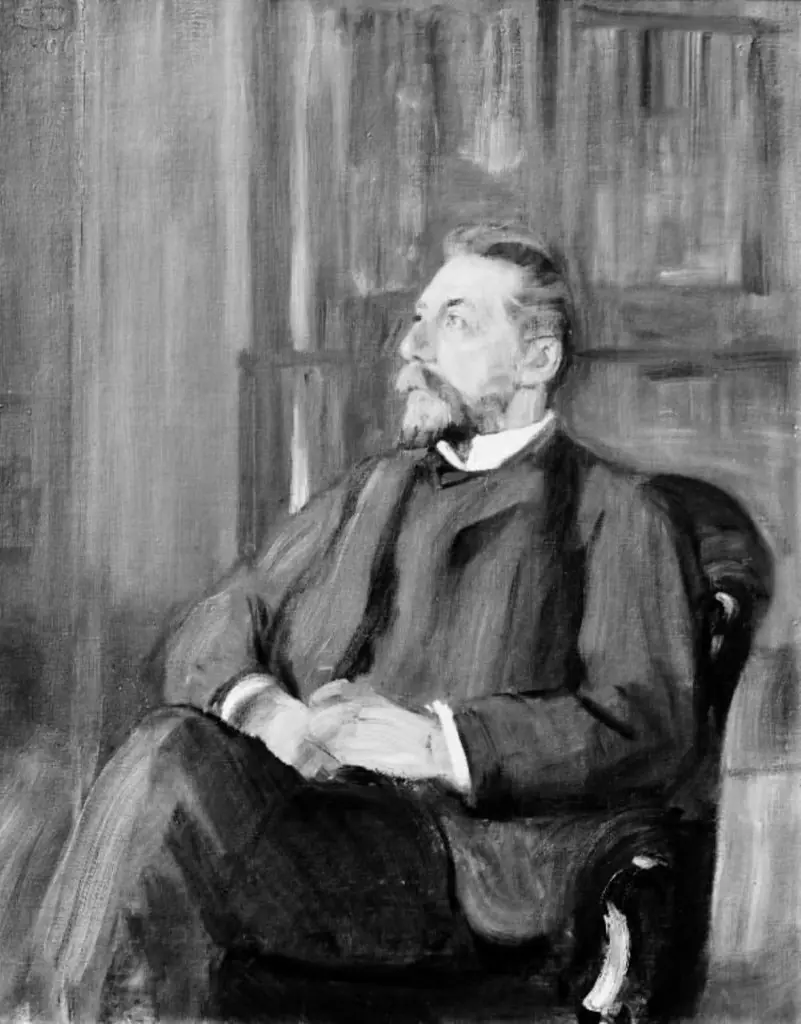
- Portrait of Prime Minister Michelsen
 Portrait of Prime Minister Michelsen
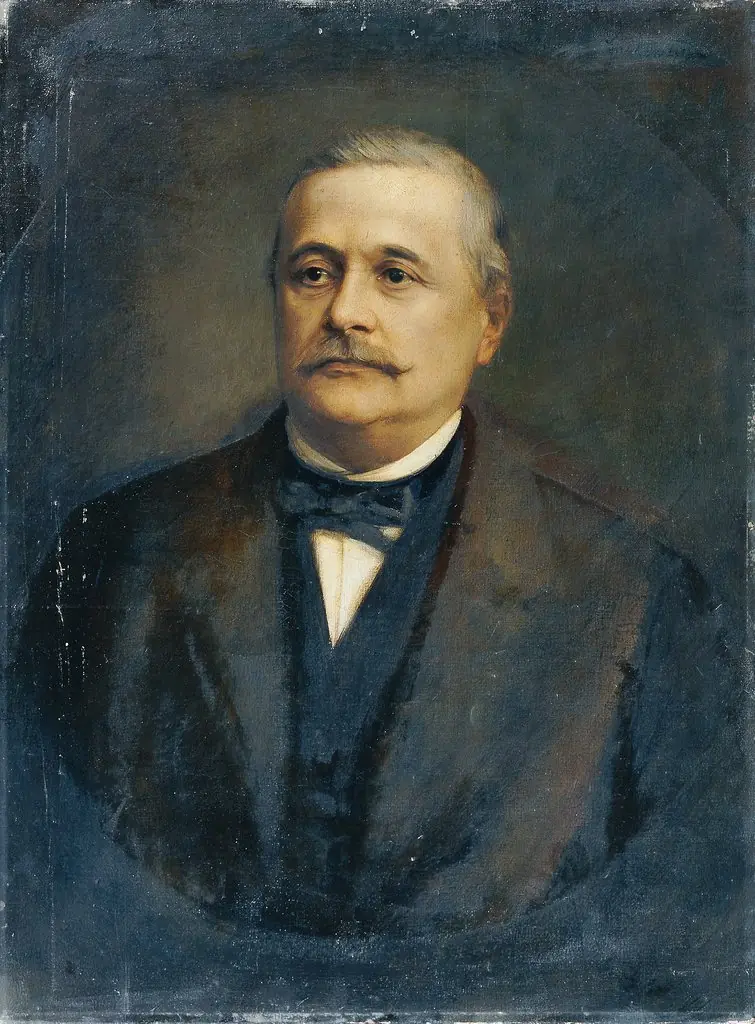 Der kaiserliche Rat und Reichstagsabgeordnete Isaak Rubinstein
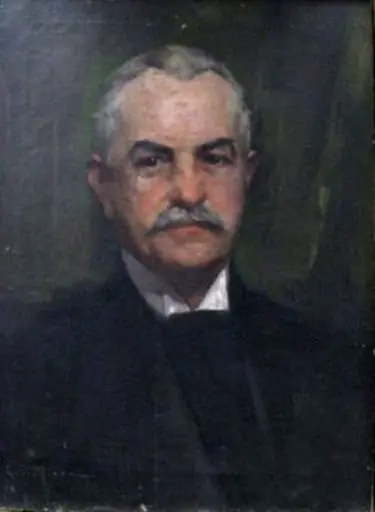 Portret
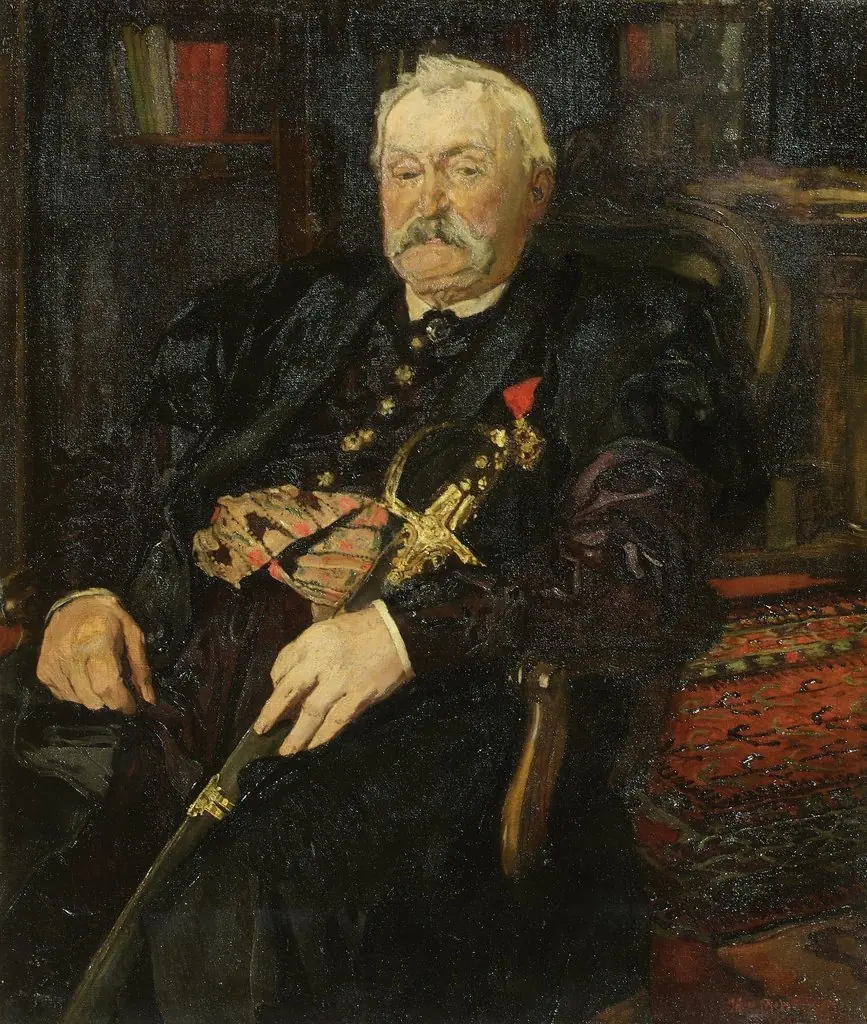 Marschall Milkowski
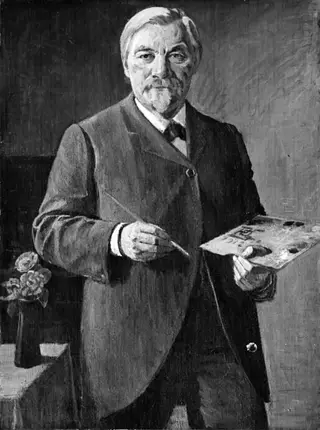 Selvportræt
 Portrait of Franklin H. Delano
 Simon Hayem
 President William Howard Taft
 Alphonso T. Clearwater
 Portrait of the Mining Engineer Nikolay Teplov
 Untitled