Artwork
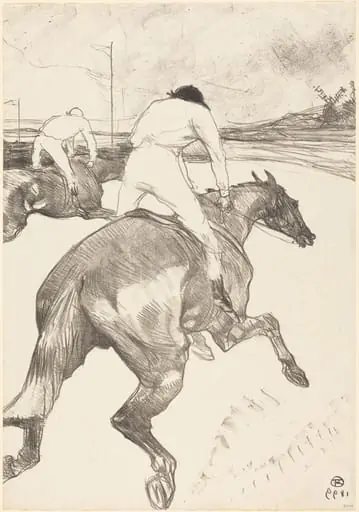
The Jockey
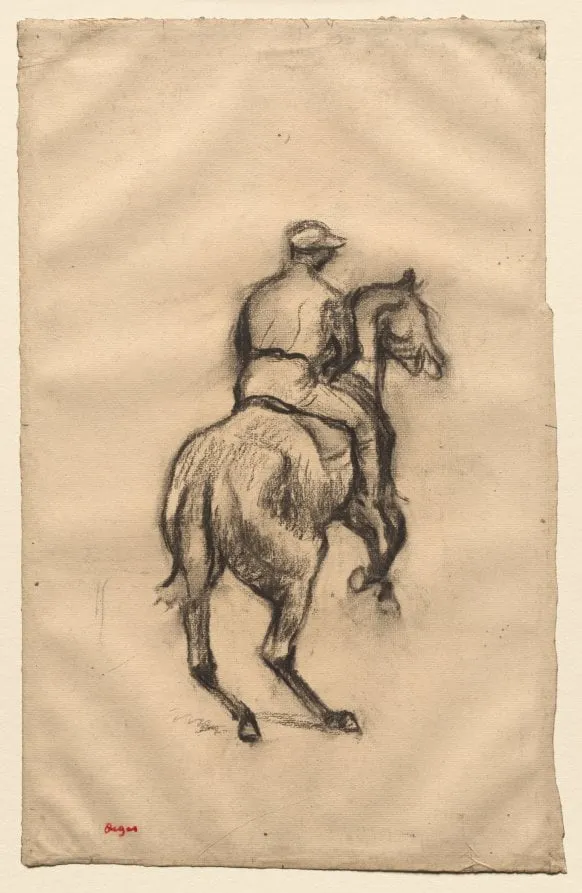
The Jockey is a drawing by the Impressionist artist Edgar Degas. It dates from 1892 and is held in the collection of the Cleveland Museum of Art.
- Accession no.
- 1927.301
- Credit line
- Gift of The Print Club of Cleveland
About this work
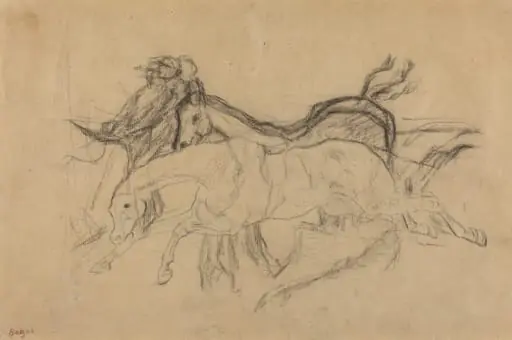
You see a single jockey bent low over a galloping horse, its legs blurred mid-stride.
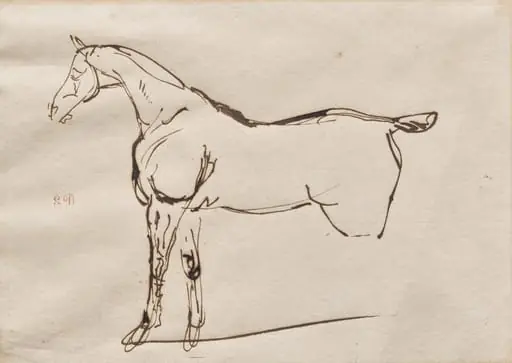
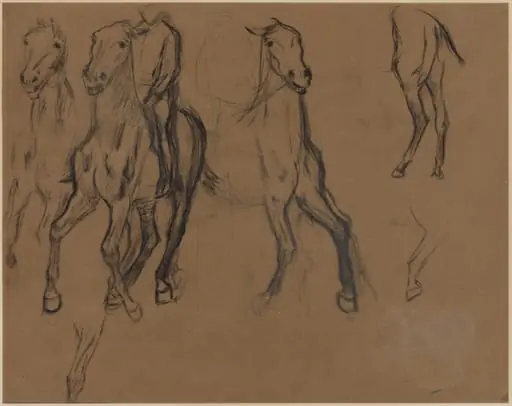
Degas drew this as a study, tiny adjustments to the horse’s jaw, tail, and hooves mattered more than the final color. He cared about the exact moment the animal’s muscles tensed, not the race itself.
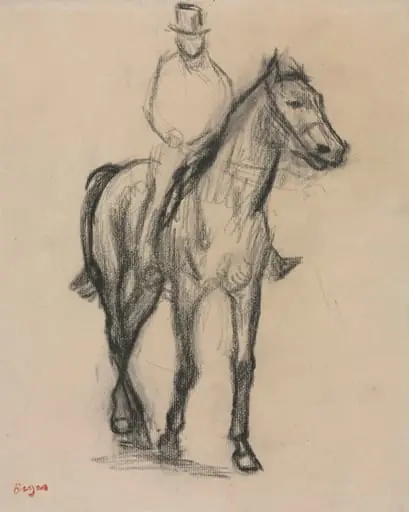
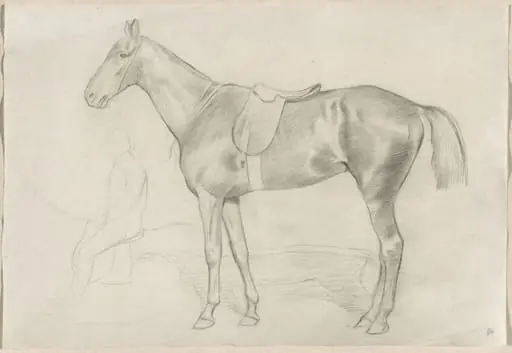
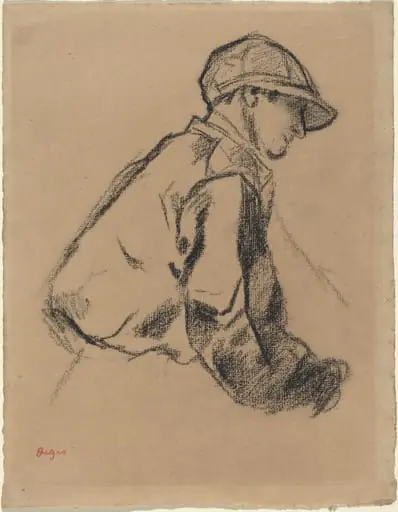
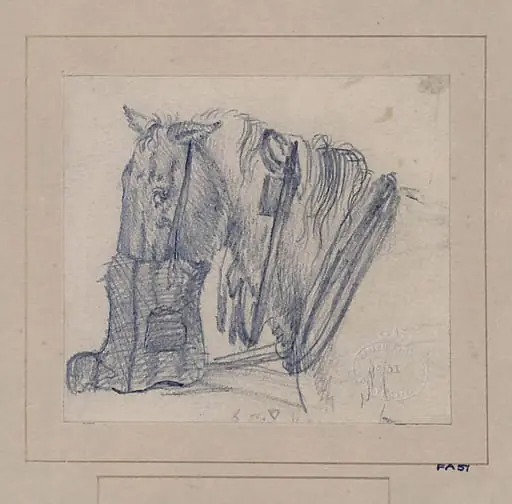
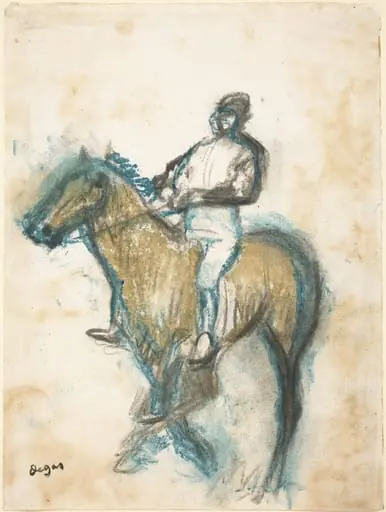
Look up other horse studies by Edgar Degas (French, 1834–1917) to see how he built the same scene in pastel.
Overview
The Jockey is a drawing by Edgar Degas, created as a study for a larger composition depicting a racetrack scene.
Subject & Meaning
The drawing captures a jockey astride a galloping horse, with the animal's legs and tail in mid-motion. The focus is on the dynamic pose and tension in the horse's muscles, rather than the jockey or the race itself.
Technique & Style
Degas used drawing to explore the precise positioning of the horse's legs, hooves, and jaw, as well as the movement of its tail. The work is characterized by a focus on capturing a fleeting moment of tension and motion.
Artist & collection
Artist
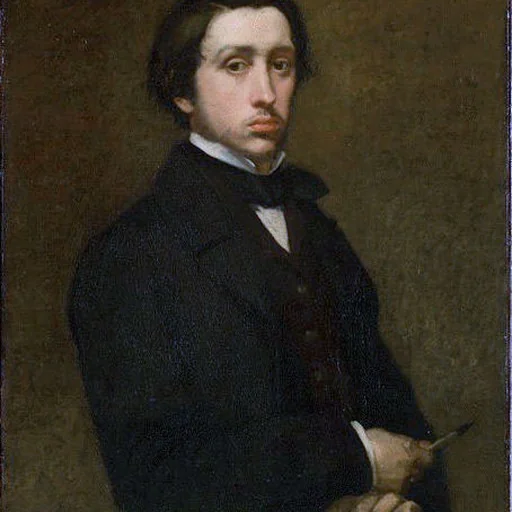
Born Hilaire-Germain-Edgar De Gas on 19 July 1834 in Paris, Edgar Degas came from an affluent banking family with aristocratic roots and spent his childhood among the cultivated circles of the French capital.