Artwork
Faun and Nymph
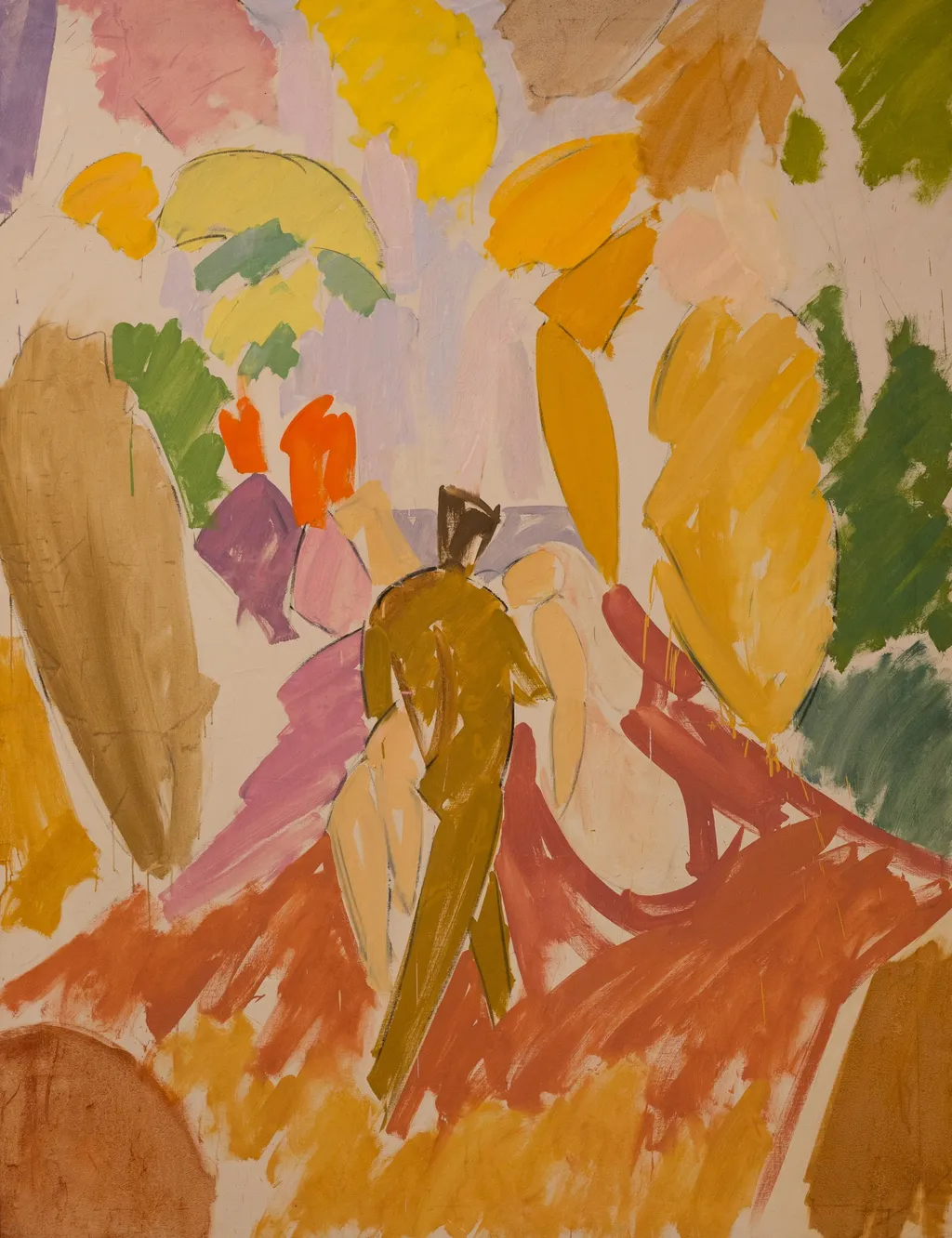
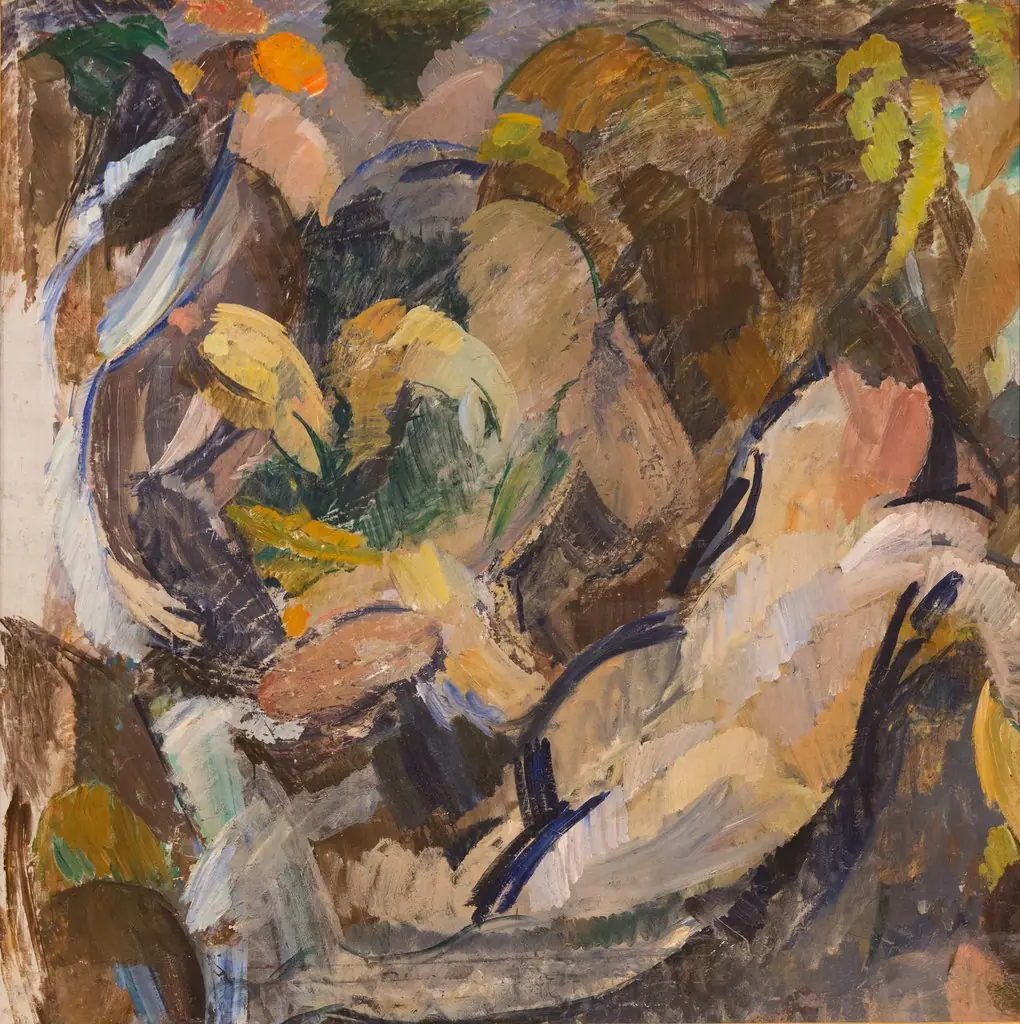
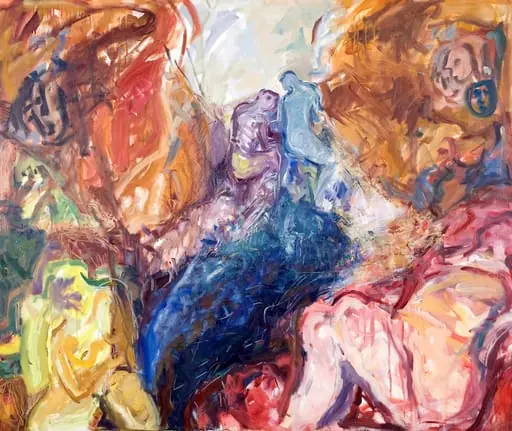
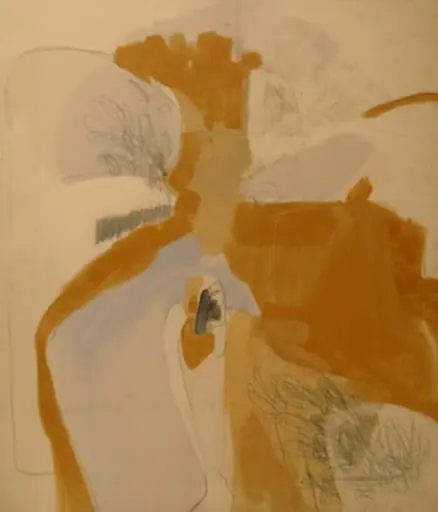
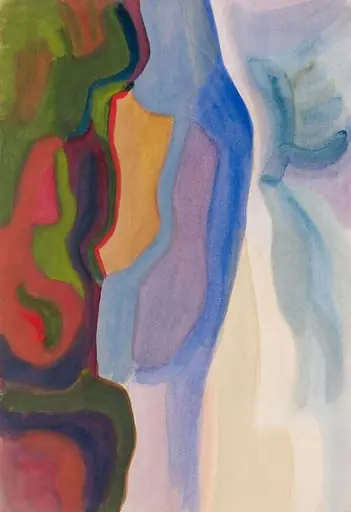
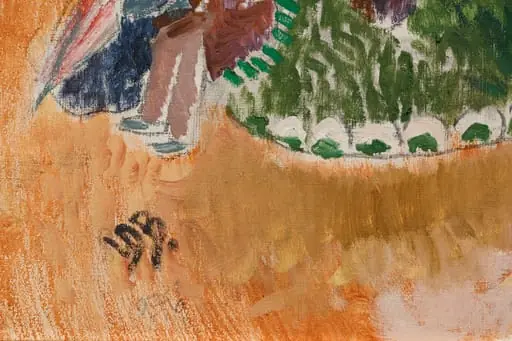
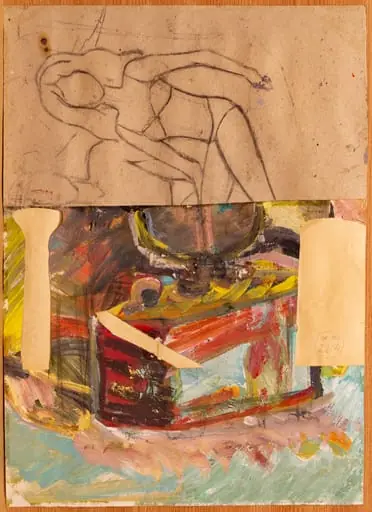
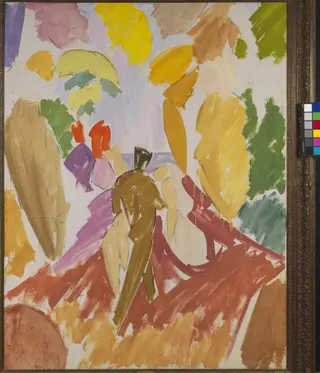
Faun and Nymph is an oil painting by the Symbolist artist Edvard Weie. It dates from 1940 and is held in the collection of the Statens Museum for Kunst.
About this work
Subject & Meaning
The painting portrays a mythic encounter between a faun and a nymph, drawing on classical mythology to evoke primal nature and sensual desire.
The painting portrays a mythic encounter between a faun and a nymph, drawing on classical mythology to evoke primal nature and sensual desire. The faun, a half‑goat creature, symbolizes untamed wilderness, while the nymph represents ethereal feminine grace, together embodying the harmonious yet wild forces of the natural world. Weie’s composition emphasizes their intertwined forms, suggesting a fleeting moment of mythic intimacy that reflects the artist’s fascination with folklore and the subconscious.
The work thus functions as a visual allegory for the tension between civilization and the untamed, resonating with contemporary interest in mythic narratives during the late 1940s.
Technique & Style
Faun and Nymph is an oil painting executed on canvas, a medium consistent with Edvard Weie's mature mythological works. The canvas measures 200 cm in height by 154 cm in width, giving the composition a pronounced vertical orientation suited to its figural subject of a faun and a nymph. The work is classified as a mythological painting and is held in the collection of the Statens Museum for Kunst.
Beyond these documented material and dimensional facts, the sources do not provide further detail on handling, surface condition, or specific stylistic qualities.
History & Provenance
Painted in 1940 by Edvard Weie, the oil-on-canvas mythological painting depicts a faun and nymph. The work entered the collection of the Statens Museum for Kunst (National Gallery of Denmark), where it remains. It was included in the Europeana 280 exhibition.
Edvard Weie's painting Faun and Nymph is held in the collection of the Statens Museum for Kunst in Copenhagen. The work, executed in oil on canvas in 1940, is part of the museum's permanent holdings of mythological art. Regarding its exhibition history, the painting was featured in the Europeana 280 project, which showcased significant European artworks.
Overview
Created in 1940, Faun and Nymph is an oil painting by Danish modernist Edvard Weie, a recipient of the Eckersberg Medal in 1925. The work aligns with Symbolist tendencies, presenting a mythic encounter set in a vivid forest. It is part of the permanent collection of Denmark’s National Gallery, Statens Museum for Kunst.
Context
Weie’s work emerged during a period when Danish artists were engaging with broader European Symbolist ideas while retaining a distinct national sensibility. The painting’s mythological subject matter and expressive handling of paint echo contemporary explorations of emotion and the subconscious, situating the piece within the interwar artistic climate of heightened experimentation.
Own this work as a print
Artist & collection
Artist
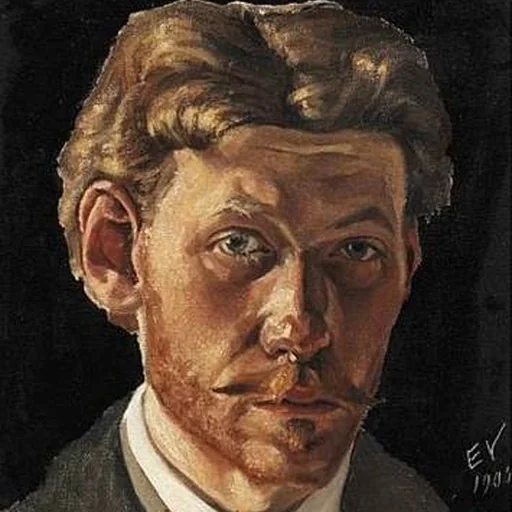
Viggo Thorvald Edvard Weie (18 November 1879 - 9 April 1943) was a Danish Modernist painter. He was a recipient of Eckersberg Medal in 1925. He died during 1943 in Frederiksberg.