Artwork
Faun and Nymph
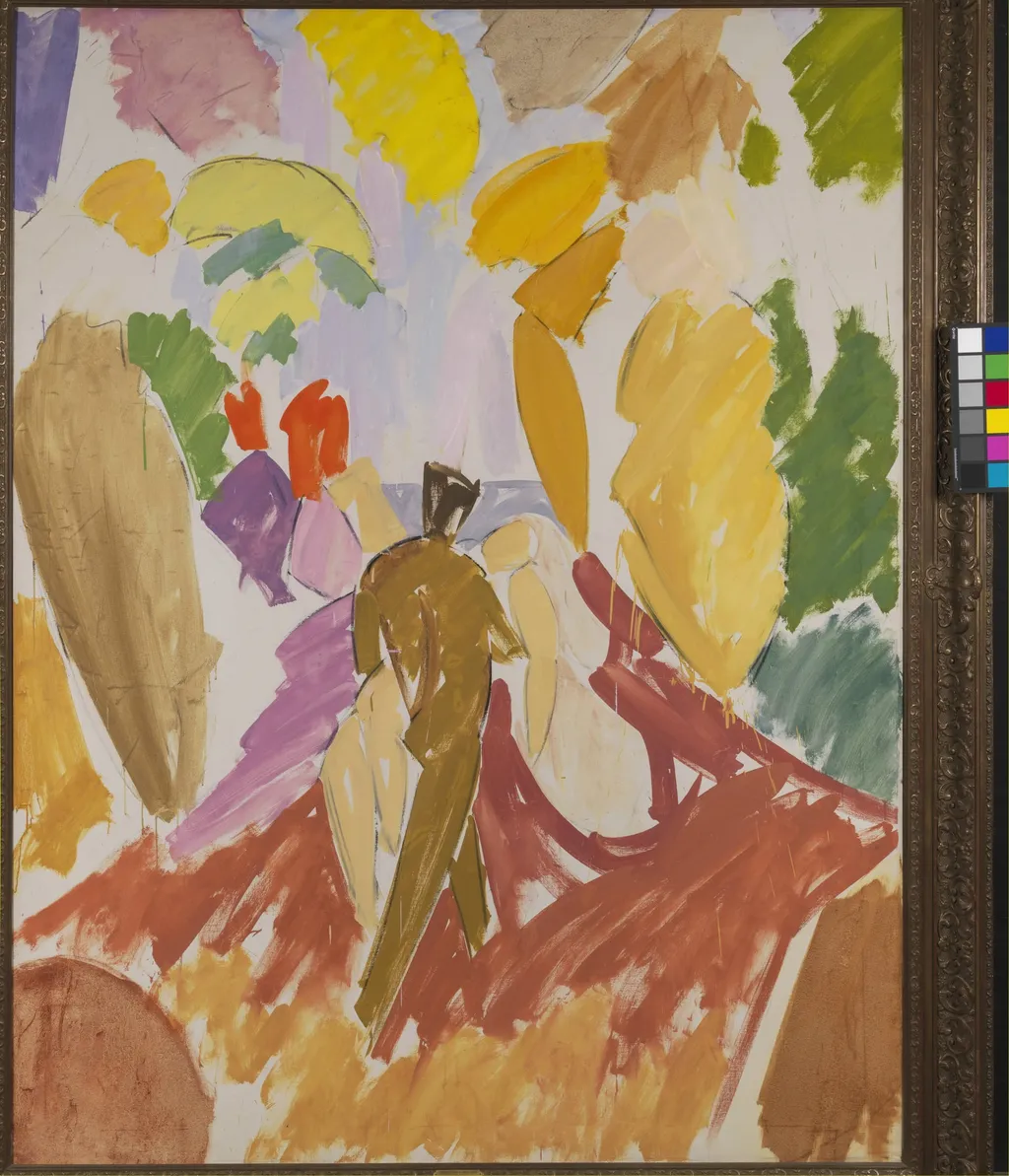
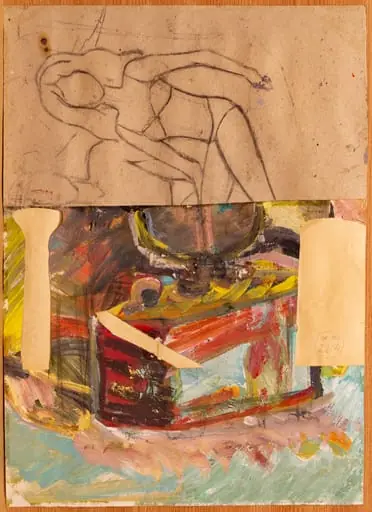
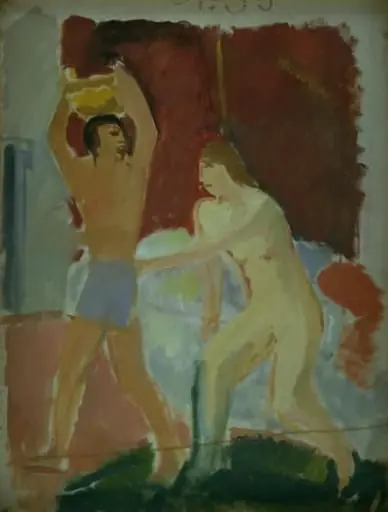
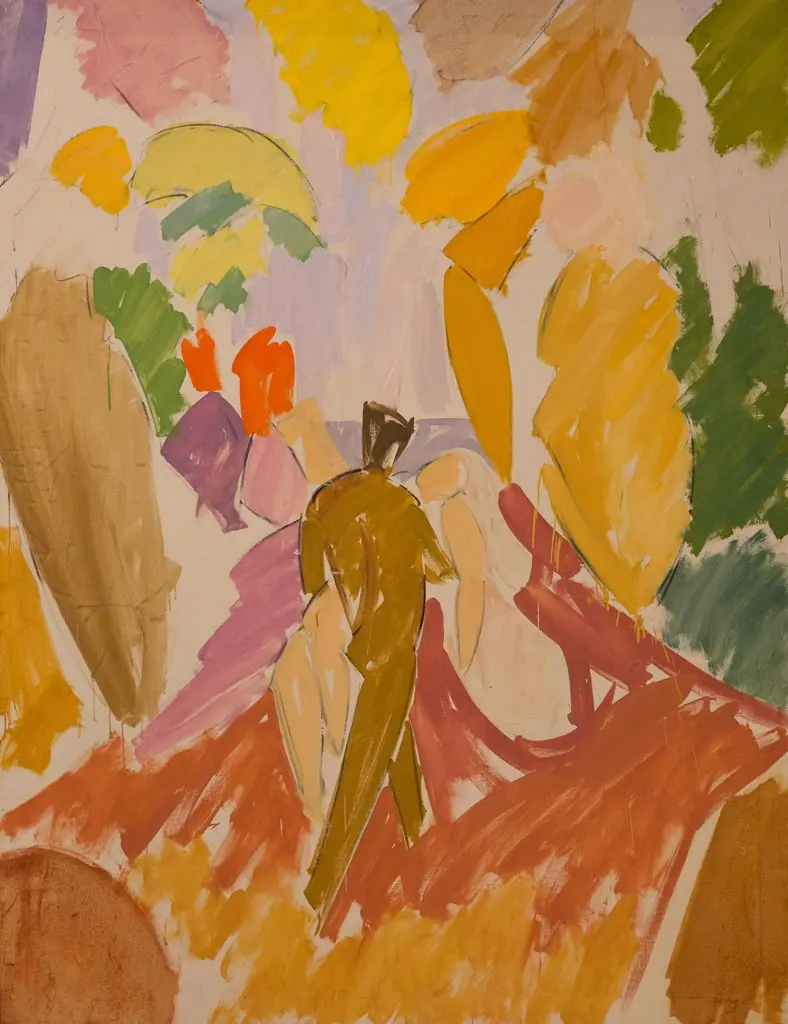
Faun and Nymph is a photography by Unknown. It dates from 1940 and is held in the collection of the Statens Museum for Kunst. Created around 1940, this painting depicts a faun and a nymph in a dynamic, loosely rendered composition.
About this work
Overview
It resides in the Museum of Ethnography, where it is cataloged as part of a collection exploring mythological themes in modern visual culture.
Created around 1940, this painting depicts a faun and a nymph in a dynamic, loosely rendered composition. It resides in the Museum of Ethnography, where it is cataloged as part of a collection exploring mythological themes in modern visual culture. The work stands out for its emphasis on movement and emotional tone over precise detail, reflecting a broader trend in early 20th-century reinterpretations of classical subjects.
Subject & Meaning
The figures, a half-human, half-goat faun and a forest nymph, draw from Greco-Roman mythology, symbolizing wild nature and untamed desire. Their interaction is ambiguous, neither overtly aggressive nor tender, inviting interpretation as a moment of fleeting encounter. The absence of narrative context shifts focus to primal presence rather than story, aligning the work with modernist interests in archetypal forms over literal representation.
Technique & Style
The artist employs bold, sweeping brushwork to convey motion and vitality, avoiding fine detail in favor of expressive gesture. Color is used structurally: the faun’s golden-brown skin and the nymph’s emerald hair contrast sharply against the muted, earth-toned background. This chromatic tension enhances spatial depth and directs visual attention, while the paint’s texture adds tactile immediacy to the mythic scene.
History & Provenance
The painting entered the Museum of Ethnography’s collection shortly after its creation, likely through direct acquisition or donation. Its attribution to the artist remains unverified in public records, and little documentation exists regarding its exhibition history prior to institutional custody. The work has not been widely published, contributing to its status as a lesser-known piece within the artist’s oeuvre.
Context
Emerging during a period when European artists revisited classical myths through modernist lenses, the painting reflects broader cultural interests in primitivism and the subconscious. While not aligned with any formal movement, its stylistic choices echo contemporaneous experiments in Expressionism and Symbolism, particularly in the use of color to convey psychological states rather than physical realism.
Legacy
Though not widely exhibited or reproduced, the painting contributes to a quiet but persistent strand of 20th-century art that reimagined mythological figures through abstraction and emotional intensity. Its presence in an ethnographic museum underscores a scholarly interest in how ancient symbols were adapted in modern visual languages, offering insight into cross-cultural myth-making beyond traditional art historical narratives.
Artist & collection