Artwork
Nighthawks
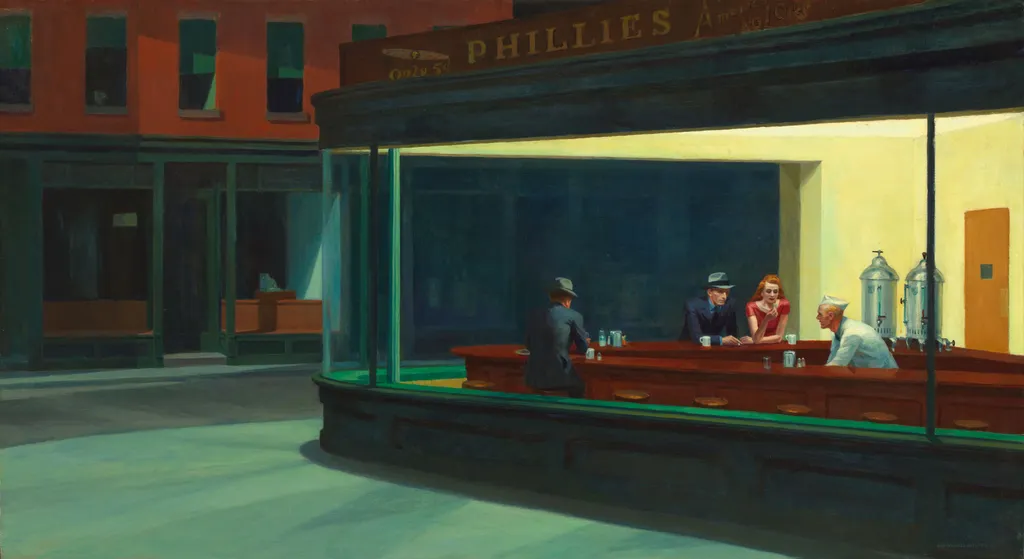
Nighthawks is an oil painting by the American Realist artist Edward Hopper. It dates from 1942 and is held in the collection of the Art Institute of Chicago.
About this work
Late at night, four people sit in a brightly lit diner, seen through its wide curved window against the dark, empty street. Hopper painted it in 1942, just after Pearl Harbor, and the deserted city outside makes the warm glow within feel lonelier.
Subject & Meaning
The scene features a waiter, a solitary man viewed from behind, and a couple who sit in close proximity yet remain silent and disconnected.
Completed in January 1942, Nighthawks portrays four figures within a brightly lit diner situated on a dark, deserted urban street corner, likely inspired by a Greenwich Village location. The scene features a waiter, a solitary man viewed from behind, and a couple who sit in close proximity yet remain silent and disconnected. Iconographic details include fluorescent lighting, a Phillies cigar advertisement, and a curved glass facade that notably lacks an external door, visually trapping the subjects and excluding the viewer.
While Edward Hopper denied intentionally painting loneliness, describing the work instead as an unconscious depiction of city isolation, the composition is widely interpreted as a metaphor for urban alienation and existential emptiness. The title, suggested by Hopper's wife Josephine, may reference the hawk-like nose of one figure or the concept of night prowlers. Some scholars suggest the tense, frozen atmosphere reflects the anxiety following the Pearl Harbor attack and wartime blackout conditions.
Technique & Style
Nighthawks is an oil on canvas painting measuring 84.1 × 152.4 cm, created by Edward Hopper in 1942. The work is executed in oil paint applied to a stretched canvas support, with the composition framed by a large glass window that separates the brightly lit interior from a darkened street. Hopper’s handling of light creates a stark contrast between the cool green‑blue illumination inside the diner and the muted exterior, while the geometric arrangement of the counter, stools and signage defines a precise, almost architectural space.
The surface remains well preserved within the Art Institute of Chicago’s collection, where it has been displayed since its 1942 acquisition.
History & Provenance
Edward Hopper completed Nighthawks in January 1942, finishing the canvas on January 21 as recorded in Josephine Hopper’s notes. After a brief display at Rehn’s New York gallery, the work was purchased on May 13 1942 by the Art Institute of Chicago for $3,000 (≈$59,110 in 2025). The painting entered the museum’s collection and has remained there continuously.
Its provenance traces from Hopper’s studio to the Rehn exhibition space, then to Daniel Catton Rich, and finally to the Institute, where it is catalogued as part of the permanent collection. The work is dated 1942, reflecting the period just after the Pearl Harbor attack.
Since its completion in 1942, Nighthawks has been held by the Art Institute of Chicago, where it remains a cornerstone of the museum’s American art collection. The painting was acquired on May 13, 1942, for $3,000 (equivalent to approximately $59,110 in 2025) following its display at Rehn’s Gallery in New York. It carries the museum’s accession inventory designation and has not left the institution’s permanent collection since its purchase.
The work has been featured in numerous exhibitions, both as a loan highlight and within the Art Institute’s own surveys of American Realism and 20th-century art, cementing its status as one of the most recognizable paintings in the canon of U.S. modernism.
Context
Nighthawks (1942) is frequently cited as the flagship of American Realism, embodying the Ashcan School’s focus on urban subjects. Critics and scholars view the nocturnal diner scene as a visual meditation on modern alienation, a motif that recurs throughout Hopper’s career. The work entered the Art Institute of Chicago shortly after its completion, purchased for $3,000 and remaining in the museum’s collection.
Hopper’s use of stark interior lighting through expansive glass reflects his early engagement with French Impressionist light effects, while the simplified composition underscores his interest in architectural geometry. Contemporary commentary linked the painting to wartime anxieties, though Hopper described its mood as an unconscious expression of city loneliness.
Legacy
Nighthawks is widely recognized as Edward Hopper’s most famous painting and a defining image of American Realism, celebrated for its stark portrayal of urban solitude. Its cultural impact is underscored by its lasting presence in the Art Institute of Chicago and frequent citation as an icon of 20th‑century American art. Scholars note its synthesis of Ashcan School social critique and French Impressionist light techniques, shaping later interpretations of loneliness in visual culture.
The work’s composition, with its illuminated interior against a deserted street, has inspired numerous re‑examinations and adaptations, cementing its legacy as a touchstone for studies of modern alienation.
Overview
Edward Hopper's 1942 oil painting, Nighthawks, depicts a late-night scene within a downtown diner. Four figures are visible through a large glass window, their presence casting a warm glow onto an otherwise dark and empty urban street. This work, executed in oil on canvas, has become one of the most widely recognized images in American art, frequently cited as Hopper's signature achievement.
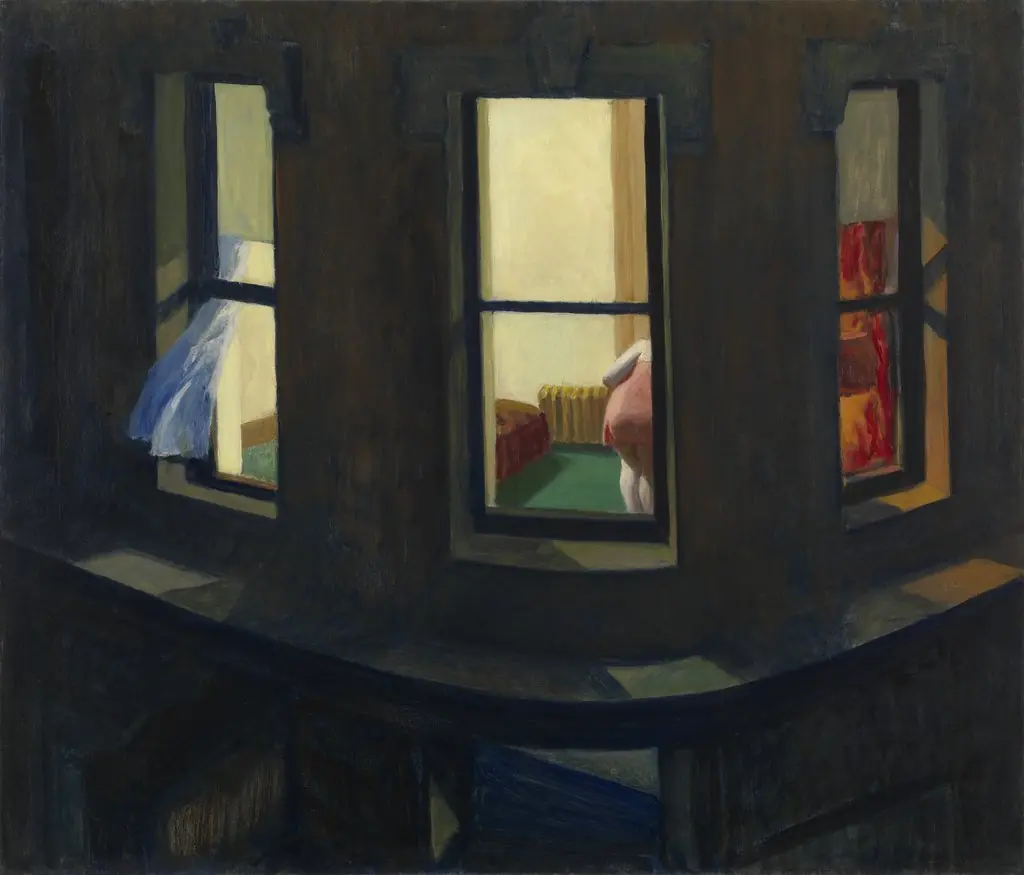
Artist & collection
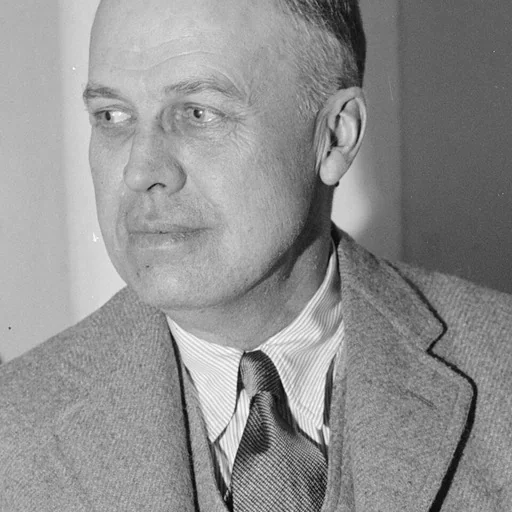
Artist
Edward Hopper (July 22, 1882 – May 15, 1967) was an American realist painter and printmaker.