Artwork
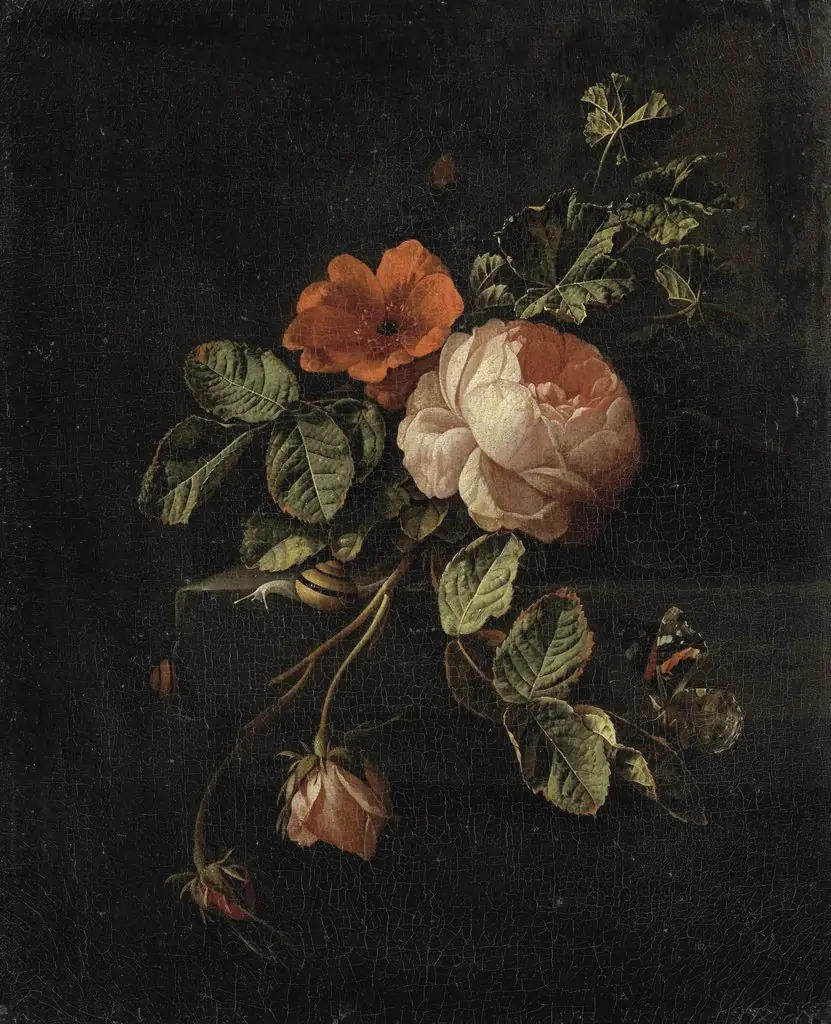
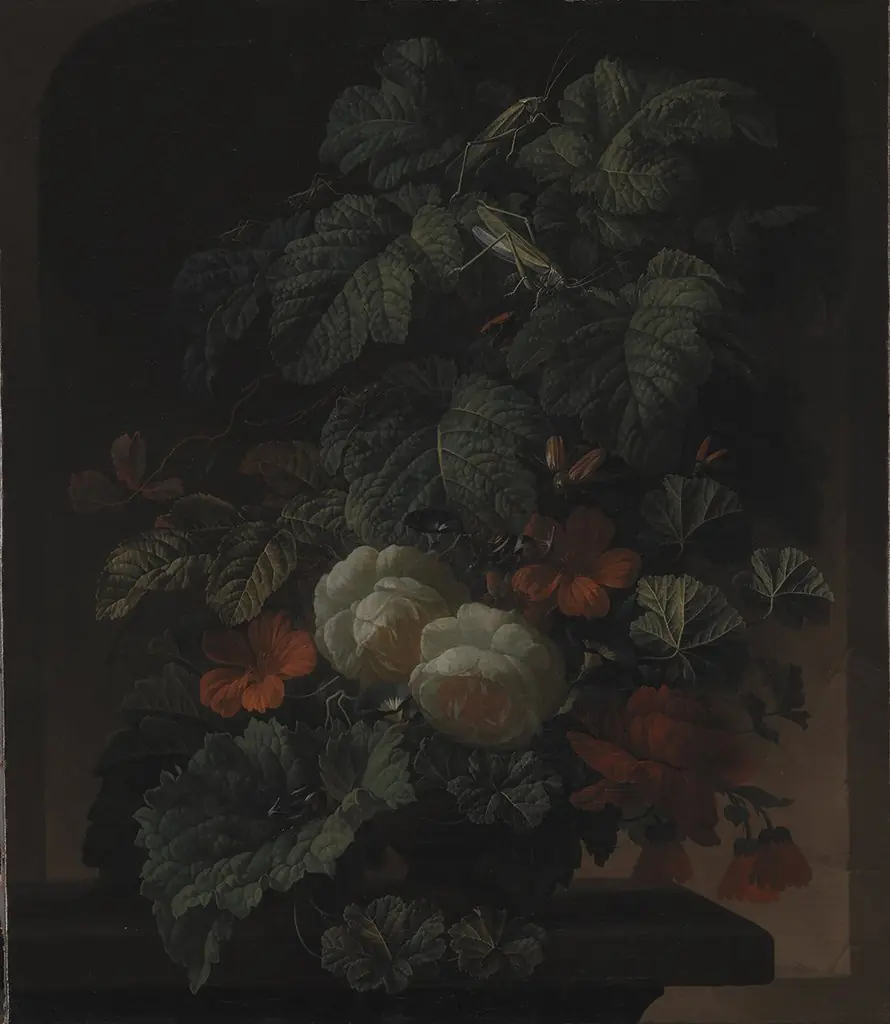
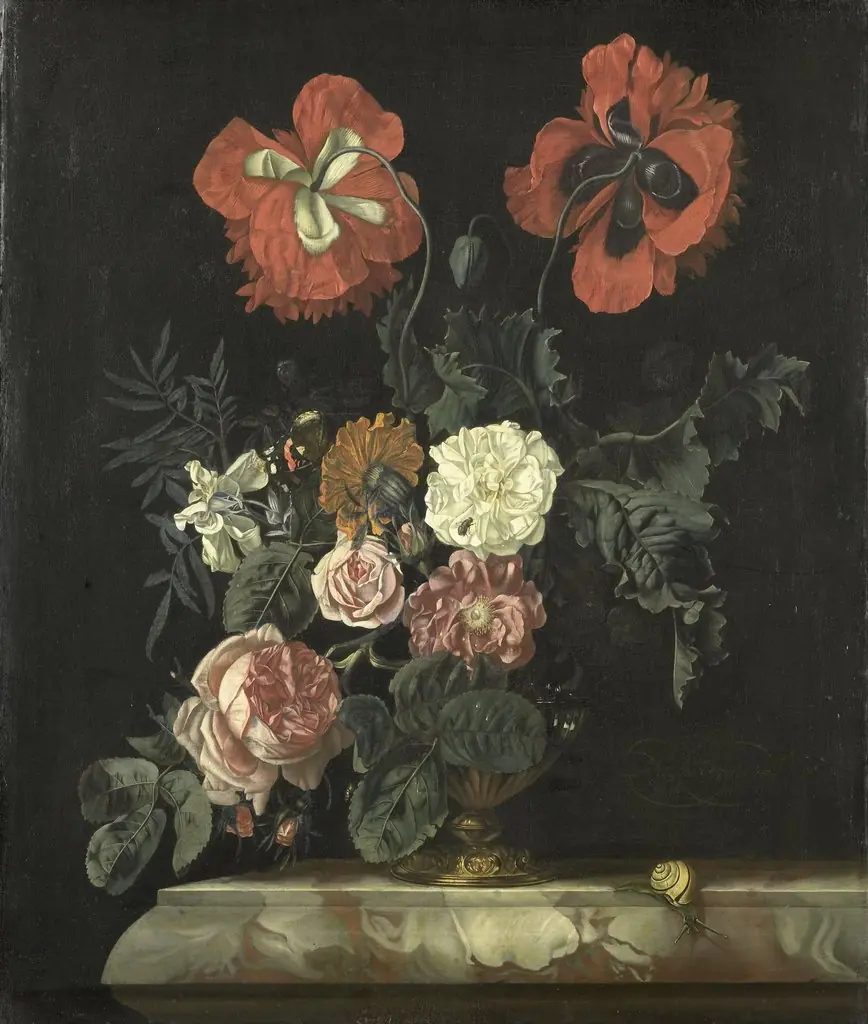
Still Life with Roses
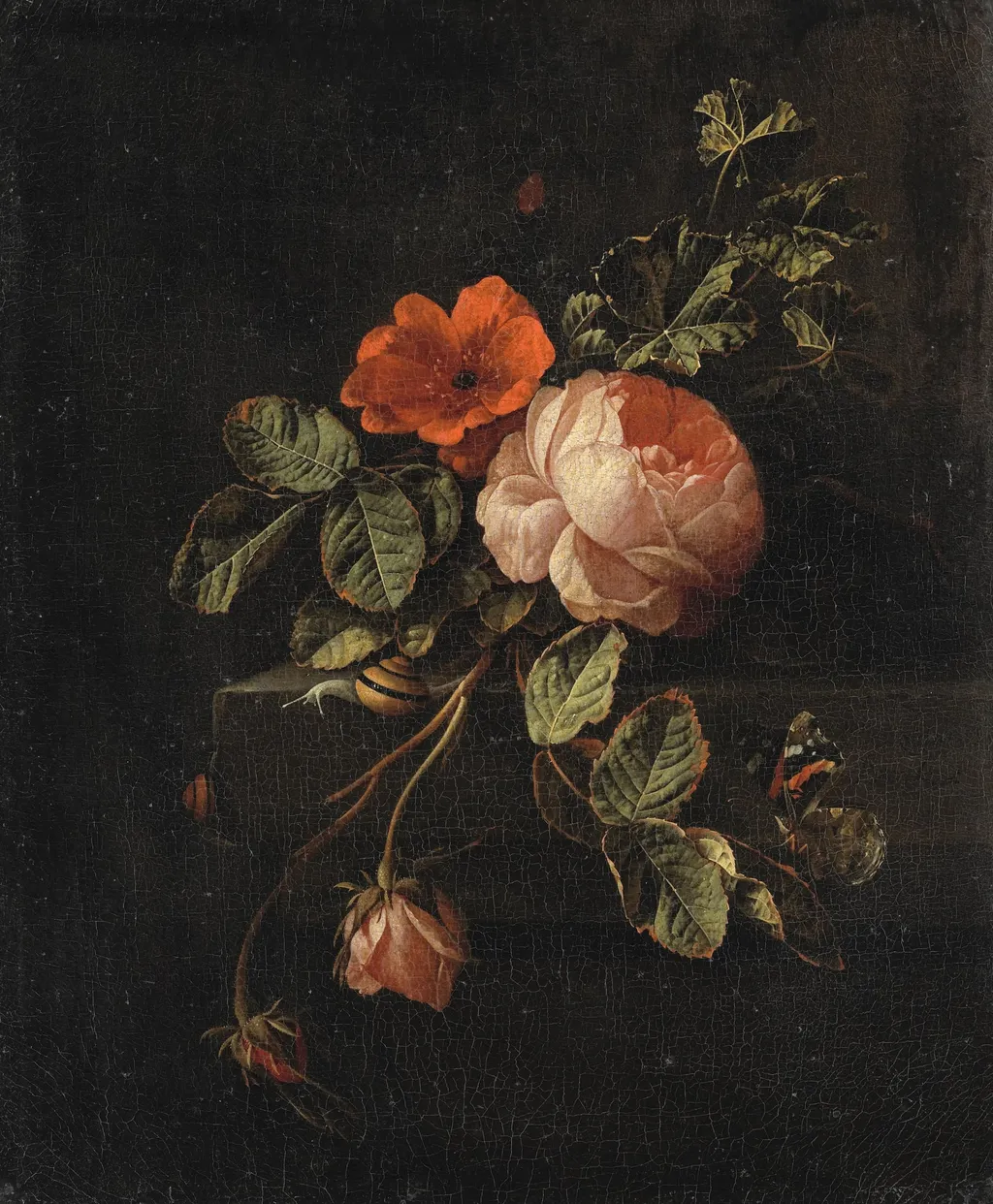
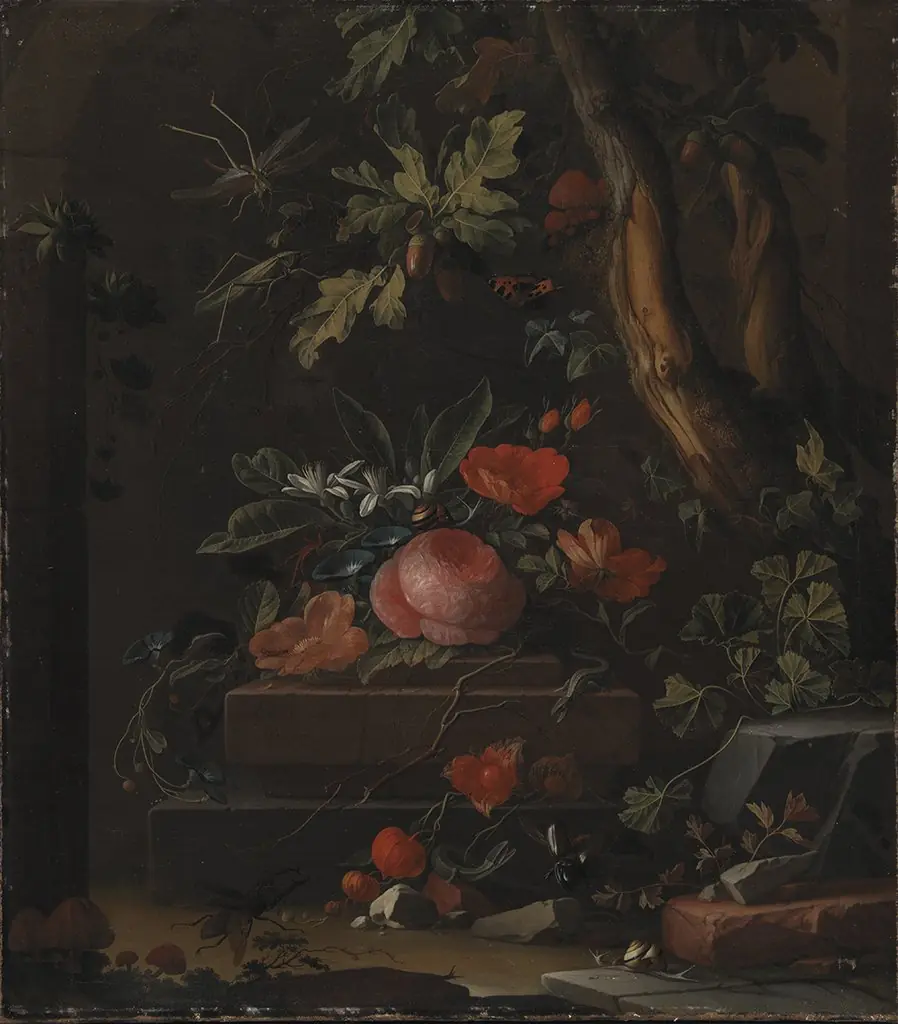
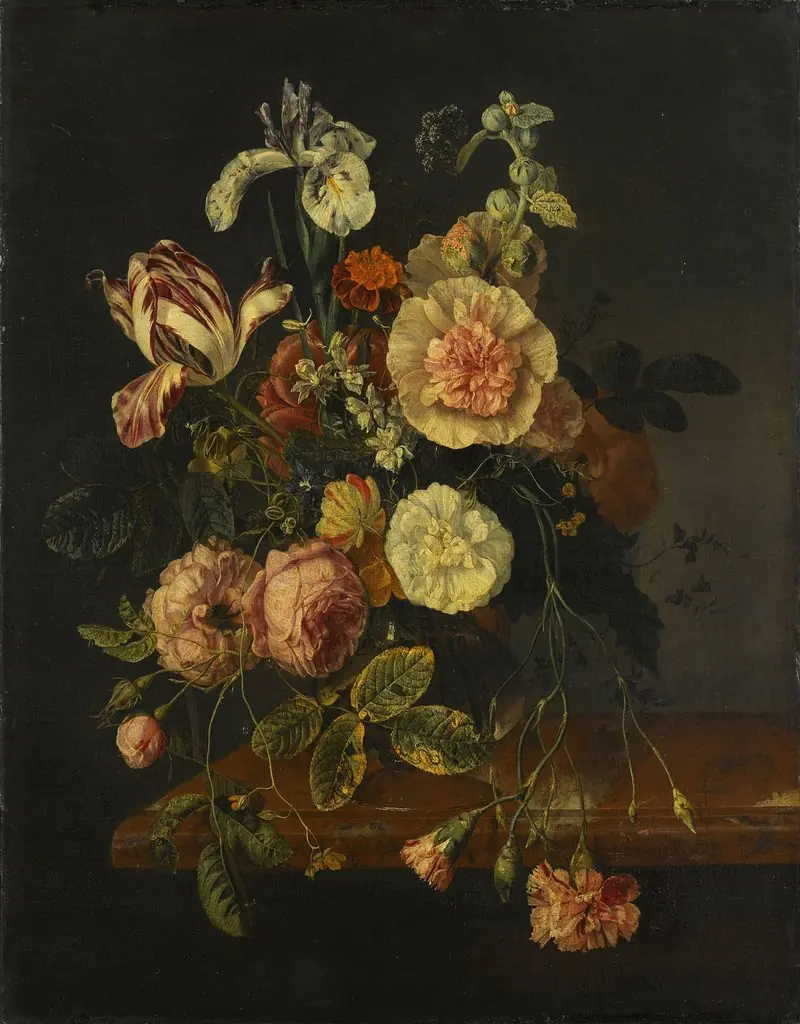
Still Life with Roses is an unspecified painting by the Dutch Golden Age artist Elias van den Broeck. It dates from 1689 and is held in the collection of the Rijksmuseum.
About this work
Technique & Style
To accentuate the sharpness and definition of the flowers, he applied a very fine outline in white or grey, a technique inherited from his master Jan Davidsz.
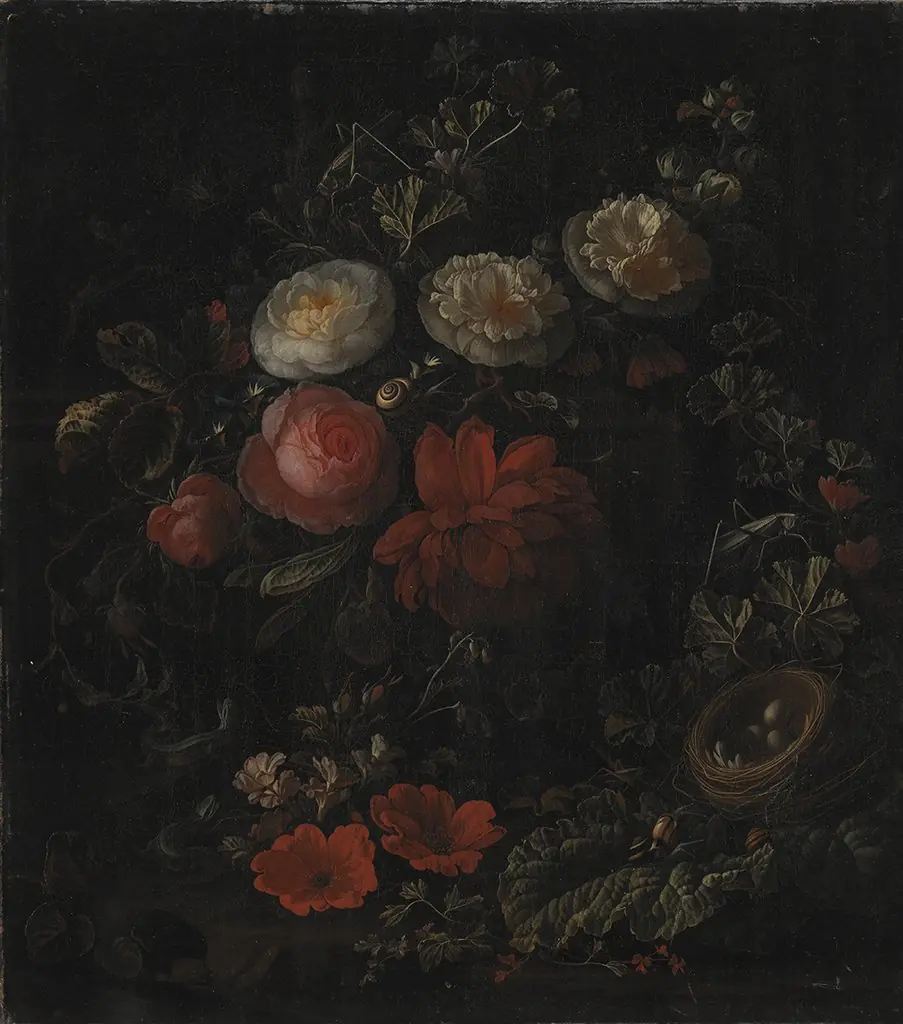
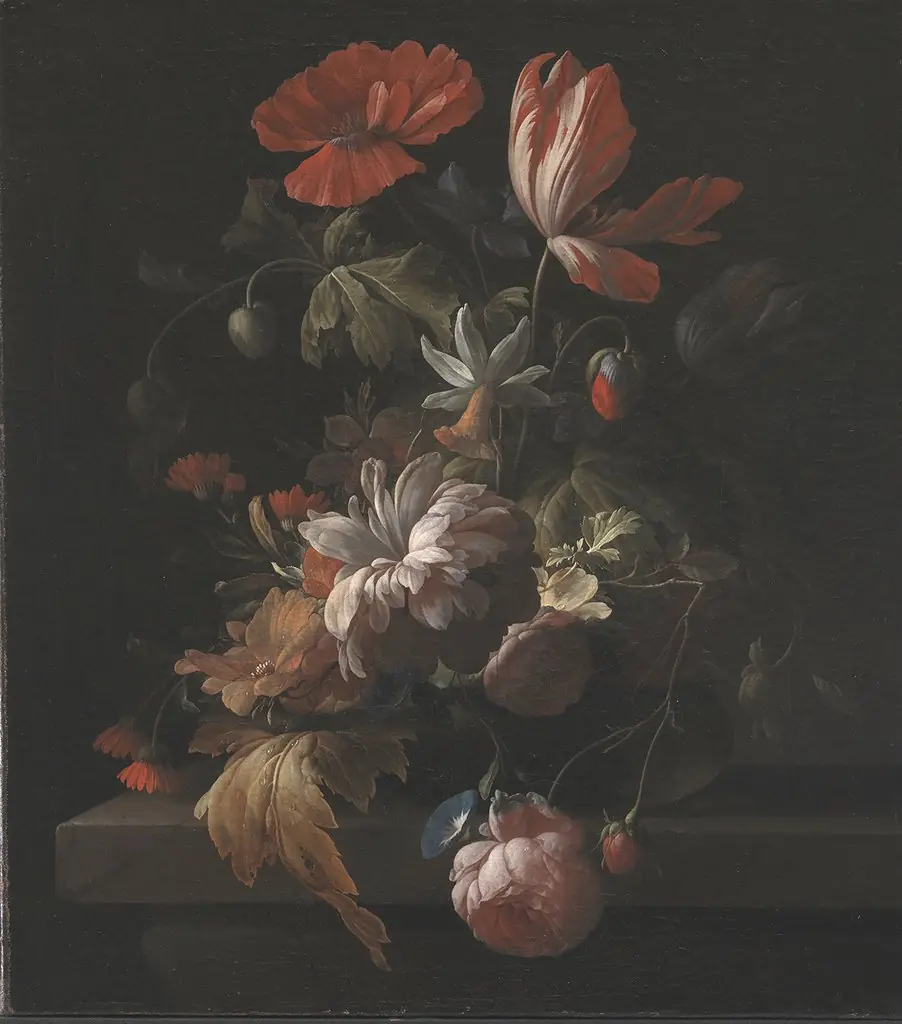
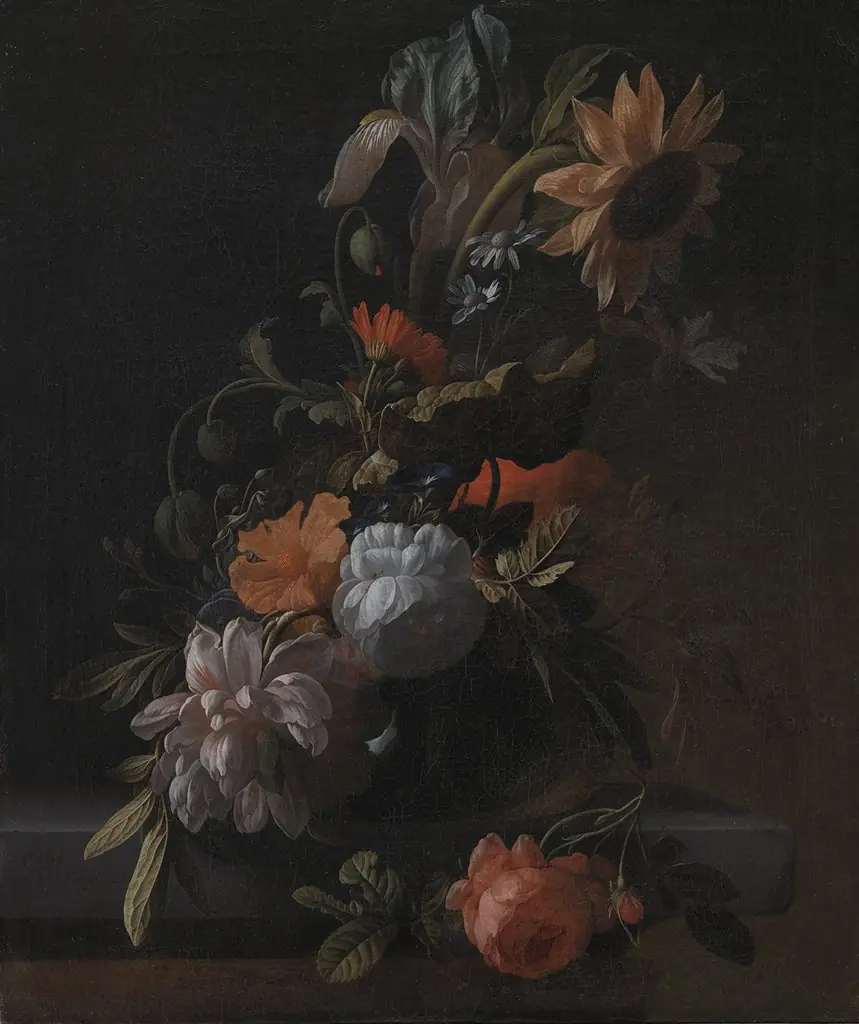
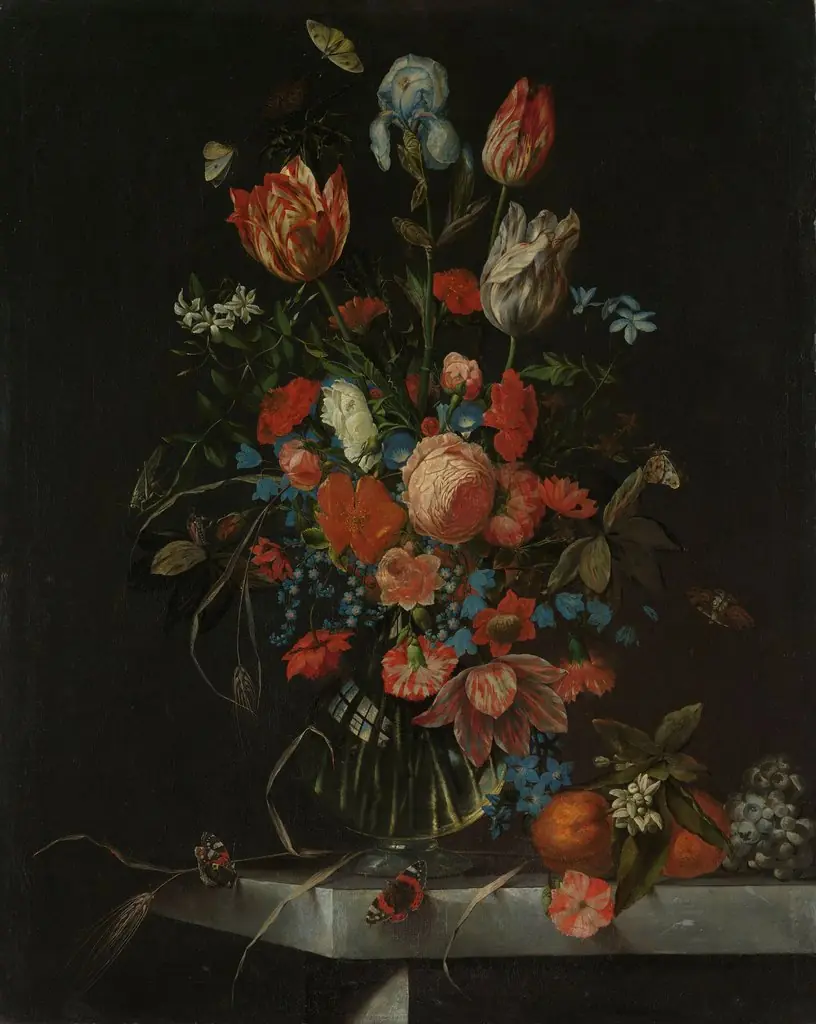
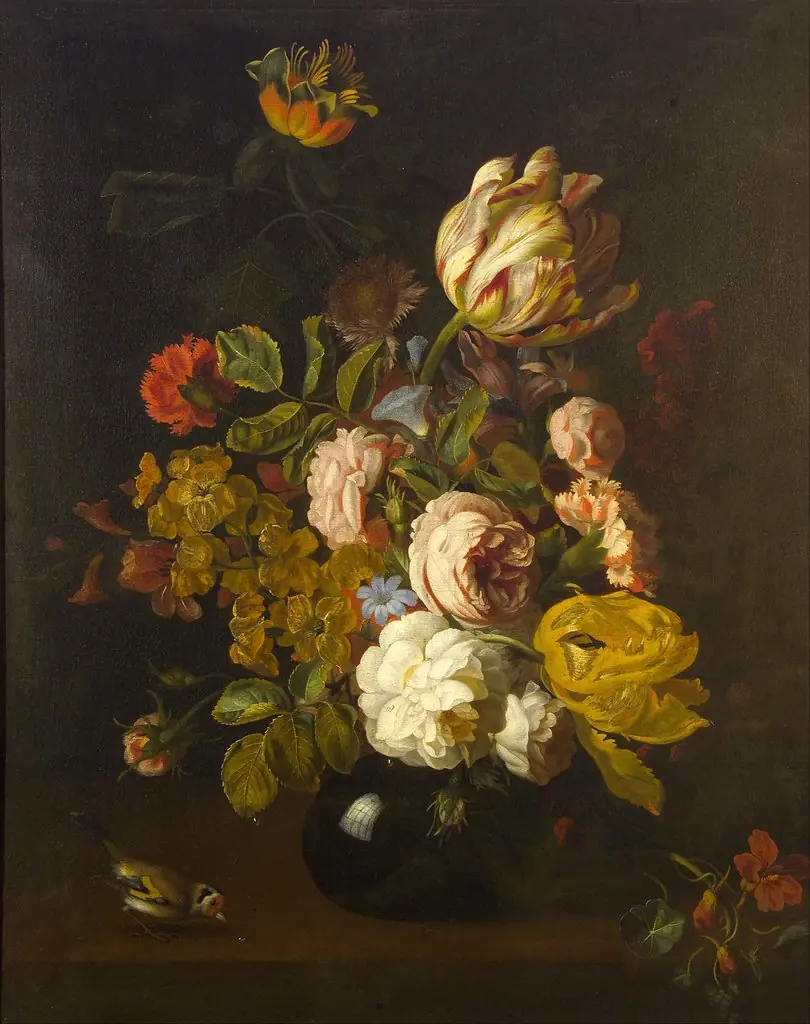
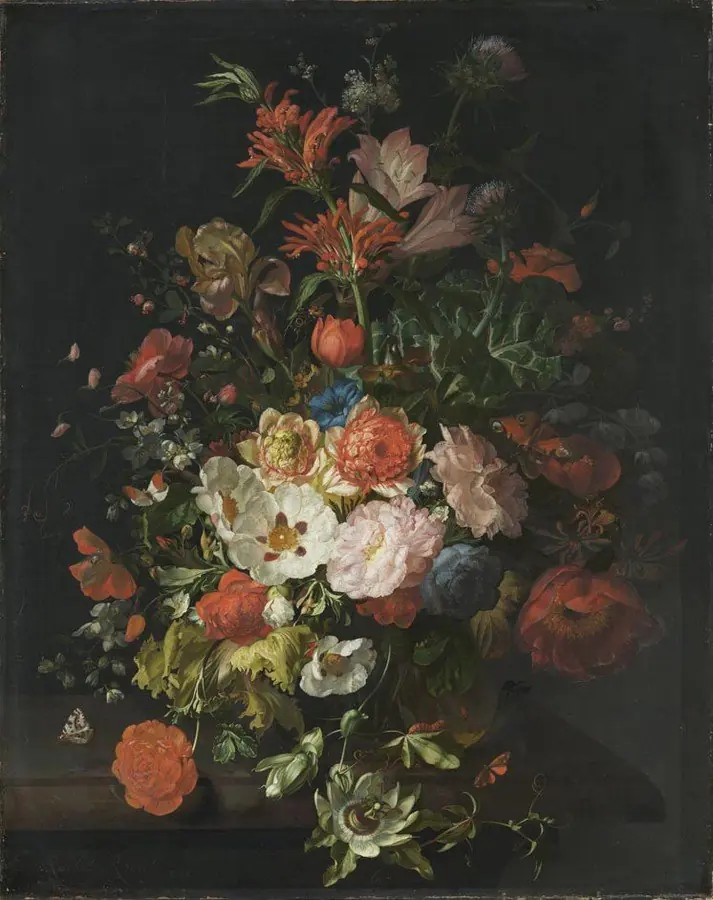
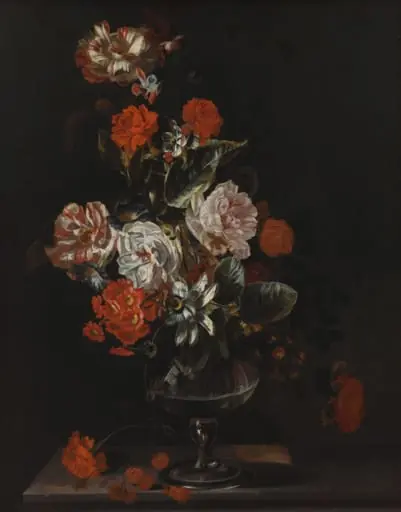
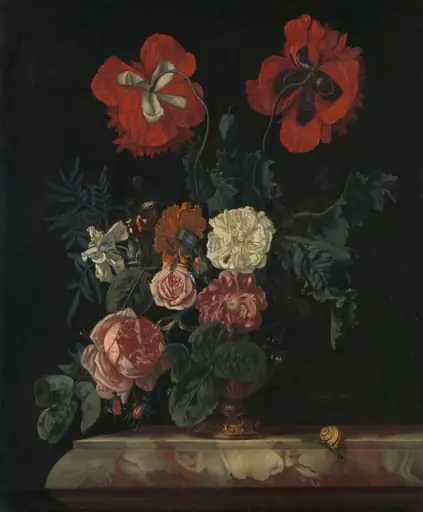
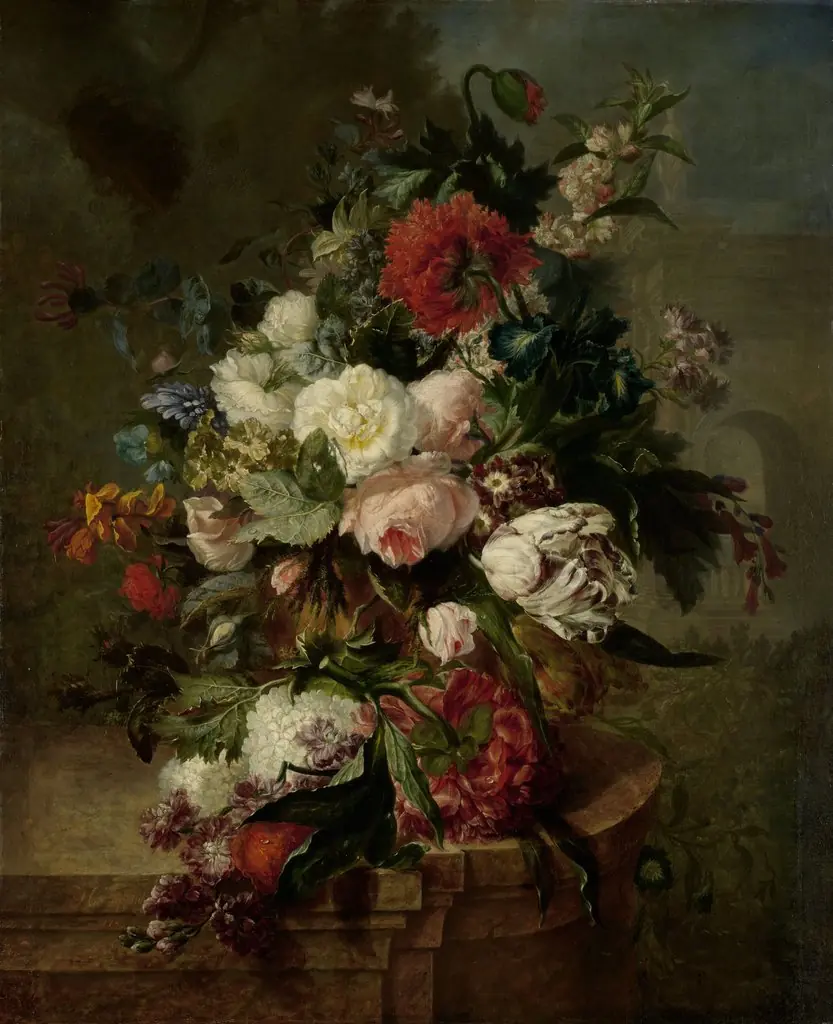
Elias van den Broeck executed his floral works, including *Still Life with Roses*, as oil paintings on canvas. His handling of the medium is characterized by a distinctive personal style that evokes an evening atmosphere through strong lighting effects. To accentuate the sharpness and definition of the flowers, he applied a very fine outline in white or grey, a technique inherited from his master Jan Davidsz. de Heem. The formal composition of his flower pieces often employs a diagonal arrangement, reflecting the influence of Willem van Aelst. While his banquet still lifes show the impact of de Heem, his floral arrangements maintain a unique visual identity driven by these specific lighting and outlining methods.
History & Provenance
The painting Still Life with Roses was created by Elias van den Broeck during his mature period in Amsterdam. He trained under Cornelis Kick and later Jan Davidsz. de Heem, developing a distinctive style of flower painting with strong lighting effects. The work entered the collection of the Rijksmuseum in Amsterdam, where it remains in the museum's holdings. The artist's documented career includes apprenticeships, a year of service to art dealer Bartholomeus Floquet, marriage in Antwerp, and a return to Amsterdam in 1685, where he continued painting still lifes until his death in 1708.
Context
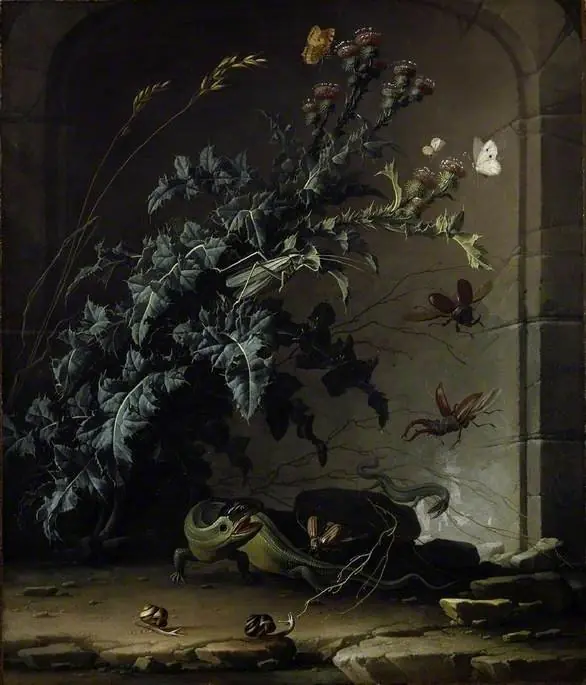
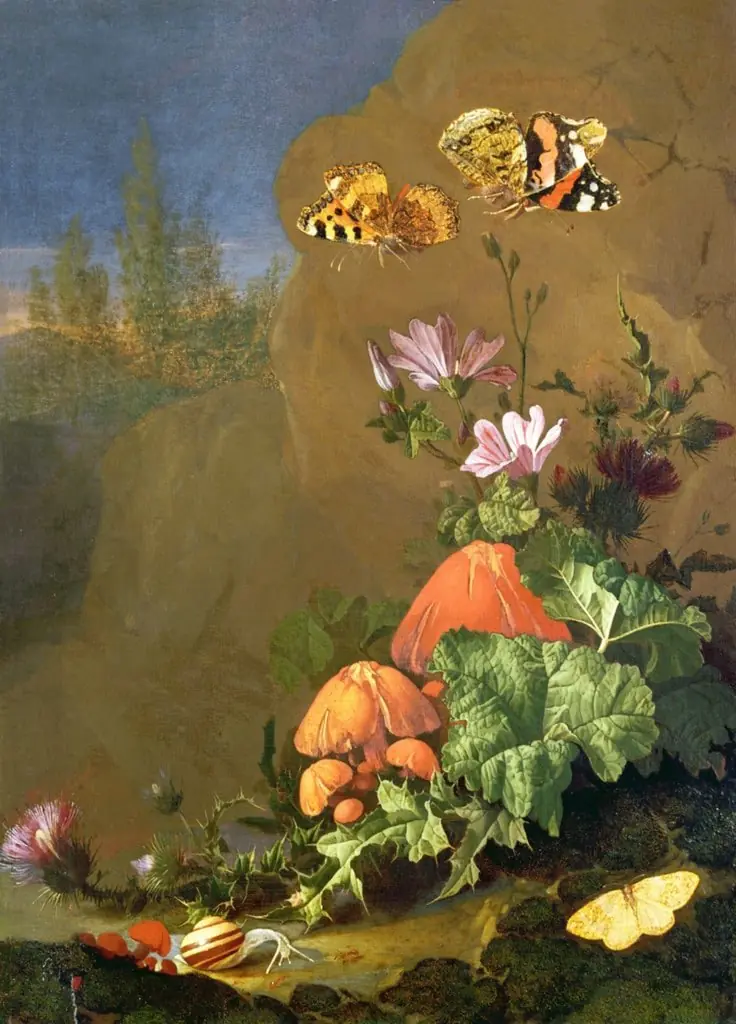
Still Life with Roses is by Elias van den Broeck, a Dutch still life painter active in Amsterdam and Antwerp in the late seventeenth and early eighteenth centuries. He is principally known for his flower pieces, and his practice also extended to fruit pieces, forest floor pieces, mushroom pieces and banquet still lifes.
Van den Broeck trained first with Cornelis Kick in Amsterdam from 1665 and then with Jan Davidsz. de Heem in Utrecht from 1669, accompanying de Heem to Antwerp in 1673, where he became a master in the Guild of St. Luke. His early works reflect Kick's influence, while his banquet still lifes show de Heem's impact, including the use of fine white or grey outlines to sharpen the flowers. The diagonal compositions of his flower pieces reveal the influence of Willem van Aelst. Despite these varied sources, van den Broeck developed a distinctive personal style, visible in flower pieces that evoke an evening atmosphere through strong lighting effects. His pupil Philip van Kouwenbergh went on to become a respected flower painter in his own right.
Legacy
Elias van den Broeck's flower paintings, particularly Still Life with Roses, established a distinctive approach to lighting and composition that influenced later Dutch still-life artists. His technique of using fine white or grey outlines to heighten floral sharpness and his evening-light effects became characteristic of the genre. Contemporary records note his teaching legacy through pupil Philip van Kouwenbergh, and his works remain documented in major collections including the Rijksmuseum and Ashmolean Museum.
Own this work as a print
Artist & collection
Artist
Elias van den Broeck (c. 1652 in probably in Amsterdam – buried 6 February 1708 in Amsterdam) was a Dutch still life painter mainly known for his flower pieces. He trained in the Dutch Republic and worked for some time…