
Subject
Butterfly
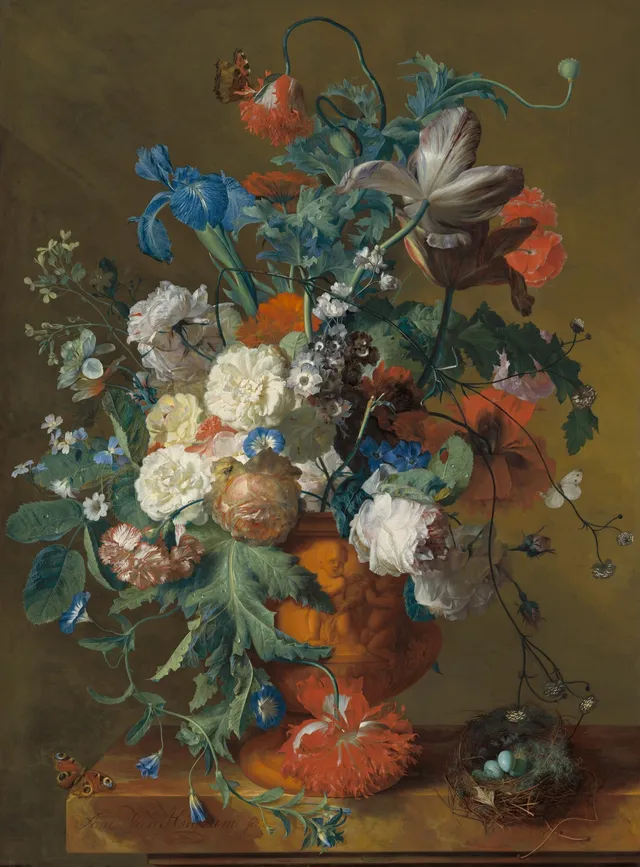
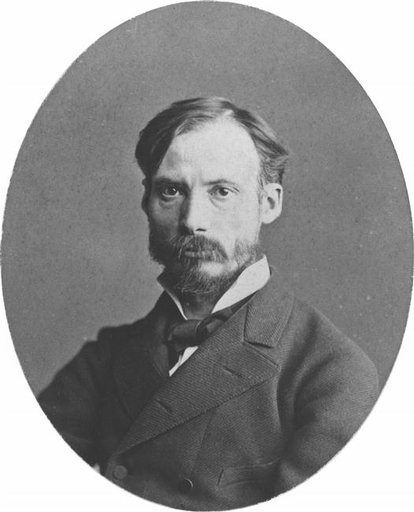
Butterfly is a subject in art. The gallery holds 54 works in this subject in art, including works by Peter Binoit, Pierre-Auguste Renoir and Gustave Moreau.
In Western art the butterfly carries one of the oldest and most concentrated symbolic charges of any natural motif. The link is embedded in language itself: the Greek word *psyche* means both "soul" and "butterfly," and the goddess Psyche was often shown with butterfly wings, the insect standing for the soul's escape from the body. Ancient Egyptian and Greco-Roman art already used it to figure transcendence, and early Christian artists adapted the caterpillar–chrysalis–butterfly sequence as a natural emblem of life, death, and resurrection. By the late Middle Ages and Renaissance the butterfly had become shorthand for the immortal soul and, simultaneously, for the brevity of earthly life.
The motif reached its fullest pictorial development in the Netherlandish and Flemish still life of the seventeenth century. In vanitas and flower pieces, the butterfly's bright, short-lived beauty made it a natural memento mori, a counterweight to skulls, snuffed candles, and wilting blooms. Painters rendered wings with near-microscopic precision—stippled scales, translucent membranes, cast shadows that anchor the insect to a petal or ledge. The Antwerp specialist Jan van Kessel the Elder (1626–1679), whose *Vanitas Still Life* is held in this collection, built whole compositions from meticulously observed insects, working from both specimens and printed natural-history sources. The same exacting naturalism animates Jan van Huysum's lavish flower arrangements, such as the *Flowers in an Urn* held here, where a butterfly alights amid blossoms gathered across impossible seasons.
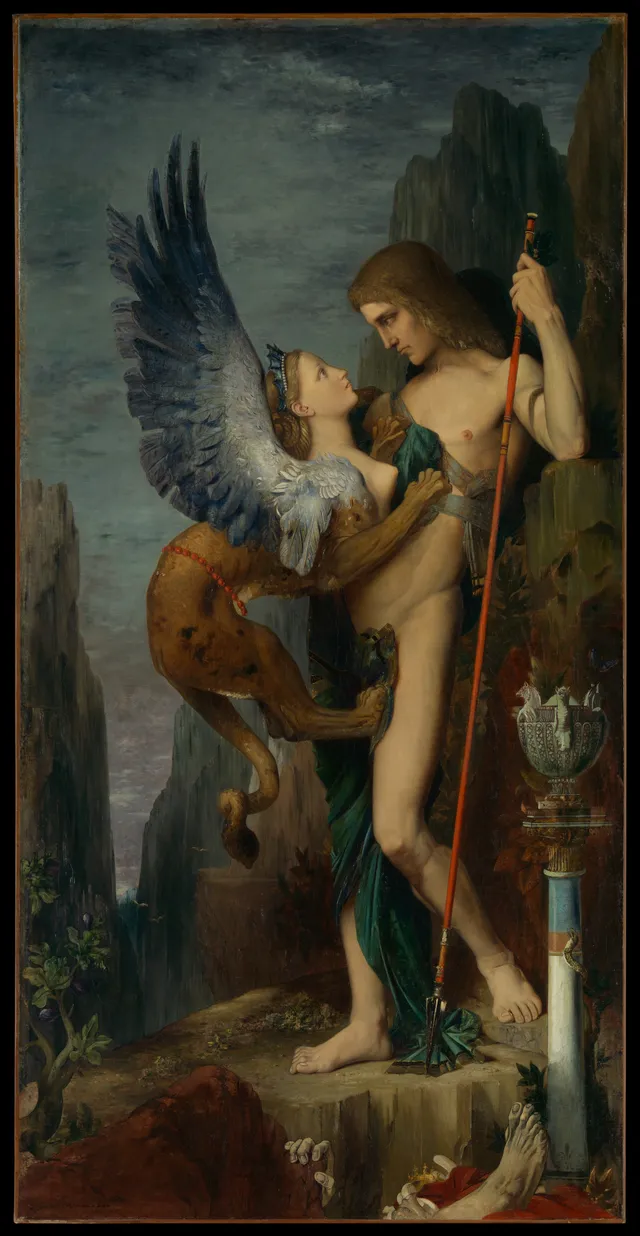
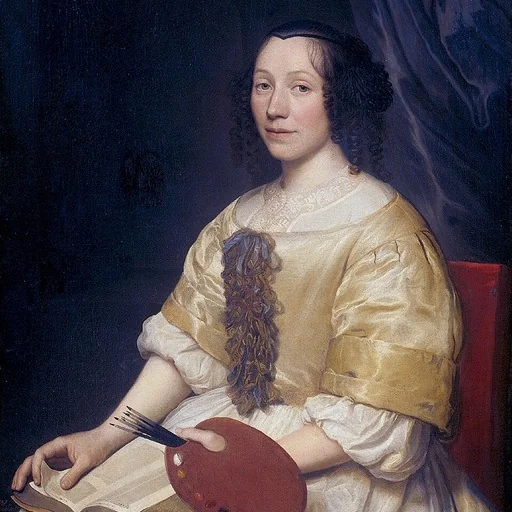
Butterflies also linked art to the emerging science of entomology. The German-born naturalist and artist Maria Sibylla Merian (1647–1717) transformed the genre: after travelling to Suriname in 1699, she published *Metamorphosis Insectorum Surinamensium* (1705), sixty hand-colored engravings that were the first to depict the full life cycle of butterflies alongside their host plants. Her fusion of observation and design influenced both naturalists and decorative painters. The motif persisted into German Romanticism and Symbolism—Gustave Moreau, represented here by *Oedipus and the Sphinx*, belonged to the wider Symbolist current that prized such soul-emblems.
The butterfly's symbolic afterlife extends to the present, most conspicuously in the work of Damien Hirst, whose kaleidoscopic compositions made from real butterfly wings reprise the old themes of beauty, transience, and mortality for a contemporary audience—proof that this small creature remains among art's most enduring carriers of meaning.
Key artists

Works
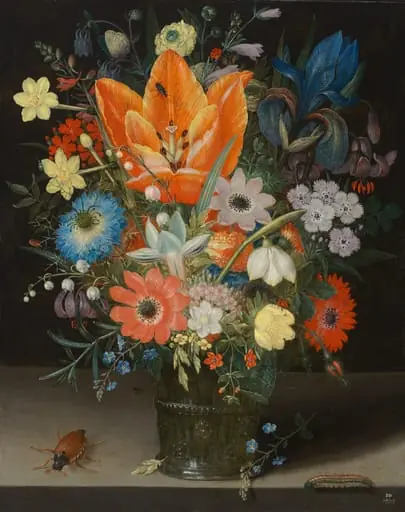 Still Life with Iris
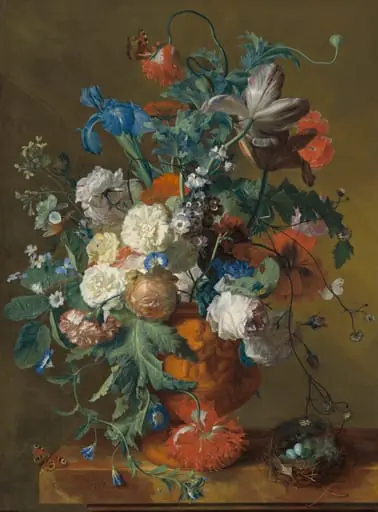 Flowers in an Urn
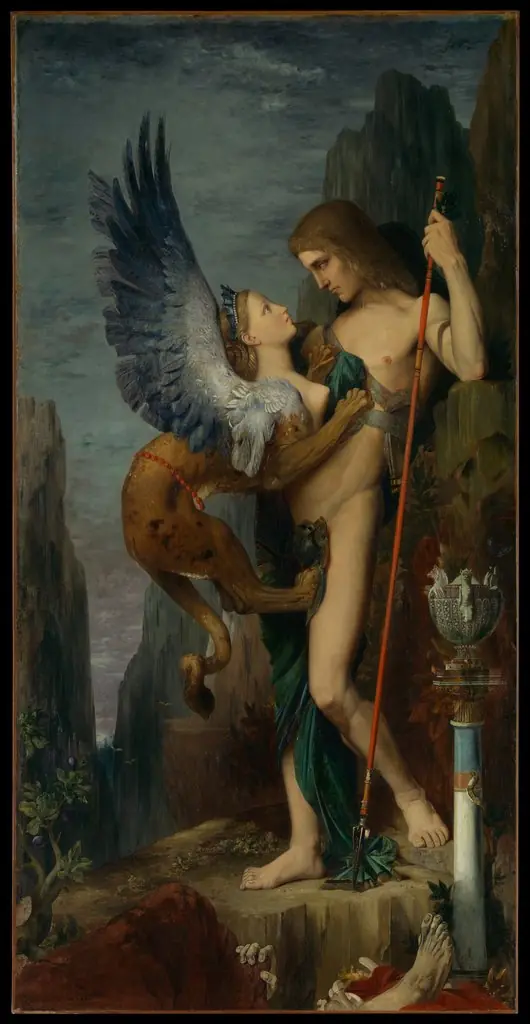 Oedipus and the Sphinx
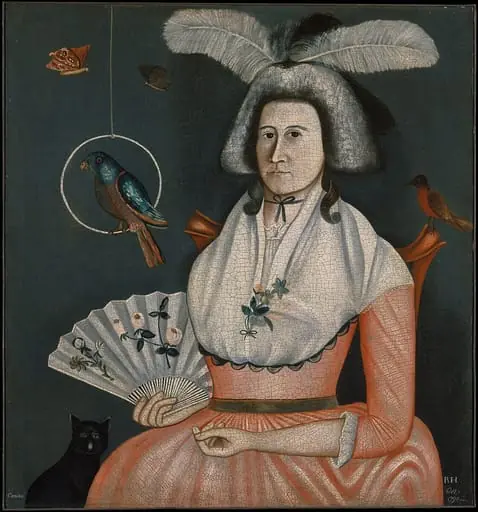 Molly Wales Fobes
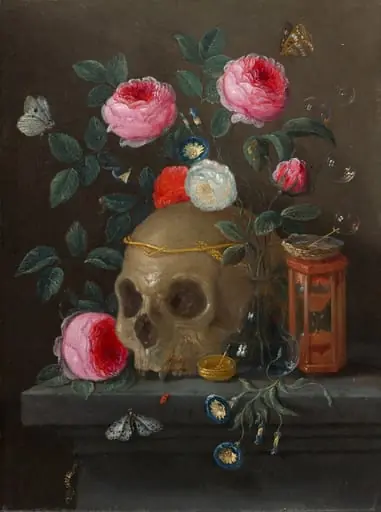 Vanitas Still Life
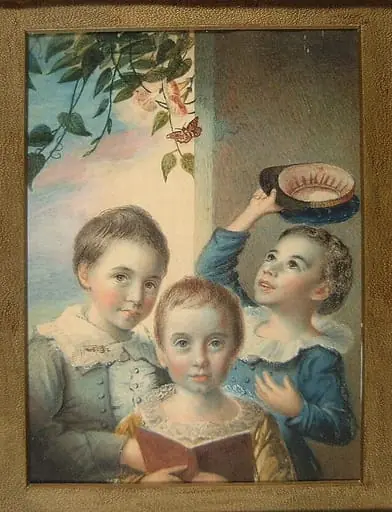 Portrait of Three Boys
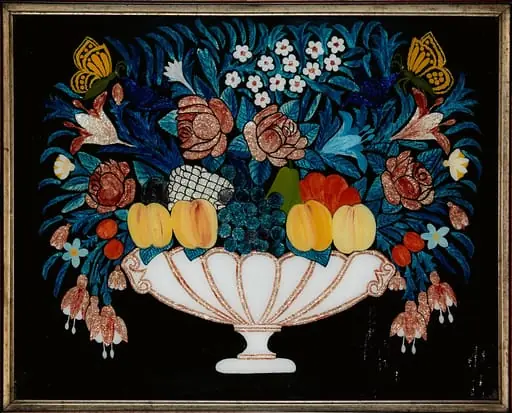 Still Life—Flowers and Fruit in White and Pink Bowl
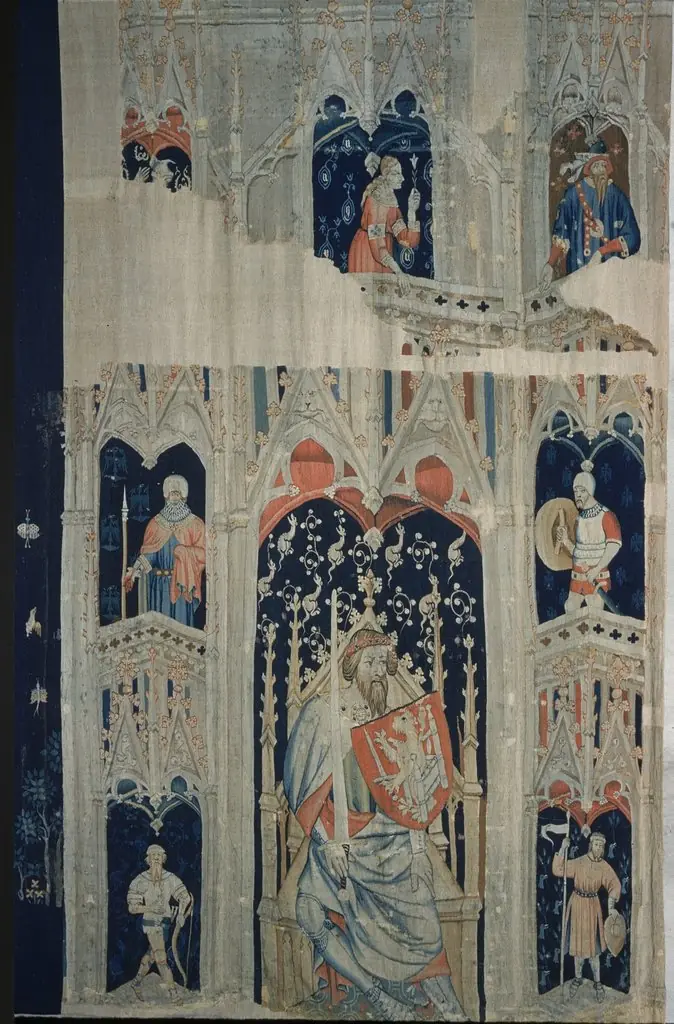 Alexander the Great or Hector of Troy (from The Nine Heroes Tapestries)
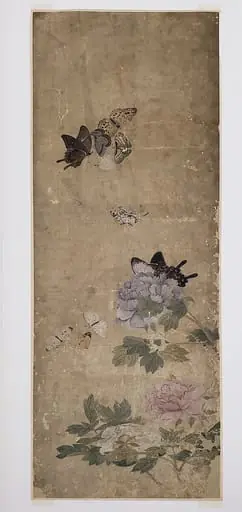 전 일호 남계우 나비와 모란 조선|傳 一濠 南啓宇 蝴蝶圖 朝鮮|Butterflies and Peonies
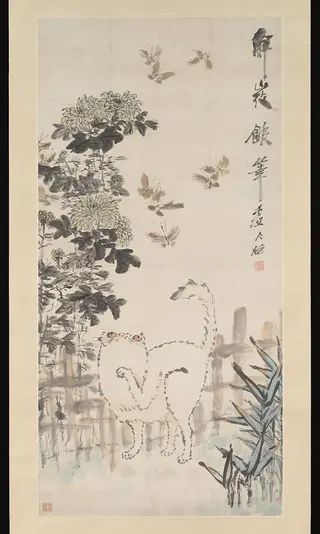 清 虛谷 蝶貓圖 軸|Cat and Butterfly
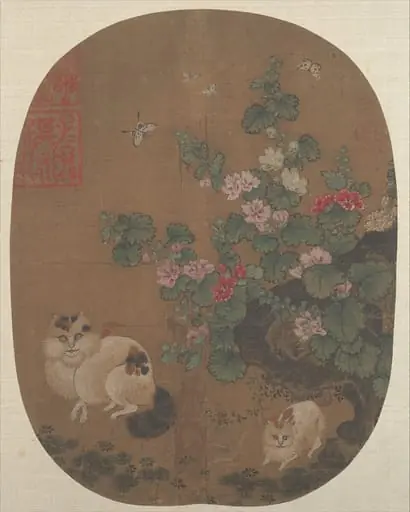 Untitled
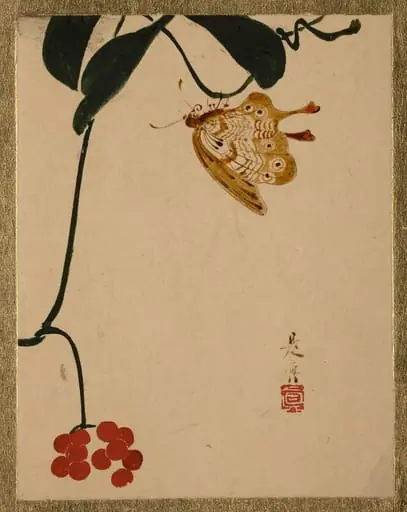 Untitled
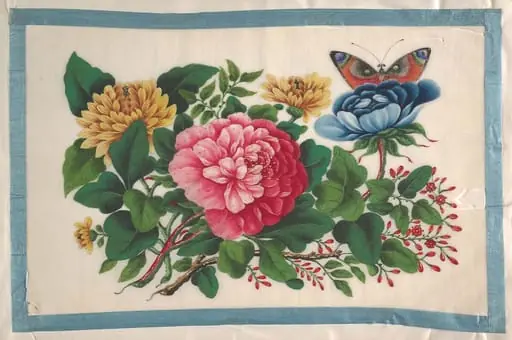 Untitled
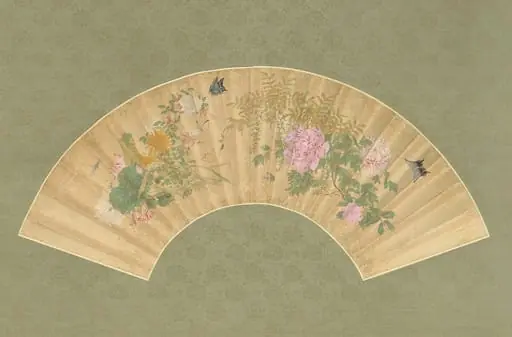 Untitled
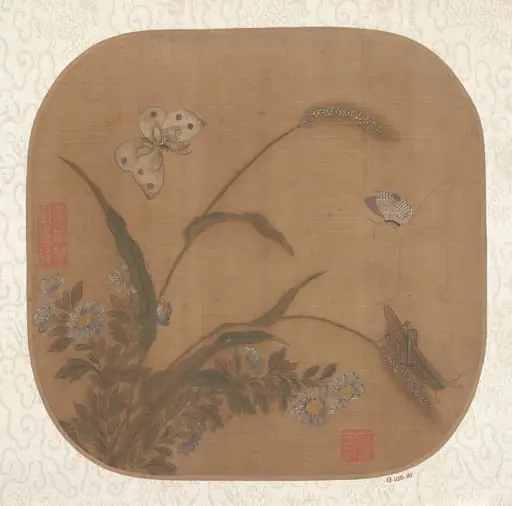 Untitled
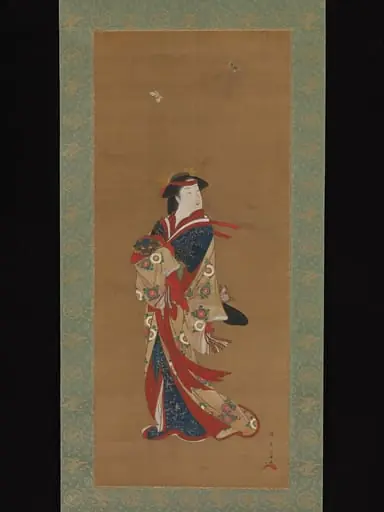 Untitled
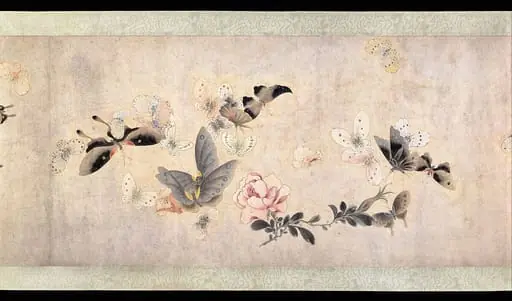 清 佚名 傳馬荃 花蝶圖 卷|Flowers and Butterflies
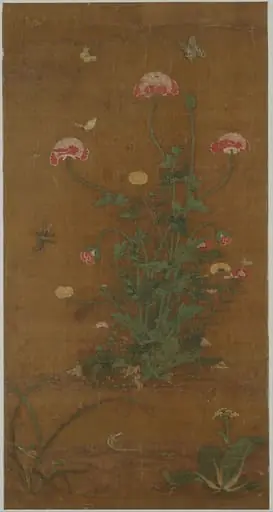 元/明 呂敬甫 花蝶圖 軸 |Flowers
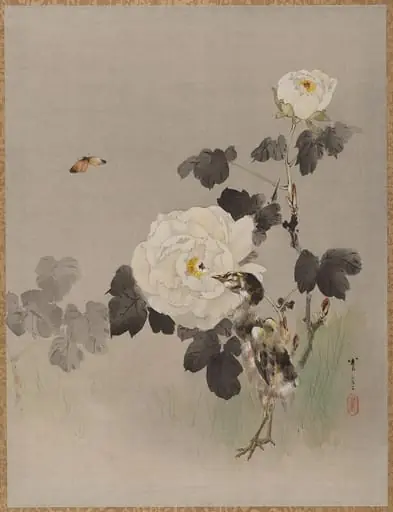 Untitled
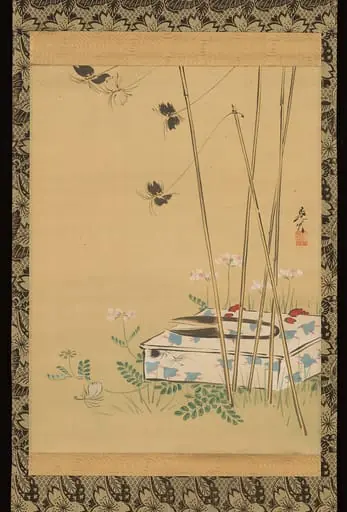 Untitled
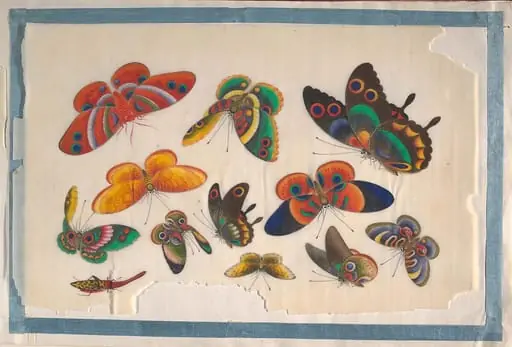 Untitled
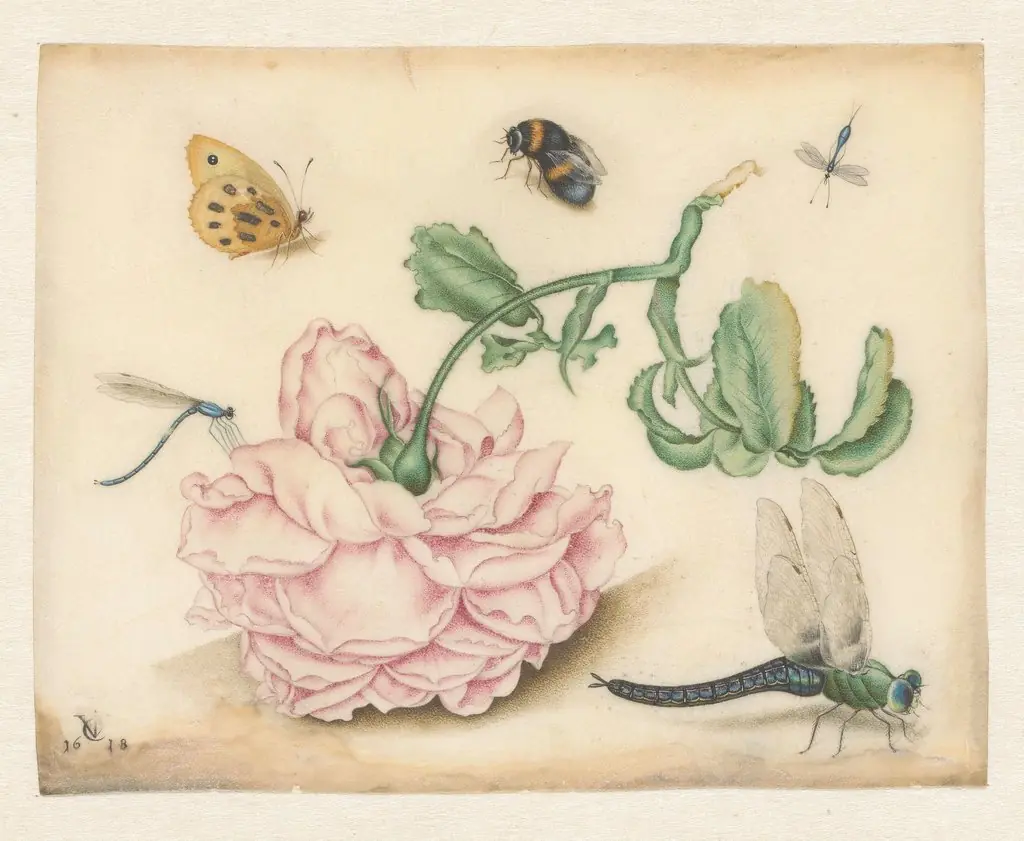 A Rose and Five Insects
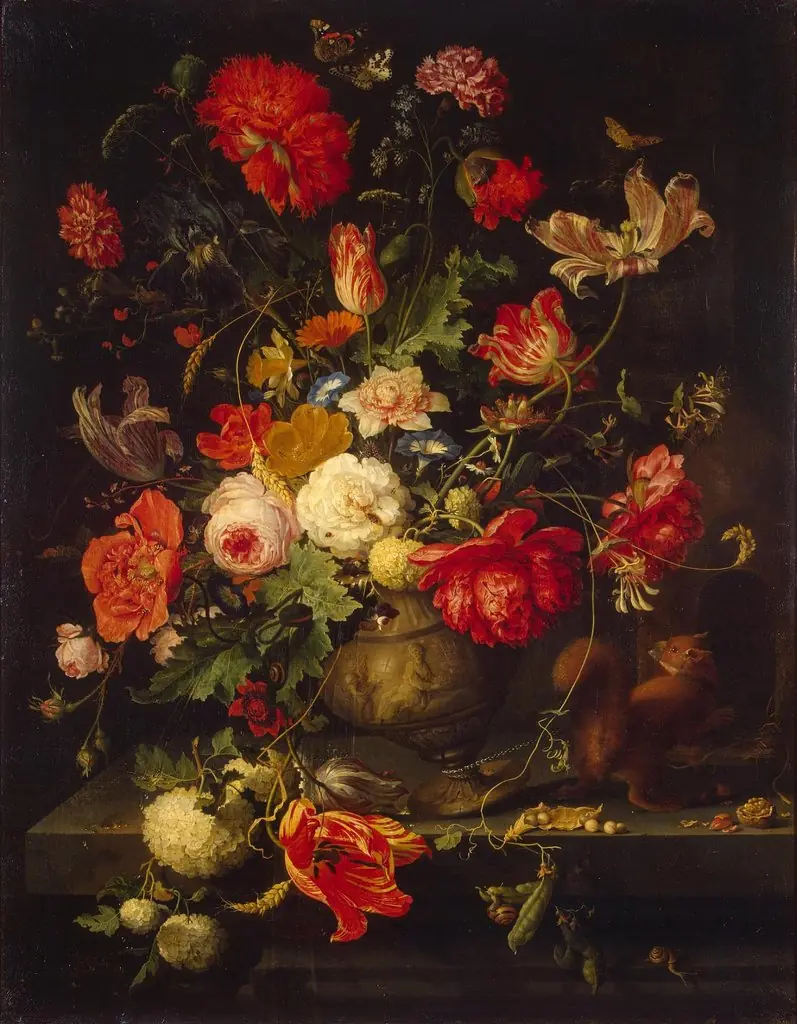 Vase of Flowers
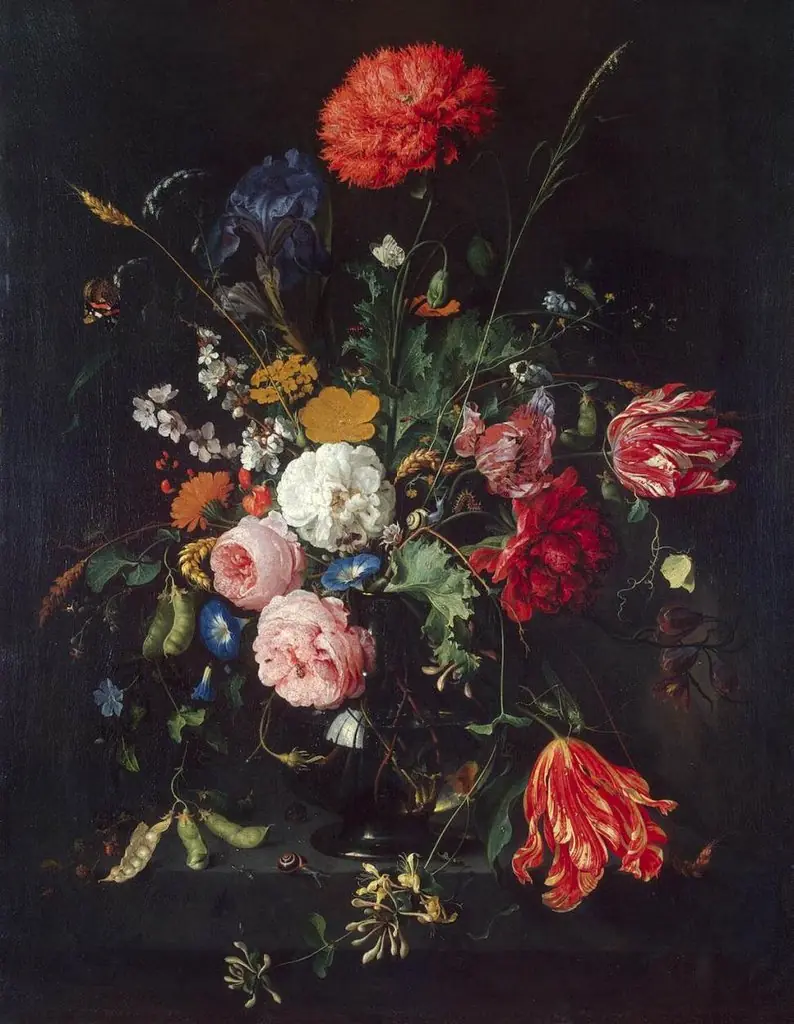 Flowers in a Vase
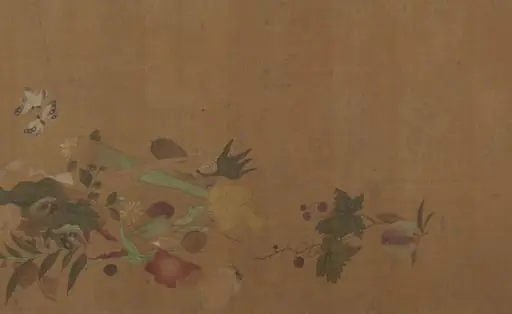 清 佚名 傳錢選 花果草蟲圖 卷|Flowers and Insects
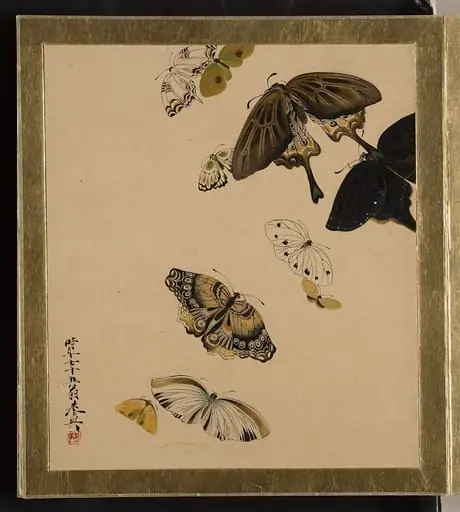 Untitled
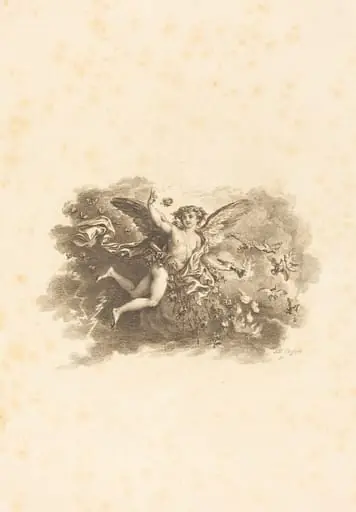 Fleuron for the Title Pages
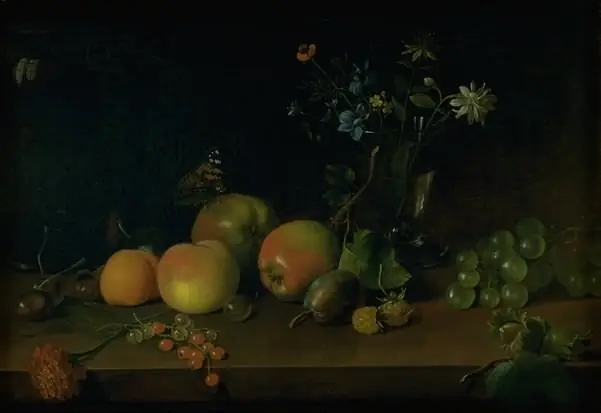 Flowers and Fruit on a Table
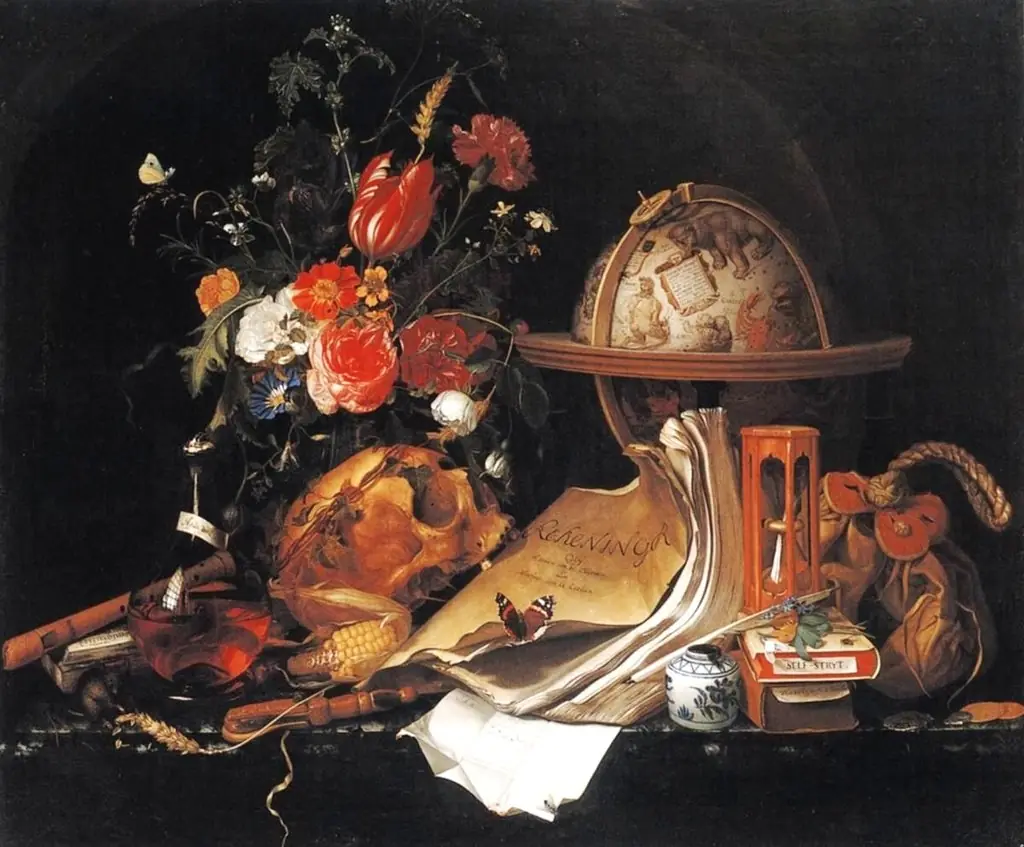 Vanitas still life
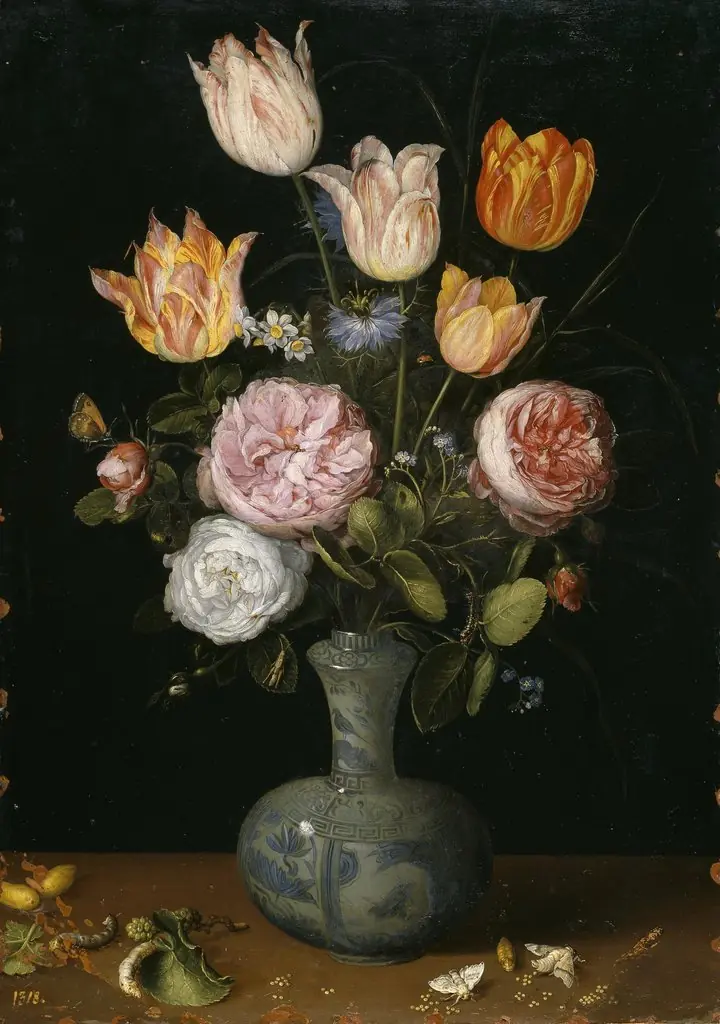 Vase of Flowers
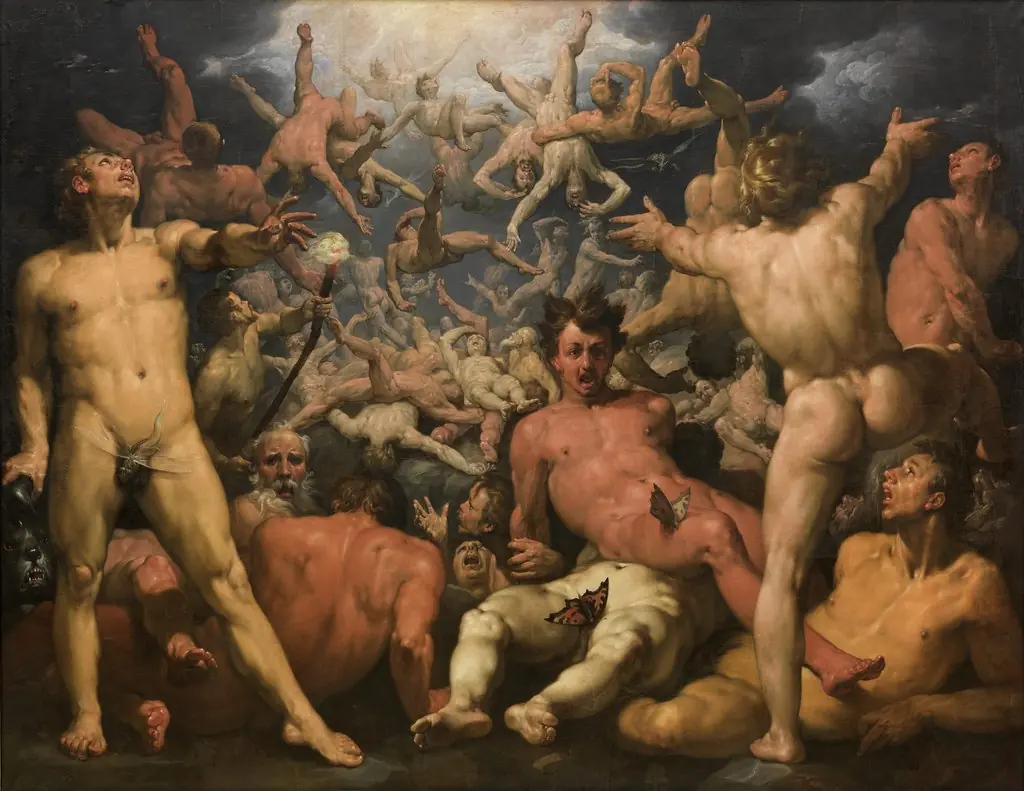 The Fall of the Titans
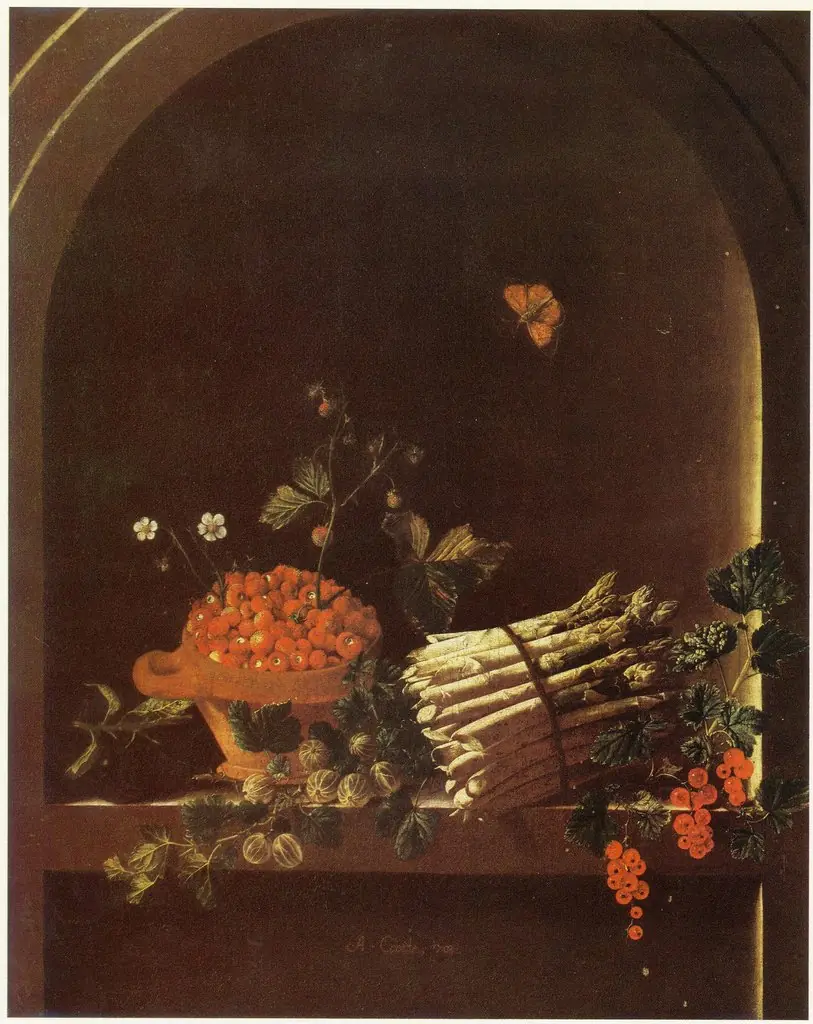 Still Life with Fruit and Asparagus
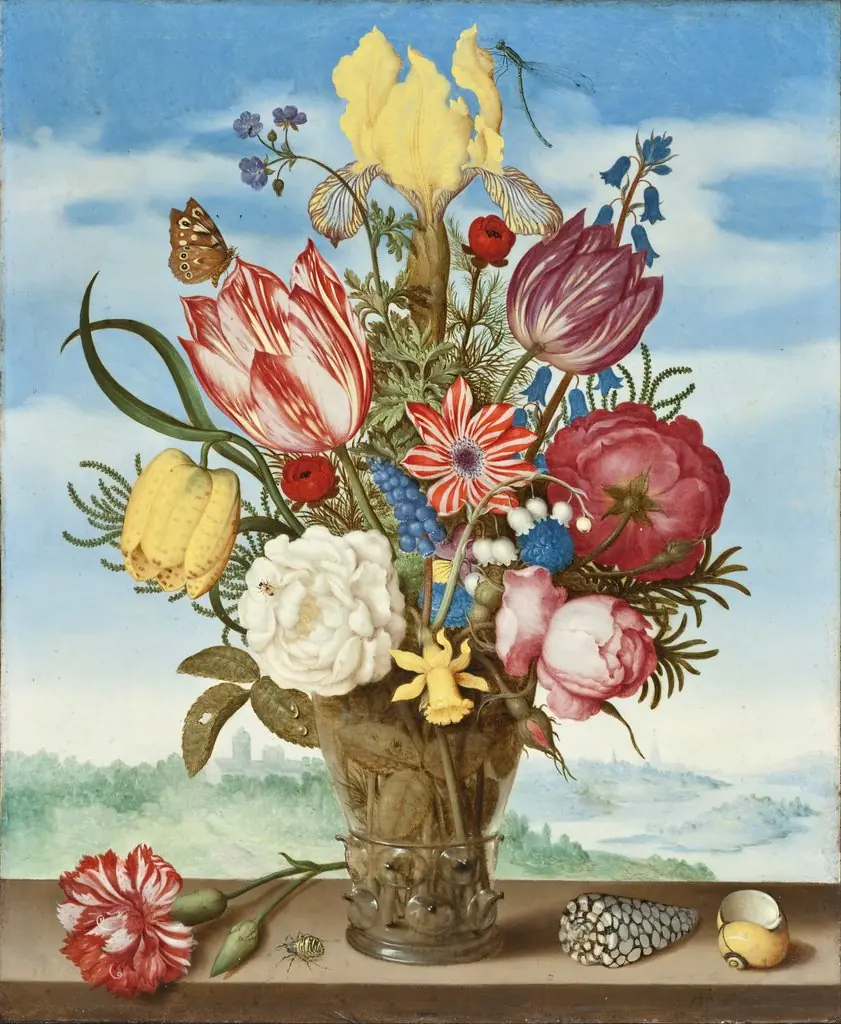 Bouquet of Flowers on a Ledge
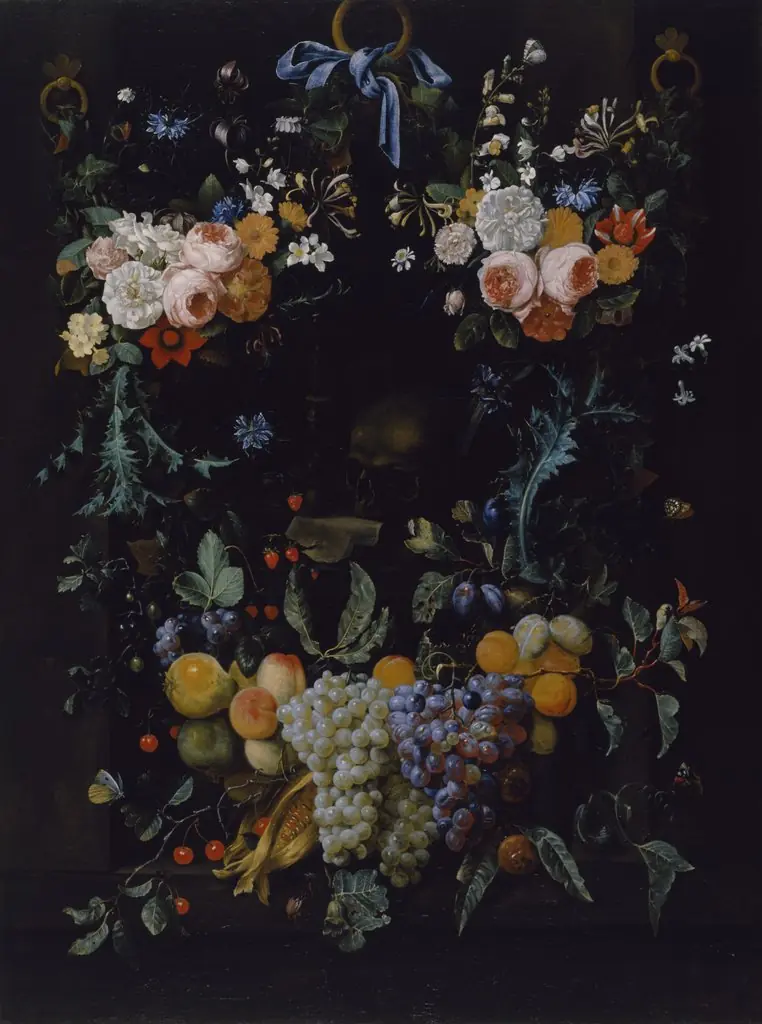 Allegory on Human Life
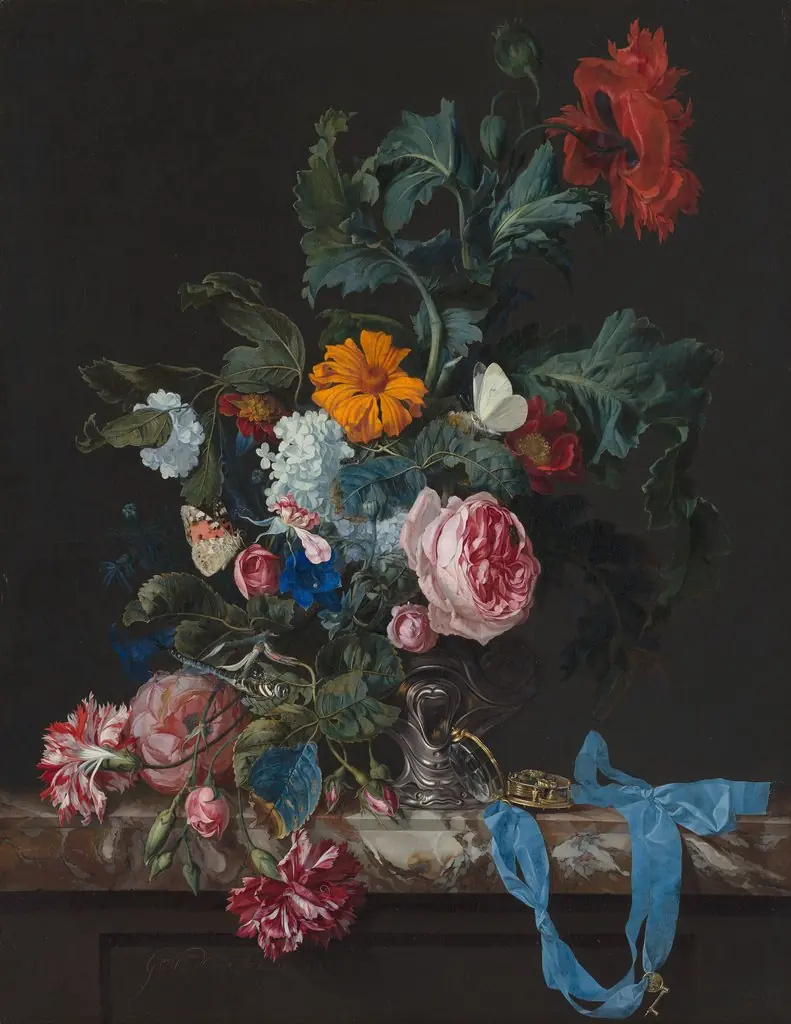 Flower still life with a watch
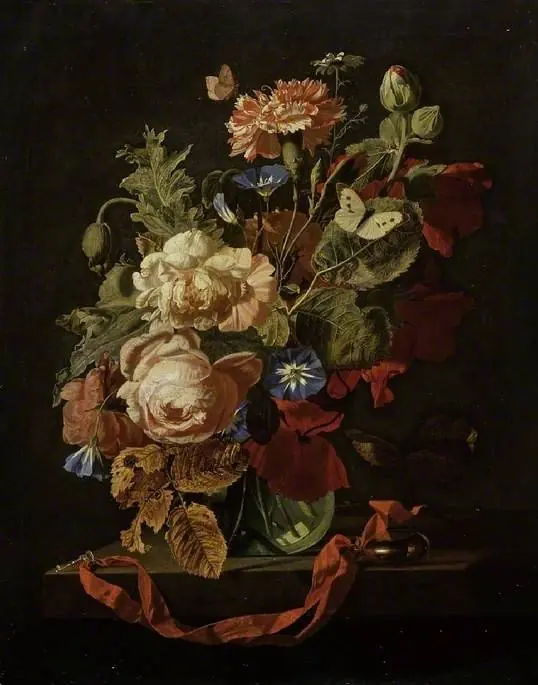 A Vase of Flowers
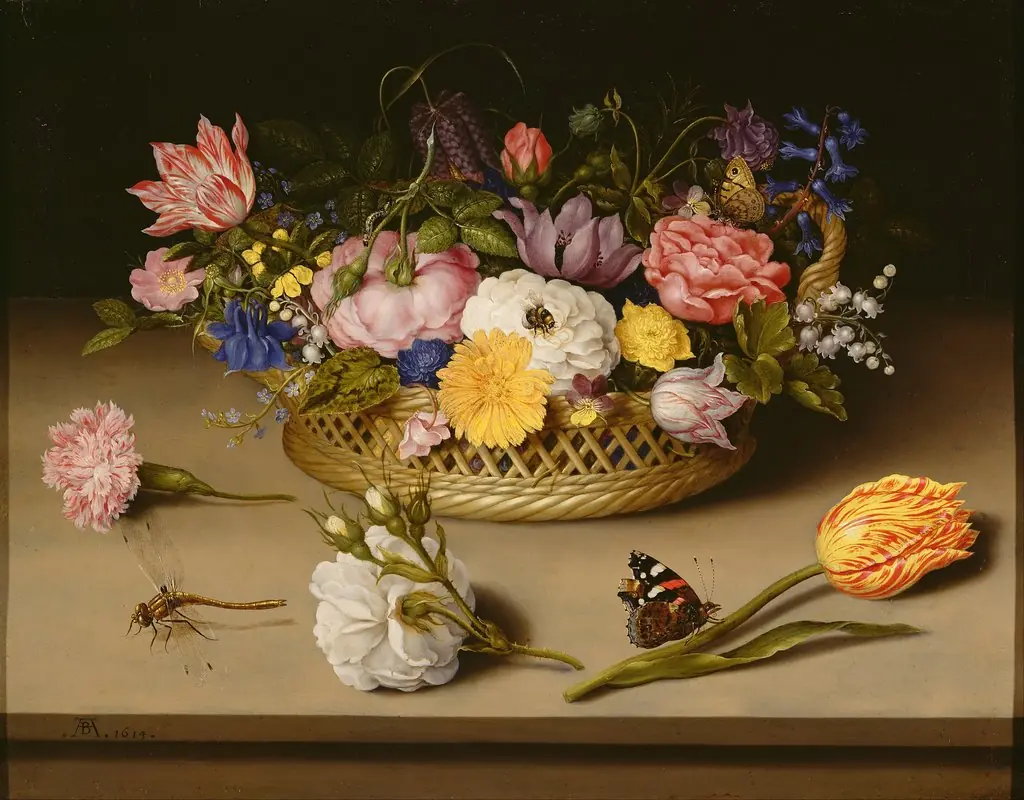 Flower Still Life
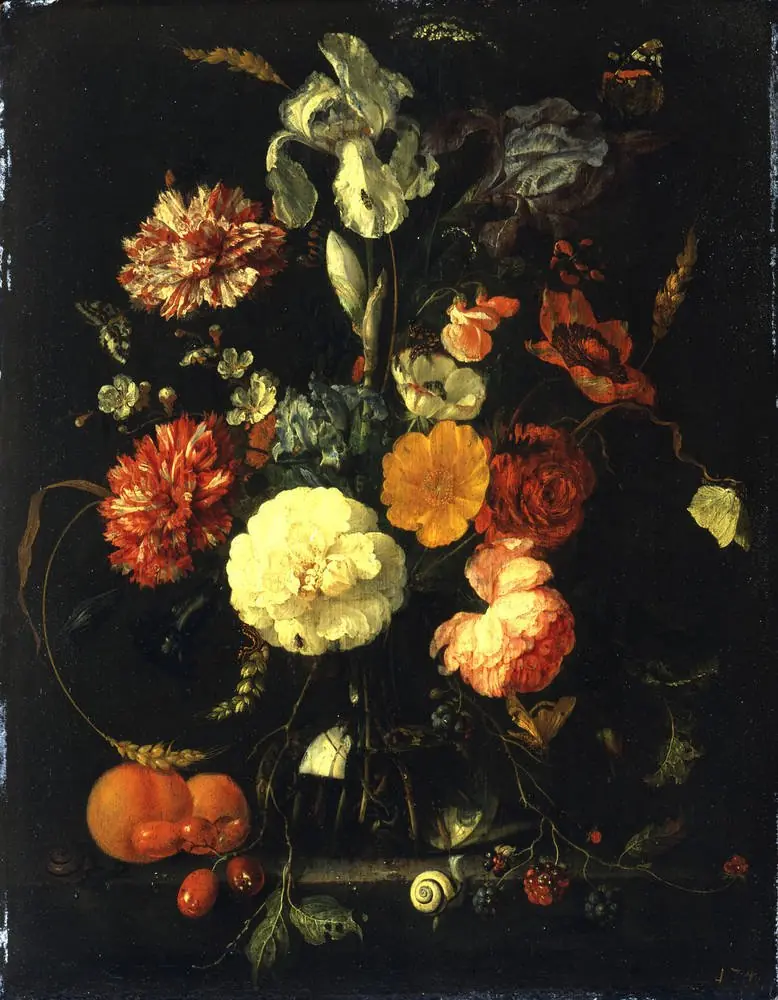 Bouquet with Blue Iris in a Glass Vase
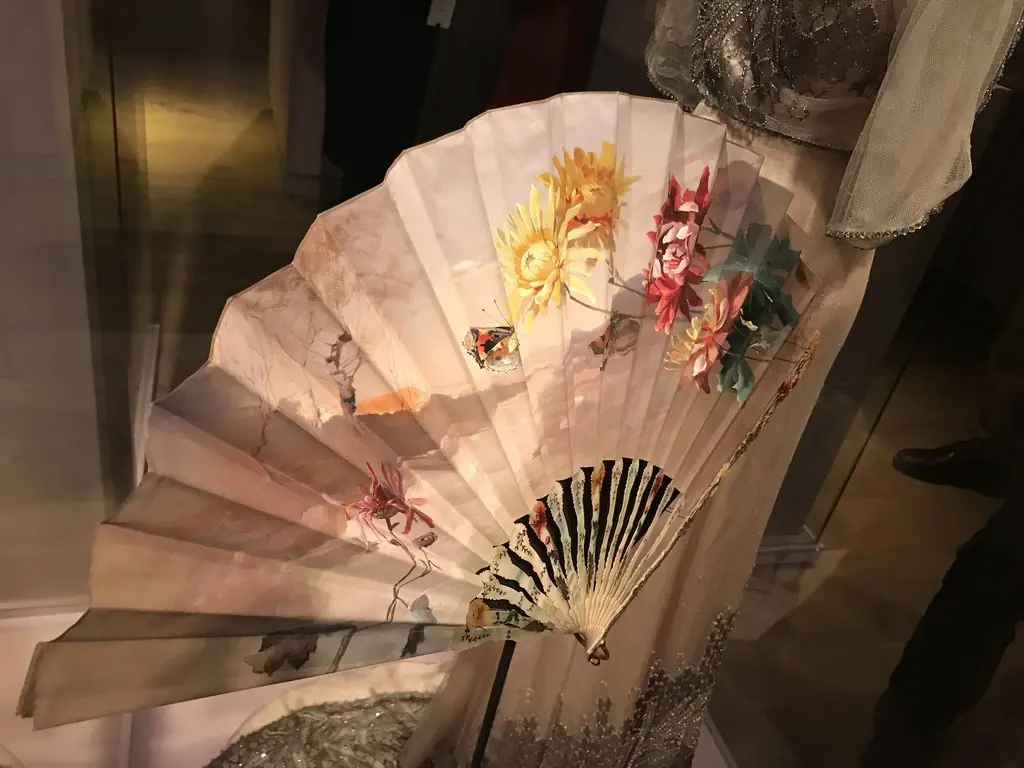 Folding Fan Depicting Chrysanthemums and Butterflies which belonged to Empress Maria Feodorovna
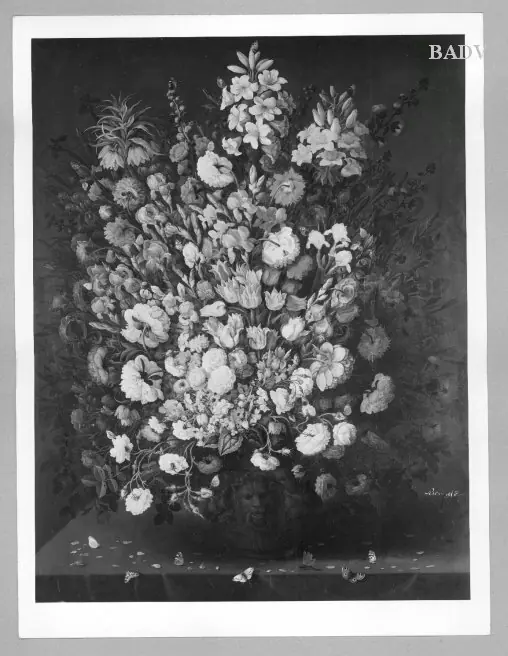 flowers
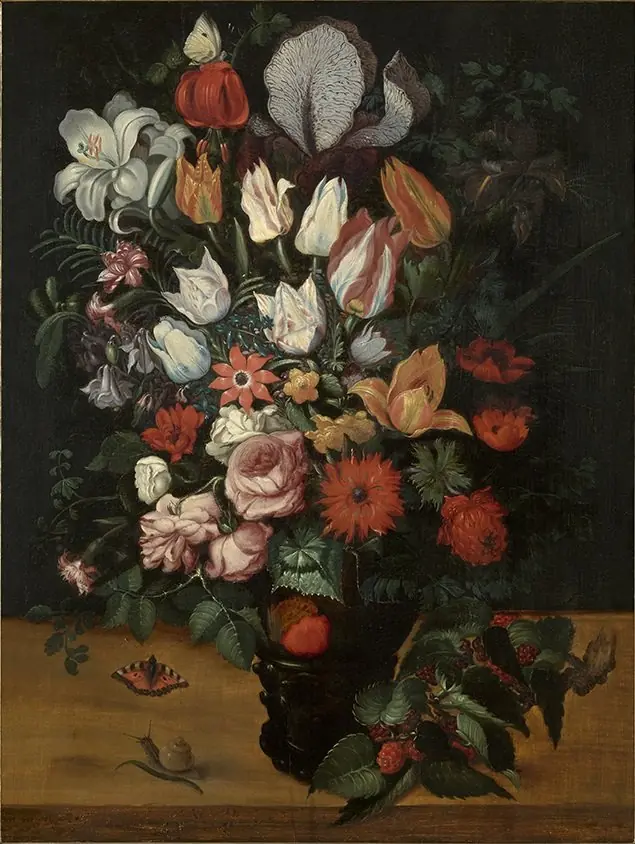 Bouquet of Flowers
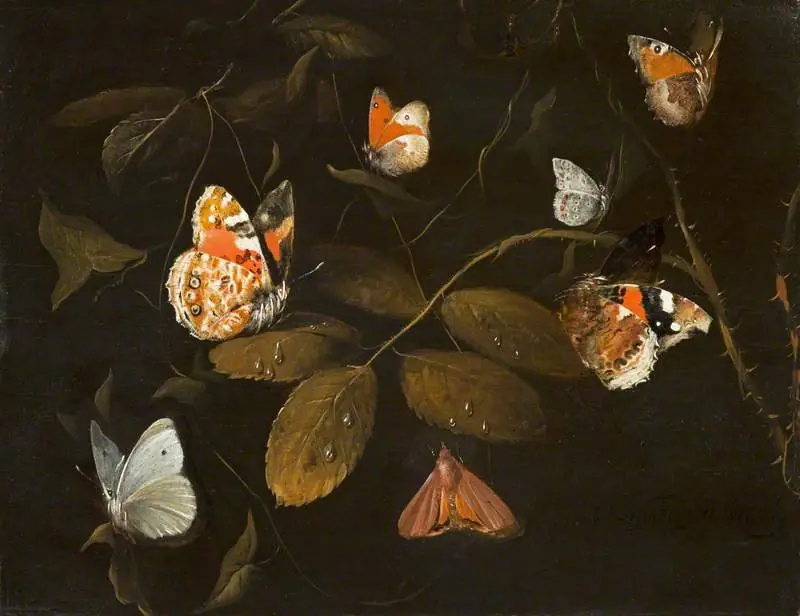 Six Butterflies and a Moth on a Rose Branch (Sept Papillions sur une Branche de Rosier)
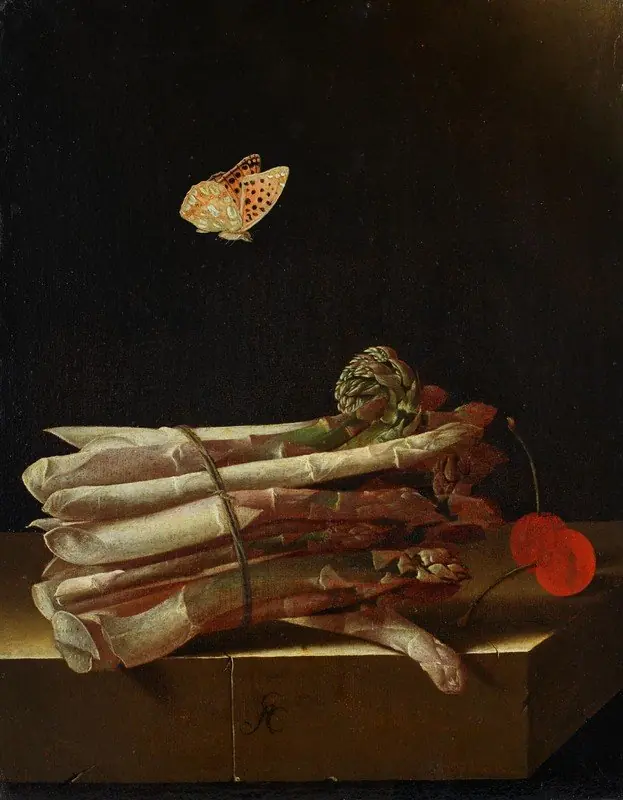 Still life with asparagus, cherries and a butterfly
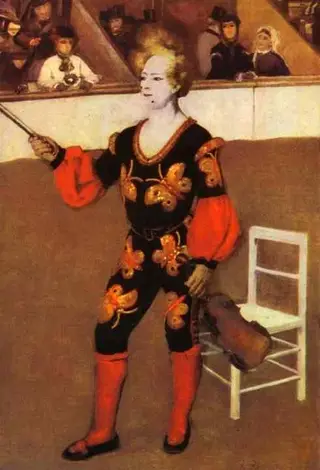 The Clown
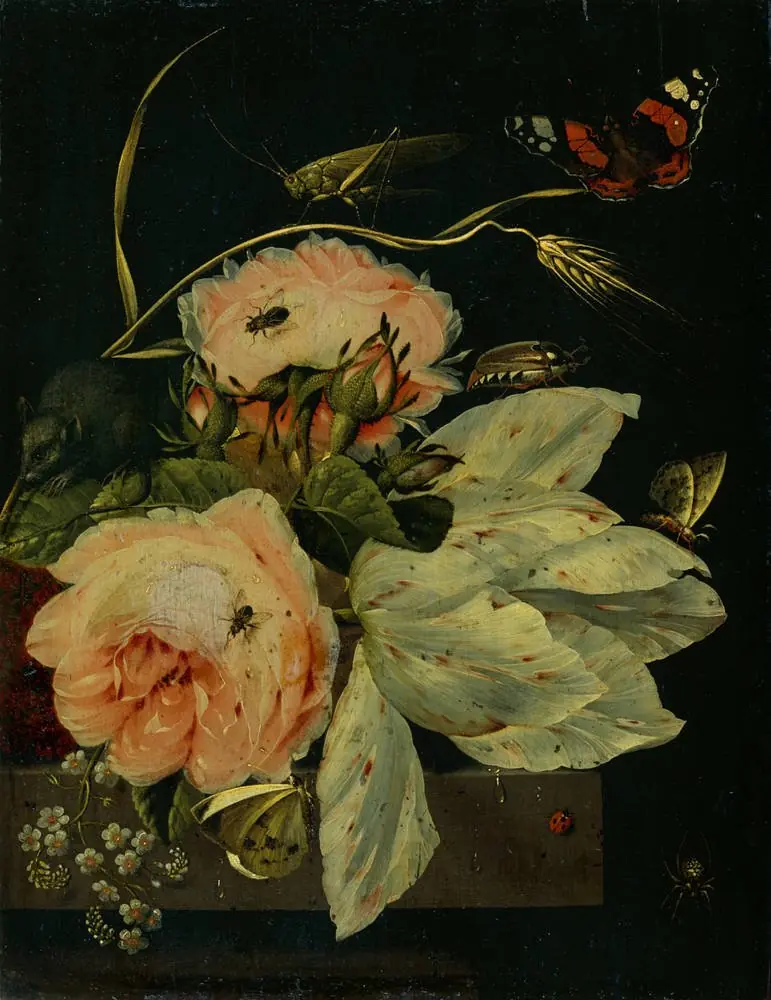 Flower piece with butterflies
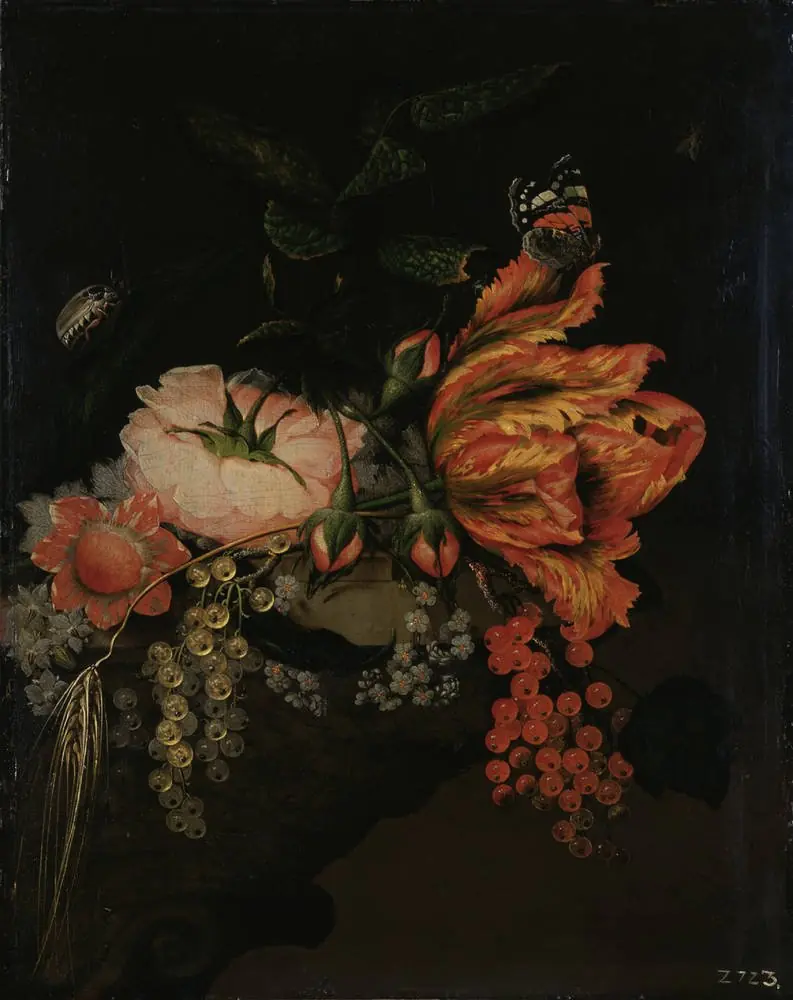 Fruit and Flowers
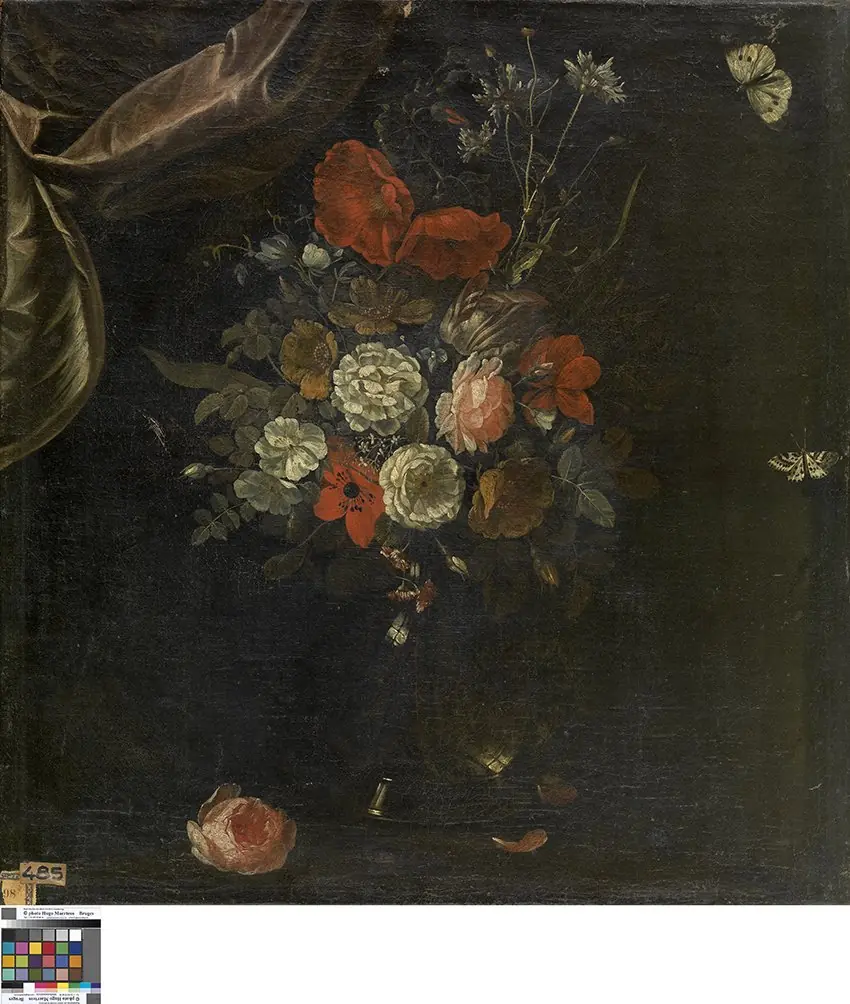 Bloemstuk
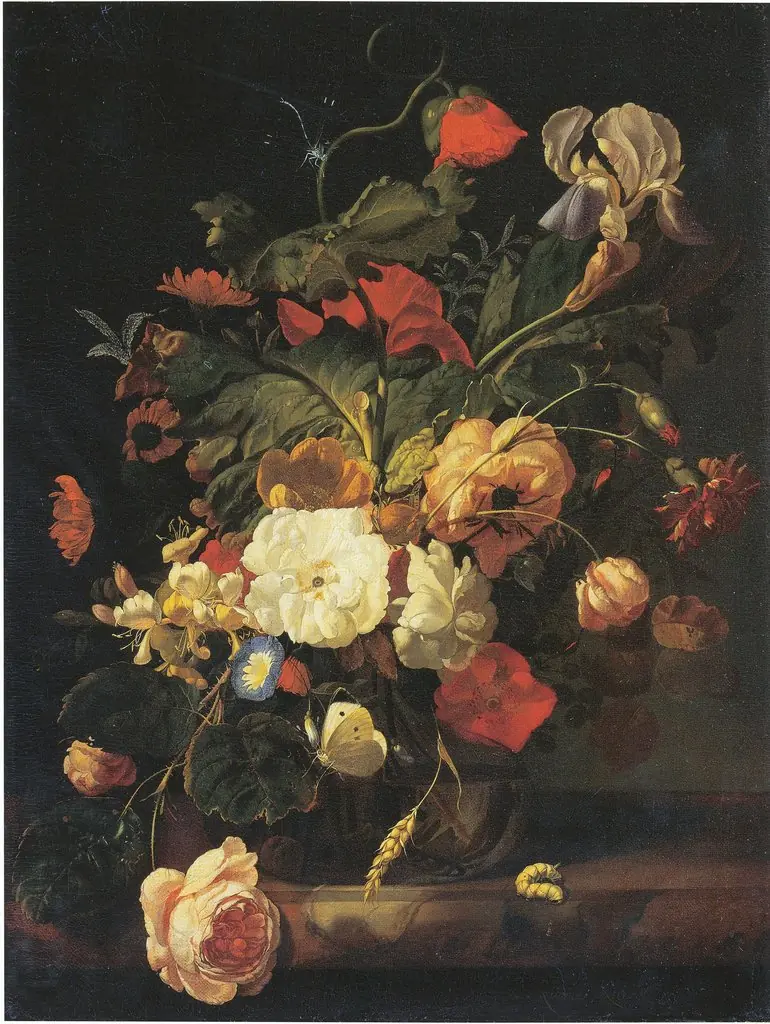 Still Life with Bouquet of Flowers, 1698
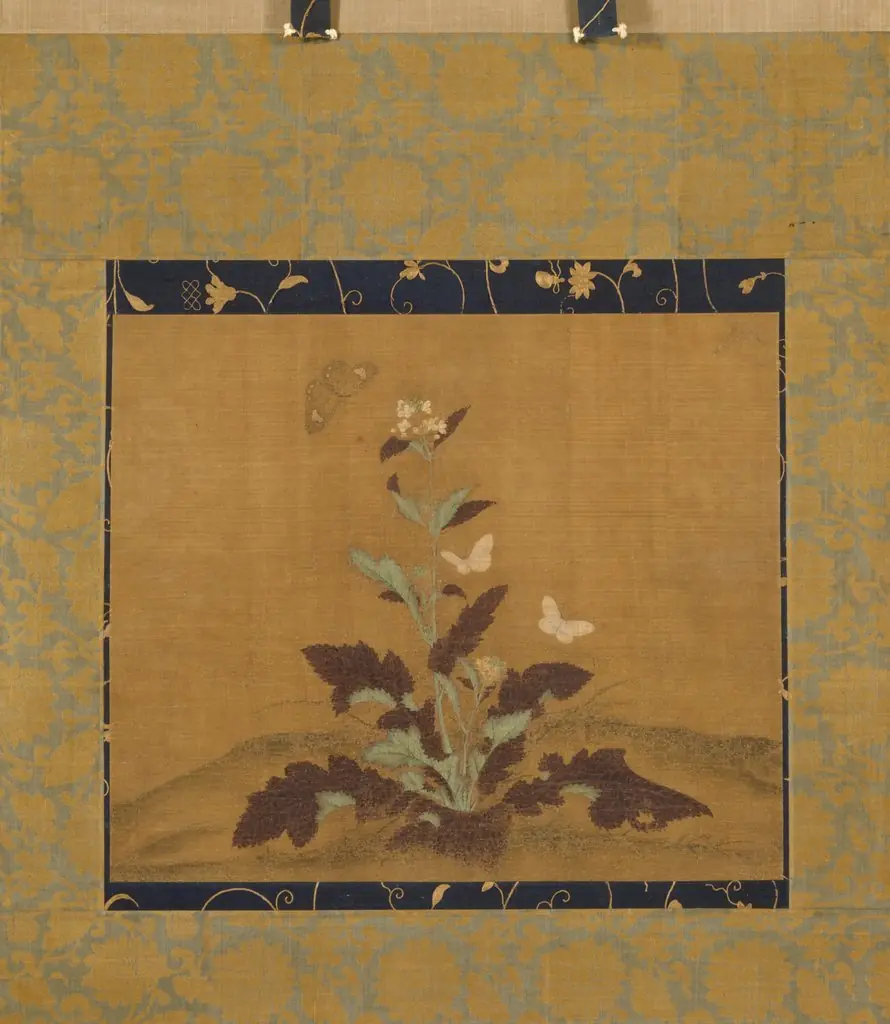 Mustard Plant and Butterflies
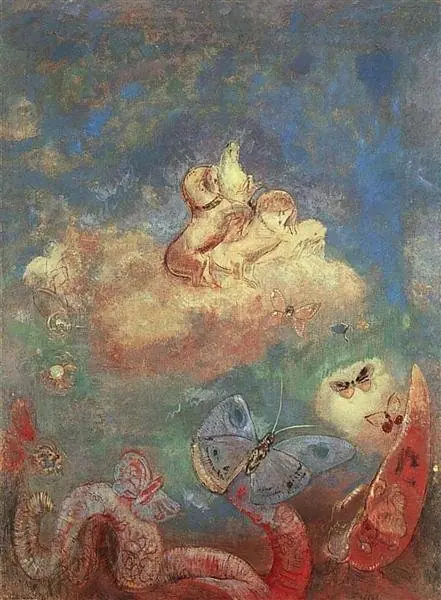 Chariot of Apollo
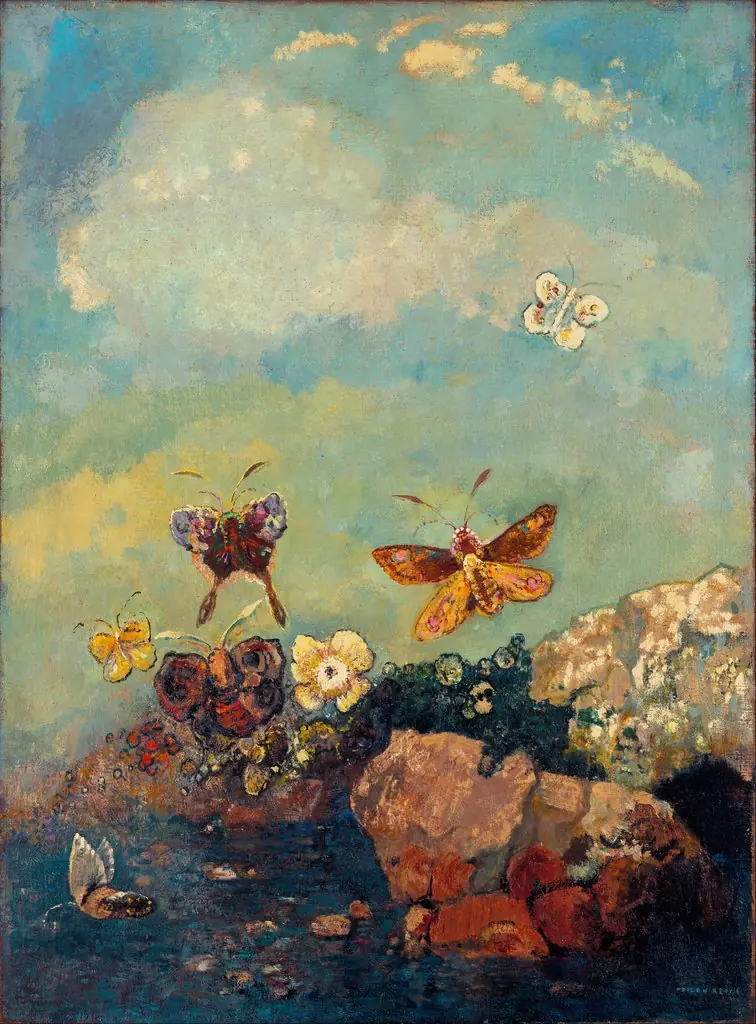 Butterflies
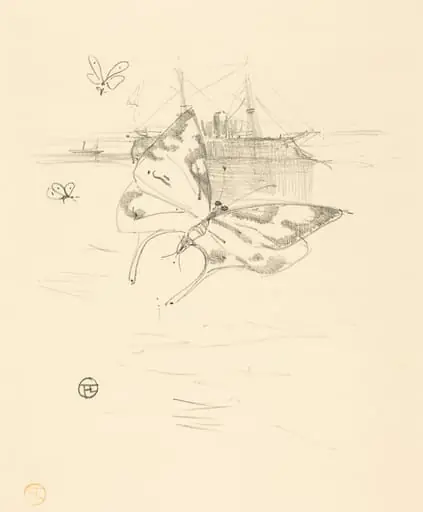 Les papillons
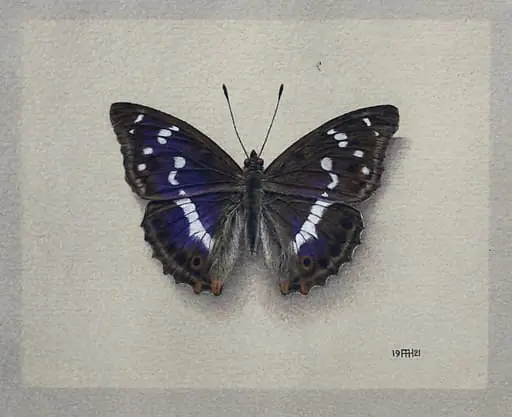 The Purple Emperor Butterfly
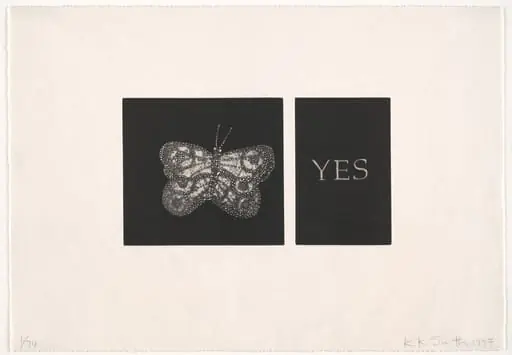 Untitled
Frequently asked questions
What is Butterfly?
Butterfly is a subject in art. "Butterfly" is a song by Swedish bubblegum dance group Smile.dk, from their 1998 album Smile.
How many Butterfly works does Artifact World Gallery have?
Artifact World Gallery holds 54 public-domain Butterfly works, all free to view and download.
Who are the key Butterfly artists?
Key Butterfly artists in the collection include Peter Binoit, Pierre-Auguste Renoir and Gustave Moreau.
Where can I see Butterfly works?
Butterfly works in the collection are held by Metropolitan Museum of Art, National Gallery of Art and Staatliche Kunstsammlungen Dresden.