Artwork
Flowers
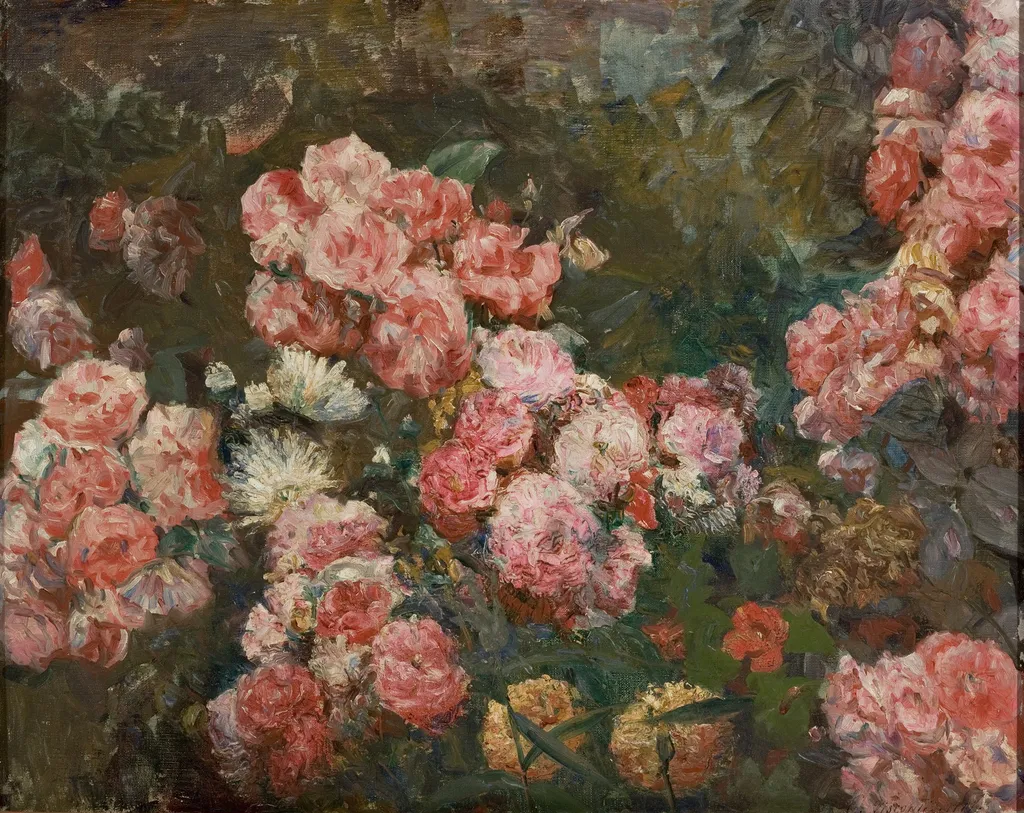
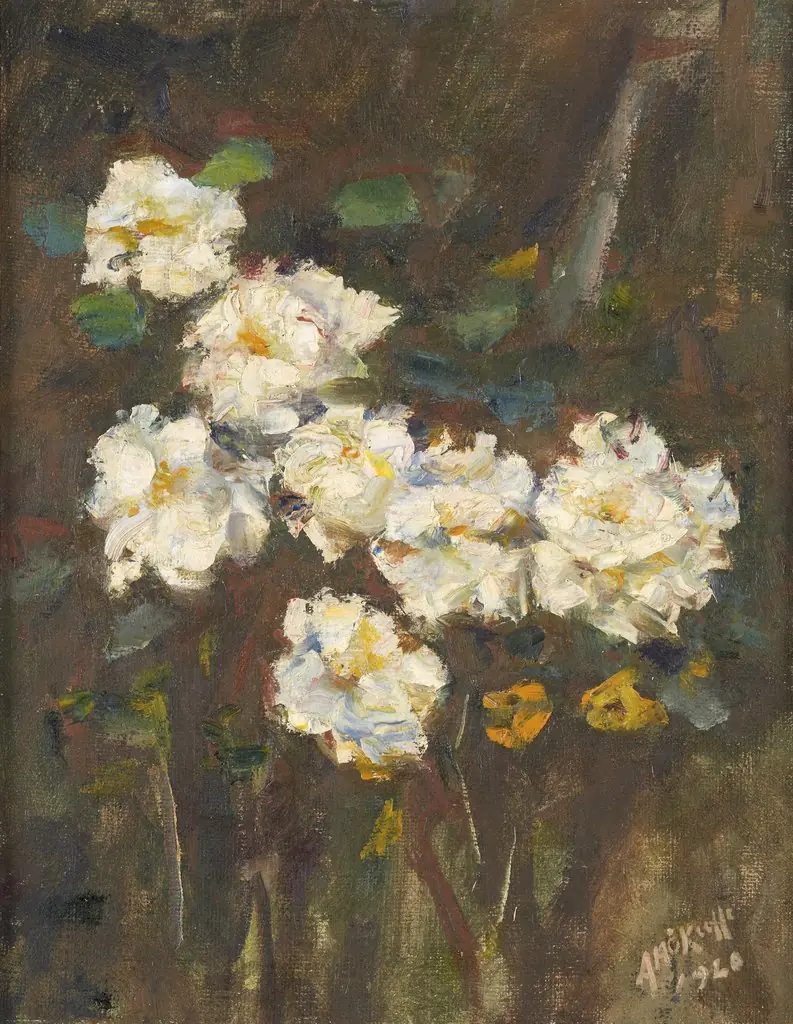
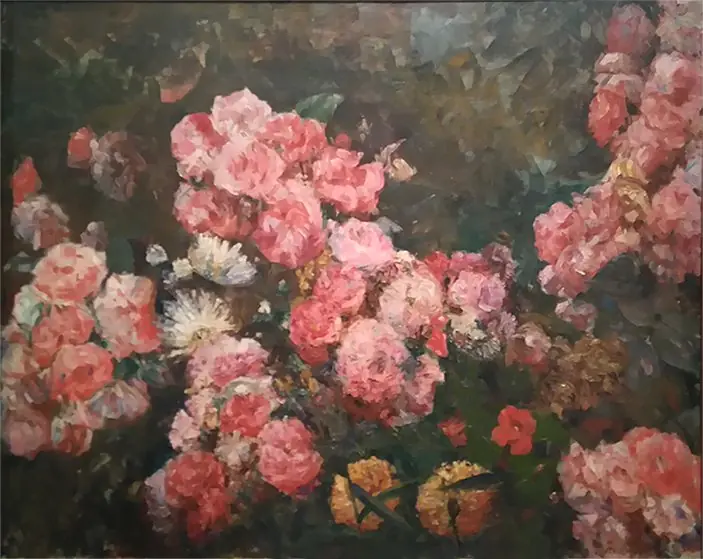
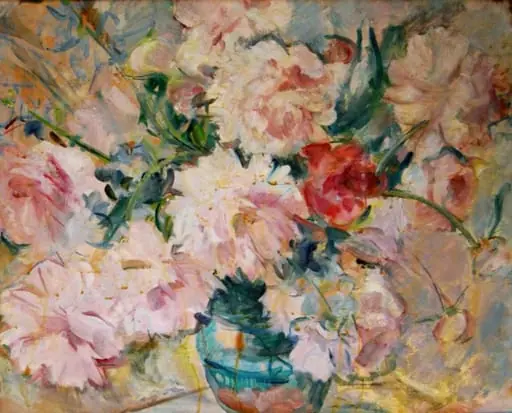
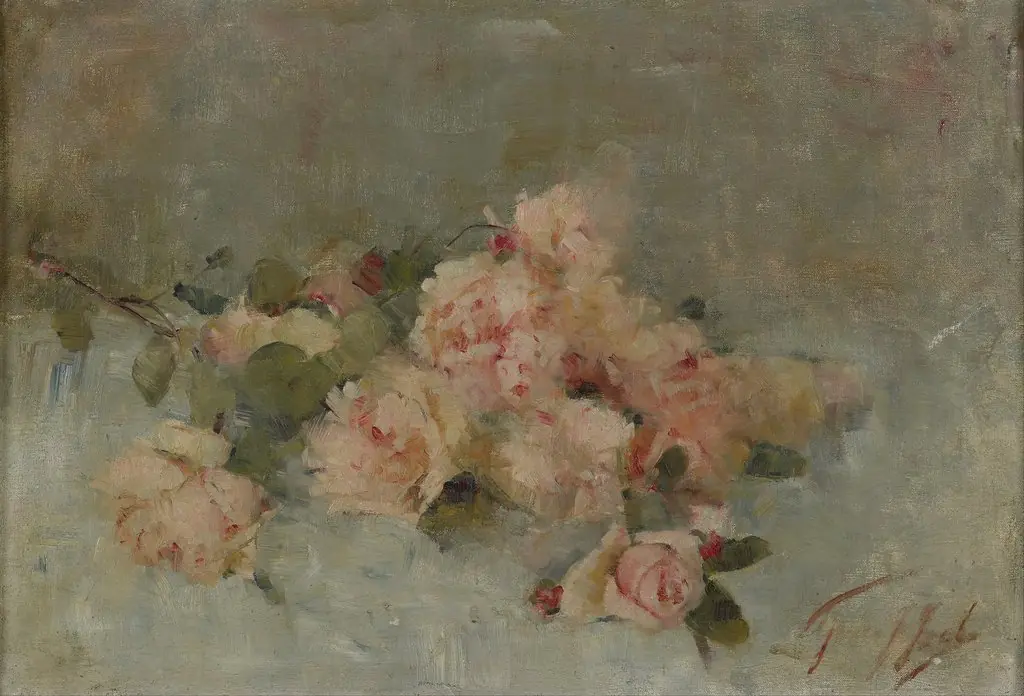
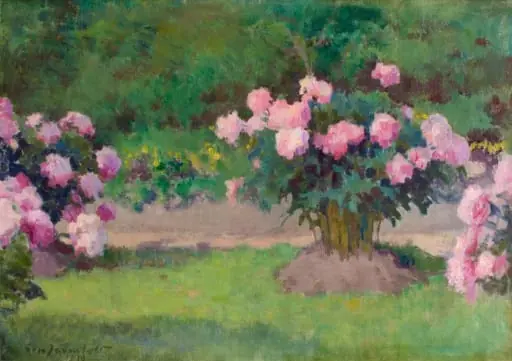
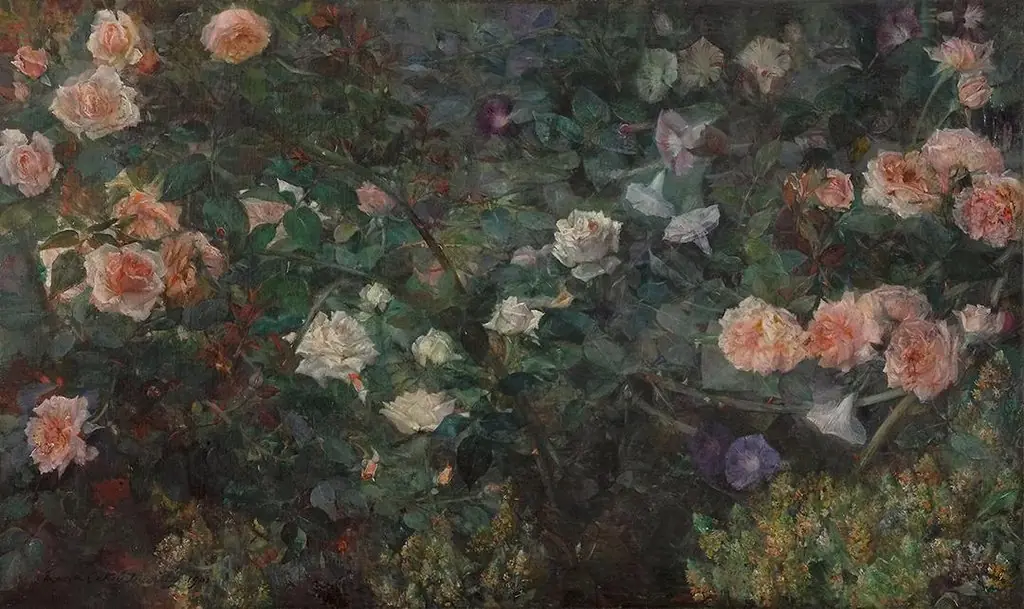
Flowers is an oil painting by the Art Nouveau artist Eliseu Visconti. It dates from 1917 and is held in the collection of the São Paulo Museum of Art.
About this work
Overview
Though rooted in natural observation, the painting transcends mere representation through its atmospheric handling of light and color.
Eliseu Visconti, an Italian-born artist who became a central figure in Brazilian art, painted Flowers in 1917 using oil on canvas. The work belongs to the collection of the São Paulo Museum of Art and reflects his engagement with both Impressionist techniques and the decorative sensibilities of Art Nouveau. Though rooted in natural observation, the painting transcends mere representation through its atmospheric handling of light and color.
Subject & Meaning
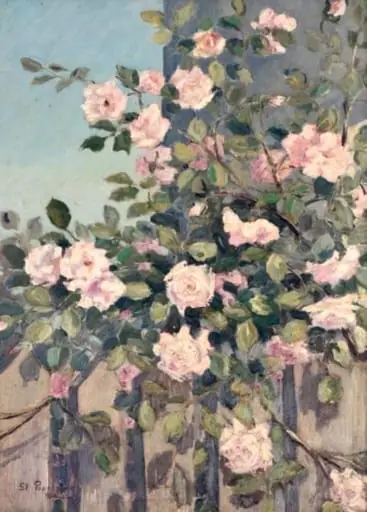
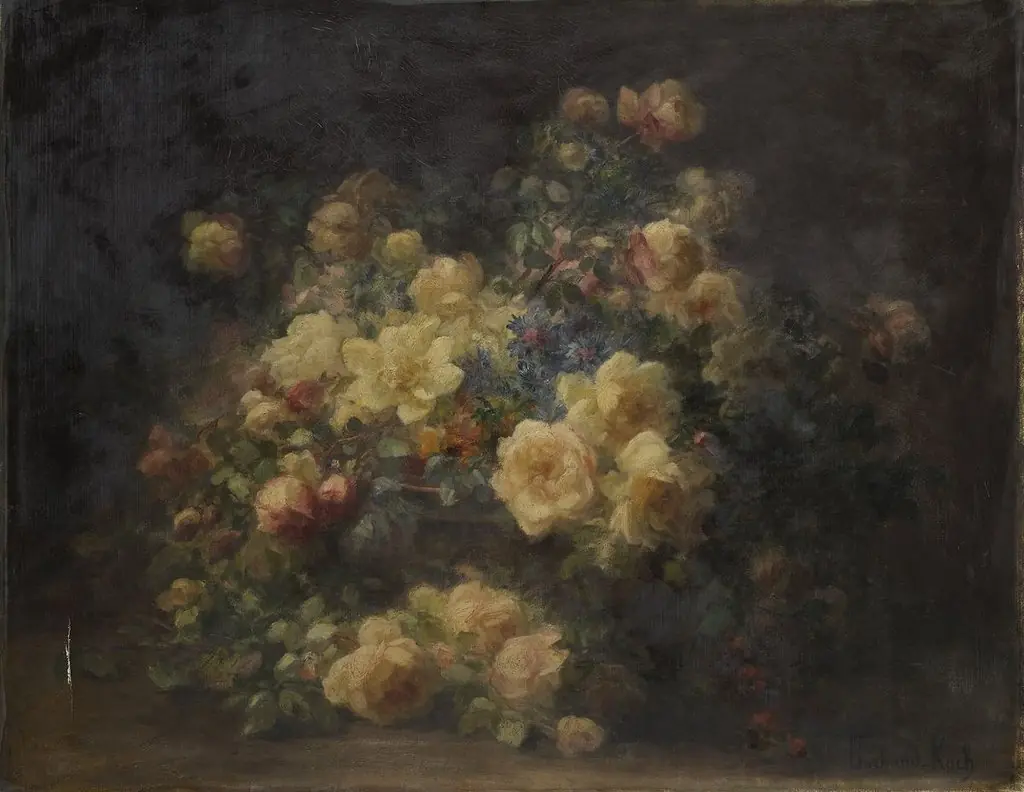
The painting presents a close-up arrangement of blooming flowers, dominated by soft pink petals and vibrant green foliage. There is no narrative or symbolic reference beyond the quiet presence of the bouquet, suggesting an emphasis on transient beauty and sensory experience. The absence of context or human figures directs attention to the vitality of the natural form, aligning with the contemplative tone common in late 19th- and early 20th-century floral studies.
Technique & Style
Visconti employed loose, textured brushwork to capture the delicate structure of petals and the lushness of leaves. A dark, unmodulated background enhances the luminosity of the blooms, creating contrast that deepens spatial perception. His use of color is subtle yet deliberate, with warm tones emerging from shadowed areas to suggest volume and ambient light, reflecting an Impressionist sensitivity to optical effects without strict adherence to plein air conventions.
History & Provenance
Painted in 1917, Flowers was created during a period when Visconti was actively shaping Brazil’s modern art scene, teaching at the Escola Nacional de Belas Artes and influencing a generation of artists. The work entered the São Paulo Museum of Art’s collection in the mid-20th century, where it remains as part of a broader effort to document the evolution of Brazilian painting beyond academic traditions.
Context
In early 20th-century Brazil, European artistic movements were being adapted to local sensibilities. Visconti’s floral works emerged alongside a growing interest in domestic subjects and natural beauty, distinct from grand historical or mythological themes. His synthesis of French Impressionism with Art Nouveau’s ornamental grace positioned him as a bridge between imported styles and emerging national artistic identity.
Legacy
Though not widely exhibited outside Brazil, Flowers exemplifies Visconti’s role in expanding the scope of Brazilian painting beyond academic norms. His focus on intimate, light-filled compositions helped legitimize still life and natural subjects as worthy of serious artistic attention. The painting continues to be referenced in studies of Brazilian modernism as an early example of personal, sensory-driven expression.
Own this work as a print
Artist & collection
Artist
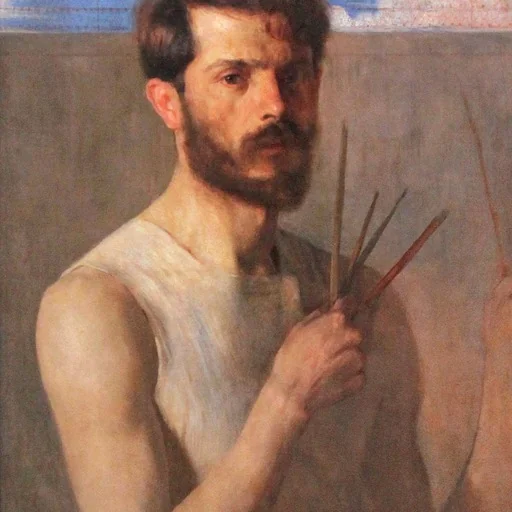
Eliseu Visconti, born Eliseo D'Angelo (30 July 1866 – 15 October 1944), was an Italian-born Brazilian painter, cartoonist, and teacher.