Artwork
Flowers
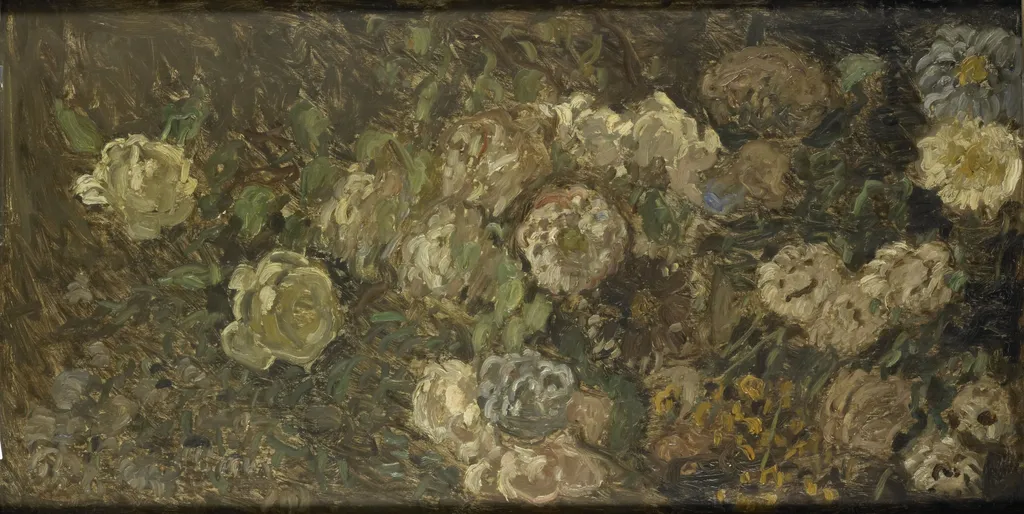
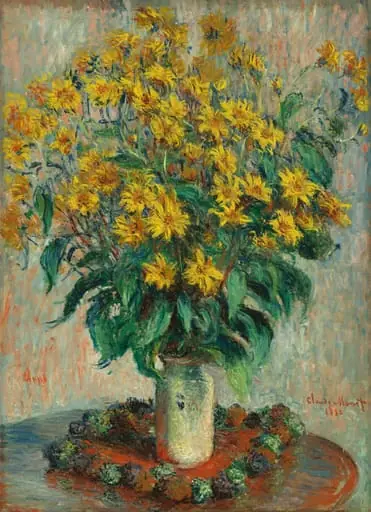
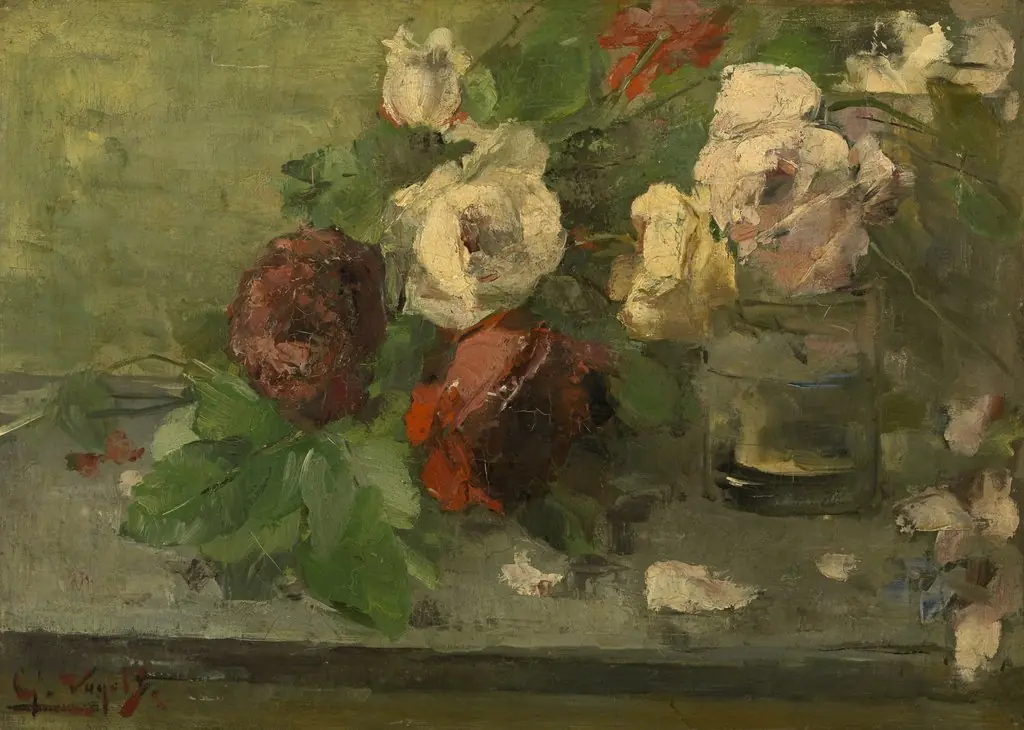
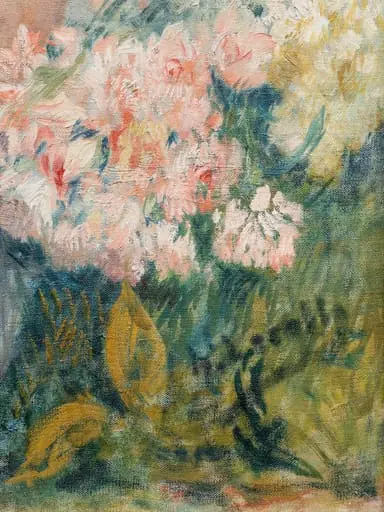
Flowers is an oil painting by the Impressionist artist Claude Monet. It dates from 1896 and is held in the collection of the Rijksmuseum.
About this work
Subject & Meaning
Its composition emphasizes the interplay of color and texture, symbolizing both the abundance of nature and the transience inherent in botanical forms.
Monet's Flowers depicts a vibrant arrangement of blossoms rendered in oil on panel, reflecting the artist's fascination with naturalistic detail and the fleeting effects of light. The work belongs to the floral painting genre and was created in 1890, a period when Monet increasingly explored botanical subjects within his impressionist practice. Its composition emphasizes the interplay of color and texture, symbolizing both the abundance of nature and the transience inherent in botanical forms. The painting is housed at the Rijksmuseum and was part of the collection of Cornelis Hoogendijk.
Technique & Style
Claude Monet executed this 1890 floral painting in oil paint on panel. The work measures 91 cm in height and 48 cm in width. As a floral painting, it belongs to a genre that Monet explored throughout his career, though the specific handling and stylistic qualities of this particular panel are not detailed in the available sources.
History & Provenance
Claude Monet created the oil painting Flowers in 1890. Executed on a panel measuring 91 by 48 units, the work depicts a floral subject. The painting entered the collection of the Rijksmuseum through the ownership of Cornelis Hoogendijk, who held the work prior to its acquisition by the museum.
Context
Claude Monet's Flowers (1890) exemplifies his late Impressionist focus on botanical subjects, painted during his Giverny period when he cultivated extensive water lily gardens and flower beds. This work reflects broader shifts in 19th-century French art, particularly Impressionism's emphasis on natural light and everyday subjects, while Monet's personal horticultural passion directly informed his subject matter. The painting's creation coincides with his increasing interest in garden scenes, as documented in his correspondence from 1889-1890.
Scholarship identifies this piece as part of Monet's transitional phase between his Rouen Cathedral series and his monumental water lily paintings, demonstrating evolving approaches to color and atmosphere. Critical reception initially regarded floral works as secondary to his figure paintings, but later reassessments elevated them as integral to understanding his exploration of perception. The artwork remains housed in the Rijksmuseum's collection, acquired through the bequest of Cornelis Hoogendijk, anchoring its provenance within Dutch institutional holdings.
Overview
Claude Monet’s 1896 oil painting titled Flowers presents a close‑up study of a floral arrangement. Executed in the later period of Monet’s career, the work is part of the Rijksmuseum’s collection and exemplifies his continued interest in botanical subjects.
Artist & collection
Artist
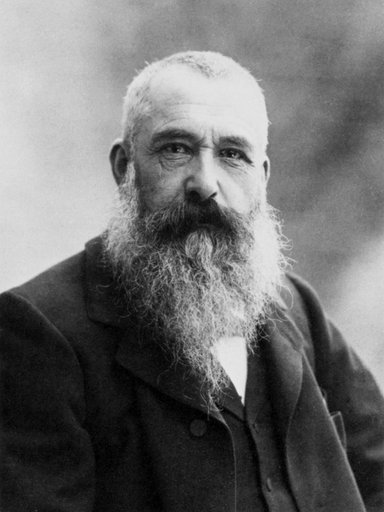
Oscar-Claude Monet was a French painter and founder of Impressionism who is seen as a key precursor to modernism, especially in his attempts to paint nature as he perceived it.