Artist
Movement
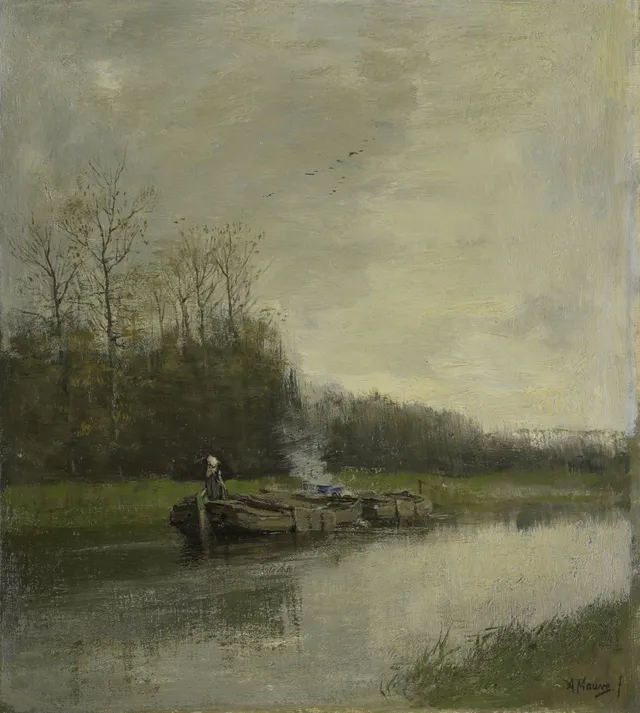
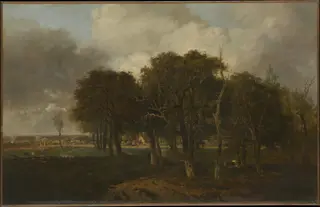
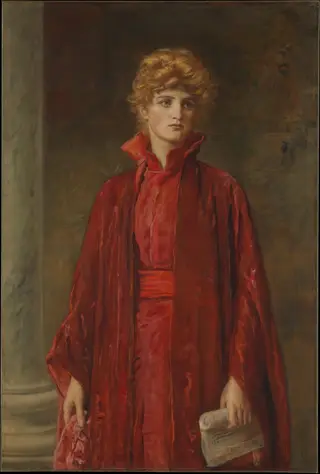
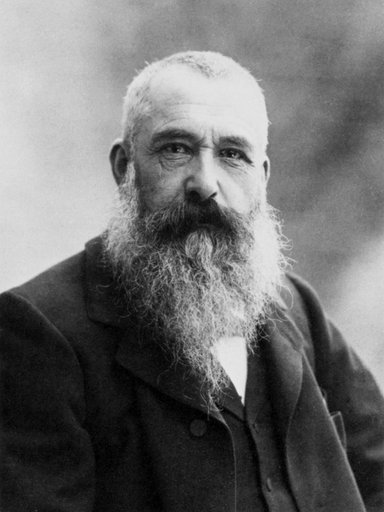
Plein Air is an art movement. The gallery holds 135 works in this movement, including works by Claude Monet, Pierre-Auguste Renoir and Johan Jongkind. Browse Plein Air paintings, portraits, pictures and artworks from the world's public-domain museum collections.
Plein air—from the French *en plein air*, "in the open air"—names the practice of painting outdoors, directly before the motif, rather than composing a landscape from sketches and memory in the studio. Although artists had long made drawings outdoors, the systematic theory of painting from nature is credited to Pierre-Henri de Valenciennes (1750–1819), whose treatise *Reflections and Advice to a Student on Painting* (1800) urged students to make rapid oil sketches on the spot to capture transient light and weather. His own studies, such as the catalogue's *Study of Clouds over the Roman Campagna*, exemplify this empirical, observational approach, and by the early nineteenth century such outdoor oil sketching had spread across Europe as a foundation of landscape study.
The practice matured into a movement with the Barbizon School of the 1830s, when painters including Théodore Rousseau, Jean-François Millet, and Charles-François Daubigny settled near the Forest of Fontainebleau to paint nature truthfully under shifting conditions. They were encouraged by the example of John Constable in England and the lyrical naturalism of Camille Corot. Two technological advances made full outdoor painting practical: John G. Rand's collapsible metal paint tube (1841) and lightweight portable easels, which freed artists from the studio's confines.
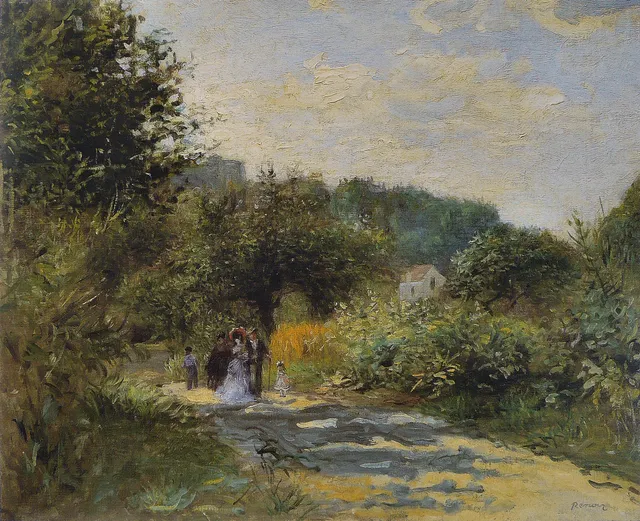
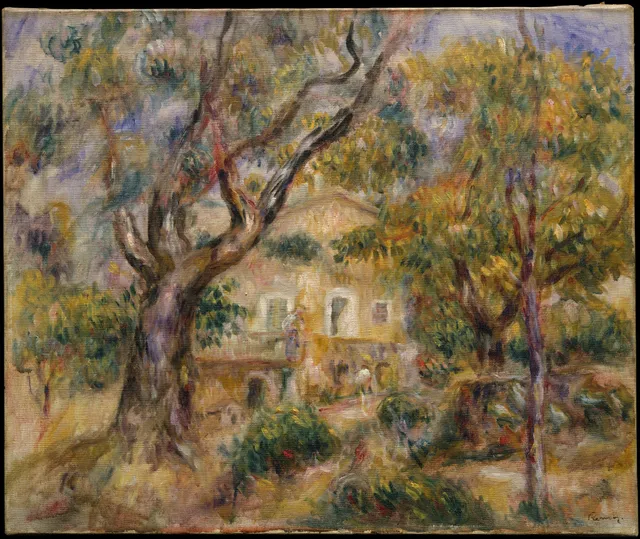
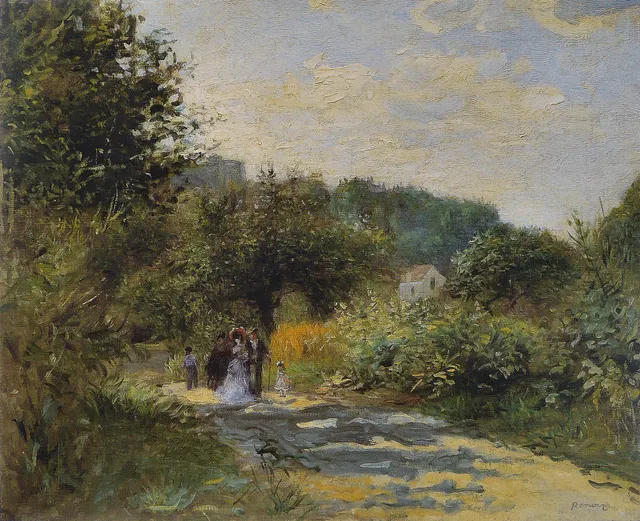
Visually, plein air work prizes the direct transcription of natural light. Because conditions change quickly, painters worked rapidly and *alla prima*, favoring loose, broken brushwork and unblended strokes of pure color placed side by side to be mixed optically by the eye. This method reached its height with the Impressionists, for whom Eugène Boudin and the Dutch painter Johan Jongkind were important precursors. Claude Monet—whose *Impression, Sunrise* (1872) gave the movement its name—together with Pierre-Auguste Renoir and Alfred Sisley pursued the fleeting effects of sunlight, atmosphere, and reflection. Renoir's *A Road in Louveciennes* and *The Farm at Les Collettes, Cagnes* show the technique in two registers, from suburban Paris to the Mediterranean south.
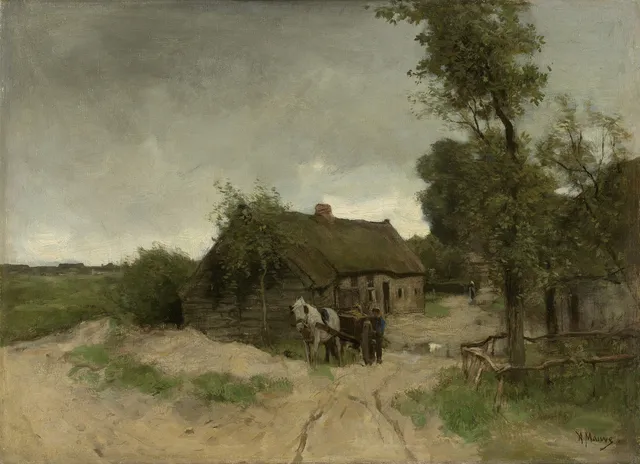
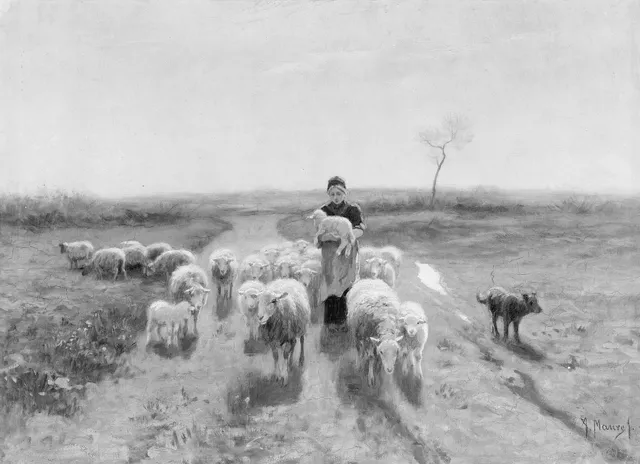
The ethos spread beyond France. In the Netherlands the Hague School, led by figures such as Anton Mauve—represented here by *A Shepherdess and Her Flock* and *Cottage on the dirt road*—applied a tonal, atmospheric variant to polder landscapes. Plein air thus links Romantic naturalism to Impressionism and Post-Impressionism, and its insistence on painting from direct observation remains a living tradition among landscape painters today.
Artist
Artist
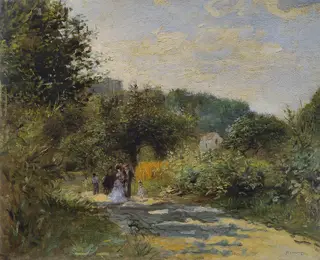 A Road in Louveciennes
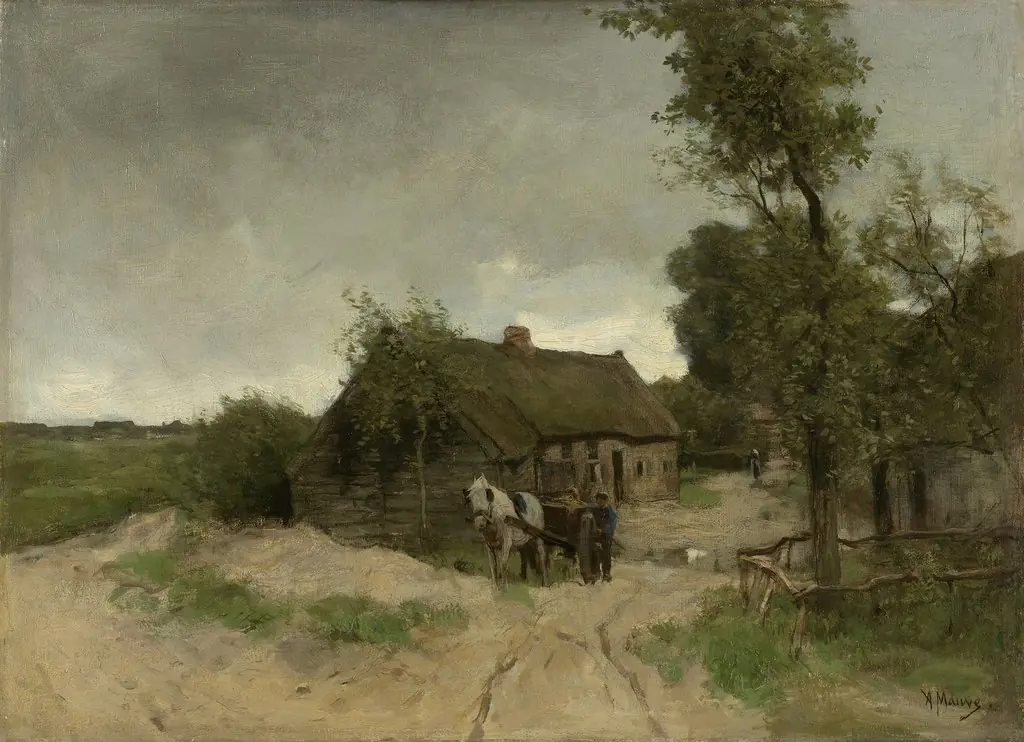 Cottage on the dirt road
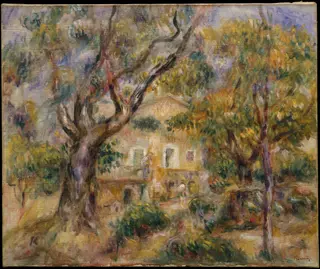 The Farm at Les Collettes, Cagnes
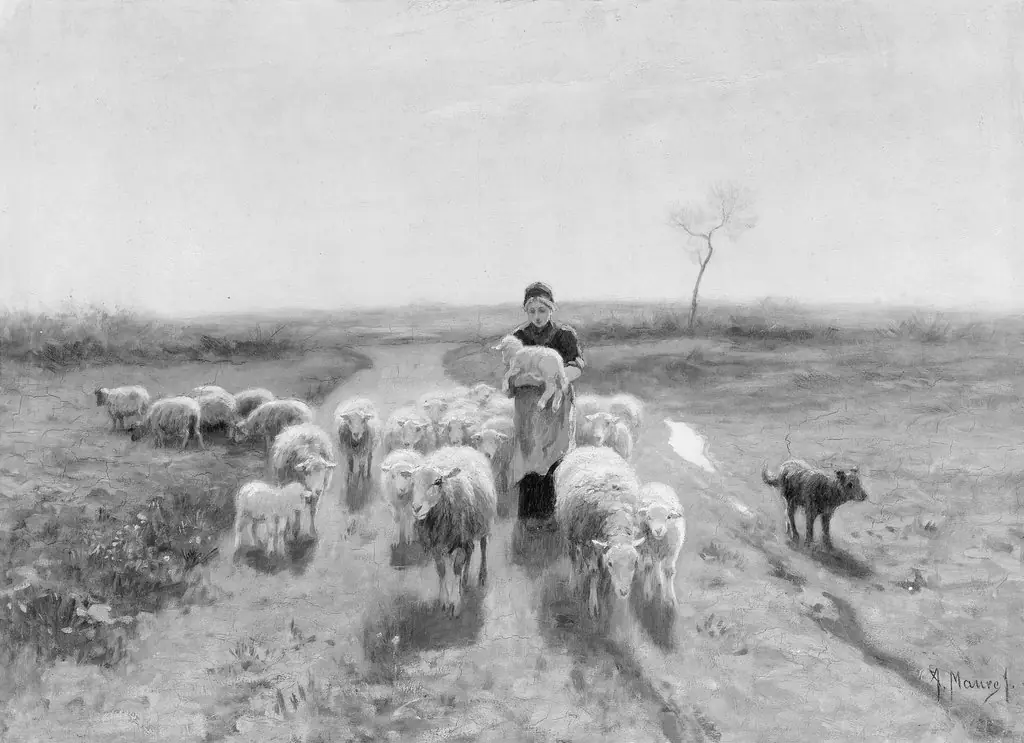 A Shepherdess and Her Flock
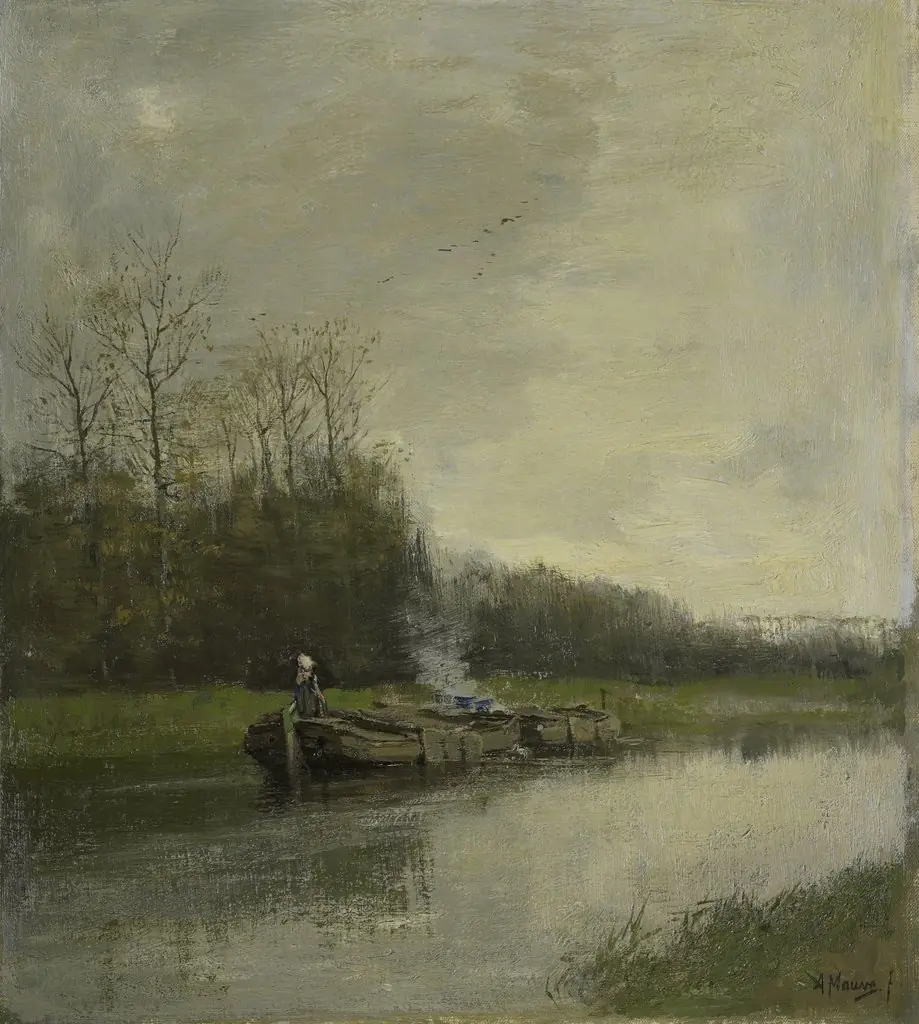 Towing canal.
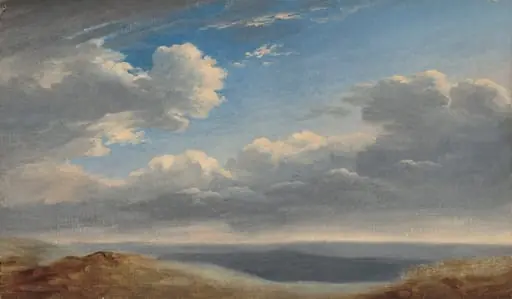 Study of Clouds over the Roman Campagna
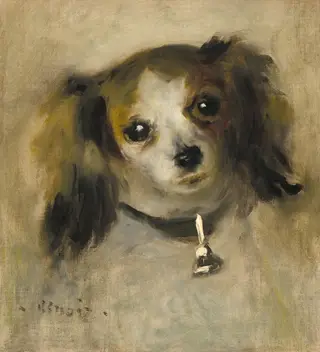 Head of a Dog
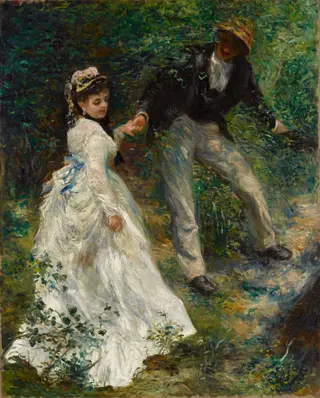 La Promenade
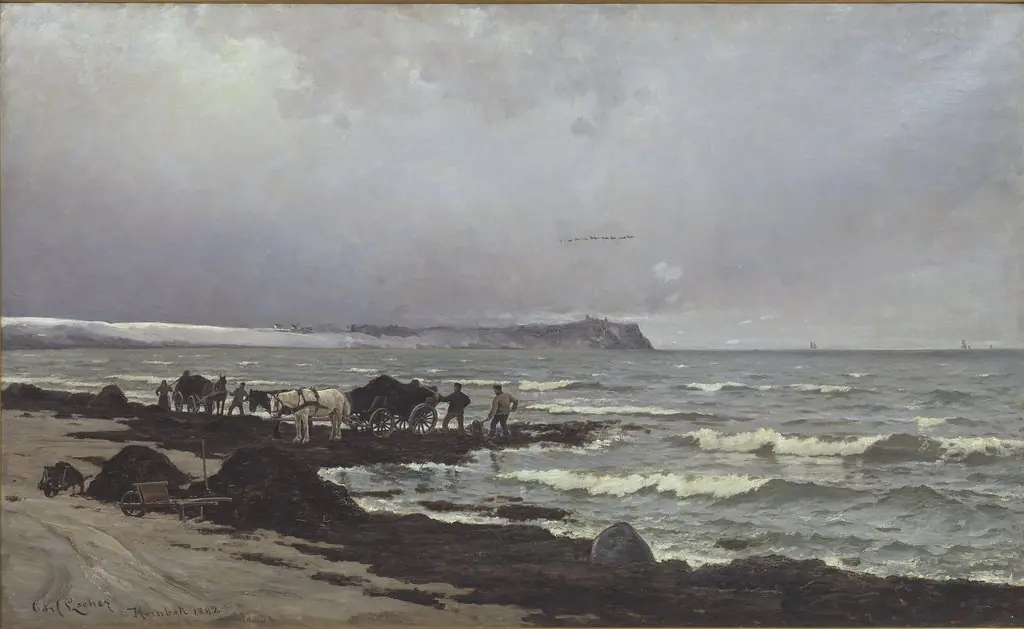 Der læsses tang ved Hornbæk Strand
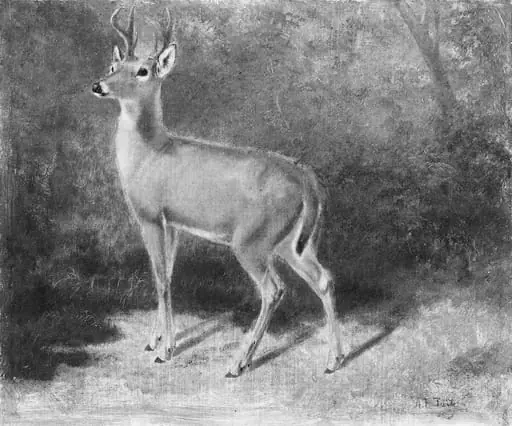 Deer—Sketch from Nature
 Beach at Trouville
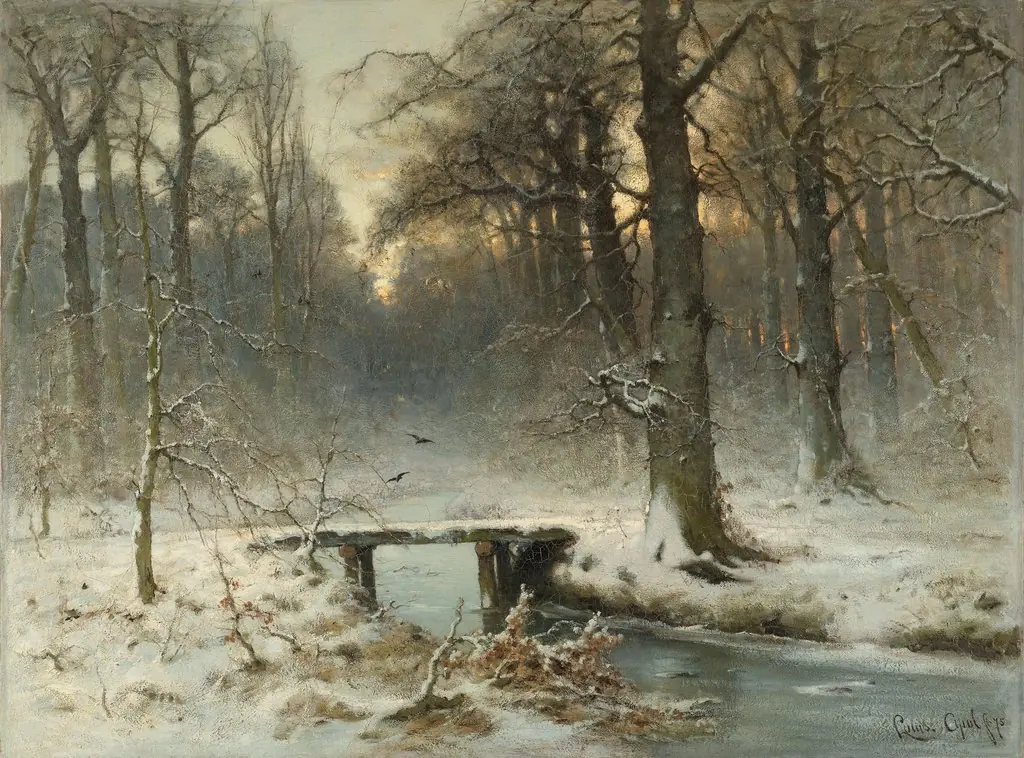 A January Evening in the Woods of The Hague
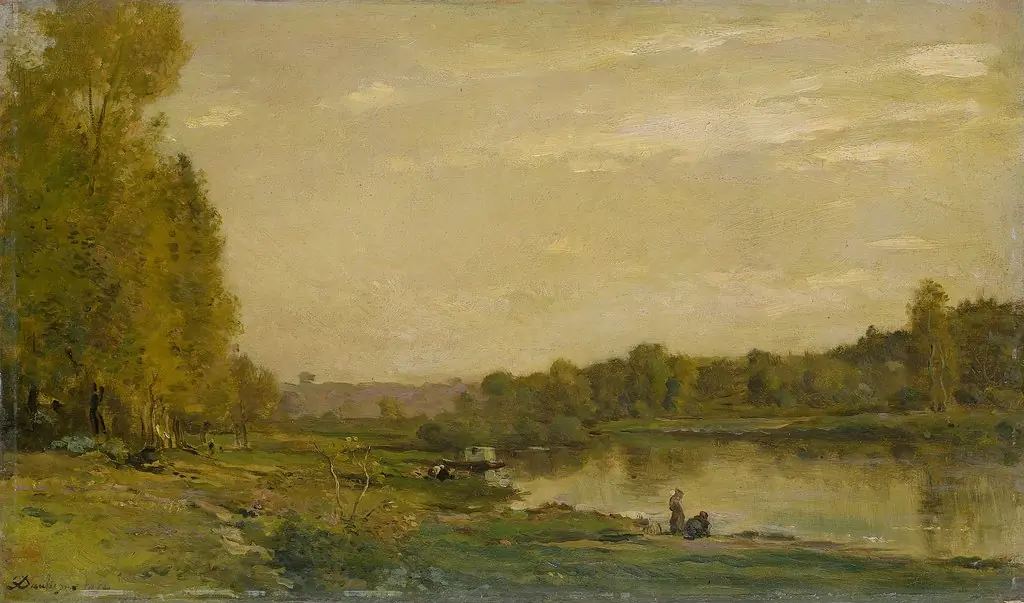 Landscape on the River Oise
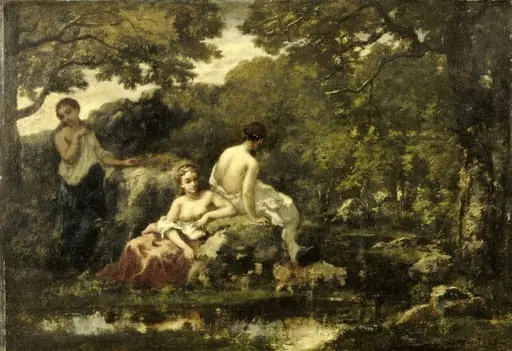 Idyll
Idyll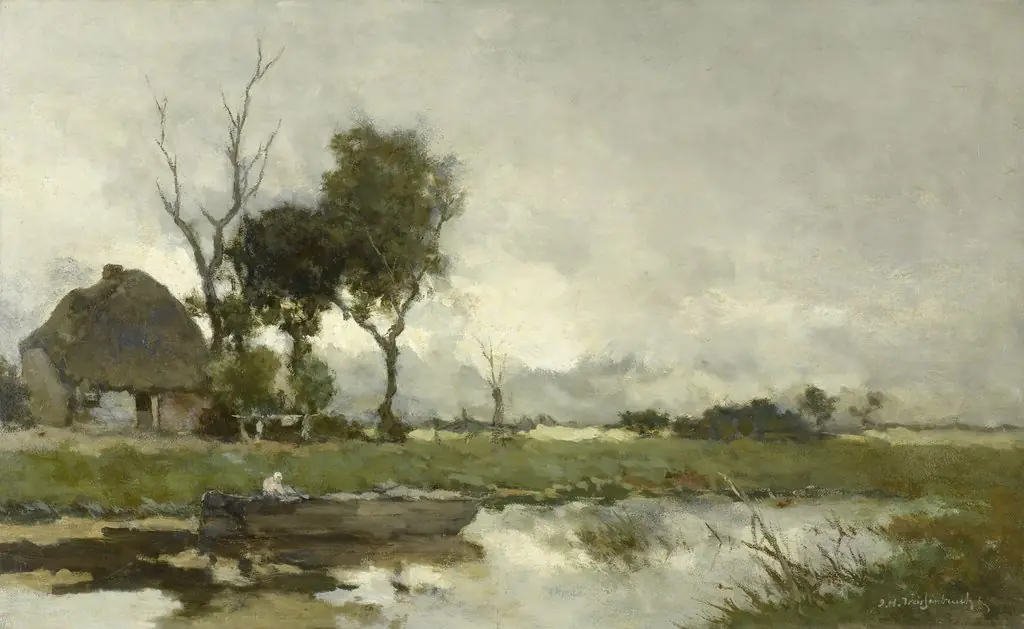 Autumn Landscape
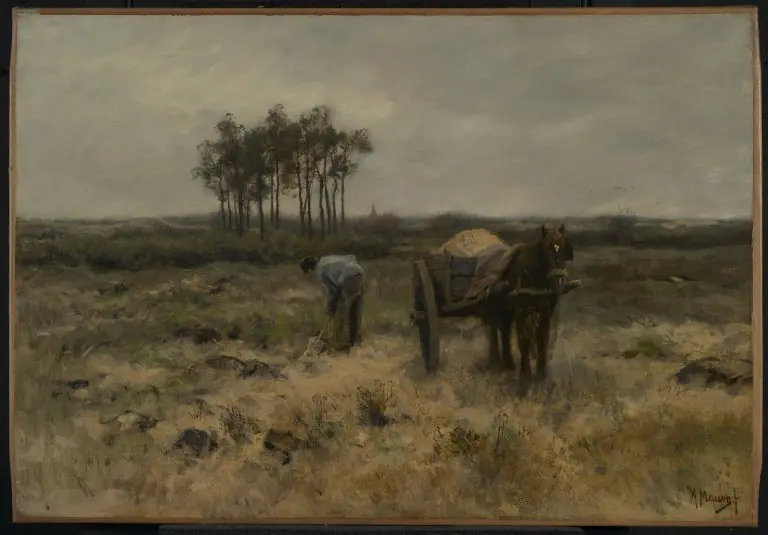 Digging Sand, or The Sand Cart
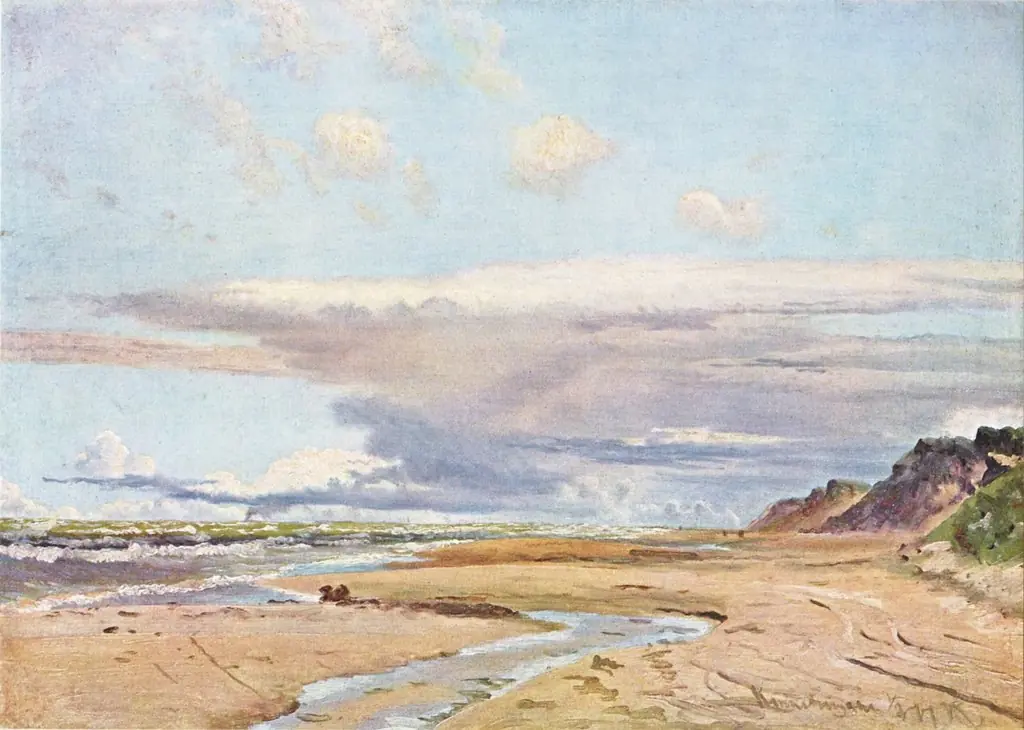 The Beach at Kandestederne, West Jutland
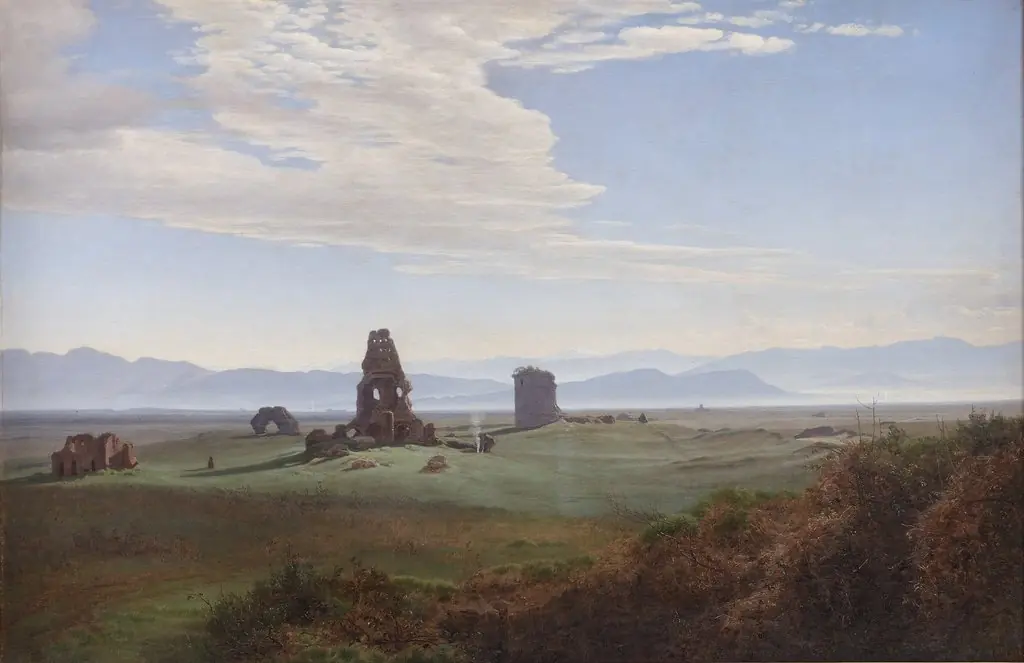 Ruins in the Roman Campagna
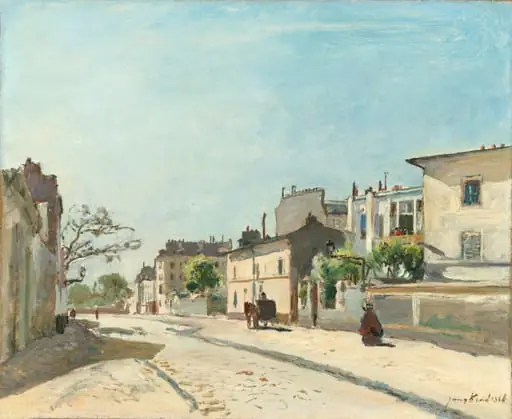 Rue Notre-Dame, Parijs
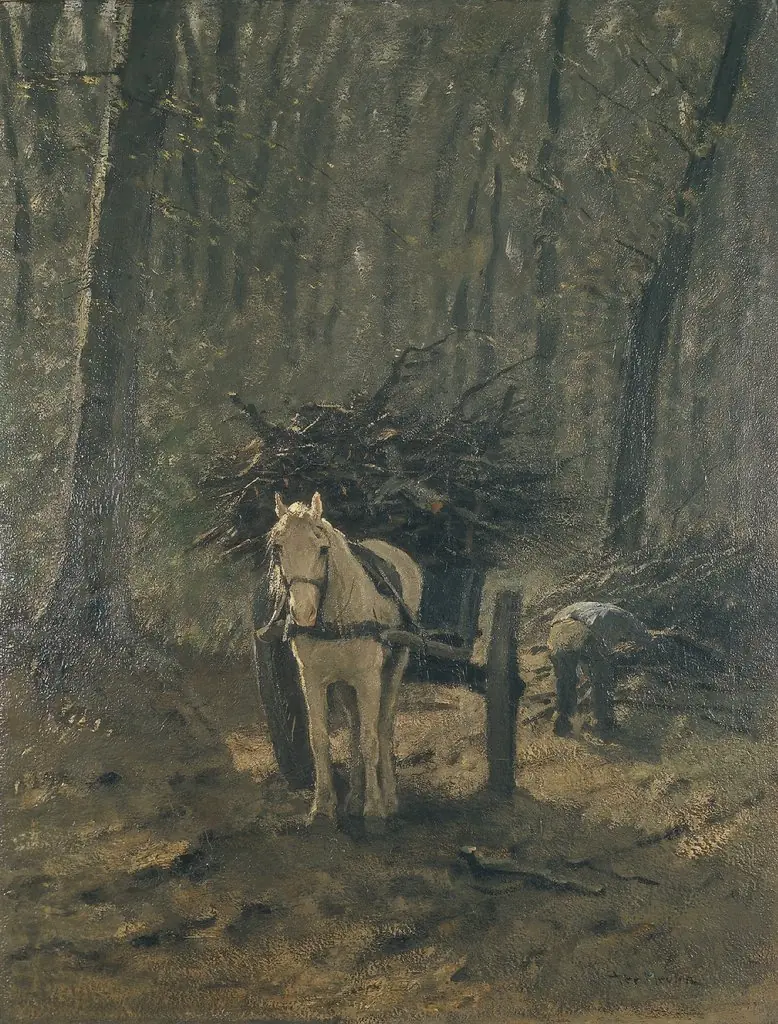 In het bos
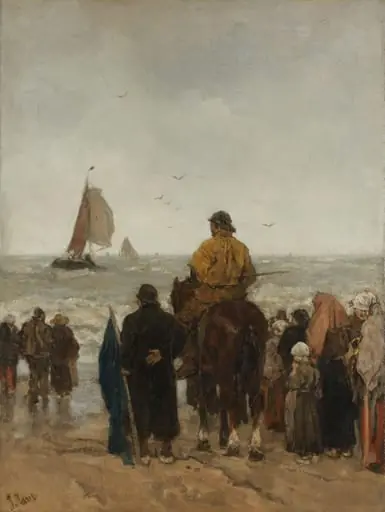 Aankomst der boten
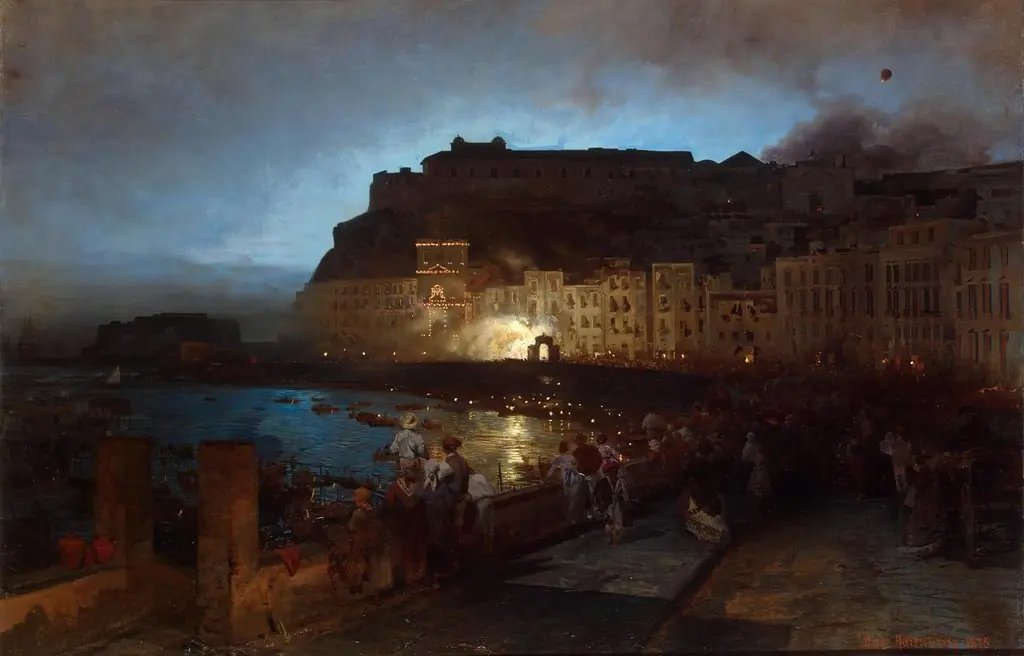 Fireworks in Naples
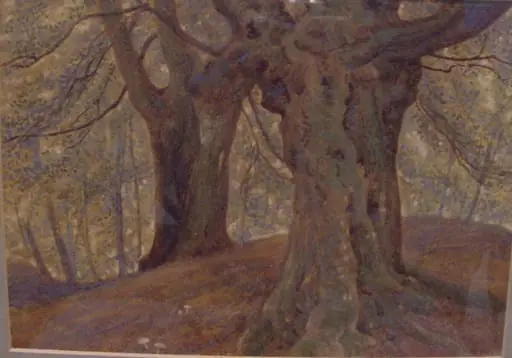 Burnham Beeches
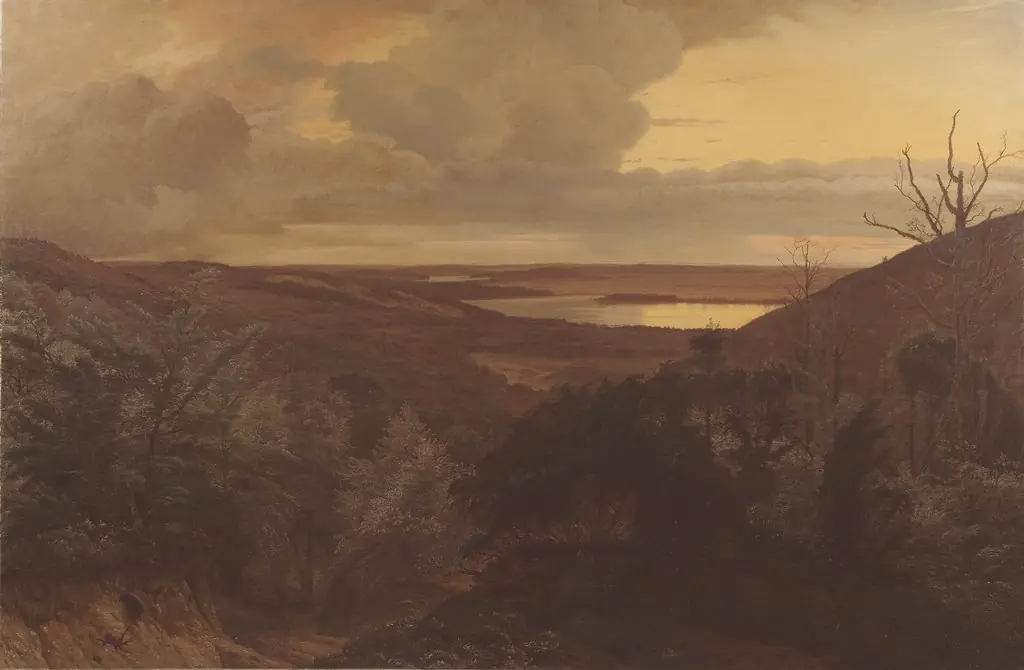 Late Evening near Himmelbjerget, Jutland
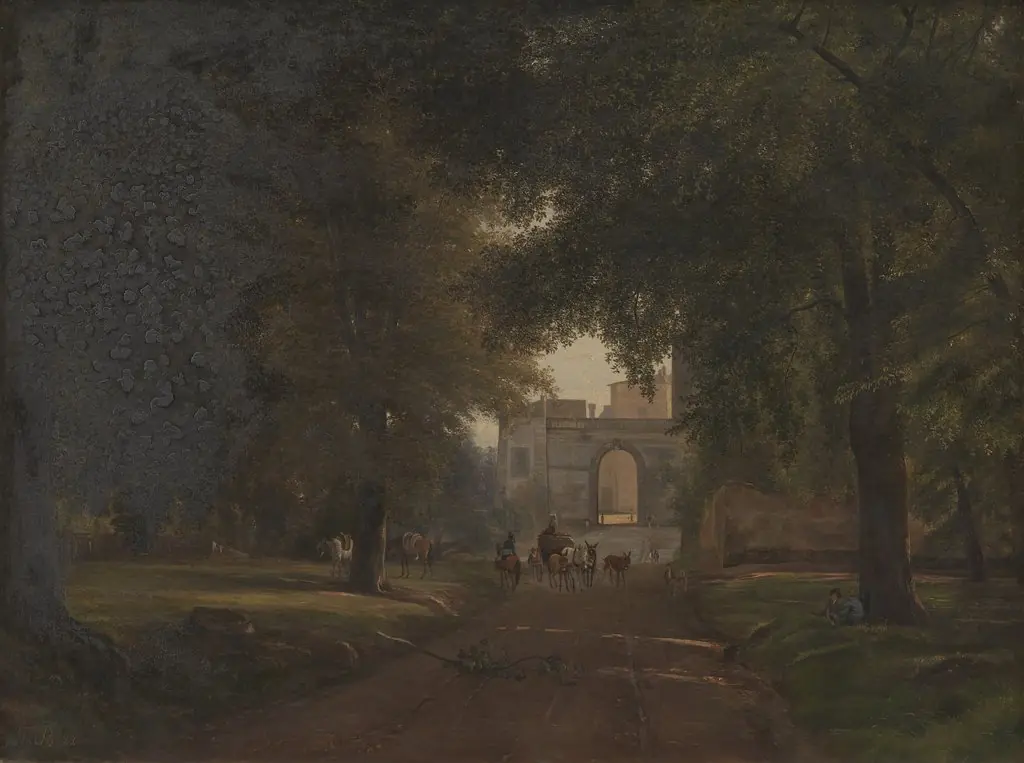 Outside Ariccia
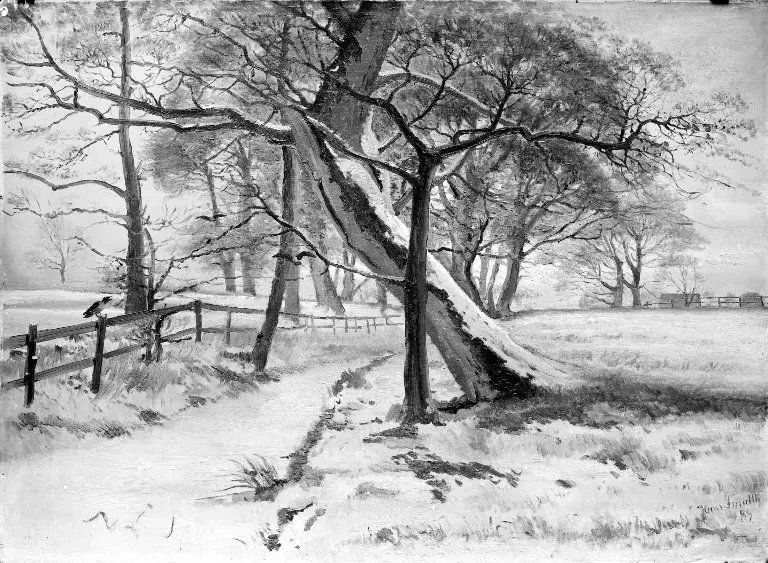 Winter Landscape with a Frozen Stream
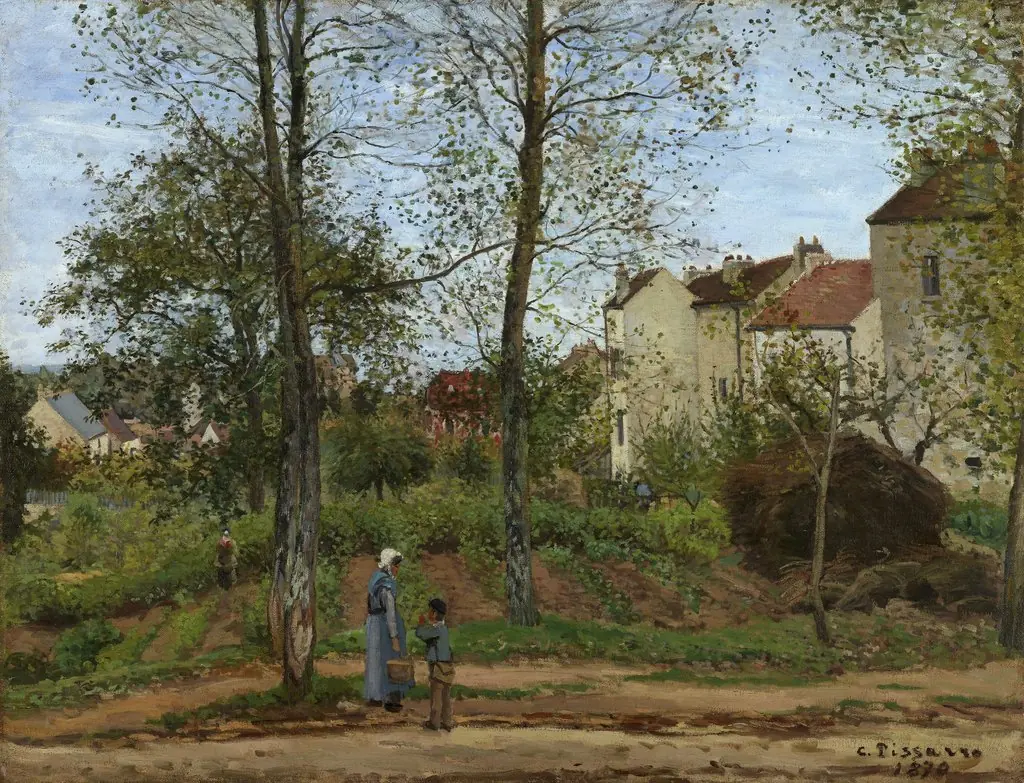 Landscape at Louveciennes (Autumn)
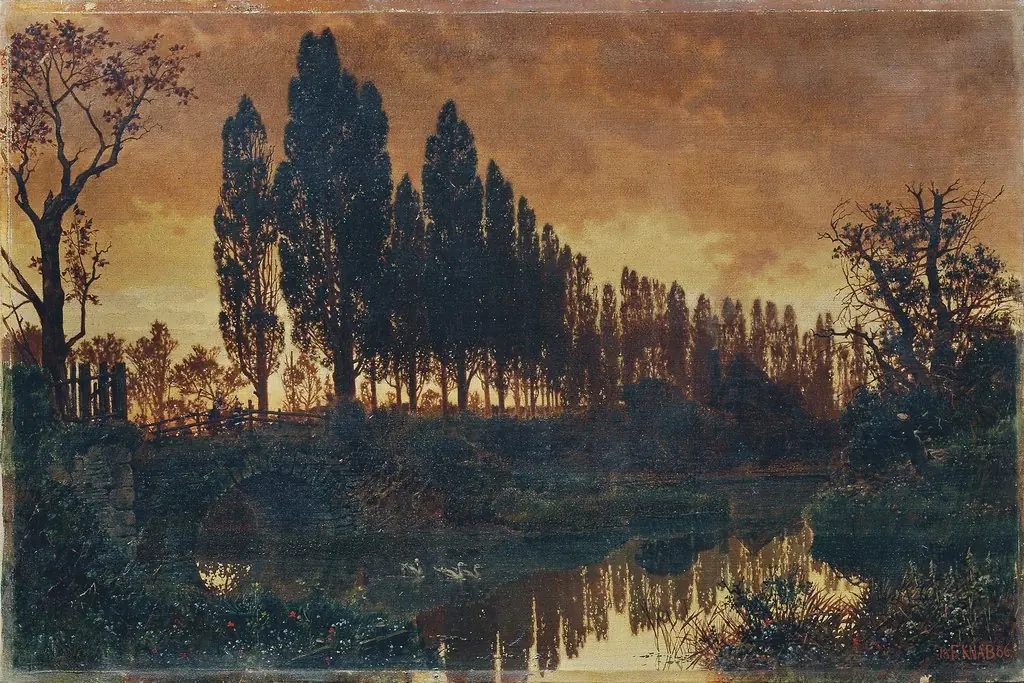 Bavarian Landscape
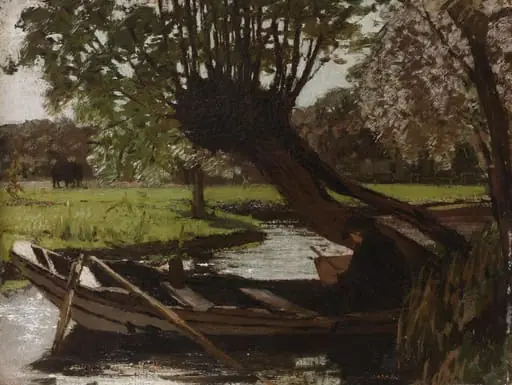 Boat with a Pollard Willow
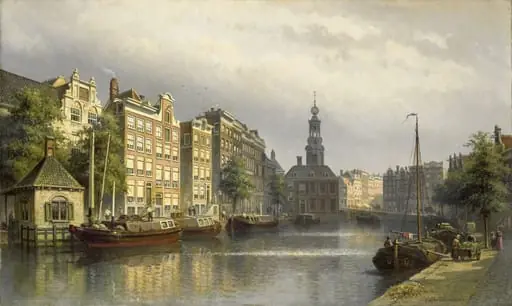 The Singel, Amsterdam, looking towards the Mint.
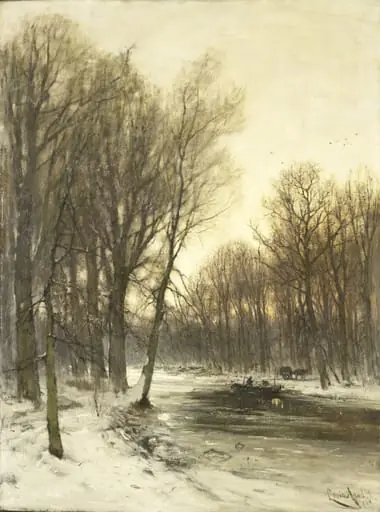 An Afternoon view of Snowy Woods
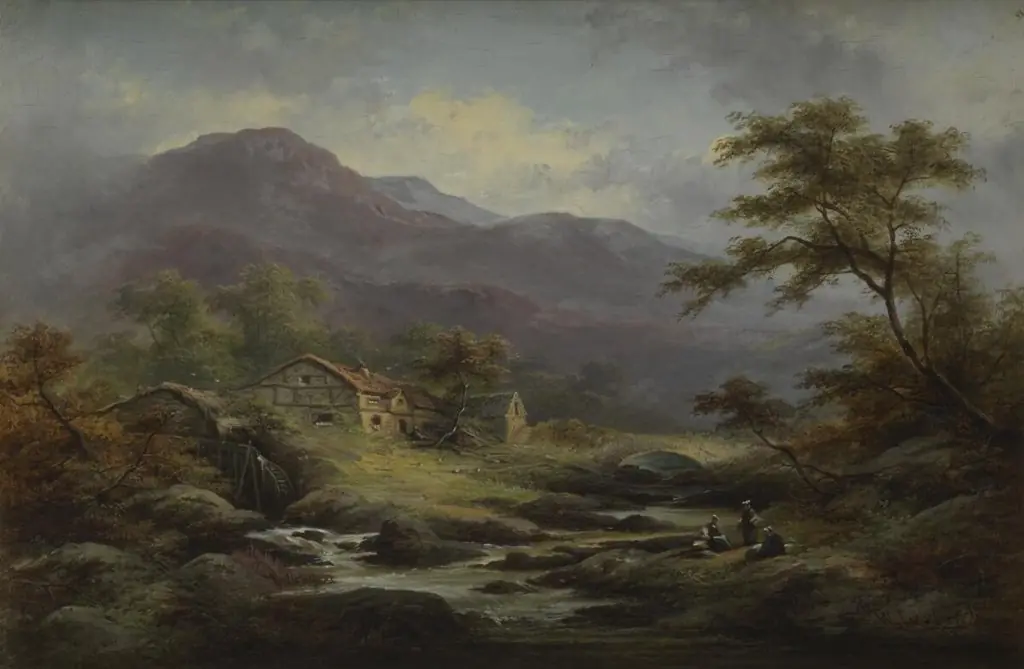 miller's home, Pont Aberglaslyn
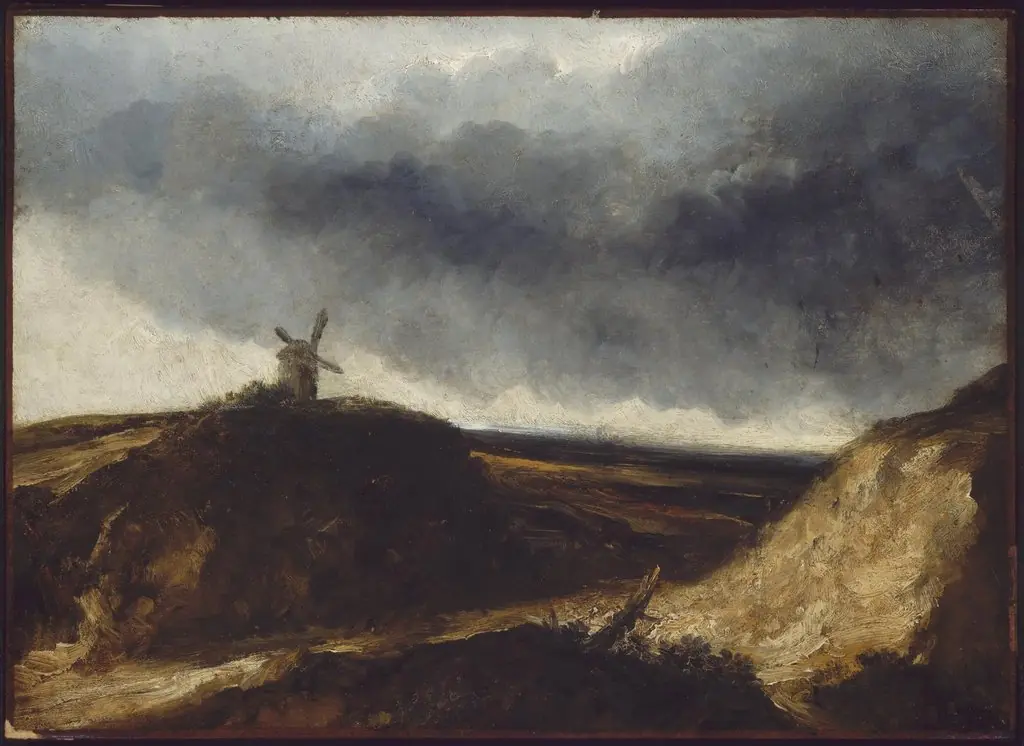 Landscape with a Windmill
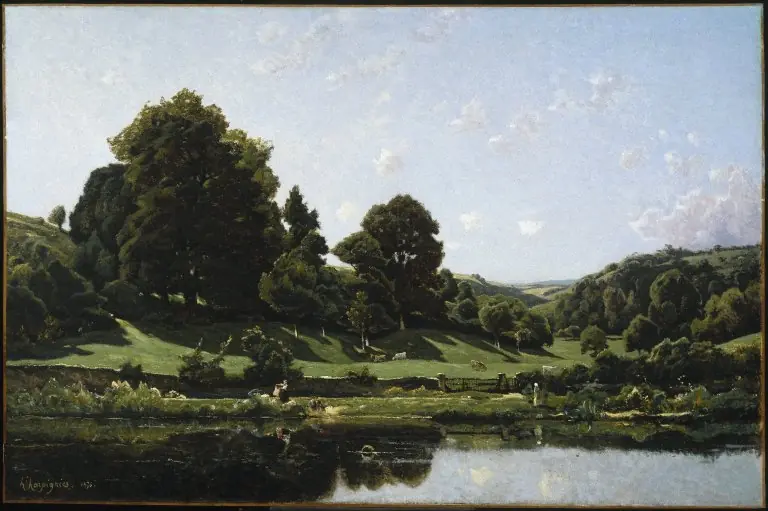 A Meadow in the Bourbonnais, Morning
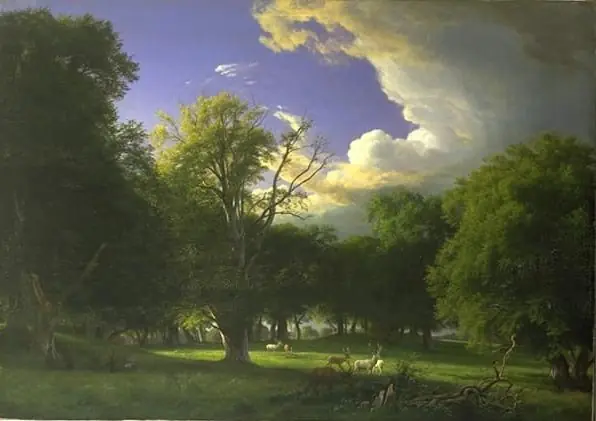 Summer Afternoon with a Passing Shower. The Deer Park in Jægersborg North of Copenhagen
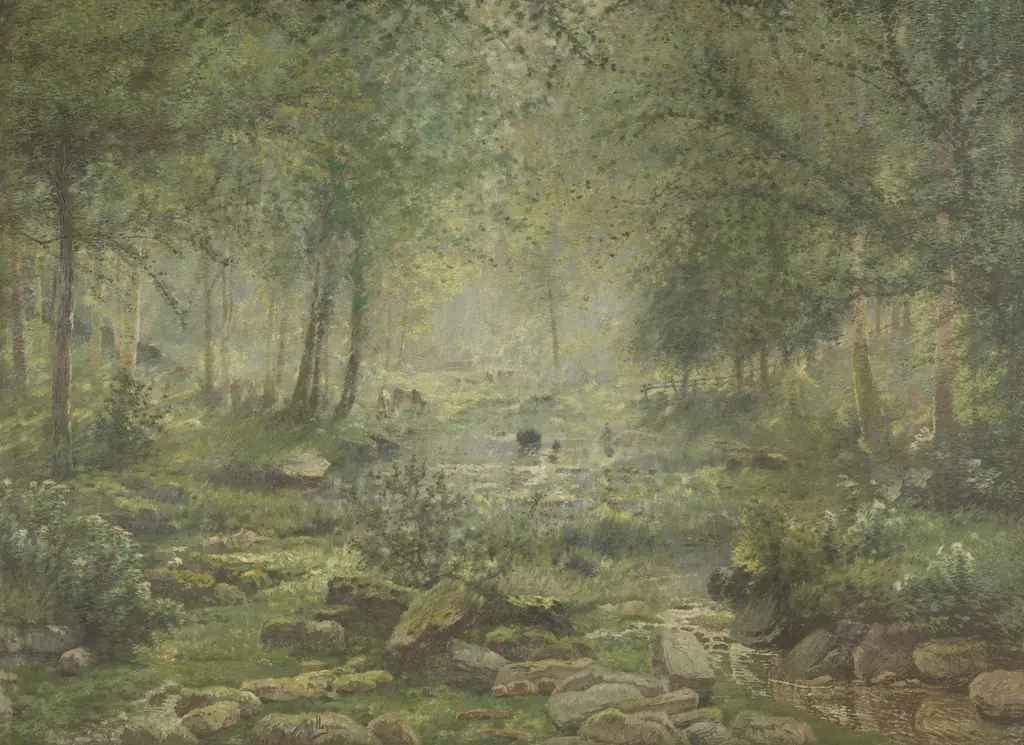 Woodland near Bertogne
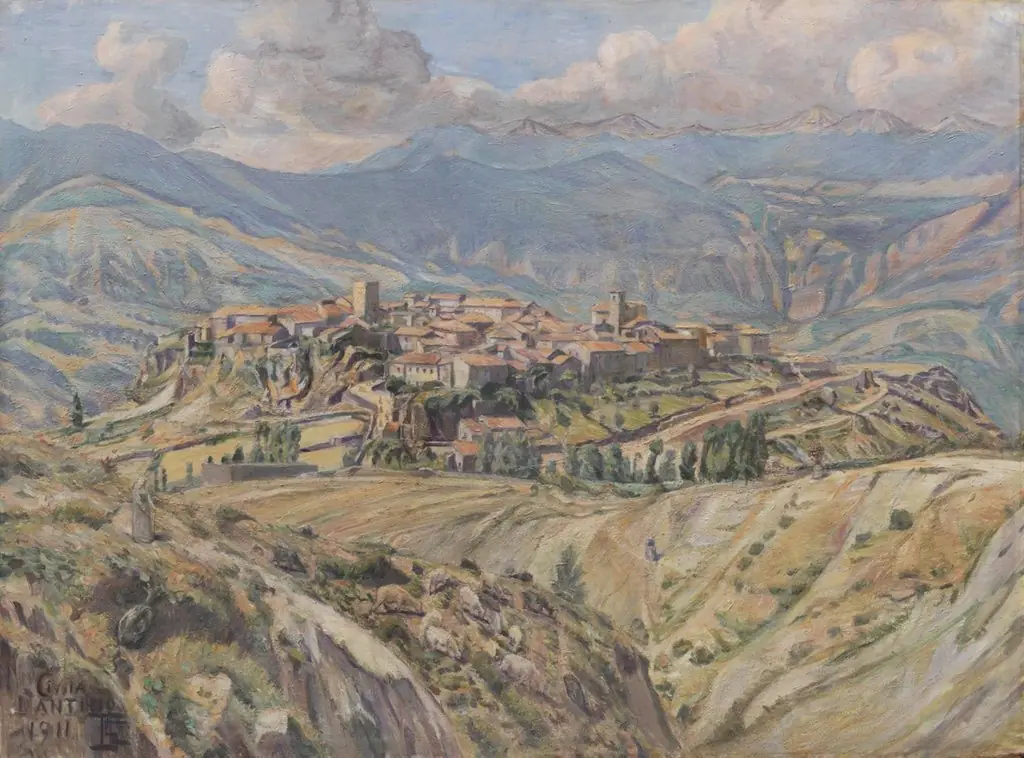 Cività d'Antino in the Abruzzi
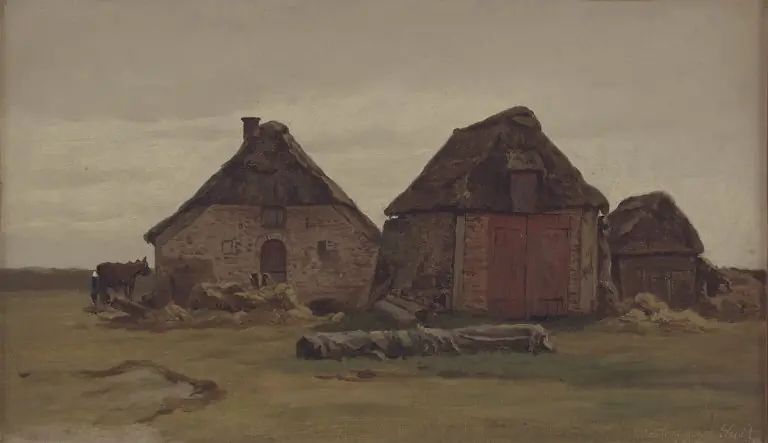 Bondehuse
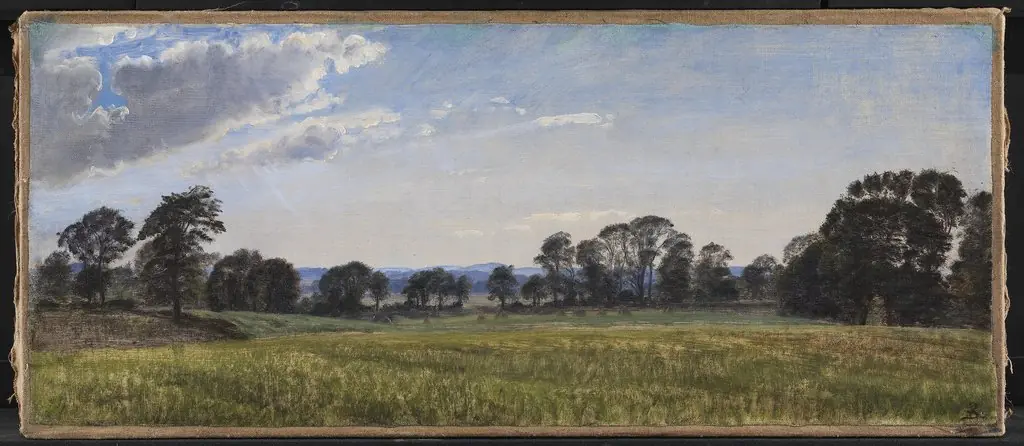 Engene ved Dortheaslyst
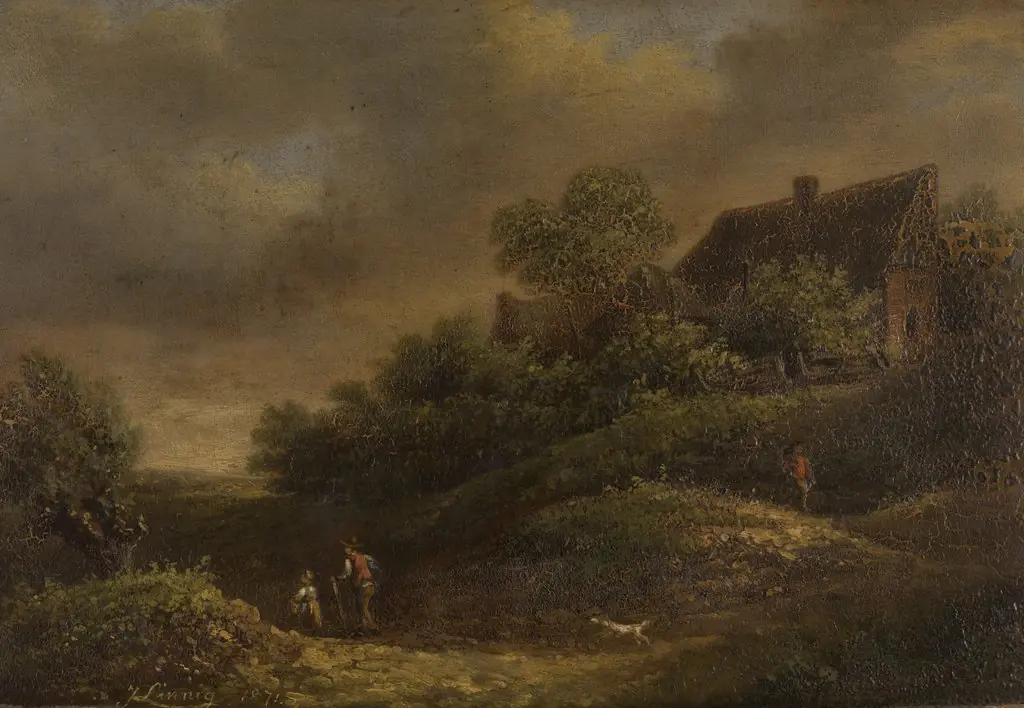 Landscape
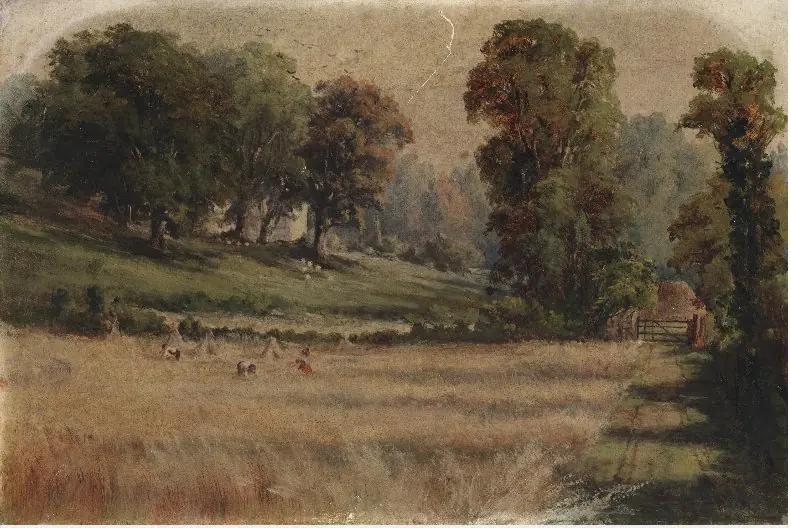 A Landscape Sketch
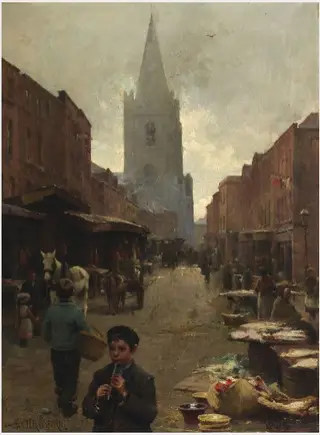 Saint Patrick's Close, Dublin
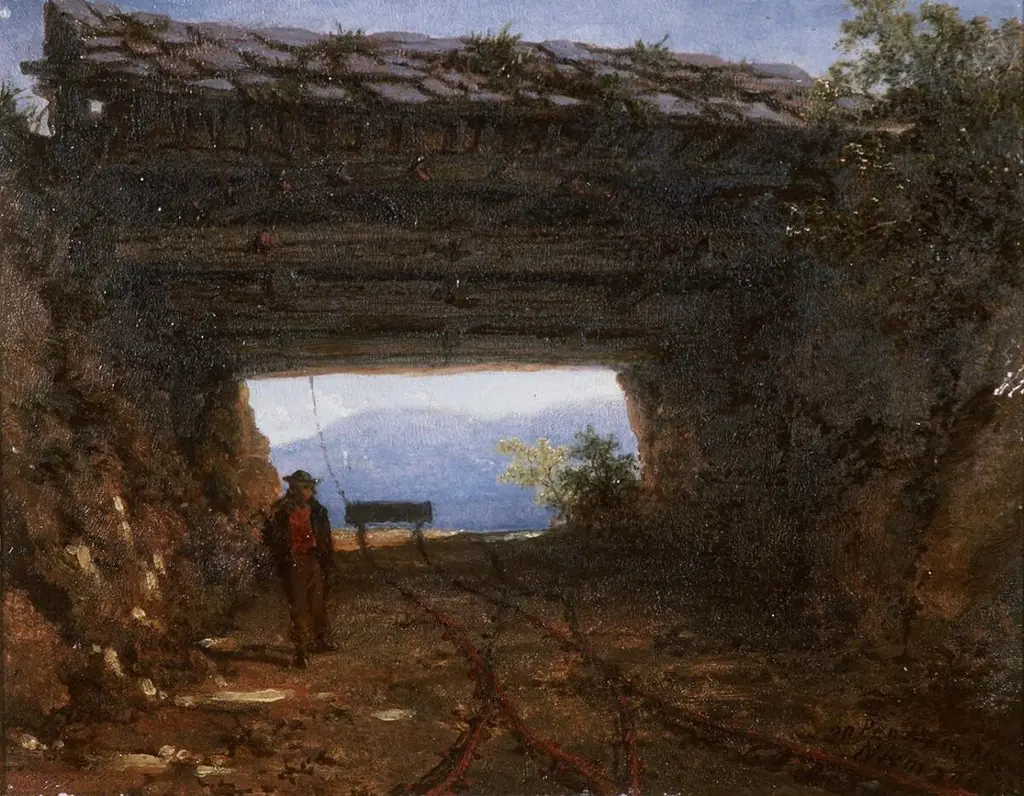 On Penmaenmawr
 Large Moorland Landscape
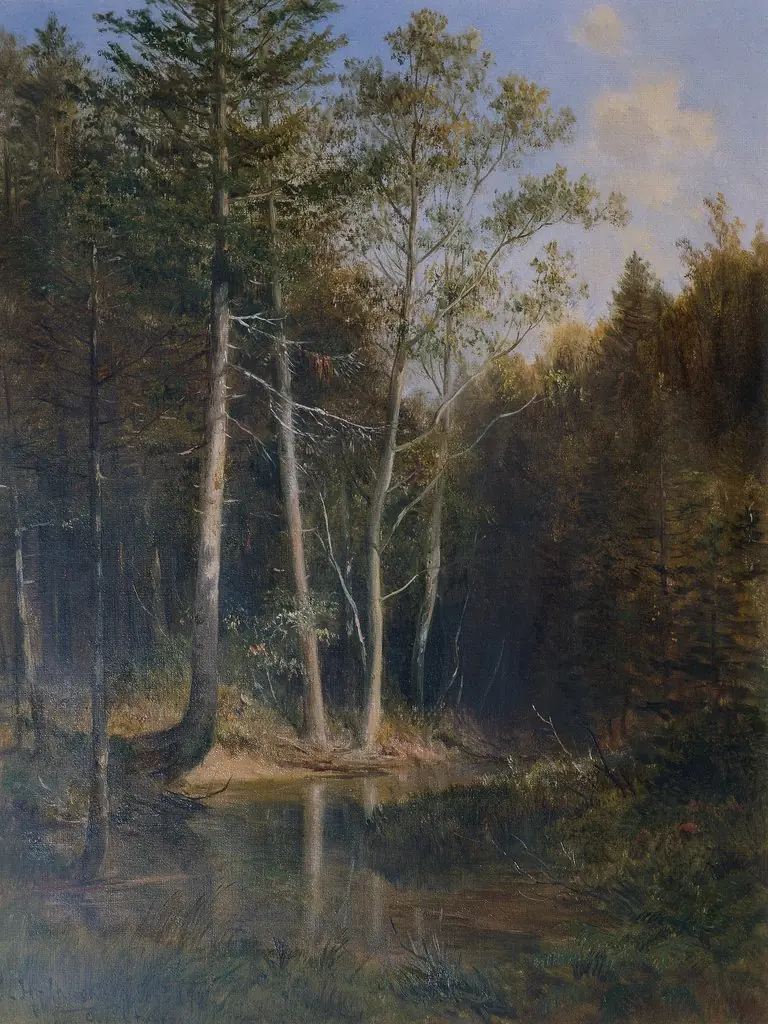 Forest Tour at Gerichtsberg near Kaumberg
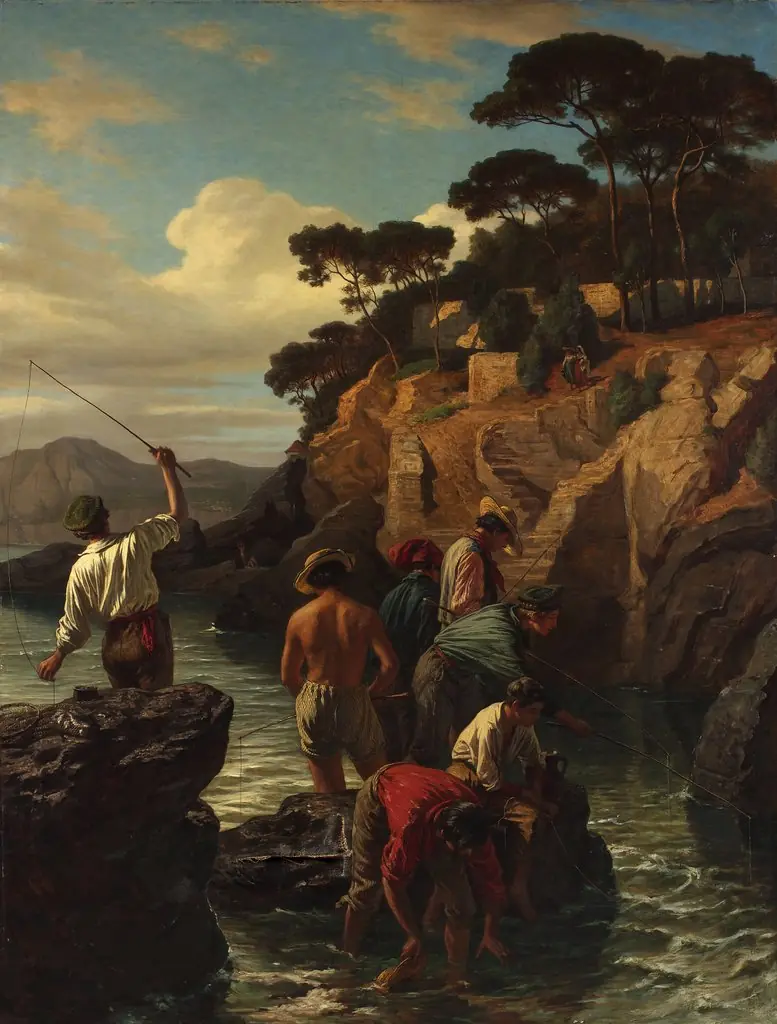 On the Coast of Genoa
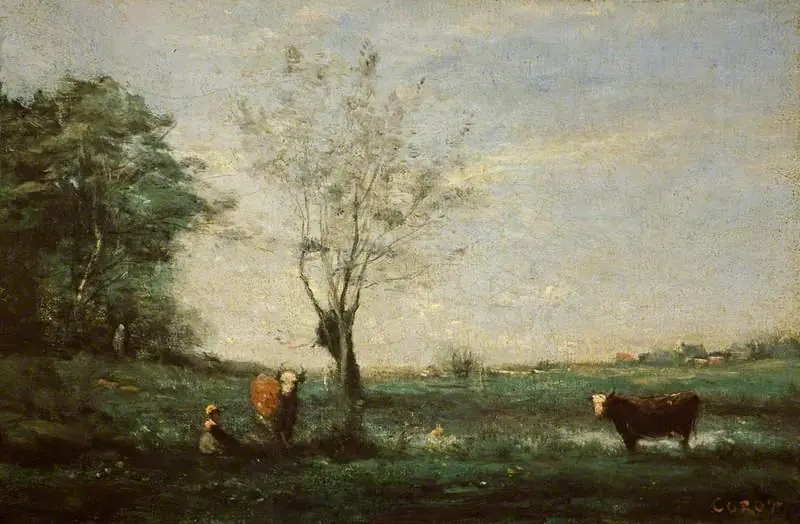 Landscape with Two Cows
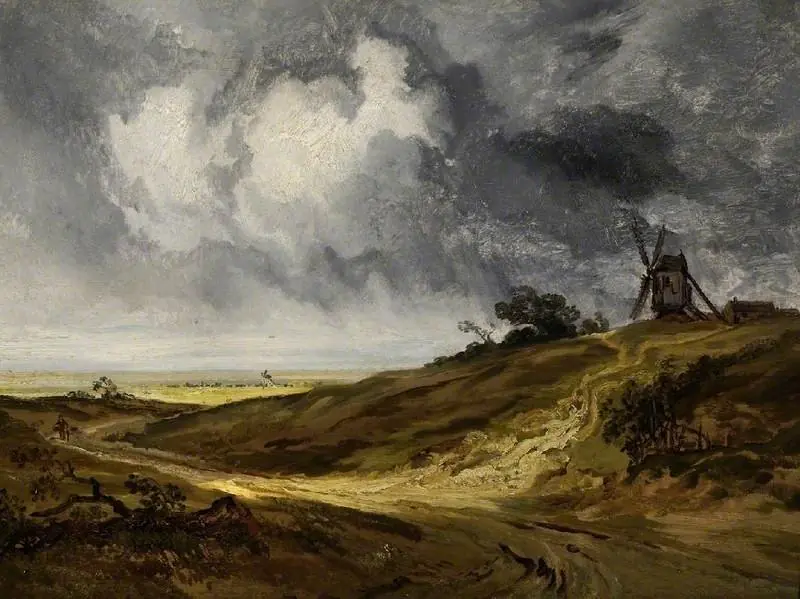 Landscape with a windmill
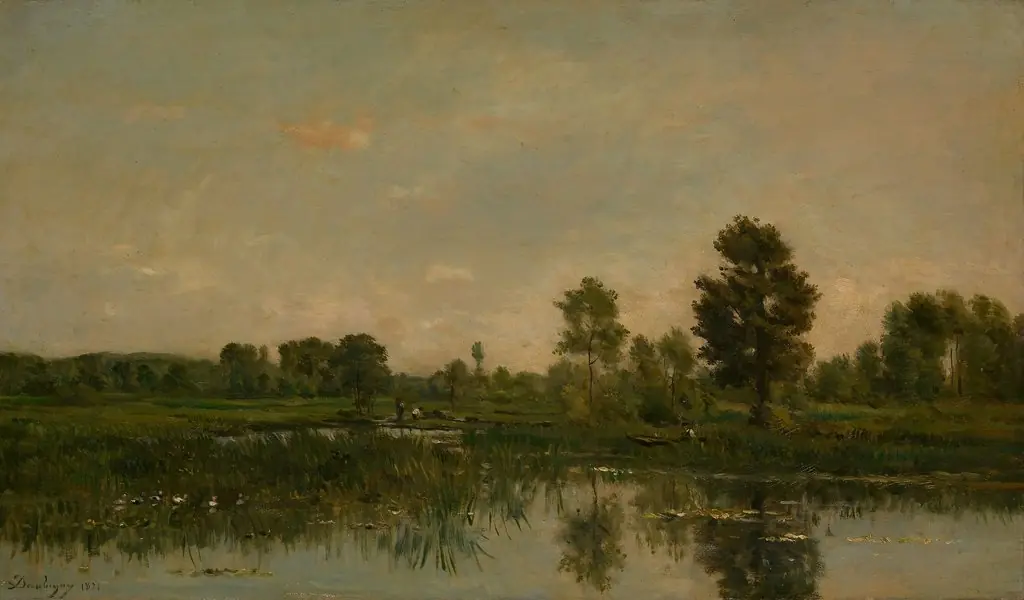 The Marsh
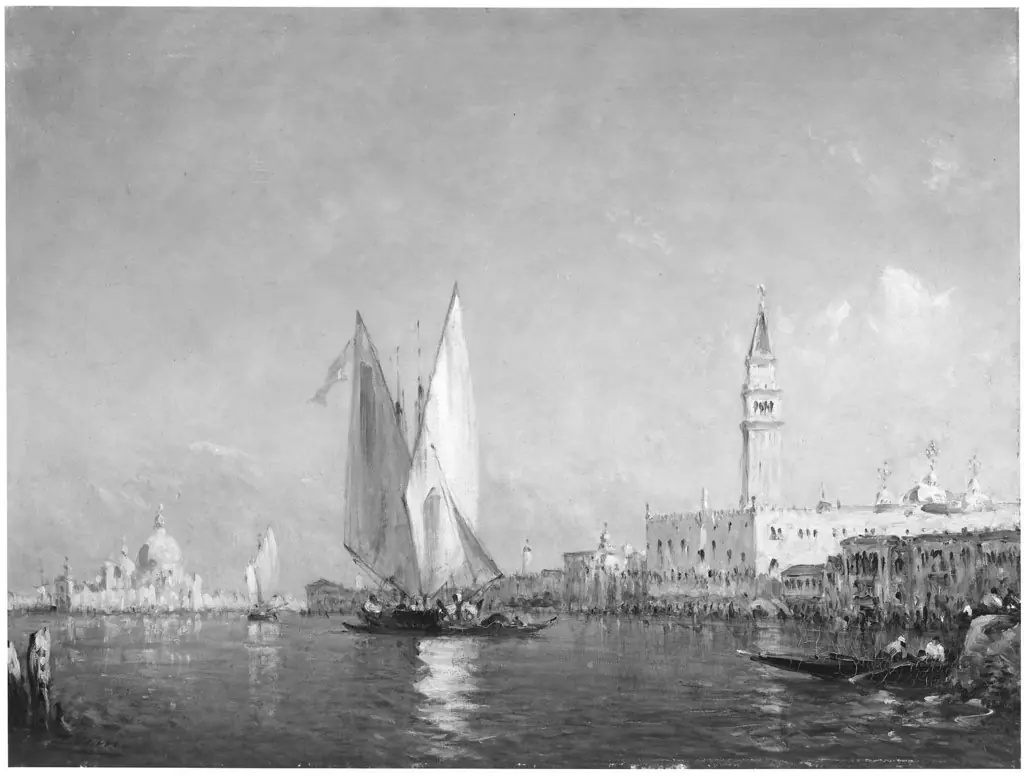 Bacino di San Marco, Venice
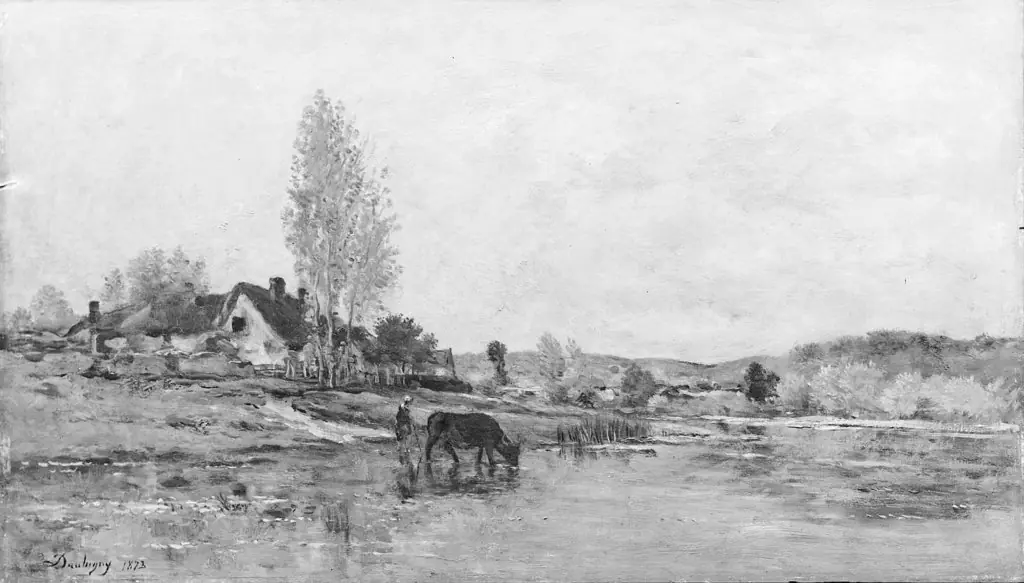 Farm on the Bank of a River
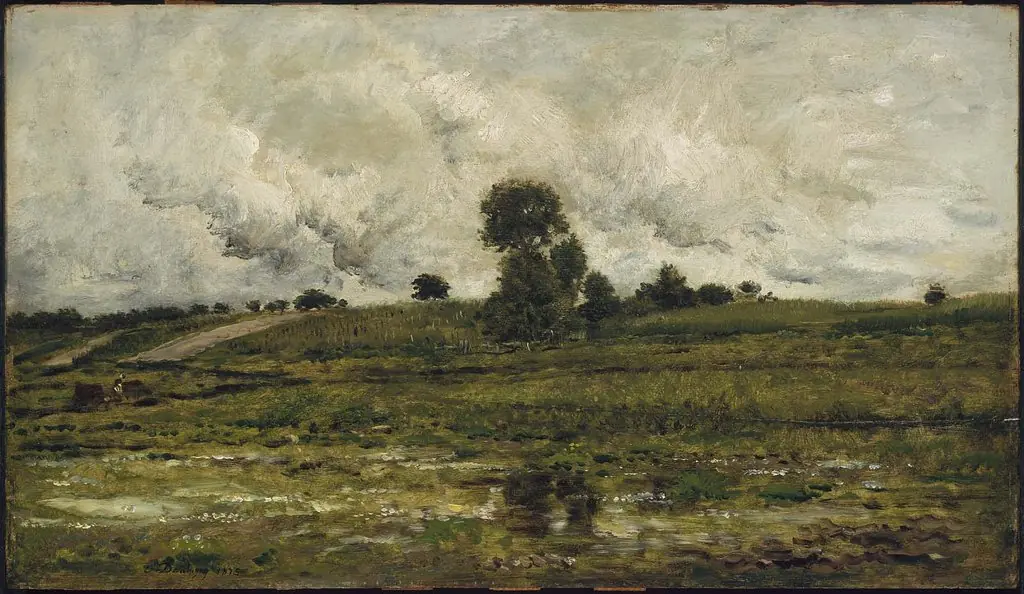 Rising Ground Near Villeneuve-St. Georges
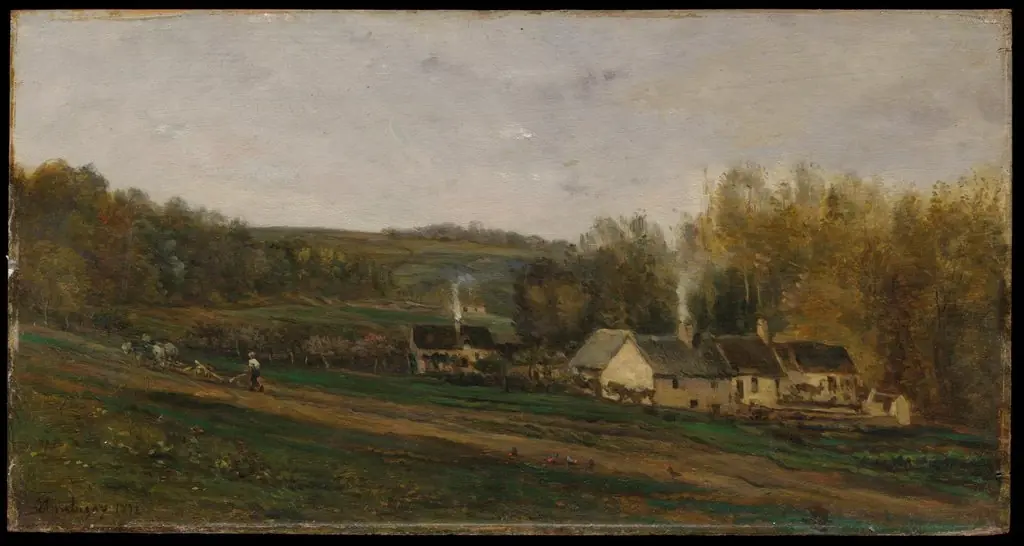 House of Mere Bazot, Valmandois
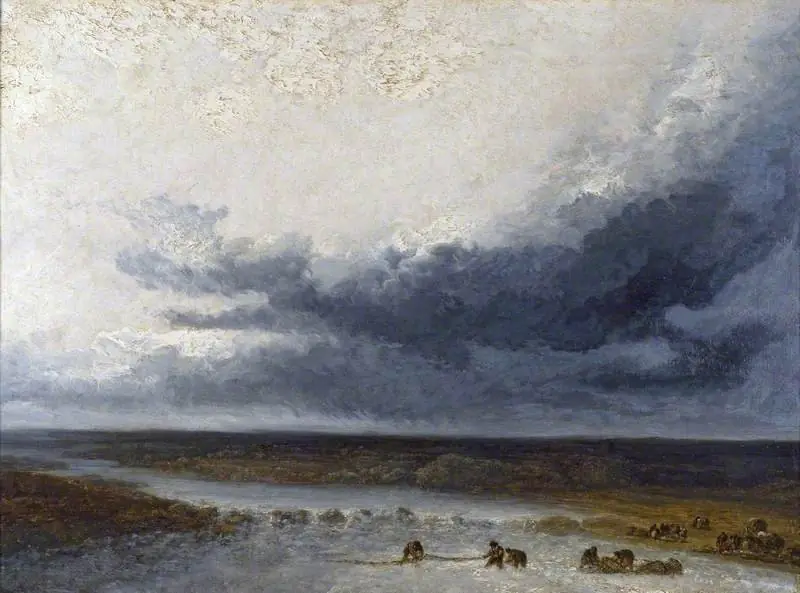 Landscape with Fishermen at the Mouth of a River
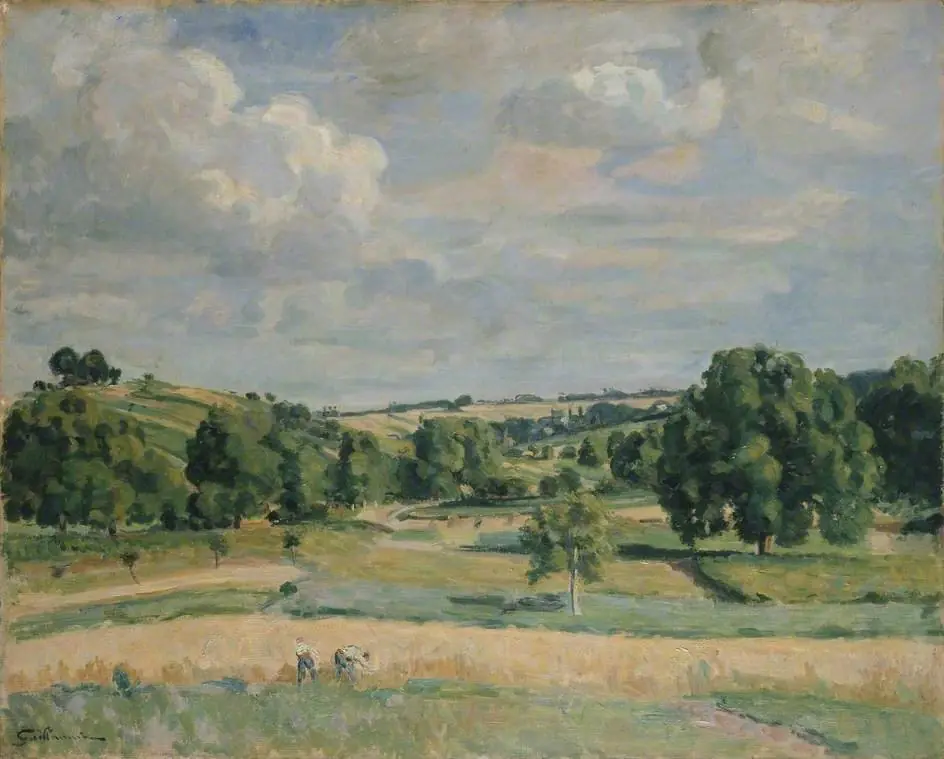 Landscape: Harvest-time in the Somme Valley
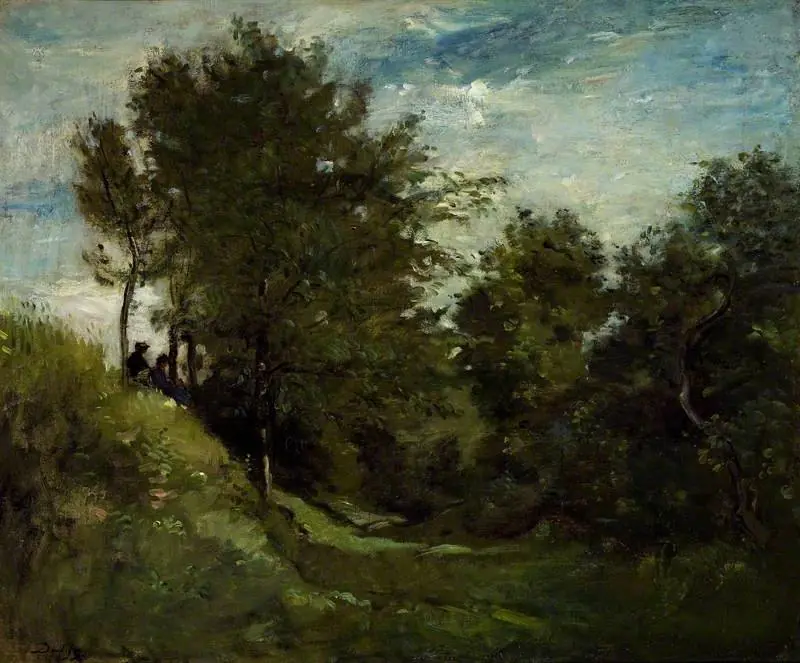 Landscape with Figures seated on a Bank
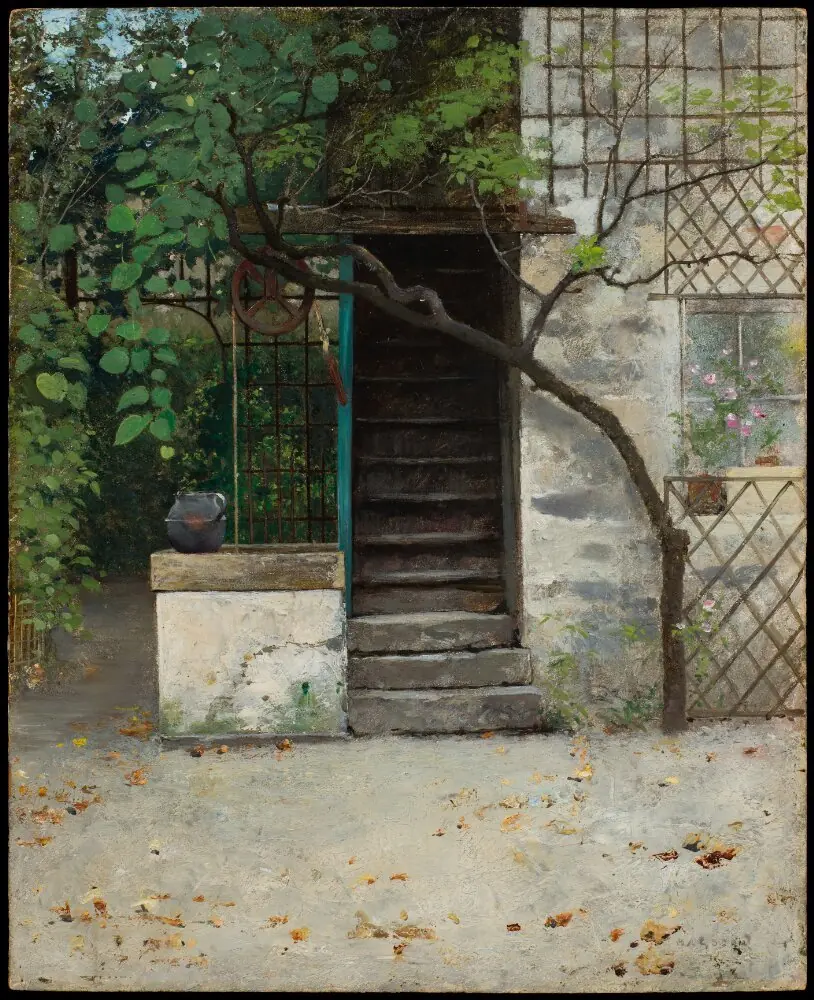 Outside Hugo Birger’s Studio in Paris
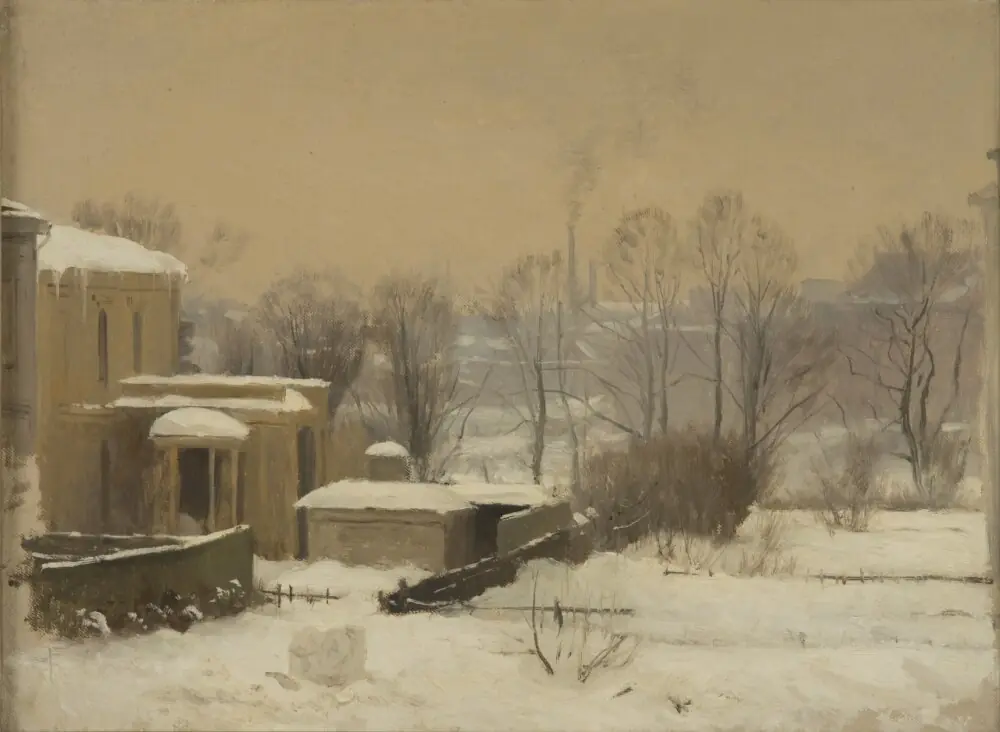 Urban Snow. Study
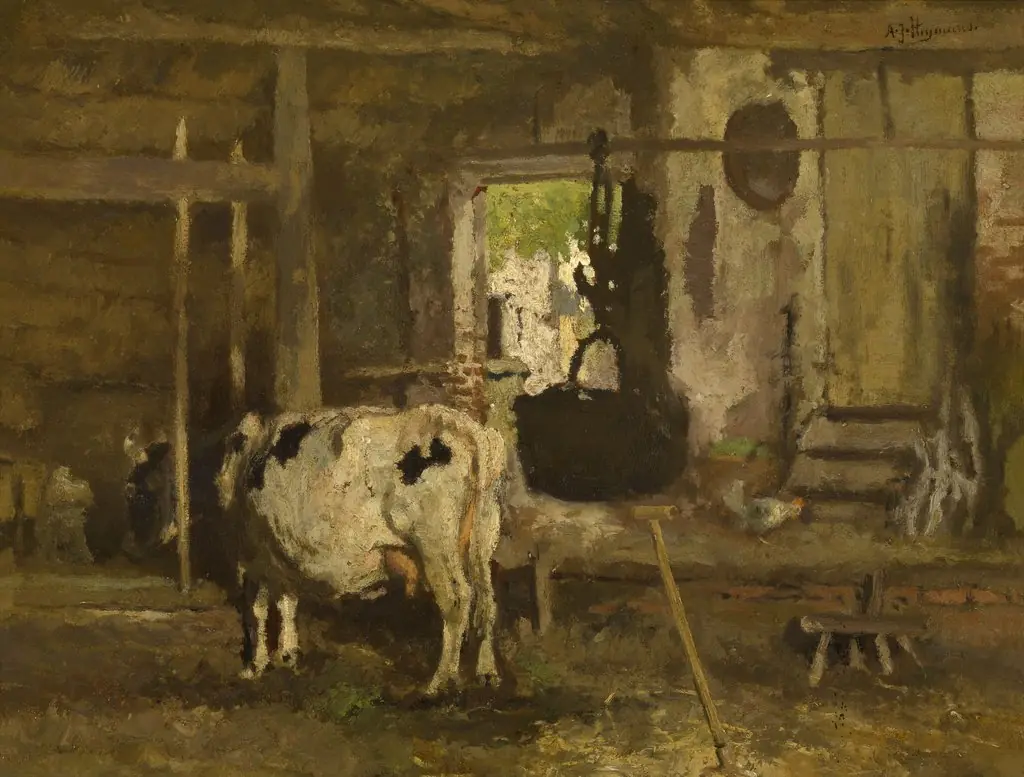 Stable Interior
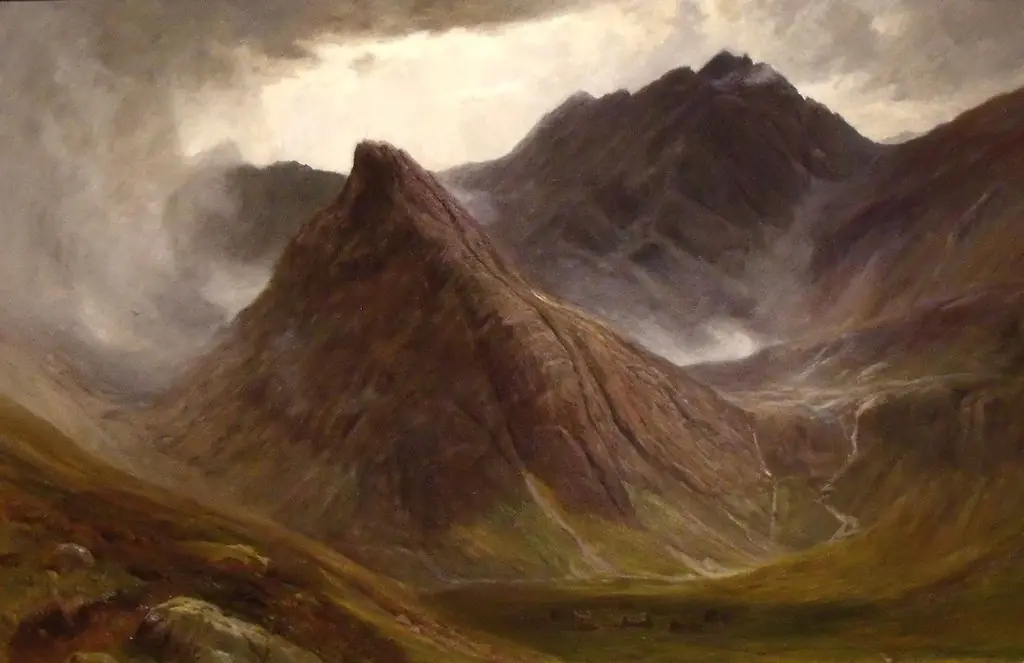 The valley of Slaughter, Skye
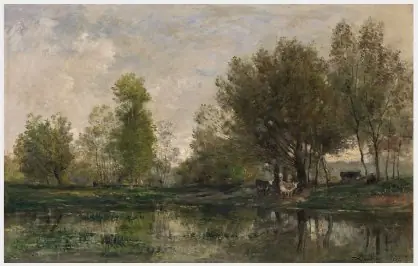 Cattle on a Riverbank
 Landscape, La Clairière
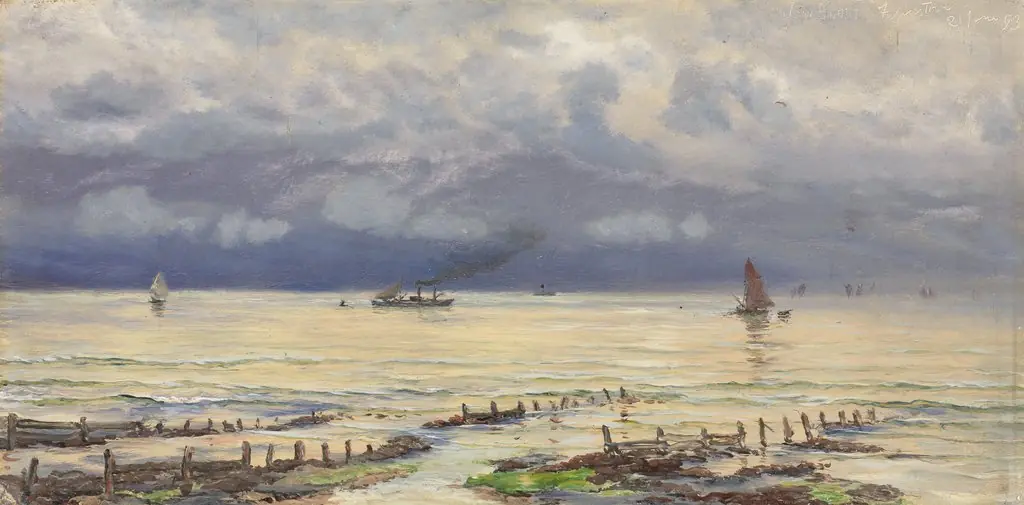 A View of Felixstowe
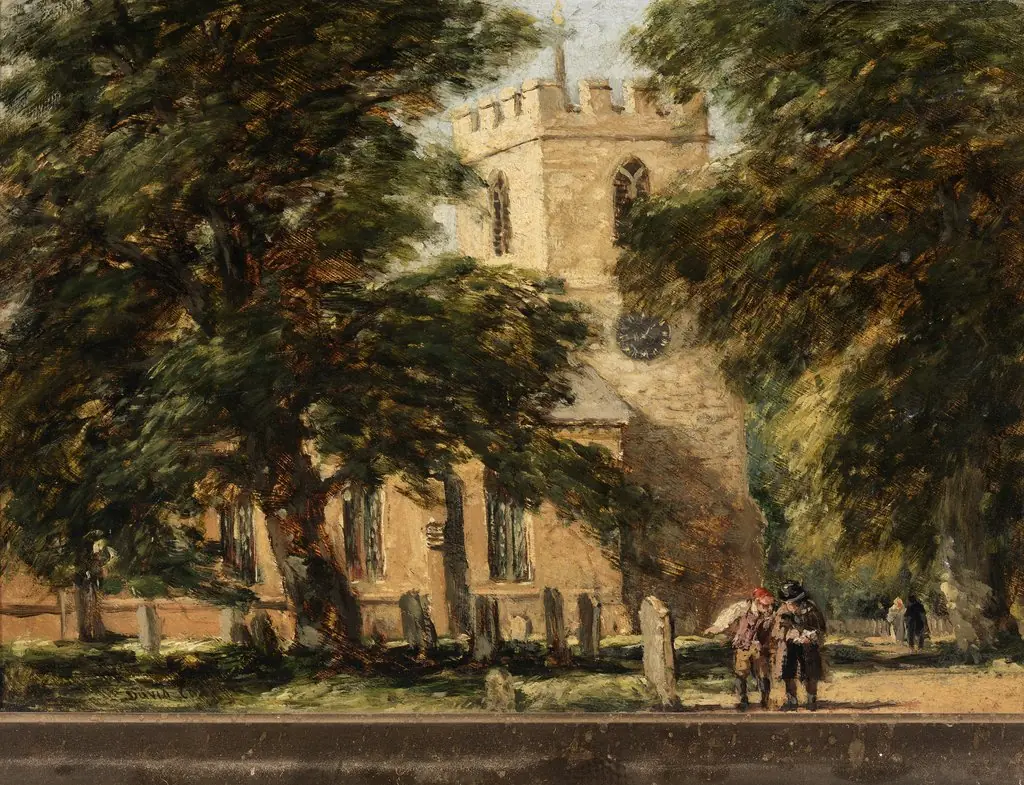 Harborne Church, near Birmingham
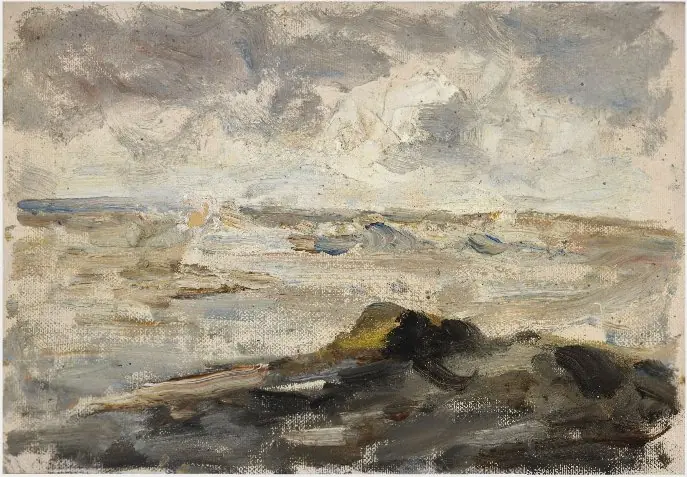 Rock and the Sea
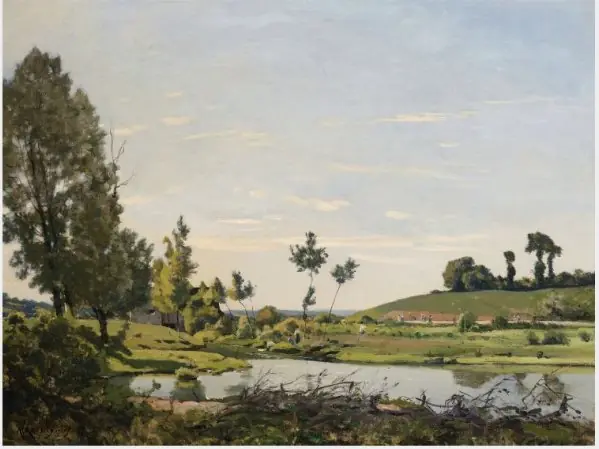 A River Scene
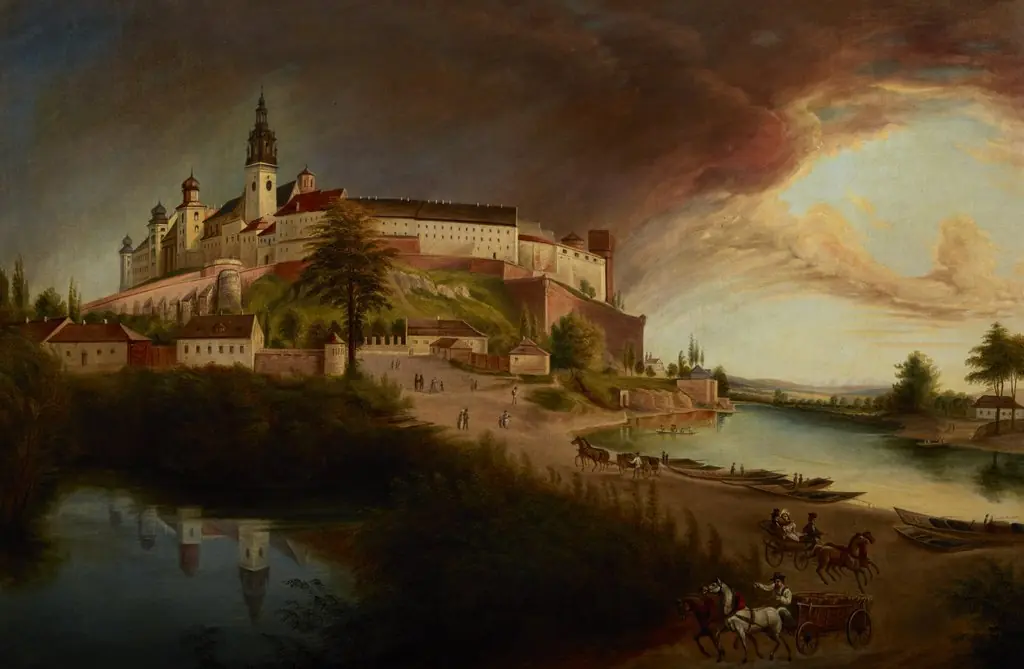 "View of Wawel" by Jan Nepomucen Głowacki
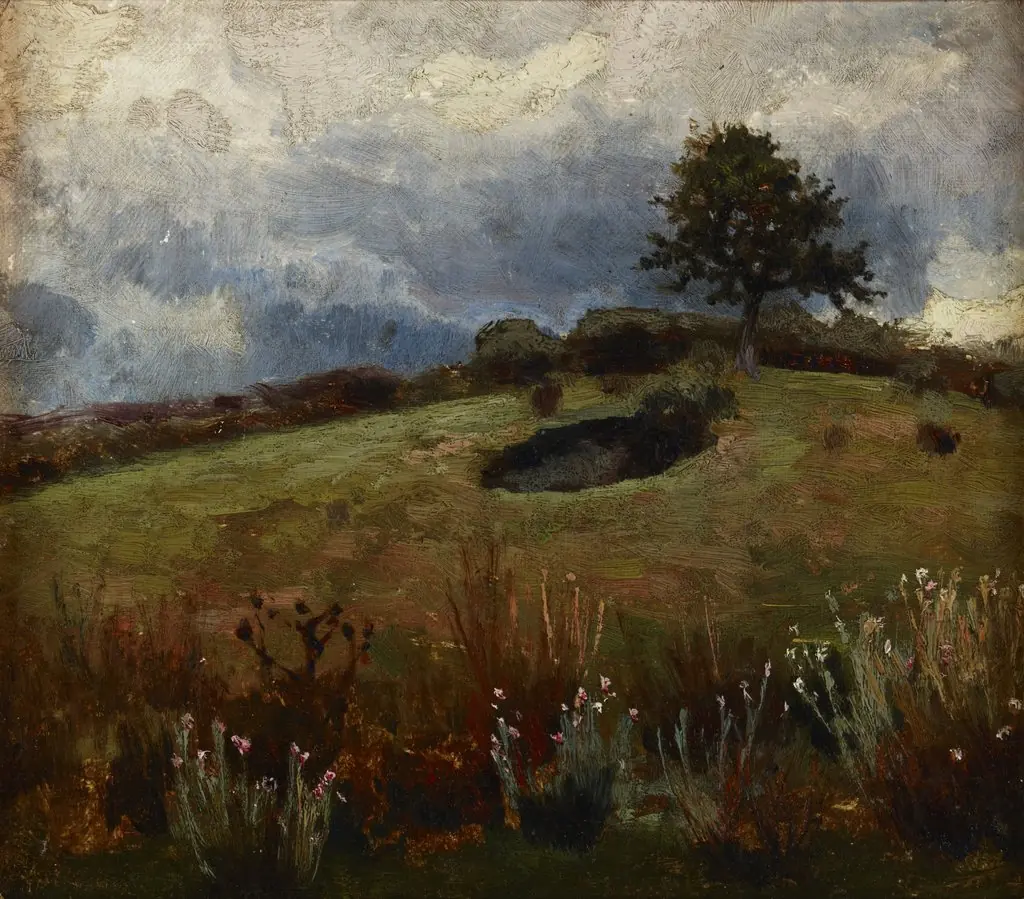 Landscape
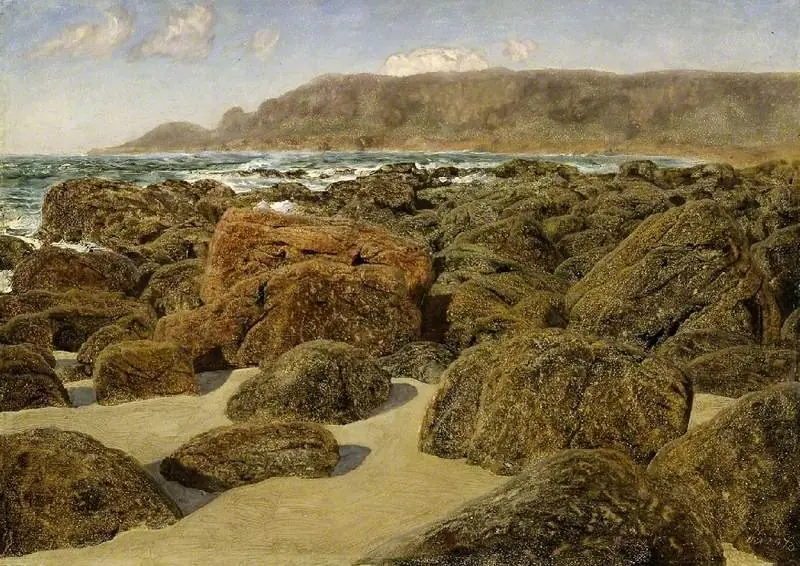 Cape Cornwall from Whitesands Bay (1872)
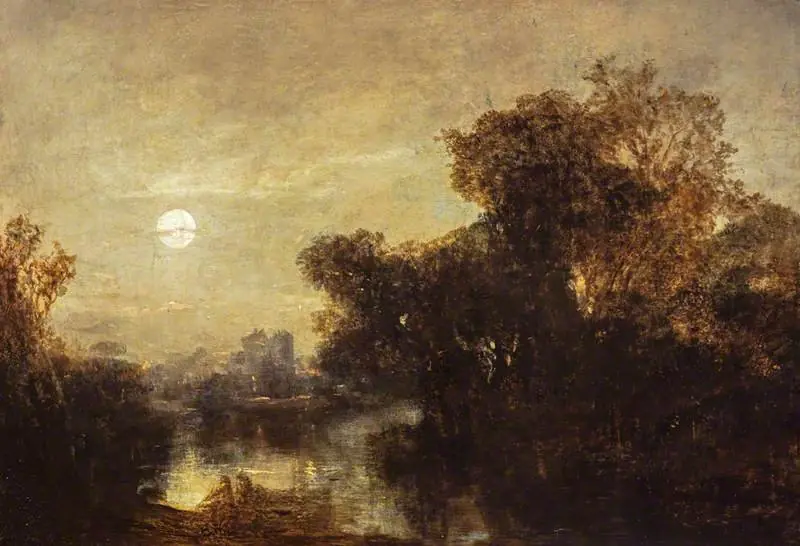 Moonlight, Blairlogie
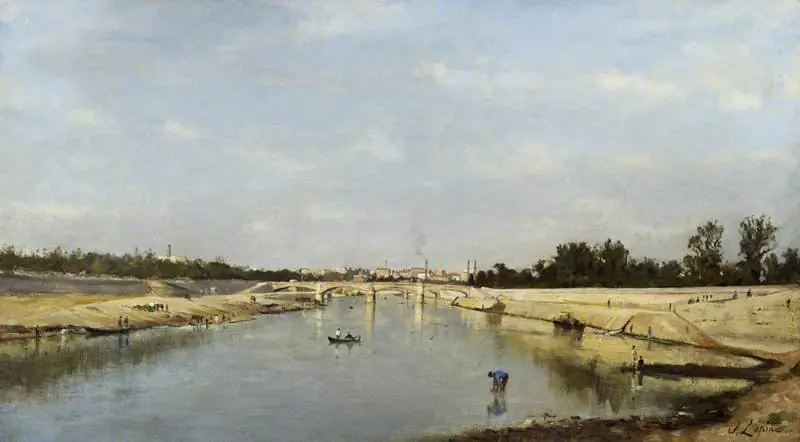 The Pont de l'Alma near Paris
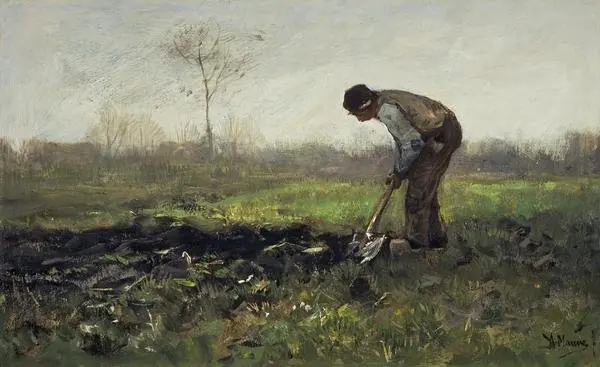 Field Labour
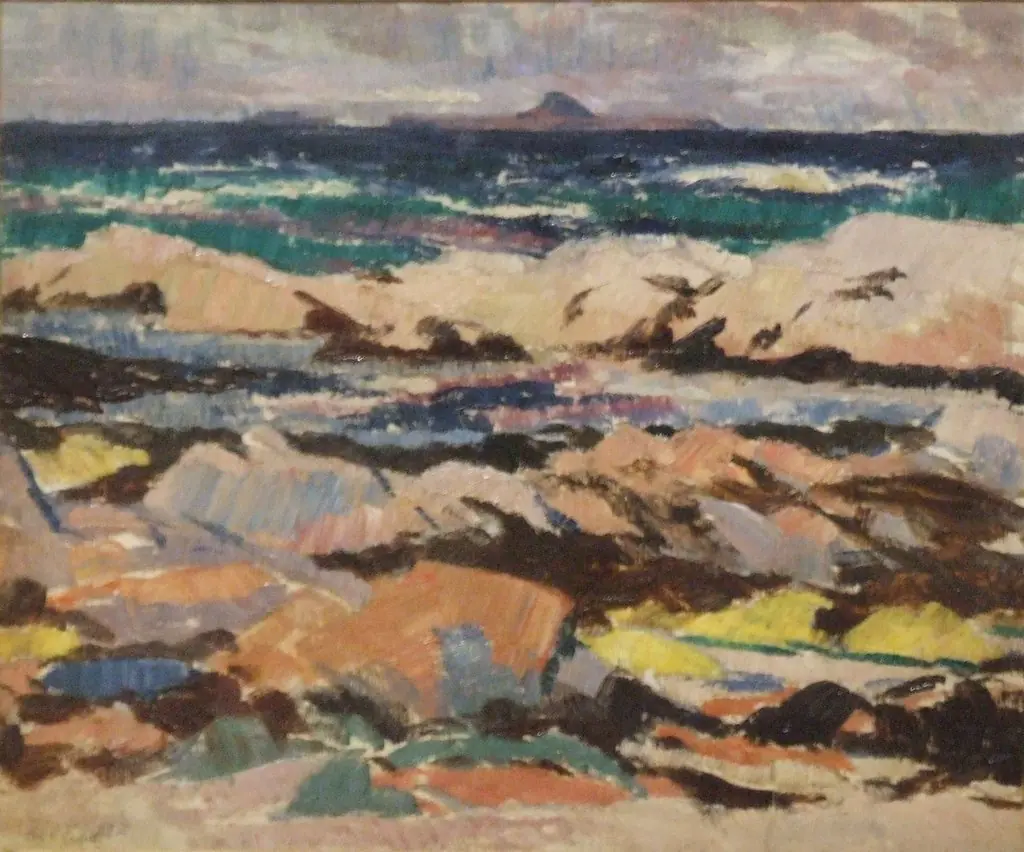 Dutchman's Cap from Iona
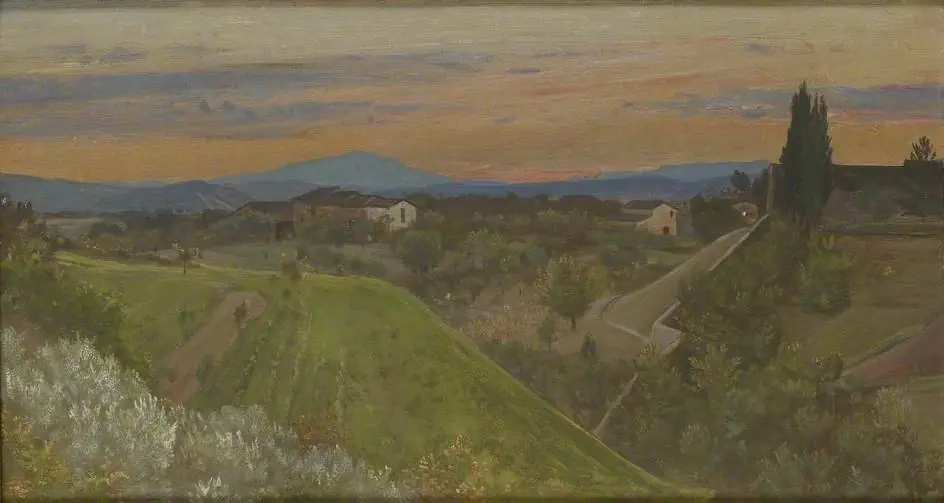 View of Monte Amiata, Tuscany
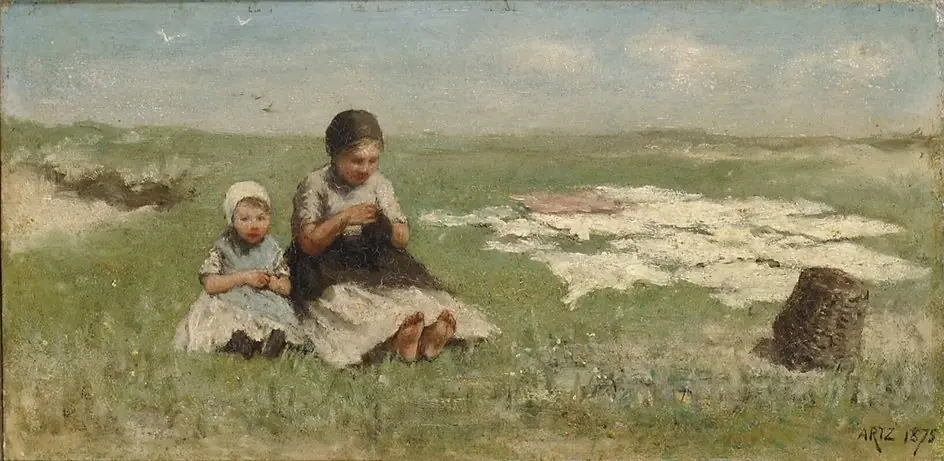 Two Girls on the Dunes, bleaching
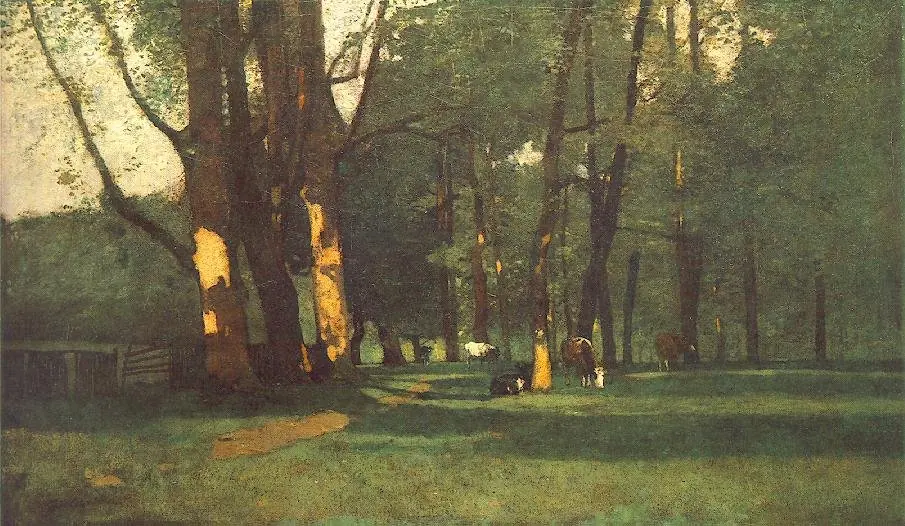 Landscape with Cattle
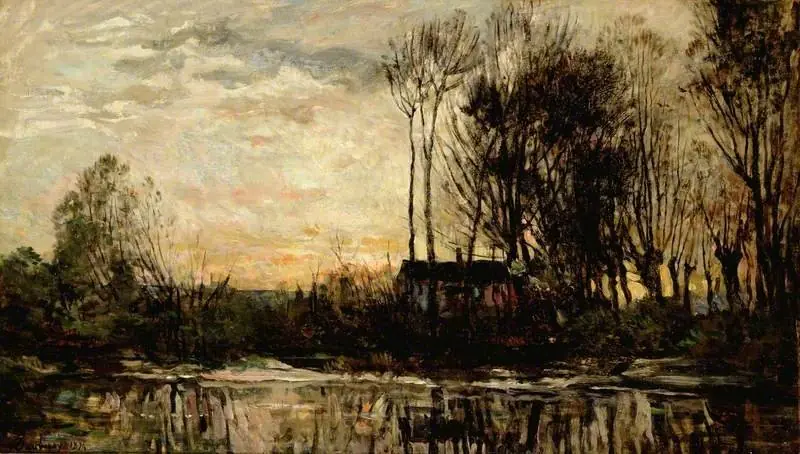 Evening at Bas Meudon
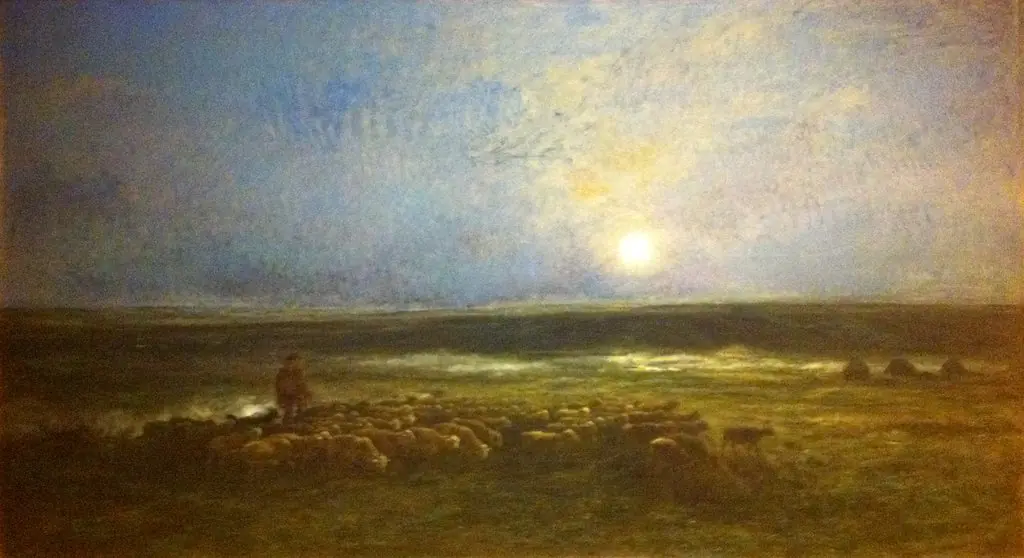 Lever de lune à Auvers
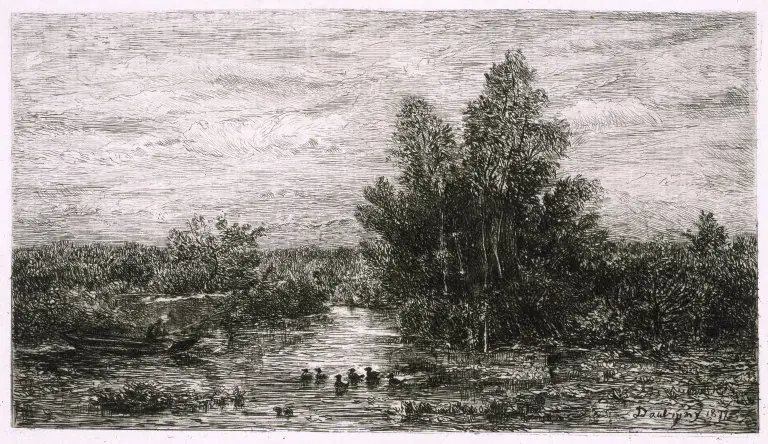 Fisherman on River with Ducks
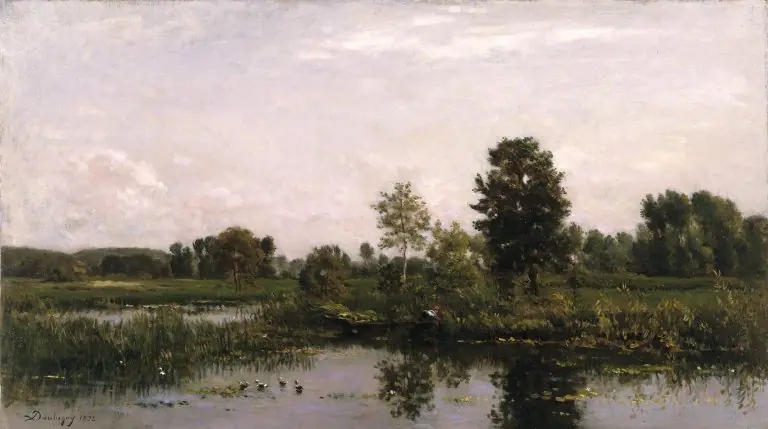 A Bend in the River Oise
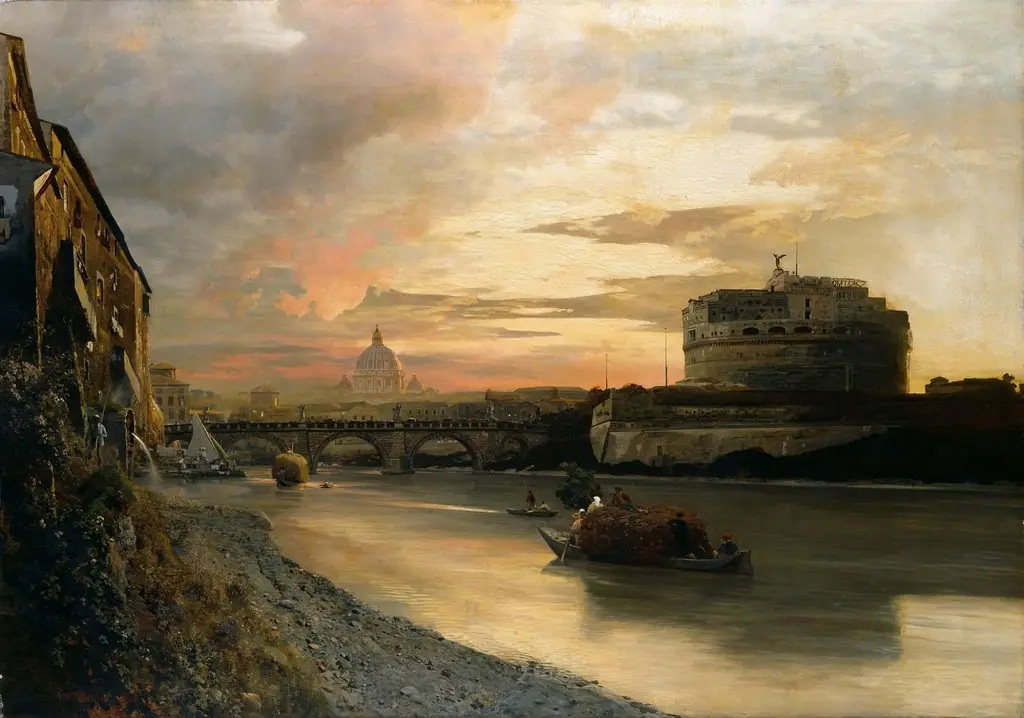 Die Engelsburg in Rom
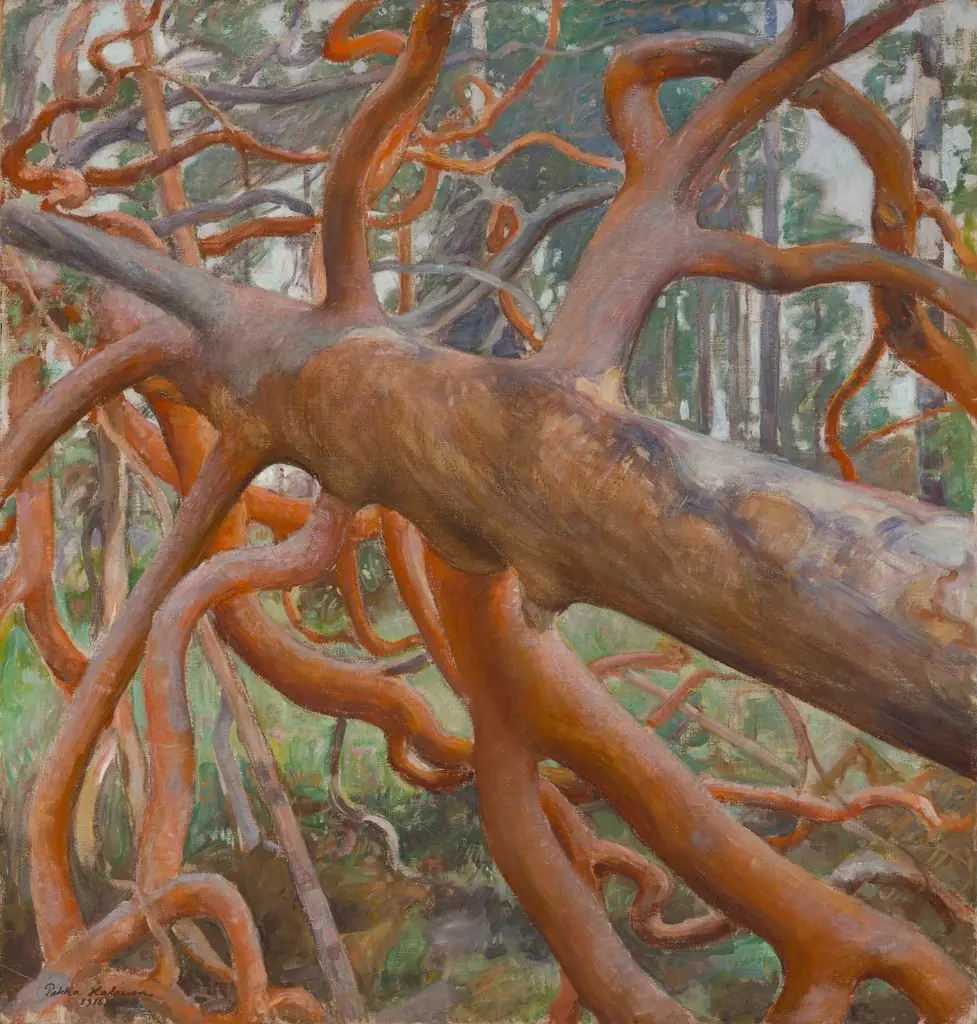 Great Pine of Kotavuori
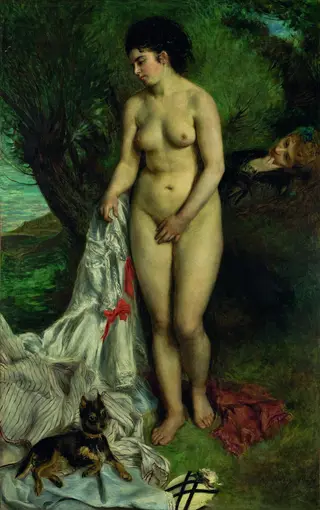 Bather with a Griffon Dog
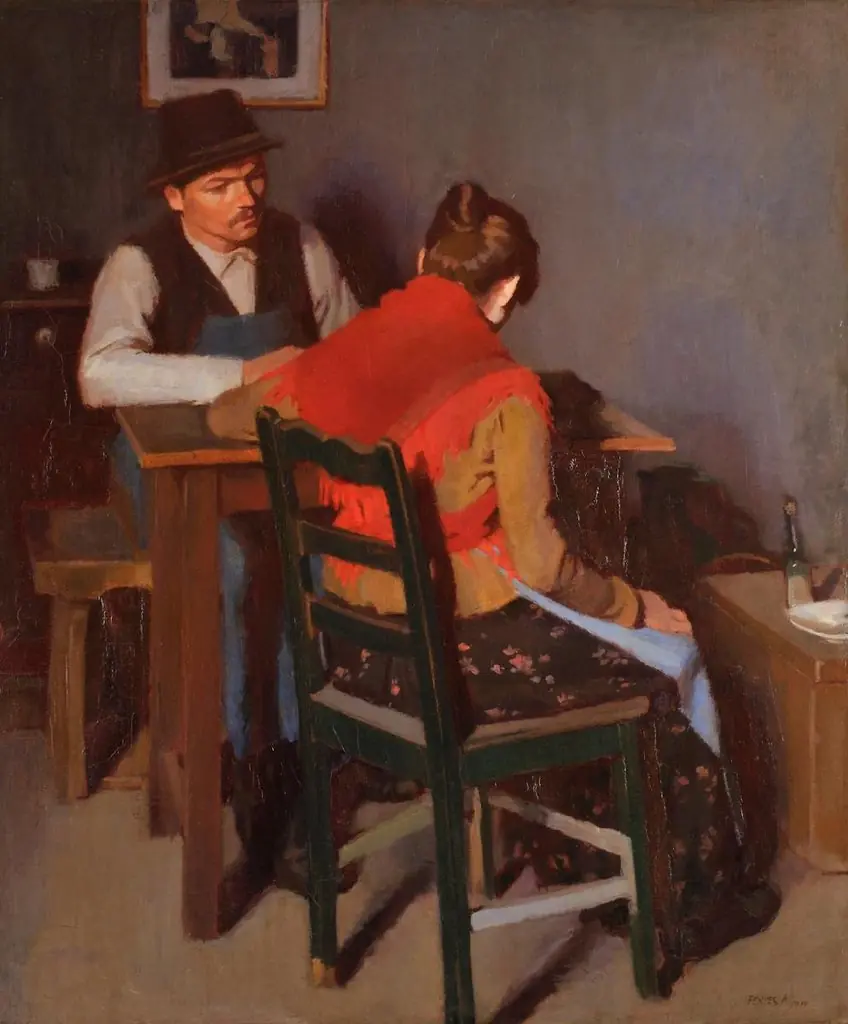 A Young Man and a Girl (1904)
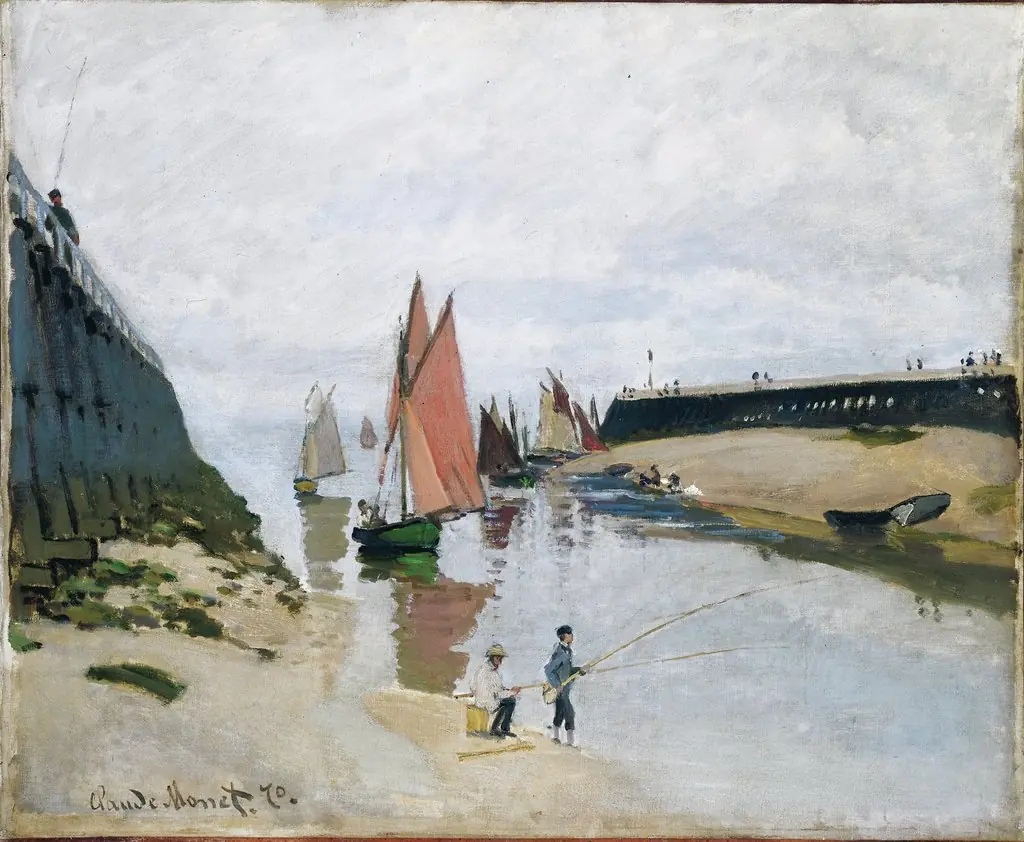 Breakwater at Trouville, Low Tide
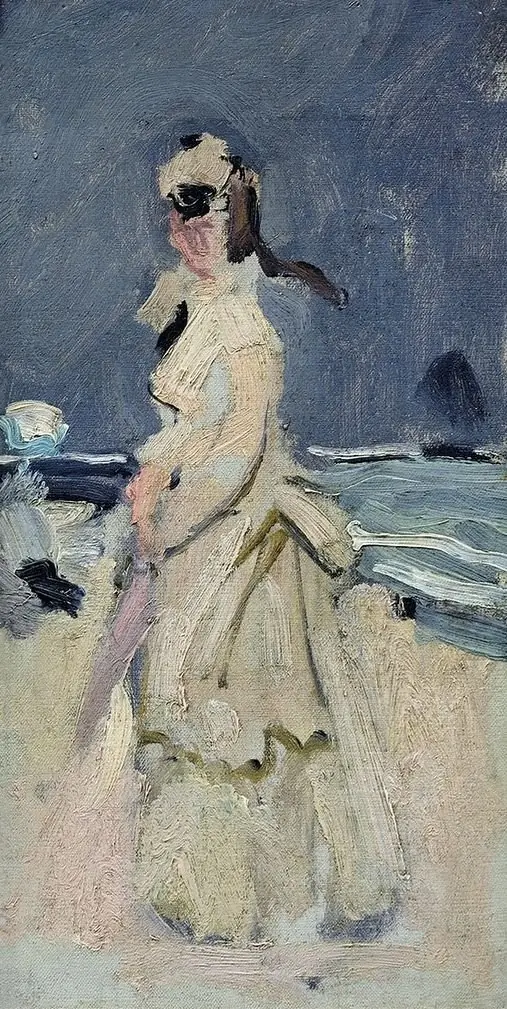 Camille sur la plage
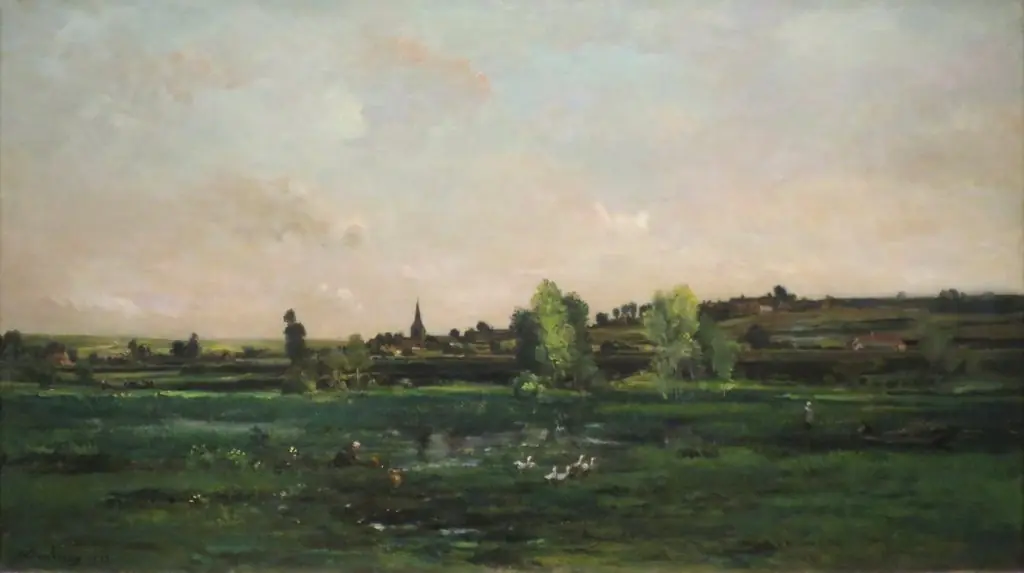 Village on the Seine near Vernon
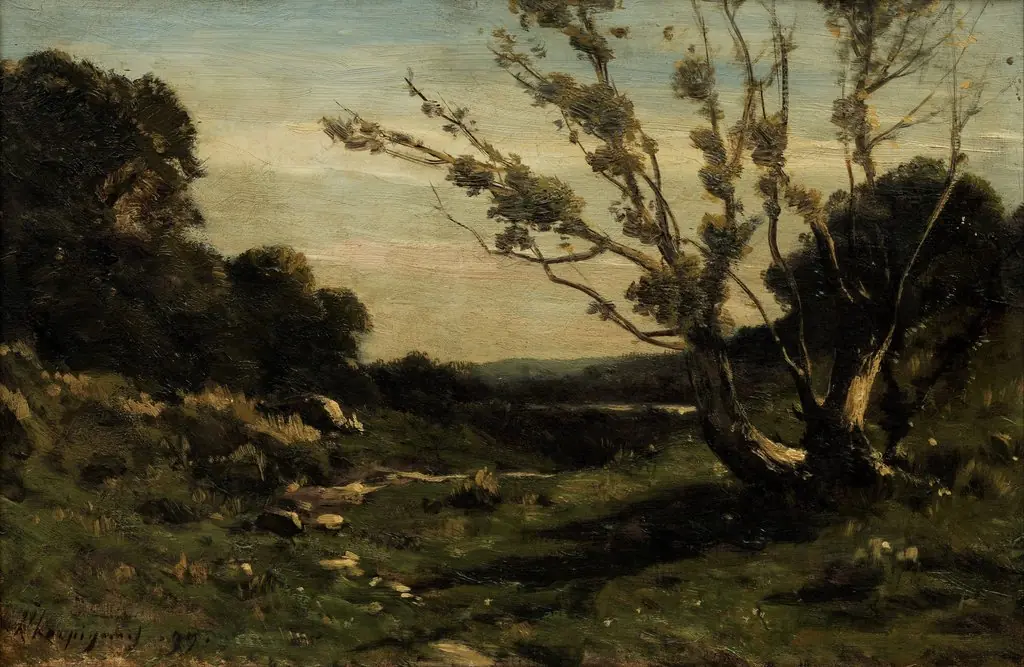 Morning in the Nievre
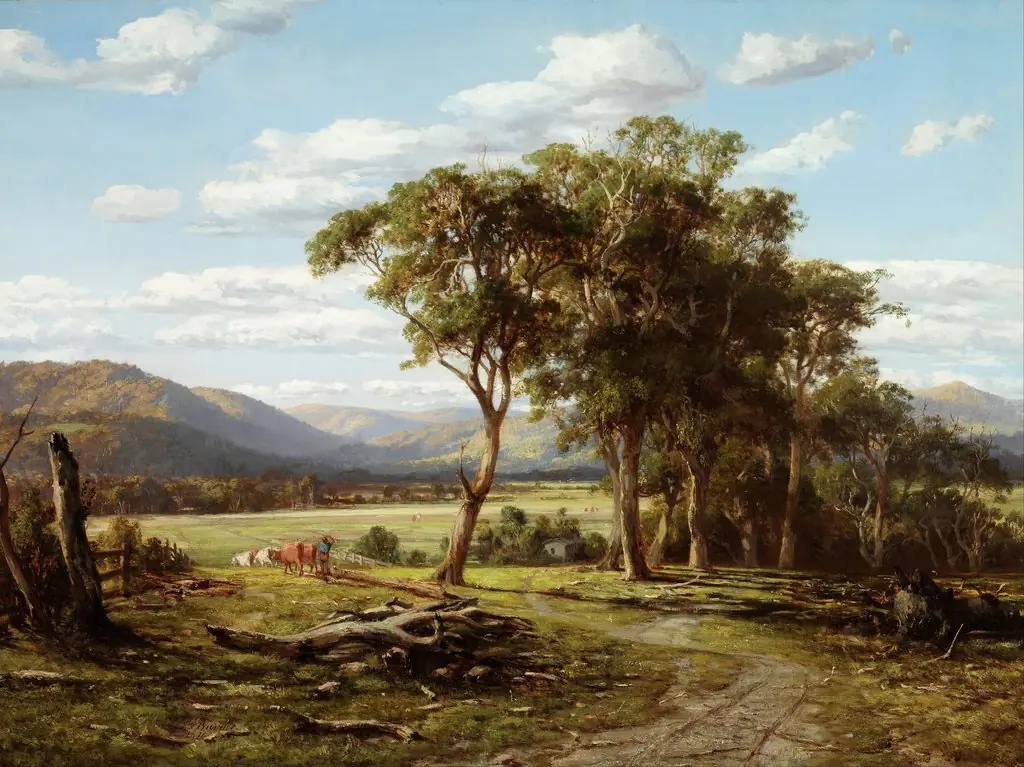 At Lilydale
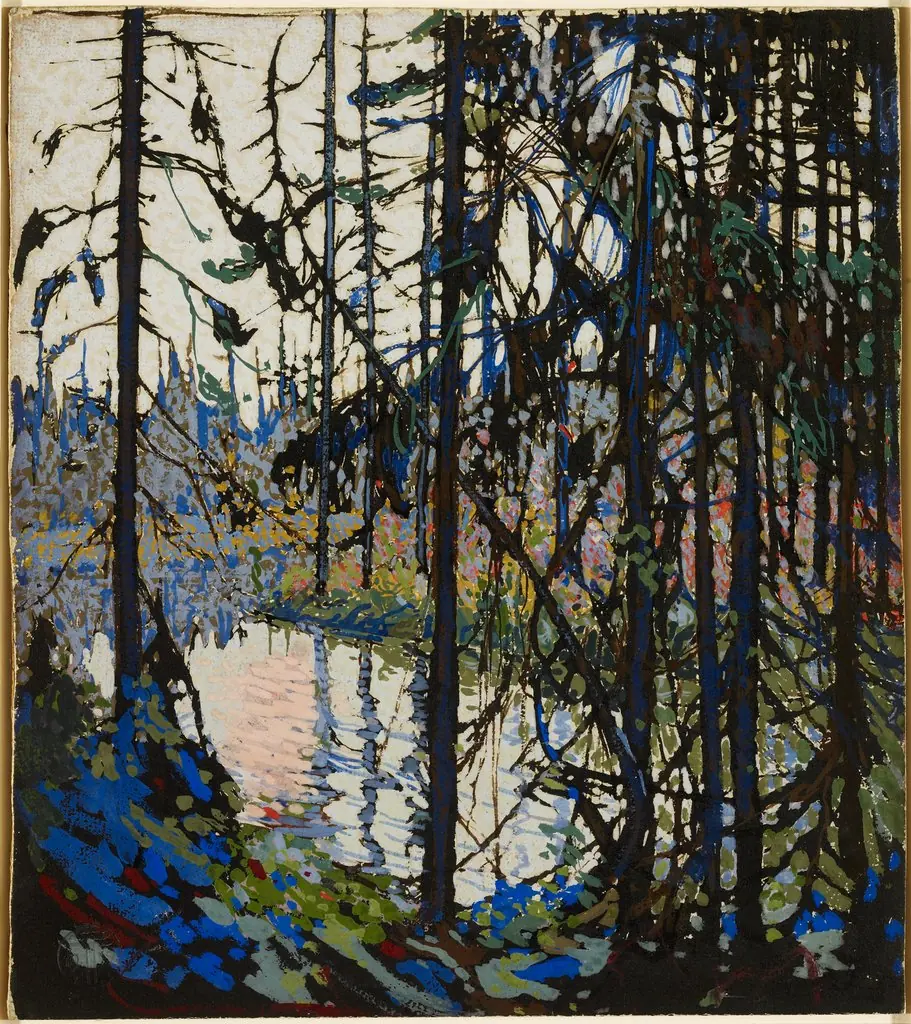 Study for Northern River
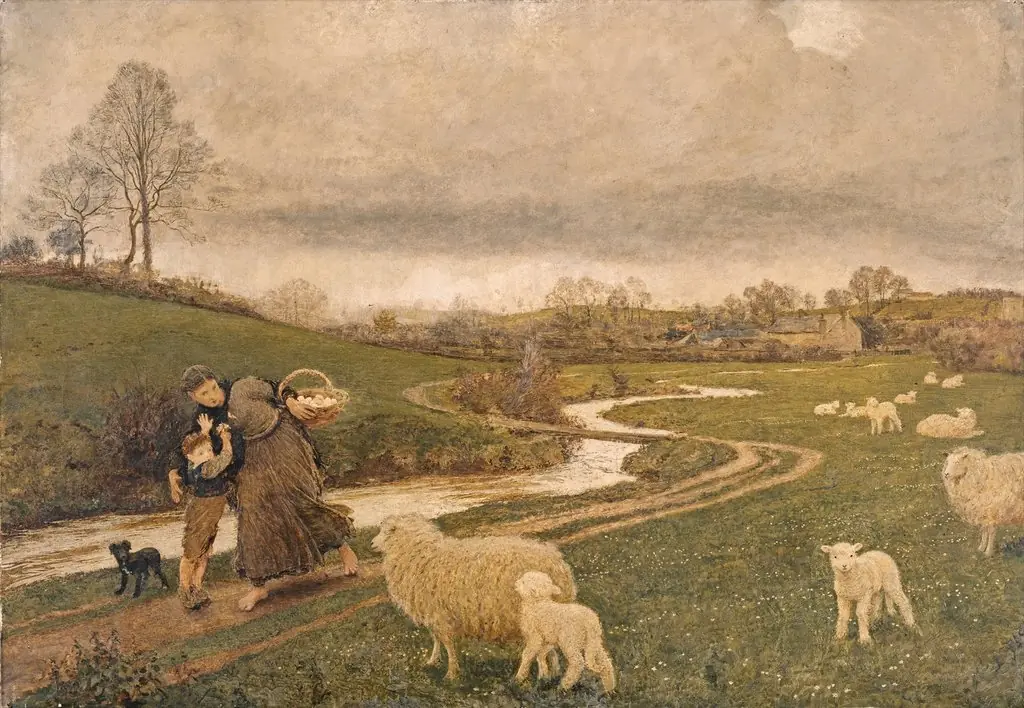 The right of way
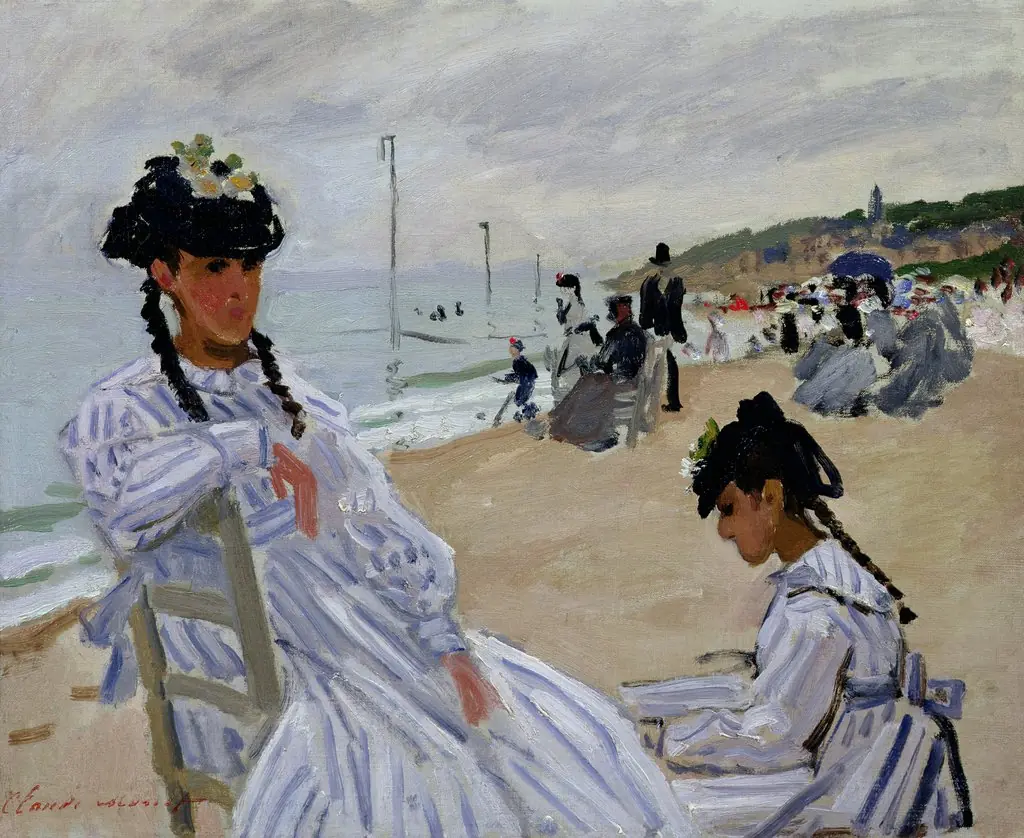 Sur la plage à Trouville
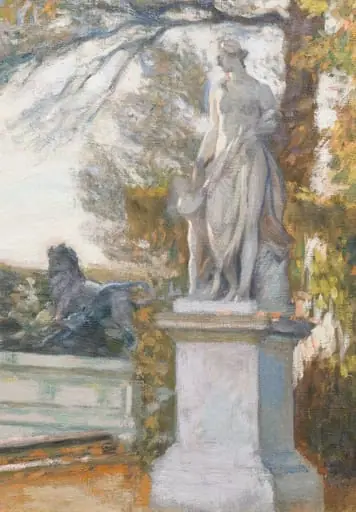 Parc din Luxemburg
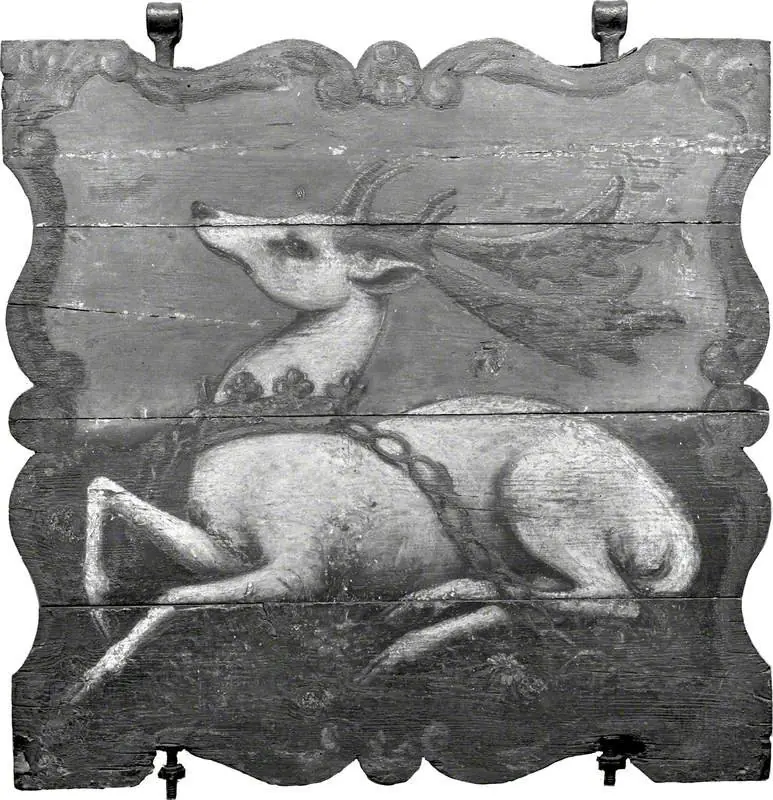 'The White Hart' (pub sign)
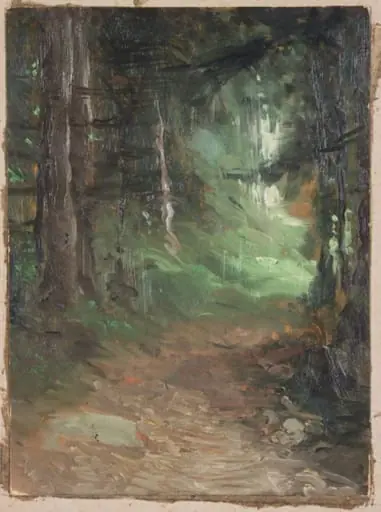 În pădure
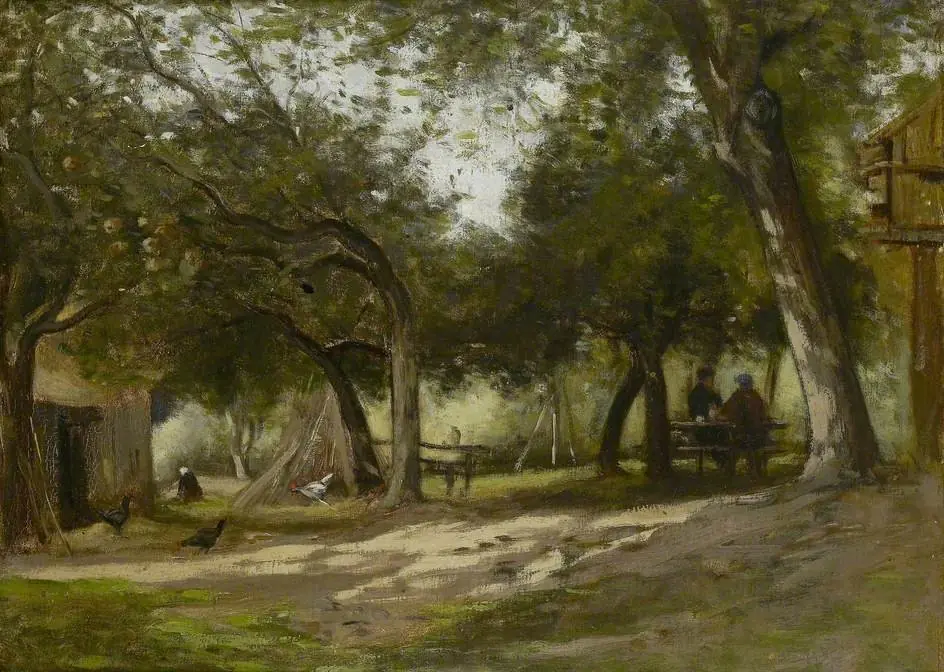 Landscape with a Farmyard
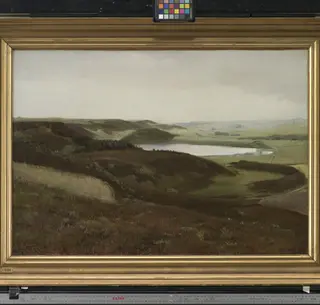 A Landscape near Bryrup, Jutland
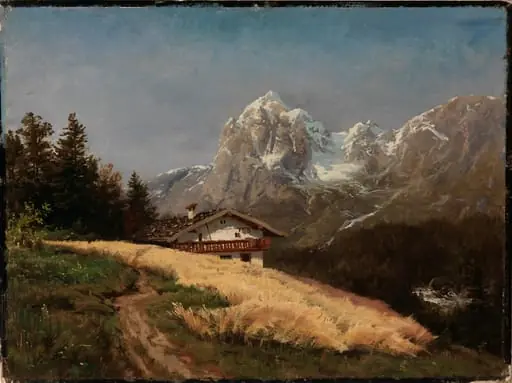 Aihe Ramsausta
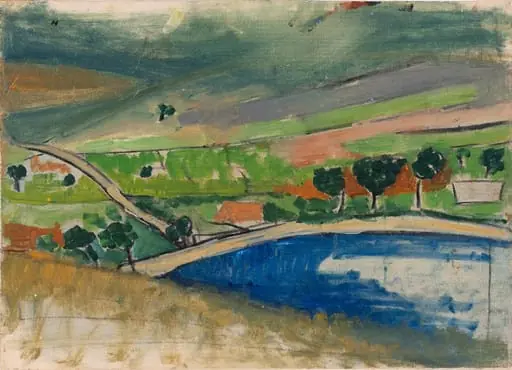 Porto Rafti landscape
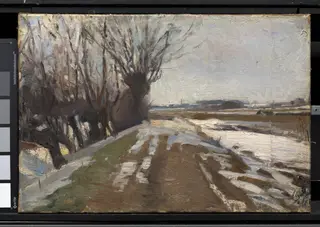 Winter Landscape. Utterslev near Copenhagen
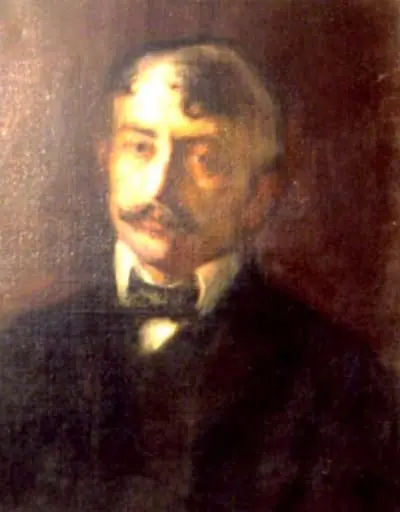 Janos Thorma
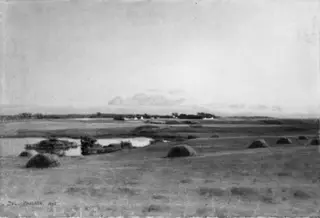 Landscape near Stavnsholt, Zealand. Summer Evening
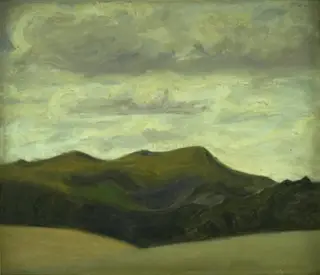 Landscape Near Skørping, Jutland
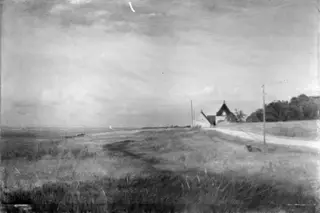 Landscape at Ellekilde in North Zealand. Sunset.
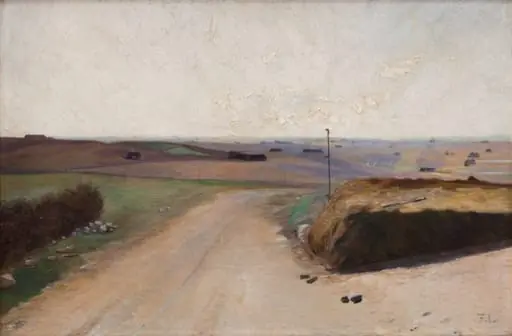 A Landscape. The Island of Mors, jutland
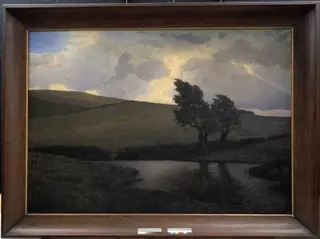 Showery Landscape. Jægerspris, Zealand
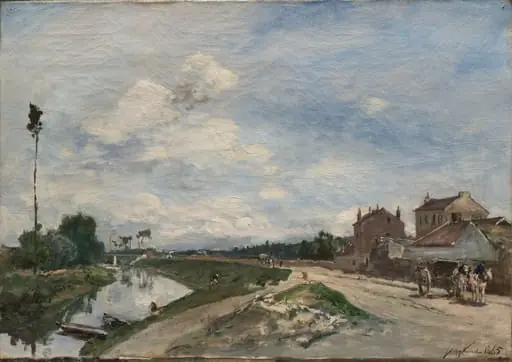 The Seine at Bas-Meudon
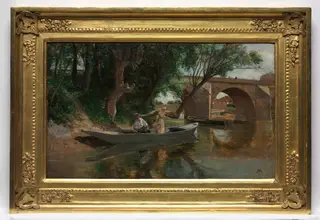 Bridge at Poissy (Pêcheurs à ligne)
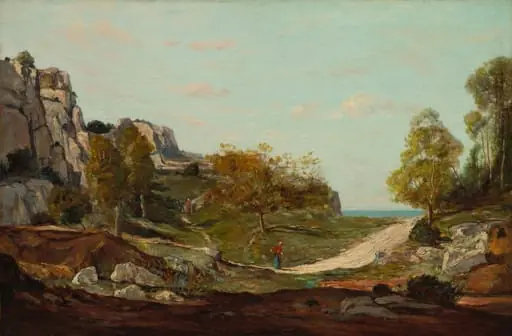 Landscape at Saint-André, Near Marseilles
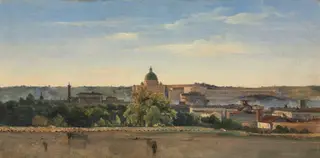 View of Rome
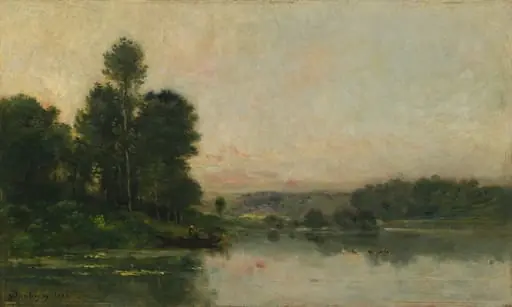 The Hillsides of Méry-sur-Oise, Opposite Auvers
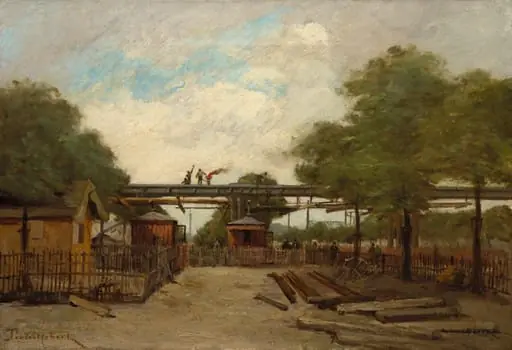 Construction of an Elevated Railway: Bridge over the Cours de Vincennes
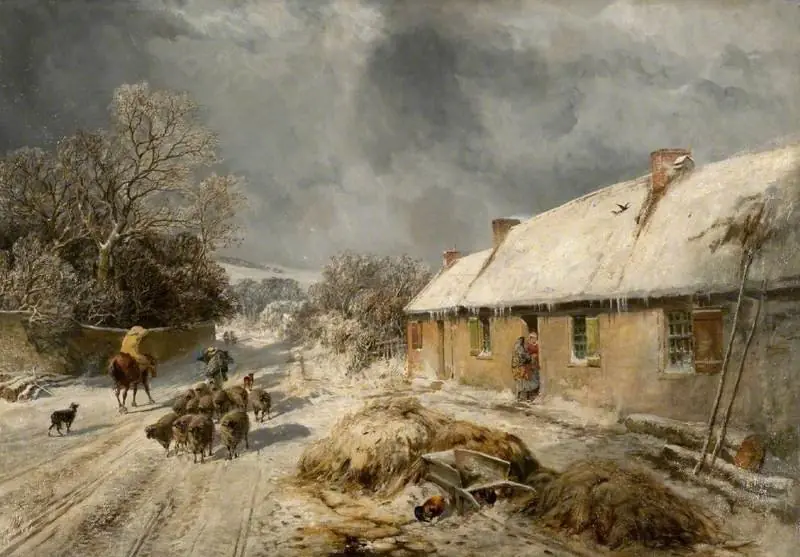 Burns's Cottage, Alloway
 Summer Day
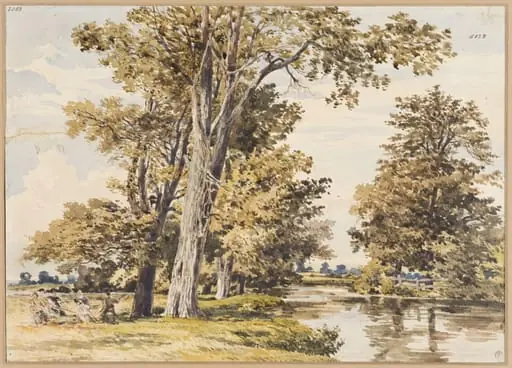 Landscape, river view with trees and haymakers
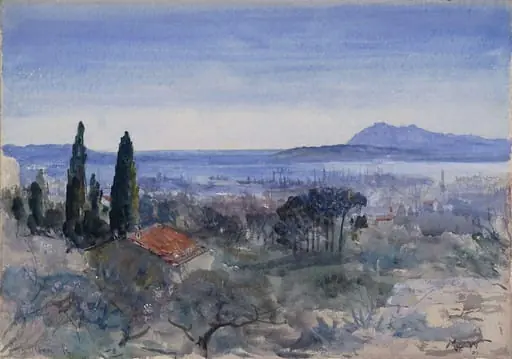 Looking down on the Harbour of Toulon
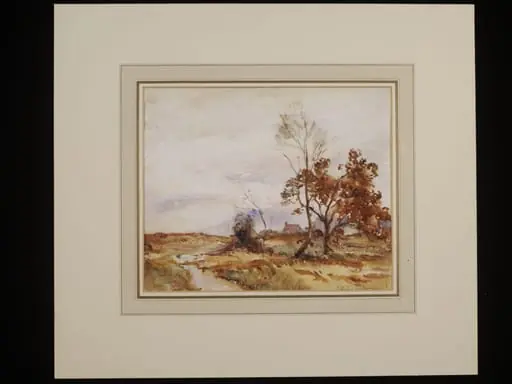 Landscape
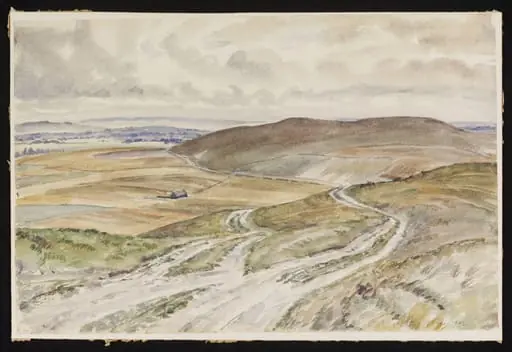 View from the Wansdyke in Stanton St. Bernard
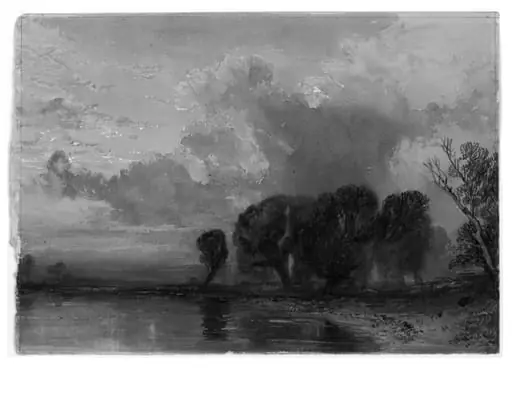 Streatham Common
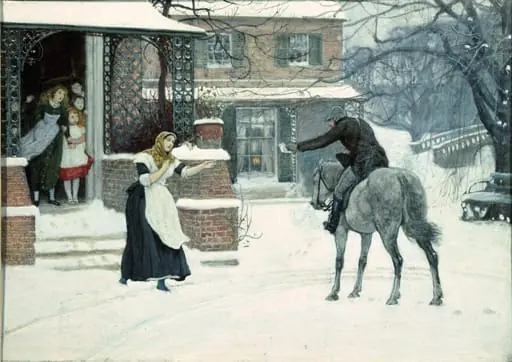 Greeting the Postman
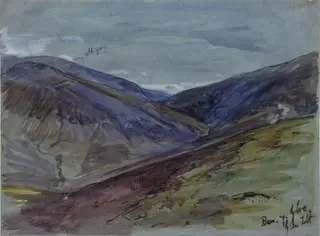 Ben-y-Gloe, Glen Tilt
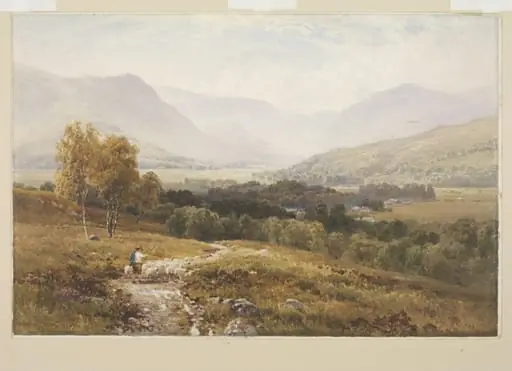 Landscape with distant mountains
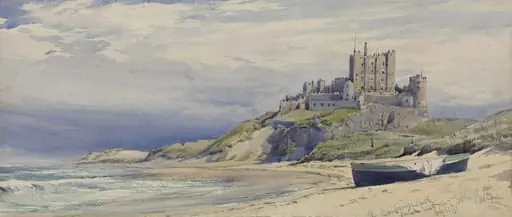 Bamburgh Castle
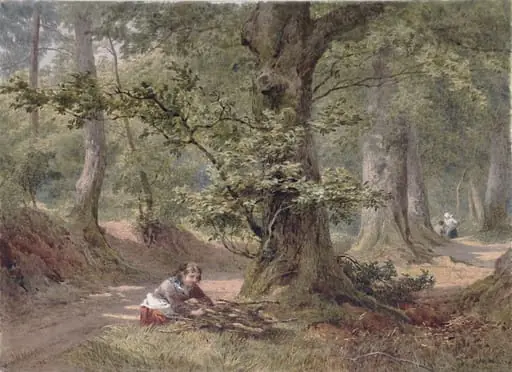 Hellersdon Wood, Devonshire
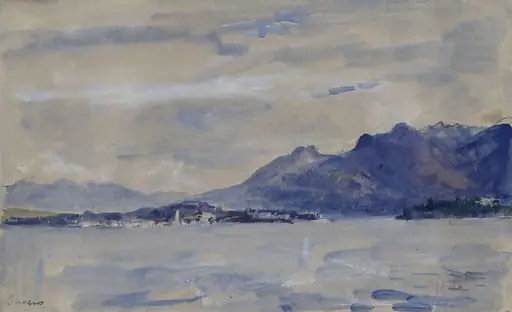 Baveno
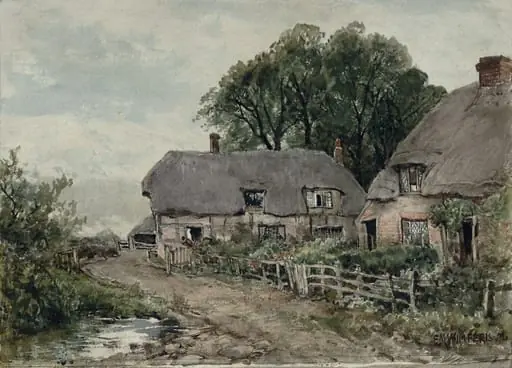 Cottages Near Ringwood, Hants
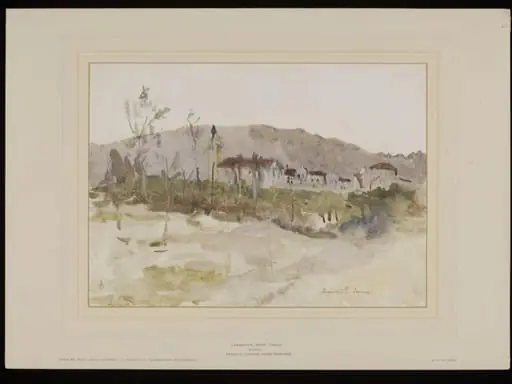 Landscape near Asolo
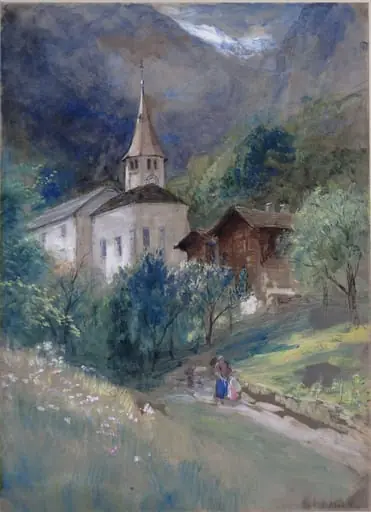 Road to the Village, Furka Pass, Switzerland
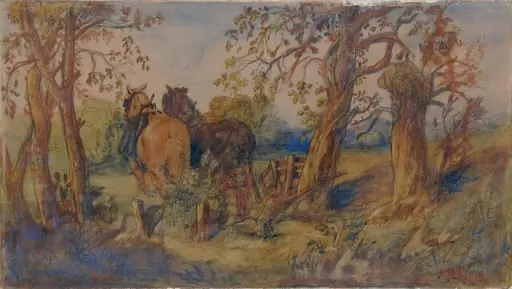 Horses in a Landscape
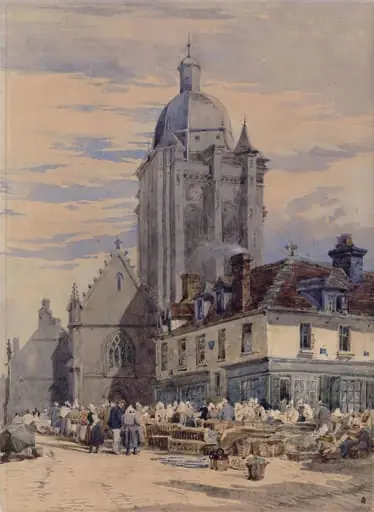 Street View, Mortagne, Normandy
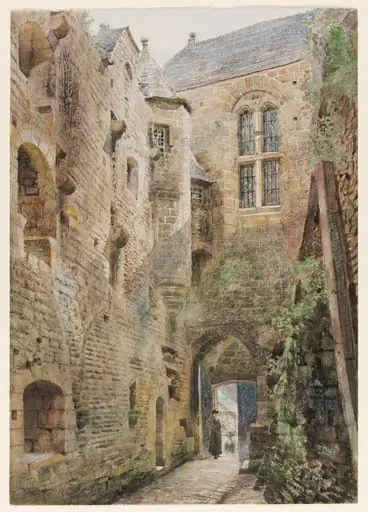 Court in the Abbey of Mont St. Michel, Normandy
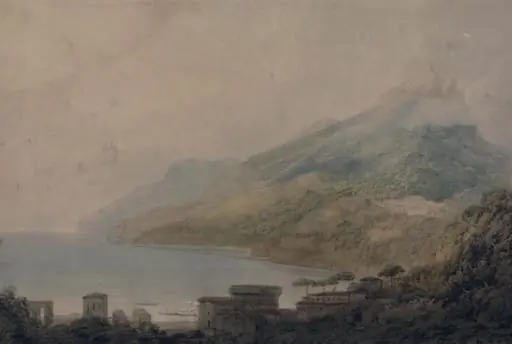 View near Vietri
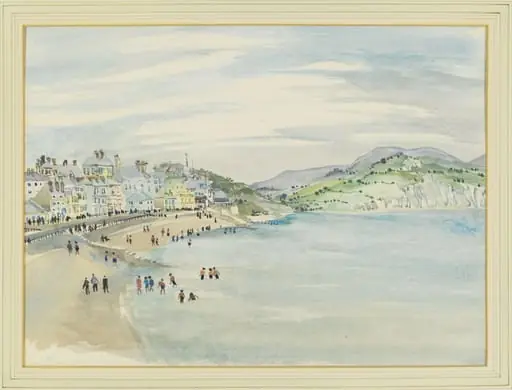 Lyme Regis; Front
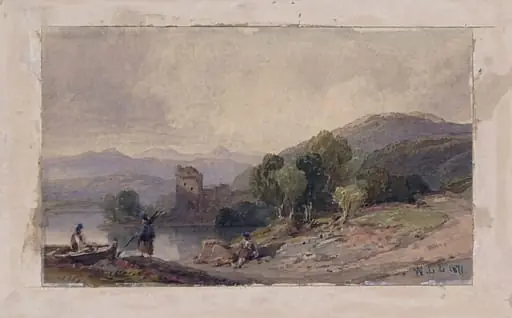 Kilchurn Castle
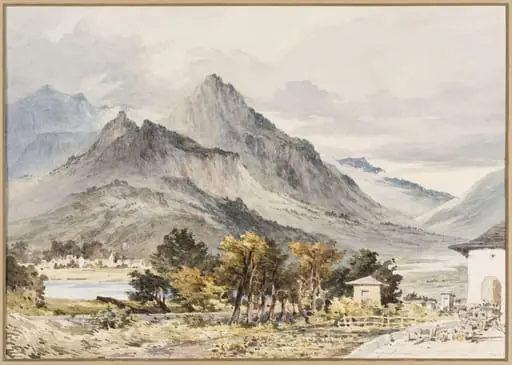 View of Naters from Brieg Switzerland
Plein Air is an art movement. The practice of painting outdoors in front of the motif, capturing natural light and atmosphere directly rather than in a studio from sketches.
Artifact World Gallery holds 135 public-domain Plein Air works, all free to view and download.
Key Plein Air artists in the collection include Claude Monet, Pierre-Auguste Renoir and Johan Jongkind.
Plein Air works in the collection are held by Victoria and Albert Museum, Statens Museum for Kunst and Rijksmuseum.
Your cart is empty
Browse artworks →