Artwork
Columbus Before the Queen
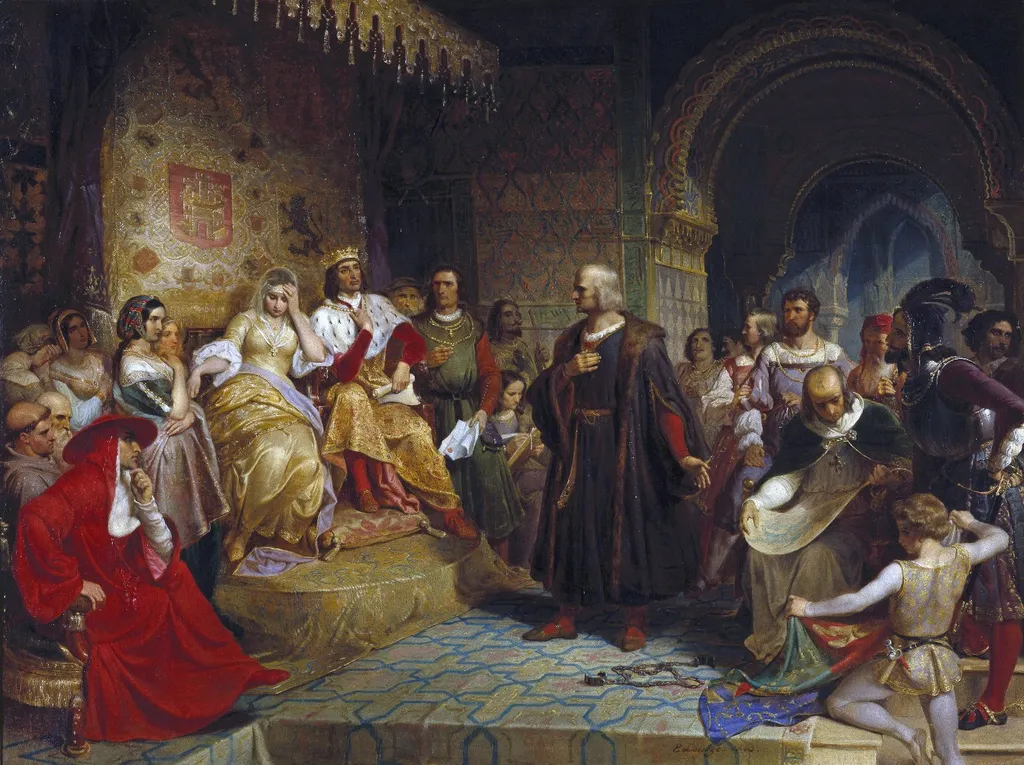
Columbus Before the Queen is an oil painting by Emanuel Gottlieb Leutze. It dates from 1843 and is held in the collection of the Brooklyn Museum.
About this work
Emanuel Leutze painted Columbus Before the Queen in 1843. The oil-on-canvas scene shows Christopher Columbus in front of royalty. It’s signed by the artist and now lives in New York.
The painting was made when America saw Columbus as a bold explorer. It shows one moment from his story, not a full battle or voyage.
Look up the Brooklyn Museum.
Subject & Meaning
The painting depicts Christopher Columbus at the Spanish court presenting his case to Isabella I of Castile and Ferdinand II of Aragon, seated beneath a Moorish-style canopy that evokes the recent conquest of Granada in 1492. Columbus stands centrally, illuminated to emphasize his profile and gesture of self-vindication, his left hand pointing to a nautical chart while his right rests on his chest in a plea for clemency. The queen appears distracted, her hand to her forehead, while the king listens attentively; a cardinal in red vestments and a seated cleric scrutinize the map, signaling ecclesiastical and courtly engagement with the project’s implications. A knight beside them conveys skepticism through crossed arms and furrowed brow, underscoring the contested reception of Columbus’s failed westward route to Asia. The scene visualizes a pivotal moment of justification after his third voyage, when he arrived in chains in December 1500, yet the artist historicizes the episode as a moral drama of genius vindicated.
History & Provenance
The painting has been included in exhibitions at the museum focused on 19th-century American and European art, including a 1932 retrospective of Leutze's work.
Created in 1843, *Columbus Before the Queen* is an oil-on-canvas painting by Emanuel Leutze, signed and dated by the artist. It represents the third work in a series of six treatments Leutze produced regarding Christopher Columbus. The piece was executed during the artist's stay in Munich, specifically within the studio of Wilhelm Kaulbach, where Leutze had traveled to study historical painting by contemporaries such as Peter von Cornelius and Kaulbach himself. Leutze drew his narrative inspiration from Washington Irving's 1828 biography of Columbus and the 1829 work *Tales of the Alhambra*, adapting these American and German literary sources into a visual history painting. Following its creation, the work entered the collection of the Brooklyn Museum in New York, where it remains held today.
Columbus Before the Queen is held in the collection of the Brooklyn Museum in New York. Its accession or inventory number is not specified in the provided sources. The painting was exhibited at the Royal Academy in London in 1850 and later acquired by the Brooklyn Museum, where it remains on view.
The work was part of a series of six paintings depicting Christopher Columbus that Leutze created between 1841 and 1847. It was first shown publicly in 1850 at the Royal Academy, where it attracted attention for its dramatic composition and historical subject. The painting entered the Brooklyn Museum's collection shortly after its exhibition in London, becoming part of the museum's European art holdings.
The Brooklyn Museum's catalogue records the work as accessioned in the early 20th century, though the exact year is not documented in the available sources. The painting has been included in exhibitions at the museum focused on 19th-century American and European art, including a 1932 retrospective of Leutze's work.
Context
Columbus Before the Queen represents the third installment in a six-part cycle by Emanuel Leutze dedicated to Christopher Columbus, executed within the stylistic framework of the Düsseldorf School of painting. The work synthesizes German academic training with American historical narratives, specifically drawing upon Washington Irving's 1828 biography and his 1829 Tales of the Alhambra for its dramatic interpretation and Moorish setting. Created in 1843 during Leutze's tenure in Munich, the painting reflects his engagement with contemporaries like Wilhelm von Kaulbach and Peter von Cornelius while applying European history painting techniques to New World subjects. By depicting Columbus defending his legacy before the Catholic Monarchs, Leutze contributes to a mid-19th-century discourse that romanticized the explorer as a tragic heroic figure, blending historical fact with fictionalized emotional intensity to address themes of identity and discovery.
Artist & collection
Artist
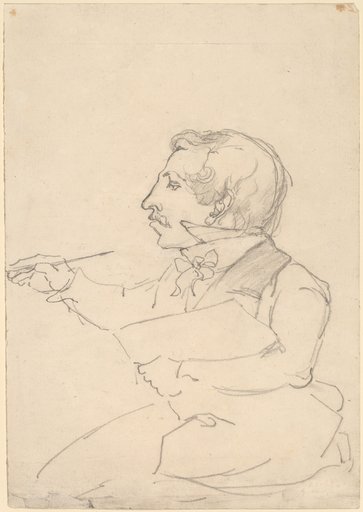
Emanuel Gottlieb Leutze (May 24, 1816 – July 18, 1868) was a German-born American history painter, best known for his 1851 painting Washington Crossing the Delaware. He is associated with the Düsseldorf school of painting.


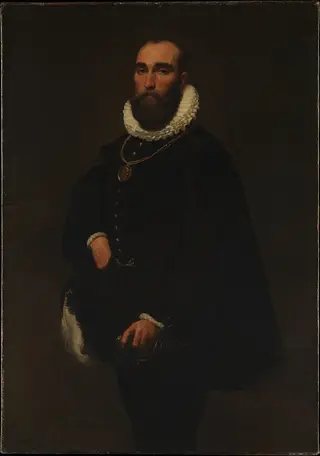

![Study of Half-Length Figure with Pole [verso], by Emanuel Gottlieb Leutze](https://artifactworldgallery.com/img/emanuel-gottlieb-leutze--study-of-half-length-figure-with-pole-verso--13a43a492f70c459-w320.webp)
![Men in Seventeenth-Century Costumes [recto], by Emanuel Gottlieb Leutze](https://artifactworldgallery.com/img/emanuel-gottlieb-leutze--men-in-seventeenth-century-costumes-recto--150ea41ebbb78ced-w320.webp)
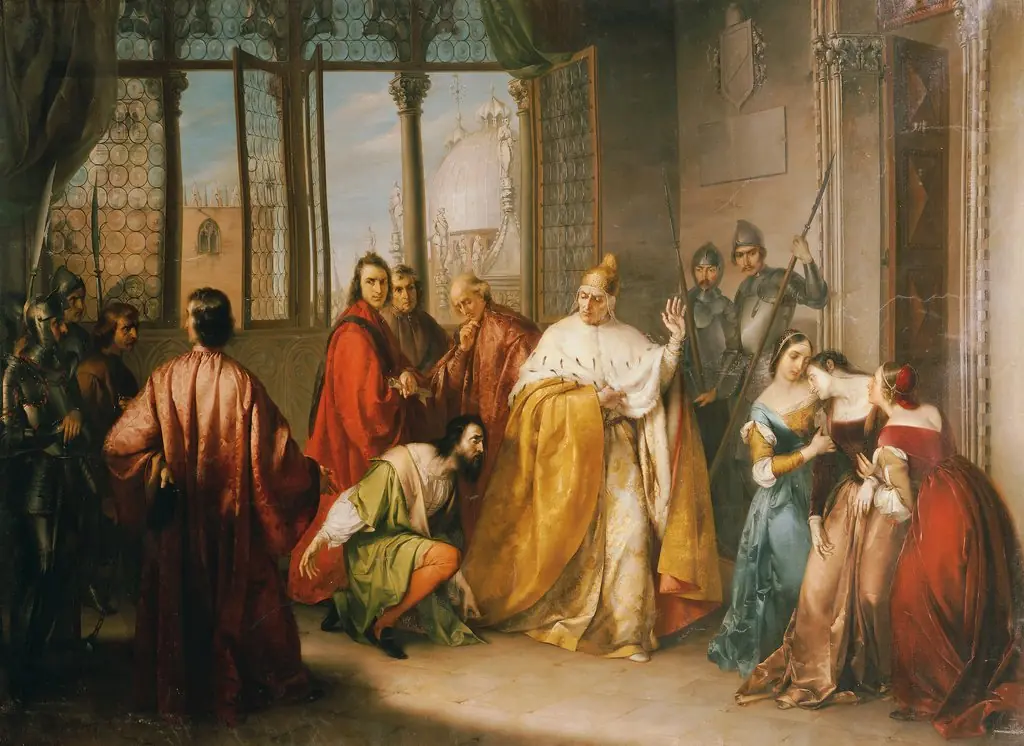 Der Doge Francesco Foscari schickt seinen Sohn Giacomo in die Verbannung ("I due Foscari")
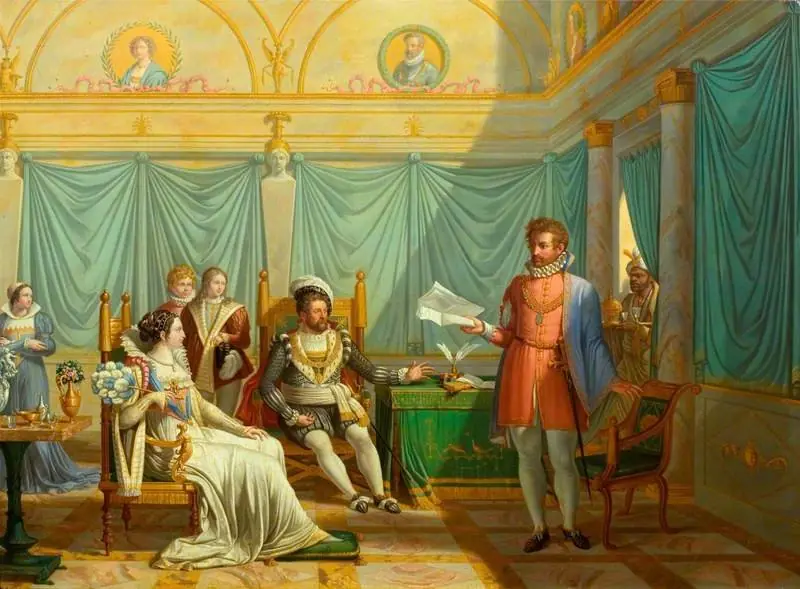 Tasso Reading before the Duke of Ferrara
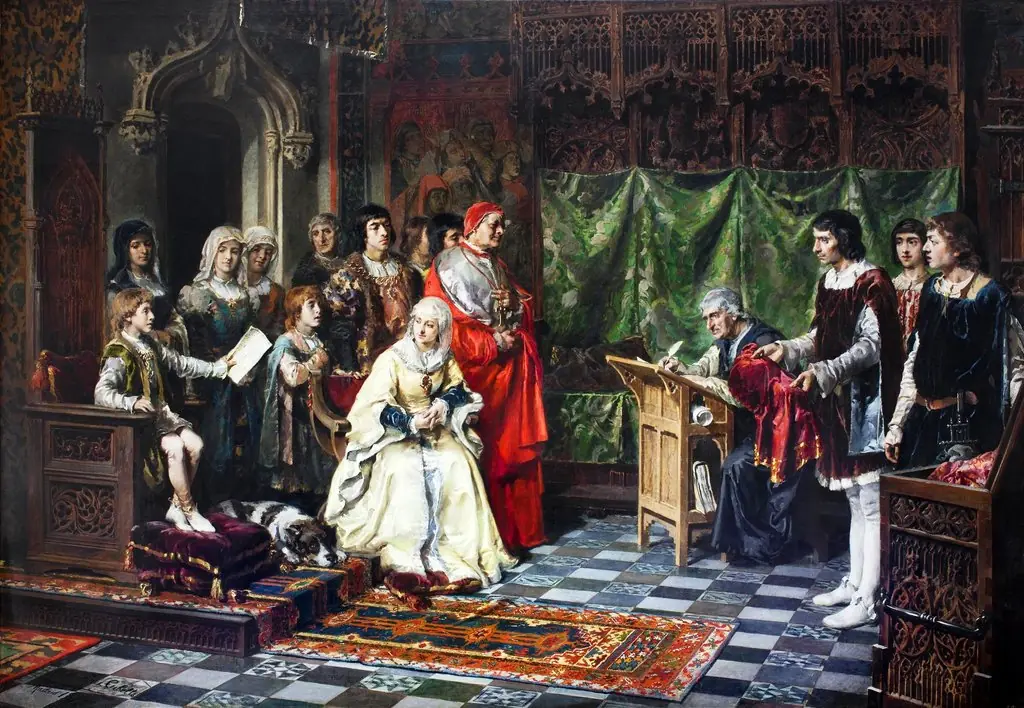 Educación del príncipe don Juan
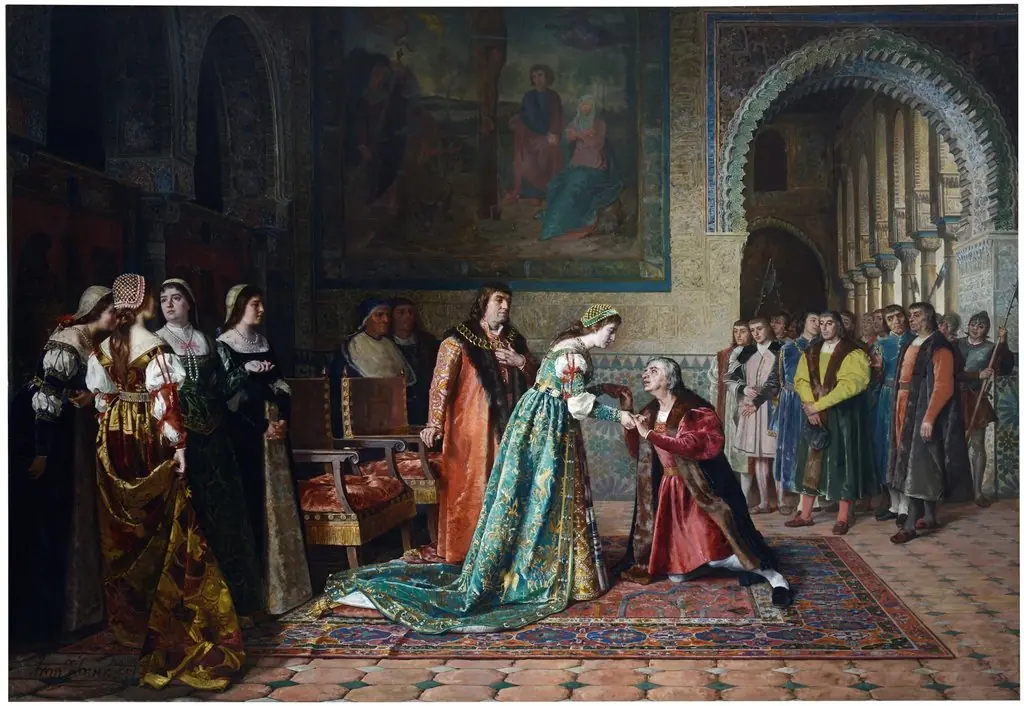 Reposición de Colón
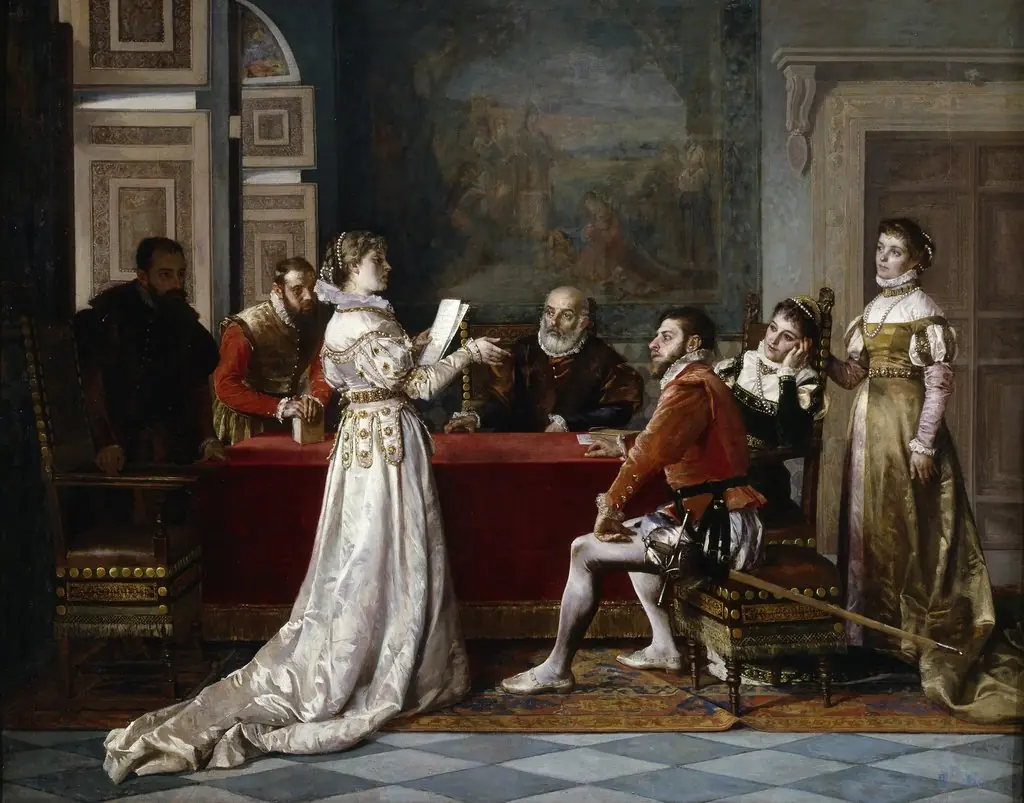 La poetisa
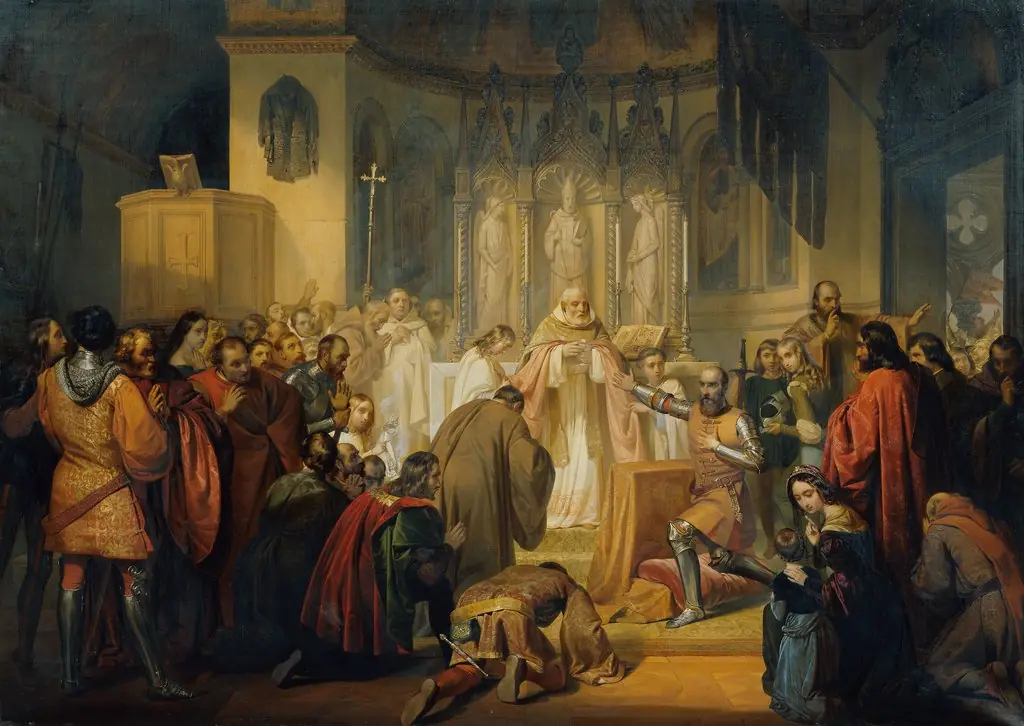 Vittore Pisani receives Holy Communion before taking command of an expedition against the Genoese
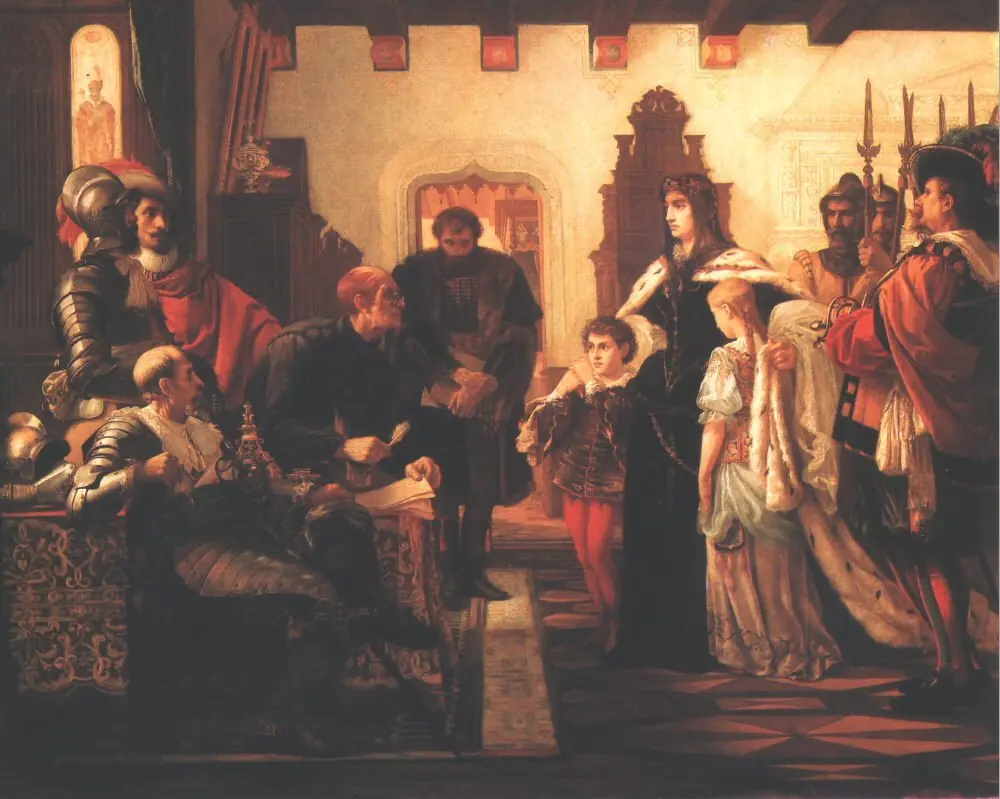 Ilona Zrínyi before the Investigating Judge
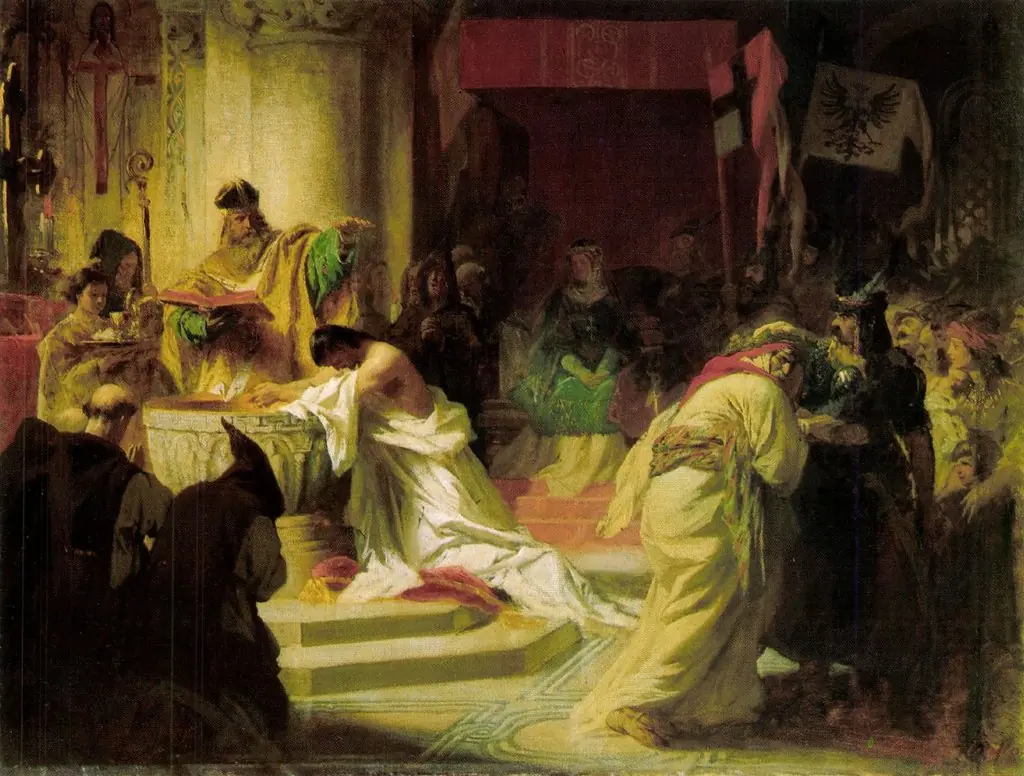 The Baptism of Vajk
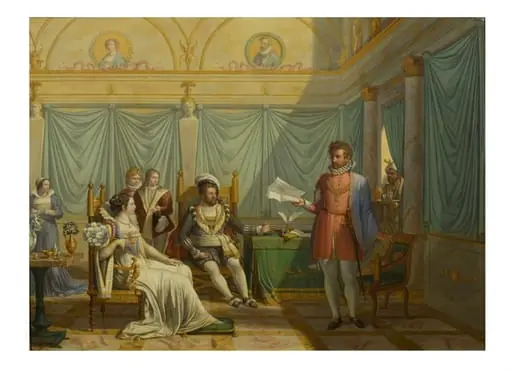 Tasso Reading Before the Duke of Ferrara
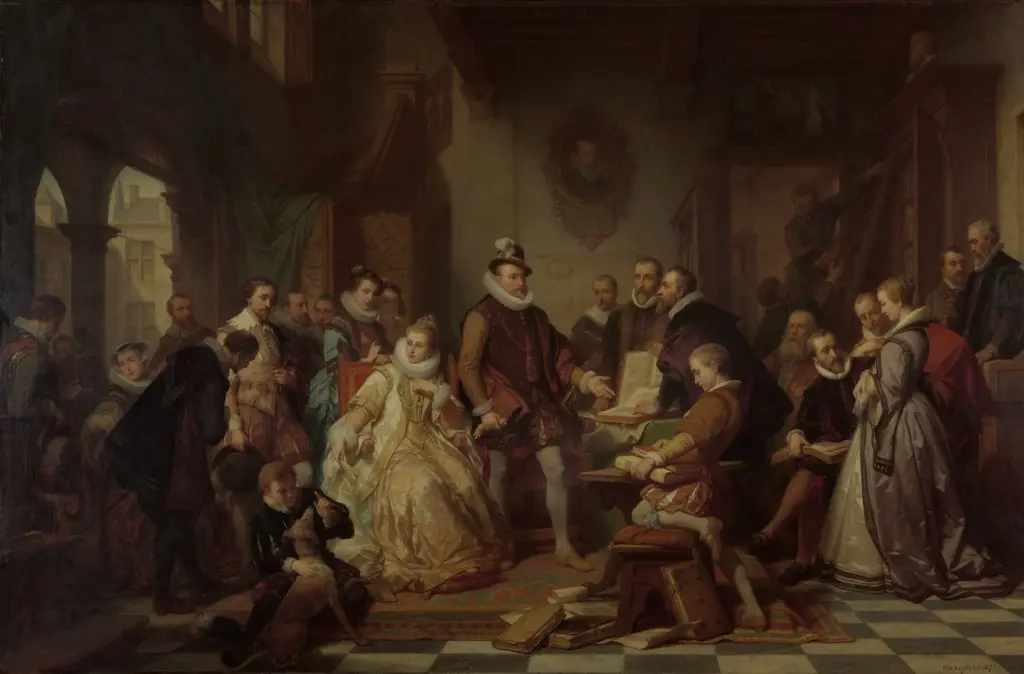 The Archdukes Albert and Isabella Visit the Printer Plantin
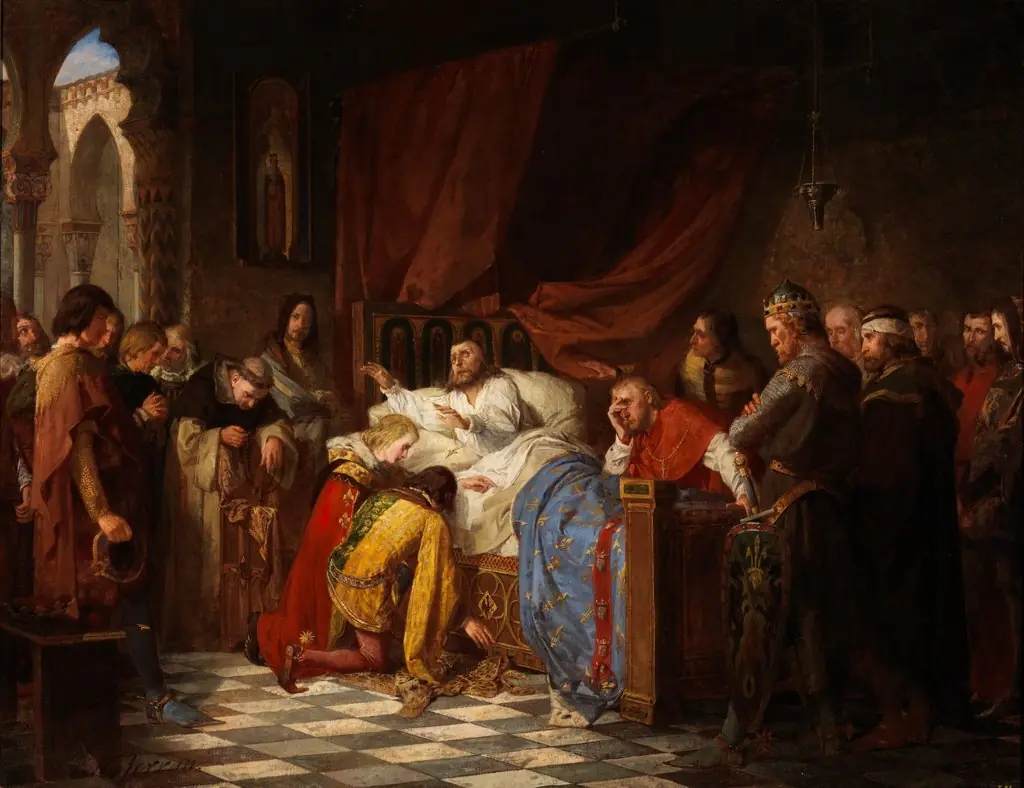 Felipe III de Francia moribundo bendiciendo a sus hijos
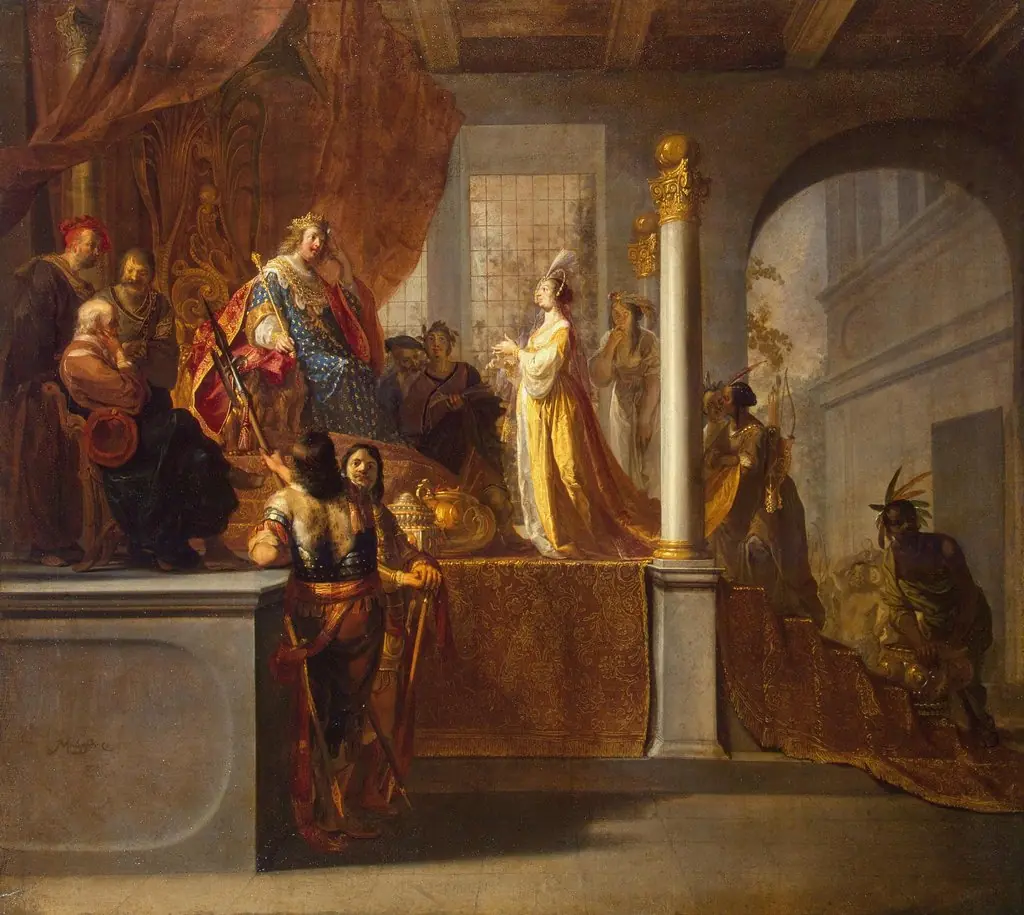
- Queen of Sheba before Solomon