Artwork
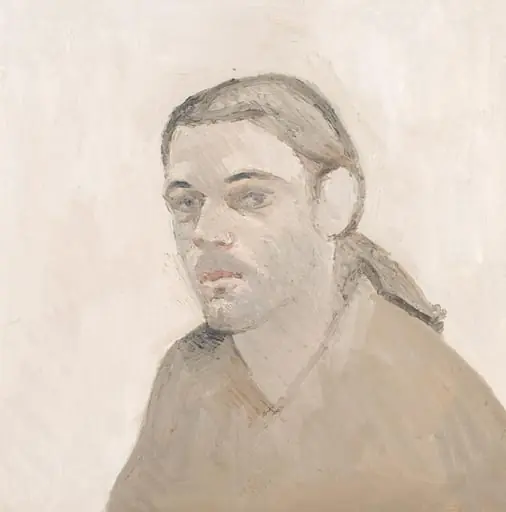
Self portrait
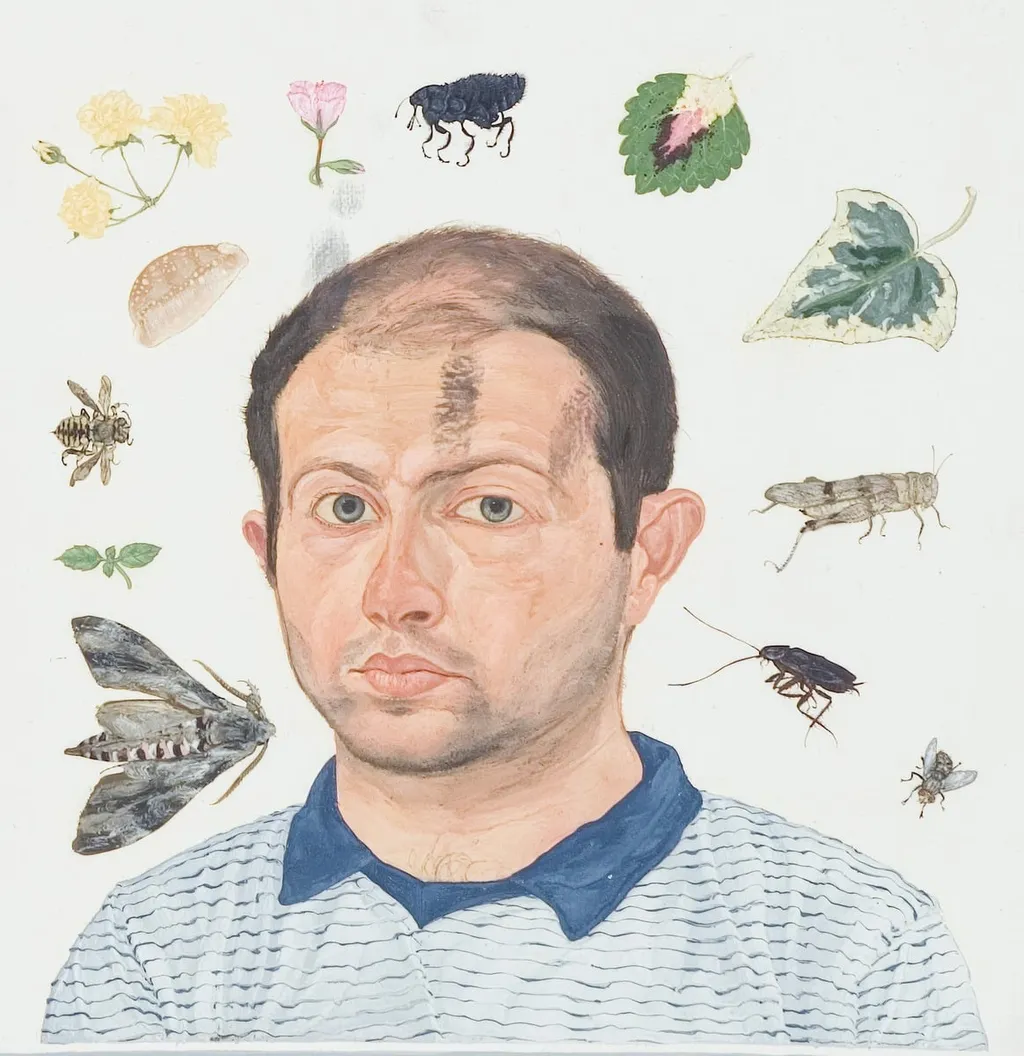
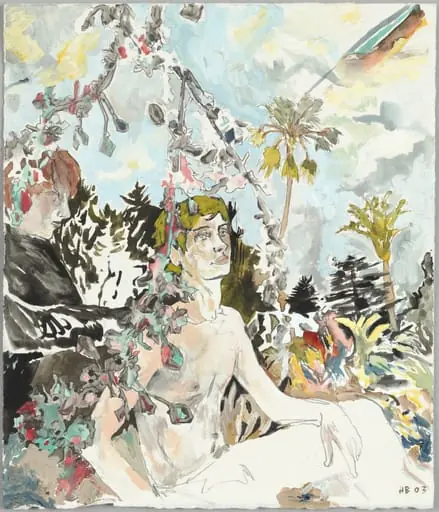
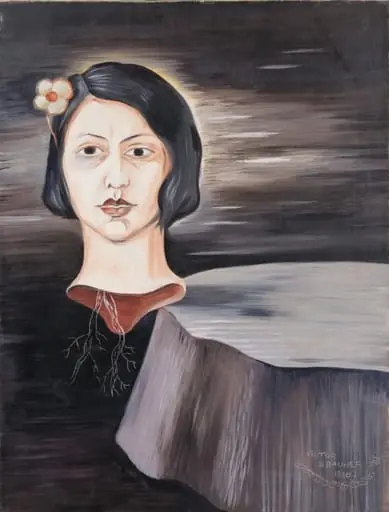
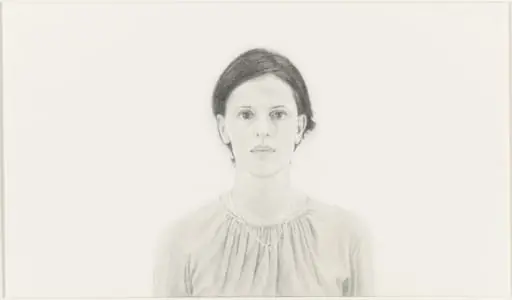
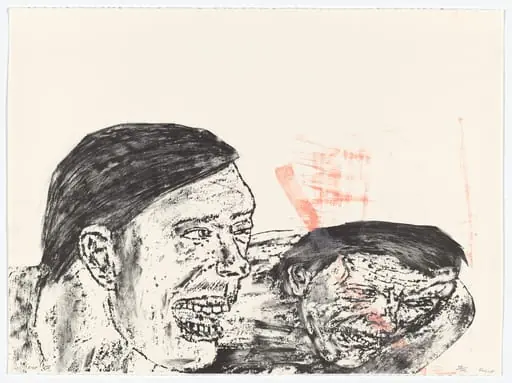
Self portrait is an unspecified painting by Emmanuel Bitsakis. It is held in the collection of the Athens School of Fine Arts. This work is the central panel of a triptych, depicting a man’s face rendered with quiet intensity.
About this work
Overview
Behind him, a dense arrangement of flora and small insects fills the space, creating a layered, almost suffocating backdrop.
This work is the central panel of a triptych, depicting a man’s face rendered with quiet intensity. Behind him, a dense arrangement of flora and small insects fills the space, creating a layered, almost suffocating backdrop. The figure remains the focal point, yet the surrounding natural elements are rendered with equal care, suggesting a deliberate relationship between the subject and his environment.
Subject & Meaning
The identity of the man is unknown, but his composed expression and direct gaze imply self-reflection. The plants and insects surrounding him may symbolize transience, growth, or the interconnectedness of life. Their meticulous inclusion suggests the portrait is not merely a likeness but a meditation on the human condition within the natural world, possibly reflecting Renaissance interests in anatomy, botany, and the microcosm.
Technique & Style
The artist employs subtle gradations of tone and soft edges to model the face, creating a sense of volume without harsh lines. The background, though intricate, is rendered with a similar delicacy, allowing the figure to emerge without stark contrast. This approach aligns with sfumato, a technique that blurs contours to evoke atmospheric depth and psychological nuance, enhancing the portrait’s contemplative mood.
History & Provenance
The triptych originated in the late 15th or early 16th century, likely in a northern European workshop. Its current whereabouts are uncertain, though fragments of similar works survive in private and institutional collections. The panel’s survival suggests it was valued by its original patrons, possibly for its intellectual complexity rather than its devotional function.
Context
During this period, portraiture increasingly incorporated symbolic elements drawn from natural philosophy and humanist thought. The inclusion of insects and plants reflects broader cultural fascination with the natural world as a mirror of divine order and human mortality. This portrait aligns with contemporaneous works that merge observation with allegory, moving beyond mere representation toward philosophical inquiry.
Legacy
Though not widely known today, the painting exemplifies a quiet tradition of introspective portraiture that influenced later Northern Renaissance artists. Its integration of natural detail into personal imagery paved the way for more psychologically layered depictions of the individual. The work remains a quiet testament to the era’s blending of science, symbolism, and self-examination.
Artist & collection
Artist
Emmanuel Bitsakis rarely left his tiny Athens studio, where he painted the same corner in changing light for years.