Artwork
Oasis
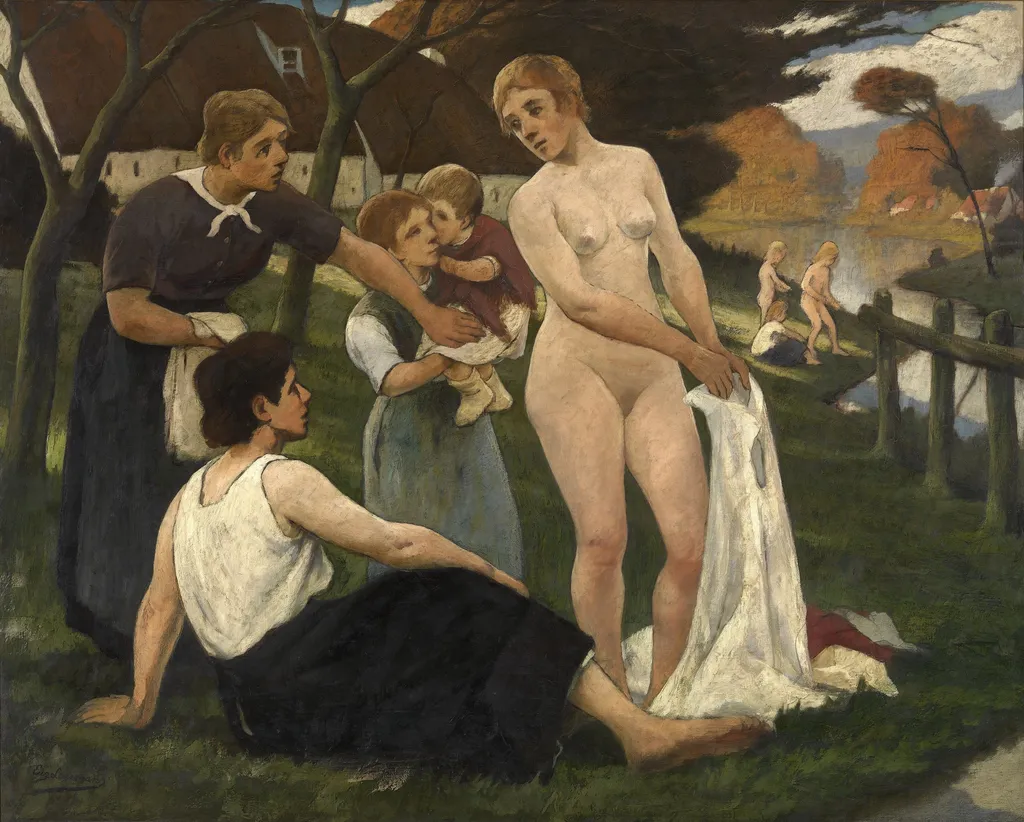
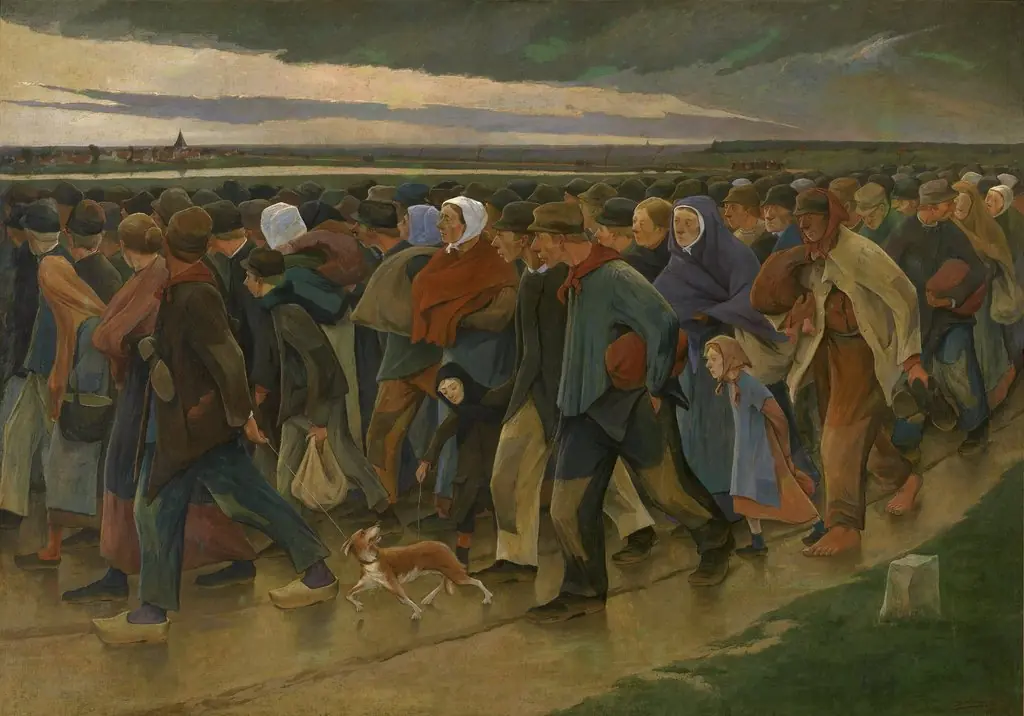
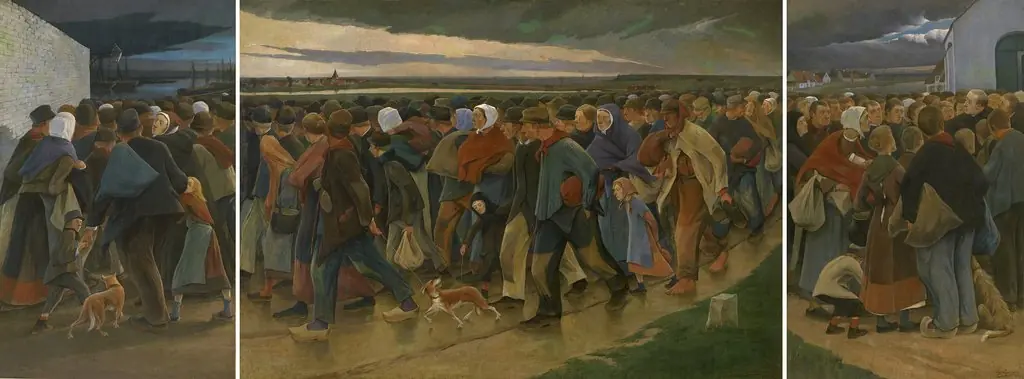
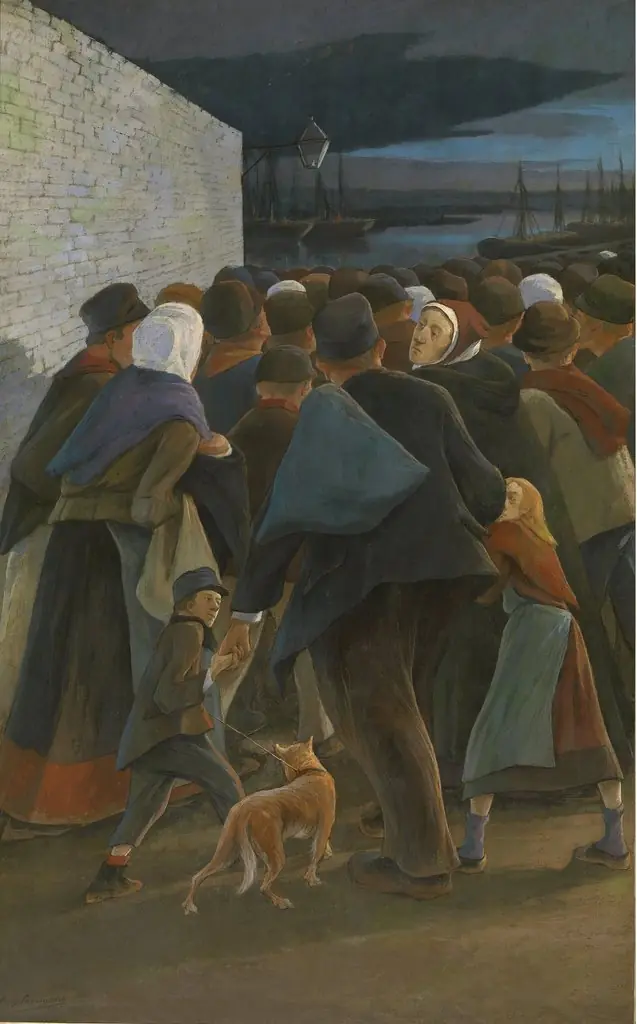
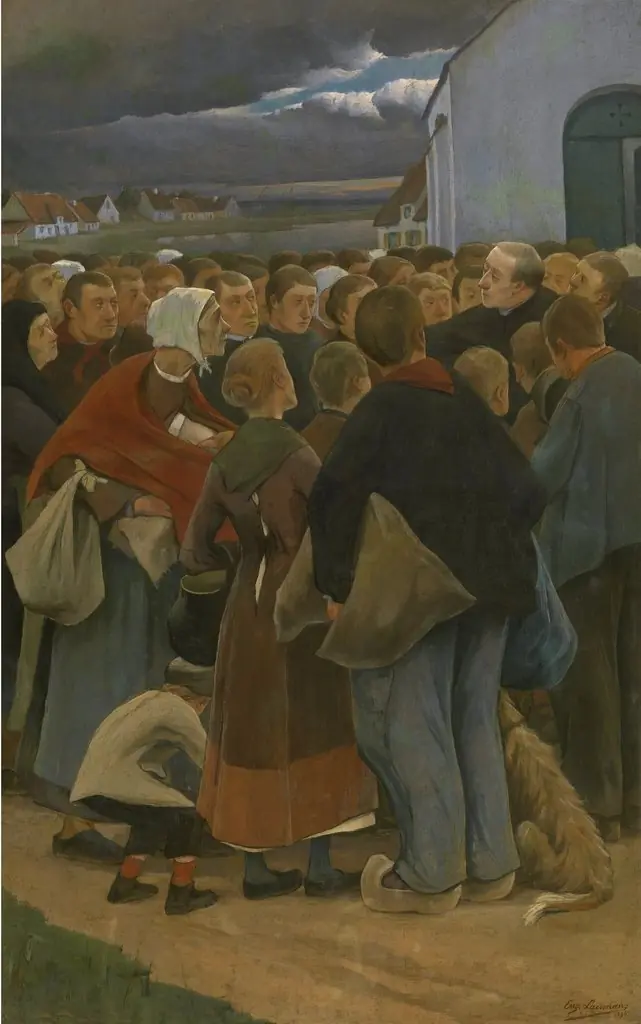
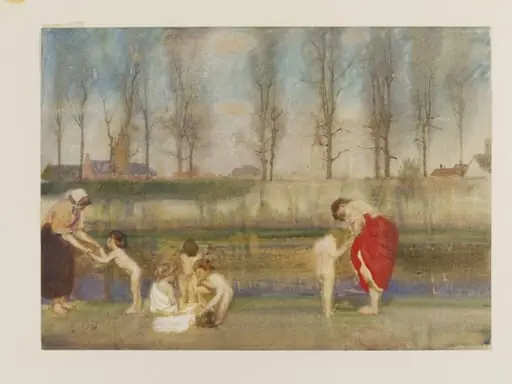
Oasis is an oil painting by the Symbolist artist Eugène Laermans. It dates from 1905 and is held in the collection of the Royal Museum of Fine Arts Antwerp.
About this work
Overview
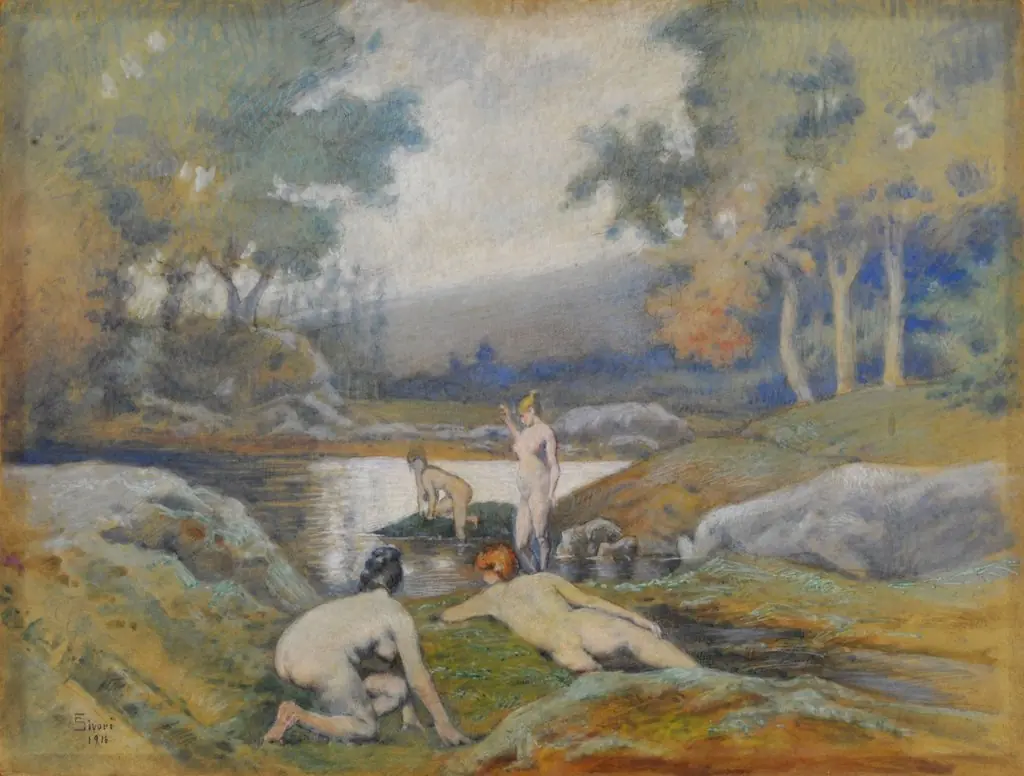
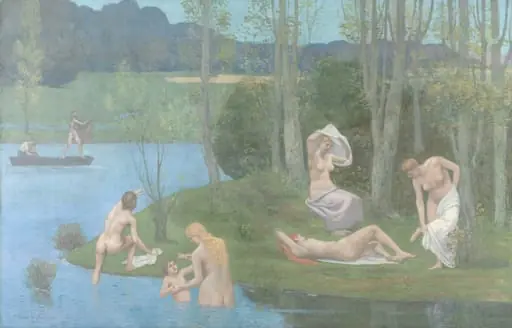
Eugène Laermans painted Oasis in 1905 using oil on canvas. The work is part of the collection at the Royal Museum of Fine Arts Antwerp. It depicts a quiet, secluded outdoor scene where several figures gather near water, their forms rendered with careful attention to naturalistic detail. The composition avoids dramatic action, favoring a contemplative stillness that invites quiet observation.
Subject & Meaning
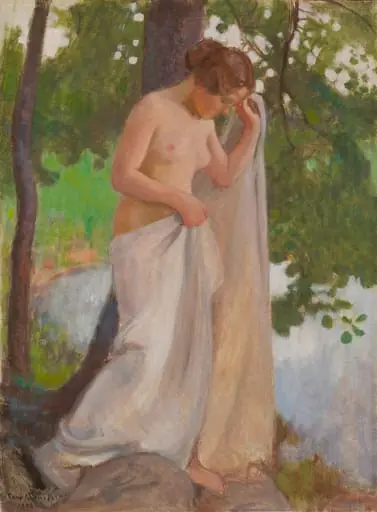
The central figure is a nude woman holding a white cloth, surrounded by others in varying states of undress.
The central figure is a nude woman holding a white cloth, surrounded by others in varying states of undress. The setting, a shaded grove beside water, suggests a moment of repose rather than ritual or myth. The absence of narrative cues or symbolic elements leaves interpretation open, but the scene evokes themes of privacy, bodily presence, and human connection with nature, grounded in everyday experience rather than allegory.
Technique & Style
Laermans employed a restrained, realistic approach with soft transitions between light and shadow. The figures are modeled with subtle gradations of tone, and textures of skin, fabric, and foliage are rendered with precision. The palette is dominated by muted earth tones, ochres, greens, and grays, creating a harmonious, subdued atmosphere that enhances the painting’s intimate mood without drawing attention to technical virtuosity.
History & Provenance
Completed in 1905, Oasis entered the collection of the Royal Museum of Fine Arts Antwerp shortly after its creation. There is no record of public exhibition prior to its acquisition, suggesting it was not intended for commercial sale. The painting remained within the museum’s holdings without significant alteration or relocation, preserving its original condition and context within Belgian artistic circles of the early 20th century.
Context
Laermans worked during a period when Belgian artists increasingly turned to scenes of rural and domestic life, often portraying the human body without idealization. Oasis aligns with this trend, reflecting a broader interest in naturalism and quiet dignity over theatricality. Unlike mythological or eroticized nudes common elsewhere, this work presents the body as part of an ordinary, unadorned environment.
Legacy
Oasis has not been widely reproduced or cited in broader art historical narratives, but it remains a representative example of early 20th-century Belgian realism. Its quiet composition and unembellished treatment of the human form distinguish it from more sensationalized depictions of the nude. Within its institutional context, it continues to serve as a reference for studies of modest, observational painting in the period.
Own this work as a print
Artist & collection