Artwork
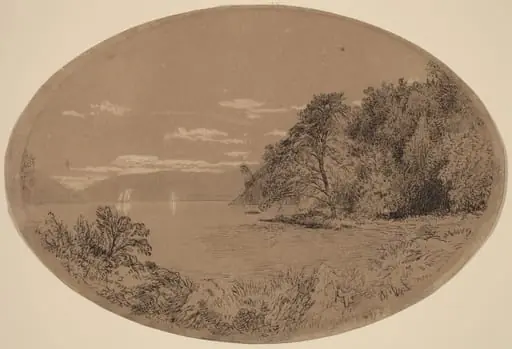
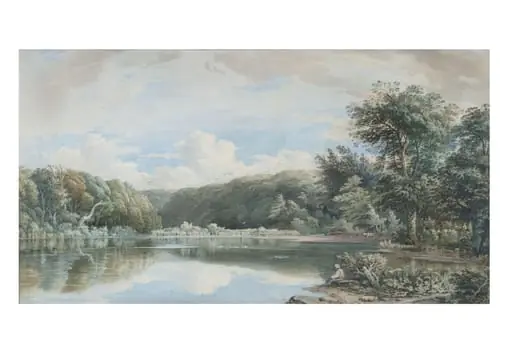
The Xanthus River
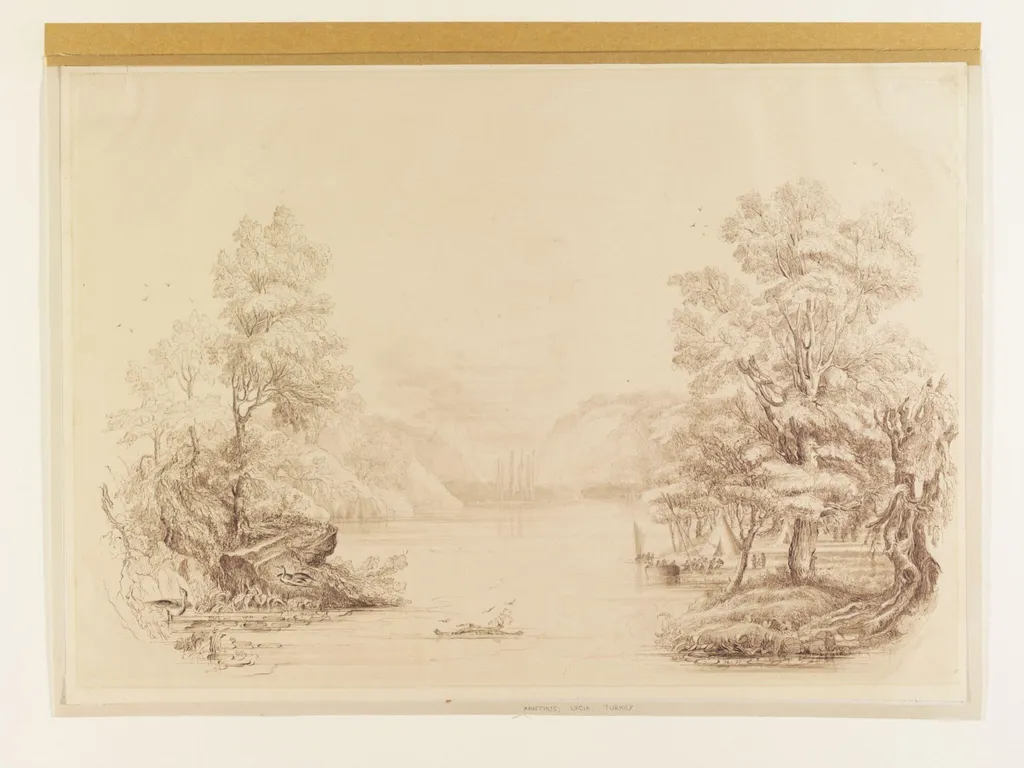
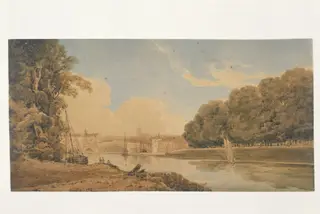
The Xanthus River is a watercolor work on paper by the British Romanticist artist Charles Joseph Frederick Ewart. It dates from 1842 and is held in the collection of the Victoria and Albert Museum.
About this work
Overview
The Xanthus River is a watercolour depicting a serene river scene with British sailors preparing to transport sculptures from the Xanthus site onto a boat, framed by two prominent trees and distant, mist-shrouded hills.
Subject & Meaning
The artwork captures a moment in the historical removal of artifacts from the Xanthus River site, highlighting the intersection of cultural extraction and natural tranquility.
Technique & Style
The artist employed watercolour to emphasize light and shadow, achieving a three-dimensional effect on the trees, while conveying the calmness of the river through subtle ripples.
History & Provenance
Acquired by the collection in May 1971 from Appleby for £20, the work is attributed to Vice Admiral Charles Joseph Frederick Ewart.
Own this work as a print
Artist & collection
Artist
Charles Joseph Frederick Ewart
Charles Joseph Frederick Ewart painted quiet watercolours of ancient ruins and landscapes.