Artwork
Principe Massimiliano Massimi
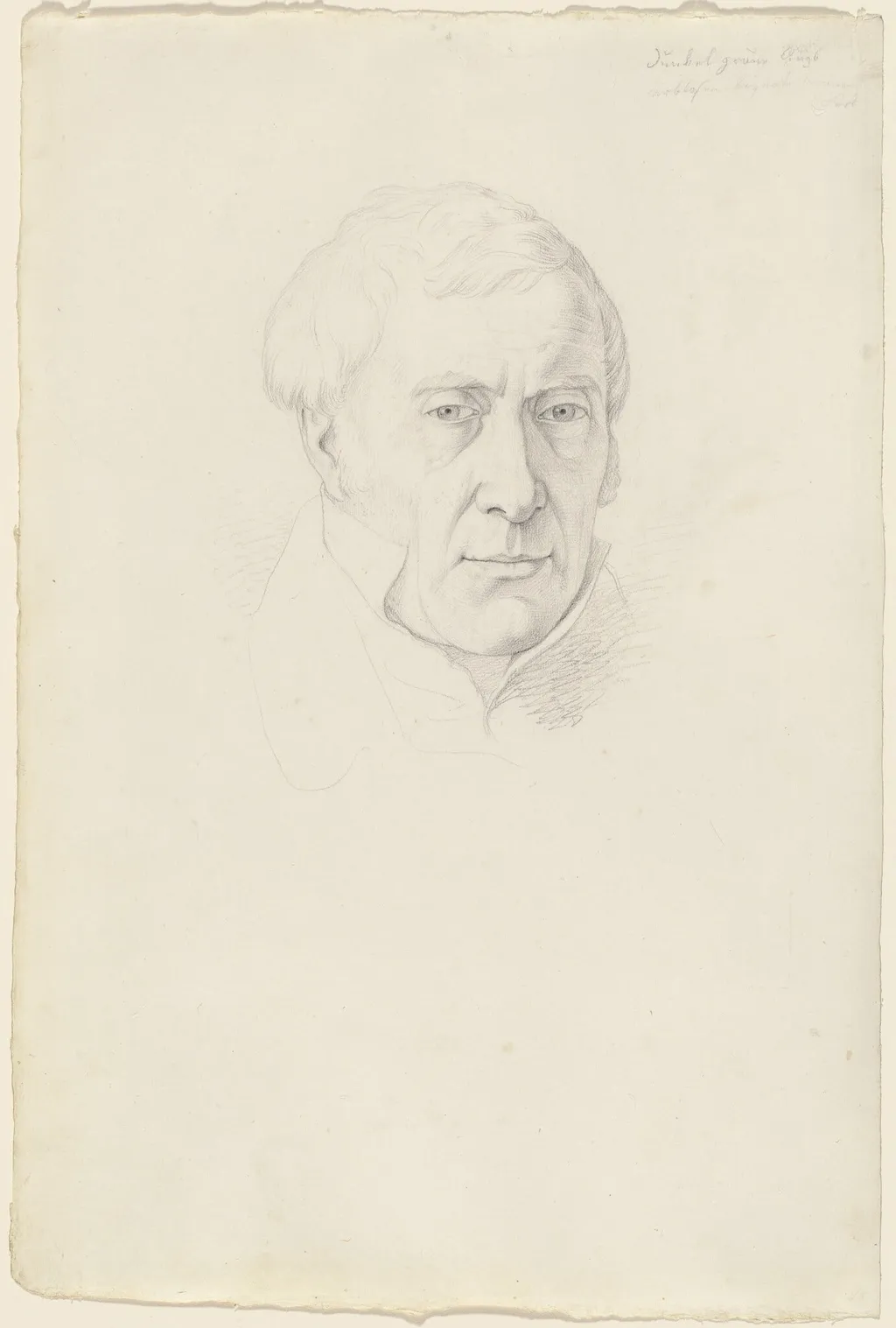
Principe Massimiliano Massimi is a graphite drawing by the Romanticist artist Joseph von Führich. It dates from 1828 and is held in the collection of the National Gallery of Art.
- Inscription
- Inscribed:by the artist at upper right in graphite: Dünkel grün Augb [Auge?]/farblosen beynahe braun [?]/[illeg.]; verso in graphite: W253 1827-29/Portrat Massimi/1617-55/30...3...[illeg] Rittinger...30
About this work
Overview
Principe Massimiliano Massimi is a graphite drawing on wove paper created by Josef von Führich in 1828.
Subject & Meaning
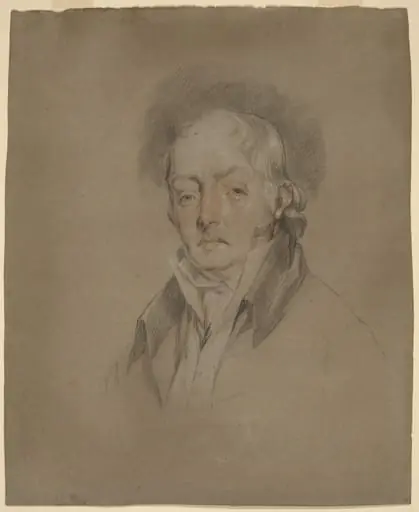
The drawing depicts a man, likely Principe Massimiliano Massimi, in a formal attire with a serious expression, gazing directly at the viewer. His short, neatly combed hair and high-collared dark jacket convey a sense of dignity.
Technique & Style
Executed in a realistic style, the drawing showcases Führich's attention to detail and texture, capturing the subtleties of the subject's facial features and clothing.
Context
This work is associated with the Romanticism movement, a cultural and artistic trend that emphasized emotion, individualism, and detailed representation.
Own this work as a print
Artist & collection
Artist
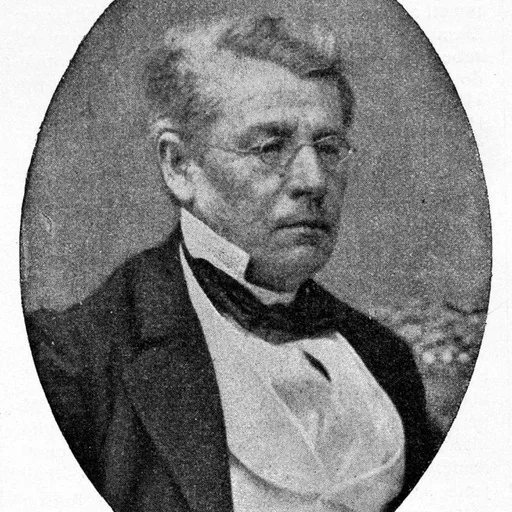
Joseph von Führich (fully Josef Ritter von Führich) (9 February 1800 – 13 March 1876) was an Austrian painter, one of the Nazarenes. He painted religious pictures almost exclusively. Führich acquired his greatest fame as a draughtsman.

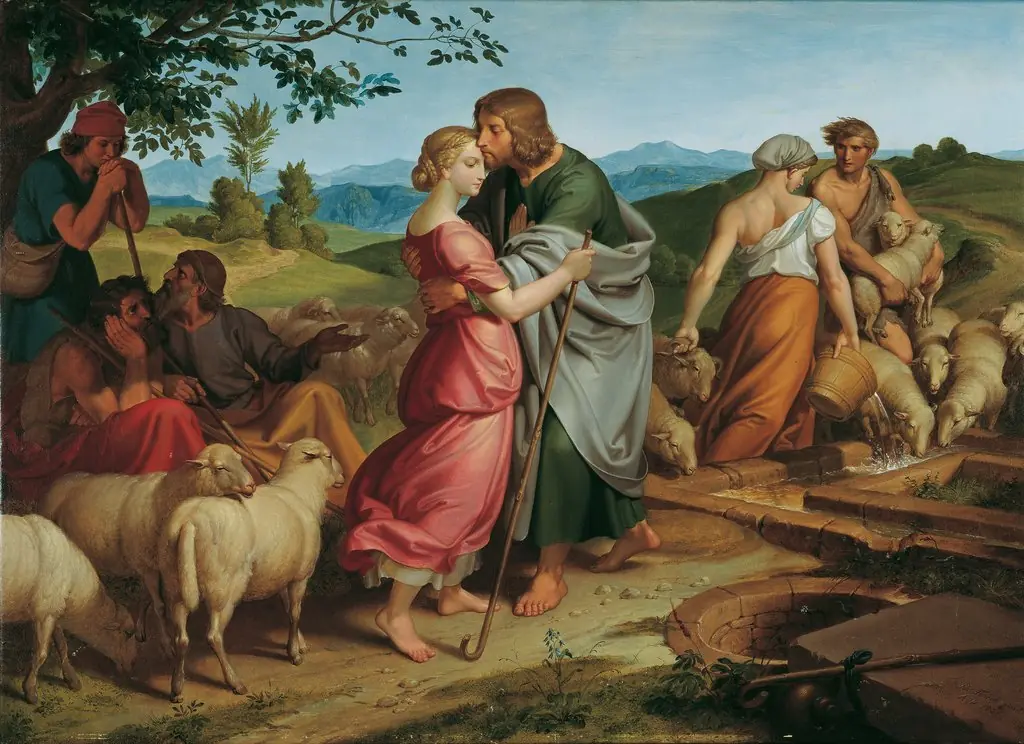 Jacob Encountering Rachel with her Father's Herds
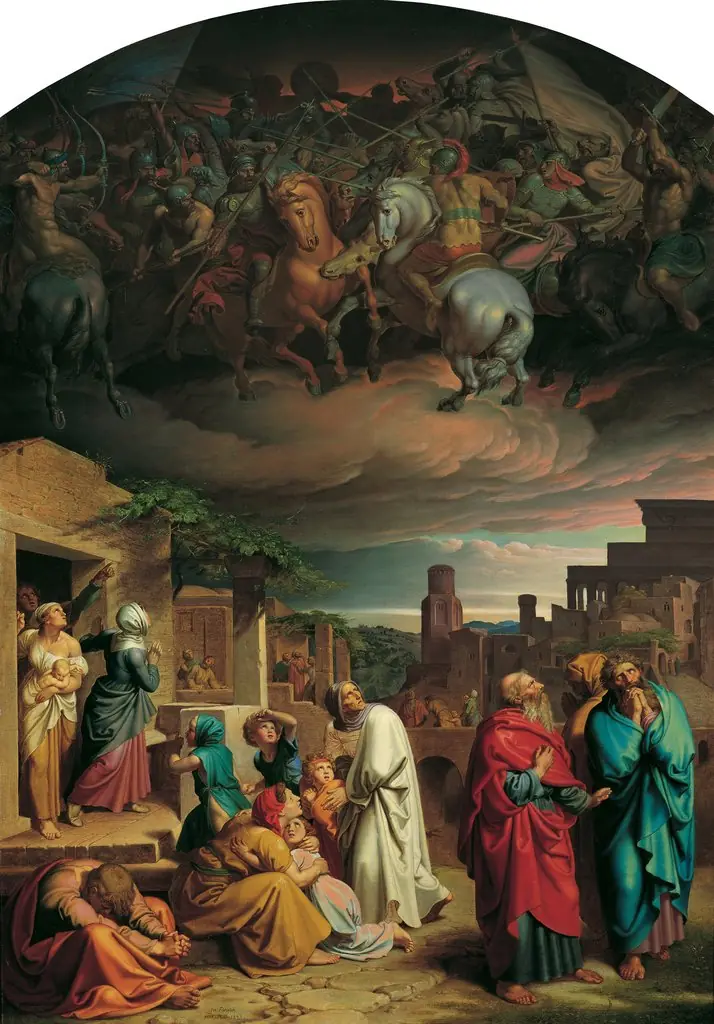 Vision of the Inhabitants of Jerusalem Before the Conquest of the City by Antiochus IV Epiphanes
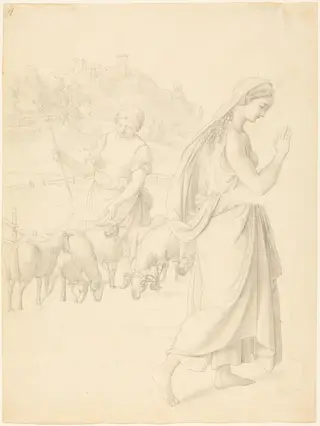 The Meeting of Jacob and Rachel
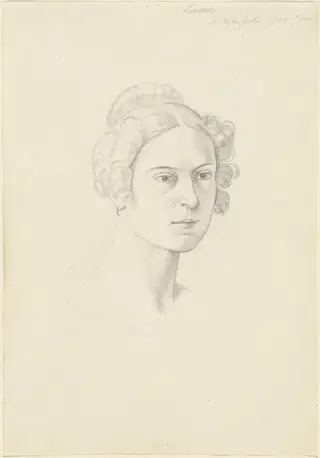 Giuseppina Massimi, Principessa Lancellotti di Lauro
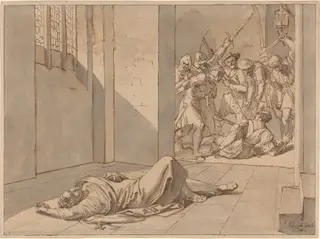 The Assassination of King Wenzel III
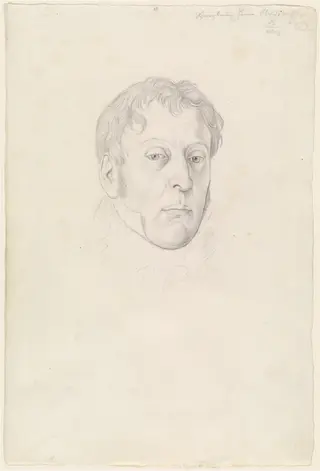 Ottavio Lancellotti, Principe di Lauro
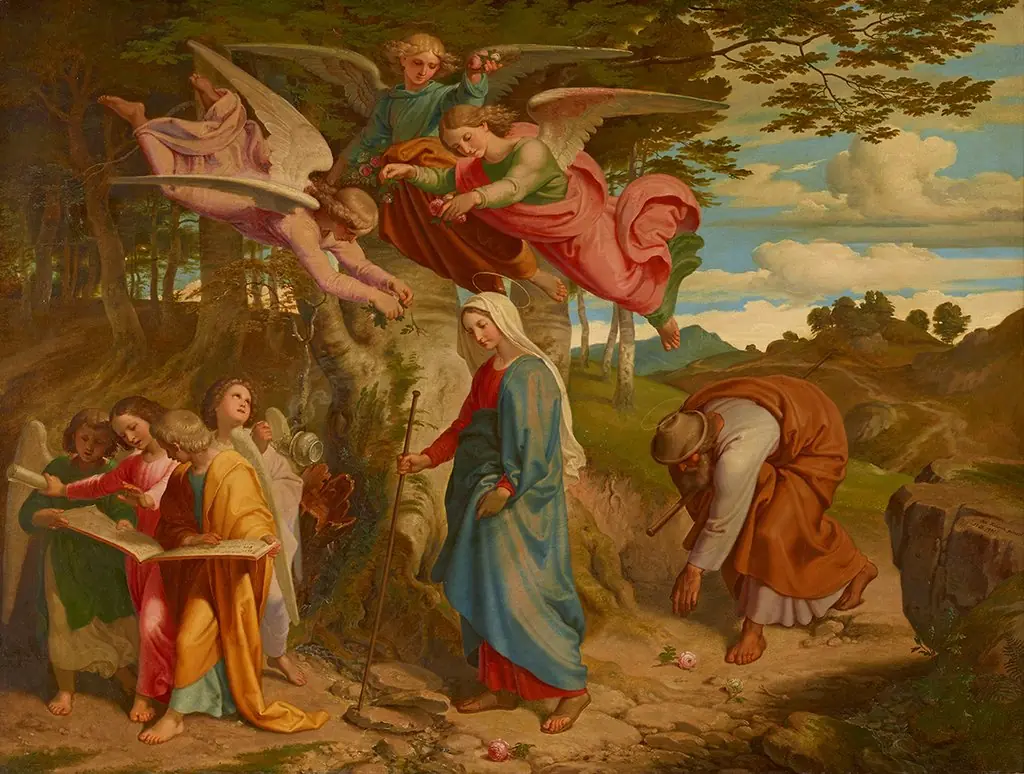 Mary's Passage Across the Mountains
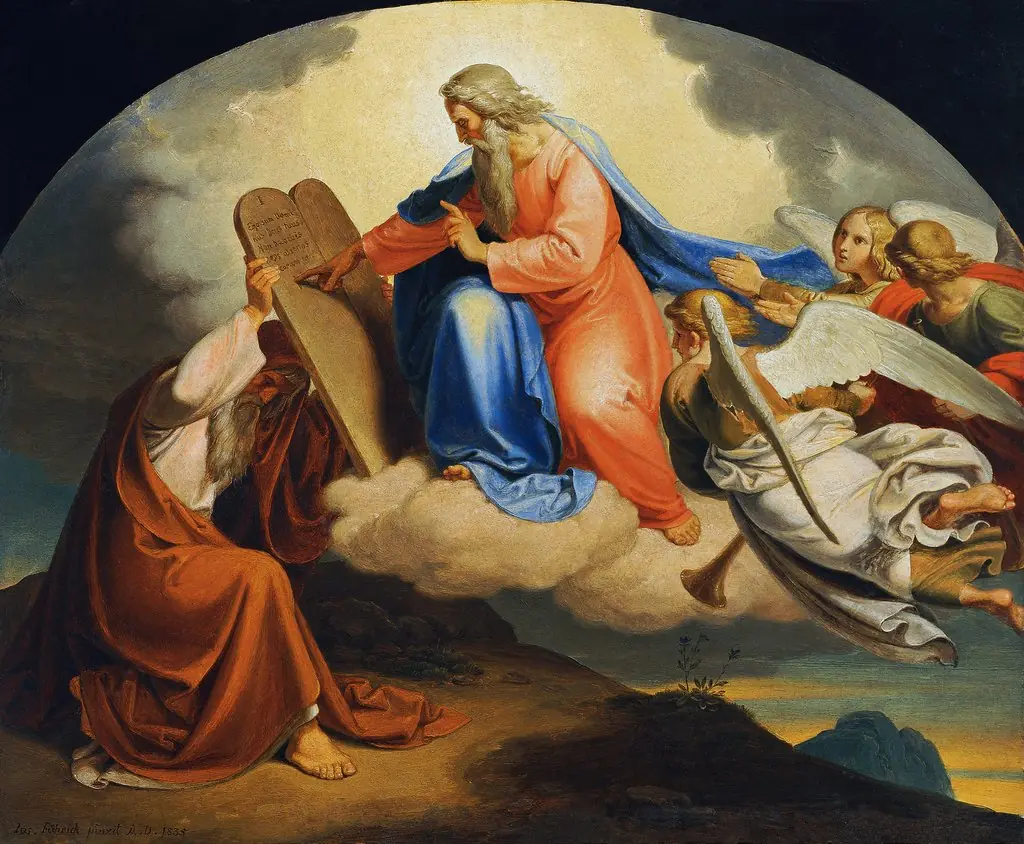 God Writes the Ten Commandments to Moses on Two Tablets of Stone on Mount Sinai