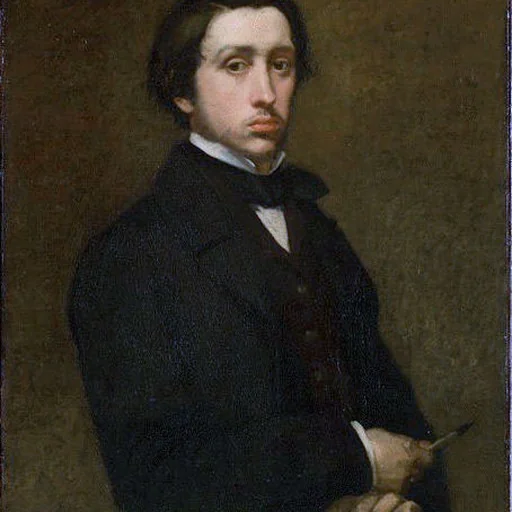
Subject
Paper
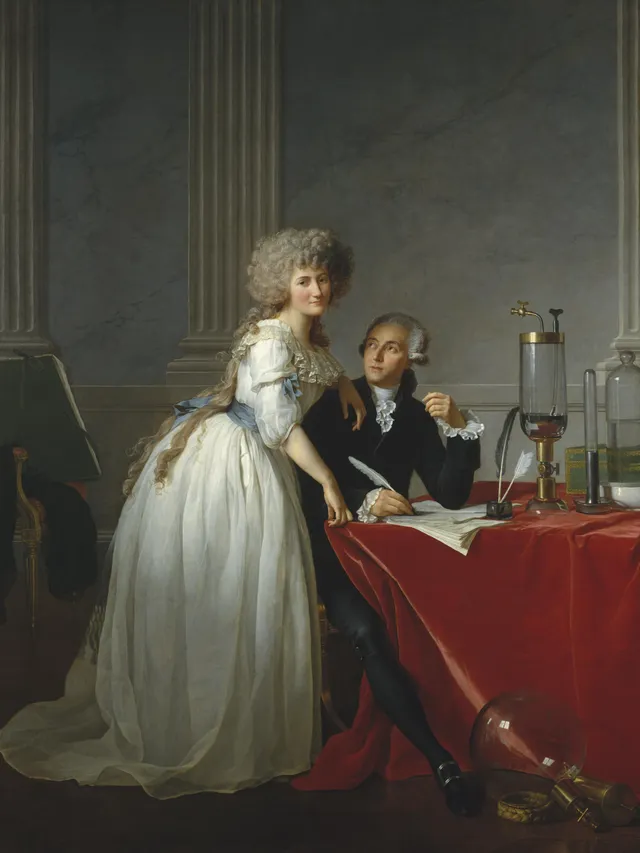
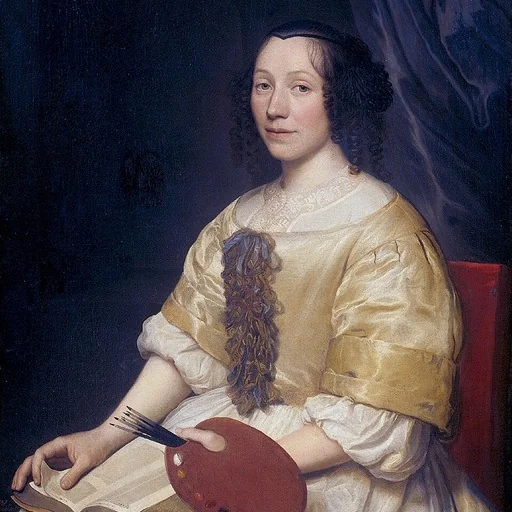
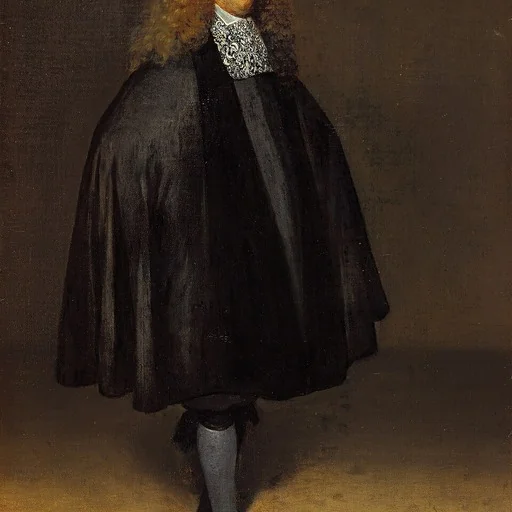
Paper is a subject in art. The gallery holds 43 works in this subject in art, including works by Edgar Degas, Jacques-Louis David and Jan Davidsz. de Heem.
Paper is a thin sheet of matted cellulose fibres, largely derived from lignocellulose, formed when a pulp is dispersed in a watery slurry, then drained, pressed, and dried into sheets. Its invention is traditionally credited to the court official Cai Lun in China around 105 CE, who refined an earlier process using mulberry bark, hemp, rags, and old fishing nets to replace cumbersome bamboo and silk. The technique spread slowly westward—reaching the Islamic world after the Battle of Talas in 751—before European production took hold. In 1264 artisans at Fabriano in central Italy built one of the first European mills, perfecting the watermark and gelatine sizing, and within a century cheap, abundant paper had begun to displace costly parchment.
That abundance transformed art itself. As paper became widely available in fourteenth-century Europe, drawing emerged as an independent activity rather than a mere preparatory step, and the white sheet became the essential support for an entire family of media: silverpoint and chalk studies, pen-and-ink, the printmaking of Albrecht Dürer and the etchings of Rembrandt, and the luminous watercolour tradition that flourished in Britain after 1750, where the brightness of the sheet lends transparent washes their jewel-like glow. In East Asia, handmade washi sustained calligraphy and the woodblock prints of the ukiyo-e masters.
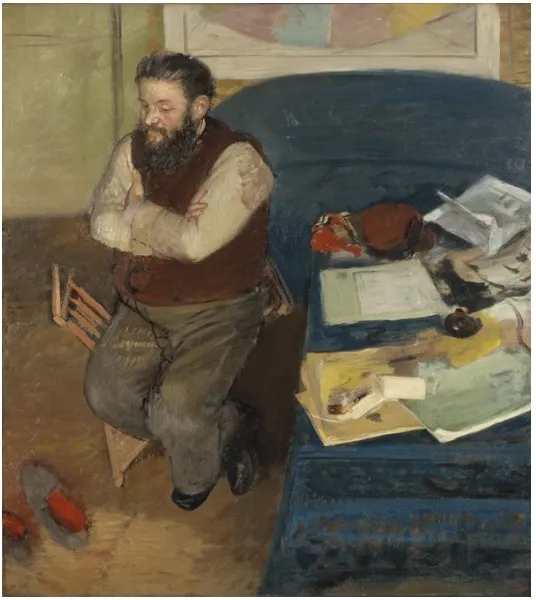
Paper also entered painting as a depicted subject in its own right, nowhere more eloquently than in the Dutch Golden Age. Letters, ledgers, and open books became vehicles for intimacy, learning, and vanitas meditation on transience. Gerard ter Borch returned repeatedly to the writing and reading of letters, as in our Woman writing a letter, while Jan Davidsz. de Heem's Still Life with Books weighs the fragility of knowledge. The motif recurs in Jacques-Louis David's Portrait of Antoine-Laurent Lavoisier and his wife, with its scientific manuscripts, and in Edgar Degas's Portrait of Diego Martelli, the critic surrounded by his papers.
In the twentieth century paper became an autonomous medium. In late 1912 Georges Braque invented papier collé, pasting cut papers onto a ground; Pablo Picasso seized on it, introducing newspaper into his Cubist compositions and inaugurating collage as a central modern practice—later extended in Henri Matisse's cut-outs. From humble support to expressive material, paper underlies much of the graphic arts and the avant-garde alike.
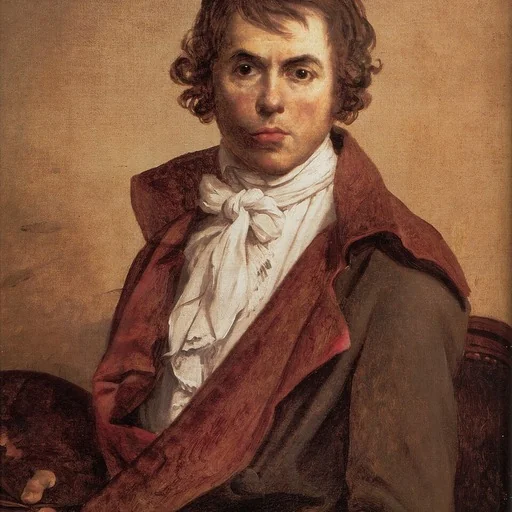
Key artists
Works
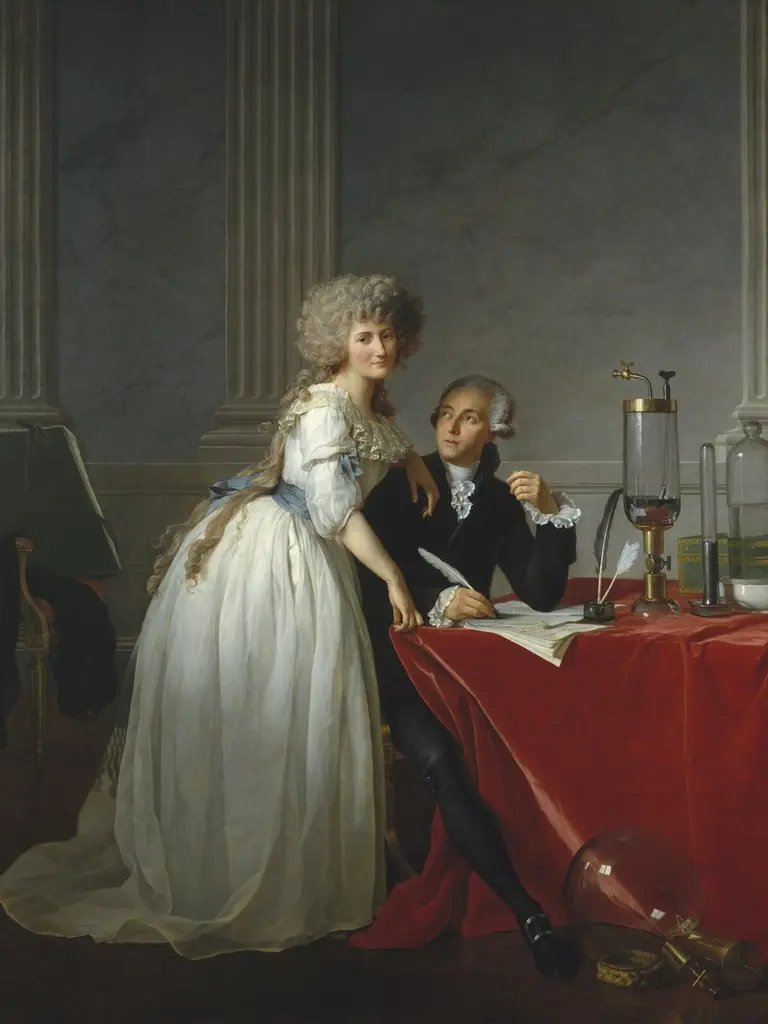 Portrait of Antoine-Laurent Lavoisier and his wife
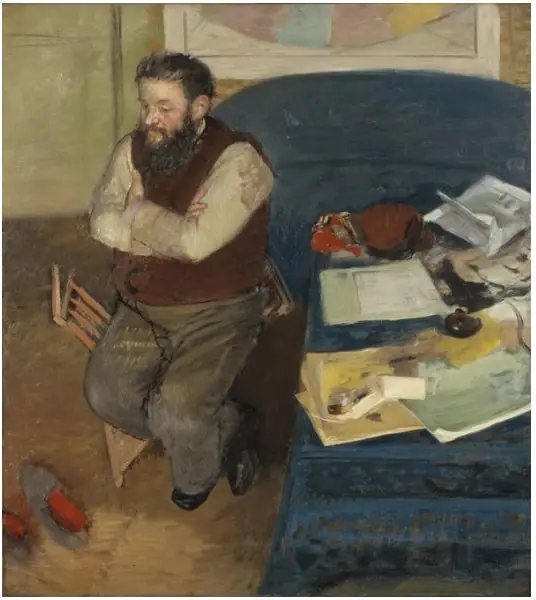 Portrait of Diego Martelli
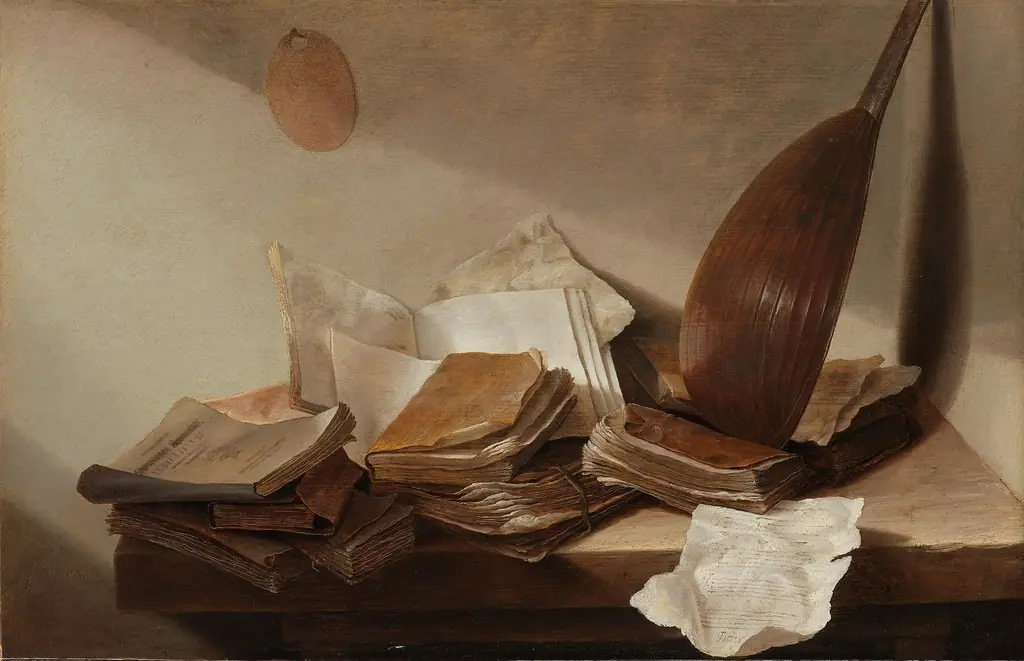 Still Life with Books
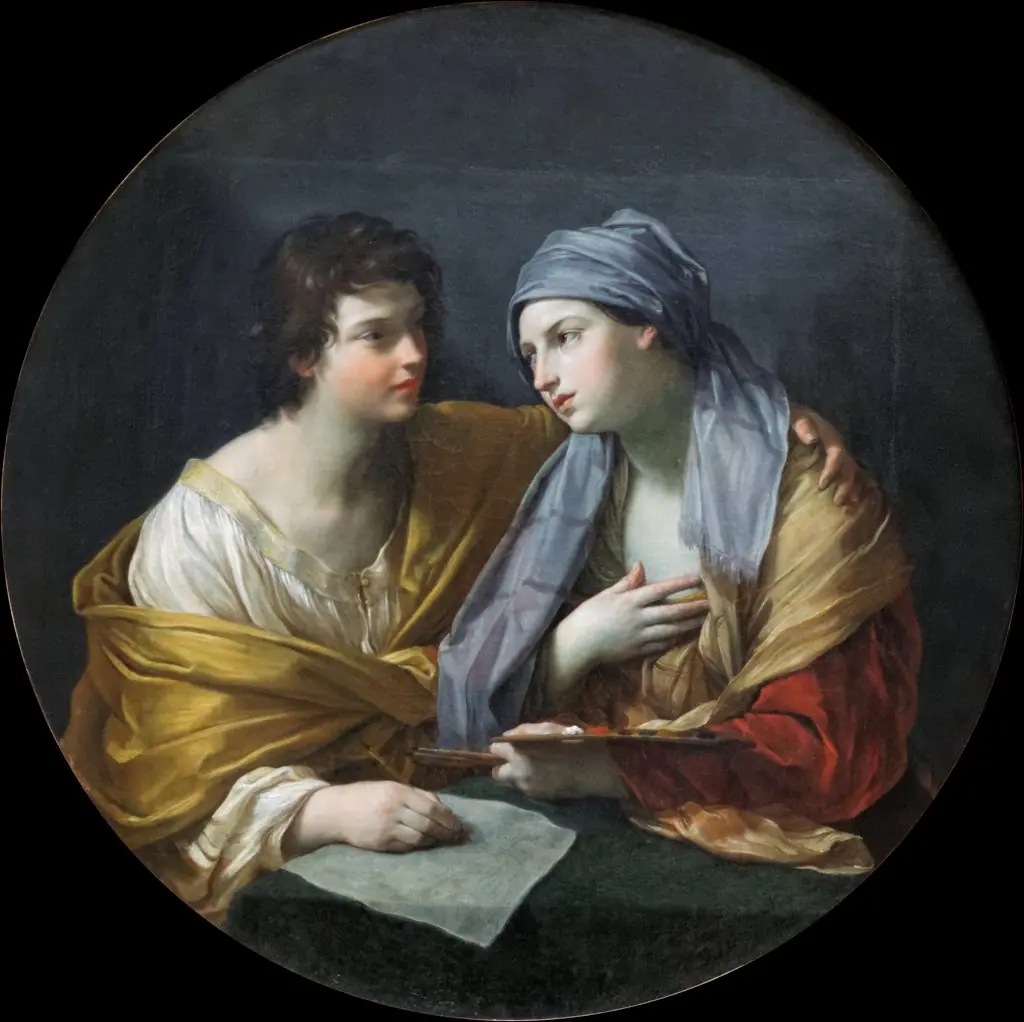 The Union of Drawing and Color
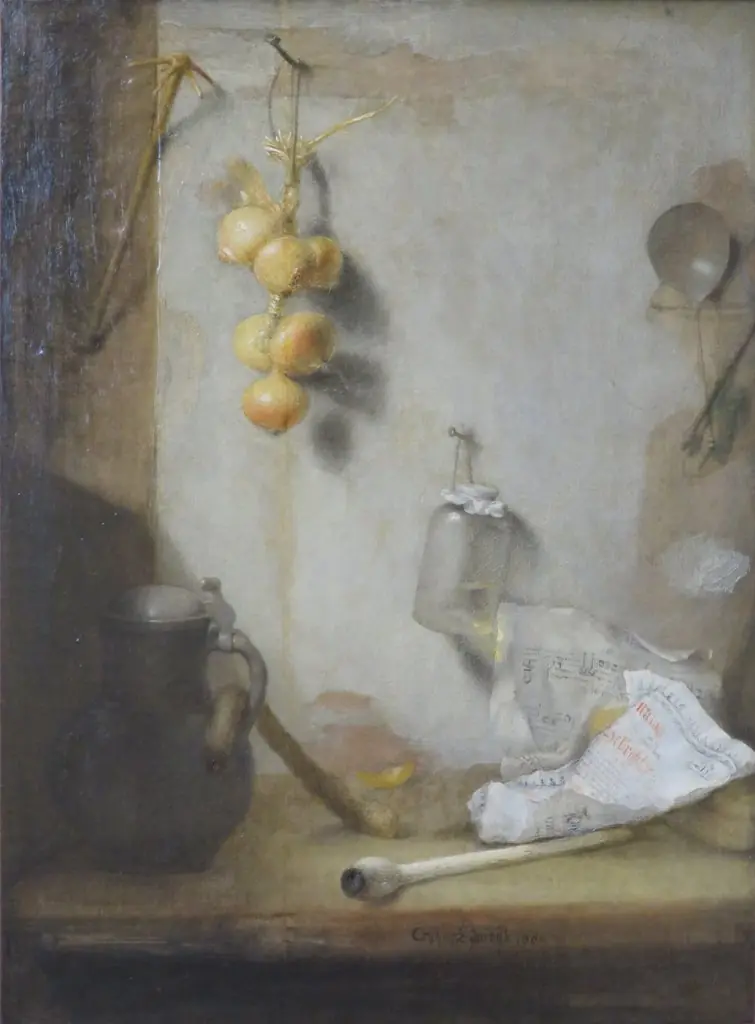 Still Life
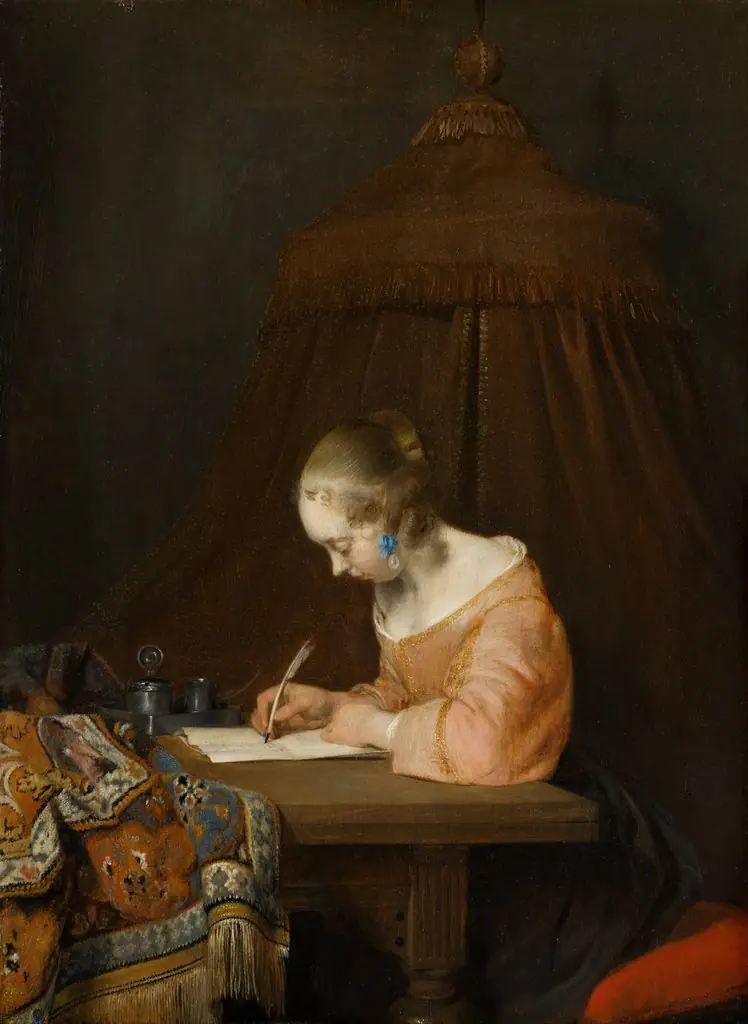 Woman writing a letter
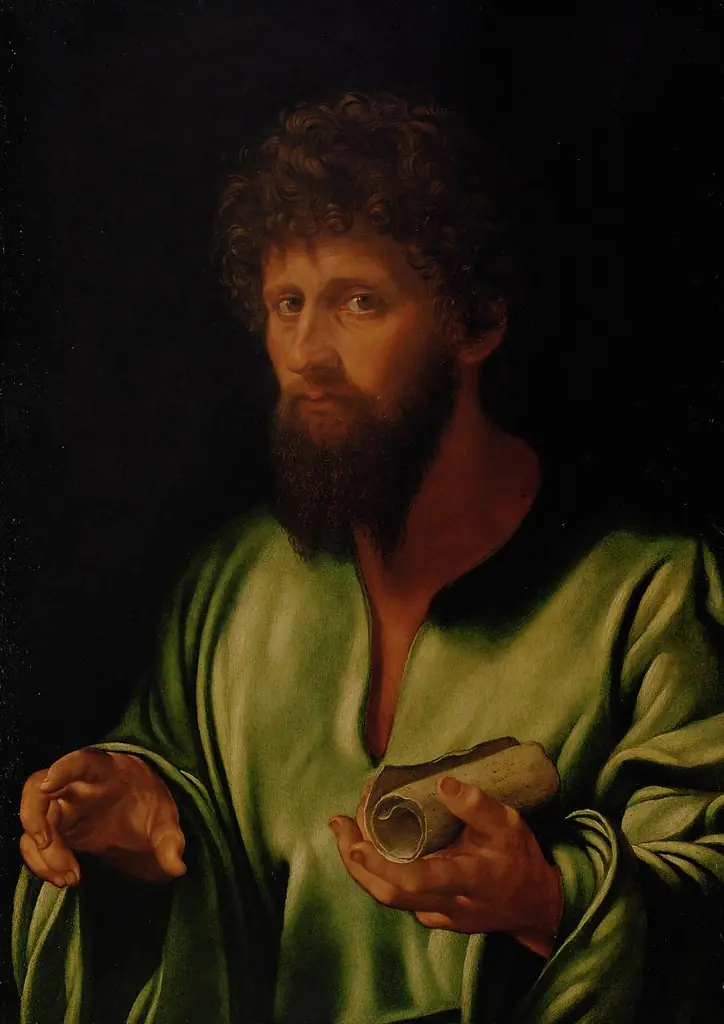 A philosopher
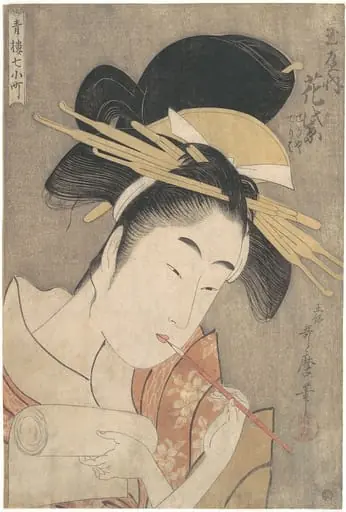 『青楼七小町』 「玉屋内花紫」|“Hanamurasaki of the Tamaya,” from the series Seven Komachi of the Pleasure Quarters (Seirō Nana Komachi)
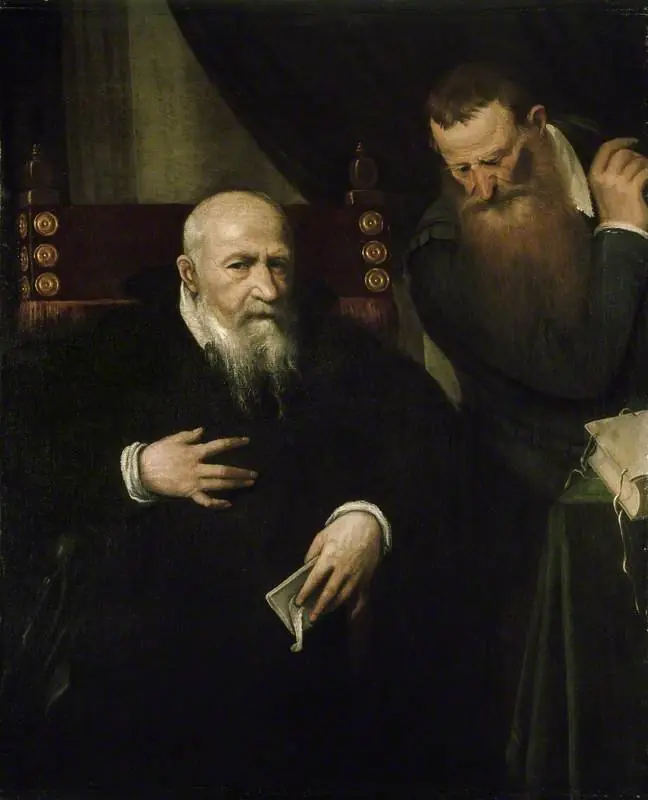 Portrait of a Man and his Secretary
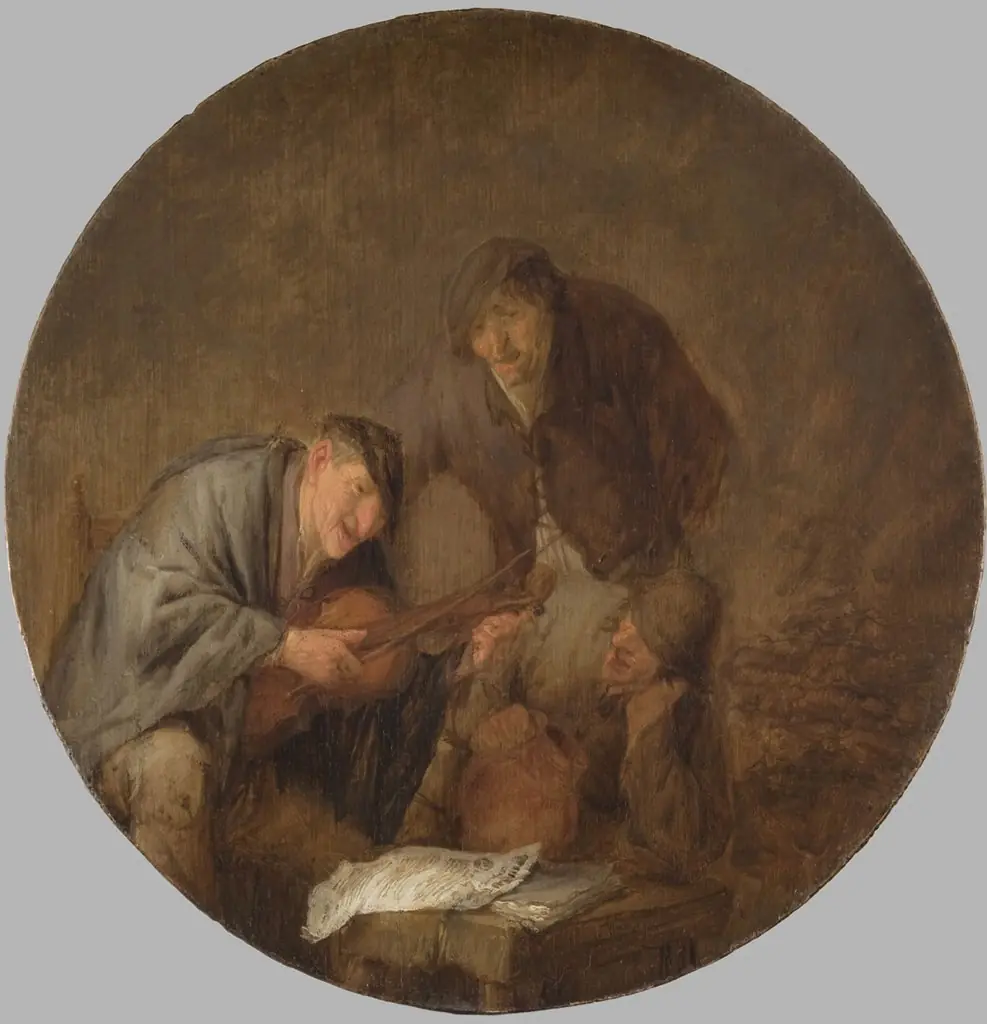 Peasants Making Merry
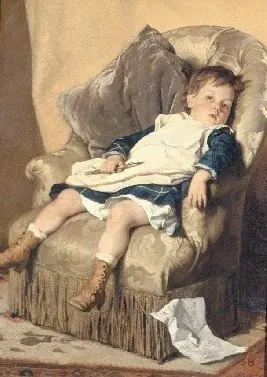 A Vocation
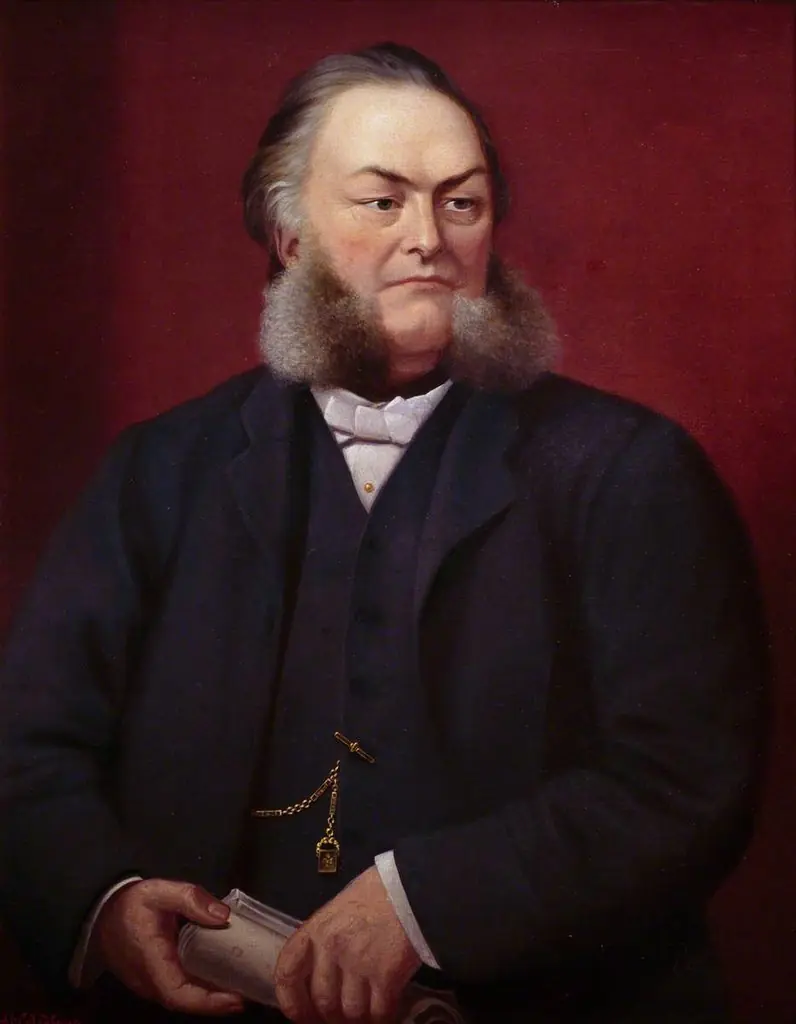 Reverend Herber Evans (1836–1896), DD
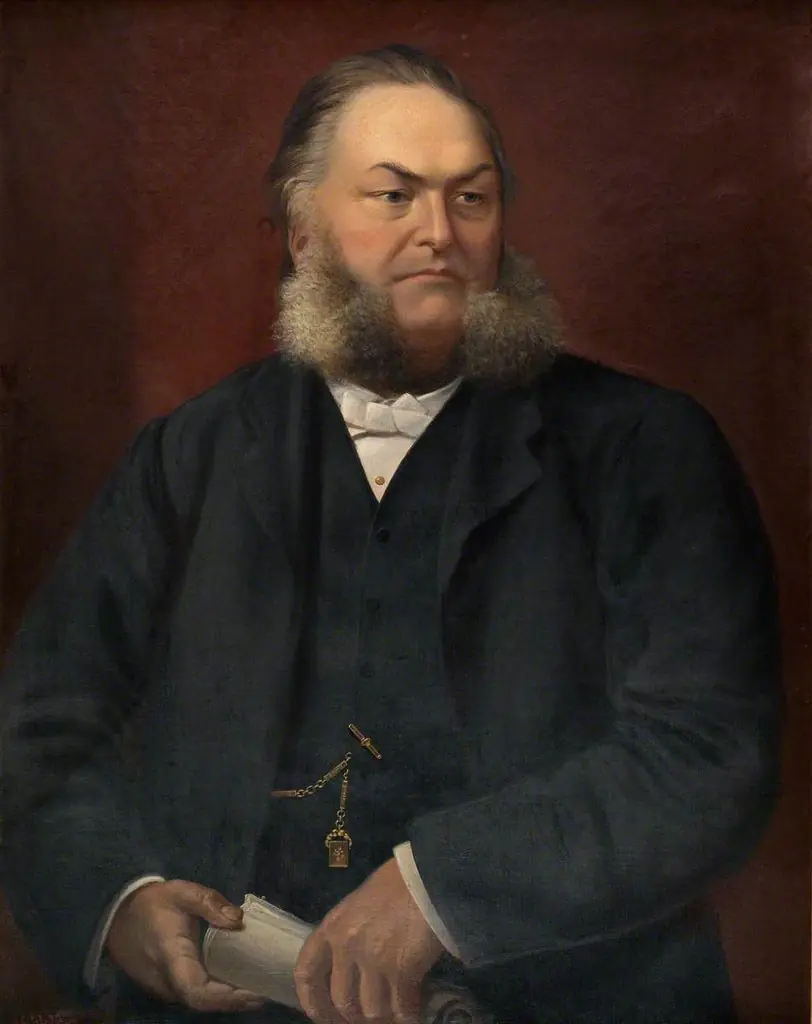 Reverend E. Herbert Evans of Carnarvon (1836–1896)
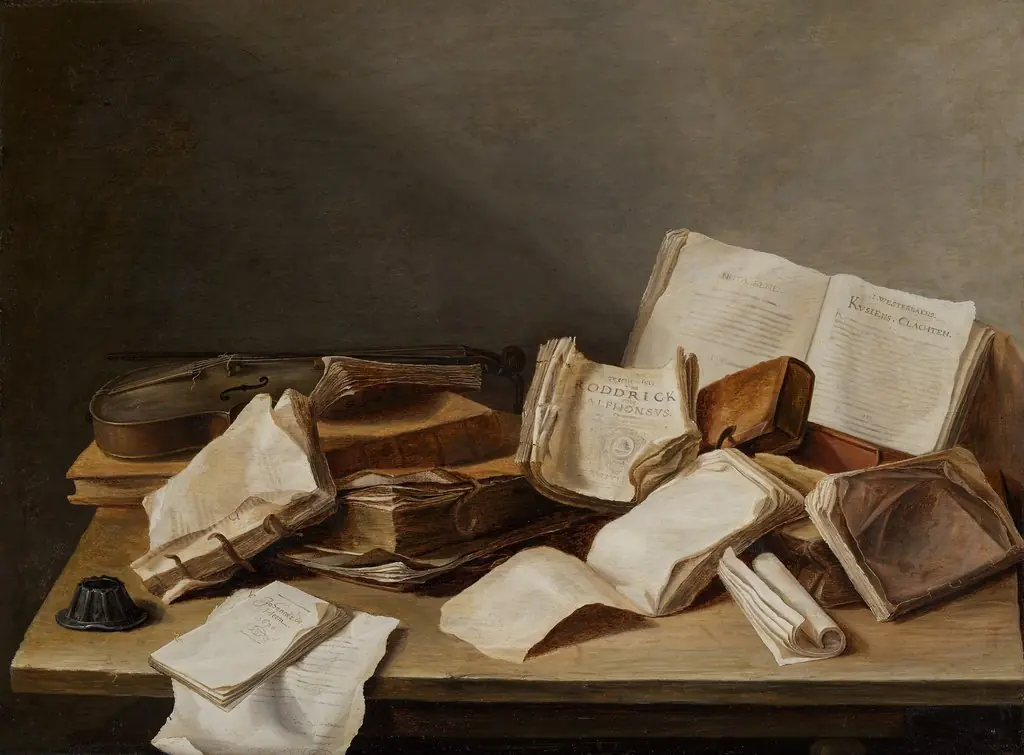 Still-Life of Books
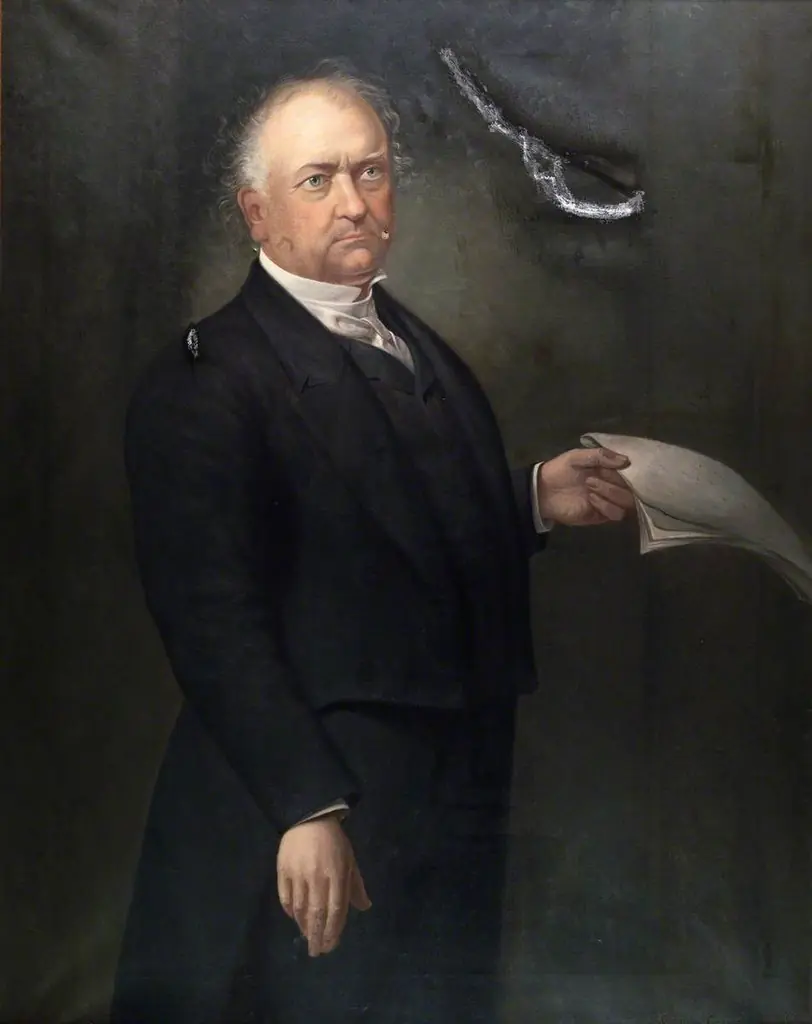 Reverend William Williams (Gwilym Caledfryn) (1801–1869)
![Portrait of a Merchant [possibly Jan Snoeck]](https://artifactworldgallery.com/img/portrait-of-a-merchant-possibly-jan-snoeck--0a8a46dc3a051aff-w320.webp) Portrait of a Merchant [possibly Jan Snoeck]
Portrait of a Merchant [possibly Jan Snoeck]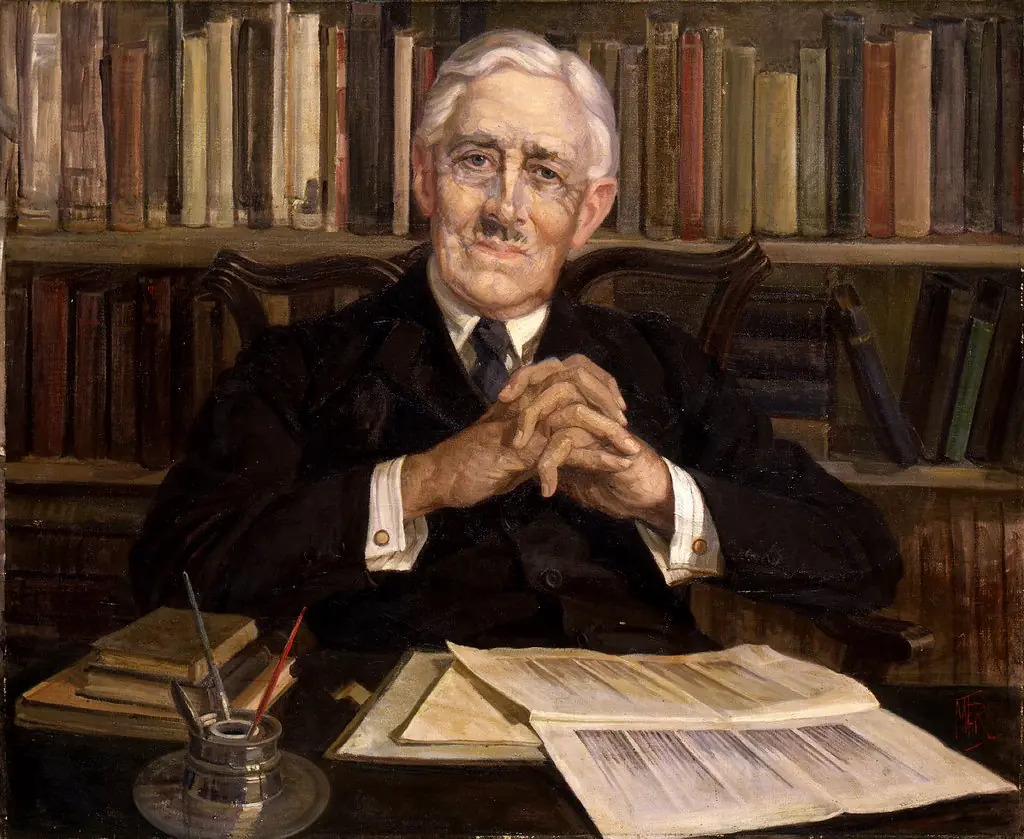 Sir Truby King, C.M.G.
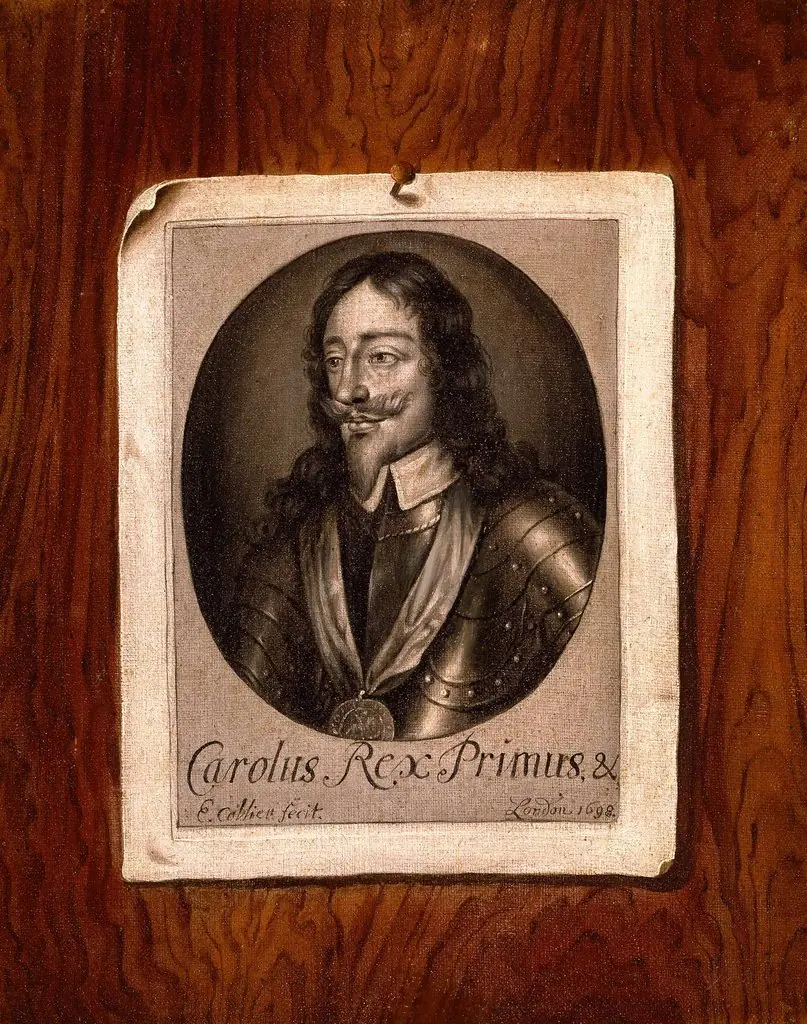 Charles I
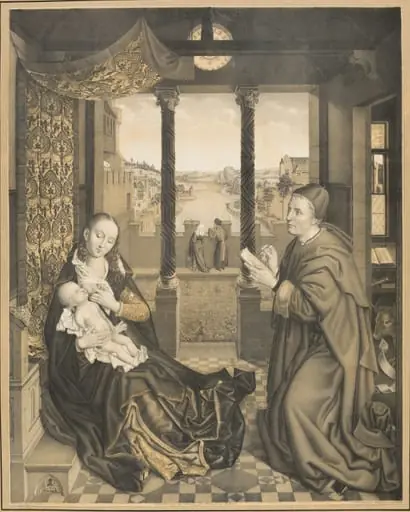 Der hl. Lucas malt das Portrait der Jungfrau
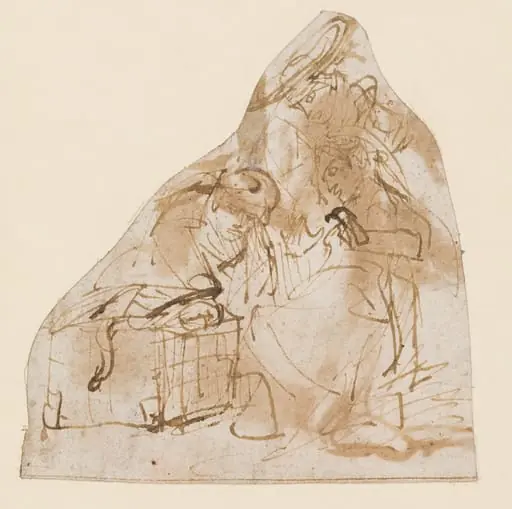 Die Töchter des Kekrops erblicken den jungen Erichthonios
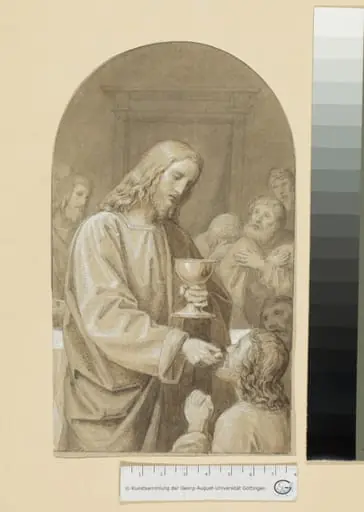 Das letzte Abendmahl (evtl. früher Entwurf für das Walsroder Altargemälde)
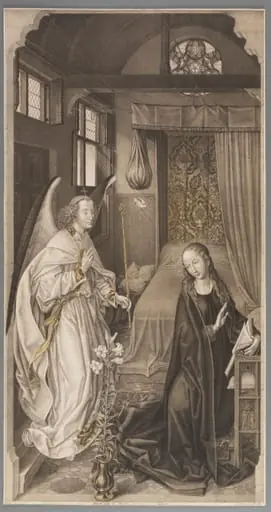 Die Verkündigung
 Femeie în haină de blană
 Vas cu flori
 Spălare
 Imagine realizată prin tehnica desenului și a acuarelei, ce prezintă un bărbat în port orășenesc săsesc din Sibiu. Acesta ține în mână o blană. Acuarela este încadrată într-un chenar negru, realizat pe hârtie cu tuș. Sub imagine, însemnare manuscrisă în limba germană: „Ein sächsischer Burger in Hermannstadt
 Joc în negru și alb
 Ceasul și treptele năzuinței
 Tracing of a Fountain from Recto and Sketches of Two Faces (verso)
 Slow Life (Web) No. 2
 Untitled
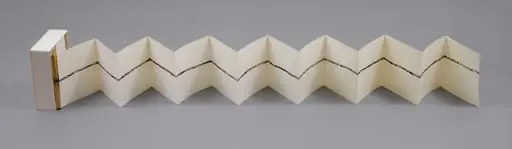 Untitled
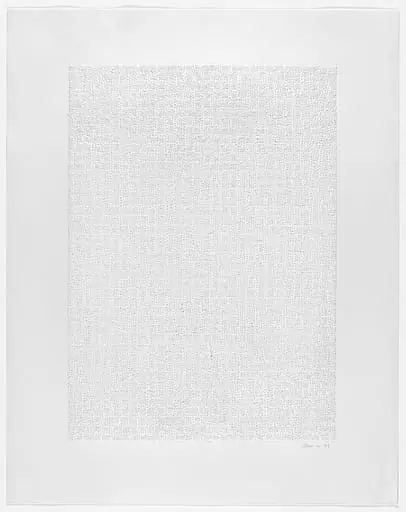 Untitled
 Untitled
 Femeie dezbrăcându-se
 Doamnă cu pălărie
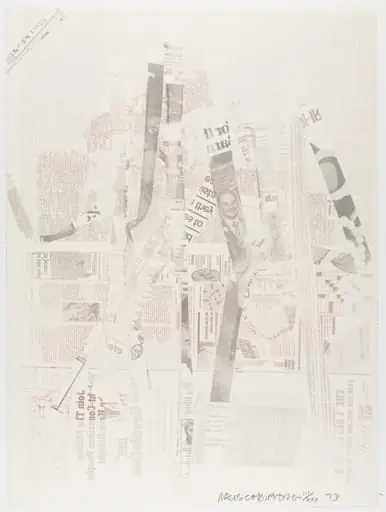 Untitled
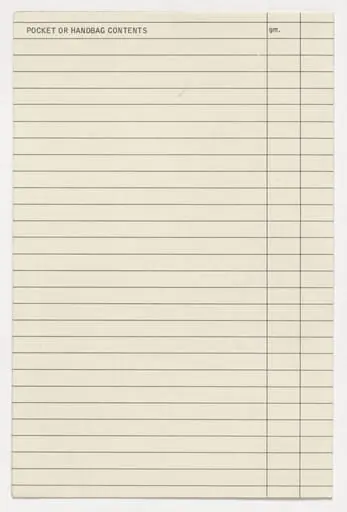 Untitled
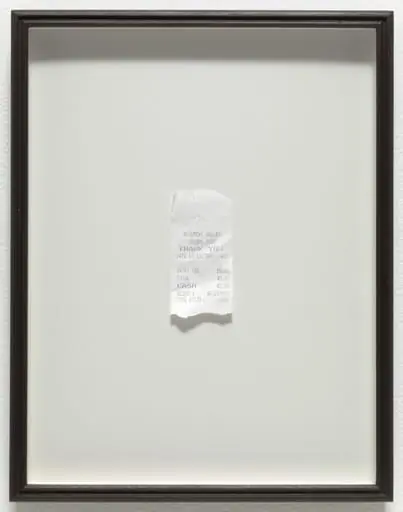 Untitled
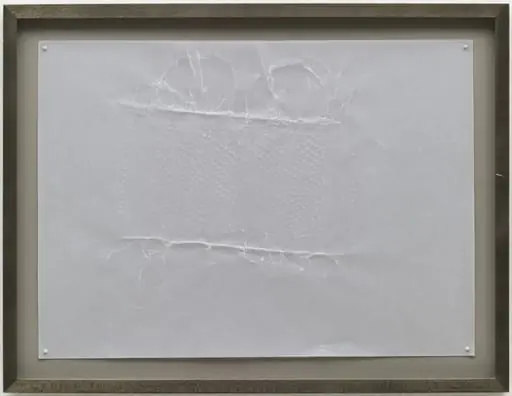 Untitled
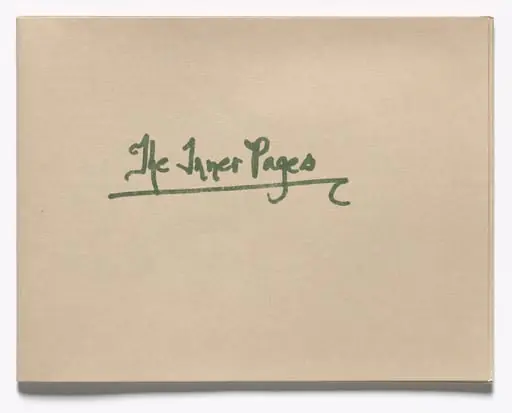 Untitled
 Untitled
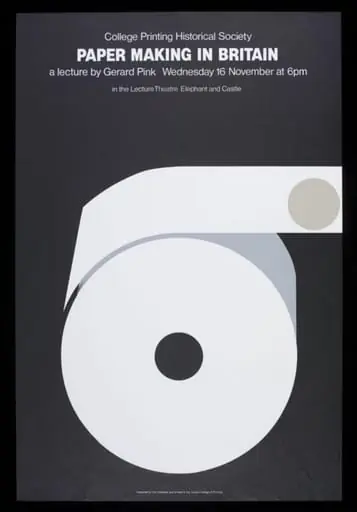 Paper Making in Britain
Frequently asked questions
What is Paper?
Paper is a thin sheet of matted cellulose fibers.
How many Paper works does Artifact World Gallery have?
Artifact World Gallery holds 43 public-domain Paper works, all free to view and download.
Who are the key Paper artists?
Key Paper artists in the collection include Edgar Degas, Jacques-Louis David and Jan Davidsz. de Heem.
Where can I see Paper works?
Paper works in the collection are held by Museum of Modern Art, Gavrila Simion Eco-Museum Research Institute Tulcea and Art Collection of the University Göttingen.